Most visitors to Joshua Tree National Park don't realize that the most centrally located campground with the best rock-formation views is also the hardest one to book. Jumbo Rocks Campground sits right along Park Boulevard at the heart of the park, and its 124 sites fill faster than any other campground in the system. By late morning during peak season, every reservation is spoken for - sometimes weeks in advance.
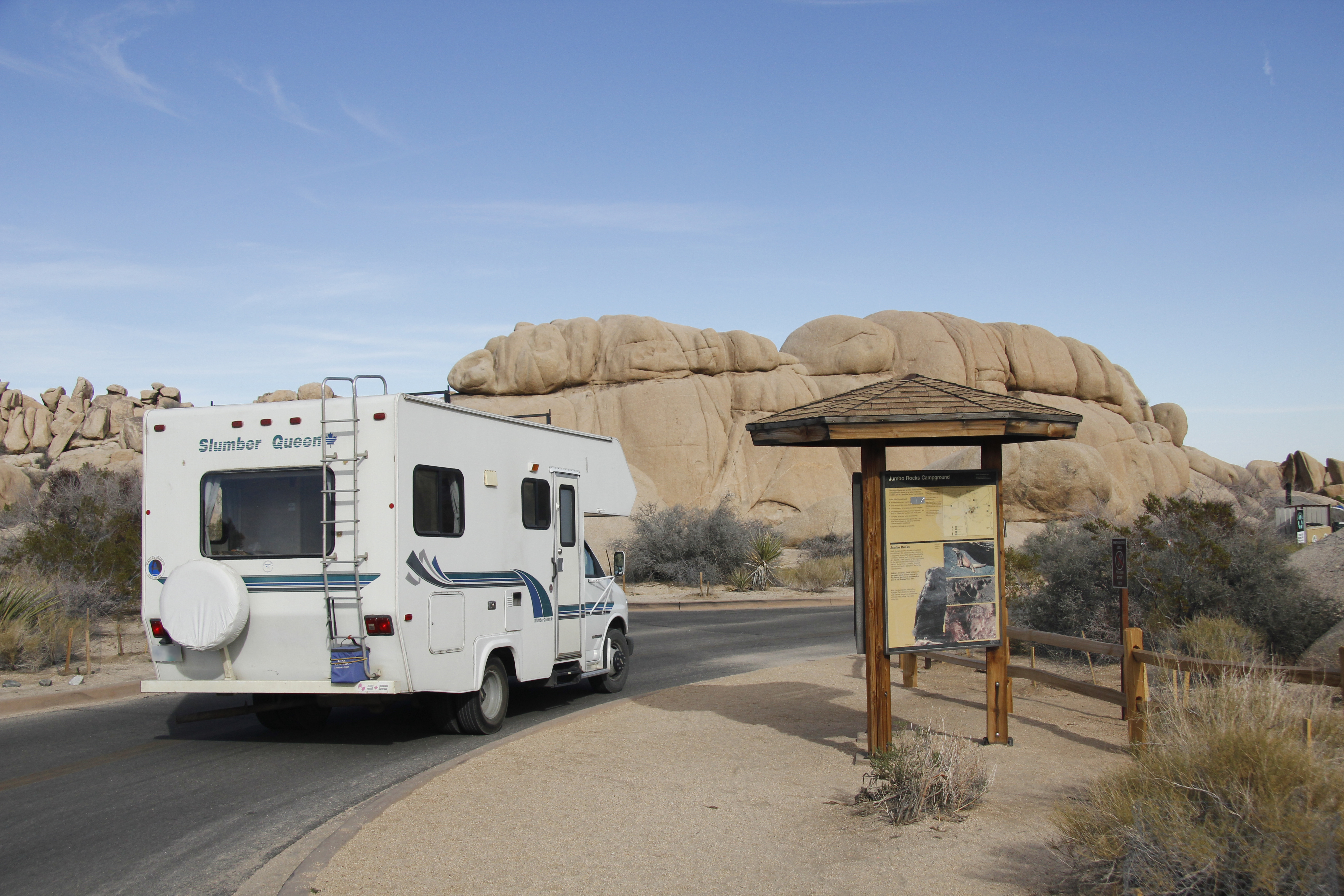
NPS via NPS.gov (Public Domain)
Campsites at Jumbo Rocks Campground (2026 Guide)
7 min read
Campsite Guide
The campground's position along Park Boulevard puts you within a 10-minute drive of most major trailheads and viewpoints.
Your plans
For more, see Campsites at Belle Campground (2026 Guide) and Campsites at Ryan Campground (2026 Guide).
This guide covers exactly what you need to know to secure a site, what to expect once you arrive, and how to make the most of your stay at one of Joshua Tree's most sought-after camping destinations. If you're planning a trip, you'll also want to check out the complete visitor guide for broader logistics.
Why Jumbo Rocks Draws the Crowds
Location is the main draw, and it's not close. Jumbo Rocks Campground is parked in the middle of the park's most iconic geology - the Wonderland of Rocks. You don't need to drive anywhere to see the huge granite boulder piles that define Joshua Tree's landscape. They're right outside your tent.
The campground's position along Park Boulevard puts you within a 10-minute drive of most major trailheads and viewpoints. Skull Rock is practically next door - a 1.7-mile loop trail that starts right off Park Boulevard and winds through the same boulder fields that surround the campground. Barker Dam Trail is about 5 minutes south. The Cholla Cactus Garden is a 20-minute drive east on Pinto Basin Road.
Rangers at the visitor center will tell you that Jumbo Rocks is also one of the best spots in the park for stargazing. The campground sits far enough from the major road traffic and nearby towns that light pollution is minimal. Joshua Tree holds International Dark Sky Park status, and from almost any site here you'll see the Milky Way clearly on moonless nights.

What You Need to Know Before You Book
Reservations and Fees
Every one of the 124 sites at Jumbo Rocks Campground requires a reservation. There are no first-come, first-served sites here, and the campground does not hold any sites for walk-ups. You book through Recreation.gov, and as of 2026, the nightly rate is $30 per site. If you hold a Senior or Access Pass, your rate drops to $15 per night.
That $30 fee covers a maximum of six people, three tents, and two vehicles per site - but some sites only have parking for one car, so read the site descriptions carefully when you book. Check-in and check-out are both at noon. Quiet hours run from 10:00 PM to 6:00 AM, and rangers enforce them.
When to Book
Jumbo Rocks Campground is popular year-round, but the booking windows matter most from October through May. Reservations open six months ahead on a rolling basis. If you want a spring weekend site, mark your calendar for six months out and book the morning slots become available. Returning visitors know that midweek stays in the shoulder months (October and April) are the easiest to secure.
Summer camping here is possible but not comfortable for most people. Daytime temperatures routinely hit 100°F or higher from June through August. The campground stays open, and diehard campers who want solitude will find plenty of empty sites - but pack extra water and plan your activities for early morning and after sunset.
What's at the Site
The research data confirms what the park service lists: picnic tables, fire pits, and pit toilets. There is no water available at Jumbo Rocks, and no dump station. You need to bring all the water you'll use for drinking, cooking, and washing. Figure on at least one gallon per person per day, more in summer.
The sites themselves vary in size and privacy. Some are tucked against boulders with natural windbreaks. Others sit more exposed along the campground roads. Photos on Recreation.gov give a fair sense of what each site looks like, but the terrain is rocky and uneven at many spots. Bring a ground pad with some insulation value - the granite conducts temperature more than you'd expect.

Activities Right From Camp
You don't need to drive anywhere to fill a day at Jumbo Rocks. The boulder fields surrounding the campground offer endless opportunities for scrambling, photography, and exploration. But several named trails start close enough to walk to.
Hike Skull Rock
The Skull Rock hike is a 1.7-mile loop that passes the namesake formation - a rock that looks like a human skull, complete with eye sockets formed by erosion. This is the most photographed rock in this part of the park for good reason. The trail is relatively flat and easy, making it a good option for families or anyone who wants a short walk after setting up camp.
Stargazing
As of 2026, this remains one of the top reasons visitors choose Jumbo Rocks over more remote campgrounds. The boulder formations create natural frames for night photography, and the open sky above the campground sees very little light spill. On new moon nights, the stars are bright enough to cast faint shadows.
Bring a red-light headlamp so you don't ruin your night vision. The park also runs evening ranger programs at various campground amphitheaters - check the park newspaper for the schedule during your stay.
Ranger Strolls and Programs
Join a ranger for a guided walk that covers plants, animals, geology, or cultural history. These strolls run about 30 to 45 minutes and cover roughly half a mile. Topics vary by ranger, so you might get a talk on desert tortoises one morning and Joshua Tree reproductive biology the next. Evening ranger programs run about 45 minutes at the campground amphitheater.
Nearby Trails Worth the Drive
- Barker Dam Trail - a 1.1-mile loop, mostly flat, that passes a historic dam and seasonal water feature. About 5 minutes from the campground.
- Boy Scout Trail - 8 miles one way through the Wonderland of Rocks. This is a serious hike that connects to other backcountry zones. Day hikers often turn around after 2-3 miles.
- Fortynine Palms Oasis - difficult 3-mile out-and-back with 300 feet of elevation gain each direction. The trailhead is on the north side of the park, about 15 minutes from Jumbo Rocks.
The park service warns that some third-party hiking apps provide inaccurate trail and safety information. Use the official NPS app for reliable directions.

How to Secure a Site and What to Expect
The Booking Strategy
Book exactly six months ahead on Recreation.gov. The sites release at 7:00 AM Pacific time on a rolling calendar. If your dates are flexible, target Tuesday through Thursday - those nights see less competition than weekends. October and April offer the best balance of comfortable weather and availability.
What Most Visitors Underestimate
The parking situation here is tight. Each site allows either one or two vehicles, and the campground roads are narrow. If you're arriving in a large van or pulling a trailer, check the site dimensions before booking - some sites simply won't accommodate oversized vehicles.
Cell service drops out at certain points along Park Boulevard, and the campground itself has spotty reception at best. Download your reservation confirmation and any driving directions before you lose signal at the park entrance. The nearest reliable cell service is in Twentynine Palms, about 12 miles east.
What the Official Website Doesn't Mention
The biggest surprise for first-time campers at Jumbo Rocks is the wind. Afternoon gusts can pick up without warning, especially in spring. Stake your tent with extra anchors, and don't leave lightweight items loose on your picnic table.
Also worth knowing: the campground has no camp store, no firewood sales, and no ice. Stock up on everything you need in Twentynine Palms or the town of Joshua Tree before you enter the park. The gift shops at the visitor centers sell water at a markup - $4 a bottle as of 2026 - so bring your own.

Practical Takeaways
- Book exactly 6 months ahead on Recreation.gov. Sites release daily at 7:00 AM Pacific. Midweek stays in October and April offer the best availability.
- Bring all your water. Jumbo Rocks has no potable water. Plan on one gallon per person per day minimum.
- Arrive before dark. The campground roads are unlit, and finding your site after sunset is more difficult than you'd expect. The boulders all look the same in the dark.
- Pack for wind. Extra tent stakes, a wind block if you have one, and secure storage for anything that could blow away.
- Download maps and confirmations before you lose cell service. The park has limited coverage, and Jumbo Rocks sits in a dead zone for many carriers.
- Check the park alerts before you go. The Oasis of Mara Trail has a partial closure due to flood damage as of 2026, and other conditions can change quickly.
Final Thoughts
Jumbo Rocks Campground earns its reputation as Joshua Tree's most desirable central camping option. The location puts you steps away from the park's best rock formations, within a short drive of nearly every major trail, and under some of the darkest skies in the California desert. The trade-off is that you need to plan ahead - sometimes months ahead - to get a site.
But if you can manage the booking logistics and come prepared with water, sturdy stakes, and realistic expectations about desert camping, this campground delivers a experience that most visitors to Joshua Tree don't get to have. The boulders catch the last light of the day in a way photographs never quite capture, and the silence after the campground settles down for the night is the real reason people come back.
For comparisons with other camping options, check the guide to all campgrounds in the area.
For more information, see our complete Joshua Tree National Park Guide.
Sources
- Official source: NPS — Joshua Tree National Park nps.gov/jotr/index.htm
- Official source: National Park Service nps.gov/jotr/planyourvisit/jumbo-rocks-campground.htm
Photo Gallery
More to Explore
Park Guide
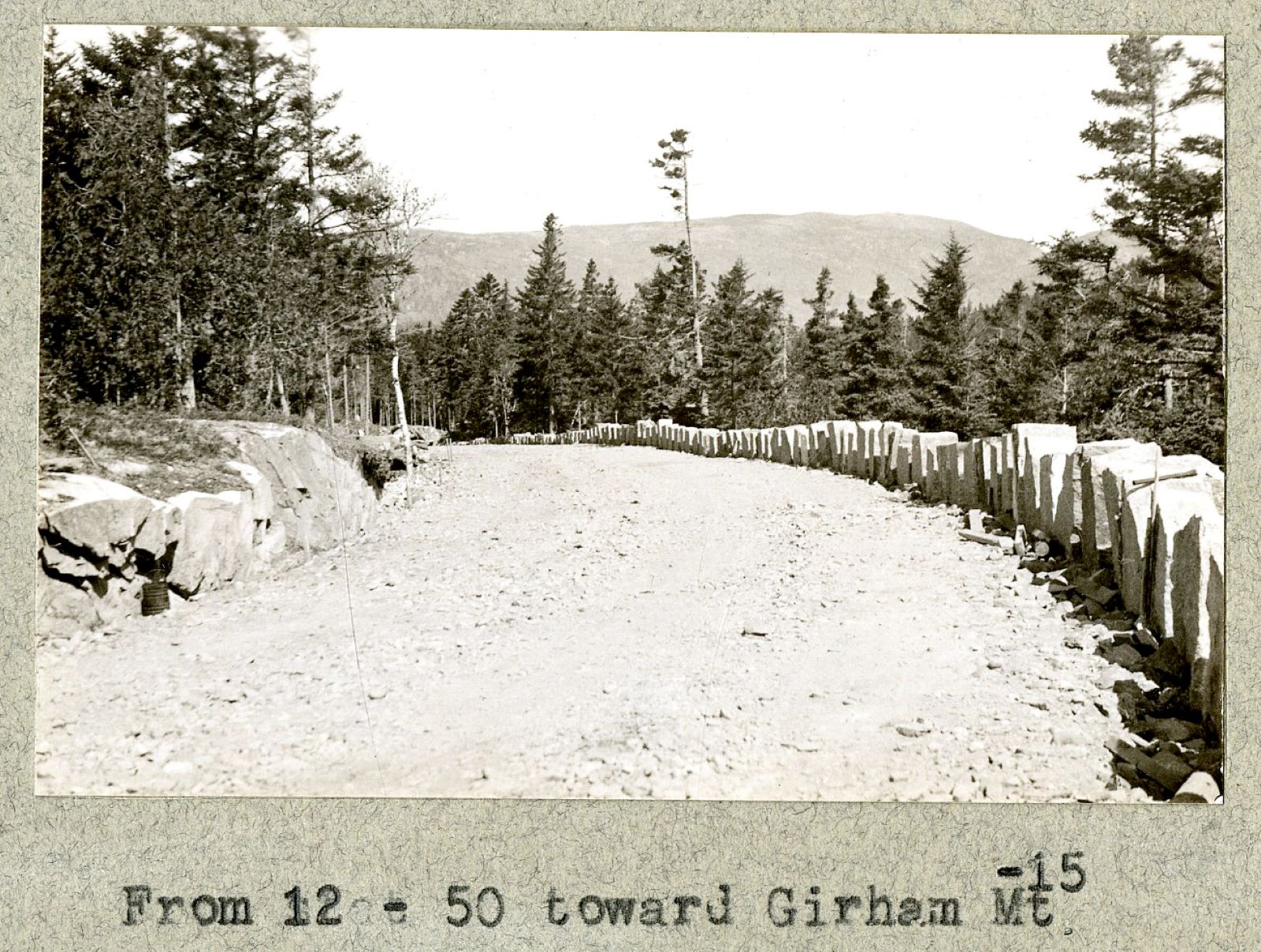
Acadia National Park: Carriage Roads, Cadillac Mountain & 2026 Guide
Discover carriage roads, Cadillac Mountain, and rugged Maine coast. Complete 2026 guide to Acadia National Park — trails, fees, lodging, permits, and what rangers recommend.
Hiking Guide
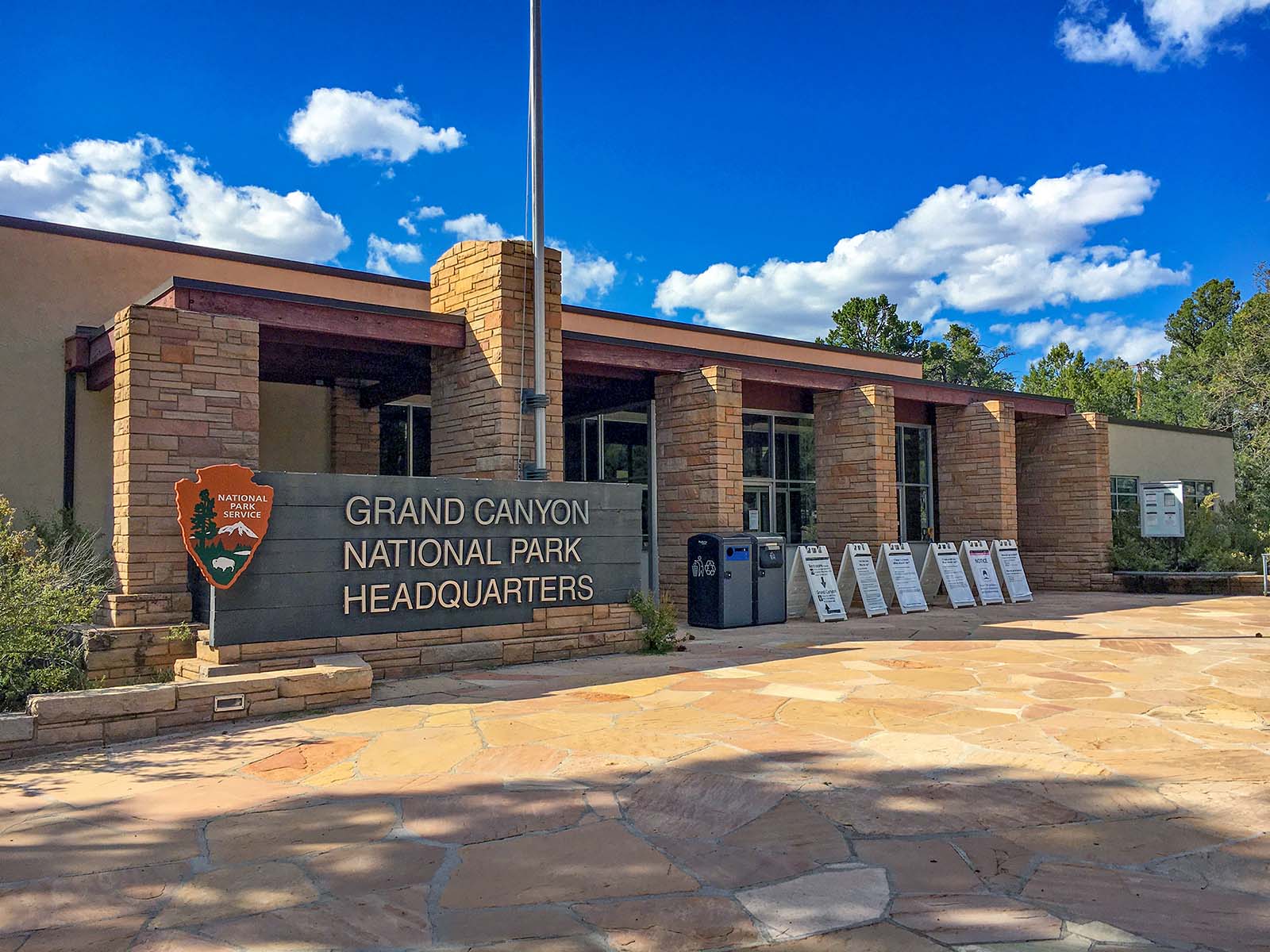
Grand Canyon Hiking Trails: Day Hikes, Water Sources & Rim to Rim
Compare Grand Canyon hiking trails: Bright Angel, South Kaibab, Hermit, Grandview, and rim to rim, with distances, elevation, water stops, and trailhead access for each.
Best Of
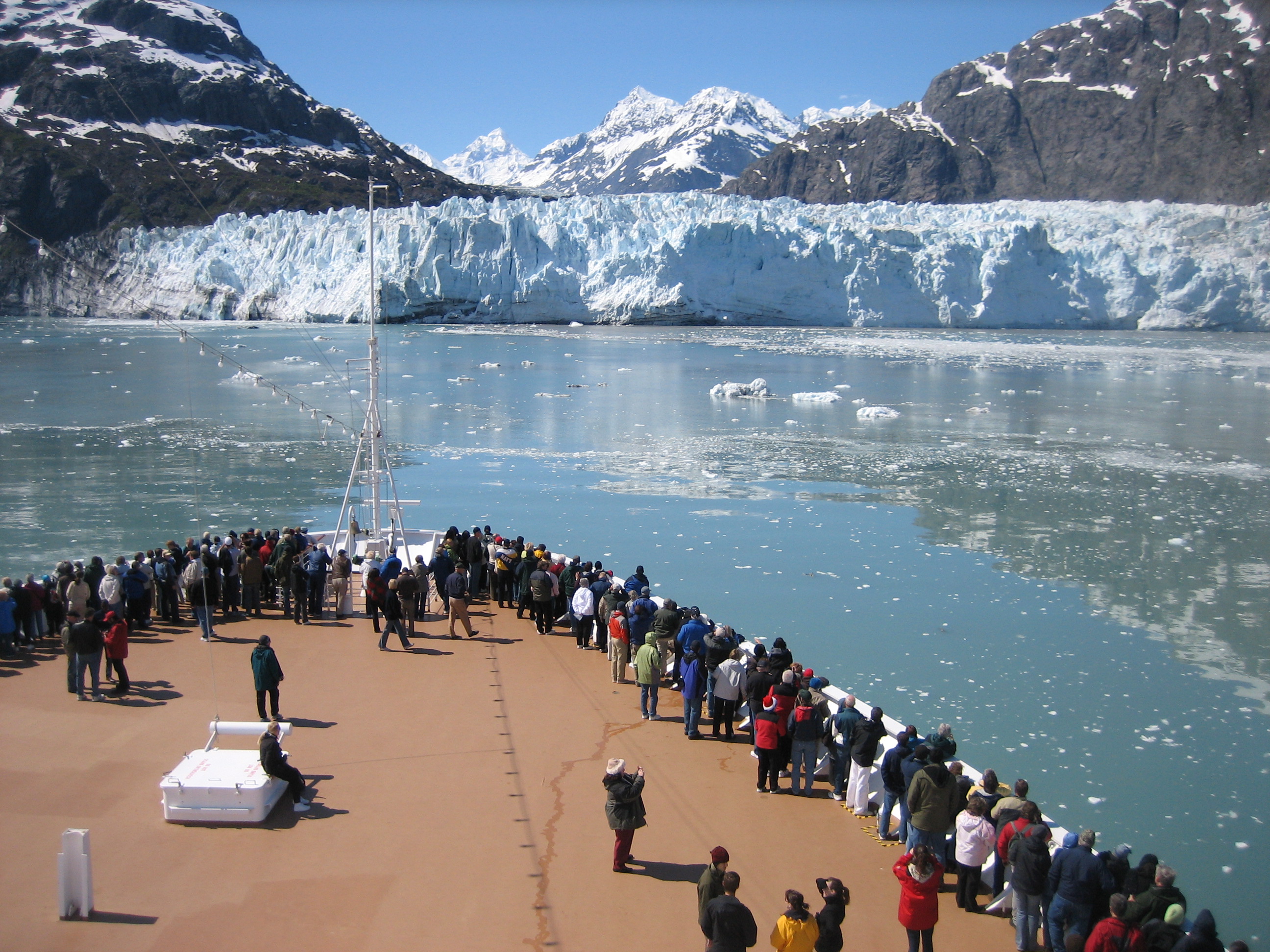
Best of Glacier Bay National Park
The best of Glacier Bay is reached by boat: ranger-led day tours up the bay to the tidewater glaciers. What's worth it, how to book, and when to go (2026).
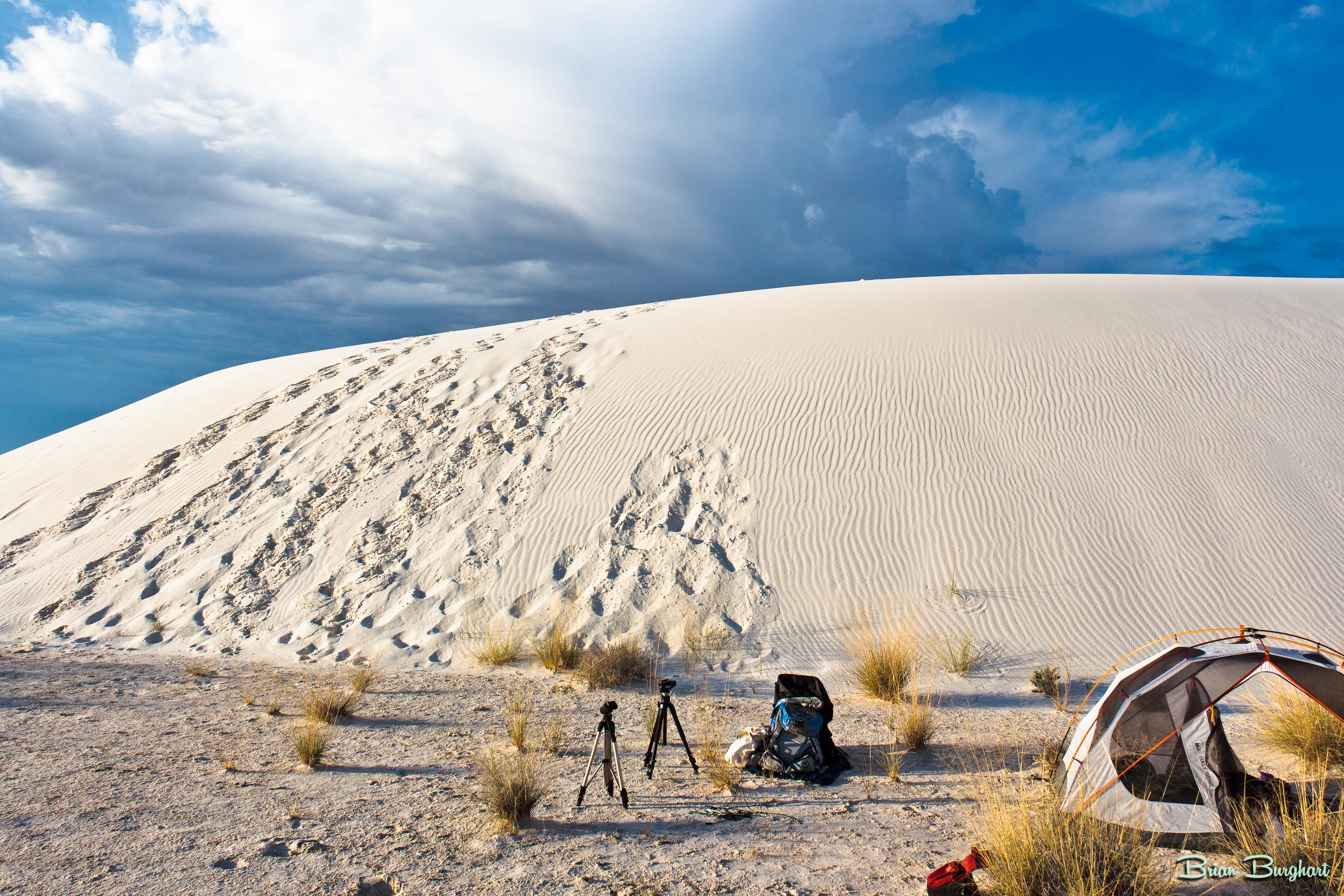
Campsite Guide
White Sands Backcountry Camping: Closed for 2026 — What to Know
As of 2026, backcountry camping at White Sands National Park is closed for site rehabilitation. What that means, and where to camp nearby instead.
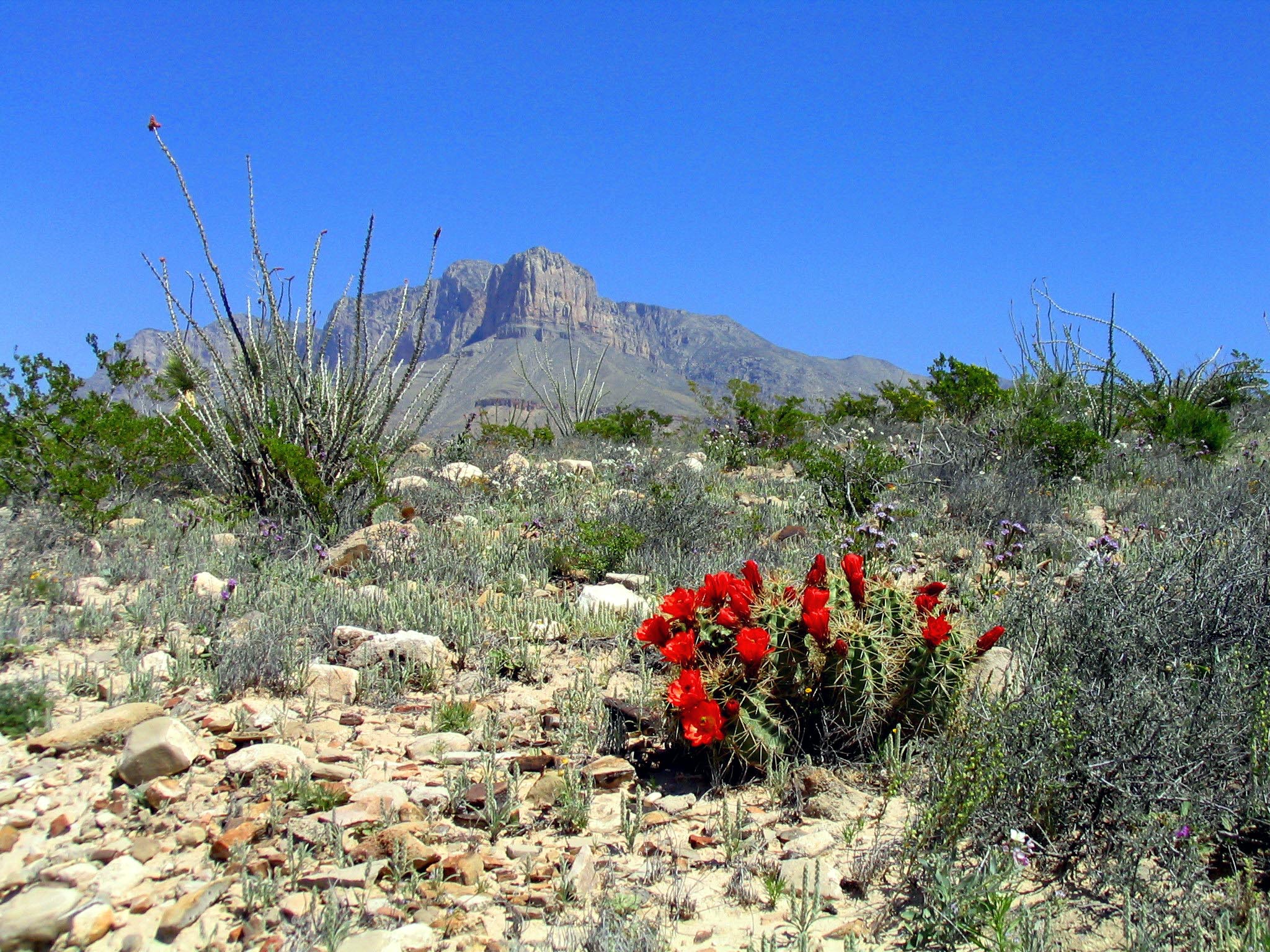
Weather Guide
Guadalupe Mountains National Park Weather: Weather
Guadalupe Mountains National Park: weather guide guide updated 2026. Practical visitor information, reservations, and seasonal tips worth bookmarking before
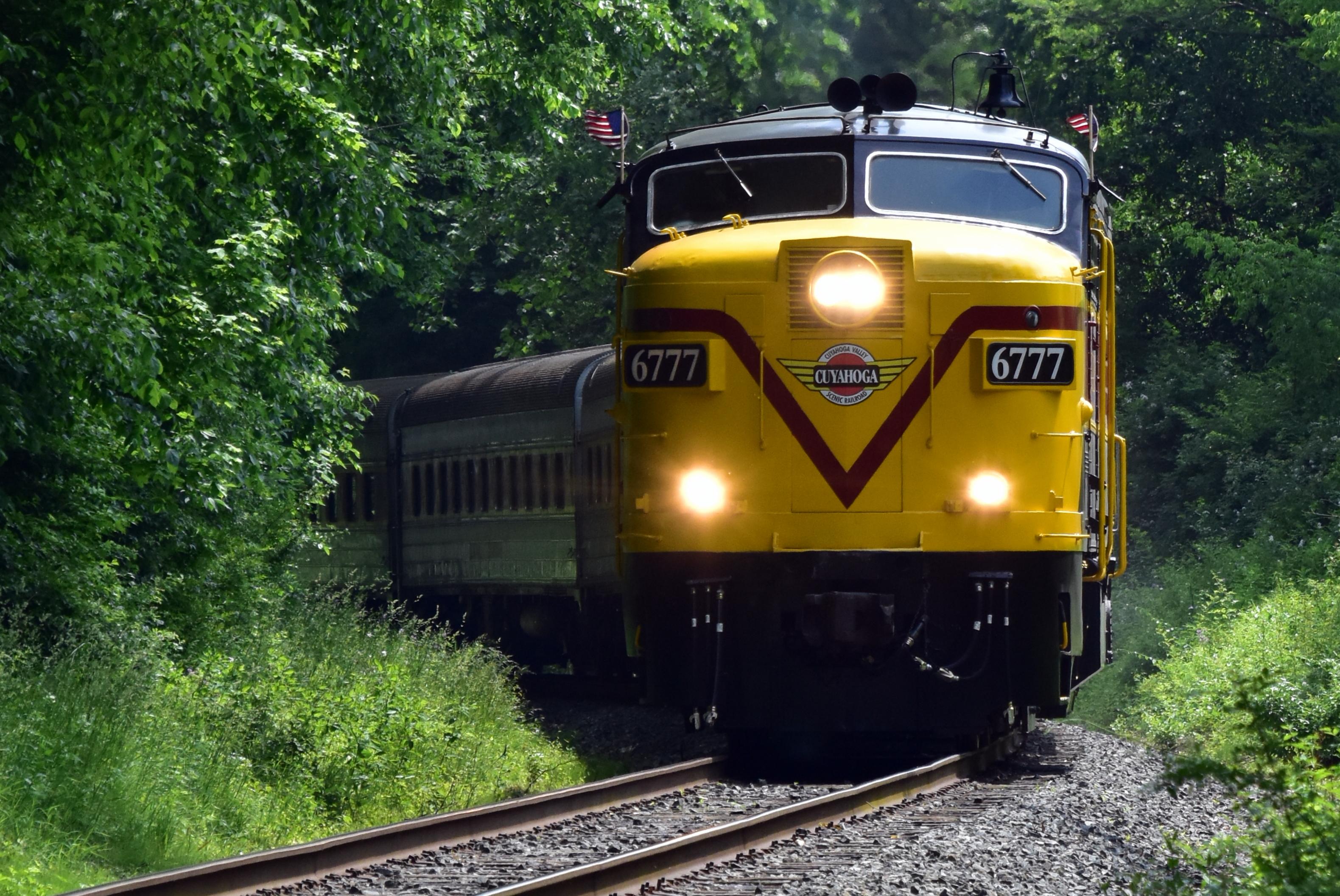
Best Of
Best of Cuyahoga Valley National Park: Best Things to Do
Seeing a Cleveland Orchestra concert with the woods as your backdrop is a uniquely Cuyahoga Valley experience.
Sign in to join the conversation.
Sources & Attribution
Location data courtesy of the National Park Service (U.S. Department of the Interior). NPS data is public domain. Official NPS page.
Images: NPS; NPS; NPS; NPS; NPS.
Map data © OpenStreetMap contributors.
Park operations alerts: NPS.gov · Weather and weather hazards: National Weather Service · Live conditions.
Information may change. Always verify fees, hours, and conditions directly with the official source before visiting.
Did this guide help? Share it with a friend.