What makes a campground with no water and vault toilets one of the most requested in Joshua Tree National Park? The answer has less to do with amenities and more to do with location. Indian Cove Campground sits in a separate section of the park, accessed from Highway 62 rather than through the main park entrances, and its 101 campsites are spread through a boulder field that gives each site real privacy. If you are looking for a complete visitor guide to this area, start with the basics: this is a reservation-only campground, and the booking window matters.
NPS via NPS.gov (Public Domain)
Campsites at Indian Cove Campground (2026 Guide)
7 min read
Campsite Guide
The 101 sites at Indian Cove include thirteen group campsites. Between Memorial Day and Labor Day, 39 of the individual sites are reservable.
Your plans
For more, see complete visitor guide, all campgrounds, hiking trails, lodging and accommodations, Campsites at Cottonwood Campground (2026 Guide) (2026 guide), Campsites at Hidden Valley Campground (2026 Guide), Campsites at Sheep Pass Group Campground (2026 Guide), and Campsites at White Tank Campground (2026 Guide) (2026 Guide).
Location and Getting There
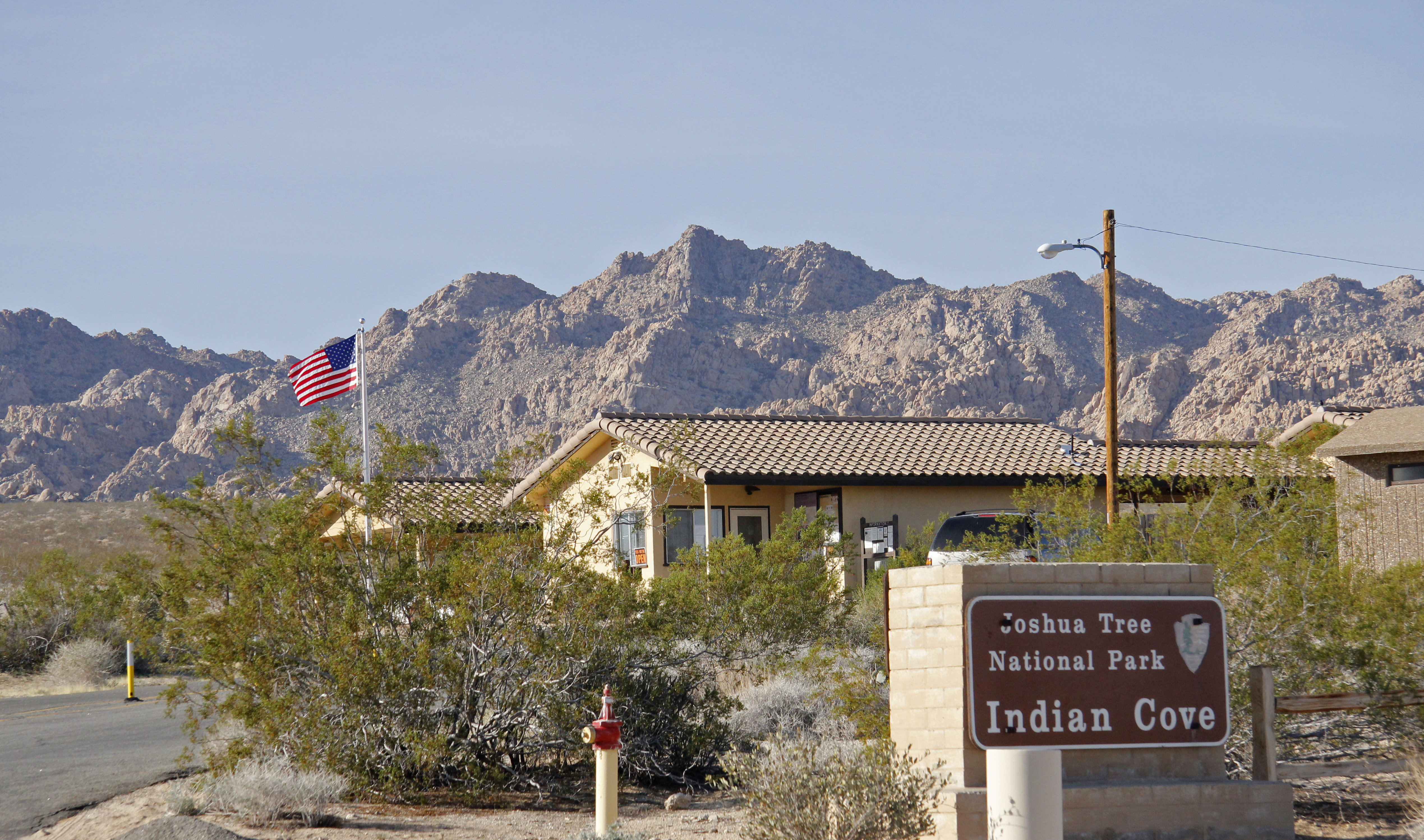
Indian Cove Campground is off Highway 62, thirteen miles east of Joshua Tree Village and ten miles west of Twentynine Palms. That location matters more than most first-time visitors realize. You do not enter through the main park gates. The campground has its own entrance road that branches north off the highway, and the Indian Cove Ranger Station sits roughly two miles up that road. This means you can access the campground without paying the park entrance fee at the main gates - though you still need a valid park pass to stay overnight.
Cell service drops out at the highway turnoff for most carriers. Download your reservation confirmation and directions before you leave town. The road to the campground is paved and well-maintained, but the last stretch into individual sites can be sandy. Rangers will tell you that two-wheel-drive vehicles handle it fine in dry conditions, but after rain, the sand compacts into something that can trap a low-clearance car.
A Note on Water
This is the detail that catches most people off guard. There is no water at the individual campsites. None. The only potable water in the Indian Cove area comes from a bottle and jug filling station at the small ranger station about two miles north of the campground. For RV filling, you need to go to park headquarters in Twentynine Palms. Pack extra water for this stretch - plan on at least one gallon per person per day, plus extra for cooking and cleanup.

Campground Layout and Sites
The 101 sites at Indian Cove include thirteen group campsites. Between Memorial Day and Labor Day, 39 of the individual sites are reservable. The rest operate on a first-come, first-served basis during the summer, though "first-come" at Indian Cove still requires a reservation - all sites in this campground are reservation only year-round.
Individual Sites
Each individual campsite allows a maximum of six people, three tents, and two cars. Some sites only have enough parking for a single vehicle, so check the site details when you book. The sites are spread through a jumble of monzogranite boulders, and the spacing between them is generous. You will hear your neighbors, but you likely will not see them. The boulders act as natural walls between sites in a way that most developed campgrounds cannot replicate.
The terrain is uneven. Some sites are flat, packed sand. Others sit on a layer of decomposed granite with the tent pad wedged between two boulders. Read the site descriptions on Recreation.gov carefully - they note surface type and shade coverage.
Group Sites
The thirteen group campsites can accommodate RVs or trailers, but the maximum combined length of any vehicle and trailer cannot exceed 25 feet. That is shorter than many assume. A standard 20-foot RV towing a small car on a trailer will not fit. The group sites cost $55.00 per night as of 2026, or $27.50 with a Senior or Access pass.
Amenities
Vault toilets. That is the full list of bathroom facilities. No flush toilets, no showers, no dishwashing stations. The toilets are cleaned regularly, but they are vault toilets. Bring hand sanitizer and toilet paper as a backup - the dispensers occasionally run empty.
Picnic tables and fire pits are at every site. Firewood is not provided, and collecting dead wood from the surrounding desert is prohibited. You can buy firewood in Twentynine Palms or Joshua Tree Village on your way in.

Activities from Indian Cove
The campground's location gives you direct access to several trails and features that the rest of the park's visitors have to drive to.
Indian Cove Trail
The Indian Cove Trail starts at the west end of the campground. It is a 0.6-mile loop with 50 feet of elevation gain. The walk takes 30 to 45 minutes and passes through the same boulder formations that make the campground distinctive. Early morning is your best bet for this trail - the boulders catch the sunrise light and the temperature is still reasonable.
Stargazing
Indian Cove sits in a designated International Dark Sky Park. The boulder layout means you can find a flat rock within a two-minute walk of most campsites that has an unobstructed view of the sky. No need to drive to an overlook. The winter months offer the longest nights and the clearest air, but summer stargazing is good too - you just have to stay up later for full darkness.
Nearby Hikes
The Boy Scout Trailhead is accessible from Indian Cove. The full Boy Scout Trail runs 8 miles one way through the Wonderland of Rocks, but many hikers complete shorter sections and turn around. The trail starts flat and gradually gains elevation as it moves south toward the park interior.
The Fortynine Palms Oasis Trailhead is a short drive west on Highway 62. The hike is 3 miles round trip with 300 feet of elevation gain each direction, and the payoff is a fan palm oasis tucked into a rocky canyon. This trail is only recommended between winter and spring - summer heat makes it dangerous.
Biking and Horseback Riding
Biking in the park is restricted to roads open to vehicles. No bikes on trails. The paved roads around Indian Cove are low-traffic, but there are no bike lanes. Horseback riding is permitted on 253 miles of designated equestrian trails, and the Indian Cove area connects to several of them.

Seasonal Considerations
The campground is open 24 hours a day year-round, with check-in and check-out at noon. Quiet hours run from 10:00 PM to 6:00 AM.
Partial Summer Closure
This is worth noting: from June 1 to August 28, 2026, the campground has a partial summer closure. The research data shows that all days of the week are listed in the exception hours during this period, meaning the entire campground closes during that summer window. Check the official website for the exact closure dates - the pattern suggests the campground reopens after Labor Day weekend.
Most visitors underestimate how hot Indian Cove gets in summer. Daytime temperatures regularly exceed 100°F from June through September. The boulders absorb heat all day and radiate it back at night, so evening temperatures stay warmer than the surrounding desert floor. Spring and fall are the sweet spot: daytime highs in the 70s and 80s, nighttime lows in the 40s and 50s.
Winter Camping
Winter nights drop below freezing regularly. The elevation is roughly 3,000 feet, and clear nights mean rapid heat loss. A sleeping bag rated to 20°F is the minimum most experienced visitors recommend. The days are pleasant - 55°F to 65°F - and the crowds are thinner.

Practical Takeaways
Reserve early. Indian Cove fills on weekends from October through May. The reservation window opens six months ahead on Recreation.gov.
Bring all your water. One gallon per person per day minimum. The filling station at the ranger station is useful for refilling jugs, but do not plan on it as your primary water source.
Know your site dimensions. If you are bringing an RV or trailer, measure your total combined length before booking a group site. The 25-foot limit is firm.
Pack for the bathroom situation. Vault toilets only. Bring your own toilet paper, hand sanitizer, and wet wipes.
Download maps and directions before you arrive. Cell service drops out at the highway turnoff. The NPS app has offline maps that work without a signal.
Check fire restrictions. During dry periods, the park may ban campfires. The fire rings are still usable for cooking with propane stoves, but check current conditions before you buy firewood.
The partial summer closure runs June 1 through August 28, 2026. Plan around it.
Final Thoughts
Indian Cove earns its reputation honestly. The boulder setting gives each site a degree of privacy that is hard to find in a 101-site campground, and the separate entrance means you are not fighting main-gate traffic every time you leave for supplies. But the trade-offs are real: no water, vault toilets, and a summer closure that eliminates the hottest months entirely. The campground is best understood as a basecamp for the northern section of the park - a quiet, dark place to sleep after a day of hiking, not a destination with amenities. For the right visitor, that is exactly the point.
Sources
- Official source: NPS — Joshua Tree National Park nps.gov/jotr/index.htm
- Official source: National Park Service nps.gov/jotr/planyourvisit/indian-cove-campground.htm
Photo Gallery
More to Explore
Park Guide
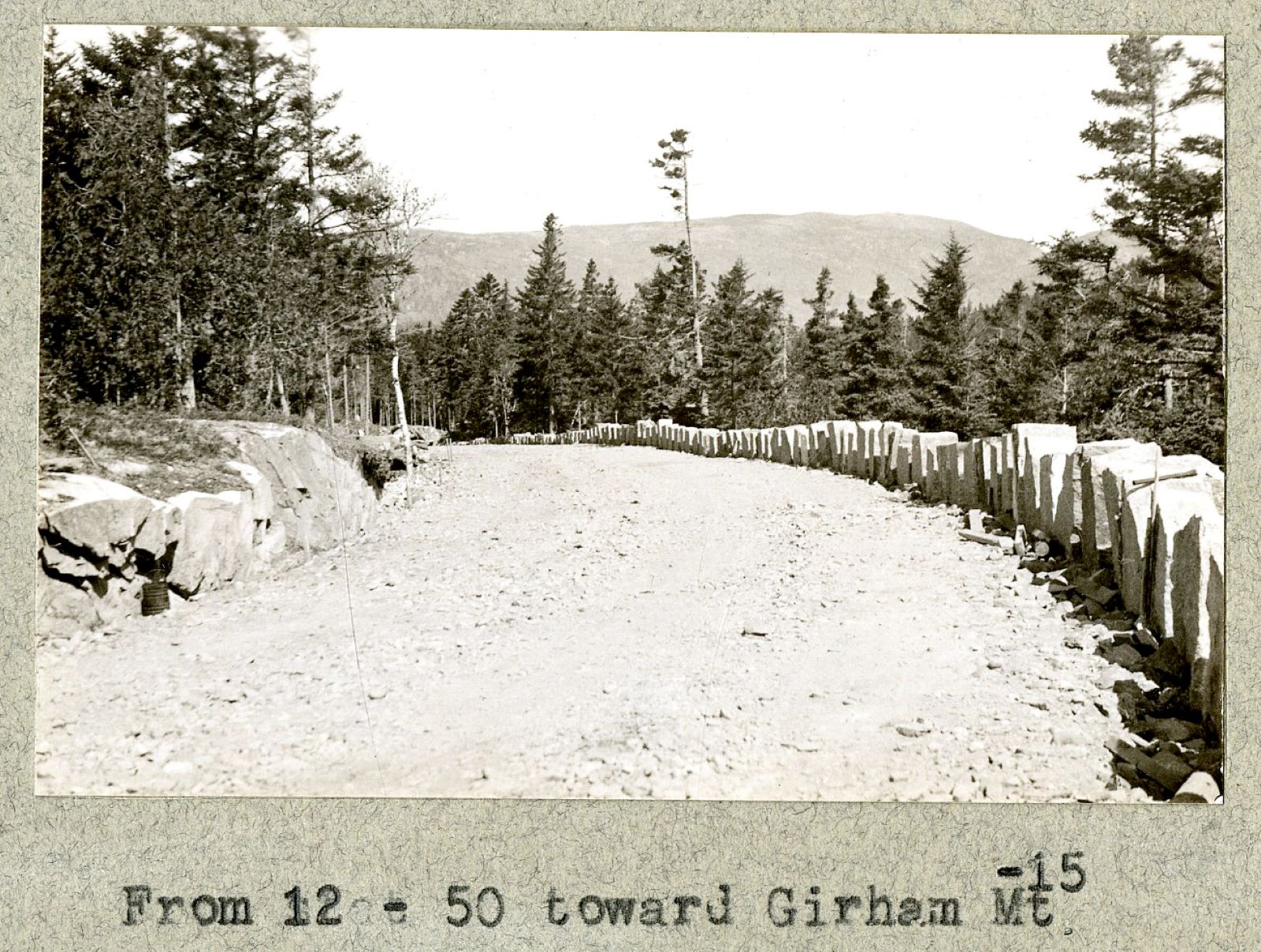
Acadia National Park: Carriage Roads, Cadillac Mountain & 2026 Guide
Discover carriage roads, Cadillac Mountain, and rugged Maine coast. Complete 2026 guide to Acadia National Park — trails, fees, lodging, permits, and what rangers recommend.
Hiking Guide
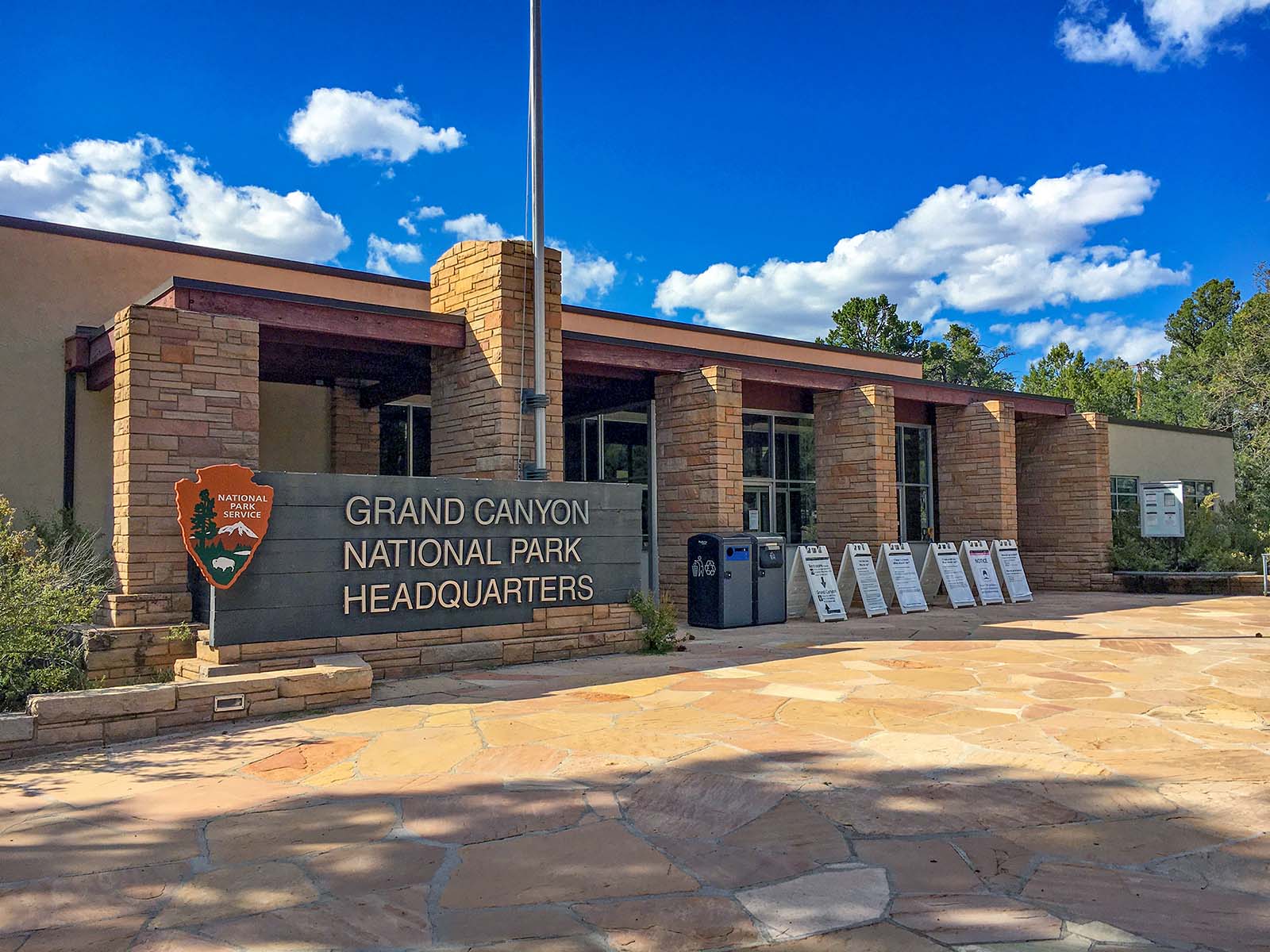
Grand Canyon Hiking Trails: Day Hikes, Water Sources & Rim to Rim
Compare Grand Canyon hiking trails: Bright Angel, South Kaibab, Hermit, Grandview, and rim to rim, with distances, elevation, water stops, and trailhead access for each.
Best Of
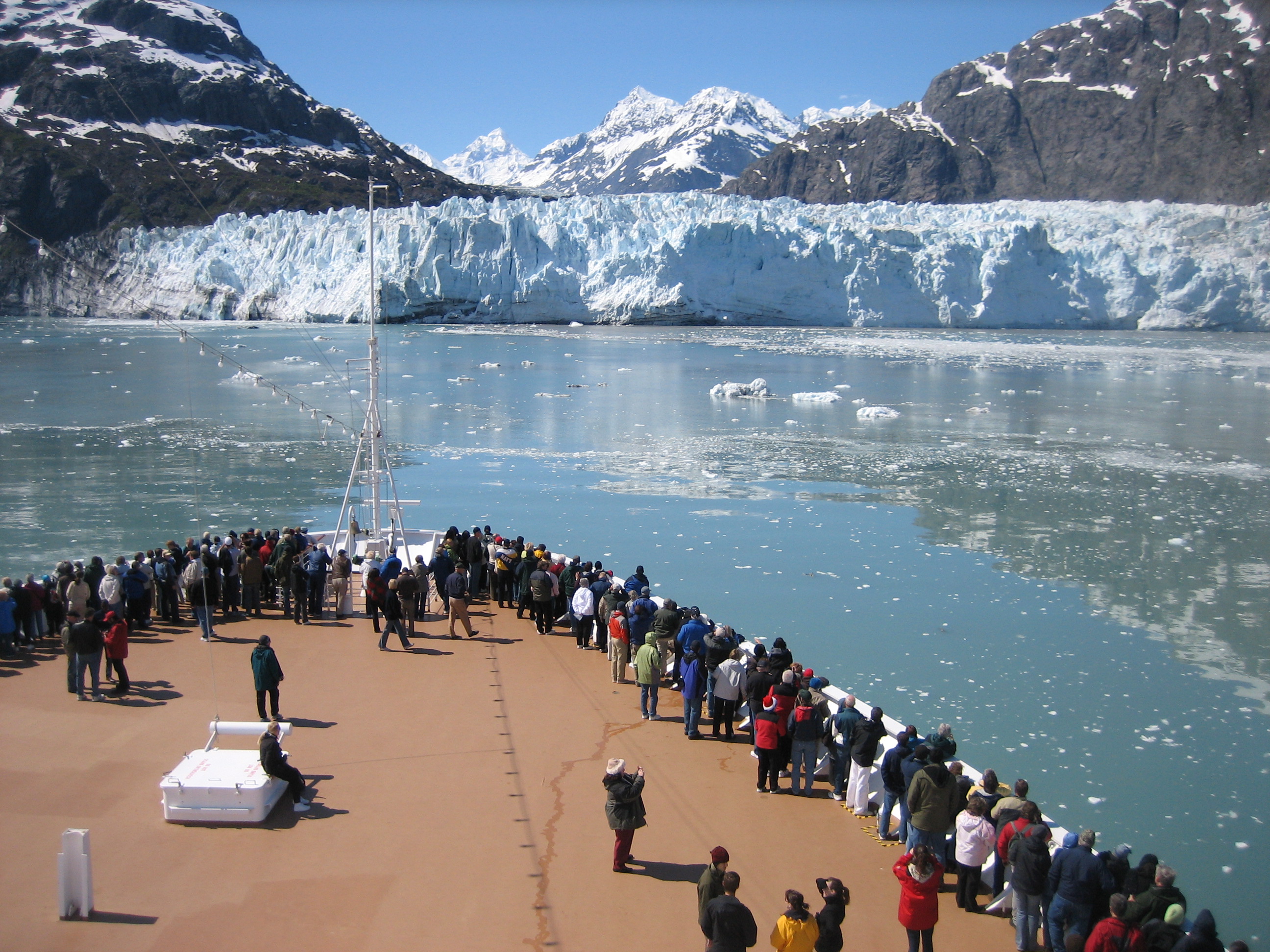
Best of Glacier Bay National Park
The best of Glacier Bay is reached by boat: ranger-led day tours up the bay to the tidewater glaciers. What's worth it, how to book, and when to go (2026).
Campsite Guide
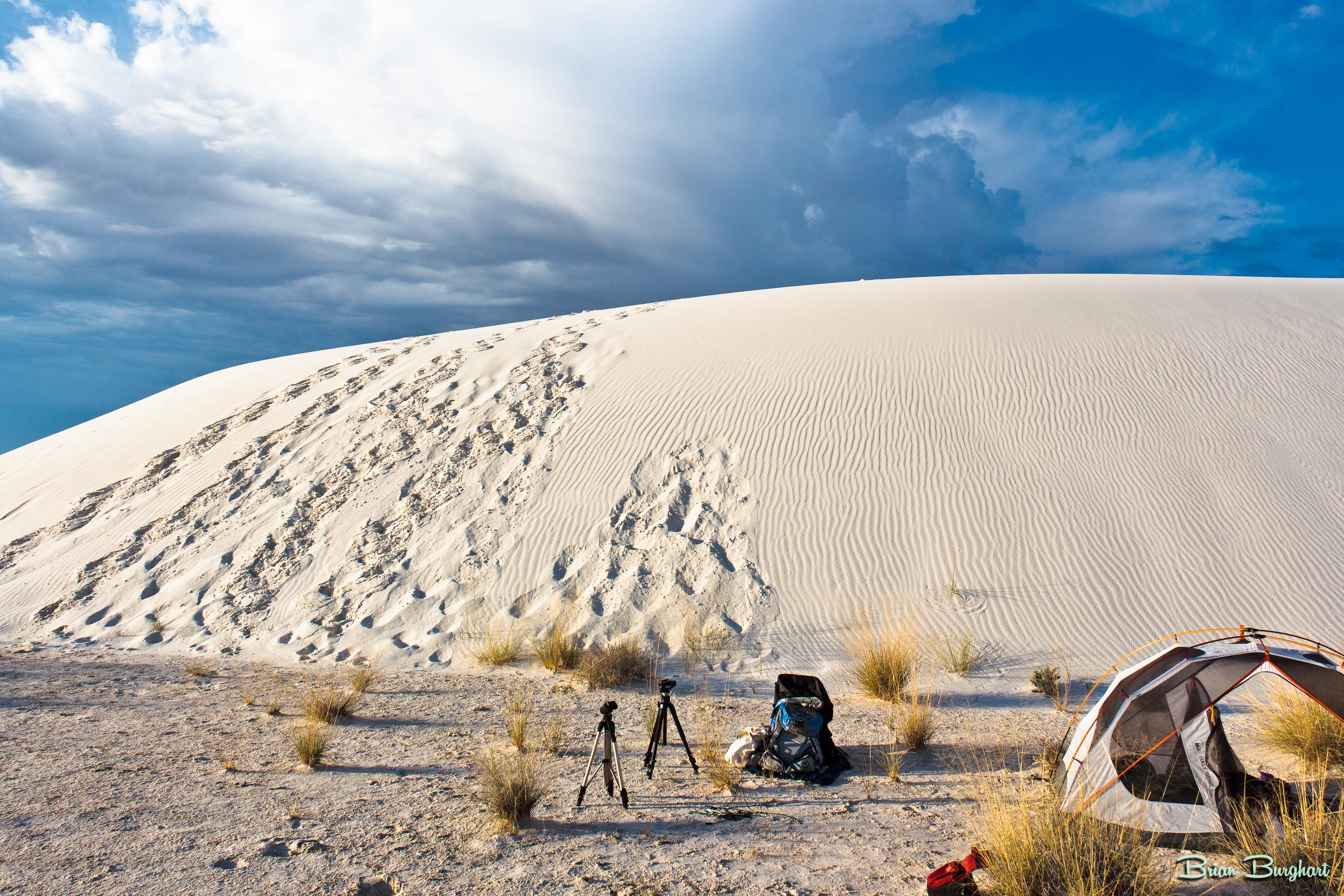
White Sands Backcountry Camping: Closed for 2026 — What to Know
As of 2026, backcountry camping at White Sands National Park is closed for site rehabilitation. What that means, and where to camp nearby instead.
Weather Guide
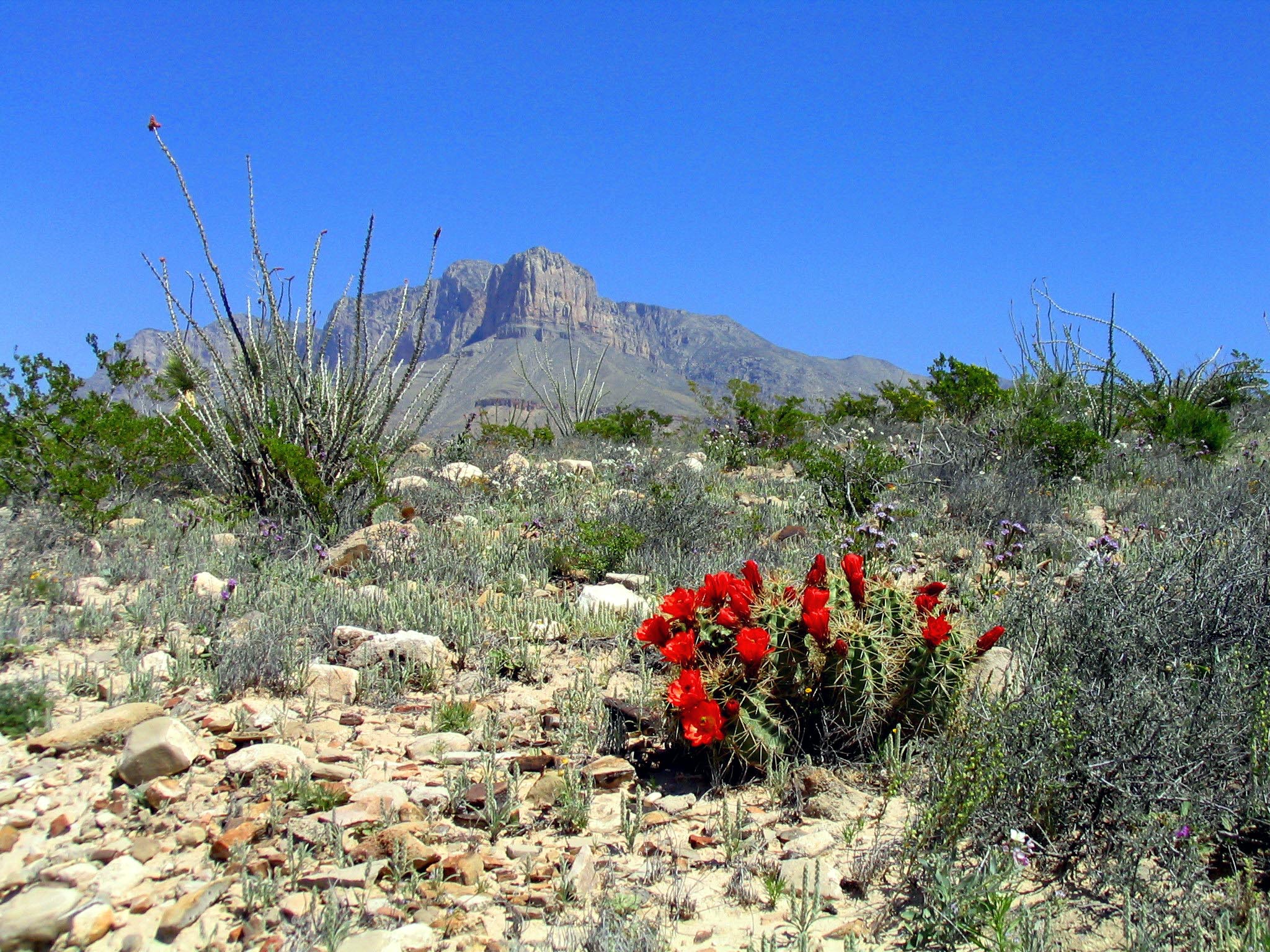
Guadalupe Mountains National Park Weather: Weather
Guadalupe Mountains National Park: weather guide guide updated 2026. Practical visitor information, reservations, and seasonal tips worth bookmarking before
Best Of
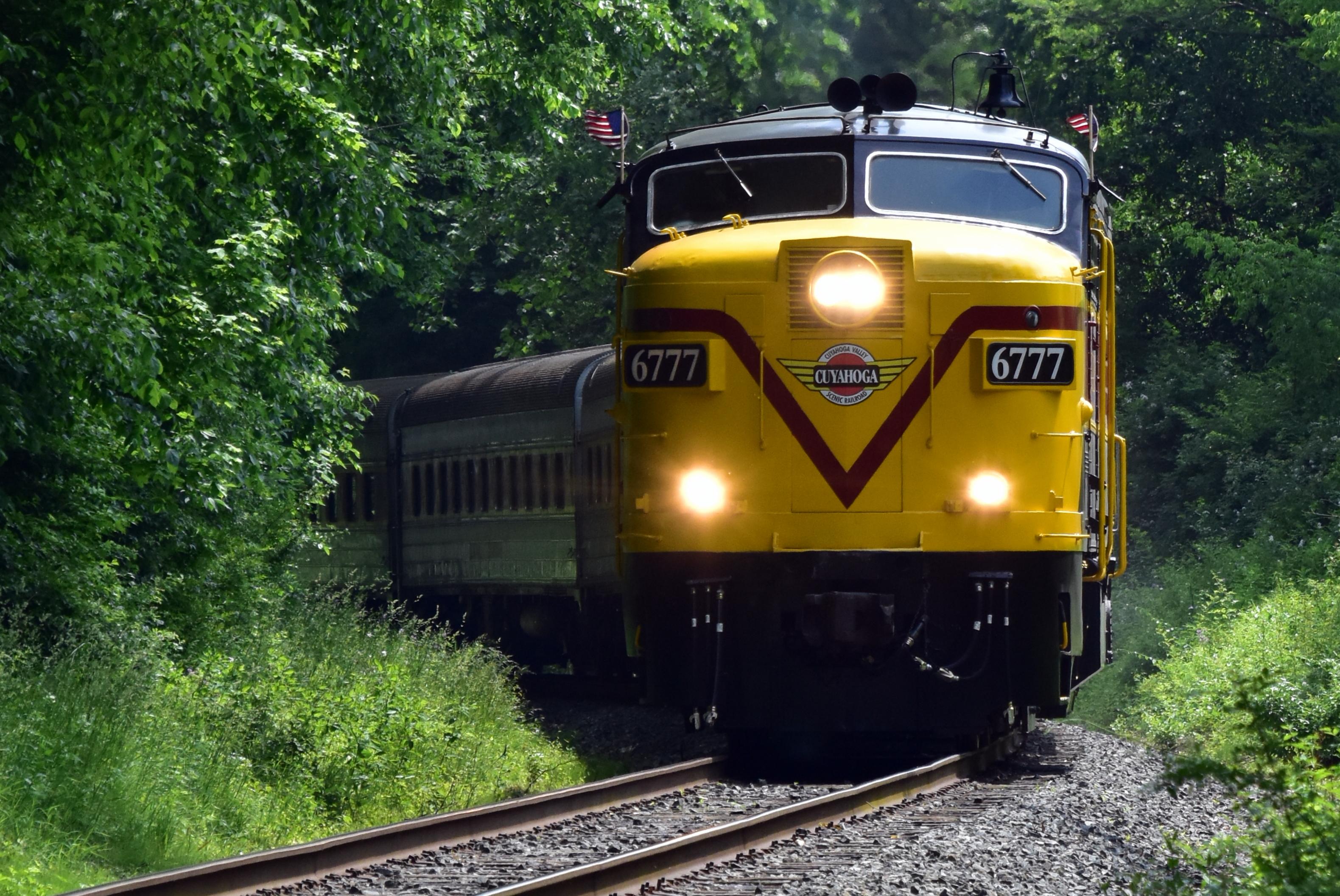
Best of Cuyahoga Valley National Park: Best Things to Do
Seeing a Cleveland Orchestra concert with the woods as your backdrop is a uniquely Cuyahoga Valley experience.
Sign in to join the conversation.
Sources & Attribution
Location data courtesy of the National Park Service (U.S. Department of the Interior). NPS data is public domain. Official NPS page.
Images: NPS; NPS; NPS; NPS; NPS.
Map data © OpenStreetMap contributors.
Park operations alerts: NPS.gov · Weather and weather hazards: National Weather Service · Live conditions.
Information may change. Always verify fees, hours, and conditions directly with the official source before visiting.
Did this guide help? Share it with a friend.