The first thing that catches most people off guard about White Tank Campground is the registration process. You do not reserve a spot. You do not check in at a desk. Instead, you find an empty campsite, set up your tent or leave personal items to claim it, and then proceed to an entrance station to pay - all within one hour. If the entrance stations are closed when you arrive (and in a park like Joshua Tree, that happens more often than you might think), payment can wait until morning.
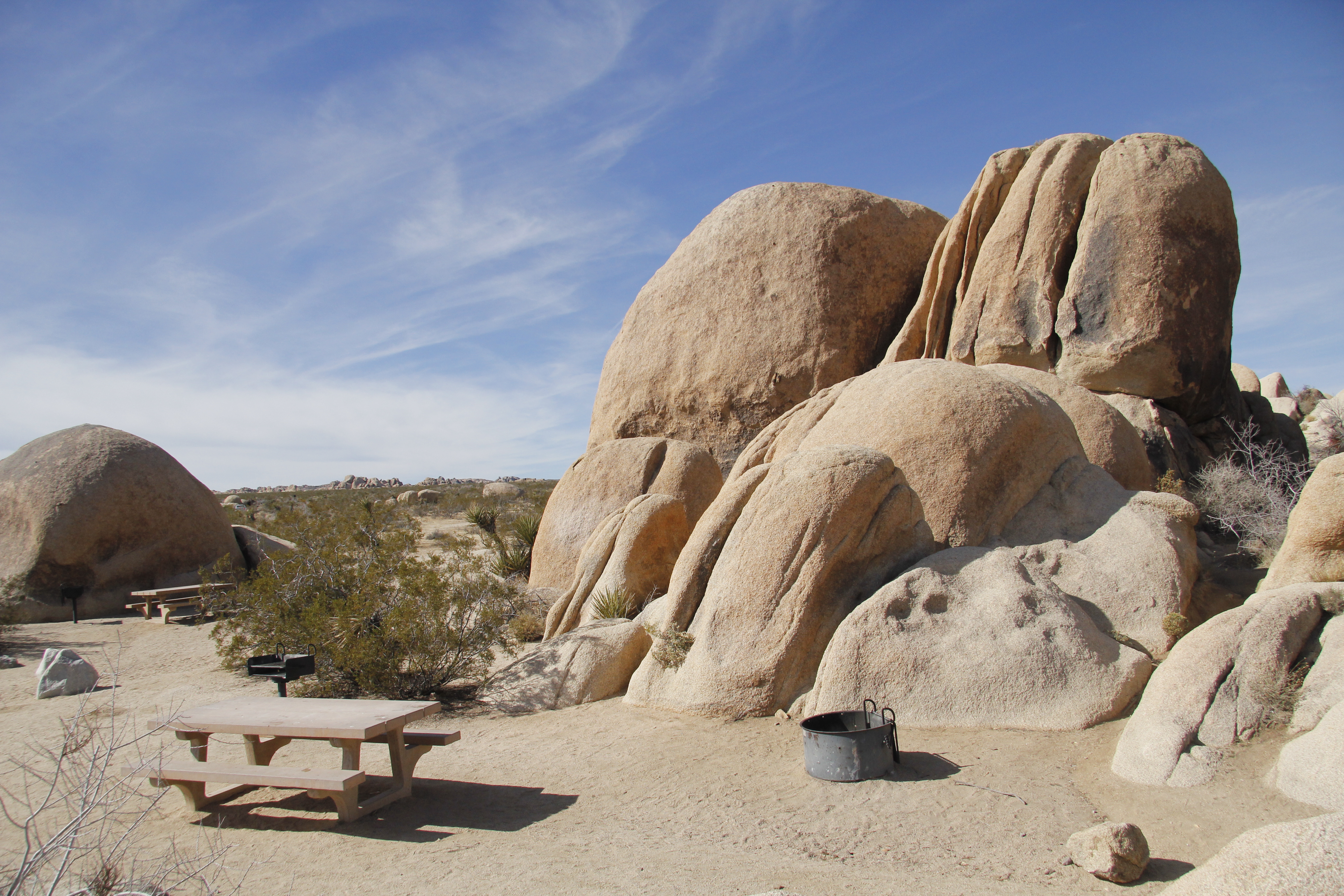
NPS via NPS.gov (Public Domain)
Campsites at White Tank Campground (2026 Guide)
7 min read
Campsite Guide
If you are planning a trip outside those dates, the campground is open 24 hours a day, every day. Quiet hours run 10 PM to 6 AM.
Your plans
For more, see complete visitor guide, all campgrounds, hiking trails, lodging and accommodations, Campsites at Cottonwood Campground (2026 Guide) (2026 guide), Campsites at Hidden Valley Campground (2026 Guide), Campsites at Indian Cove Campground (2026 Guide) (2026 guide), and Campsites at Sheep Pass Group Campground (2026 Guide).
This 15-site, first-come-first-served campground sits 11 miles from Twentynine Palms on Pinto Basin Road, in the northern end of the park. It is small, quiet, and entirely unserviced - no water, no flush toilets, no hookups. It is also one of the few campgrounds in the park that stays open year-round (though it does close for the summer heat, more on that in a moment). For anyone looking to get close to the iconic Joshua Tree landscape without a reservation, White Tank Campground is worth understanding inside and out.
This guide covers exactly how to secure a site, what to expect facility-wise, and the key rules that most visitors only learn after they arrive. Check the complete visitor guide for broader park information, and compare White Tank to other options in the all campgrounds overview.
How to Get a Site at White Tank Campground
The Occupy-and-Pay System
The system runs on honesty and speed. Drive through the campground, look for an empty site (no tent, no personal items, no camp host indication), and then physically occupy it. Set up a tent, put a chair at the picnic table, leave a sleeping bag - something that clearly says "taken." Then drive directly to an entrance station to pay the nightly fee.
The fee as of 2026 is $25 for a standard individual campsite. If you hold a Senior or Access pass, it drops to $12.50 per night. Payment can be made by credit or debit card at the entrance station (or cash if you have exact change). The clock starts ticking from the moment you place your gear. If you dawdle, someone else could report the site as abandoned, or a ranger could ticket you for nonpayment.
Park rangers emphasize that you must complete payment within one hour. If for any reason the entrance stations are closed - typically only late at night or during certain off-season periods - you can delay payment until the next morning. This is a reasonable policy, but it means you should not arrive after the entrance station is closed expecting to camp for free. Set up, pay as soon as possible.
Timing Your Arrival
White Tank Campground has 15 sites. It fills early on weekends and holidays. Rangers will tell you that by 10 AM on a Friday or Saturday in peak season (October through May), the campground is often full. Your best bet is to arrive by mid-morning on weekdays, or before 8 AM on weekends. Late afternoons are a gamble; you might get lucky, but you might also spend an hour driving between campgrounds.
The campground does close for summer - specifically from June 1 through August 28, 2026. That is the summer closure window. If you are planning a trip outside those dates, the campground is open 24 hours a day, every day. Quiet hours run 10 PM to 6 AM. Check-in and check-out both fall at noon.

What the Campground Actually Has (and Doesn't)
Facilities and Limits
The list of amenities at White Tank is short. Each campsite has a picnic table and a fire pit. There are pit toilets shared among the 15 sites - clean enough in the cooler months, less so by late spring. There is no water. None. Not at the campground, not at the entrance station. Pack every drop you need for drinking, cooking, and washing.
RVs and vehicles towing trailers are limited to 25 feet total length. That rules out many larger rigs. If you are driving anything longer than 25 feet, you cannot fit into the parking pads here. Most sites are designed for two cars maximum, though some only have room for one. Pay attention to the site dimensions when you walk through.
A single campsite allows up to six people, three tents, and two vehicles - but only if there is physically space for all of it. At some sites the tent pad is barely big enough for a four-person tent. Do not assume your site can accommodate your entire group's gear. If you have three large dome tents, you might need to squeeze.
The Setting
White Tank is located on the north side of Pinto Basin Road, not far from the Oasis of Mara (though as of 2026, the Oasis of Mara Trail is partially closed past the Oasis due to a heavy flooding event - you can still see the oasis itself). The campground sits among Joshua trees and boulders, with open views of the surrounding desert. It is flat, exposed, and windswept. The parking situation here is straightforward: pull in, park on the designated pad, and walk to your picnic table. There are no pull-throughs or long driveways.
Cell service drops out at points along Pinto Basin Road, and the campground itself has no signal at all for most carriers. Do not rely on your phone for directions, weather updates, or entertainment. Download the official NPS app before you arrive - the park service warns that third-party hiking apps are providing inaccurate trail and safety information. Use the NPS app for accurate maps and alerts.

Things That Catch First-Time Visitors Off Guard
The Water Situation
This is the single most common mistake. People show up with a gallon of water for a family of four for two nights. Bring at least one gallon per person per day. More if it is warm. Joshua Tree is a high desert - 3,000 feet elevation, low humidity, and temperatures that can swing 40 degrees from day to night. You will dehydrate faster than you think.
The Wind
White Tank is not sheltered. Afternoon winds from the west can pick up significantly, especially in March and April. Stake your tent well. Do not rely on tent loops alone - use sand stakes or heavy rocks. The fire pits have grates, but cooking in wind can be frustrating. A windbreak (even a tarp strung between two Joshua trees) makes a noticeable difference.
The Night Sky
The lack of artificial light at White Tank is one of its best features. From this overlook you can see the Milky Way clearly on moonless nights, stretching from horizon to horizon. The elevation gain is not much - the campground sits at about 3,000 feet - but the dry air and minimal light pollution make for excellent stargazing.
Wildlife Encounters
You will hear coyotes most nights. You will see ravens, cactus wrens, and possibly roadrunners during the day. Kangaroo rats and desert woodrats are active after dark - secure your food in your vehicle or a bear-proof container (which is recommended even though bears are extremely rare in this part of the desert). Scorpions turn up under rocks and logs; wear closed-toe shoes at night. Most visitors underestimate how active the desert is after sunset.

Practical Takeaways
- Arrive early - before 10 AM on weekdays, before 8 AM on weekends. The campground has only 15 sites, no reservations, and fills fast even in cooler months.
- Fill all water containers before you enter the park. There is no water at the campground, and the nearest supply is at the visitor center or convenience stores in Twentynine Palms.
- Bring cash for the entrance station fee if you are arriving late - card readers sometimes have connectivity issues. Exact change helps.
- Measure your RV or trailer before you come. If it exceeds 25 feet, White Tank cannot accommodate you. Look at other first-come campgrounds in the park (Ryan or Hidden Valley) that accept larger vehicles.
- Download the NPS app before you lose cell service. The alerts in the app are current; third-party apps may send you the wrong way on closed trails or through dangerous wash areas.
- Respect quiet hours from 10 PM to 6 AM. The open desert carries sound for a quarter mile. A loud conversation at one campsite disturbs every other site.
- If you have a Senior or Access pass, use it. The $12.50 nightly fee is half the standard rate - over a weeklong trip that adds up.
Final Thoughts
White Tank Campground is not for everyone. No water, no reservations, no hookups, no cell service. But for those who prefer a quieter, more self-sufficient camping experience, it is one of the better options in Joshua Tree National Park. The first-come arrangement means you cannot plan months ahead, but it also means you avoid the reservation scramble that fills other parks instantly.
If you are willing to pack water, arrive early, and deal with the wind, you will find a clean, low-frills site that puts you in the middle of the desert without the crowds of the bigger campgrounds. Check the park website for current alerts before you go - the Oasis of Mara Trail partial closure and the summer shutdown are both worth noting for 2026. And when you arrive, remember the one-hour rule: set up, pay, then settle in.
For more information, see our complete Joshua Tree National Park Guide.
Sources
- Official source: NPS — Joshua Tree National Park nps.gov/jotr/index.htm
- Official source: National Park Service nps.gov/jotr/planyourvisit/white-tank-campground.htm
Photo Gallery
More to Explore
Park Guide
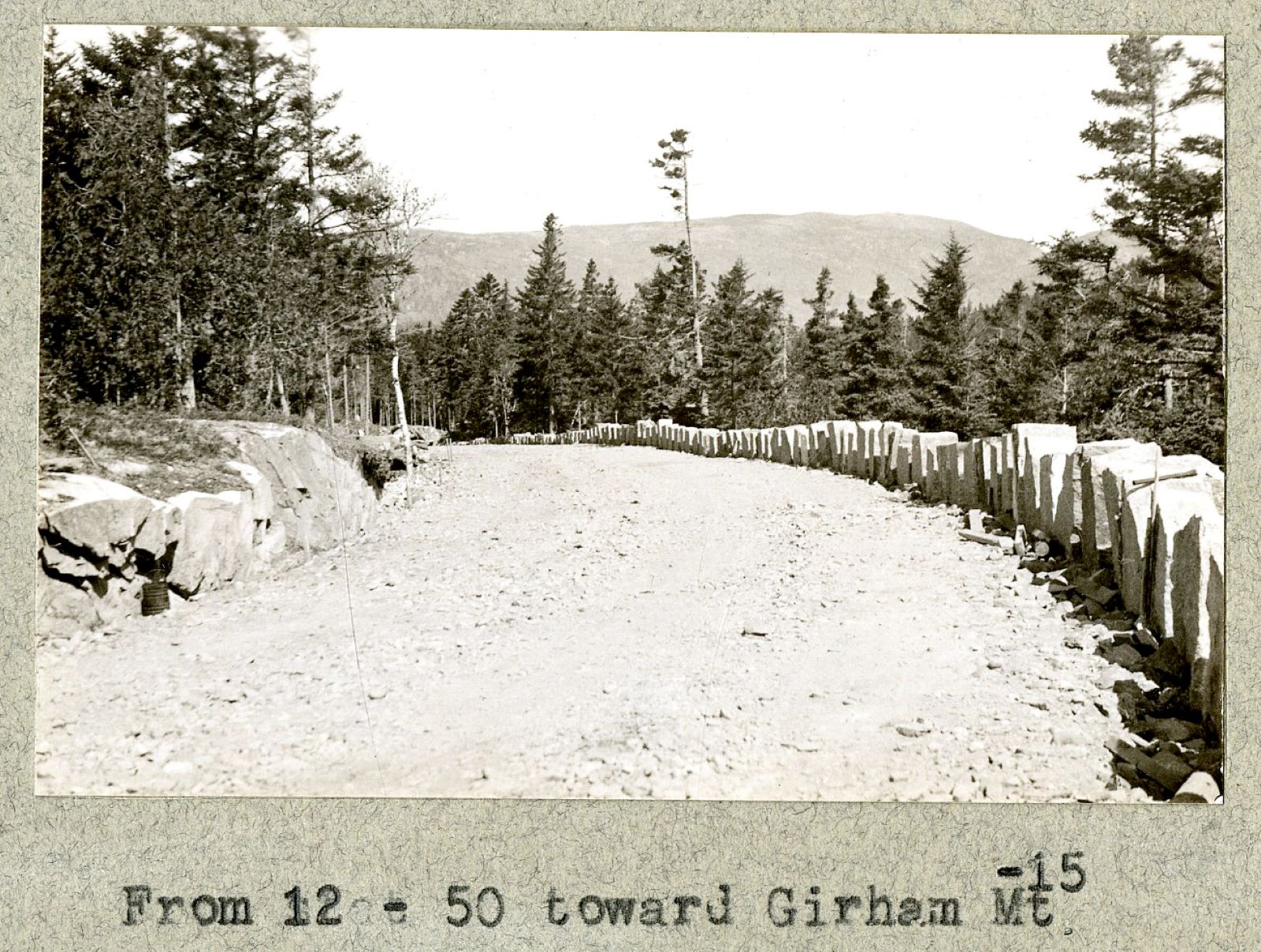
Acadia National Park: Carriage Roads, Cadillac Mountain & 2026 Guide
Discover carriage roads, Cadillac Mountain, and rugged Maine coast. Complete 2026 guide to Acadia National Park — trails, fees, lodging, permits, and what rangers recommend.
Hiking Guide
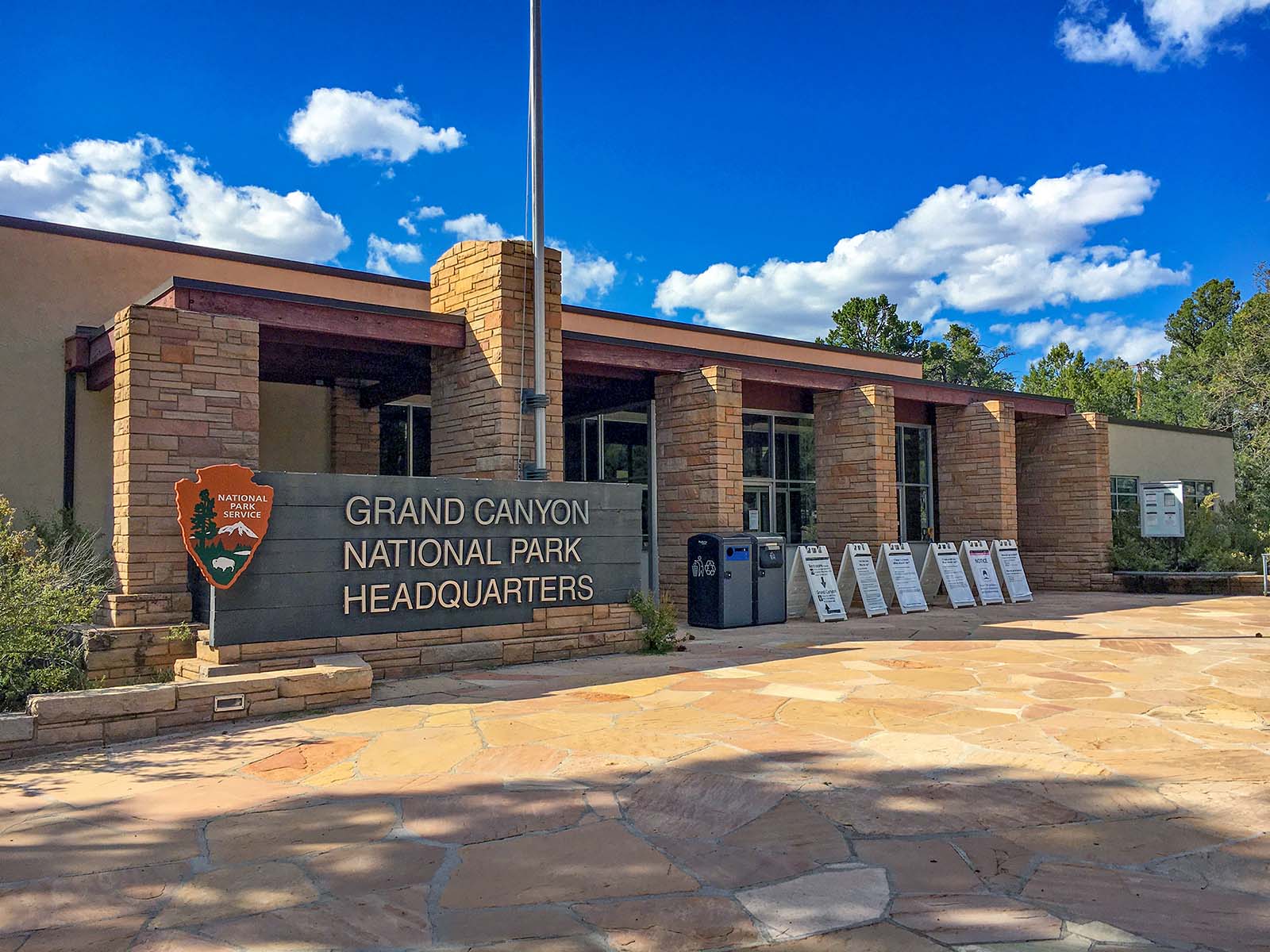
Grand Canyon Hiking Trails: Day Hikes, Water Sources & Rim to Rim
Compare Grand Canyon hiking trails: Bright Angel, South Kaibab, Hermit, Grandview, and rim to rim, with distances, elevation, water stops, and trailhead access for each.
Best Of
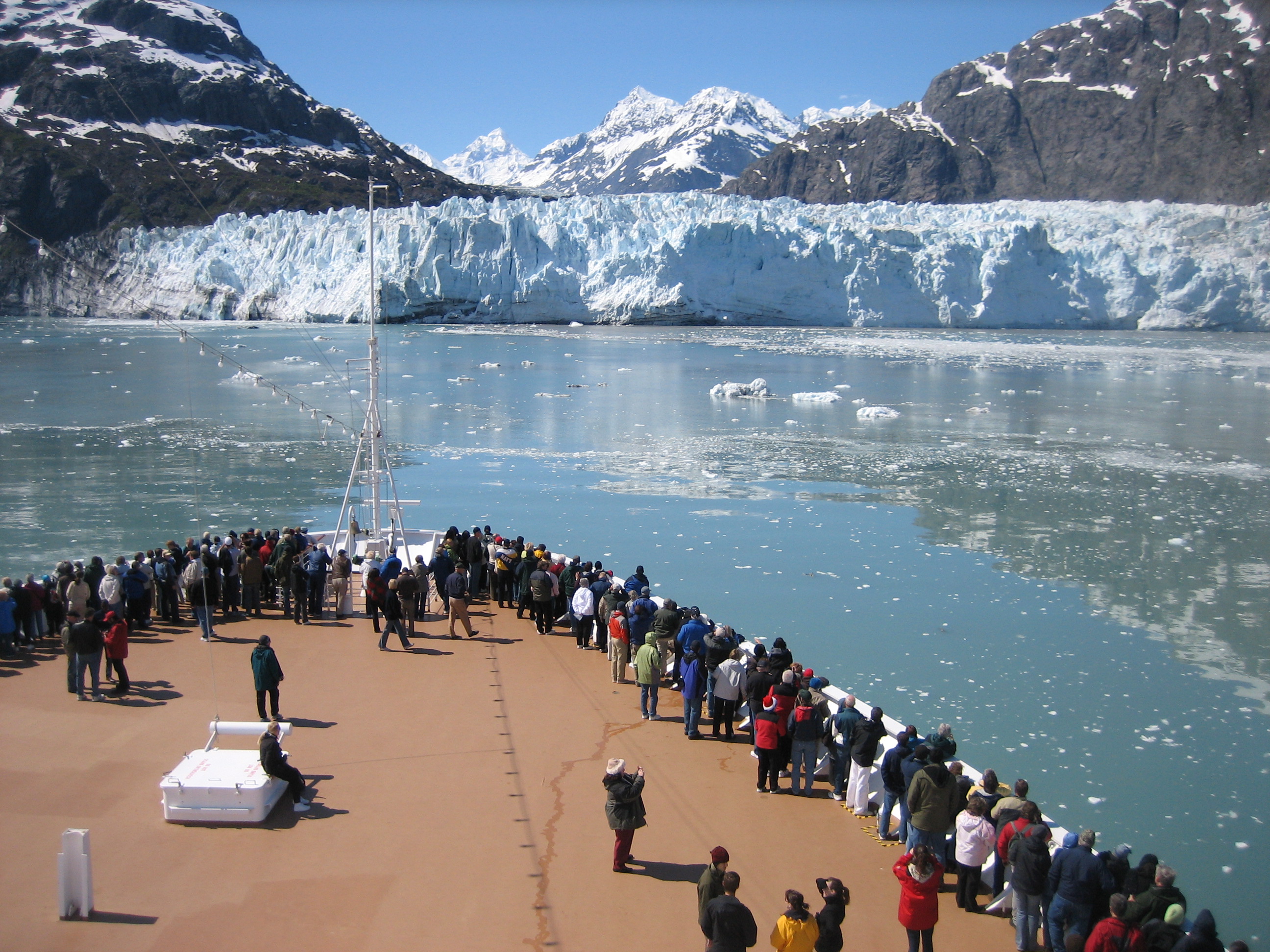
Best of Glacier Bay National Park
The best of Glacier Bay is reached by boat: ranger-led day tours up the bay to the tidewater glaciers. What's worth it, how to book, and when to go (2026).
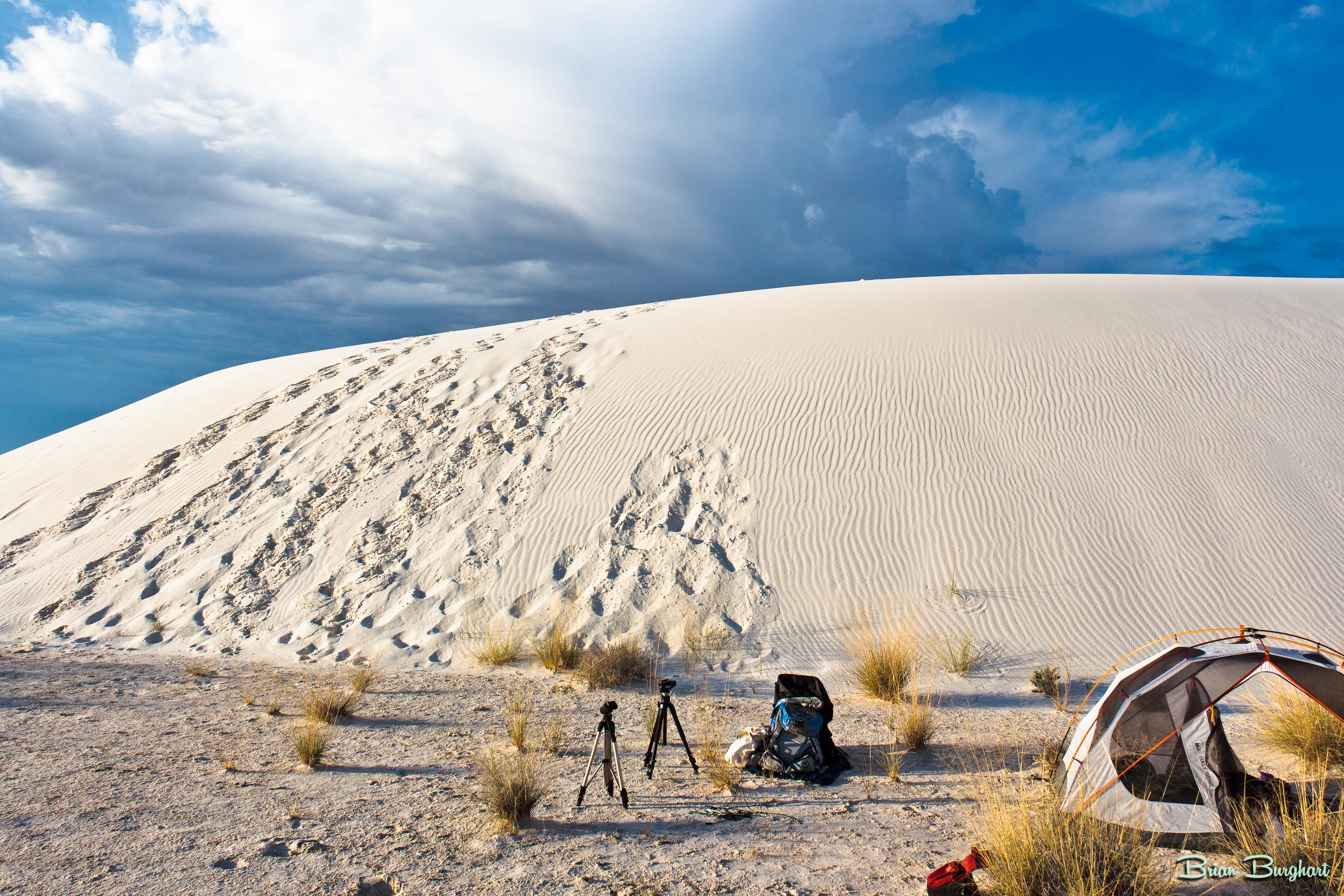
Campsite Guide
White Sands Backcountry Camping: Closed for 2026 — What to Know
As of 2026, backcountry camping at White Sands National Park is closed for site rehabilitation. What that means, and where to camp nearby instead.
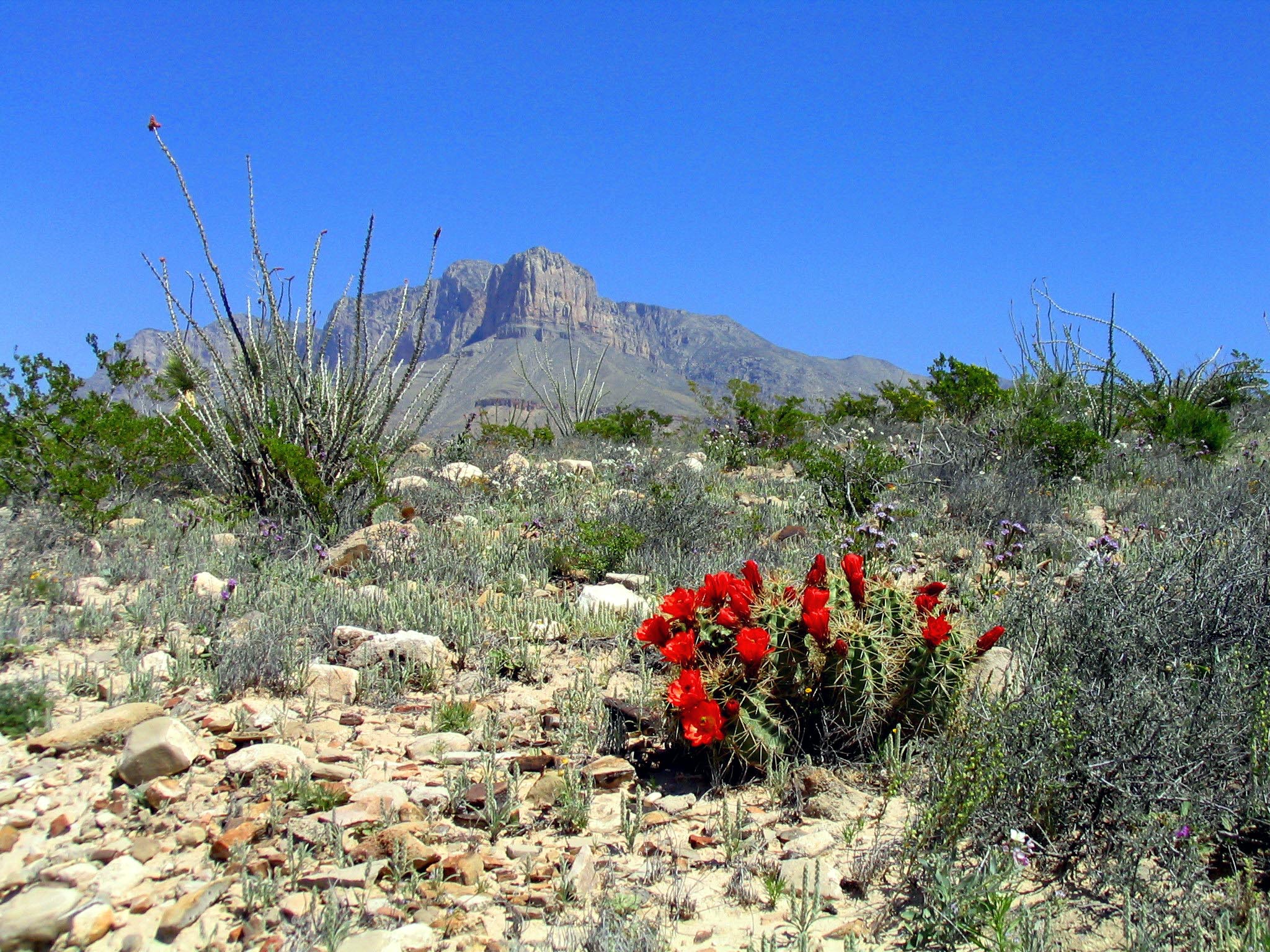
Weather Guide
Guadalupe Mountains National Park Weather: Weather
Guadalupe Mountains National Park: weather guide guide updated 2026. Practical visitor information, reservations, and seasonal tips worth bookmarking before
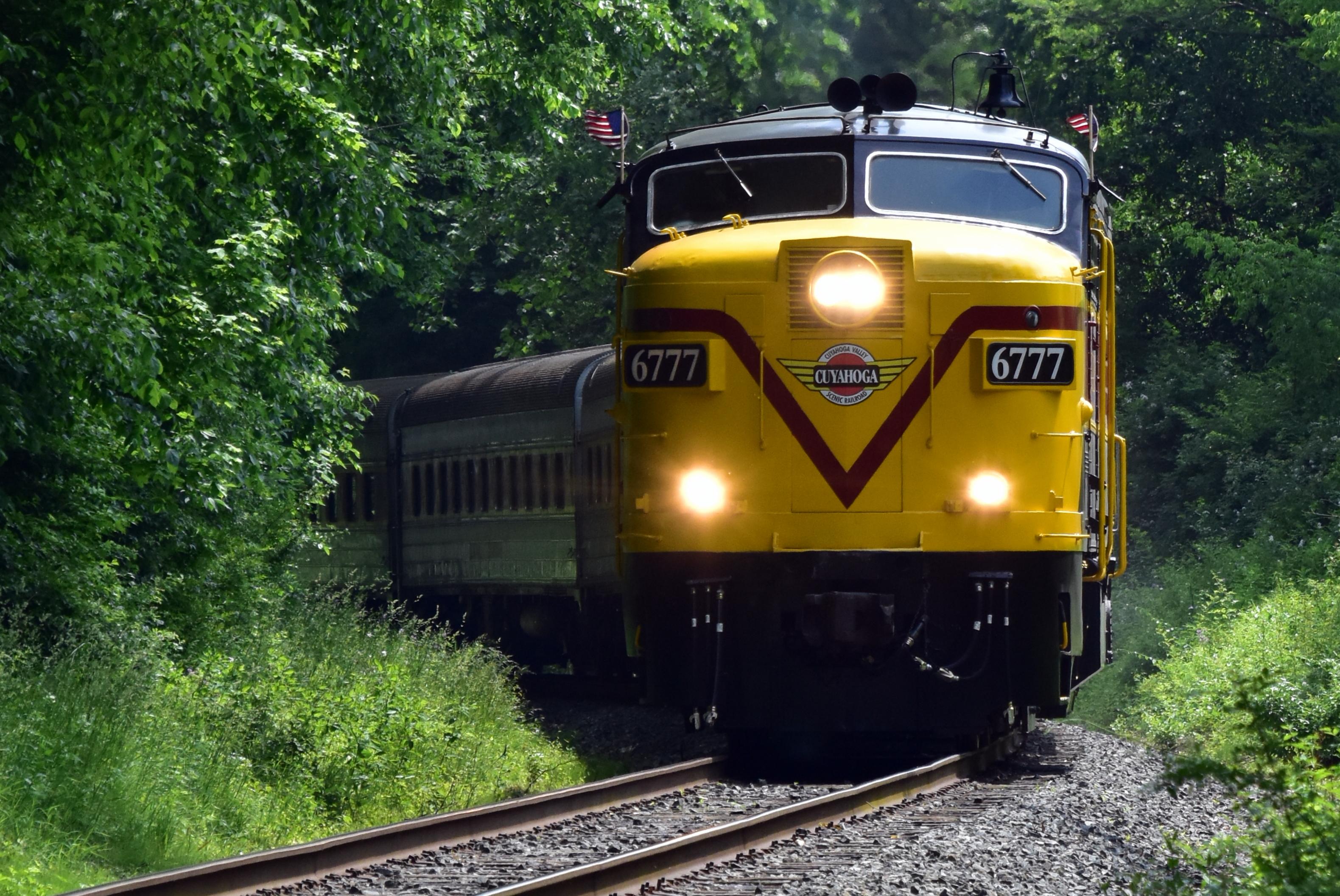
Best Of
Best of Cuyahoga Valley National Park: Best Things to Do
Seeing a Cleveland Orchestra concert with the woods as your backdrop is a uniquely Cuyahoga Valley experience.
Sign in to join the conversation.
Sources & Attribution
Location data courtesy of the National Park Service (U.S. Department of the Interior). NPS data is public domain. Official NPS page.
Images: NPS; NPS; NPS; NPS.
Map data © OpenStreetMap contributors.
Park operations alerts: NPS.gov · Weather and weather hazards: National Weather Service · Live conditions.
Information may change. Always verify fees, hours, and conditions directly with the official source before visiting.
Did this guide help? Share it with a friend.