Book your site six months out if you want to stay at Cottonwood Campground. It's the only campground in the southeastern corner of Joshua Tree National Park with flush toilets and running water, which means it fills fast. Located just off Pinto Basin Road near the Cottonwood Visitor Center, this 62-site campground sits 30 miles east of Indio and serves as the primary basecamp for exploring the park's lower-elevation Colorado Desert section.
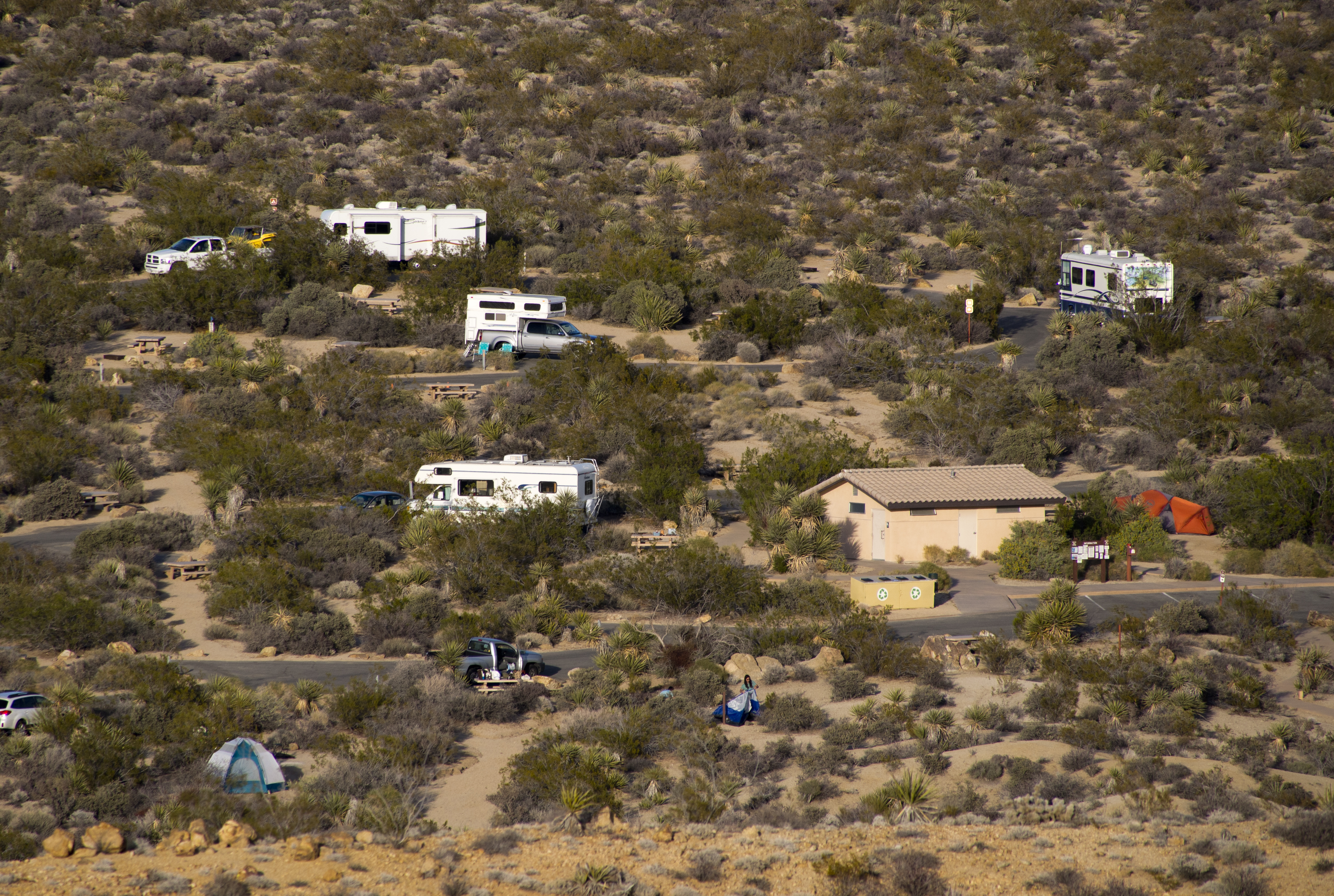
NPS via NPS.gov (Public Domain)
Campsites at Cottonwood Campground (2026 Guide)
6 min read
Campsite Guide
The Mastodon Peak Loop is a moderate 2.5-mile route with about 400 feet of elevation gain, offering views across the basin toward the Salton Sea.
Your plans
For more, see complete visitor guide, all campgrounds, hiking trails, lodging and accommodations, Campsites at Hidden Valley Campground (2026 Guide), Campsites at Indian Cove Campground (2026 Guide) (2026 guide), Campsites at Sheep Pass Group Campground (2026 Guide), and Campsites at White Tank Campground (2026 Guide) (2026 Guide).
If you're new to the park, start with the complete visitor guide for an overview of what to expect across the entire park. For those focused specifically on where to sleep, the all campgrounds page covers every option inside the boundaries.
Campground Layout and Amenities
Cottonwood Campground has 62 individual sites arranged in two loops, Loop A and Loop B. Each site comes with a picnic table, fire pit, and enough space for up to six people, three tents, and two vehicles - though some sites only have parking for one car, so check the site details when you reserve.
The big differentiator here versus other Joshua Tree campgrounds is the water situation. Cottonwood has potable water spigots throughout the loops and flush toilets in the restroom buildings. That matters. At Hidden Valley, Ryan, and most other campgrounds in the park, you get pit toilets and no water. Here you can fill your jugs without driving anywhere and use a real toilet. Rangers will tell you this is the amenity people underestimate until they've spent a few nights elsewhere in the park.
The group campground has three sites reserved for tents only - no RVs or habitable trailers allowed in those spots. Each group site can accommodate larger parties with a $55 nightly fee as of 2026.
Summer Operations
Here's something the park website doesn't emphasize enough: from June 1 through August 28 each year, Loop B closes entirely. Loop A stays open but switches from reservation-only to first-come, first-served during those months. If you show up in July expecting your reservation to hold, it won't - check-in shifts to walk-up availability. The campground still operates on a noon check-in, noon check-out schedule year-round, with quiet hours from 10 PM to 6 AM.
Most visitors underestimate how few people camp here in summer. Daytime temperatures regularly exceed 105°F, and the crowd thins to almost nothing. If you're set on a summer visit, you'll have no trouble finding a site in Loop A without a reservation.

Booking Strategy and Fees
You need a reservation for Cottonwood Campground between late August and late May. Reservations open six months ahead on Recreation.gov, and sites go quickly for the peak seasons - October through April. The booking window matters most for weekends and holidays. Midweek stays during shoulder seasons (March, April, October, November) are easier to snag.
Current fees as of 2026:
| Site Type | Standard Rate | Senior/Access Pass Rate |
|---|---|---|
| Individual site | $35/night | $17.50/night |
| Group site (tents only) | $55/night | $27.50/night |
The Senior and Access Pass discounts cut the rate exactly in half. If you hold one of those passes, have the card ready at check-in. The discount applies per night, per site.
The parking situation here is manageable compared to some other campgrounds - each site has designated parking, and overflow lots exist near the entrance. That said, the access road off Pinto Basin Road is paved and well-maintained, so you won't need high clearance or four-wheel drive to reach your site.

What to Do Near Cottonwood Campground
The southeast corner of Joshua Tree is a different world from the higher-elevation Mojave sections around Hidden Valley and Jumbo Rocks. Here you're in the Colorado Desert, dominated by creosote bush, ocotillo, and cholla rather than the namesake Joshua trees. The elevation is lower - around 3,000 feet - which means it's warmer in winter and hotter in summer.
Cholla Cactus Garden
This is the most accessible attraction near Cottonwood. Located right on Pinto Basin Road about a 10-minute drive from the campground, the Cholla Cactus Garden is a quarter-mile loop trail with essentially no elevation gain. The trail meanders through a dense patch of teddybear cholla - which, despite the name, is one of the most painful plants to brush against in the desert. Keep an eye out for the way the sunlight hits the spines in late afternoon; they glow like fiber optics.
Early morning is your best bet for this walk, especially between October and April, because the parking lot fills by 9 AM. The trail itself takes 15 to 30 minutes.
Hiking from Cottonwood Spring
The Cottonwood Spring trailhead sits adjacent to the campground and provides access to two significant hikes. The Mastodon Peak Loop is a moderate 2.5-mile route with about 400 feet of elevation gain, offering views across the basin toward the Salton Sea. The Lost Palms Oasis Trail runs 7.2 miles round trip and leads to the largest palm oasis in the park. Pack extra water for this stretch - there is no shade for most of the route, and the return leg in the afternoon sun is serious work.
Stargazing
Cottonwood Campground sits far from the light pollution of Twentynine Palms and Joshua Tree Village. The park is an International Dark Sky Park, and the southeast section is particularly dark. The campground itself has ambient light from the restrooms and a few path lights, but walk 100 yards down any of the adjacent trails and you'll get some of the darkest skies in the park. Cell service drops out at the campground entrance, which works in your favor for night photography.
Birding
The Cottonwood area is one of the best birding locations in the park. The presence of water and the adjacent oasis attracts migratory species that don't appear in the drier northern sections. Expect to see black-throated sparrows, verdins, and cactus wrens year-round. During migration periods in March-April and September-October, look for warblers and tanagers passing through.

Practical Tips for Your Stay
Arrive before dark. The drive from Indio takes about 30 minutes, but the last 15 miles on Pinto Basin Road have no services and limited cell reception. If you're arriving after sunset, have your reservation confirmation printed or downloaded - the kiosk at the entrance will require it.
Bring cash. The Cottonwood Visitor Center, located right at the campground entrance, sells ice and a few supplies, but card readers sometimes fail. The nearest full-service store is in Indio.
Watch for critters. Kangaroo rats and antelope ground squirrels are common around the sites. Keep food sealed in your vehicle or a bear canister - not in your tent. The park has a healthy population of coyotes and the occasional bobcat near the oasis.
Know your fire restrictions. Fire rings are provided at each site, but burn bans are common from May through October. Check the park's current fire status before you light anything. Propane stoves are generally allowed even during burn bans.
Summer strategy matters. If you're camping in June, July, or August, plan your activity windows: hike before 9 AM, find shade or return to camp through midday, then head out again after 4 PM. The restrooms have running water and are air-conditioned, which matters more than you'd think.

Final Thoughts
Cottonwood Campground earns its reputation as the most comfortable campground in Joshua Tree for those who want running water and flush toilets without giving up the desert experience. It's not the most scenic campground - that distinction goes to Jumbo Rocks or Ryan - but it's the smart choice for hikers heading into the Eagle Mountains or visitors who want reliable amenities.
The southeast entrance gets half the traffic of the west entrance, which means less congestion, shorter lines, and more available parking at the trailheads. If your itinerary focuses on the Pinto Basin Road corridor - Cholla Cactus Garden, Cottonwood Spring, the Lost Palms Oasis - this is the only campground that makes logistical sense.
Reserve early, arrive prepared, and treat the desert heat with the respect it demands. Camping at Cottonwood rewards the prepared visitor and punishes the unprepared one. There's no in-between.
For more information, see our complete Joshua Tree National Park Guide.
Sources
- Official source: NPS — Joshua Tree National Park nps.gov/jotr/index.htm
- Official source: National Park Service nps.gov/jotr/planyourvisit/cottonwood-campground.htm
Photo Gallery
More to Explore
Park Guide
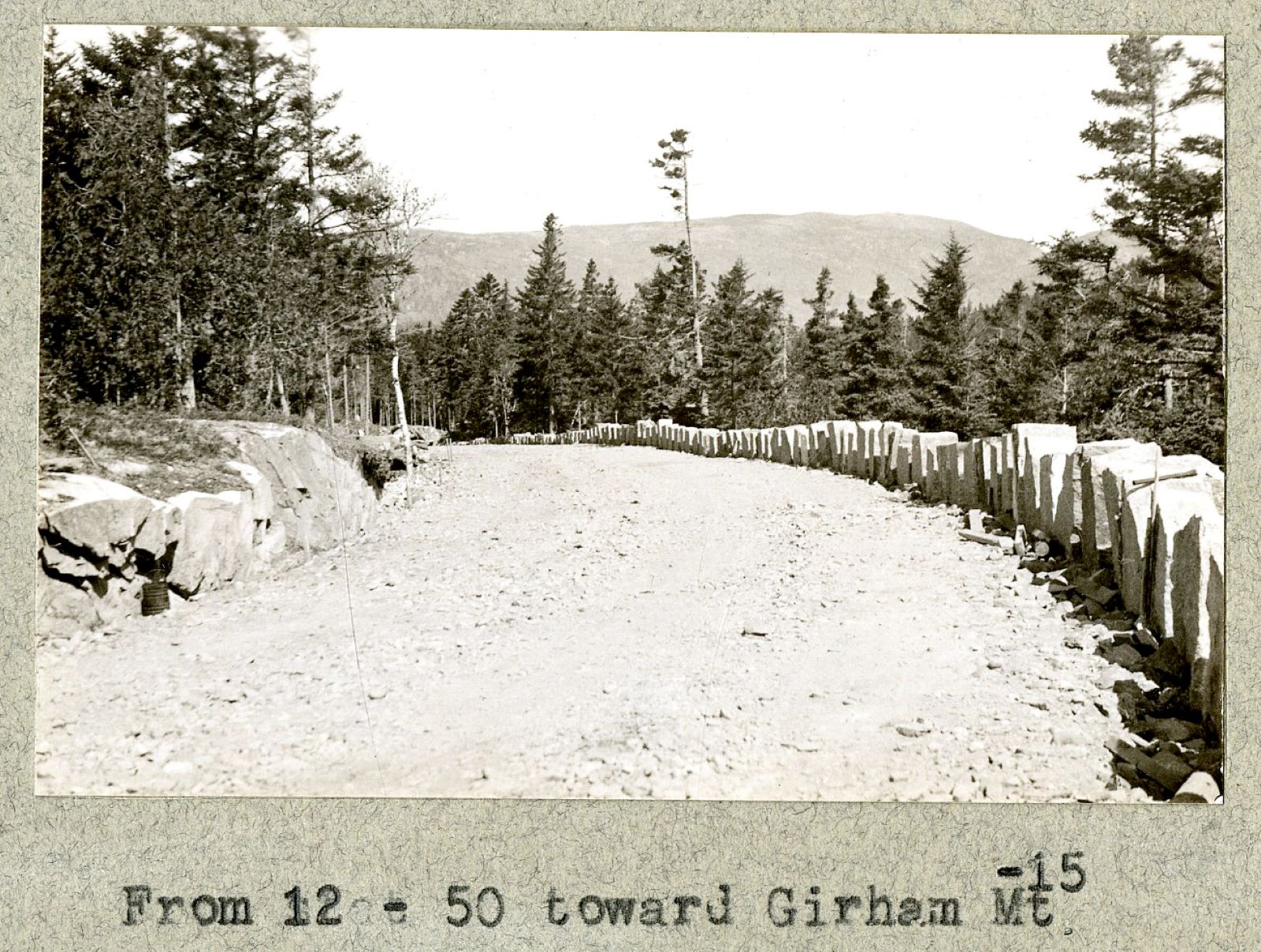
Acadia National Park: Carriage Roads, Cadillac Mountain & 2026 Guide
Discover carriage roads, Cadillac Mountain, and rugged Maine coast. Complete 2026 guide to Acadia National Park — trails, fees, lodging, permits, and what rangers recommend.
Hiking Guide
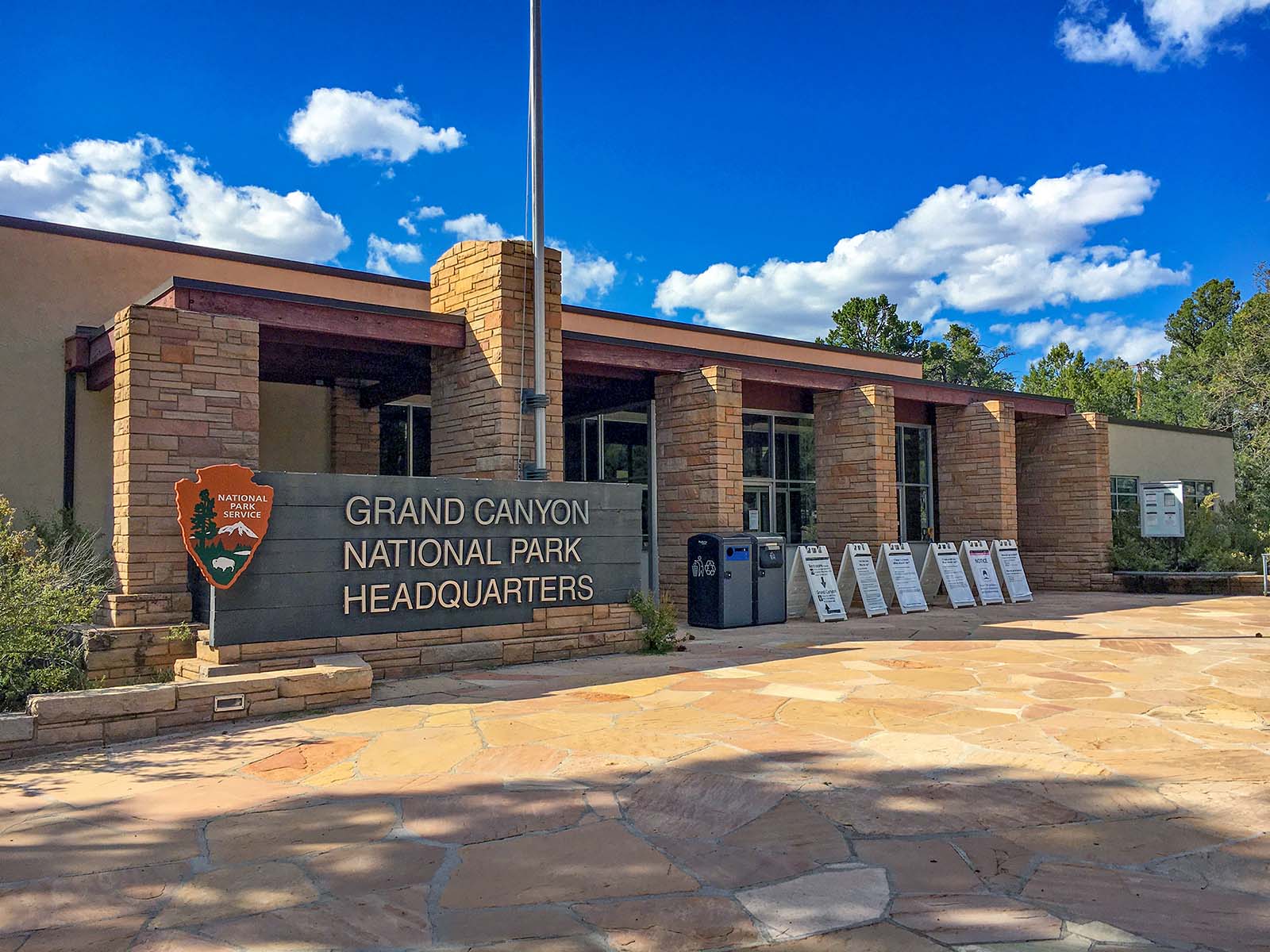
Grand Canyon Hiking Trails: Day Hikes, Water Sources & Rim to Rim
Compare Grand Canyon hiking trails: Bright Angel, South Kaibab, Hermit, Grandview, and rim to rim, with distances, elevation, water stops, and trailhead access for each.
Best Of
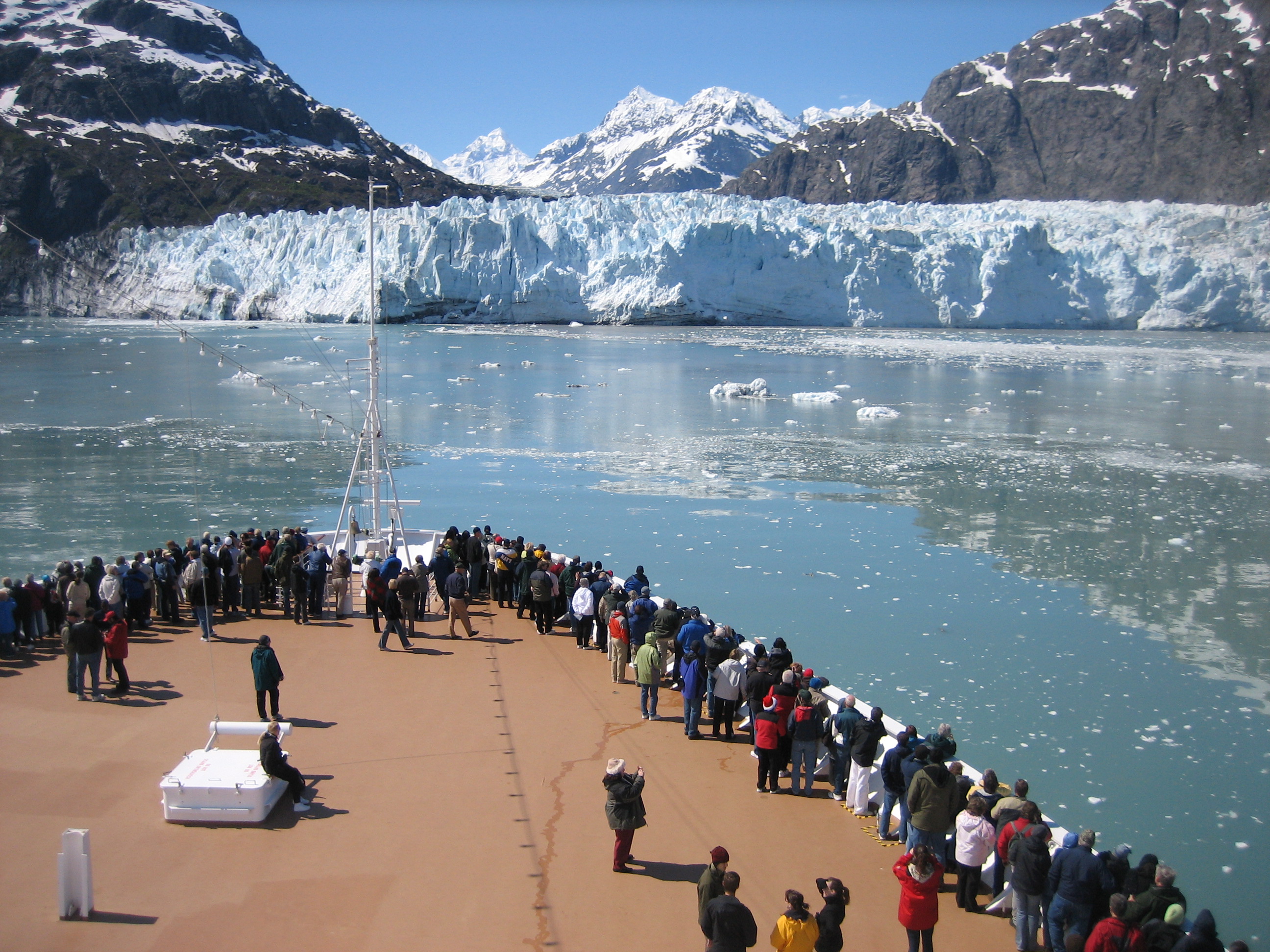
Best of Glacier Bay National Park
The best of Glacier Bay is reached by boat: ranger-led day tours up the bay to the tidewater glaciers. What's worth it, how to book, and when to go (2026).
Campsite Guide
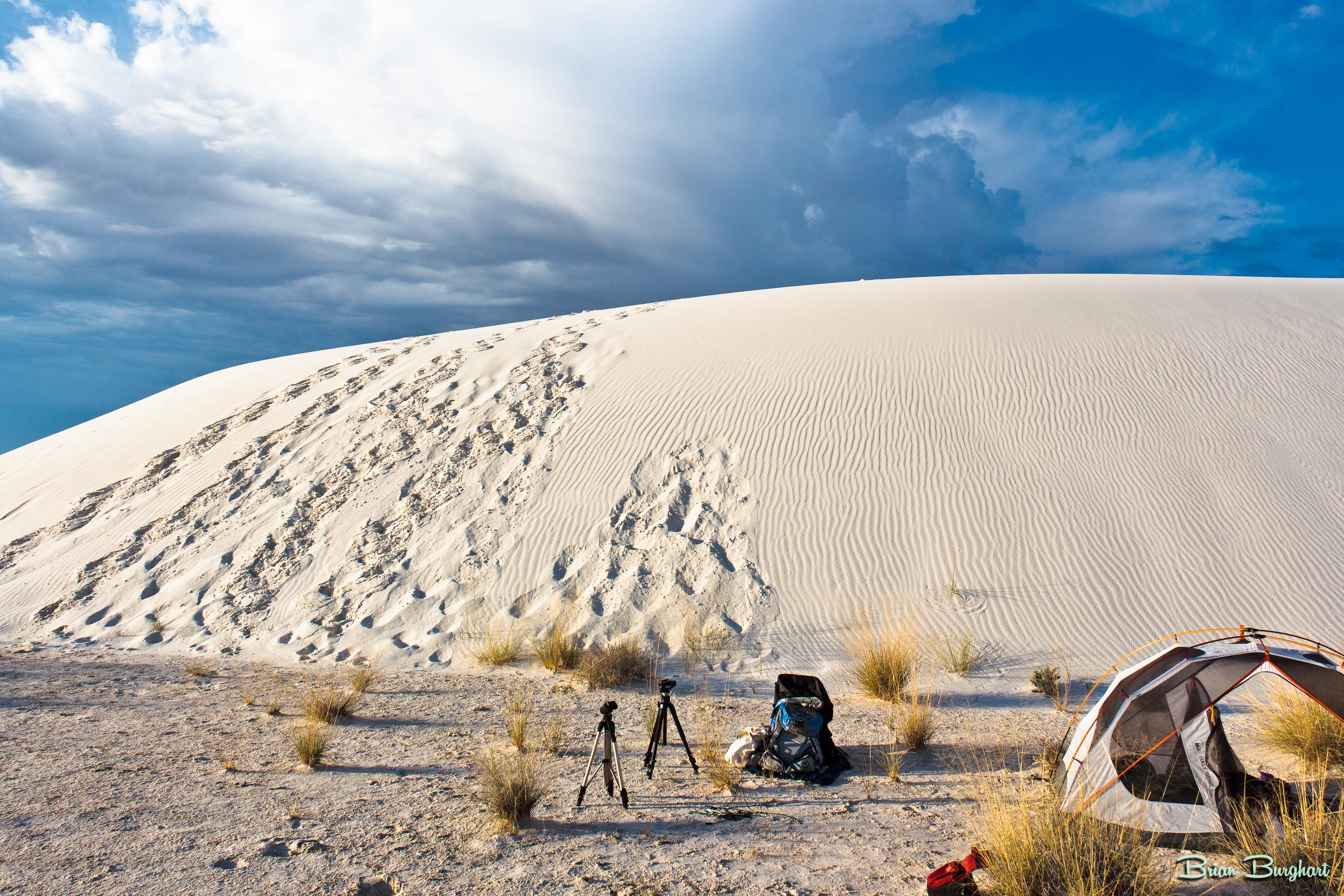
White Sands Backcountry Camping: Closed for 2026 — What to Know
As of 2026, backcountry camping at White Sands National Park is closed for site rehabilitation. What that means, and where to camp nearby instead.
Weather Guide
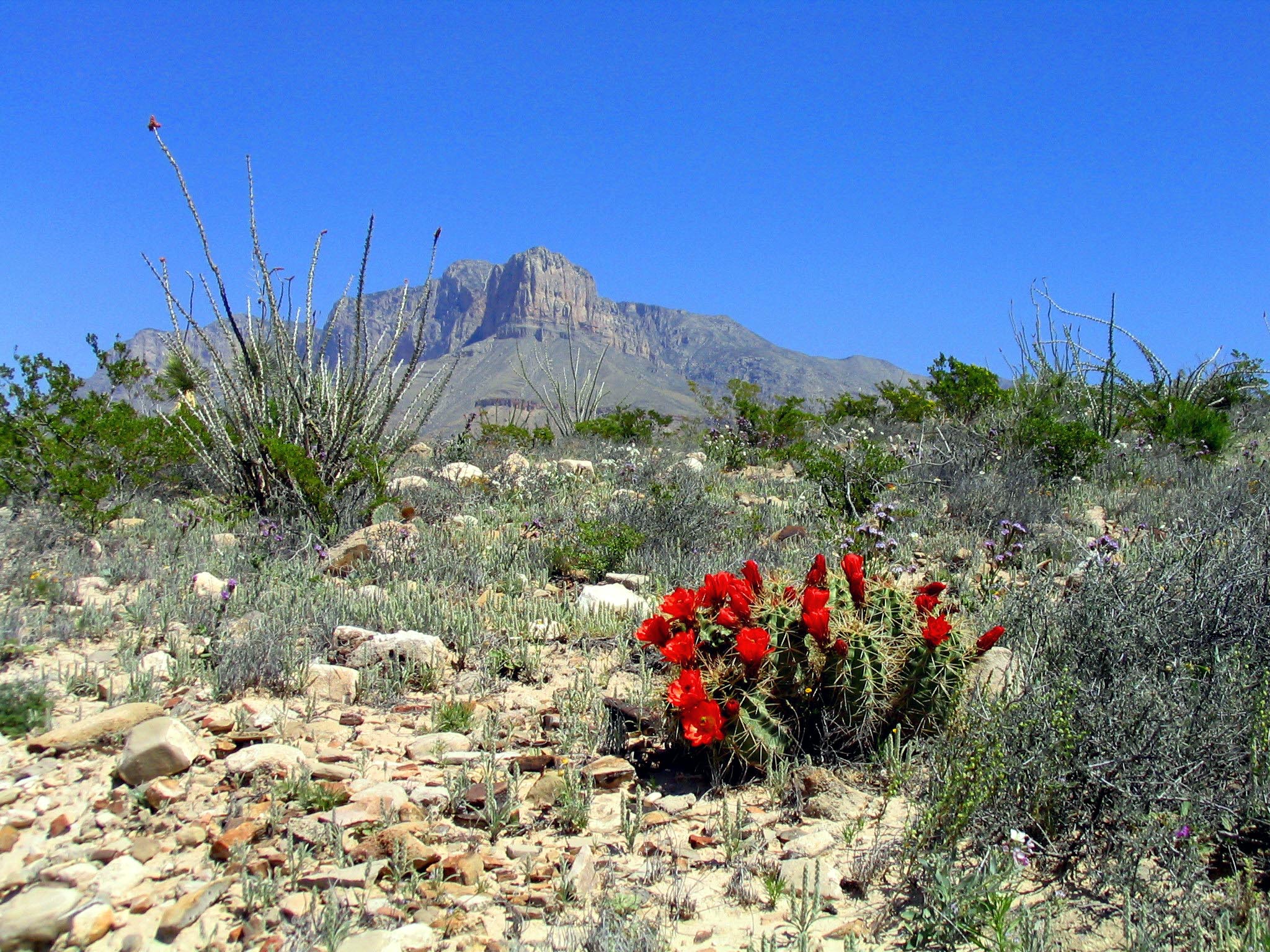
Guadalupe Mountains National Park Weather: Weather
Guadalupe Mountains National Park: weather guide guide updated 2026. Practical visitor information, reservations, and seasonal tips worth bookmarking before
Best Of
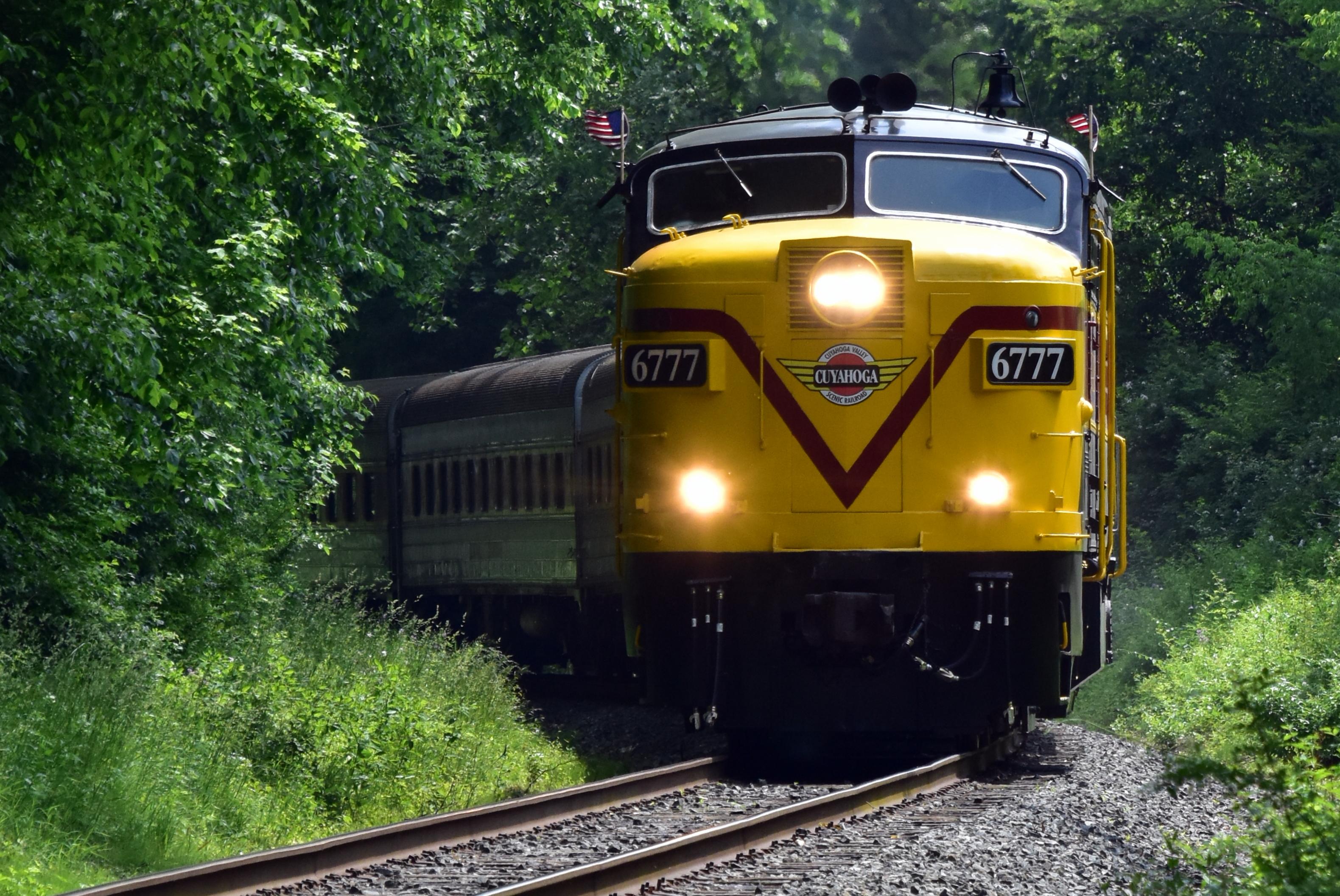
Best of Cuyahoga Valley National Park: Best Things to Do
Seeing a Cleveland Orchestra concert with the woods as your backdrop is a uniquely Cuyahoga Valley experience.
Sign in to join the conversation.
Sources & Attribution
Location data courtesy of the National Park Service (U.S. Department of the Interior). NPS data is public domain. Official NPS page.
Images: NPS; NPS; NPS; NPS; NPS.
Map data © OpenStreetMap contributors.
Park operations alerts: NPS.gov · Weather and weather hazards: National Weather Service · Live conditions.
Information may change. Always verify fees, hours, and conditions directly with the official source before visiting.
Did this guide help? Share it with a friend.