Sheep Pass Group Campground is one of three group campgrounds in Joshua Tree National Park, and it fills a specific niche: centrally located, tent-only, and built for groups of 7 to 60 people depending on which of its six sites you book. As of 2026, each site runs $55 per night (or $27.50 with a Senior or Access pass), and reservations are required. If you are organizing a group outing to Joshua Tree and want direct access to the park's best hiking and climbing areas without driving across the park every morning, this is the campground to target. This guide covers what you need to know before you book, what to expect when you arrive, and what the park website does not always mention.
NPS via NPS.gov (Public Domain)
Campsites at Sheep Pass Group Campground (2026 Guide)
7 min read
Campsite Guide
If you have a Senior or Access pass, the rate drops to $27.50. All reservations must be made in advance through Recreation.gov.
Your plans
For more, see complete visitor guide, all campgrounds, hiking trails, lodging and accommodations, Campsites at Cottonwood Campground (2026 Guide) (2026 guide), Campsites at Hidden Valley Campground (2026 Guide), Campsites at Indian Cove Campground (2026 Guide) (2026 guide), and Campsites at White Tank Campground (2026 Guide) (2026 Guide).
Six Sites, One Central Location
The campground sits off Park Boulevard, roughly halfway between the west and north entrances. That central position matters because Joshua Tree is a large park - over 1,000 square miles - and basing your group here means you are within 15 to 20 minutes of most major trailheads and rock formations.
Site Layout and Capacity
The six group sites are not identical. Some accommodate smaller groups of around 7 to 15 people; others can hold up to 60. When you reserve through Recreation.gov, the system shows the capacity for each specific site. Pay attention to that number. It is based on tent pad space and vehicle parking limits, not just a suggestion.
Tents only here. No RVs, no habitable trailers, no campers. The parking area can handle multiple vehicles, but every vehicle needs a spot within the designated site boundary. If you are bringing a large group with multiple cars, factor that into which site you choose.
Check-in and check-out are both at noon. Quiet hours run from 10:00 PM to 6:00 AM. The campground is open 24 hours otherwise, but the gates at park entrances have their own hours, and the park itself closes to through traffic at night.
Fees and Reservations
The group site fee was $55 as of early 2026. That is per site per night, not per person. If you have a Senior or Access pass, the rate drops to $27.50. All reservations must be made in advance through Recreation.gov. Walk-up bookings are not accepted.
One thing the reservation system does not emphasize: cancellations happen, especially in the summer months when daytime temperatures regularly exceed 100°F. If your dates are flexible, checking the reservation site 48 to 72 hours out sometimes turns up openings that were released by other groups.
What You Will Not Find Here
Sheep Pass is a dry campground. That is the single most important practical detail.
No Water On Site
There is no potable water available anywhere in Sheep Pass Group Campground. Not at the sites, not at a central spigot, not anywhere in the immediate area. Every drop of water your group needs for drinking, cooking, and washing must come in with you. For a group of 15 people on a two-night stay, that is roughly 15 to 20 gallons minimum, more if the weather is hot or if you plan to do strenuous hiking.
The closest water is at the Cottonwood Campground near the south entrance (which has flush toilets and potable water) or at the Oasis Visitor Center in Twentynine Palms. Neither is a short drive from Sheep Pass.
Facilities
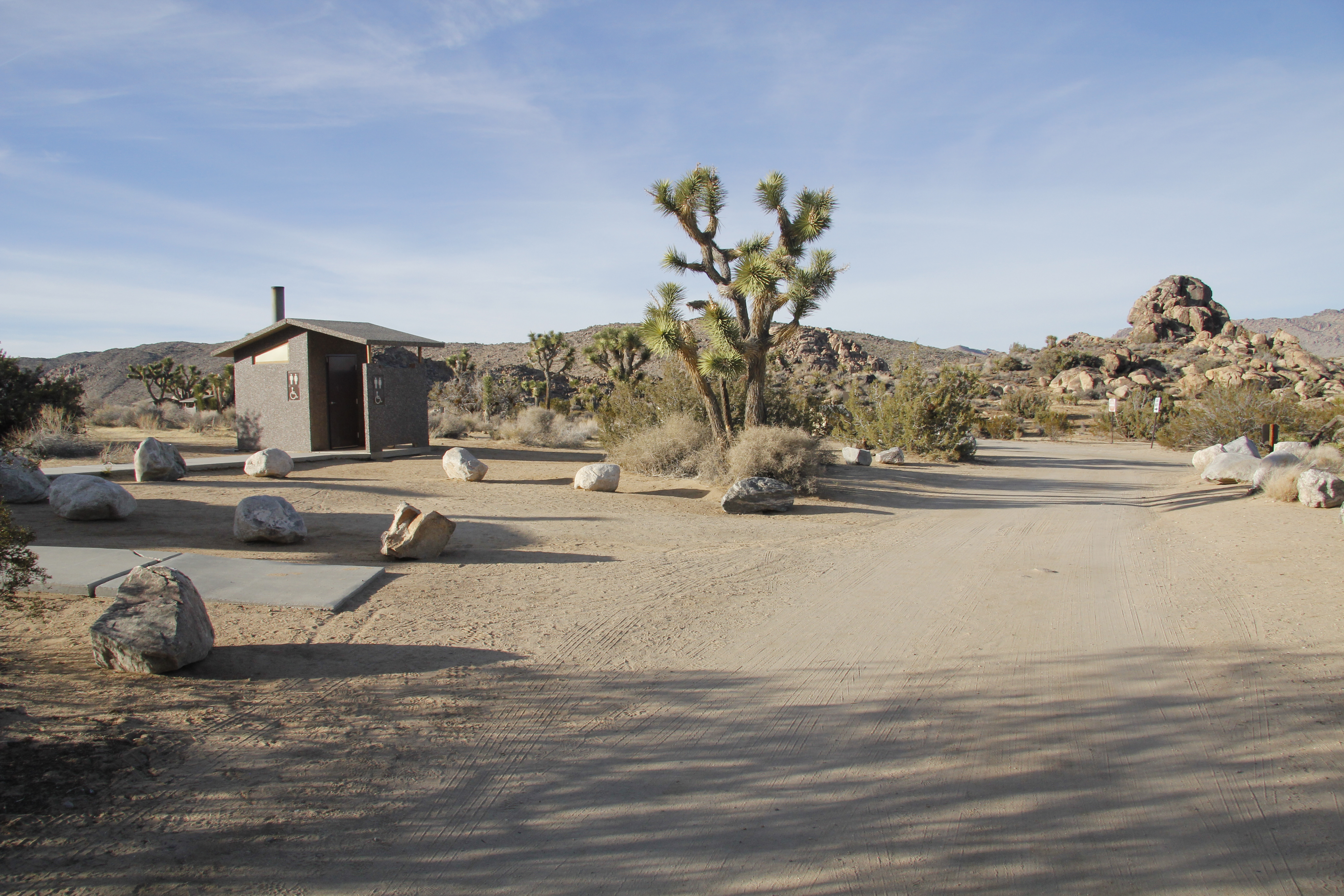
The campground has pit toilets. They are maintained regularly but are still pit toilets. Bring hand sanitizer and toilet paper as a backup - the dispensers sometimes run empty during busy weekends.
There are picnic tables and fire rings at each site. Firewood is not provided, and gathering wood inside the park is prohibited. You need to bring your own firewood or buy it outside the park. Joshua Tree's firewood rules prohibit bringing wood from more than 50 miles away to prevent pest spread, so plan accordingly.

Getting There and Getting Around
Driving Directions
From Twentynine Palms (the north entrance), take Utah Trail south into the park, then follow Park Boulevard for about 16 miles. From the town of Joshua Tree (the west entrance), enter through the Joshua Tree entrance station and follow Park Boulevard east for about 18 miles. The campground turnoff is signed, but it is easy to miss at night - the sign is not illuminated.
The parking situation here is manageable for groups because each site has its own designated parking area. Do not park along the road or in the pullouts near the campground entrance. Rangers patrol this area, and citations are issued.
Cell Service
Cell service drops out at the campground. You might get a weak signal on some carriers if you walk to a high point nearby, but generally, plan on no reception. Download your maps, reservation confirmations, and directions before you leave Twentynine Palms or Joshua Tree. The NPS app (mentioned in the park's official alerts) is the most reliable source for trail information once you are offline.
Rangers will tell you that some third-party hiking apps have been providing inaccurate trail and safety information. Use the official NPS app for trail data while you are here.
Activities Within Walking Distance
The campground's location puts you close to some of the park's most popular areas without requiring a drive.
Hiking and Trails
The trailheads for Skull Rock, the Boy Scout Trail, and Barker Dam are all within a few miles. Skull Rock is a 1.7-mile loop that passes through the same kind of granite boulder fields that surround Sheep Pass. It is relatively flat and works well for groups with mixed fitness levels.
The Boy Scout Trail runs 8 miles one way through the Wonderland of Rocks. Most groups do shorter out-and-back sections rather than the full distance. It is one of the better trails in the park for seeing how the landscape changes from open desert to rock maze.
For a shorter option, the Barker Dam Trail is a 1.1-mile loop with almost no elevation gain. It passes a historic dam and some of the best petroglyph panels in the park. Early morning is your best bet for spotting bighorn sheep in this area.
Rock Climbing
Sheep Pass is a short drive from climbing areas like Echo T and the routes near Jumbo Rocks. The campground is popular with climbing groups for exactly this reason - you can walk or drive a few minutes to routes that range from beginner-friendly bouldering to multi-pitch trad climbs. The park service recommends checking weather conditions before heading out, especially in winter when afternoon winds can be strong.
Stargazing
Joshua Tree is an International Dark Sky Park, and the skies around Sheep Pass are among the darkest in the park's central corridor. The campground has minimal ambient light, and the rock formations create natural spots to sit and watch the sky. If your group wants to do nighttime photography, the area around the campground has enough open space to set up tripods without crowding.

What to Pack for a Dry Campground
Most visitors underestimate how much water a group actually goes through in the desert. The rule of thumb is one gallon per person per day, minimum. For a two-night weekend with a group of 20, that is 40 gallons. That is heavy. Bring multiple collapsible containers or a group water jug.
Beyond water, pack:
- Sun protection: hats, sunscreen, and light long-sleeved shirts. The sun here is intense even in winter.
- Layers: winter nights drop below freezing. Summer nights stay warm, but the temperature swing between day and night can be 30 to 40 degrees in spring and fall.
- Headlamps and extra batteries. The campground has no ambient lighting.
- A stove and fuel. Fire restrictions are common in dry months, and cooking over a fire is not always an option.
- A first aid kit sized for your group. The nearest urgent care is in Twentynine Palms.
Season by Season
October through April
This is the busy season. Daytime temperatures range from the 60s to the 80s, and nights are cold - sometimes below freezing. Reservations for group sites in this window book out months in advance, especially around holidays and spring break. If you want a March or April weekend, book as soon as the reservation window opens.
May through September
Temperatures regularly hit 100°F by late morning and stay there until sunset. The park is much quieter, and group site availability is wide open. Only experienced desert campers should attempt summer trips. The elevation gain here does not help much - Sheep Pass sits around 4,000 feet, which is high enough for warm days but not high enough to escape the heat. If you do come in summer, plan all physical activity for sunrise hours and expect to spend midday in shade.

Practical Takeaways
- Book your site on Recreation.gov well in advance for peak season (October through April).
- Bring all your water. No exceptions. One gallon per person per day minimum.
- Download offline maps and the NPS app before you arrive.
- Check for fire restrictions before you pack firewood.
- Quiet hours are 10 PM to 6 AM. Enforced.
- No RVs. Tents only. Confirm your site capacity before booking.
For a broader look at what the park offers, see our complete visitor guide. For comparisons with other camping options in the park, browse our guide to all campgrounds.
Final Thoughts
Sheep Pass Group Campground is straightforward: six sites, central location, no water, tents only. There is nothing fancy about it, and that is the point. Your group gets a basecamp in the middle of Joshua Tree's best terrain, and the simplicity of the setup forces you to prepare properly. Pack your water, book ahead, and the campground delivers exactly what it promises - a place to sleep within walking distance of why you came here in the first place.
For more information, see our complete Joshua Tree National Park Guide.
Sources
- Official source: National Park Service nps.gov/jotr/planyourvisit/sheep-pass-group-campground.htm
- Official source: NPS — Joshua Tree National Park nps.gov/jotr/index.htm
Photo Gallery
More to Explore
Park Guide
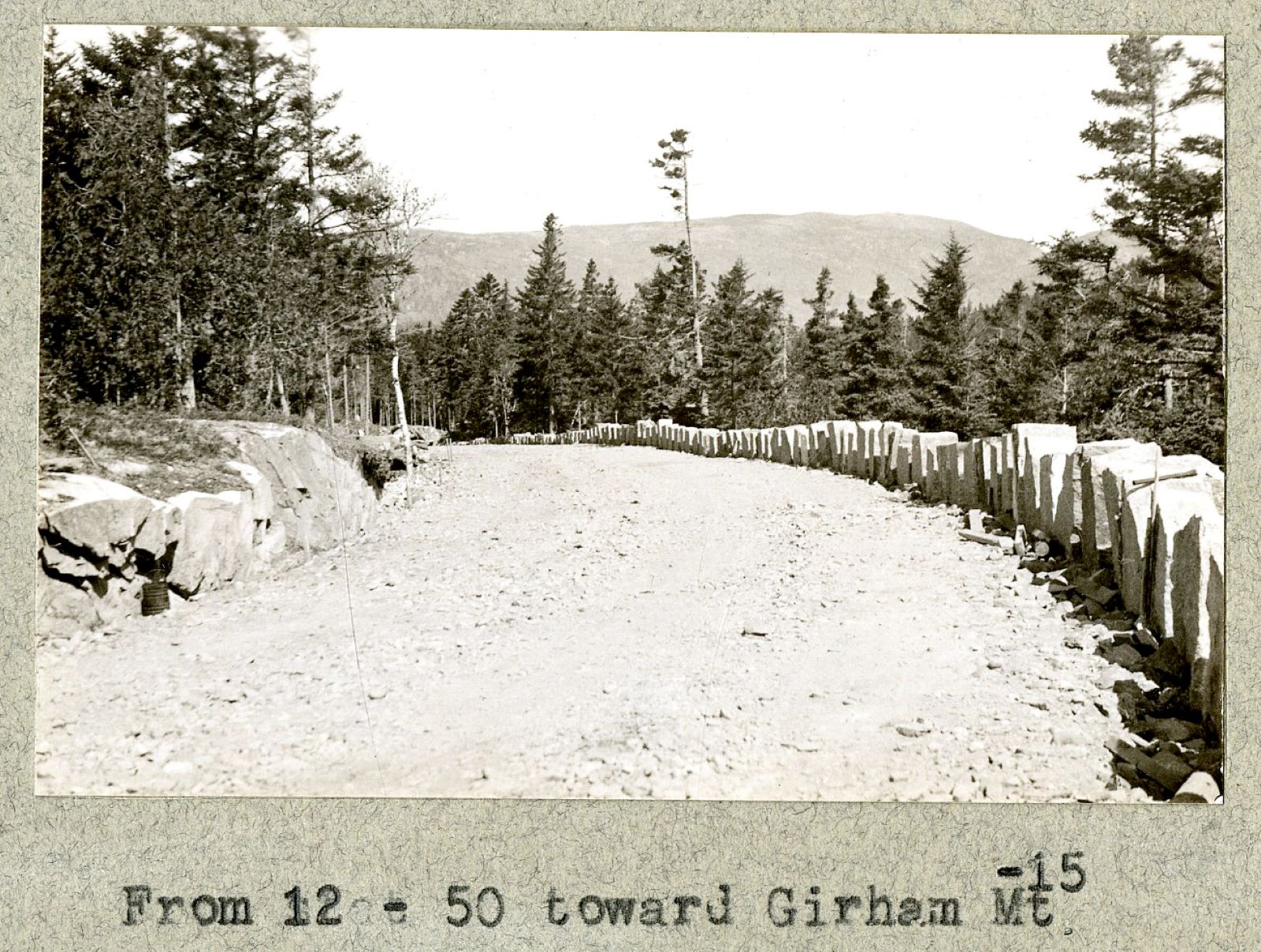
Acadia National Park: Carriage Roads, Cadillac Mountain & 2026 Guide
Discover carriage roads, Cadillac Mountain, and rugged Maine coast. Complete 2026 guide to Acadia National Park — trails, fees, lodging, permits, and what rangers recommend.
Hiking Guide
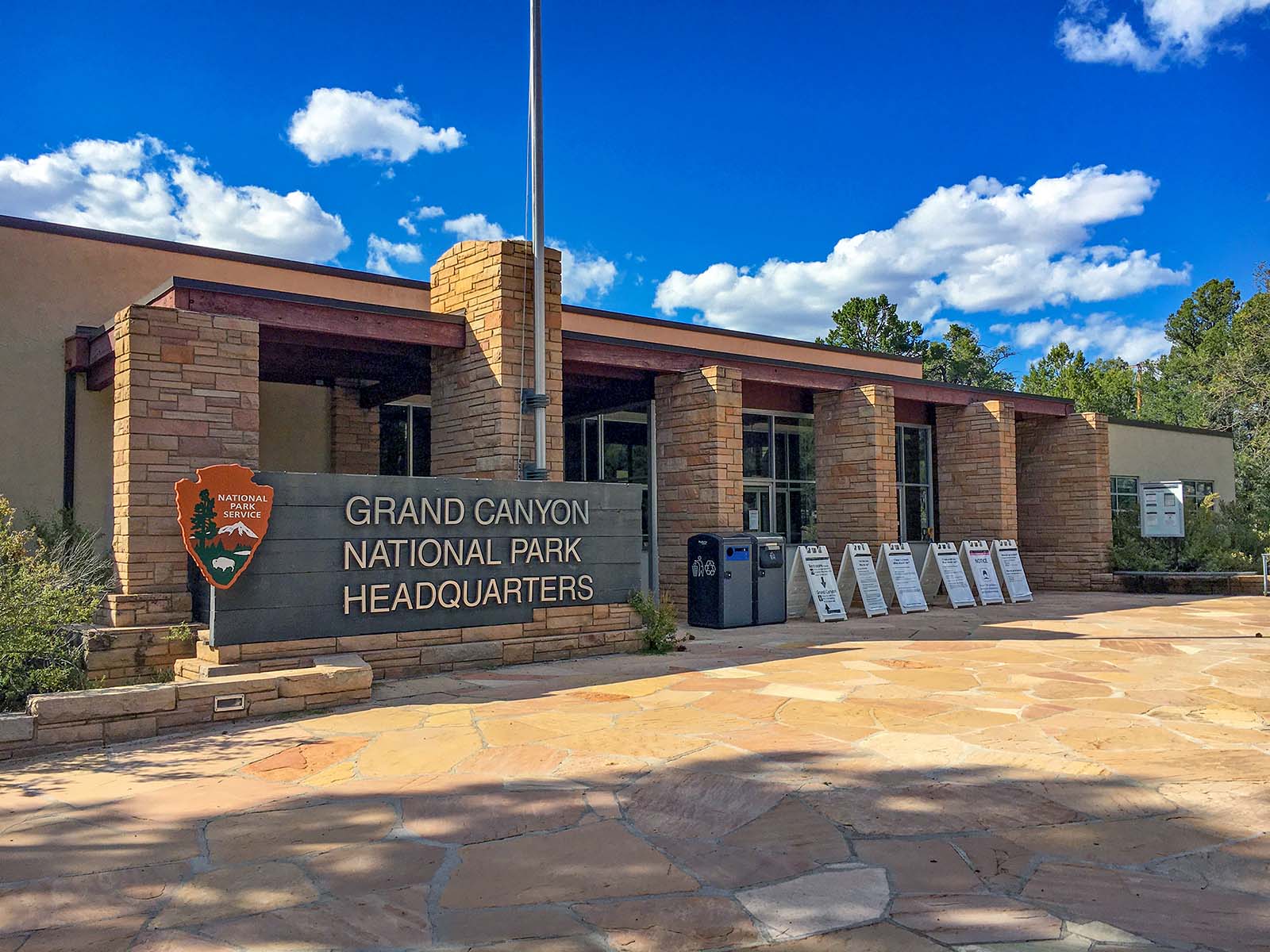
Grand Canyon Hiking Trails: Day Hikes, Water Sources & Rim to Rim
Compare Grand Canyon hiking trails: Bright Angel, South Kaibab, Hermit, Grandview, and rim to rim, with distances, elevation, water stops, and trailhead access for each.
Best Of
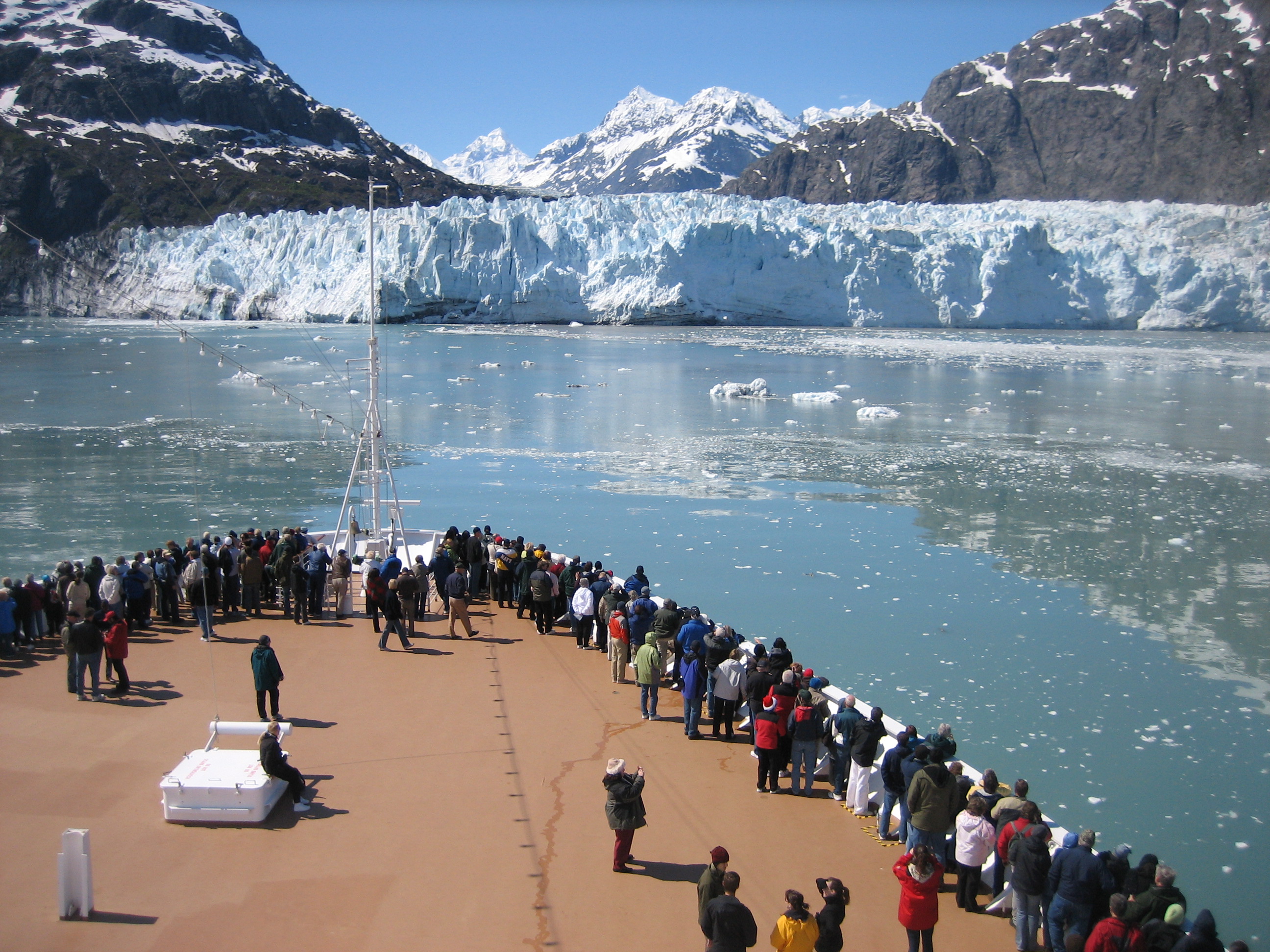
Best of Glacier Bay National Park
The best of Glacier Bay is reached by boat: ranger-led day tours up the bay to the tidewater glaciers. What's worth it, how to book, and when to go (2026).
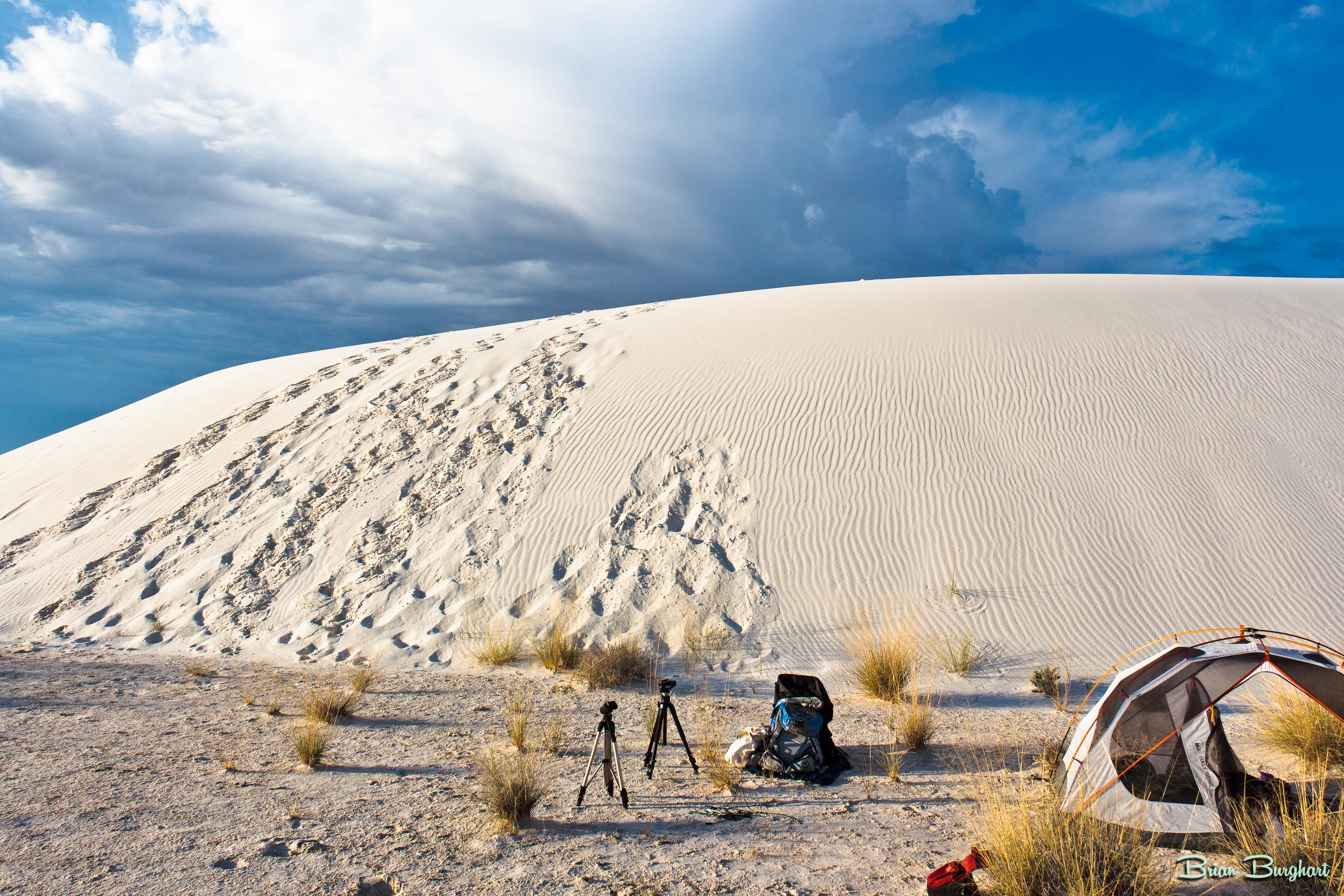
Campsite Guide
White Sands Backcountry Camping: Closed for 2026 — What to Know
As of 2026, backcountry camping at White Sands National Park is closed for site rehabilitation. What that means, and where to camp nearby instead.
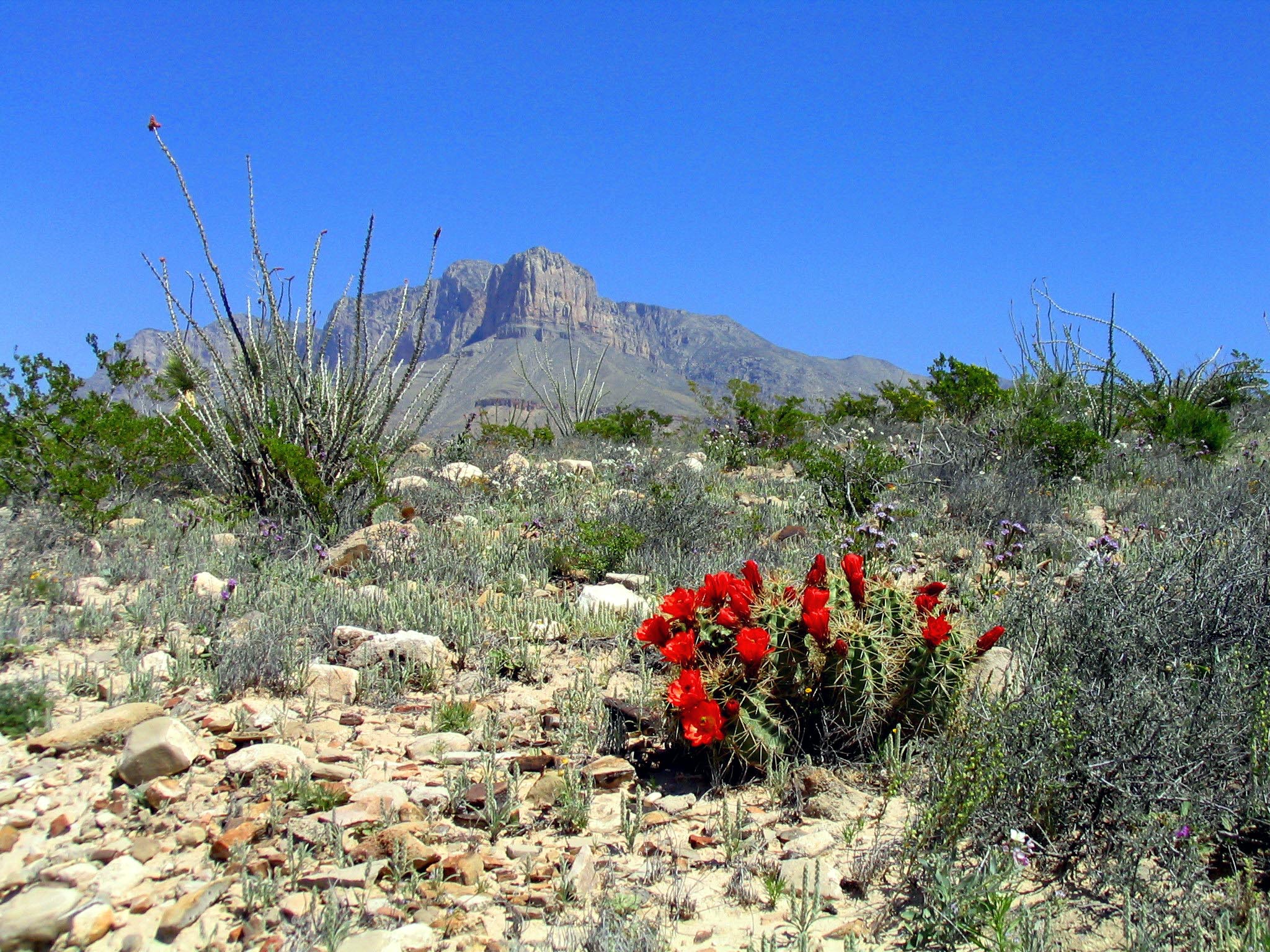
Weather Guide
Guadalupe Mountains National Park Weather: Weather
Guadalupe Mountains National Park: weather guide guide updated 2026. Practical visitor information, reservations, and seasonal tips worth bookmarking before
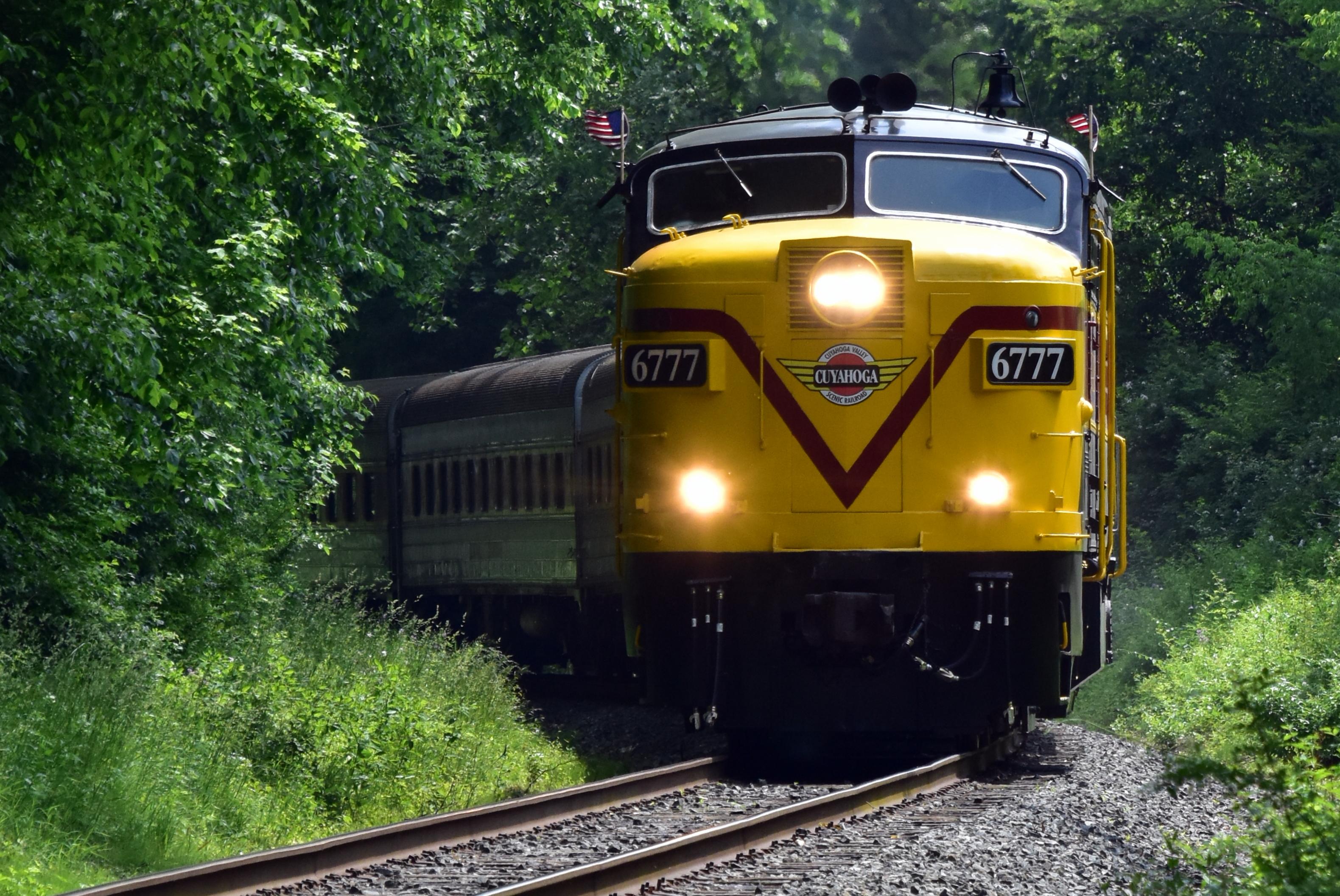
Best Of
Best of Cuyahoga Valley National Park: Best Things to Do
Seeing a Cleveland Orchestra concert with the woods as your backdrop is a uniquely Cuyahoga Valley experience.
Sign in to join the conversation.
Sources & Attribution
Location data courtesy of the National Park Service (U.S. Department of the Interior). NPS data is public domain. Official NPS page.
Images: NPS; NPS; NPS; NPS; NPS.
Map data © OpenStreetMap contributors.
Park operations alerts: NPS.gov · Weather and weather hazards: National Weather Service · Live conditions.
Information may change. Always verify fees, hours, and conditions directly with the official source before visiting.
Did this guide help? Share it with a friend.