Joshua Tree National Park Camping: Jumbo Rocks, Hidden Valley & Desert Camps (2026 Guide)
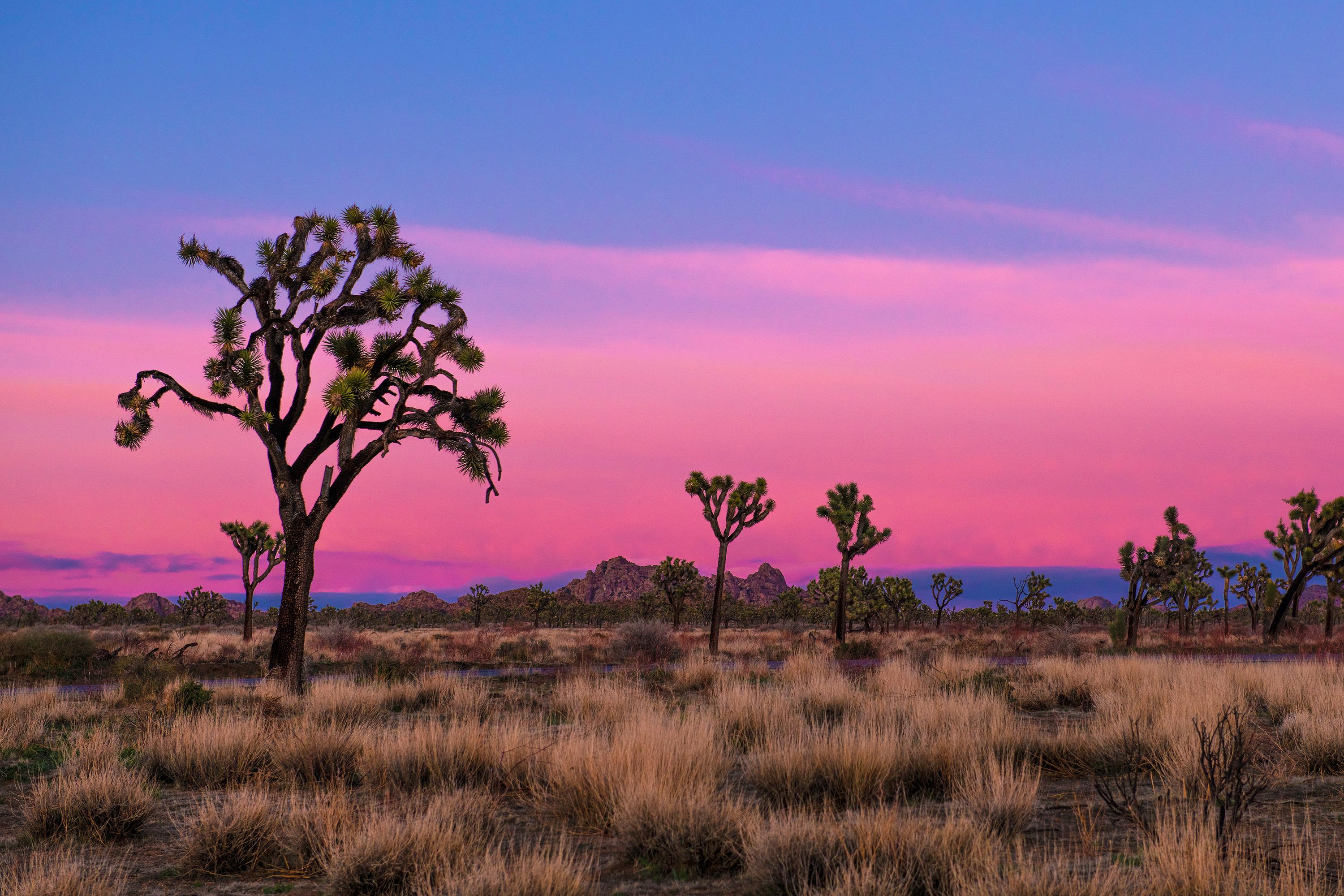
NPS via NPS.gov (Public Domain)
Camping Near Joshua Tree National Park
10 min read
Camping Guide
Complete 2026 camping guide for Joshua Tree National Park. Campground locations, reservation tips, site selection, and what to know before you arrive.
Your plans
This article contains affiliate links — we may earn a small commission at no extra cost to you.
Securing a campsite at Joshua Tree requires understanding one reality: reservations disappear quicker than water in a desert wash. For prime spring weekends, you must be online at Recreation.gov at 7:00 AM Pacific Time, precisely six months out. Jumbo Rocks and Hidden Valley sites can vanish in under two minutes. Most visitors make the same error—underestimating the demand for a simple gravel pad beneath the stars. This guide details the booking process, breaks down each campground, and provides the practical knowledge needed to claim your spot.
The Booking Reality
As of 2026, the reservation window for most Joshua Tree campgrounds opens at 7:00 AM Pacific Time, six months in advance, on Recreation.gov. For a prime spring weekend, treat it like a concert ticket drop. The entire inventory for a Saturday in April can disappear in 120 seconds. Walk-in availability is a gamble that rarely pays off during the comfortable seasons (October through May). The three first-come, first-served campgrounds - Belle, Hidden Valley, and White Tank - often fill by 9:00 AM on weekdays and by sunrise on weekends. Rangers at the entrance stations will tell you the parking lot is full by 10 AM on most days; the campgrounds fill even earlier. If you're planning a trip without a reservation, your best bet is a mid-week arrival in the dead of winter or the height of summer, when the 100+ degree heat thins the crowds.
Campground at a Glance
| Campground | Sites | Reservation Type | Season | Fee/Night (2026) | Elevation | Hookups | Nearest Services |
|---|---|---|---|---|---|---|---|
| Black Rock | 99 | Reservable | Year-round | $30 | 4,000 ft | No | Yucca Valley (5 mi) |
| Cottonwood | 62 | Reservable | Year-round | $35 | 3,000 ft | No | Cottonwood Spring (on-site water) |
| Indian Cove | 101 | Reservable | Year-round | $35 | 3,200 ft | No | Twentynine Palms (10 mi) |
| Jumbo Rocks | 124 | Reservable | Year-round | $25 | 4,400 ft | No | Joshua Tree (12 mi) |
| Ryan | 31 | Reservable | Year-round | $30 | 4,300 ft | No | Joshua Tree (10 mi) |
| Sheep Pass | 6 (Group) | Reservable | Year-round | $75+ | 4,200 ft | No | Joshua Tree (12 mi) |
| Belle | 18 | First-Come, First-Served | Year-round | $20 | 3,800 ft | No | Twentynine Palms (15 mi) |
| Hidden Valley | 44 | First-Come, First-Served | Year-round | $25 | 4,200 ft | No | Joshua Tree (7 mi) |
| White Tank | 15 | First-Come, First-Served | Year-round | $20 | 3,800 ft | No | Cottonwood Spring (20 mi) |

Jumbo Rocks Campground: Complete Guide
Jumbo Rocks, with 124 sites, stands as the park's largest and most characteristic campground. The landscape defines Joshua Tree: massive, rounded monzogranite boulders piled like nature's sculpture, with campsites nestled in the sandy passages between. The dominant sound is wind whispering through stone corridors, occasionally broken by a distant car door. Shade is limited and shifts with the sun—morning shade lies on a boulder's east side, afternoon shade on the west. Don't expect panoramic vistas; instead, you're surrounded by a full-circle rock sanctuary.
Site Selection & Loops
The campground is a maze of one-way loops. Sites on the outer edges (like 80-124) feel more exposed to the road and neighbor noise. For more privacy, aim for the interior sites in the 30-70 range. These are deeper in the boulder fields, with natural rock walls between pads. The trade-off is that backing a mid-size RV into these slots requires patience and skill. Tent campers should look for the sandy-floored sites with the most rock enclosure; sites 58, 62, and 68 are perennial favorites for their secluded feel. Avoid sites 1-15 if you're noise-sensitive - they're closest to the pit toilets and the main road in.
Facilities & The Unadvertised Details
There are pit toilets and no potable water. You must bring all the water you'll need for drinking, cooking, and washing. The park service recommends a minimum of one gallon per person per day, and two gallons in summer. What the booking photos don't show is the relentless grit. Fine desert dust coats everything within an hour of setting up. Also, the ground is notoriously hard; standard tent stakes often bend. Bring rock stakes or plan to use your boulders as anchors. Generator use is prohibited in all Joshua Tree campgrounds, so don't plan on running an AC unit.
Hidden Valley Campground: Complete Guide
Hidden Valley is the climber's campground. It's smaller, at 44 sites, and entirely first-come, first-served. The atmosphere is communal and active - you'll hear the clink of carabiners at dawn and see headlamps bobbing toward the rocks for pre-sunrise starts. It's located in the heart of the park's best climbing areas, so the parking spurs are often filled with racks of gear and vans with mattress platforms.
The Walk-In Gamble
Securing a site here requires a strategy. The unofficial rule is that sites turn over between 11 AM and 2 PM. Your best bet is to arrive mid-morning on a weekday and circle slowly. Look for people breaking camp, then ask politely if they're leaving that day. Don't block a spur. Rangers do not maintain a waitlist. If you arrive on a Friday afternoon in spring, assume it's full.
Site Vibe and Layout
Sites are relatively close together, with minimal vegetation for privacy. The appeal isn't solitude - it's proximity to world-class rock. The ground is packed sand and gravel. Sites on the western edge (like 34-44) get afternoon shade first. There are pit toilets and, critically, no water. The nearest reliable water is at the West Entrance or the Intersection Rock pit toilets a mile up the road. Cell service drops out at the campground entrance; don't plan on working from your site.

Black Rock Campground: Complete Guide
At 4,000 feet in the park's northwest corner, Black Rock feels different. It's in a sandy wash dotted with Joshua Trees and pinyon pines, offering more greenery and softer ground than the central desert camps. The air is often a few degrees cooler. You'll hear more birds here and the rustle of wind through the pinyons. It's the only campground with a dedicated nature trail (the Hi-View Trail) starting from the camp loop.
Loops and Amenities
This is a reservable, year-round campground with a camp host and pay station. The sites are well-spaced, with many offering a genuine sense of privacy thanks to the vegetation. The back loops (sites 60-99) are farthest from the entrance road and feel the most remote. There are flush toilets and potable water spigots throughout the campground - a major luxury. Each site has a picnic table, fire ring, and a metal food storage locker. The locker is critical; this is prime habitat for the desert's clever and persistent raven population, which will tear into any unattended food or trash in seconds.
Access and Considerations
Black Rock is the closest campground to the town of Yucca Valley, about a 10-minute drive. This means you can easily pop out for ice, forgotten supplies, or a meal. It also means you'll see more RVs and families here. The road in is paved and well-maintained. While it's a drive from the iconic central park attractions like Skull Rock, it provides a comfortable, serviced basecamp and direct access to the hiking trails in the park's western section.
Indian Cove Campground: Complete Guide
Indian Cove is an outlier. It's located outside the park's main entrance, off Highway 62 near Twentynine Palms. You don't pay an entrance fee to camp here, but you will need to drive through the park's North Entrance (and pay) to reach the central attractions. What you get is a spectacular, secluded canyon surrounded by towering rock walls. The acoustics are incredible - a whispered conversation can carry. It's a favorite for groups and families.
Canyon vs. Roadside Sites
The 101 sites are split between two areas: the main canyon loop and a roadside loop. The canyon sites (roughly 1-80) are the prize. They're arranged in a dramatic bowl, with massive boulders providing natural walls. Sites 20-40 are particularly sought-after for their central location and rock features. The roadside sites (above the canyon) are more exposed, sun-blasted, and adjacent to the access road. They're easier for big RVs to navigate but lack the atmosphere.
Group Sites and No-Water Reality
Indian Cove has dedicated group sites that can be reserved separately. There are pit toilets but no potable water. The nearest water is in Twentynine Palms, a 15-minute drive. You must arrive fully supplied. The rock climbing here is excellent and right out your tent flap, but the approach to the main park for hiking trails like Ryan Mountain adds 30 minutes of driving each way.

Cottonwood, Ryan, Belle & White Tank: Quick Profiles
Cottonwood Campground (62 sites, reservable, $35): Located at the far southern end of the park near the Colorado Desert. It has flush toilets and potable water - the only central desert campground besides Black Rock with these amenities. It's quieter, farther from the crowds, and a good base for exploring the southern park. Less dramatic rock scenery, more open desert.
Ryan Campground (31 sites, reservable, $30): Small, quiet, and centrally located near the Ryan Mountain trailhead. All sites are reservable. Pit toilets, no water. Sites are in a boulder field similar to Jumbo Rocks but on a more intimate scale. Excellent for stargazing due to lower light pollution from the nearby road.
Belle Campground (18 sites, first-come, first-served, $20) & White Tank Campground (15 sites, first-come, first-served, $20): These are the park's smallest, most primitive campgrounds. Pit toilets, no water, no trash service - pack everything out. They fill last and are options of true last resort. Belle is near the North Entrance; White Tank is near the Arch Rock formation. Sites are basic pull-offs. Only for the self-sufficient.
Reservation Strategy
Beyond the six-month window, use Recreation.gov's alert functions. Set up notifications for your desired campground and dates. Cancellations do happen, often 2-4 weeks out as plans solidify. Be ready to book a cancellation instantly. For group sites at Sheep Pass or Indian Cove, the reservation window is 12 months in advance, and they book just as fast. If you strike out on in-park sites, your fallback is BLM land for dispersed camping (no facilities, leave no trace) or commercial RV parks in Twentynine Palms and Yucca Valley. For traditional lodging and accommodations, book those months ahead as well.

What to Know Before You Arrive
Water is Non-Negotiable. There is no water at most campgrounds. The gift shop sells it for $4 a bottle. Bring your own, in large containers. Plan for at least one gallon per person per day, stored in your vehicle, not left outside where ravens will puncture it.
Bear Boxes are for Everything. All campgrounds have metal food storage lockers. Use them for all food, trash, toiletries, and anything with a scent. Ravens, coyotes, and rodents are the primary thieves, not bears, but the rule is the same. A raven can open a zipper in under ten seconds.
Fire Restrictions are the Norm. Wood fires and charcoal grills are often prohibited, especially during high wind or extreme drought. Propane fire pits and camp stoves are usually allowed. Check the park website or call the visitor center for the current fire order before you plan any campfire.
Quiet Hours (10 PM - 6 AM) are Enforced. Rangers patrol. Generator use is prohibited at all times in all park campgrounds. This is a major point of contention with some RVers; there are no exceptions.
Cell Service is Unreliable. Assume you will have none at your campsite. A weak signal might be found at a campground entrance or a pull-out on the main park road. Tell your people you'll be offline.
Checkout is at 12 PM. Arrival is any time after the previous occupant has left. Rangers are strict about checkout time to allow for site cleaning and turnover.
Practical Takeaways
- Reservations for Jumbo Rocks, Black Rock, Cottonwood, Indian Cove, and Ryan open six months in advance at 7 AM PT. Mark your calendar.
- For first-come, first-served sites (Hidden Valley, Belle, White Tank), plan to arrive by 8 AM on a weekday or risk finding them full.
- Bring all your water. Minimum one gallon per person per day, stored in sturdy containers inside your vehicle.
- Use the metal food locker for everything with a scent. Ravens are brilliant, destructive, and opportunistic.
- Generators are prohibited. Quiet hours (10 PM - 6 AM) are enforced.
- The ground is hard sand and rock. Bring heavy-duty tent stakes or plan to use rocks as anchors.
- Have a backup plan. If campgrounds are full, dispersed camping is available on surrounding BLM land, but you must be fully self-sufficient.
- Check current fire restrictions before you plan to cook. Propane is almost always okay; wood and charcoal often are not.
- Cell service is spotty to nonexistent at campsites. Download maps, campground details, and your complete visitor guide before you arrive.
- The desert is extreme. In summer, it's dangerously hot. In winter, it can freeze. Pack and plan for the specific seasonal conditions you'll face.
For more information, see our complete National Park Guide.
Related: joshua tree hiking guide
Related: trails in joshua tree guide
Recommended Gear
What experienced visitors bring to Camping Near Joshua Tree National Park
Links may earn us a commission at no extra cost to you. We only recommend gear we believe in.
Hiking Essentials
Hydration Pack (3L)
Hands-free water for long trail days
Trekking Poles (Pair)
Save your knees on steep descents
Hiking Boots (Ankle Support)
Sturdy footwear for rocky, uneven trails
Sun & Heat Protection
Wide-Brim Sun Hat
Full coverage UPF 50+ protection at altitude
Insulated Water Bottle (32oz)
Keeps water cold in desert heat all day
Winter Gear
Microspikes / Traction Devices
Essential for icy rim trails in winter months
Packable Down Jacket
Lightweight warmth that stuffs into a pocket
Sources
- Official source: NPS — Joshua Tree National Park nps.gov/jotr/index.htm
Photo Gallery
More to Explore
Park Guide
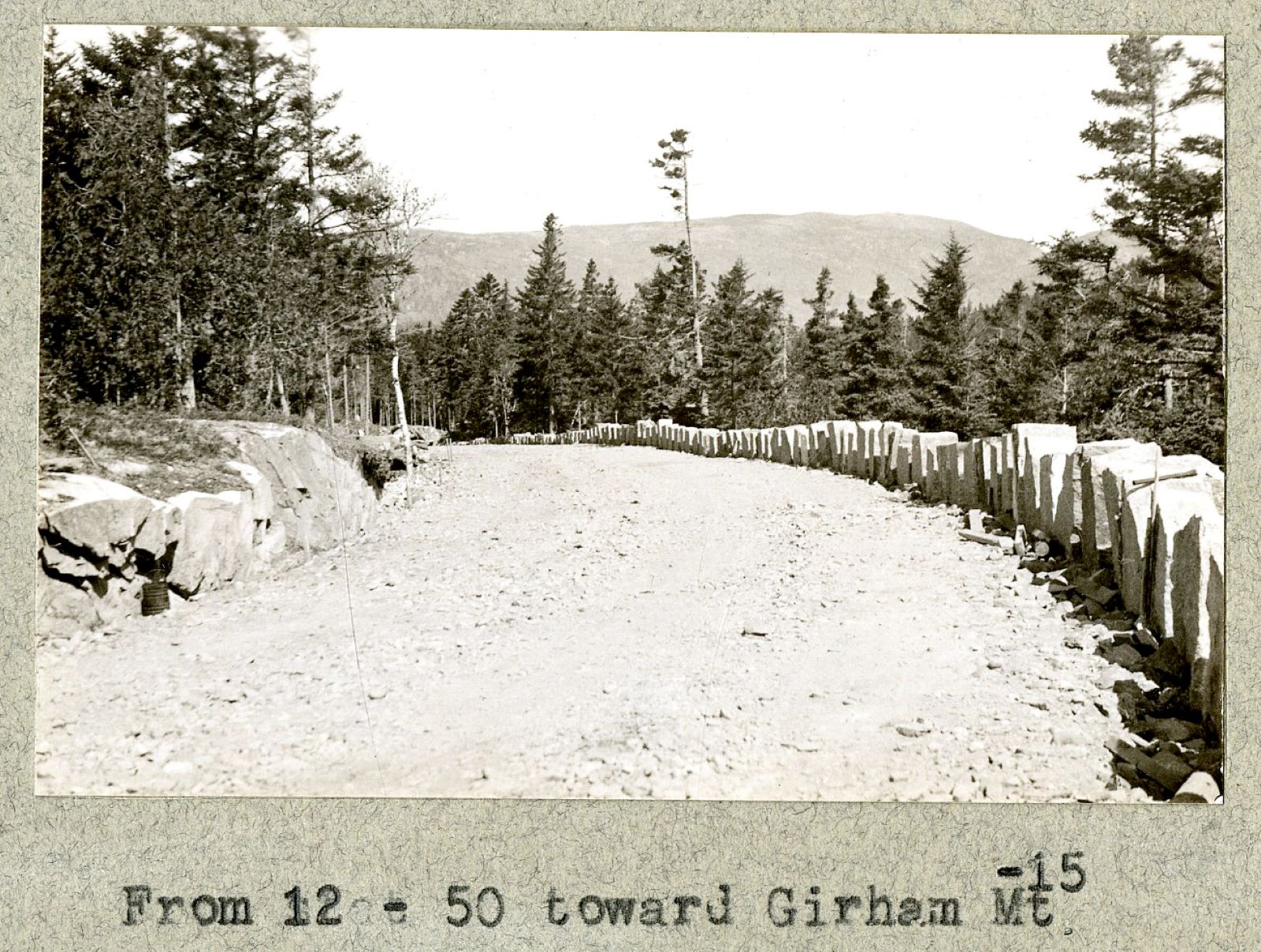
Acadia National Park: Carriage Roads, Cadillac Mountain & 2026 Guide
Discover carriage roads, Cadillac Mountain, and rugged Maine coast. Complete 2026 guide to Acadia National Park — trails, fees, lodging, permits, and what rangers recommend.
Hiking Guide
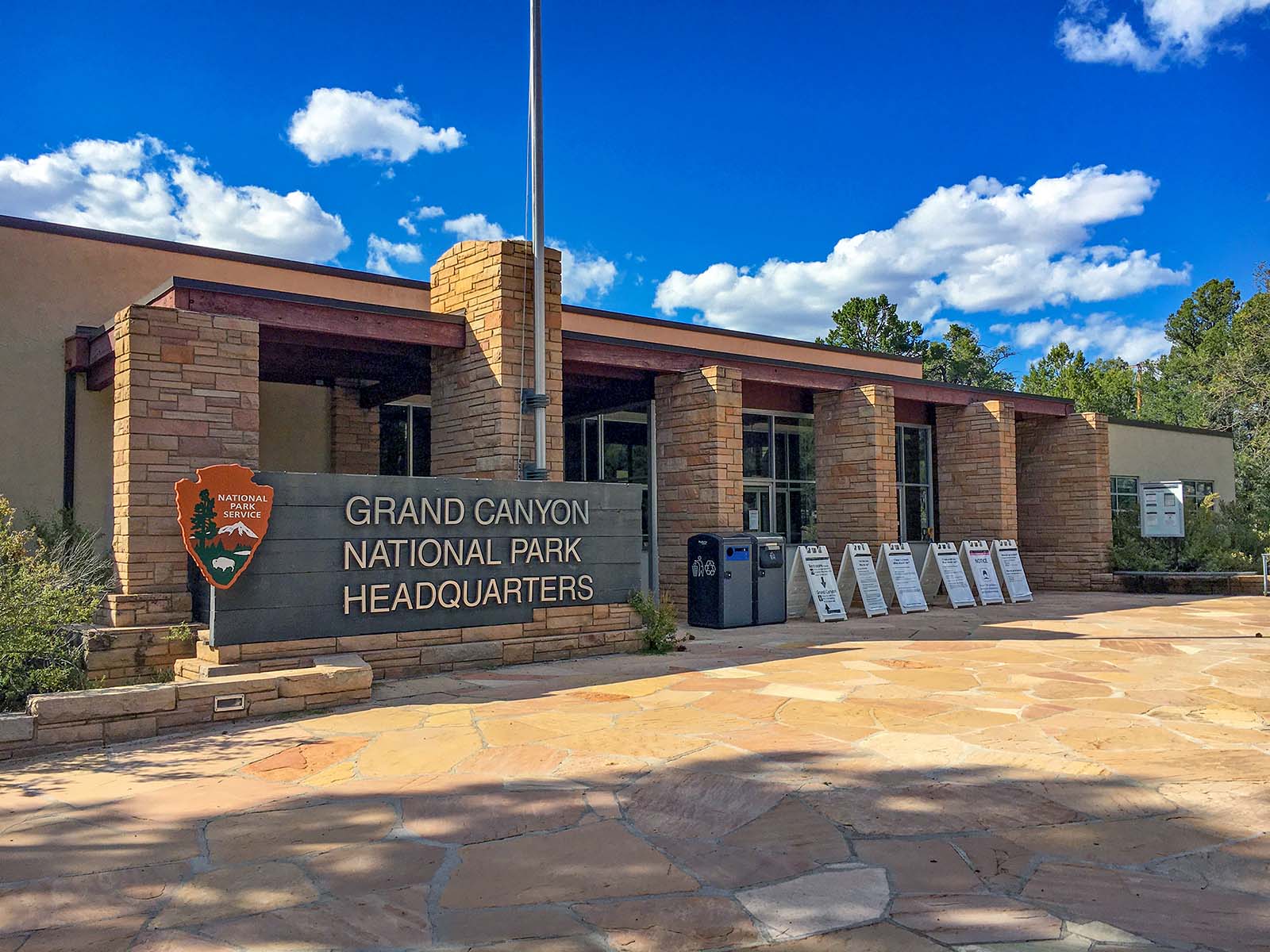
Grand Canyon Hiking Trails: Day Hikes, Water Sources & Rim to Rim
Compare Grand Canyon hiking trails: Bright Angel, South Kaibab, Hermit, Grandview, and rim to rim, with distances, elevation, water stops, and trailhead access for each.
Best Of
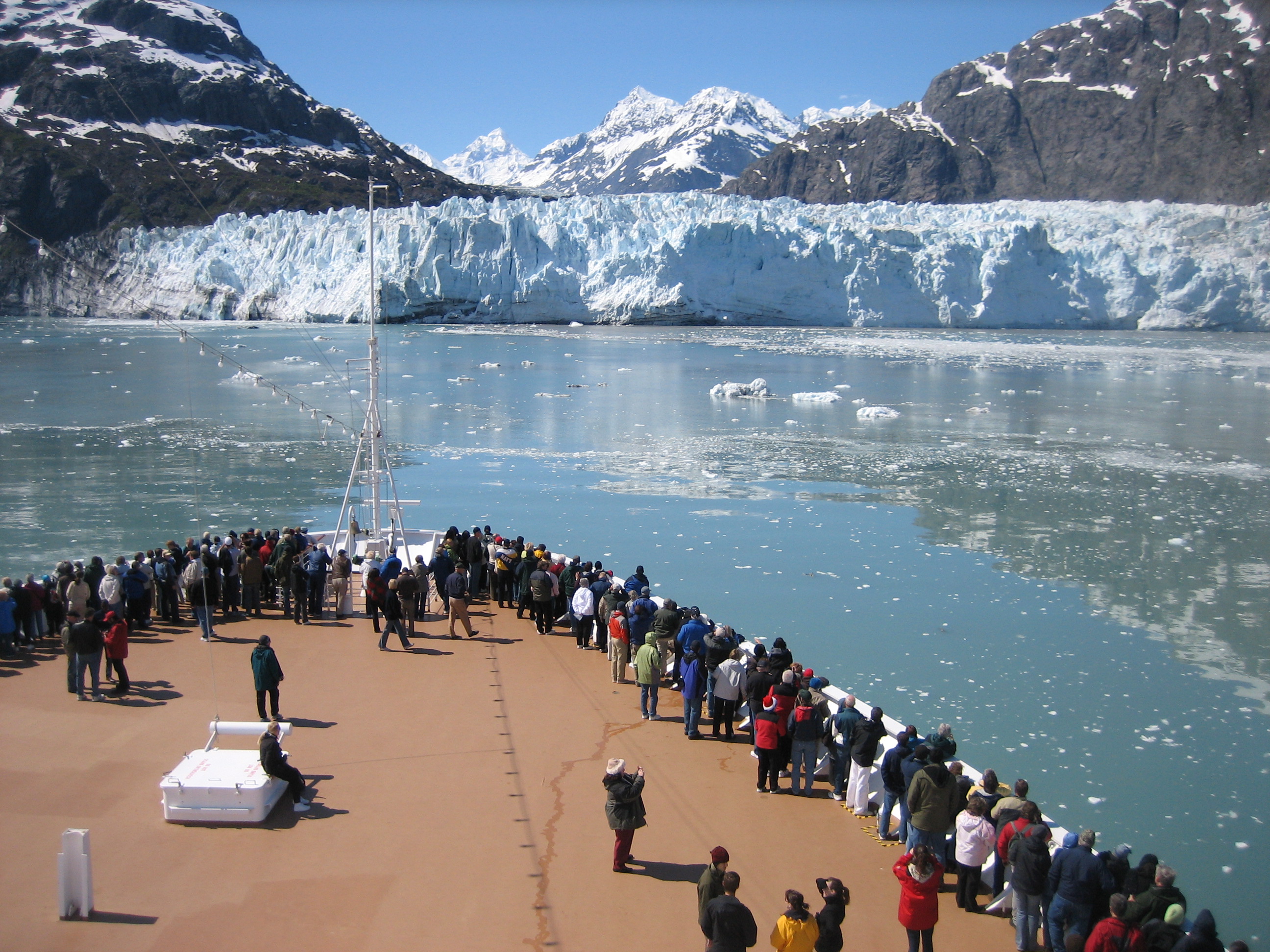
Best of Glacier Bay National Park
The best of Glacier Bay is reached by boat: ranger-led day tours up the bay to the tidewater glaciers. What's worth it, how to book, and when to go (2026).
Campsite Guide
White Sands Backcountry Camping: Closed for 2026 — What to Know
As of 2026, backcountry camping at White Sands National Park is closed for site rehabilitation. What that means, and where to camp nearby instead.
Weather Guide
Guadalupe Mountains National Park Weather: Weather
Guadalupe Mountains National Park: weather guide guide updated 2026. Practical visitor information, reservations, and seasonal tips worth bookmarking before
Best Of
Best of Cuyahoga Valley National Park: Best Things to Do
Seeing a Cleveland Orchestra concert with the woods as your backdrop is a uniquely Cuyahoga Valley experience.
Sign in to join the conversation.
Sources & Attribution
Location data courtesy of the National Park Service (U.S. Department of the Interior). NPS data is public domain. Official NPS page.
Images: NPS; NPS; NPS; NPS; NPS.
Map data © OpenStreetMap contributors.
Park operations alerts: NPS.gov · Weather and weather hazards: National Weather Service · Live conditions.
Information may change. Always verify fees, hours, and conditions directly with the official source before visiting.
Did this guide help? Share it with a friend.