The single best thing to do at Joshua Tree National Park is to arrive thirty minutes before sunrise at the Jumbo Rocks area and watch the first light hit the monzogranite formations. Not from the main overlook - from the pullout just past the Jumbo Rocks Campground entrance, about 200 yards east of where most people stop. The light turns the rock faces from gray to ochre to deep orange in about eleven minutes, and you will have the place mostly to yourself.
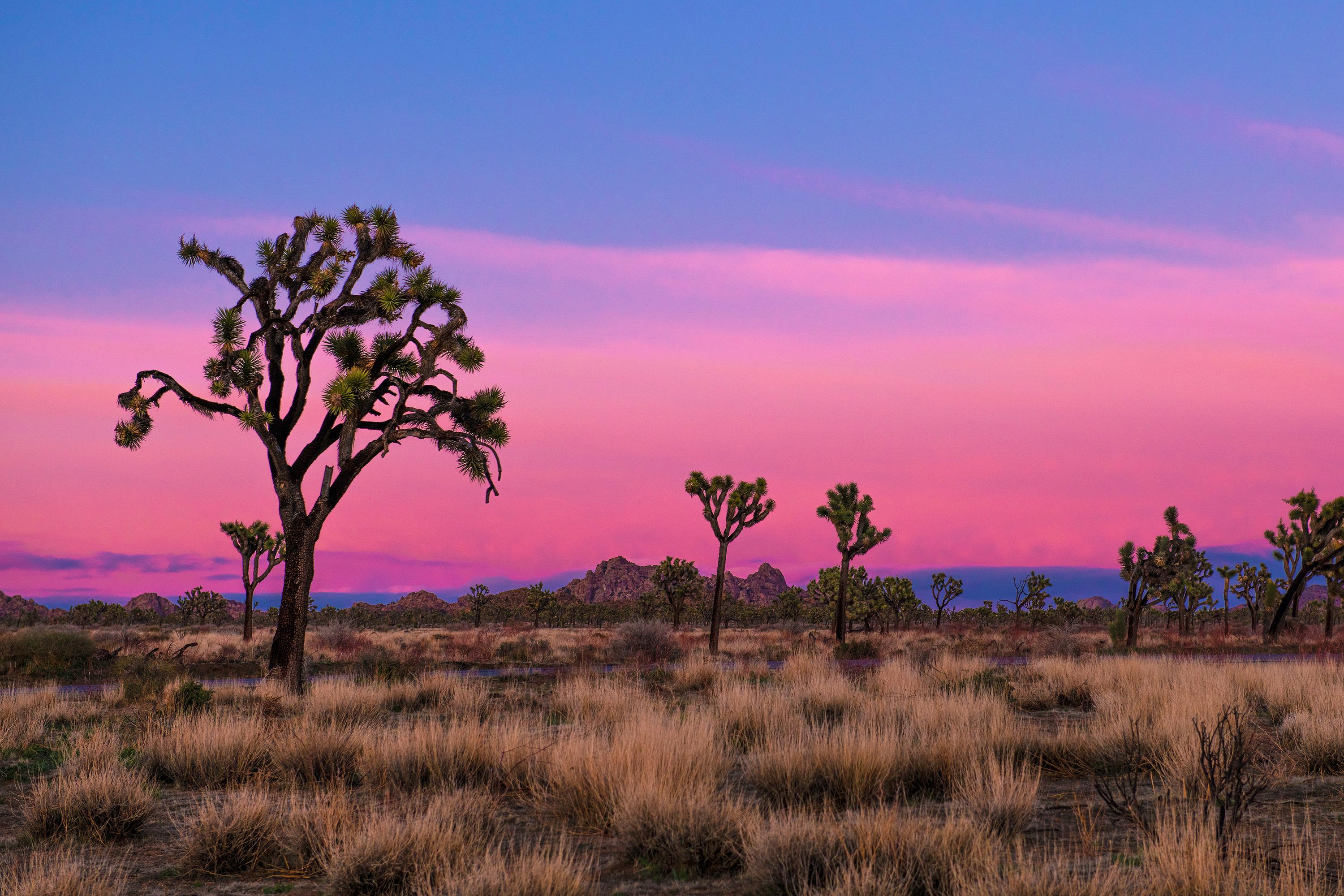
NPS via NPS.gov (Public Domain)
Best of Joshua Tree National Park: Best Photo Spots (2026)
10 min read
Best Of
Skip the crowds at Jumbo Rocks' main overlook. 2026 guide to the best photo spots in Joshua Tree National Park, including the secret pullout for sunrise light.
This article contains affiliate links — we may earn a small commission at no extra cost to you.
If You Have Only One Day
Enter through the West Entrance near Joshua Tree Village at 7:00 AM. The line at this entrance builds fast after 8:00 AM, and by 9:00 AM on spring weekends you are looking at a 20-minute wait. Your first stop is the Hidden Valley Trail - a one-mile loop that takes 45 minutes. It is the best short introduction to the park's geology and the trail register is full of comments from people who underestimated how much the scale of these rock piles changes as you walk through them.
From Hidden Valley, drive east on Park Boulevard toward Jumbo Rocks. The road here gives you the classic Joshua tree-studded views that most visitors come for. The trees are thickest between the Ryan Campground turnoff and the Cap Rock pullout.
By 10:30 AM, you want to be at the Cholla Cactus Garden. Get there early. The parking lot holds maybe 15 cars and fills by 11:00 AM. The quarter-mile loop takes 20 minutes, but you will spend longer because the low-angle morning light makes the cholla spines glow like fiber optics. Note that as of 2026, the Cholla Cactus Garden trail is closed through late spring for trail improvements - check the official website or use the NPS app before you go.
After the cholla, head south toward Cottonwood Spring. The drive from the cholla garden to Cottonwood takes about 30 minutes and passes through the transition zone between the Mojave and Colorado deserts. You will feel the temperature change and see the vegetation shift from yucca and juniper to creosote bush and ocotillo.
Your afternoon options depend on what you want. For a hike, take the Mastodon Peak Loop from Cottonwood Spring - 2.5 miles, 400 feet of elevation gain, and views that most visitors never see because they stick to the northern half of the park. For photography, return to the Jumbo Rocks area for the late afternoon light. The rocks catch their best color between 3:30 PM and 5:00 PM in fall and winter, closer to 5:30 PM in spring.
One decision will derail your one-day visit: trying to see both the north and south ends thoroughly. Pick one. The northern half has the iconic rock formations and Joshua tree forests. The southern half has the cholla garden, the fan palm oases, and far fewer people. If you try to do both, you will spend three hours driving between them.

The Top Experiences, Ranked
#1 - Sunrise at Jumbo Rocks: The Light Show That Defines the Park
- Why it makes this list: This is the single best photo spot in the park, and it requires minimal effort. The rocks are within 50 yards of the parking area.
- What it requires: A 7:00 AM arrival in summer, 6:15 AM in winter. No hiking required beyond walking off the pavement.
- The single best tip: Park at the pullout just past the Jumbo Rocks Campground entrance, not at the main Skull Rock parking area. You get better foreground rock formations without the crowd.
- What most visitors do wrong: They sleep in. By 8:30 AM, the light is flat and the parking areas are full. Also, they stop at the first rock pile they see and miss the formations 100 yards further down the road.
#2 - Cholla Cactus Garden: The Alien Landscape
- Why it makes this list: Nowhere else in the park looks like this. The teddybear cholla grow so densely here that the landscape reads as an endless field of fuzzy-looking spines.
- What it requires: A quarter-mile walk on flat ground. Ten minutes of walking, 30 minutes of photography.
- The single best tip: Use a telephoto lens to compress the cholla against the mountains in the background. Wide shots are good, but the compressed perspective makes the density look overwhelming.
- What most visitors do wrong: They go at midday when the light is harsh and the cholla look like dead bushes. Morning and late afternoon light make the spines glow golden.
- Note: The Cholla Cactus Garden trail is closed through late spring 2026 for trail improvements. The cholla are visible from the roadside pullout, but you cannot walk through them until the trail reopens.
#3 - Barker Dam Trail: The Easy Loop with a Payoff
- Why it makes this list: The 1.1-mile loop takes you past historic ranching structures, a seasonal reservoir, and the best petroglyph panels accessible without a long hike.
- What it requires: 30-60 minutes on flat ground. Suitable for anyone.
- The single best tip: Go after a rain. The dam holds water for weeks after storms, and the reflections of the rock formations in the water create photographs that look like they are from a different park.
- What most visitors do wrong: They walk the loop clockwise and miss the petroglyphs on the back side. Go counterclockwise and keep an eye out for the rock art about halfway through.
#4 - Keys View: The Panorama That Delivers
- Why it makes this list: From this overlook at 5,185 feet, you can see the Coachella Valley, the Salton Sea, and on clear days, the signal from the San Andreas Fault cutting through the desert floor. The park website says it is a 20-minute drive from the visitor center - budget 40 minutes because the road is winding and you will stop for photos.
- What it requires: A 10-minute walk from the parking area on a paved path. No elevation gain to speak of.
- The single best tip: Go at sunset, but arrive 45 minutes early to claim a parking spot. The lot holds maybe 20 cars and fills completely.
- What most visitors do wrong: They go at midday when the haze obscures the view. The air is clearest in the first two hours after sunrise and the last two hours before sunset.
#5 - Arch Rock: The Frame Within a Frame
- Why it makes this list: The natural rock arch near the White Tank Campground creates a perfect framing device for landscape photography.
- What it requires: A half-mile walk from the White Tank Campground parking area. The trail is sandy and you will feel it in your ankles.
- The single best tip: Position yourself so the arch frames the distant mountains or a Joshua tree. The worst Arch Rock photos are straight-on shots of just the arch.
- What most visitors do wrong: They only photograph the arch itself. The real composition is what you see through it.
#6 - Skull Rock Loop: The Boulder Field Walk
- Why it makes this list: The 1.7-mile loop through the Jumbo Rocks area gives you access to the park's most dramatic rock formations without a climb.
- What it requires: One to two hours on relatively flat ground. The trail surface is decomposed granite and can be slippery in spots.
- The single best tip: Start at the Skull Rock parking area but walk the loop clockwise. The best formations come in the second half.
- What most visitors do wrong: They stop at Skull Rock itself - a rock formation that vaguely resembles a skull - and turn around. The loop beyond is where the interesting stuff is.
#7 - Cottonwood Spring and Mastodon Peak Loop: The Underrated South End
- Why it makes this list: The south end of the park gets 80% fewer visitors than the north end, and the Mastodon Peak Loop gives you a fan palm oasis, a mine site, and a 360-degree summit view in 2.5 miles.
- What it requires: Moderate fitness. The loop gains 400 feet and the final push to the summit is a Class 2 scramble.
- The single best tip: Do the loop clockwise. The scramble up Mastodon Peak is easier going clockwise than counterclockwise.
- What most visitors do wrong: They stop at Cottonwood Spring and turn around. The spring is worth seeing, but the loop is where the payoff lives.
#8 - Fortynine Palms Oasis: The Pay-Off Hike
- Why it makes this list: A grove of California fan palms growing out of a fracture in the rock, visible only after a 1.5-mile hike with 300 feet of elevation gain.
- What it requires: Two to three hours, good hiking shoes, and a liter of water minimum. The trail is entirely exposed.
- The single best tip: Go in the morning. The palms cast long shadows across the canyon floor, and the temperature is 10 degrees cooler than the surrounding desert by the time you descend into the canyon.
- What most visitors do wrong: They underestimate the elevation gain. The trail climbs steadily from the trailhead, and the 300 feet feels like more because it comes in a short distance.

What Most People Miss
The Oasis of Mara. Most visitors drive right past the park headquarters in Twentynine Palms. The half-mile paved loop through a fan palm oasis is the easiest walk in the park and tells the story of how the Serrano people used this spring for centuries. The trail is partially closed as of 2026 due to flood damage past the oasis, but the accessible section is still worth the stop. It takes 20 minutes.
The Cap Rock Loop. The.4-mile paved loop at Cap Rock is wheelchair accessible and takes exactly 12 minutes to walk at a normal pace. The rock formation itself is a classic example of the park's monzogranite weathering patterns, and the interpretive signs explain the geology better than any guidebook. Most visitors photograph Cap Rock from the parking area and never walk the loop.
The night sky. Joshua Tree is an International Dark Sky Park, and on moonless nights you can see the Milky Way core without binoculars. The best spots for stargazing are the Cottonwood area (farthest from light pollution) and the Jumbo Rocks area (best foreground rocks). Rangers will tell you that the two hours after astronomical twilight ends and before the moon rises are the best viewing window. Bring a red flashlight and let your eyes adjust for 20 minutes.
Keys Ranch. The ranger-led tour of this historic homestead takes 90 minutes and requires a reservation at the visitor center. It covers mining, ranching, and homesteading history that most visitors never learn. The tours fill up fast in spring and fall.

What's Overrated (and Better Alternatives)
Arch Rock at sunrise. Hear this out. Arch Rock is a good photo spot. But the parking area at White Tank Campground holds 10 cars, and the sunrise crowd fills it by 6:00 AM. The result is a line of photographers waiting for their turn at the arch. A better alternative is the Jumbo Rocks area at sunrise, where the rock formations are more varied and you have room to work without someone else's tripod in your frame.
The Hidden Valley Trail. It is the most popular hike in the park for good reason - one mile, easy, scenic. But it is also the most crowded. On spring weekends, you will share the trail with 50 to 100 other people. A better alternative is the Barker Dam Trail, which is similar in distance and difficulty but gets half the traffic. Or walk the Boy Scout Trail for the first mile - you get the same Wonderland of Rocks views with 90% fewer people.
Skull Rock itself. The namesake rock formation is mildly interesting and heavily photographed. The parking area is always full. The real value of the area is the 1.7-mile loop trail that starts at the Skull Rock parking area. Walk past the skull rock and keep going - the loop gives you access to formations that look like they were stacked by a giant hand.

Practical Takeaways
- Enter before 8:00 AM or after 2:00 PM. The West Entrance line backs up to the highway by 9:00 AM on weekends. The North Entrance near Twentynine Palms is slightly better but still has waits.
- Carry three liters of water per person per day. The research data shows summer temperatures exceed 100°F (38°C). Rangers will tell you that dehydration is the most common medical issue they handle.
- Download the NPS app before you arrive. Cell service drops out at the West Entrance and does not return until you are back on the highway. Third-party hiking apps routinely provide inaccurate trail information - the NPS app has the correct data.
- The best photo spots joshua tree national park offers require morning light. Plan your schedule around being at your chosen location by 7:00 AM in summer, 6:15 AM in winter. The light goes flat by 9:30 AM.
- The south entrance near Cottonwood is your best bet for avoiding crowds. The Cottonwood area gets a fraction of the visitors that the northern half gets, and the trails are just as good.
- Reserve campsites six months in advance. Ryan Campground, Jumbo Rocks Campground, and Cottonwood Campground fill within minutes of the reservation window opening. For specific details on campsites, see our dedicated guide to camping options.
- Check the weather before you go. Spring and fall are the most comfortable months, with average highs around 85°F (29°C). Winter nights drop below freezing. Summer hiking is dangerous between 10:00 AM and 4:00 PM.
- The essential joshua tree park hiking trails are the Barker Dam Trail, the Skull Rock Loop, and the Cholla Cactus Garden (when open). These three give you the full range of the park's landscapes - rock formations, boulder fields, and the Colorado Desert transition zone - in less than four miles of walking total.
- For the best joshua tree hiking trails that avoid crowds, head south. The Mastodon Peak Loop and the Lost Palms Oasis Trail (both from Cottonwood Spring) offer the best return on effort with the fewest people.
- The best time to visit for photography is November through February. The sun stays low in the sky all day, the temperatures are comfortable for hiking, and the crowds are thinner than spring. The tradeoff is cold mornings - expect temperatures in the 30s at sunrise. For more on timing your visit, see our guide to the best time to visit.
For more information, see our complete National Park Guide.
Recommended Gear
What experienced visitors bring to Best of Joshua Tree National Park: Best Photo Spots (2026)
Links may earn us a commission at no extra cost to you. We only recommend gear we believe in.
Hiking Essentials
Hydration Pack (3L)
Hands-free water for long trail days
Trekking Poles (Pair)
Save your knees on steep descents
Hiking Boots (Ankle Support)
Sturdy footwear for rocky, uneven trails
Sun & Heat Protection
Wide-Brim Sun Hat
Full coverage UPF 50+ protection at altitude
Insulated Water Bottle (32oz)
Keeps water cold in desert heat all day
Electrolyte Mix Packets
Replace what water alone cannot during intense heat
Winter Gear
Microspikes / Traction Devices
Essential for icy rim trails in winter months
Packable Down Jacket
Lightweight warmth that stuffs into a pocket
Sources
- Official source: NPS — Joshua Tree National Park nps.gov/jotr/index.htm
Photo Gallery
More to Explore
Park Guide
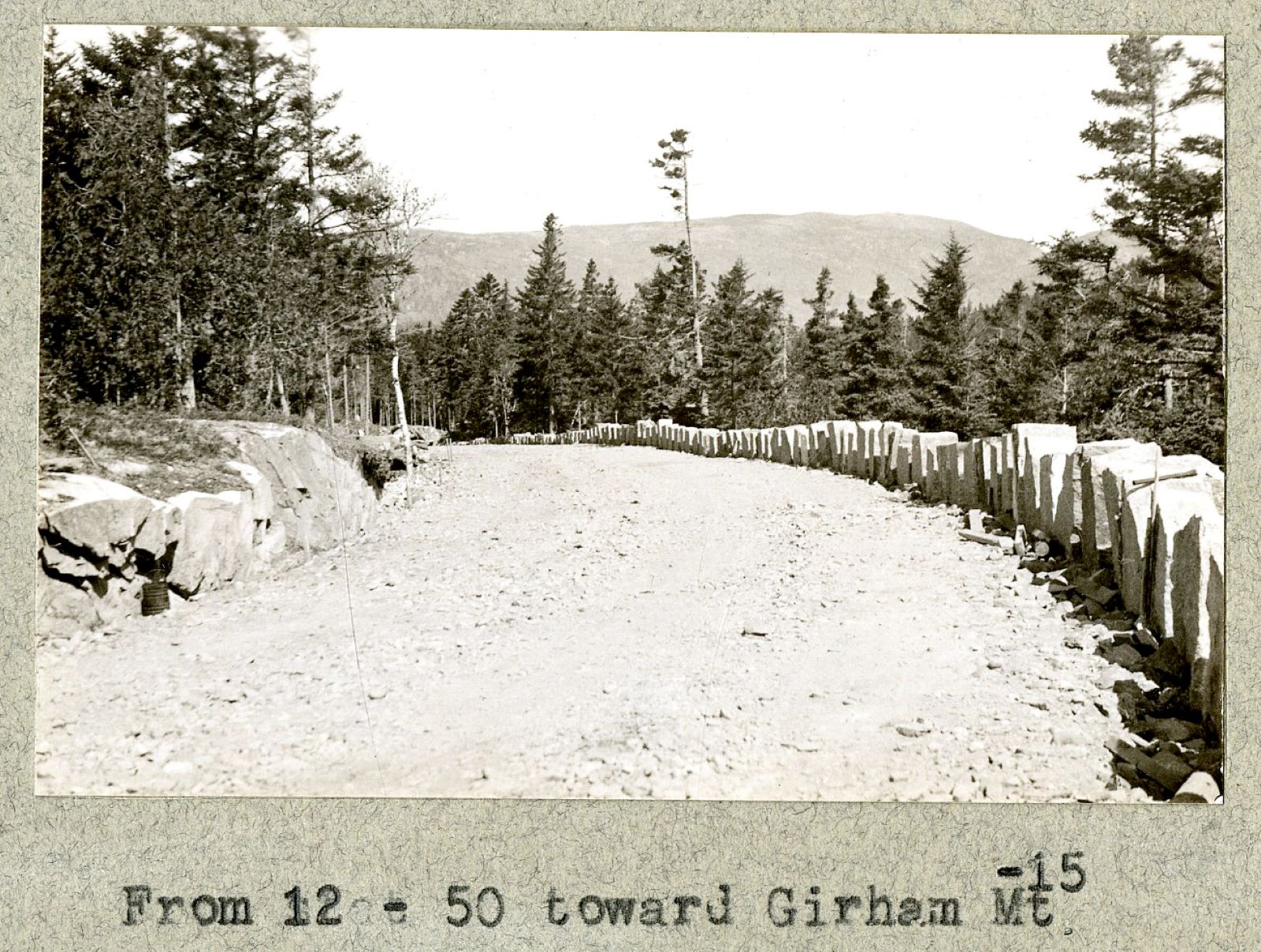
Acadia National Park: Carriage Roads, Cadillac Mountain & 2026 Guide
Discover carriage roads, Cadillac Mountain, and rugged Maine coast. Complete 2026 guide to Acadia National Park — trails, fees, lodging, permits, and what rangers recommend.
Hiking Guide
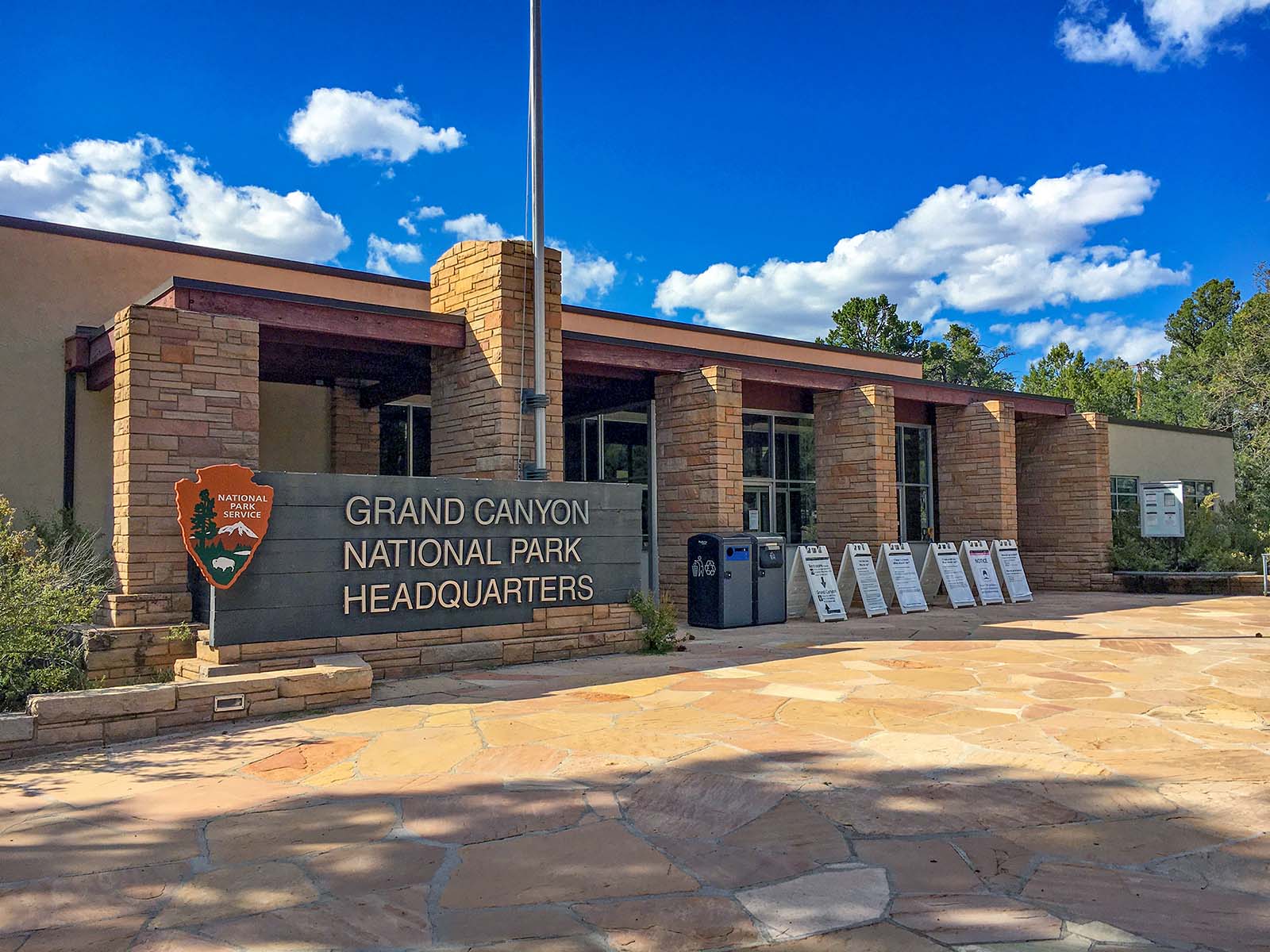
Grand Canyon Hiking Trails: Day Hikes, Water Sources & Rim to Rim
Compare Grand Canyon hiking trails: Bright Angel, South Kaibab, Hermit, Grandview, and rim to rim, with distances, elevation, water stops, and trailhead access for each.
Best Of
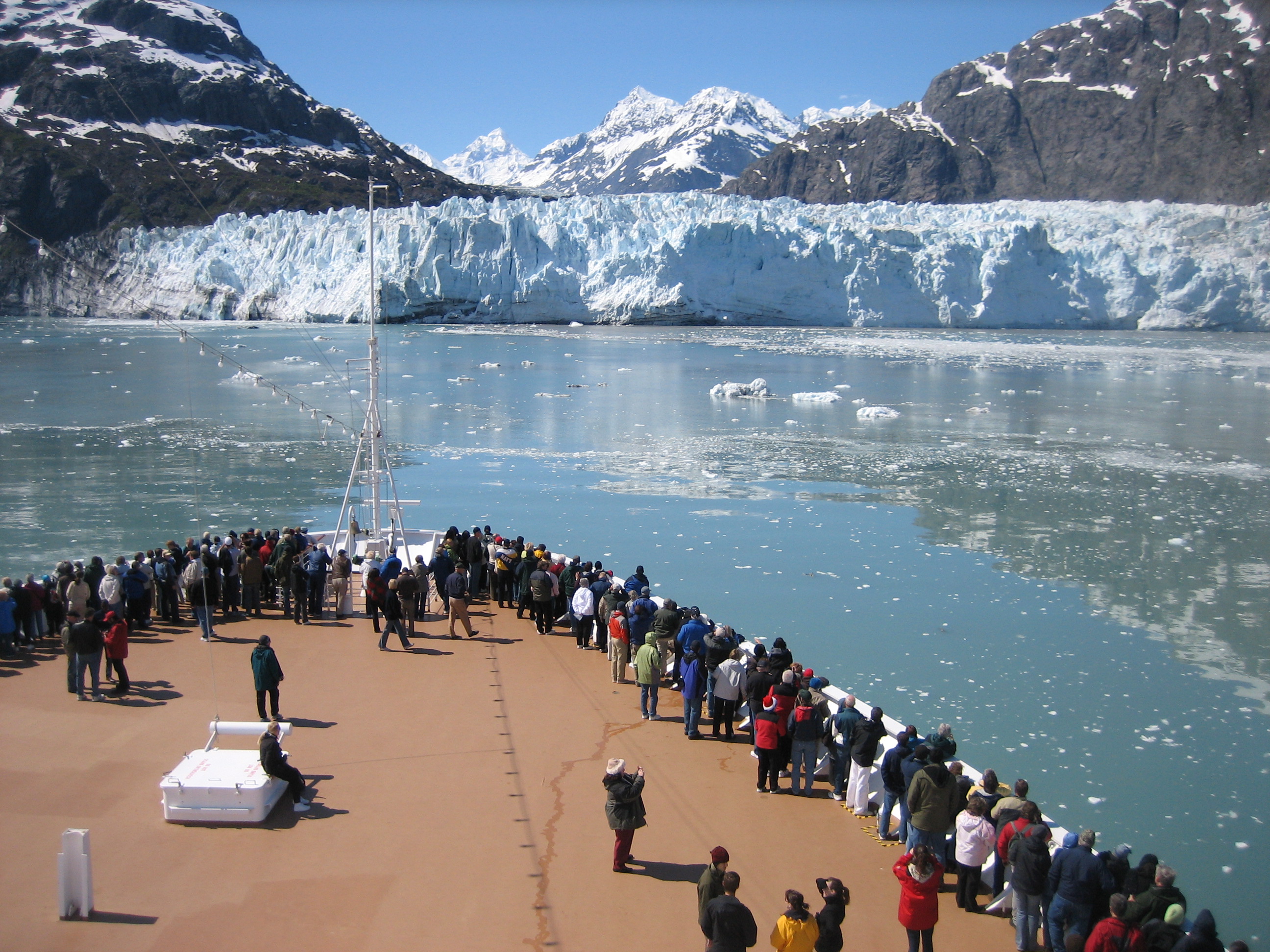
Best of Glacier Bay National Park
The best of Glacier Bay is reached by boat: ranger-led day tours up the bay to the tidewater glaciers. What's worth it, how to book, and when to go (2026).
Campsite Guide
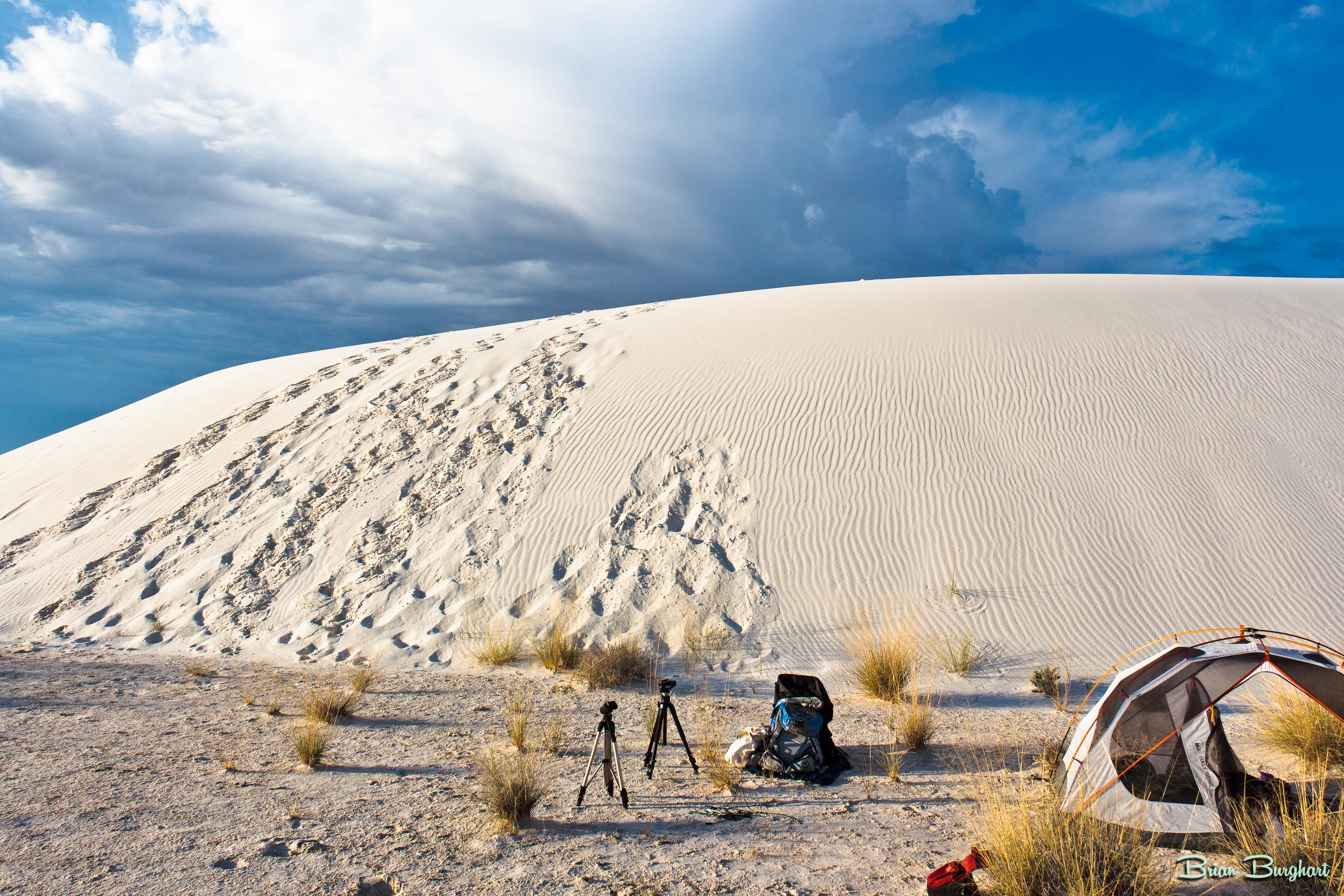
White Sands Backcountry Camping: Closed for 2026 — What to Know
As of 2026, backcountry camping at White Sands National Park is closed for site rehabilitation. What that means, and where to camp nearby instead.
Weather Guide
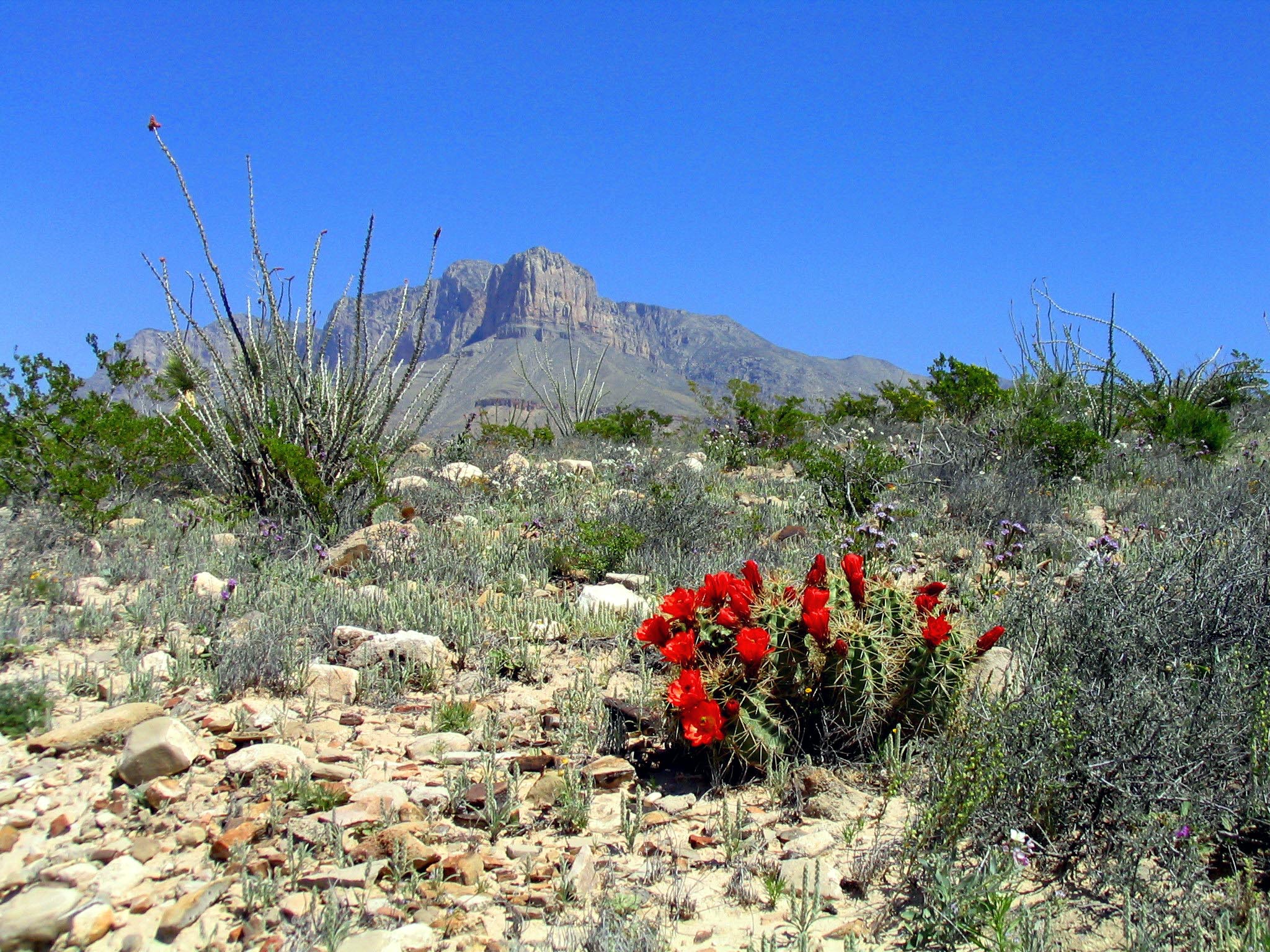
Guadalupe Mountains National Park Weather: Weather
Guadalupe Mountains National Park: weather guide guide updated 2026. Practical visitor information, reservations, and seasonal tips worth bookmarking before
Best Of
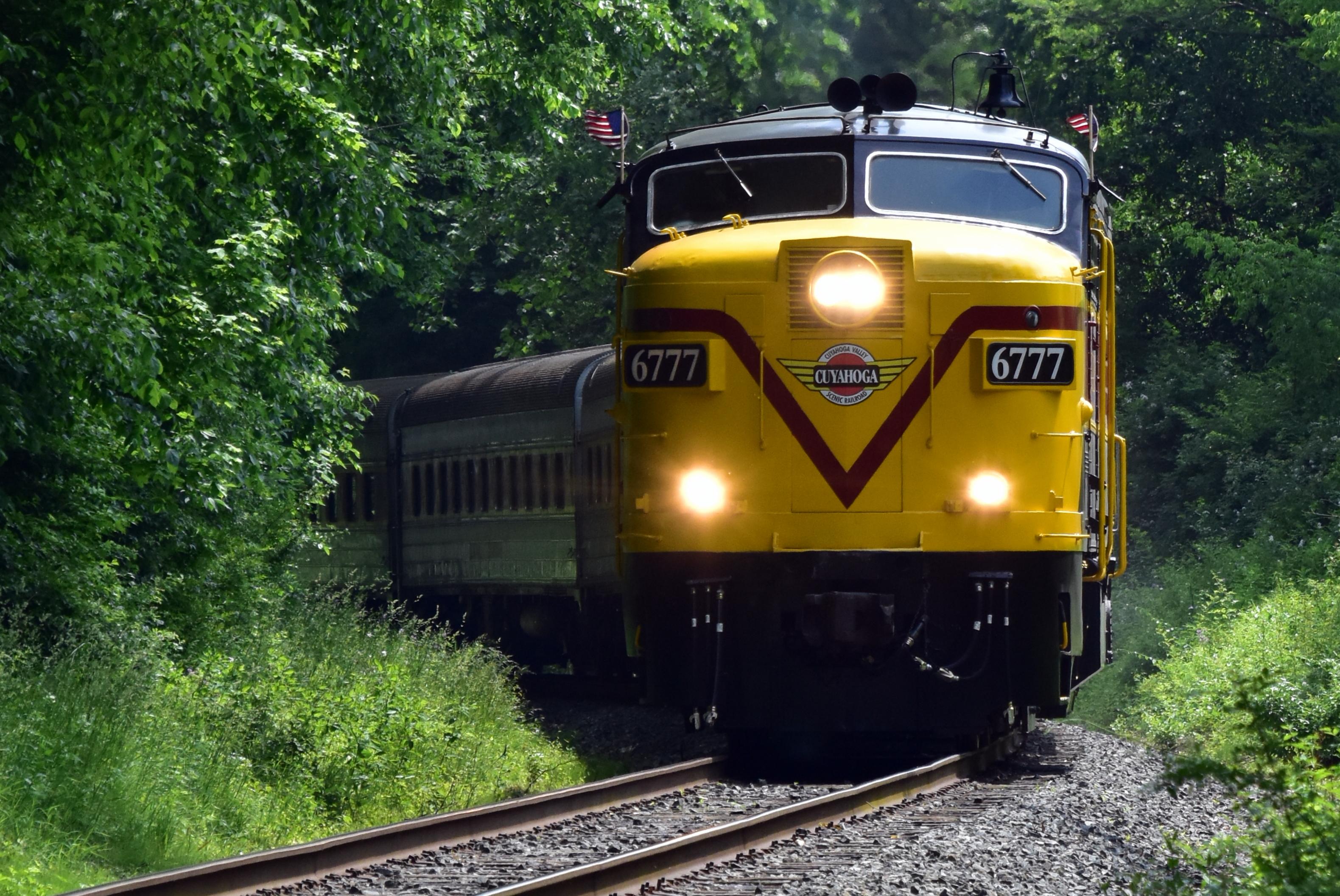
Best of Cuyahoga Valley National Park: Best Things to Do
Seeing a Cleveland Orchestra concert with the woods as your backdrop is a uniquely Cuyahoga Valley experience.
Sign in to join the conversation.
Sources & Attribution
Location data courtesy of the National Park Service (U.S. Department of the Interior). NPS data is public domain. Official NPS page.
Images: NPS; NPS; NPS; NPS; NPS.
Map data © OpenStreetMap contributors.
Park operations alerts: NPS.gov · Weather and weather hazards: National Weather Service · Live conditions.
Information may change. Always verify fees, hours, and conditions directly with the official source before visiting.
Did this guide help? Share it with a friend.