For stargazing at Joshua Tree, the reliable window runs from October through April on clear nights. But to truly understand why, you need to recognize the desert's dual nature—conditions that make for ideal daytime exploration can turn hazardous after dark. This guide breaks down the actual conditions you'll encounter each month, helping you align your visit with the weather patterns rather than fighting against them.
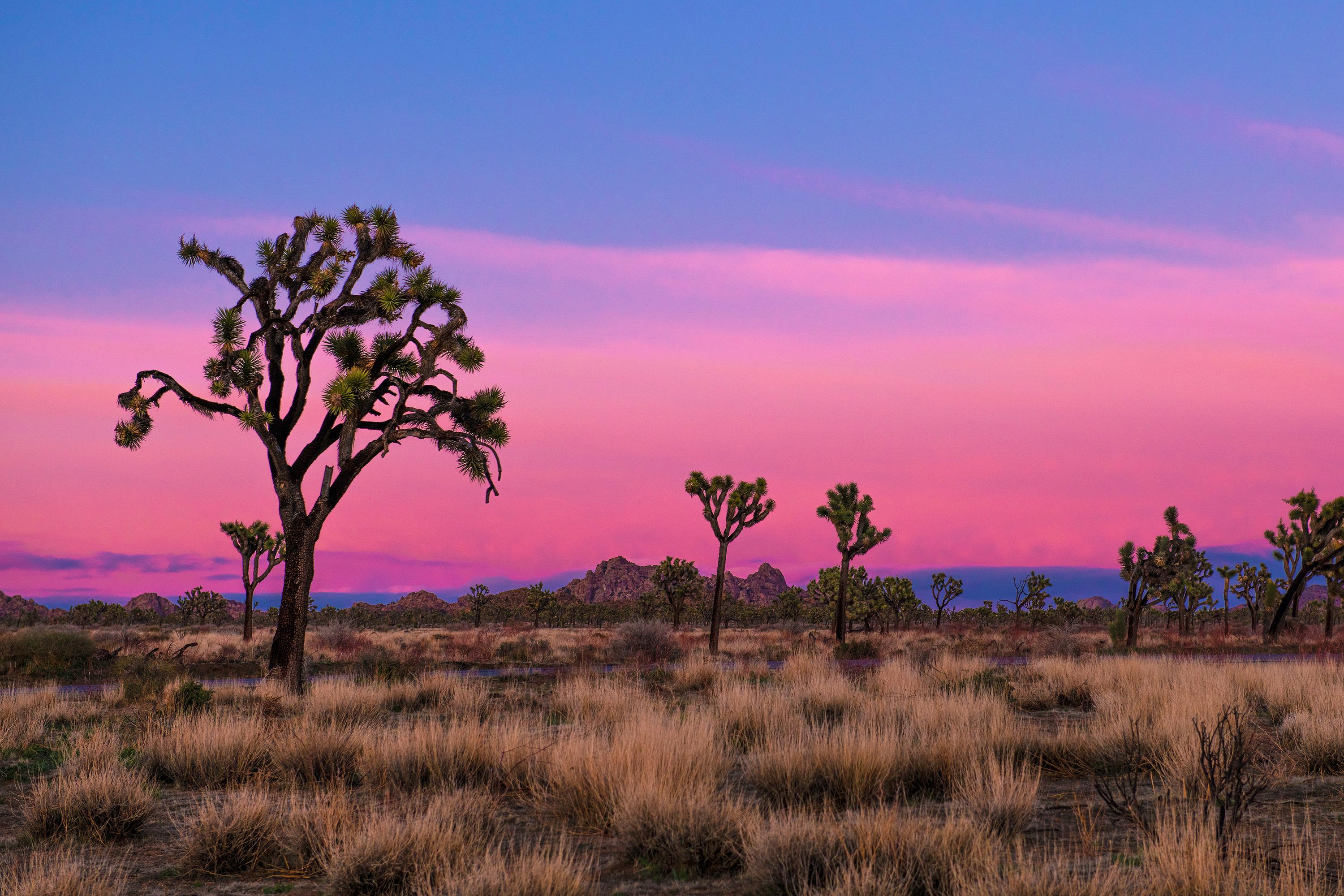
NPS via NPS.gov (Public Domain)
Best Time to Go Stargazing at Joshua Tree
8 min read
Weather Guide
The reliable stargazing window at Joshua Tree runs October through April - and desert days flip hazardous after dark. Monthly conditions guide (2026).
The Weather Reality
Newcomers frequently underestimate the temperature extremes here. While seasonal averages show 85°F highs in spring and 100°F in summer, the more crucial factor is the consistent 40 to 50-degree daily swing. December days can reach 60°F, comfortable for hiking in minimal layers, while nights plummet to 20°F. Come July, nighttime temperatures rarely drop below 75°F, providing minimal respite from daytime heat. Joshua Tree straddles the Mojave and Colorado deserts—your conditions hinge on which zone you're in and the hour of day. Humidity typically stays below 25%, creating intensely dry conditions whether hot or cold.

Month by Month
Seasons here don't align neatly with calendar months but rather with brief periods of manageable conditions. Visitor numbers surge during these milder windows, introducing logistical challenges.
January - February
Temperatures range from daytime highs near 60°F (15°C) to nighttime lows that frequently dip below freezing. Snow dusts the Queen and Pinto Mountains maybe once or twice a season - enough to coat the joshua trees in a thin, photogenic layer that melts by mid-morning. Precipitation is minimal.
All park roads and major facilities remain open. This is the quiet season, with crowds only appearing on holiday weekends. Wildlife is less active, but you might spot bighorn sheep descending to lower elevations for water.
The light is clear and the air is crisp, perfect for long desert hikes without heat exhaustion. The challenge is the short daylight and the cold. Sunset comes early, and once the sun drops, the temperature follows fast. You need a serious sleeping bag for camping.
March - April
This is the peak. Daytime highs settle into the comfortable 70s and 80s°F (21-29°C), with nights in the 40s and 50s°F (4-15°C). Rain is rare but can trigger explosive wildflower blooms in the lower Colorado Desert section.
Everything is open and operating at full capacity. So is everyone else. Expect full parking lots at popular trailheads like Barker Dam and Skull Rock by 9 AM on weekends. This is the prime window for birding as migrants pass through.
The weather is nearly perfect for every activity. That's the problem. You'll share every vista point and pullout. Rangers will tell you that mid-week visits are the only way to find solitude in spring.
May - June
The shift is abrupt. May days can still be pleasant in the 80s°F (high 20s°C), but by June, the thermostat climbs over 100°F (38°C). Nighttime lows in June are around 75°F (24°C) - warm.
Crowds thin dramatically as the heat rises. The park feels expansive again, but your activity window shrinks to early morning and evening. Some guided tours may scale back operations.
This is the last call for comfortable high-country hiking in the Mojave section before the summer furnace truly ignites. The challenge is the escalating heat. Hiking after 10 AM becomes risky without significant water and desert know-how.
July - September
Summer. Daytime highs consistently exceed 100°F (38°C), often reaching 110°F (43°C) or more. Nights offer little reprieve, staying above 75°F (24°C). This is the monsoon season; brief, violent thunderstorms can roll through, causing flash floods in washes and canyons. The humidity actually increases slightly, making the heat feel heavier.
Visitor centers are busy with people seeking air conditioning and advice on not dying of heatstroke. The hiking population consists almost entirely of experienced locals and the dangerously unprepared. This is the active season for reptiles like snakes and lizards.
The park is stark, quiet, and dramatic under a blazing sun. It's a time for very short, targeted dawn excursions. The challenge is the unrelenting, dangerous heat. Every ranger has stories of rescues from people who underestimated a one-mile trail.
October - November
The relief is palpable. Temperatures slide back into the ideal range: highs in the 70s and 80s°F (21-29°C), lows in the 40s and 50s°F (4-15°C). Precipitation chances increase slightly.
The second annual crowd surge arrives, especially around Thanksgiving. It's less intense than spring but still significant. Facilities remain open.
This is arguably the best overall season. The summer heat has broken, the crowds are lighter than spring, and the light is golden. It's prime time for climbing and long day hikes. The challenge is that everyone else has figured this out, too.
December
Winter returns. Days are cool and sunny, around 60°F (15°C), while nights plunge below freezing. Wind becomes a more constant factor, carving through canyons and making windbreaks a prized camping commodity.
Christmas through New Year's sees a noticeable uptick in visitors. Other than holiday closures at some partner services outside the park, everything inside remains accessible.
You get the clear skies and solitude of winter without January's deepest cold snap. It's excellent for photography and stargazing. The challenge is the bitter cold after dark and the very short days.

Best Times for Specific Activities
Your ideal month depends entirely on what you want to do.
For Hiking the High Country
The Mojave Desert sections, with their higher elevations, are hikeable from late October through April. The absolute sweet spot is November and March, when daytime temperatures are in the 60s and 70s°F (15-24°C). By May, even the "high" country starts to bake. For detailed trail conditions and recommendations, consult a dedicated guide to the park's hiking trails.
For Wildlife Viewing
Different seasons reveal different residents. Spring (March-May) is for birders, with migrants like warblers and flycatchers active at oases. Summer (June-August) is reptile season; watch for lizards scurrying across rocks and snakes (including rattlesnakes) becoming more active at dawn and dusk. Bighorn sheep are most often spotted in the cooler months, from December to February, near water sources.
For Wildflowers
Look to the lower Colorado Desert section. A good rain in late February or early March can trigger a bloom that peaks in March and sometimes lasts into April. It's never guaranteed - it's a desert gamble.
For Stargazing
The best time to go stargazing at Joshua Tree is during the cooler months, from October through April. The air is drier and more stable, providing clearer skies. The Milky Way core is visible in the evening sky from March through October, but the comfortable viewing conditions align with the spring and fall shoulder seasons. Winter offers the longest, darkest nights, though you'll need to bundle up. Summer nights are warm, but heat haze can blur the finer details of the cosmos.
For Camping
Tent campers should target spring and fall. Summer is only for those with reliable air-conditioned rigs. Winter campers need gear rated for sub-freezing temperatures. Always check the current camping options and reservation status, as popular campgrounds like Jumbo Rocks book months in advance for prime seasons.

What to Pack by Season
Forget generic lists. Pack for the swing.
Winter (Dec-Feb): A down jacket, beanie, and gloves are non-negotiable for nights and early mornings. Wear layers - a thermal base, fleece, and a windproof shell - that you can shed as the day warms up. A four-season sleeping bag is essential for camping.
Spring/Fall (Mar-May, Oct-Nov): This is layering perfection. Start with a long-sleeve shirt, add a fleece or light puffy for dawn and dusk, and always have a wide-brimmed hat and sunglasses for the strong sun. A lightweight packable windbreaker is useful. Nights still require a warm jacket.
Summer (Jun-Sep): Protection from the sun is a safety issue. Pack a wide-brimmed hat, UV-blocking long-sleeve shirt, high-SPF sunscreen, and a bandana you can wet and wrap around your neck. Carry vastly more water than you think you need - a gallon per person per day is the minimum standard. Electrolyte supplements are a good idea. Your footwear should handle hot, rocky terrain.
Year-Round Essentials: A headlamp with red light mode (for stargazing and preserving night vision), a detailed paper map or offline maps (cell service is unreliable), a first-aid kit, and a way to purify water if you're venturing into the backcountry.

What the Forecast Doesn't Tell You
- The wind has a schedule. It often picks up in the afternoon, especially in spring. What was a calm morning hike can turn into a gritty, ear-pounding slog by 2 PM.
- Microclimates are real. The temperature difference between the Hidden Valley area (Mojave) and the Cottonwood Spring area (Colorado) can be 10-15°F (5-8°C) on the same day.
- Flash floods don't need rain overhead. A storm miles away can send a wall of water and debris through a canyon you're in. Never camp in a wash.
- Cold is a bigger killer than heat. More search-and-rescue incidents involve hypothermia from unprepared hikers caught after sunset than from heatstroke. The cold comes on fast.
- Your phone will die faster. Cold winter nights sap battery life. Keep your phone and headlamp batteries inside your jacket when not in use.
- The "dry heat" still dehydrates you. You won't feel yourself sweating because it evaporates instantly. You need to drink water on a schedule, not when you feel thirsty.
- Parking is a weather-dependent sport. On a perfect 72°F (22°C) Saturday in April, the main trailhead lots will be full by 8:30 AM. In July at 105°F (40°C), you'll have your pick of spots.
Practical Takeaways
- For a balance of good weather and manageable crowds, target the weeks just after Thanksgiving in late November or the month of October.
- If you're coming for the best time to go stargazing at Joshua Tree, plan a winter or early spring trip. Pack a warm coat, a camp chair, and a star chart.
- Always pack for a 40-degree temperature range, regardless of the season. That means carrying layers you can add or subtract throughout the day.
- Your daily hiking window contracts and expands with the seasons. In summer, be off the trail by 10 AM. In winter, you have from about 8 AM to 4 PM.
- Check the official park website or visitor center for current trail conditions. As of 2026, alerts note closures like the Cholla Cactus Garden Trail for repairs.
- Water access is extremely limited. Fill every container you have before entering the park. The gift shops sell it for $4 a bottle.
- For comprehensive planning, from navigating with a Joshua Tree National Park map to finding hotels near Joshua Tree park, use the park's complete visitor guide as your starting point.
Rangers have a saying: "The desert is not trying to kill you, but it is completely indifferent to your survival." Your preparation - rooted in an accurate understanding of this specific place's weather rhythms - is what makes the difference between a trip you remember and one you simply survive.
For more information, see our complete National Park Guide.
Related: joshua tree hiking guide
Related: trails in joshua tree guide
Sources
- Official source: NPS — Joshua Tree National Park nps.gov/jotr/index.htm
Photo Gallery
More to Explore
Park Guide
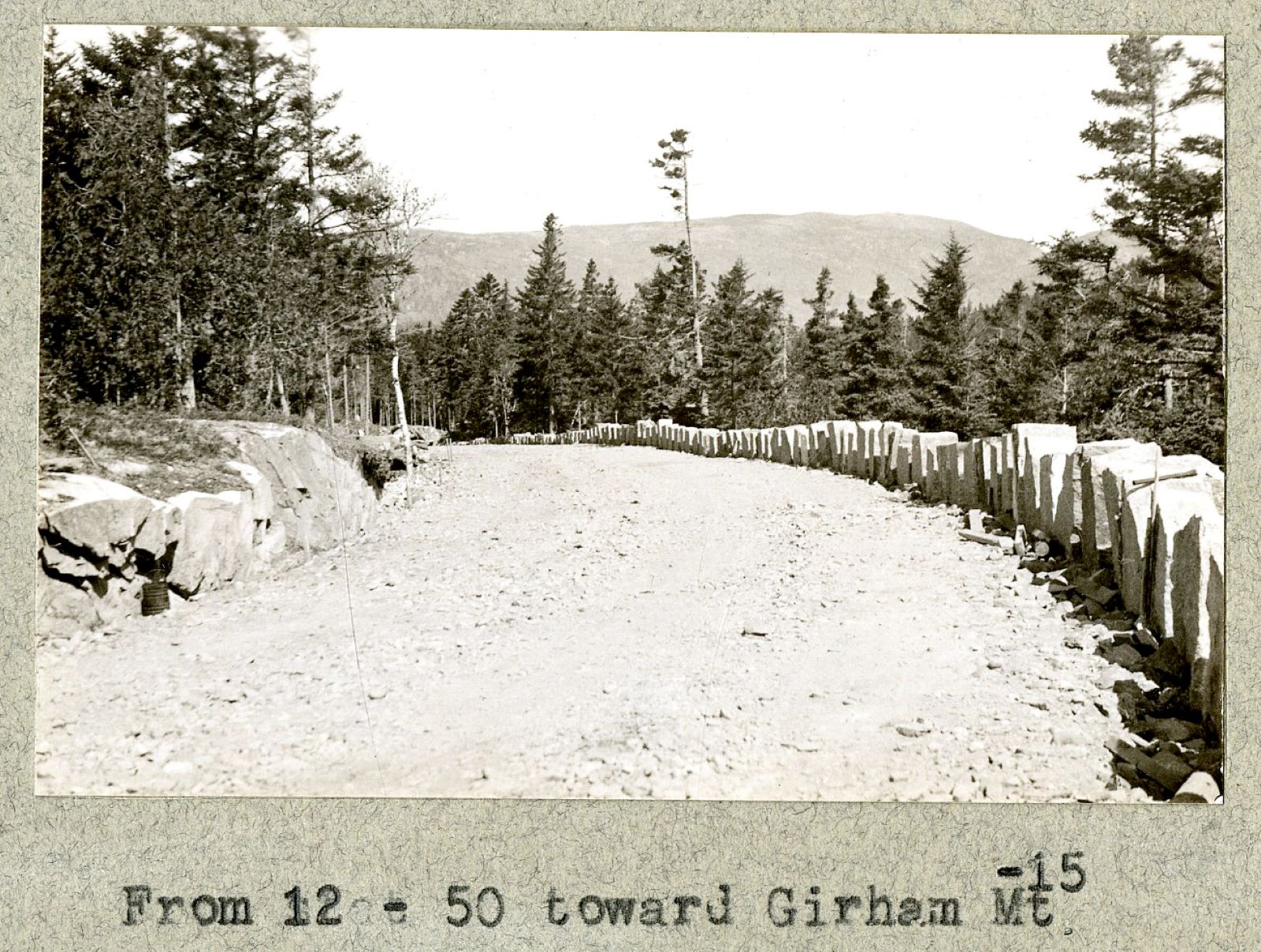
Acadia National Park: Carriage Roads, Cadillac Mountain & 2026 Guide
Discover carriage roads, Cadillac Mountain, and rugged Maine coast. Complete 2026 guide to Acadia National Park — trails, fees, lodging, permits, and what rangers recommend.
Hiking Guide
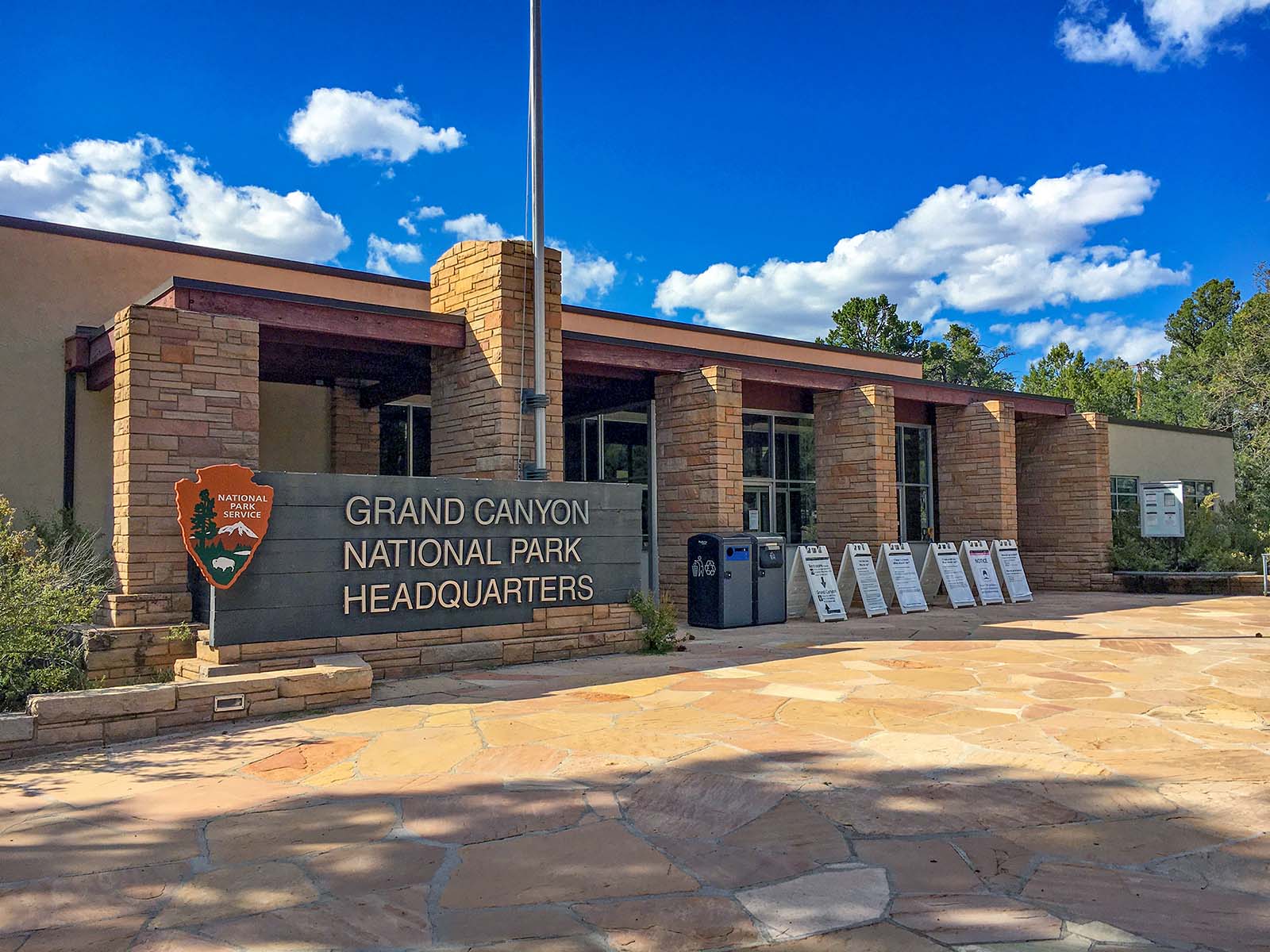
Grand Canyon Hiking Trails: Day Hikes, Water Sources & Rim to Rim
Compare Grand Canyon hiking trails: Bright Angel, South Kaibab, Hermit, Grandview, and rim to rim, with distances, elevation, water stops, and trailhead access for each.
Best Of
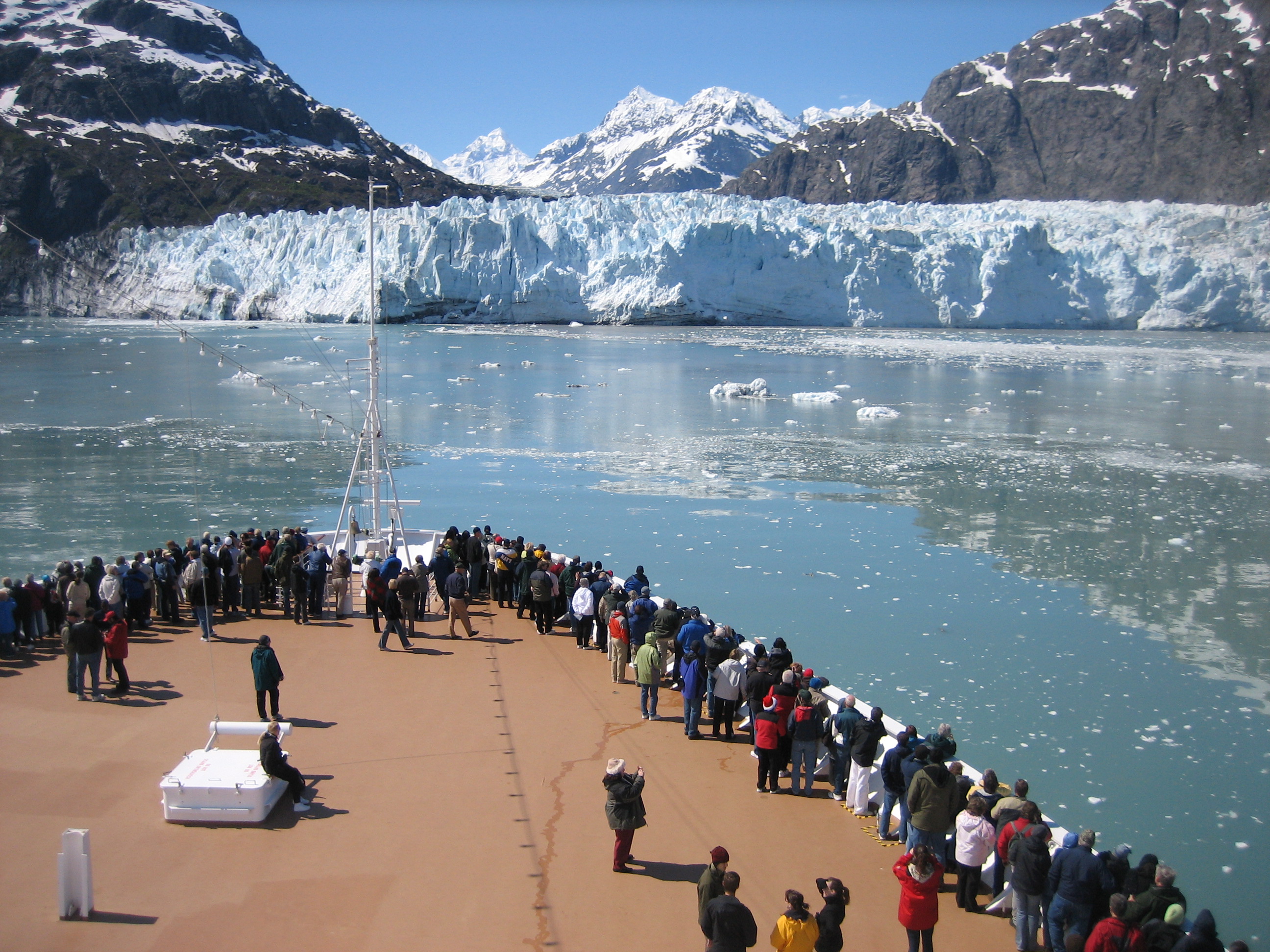
Best of Glacier Bay National Park
The best of Glacier Bay is reached by boat: ranger-led day tours up the bay to the tidewater glaciers. What's worth it, how to book, and when to go (2026).
Campsite Guide
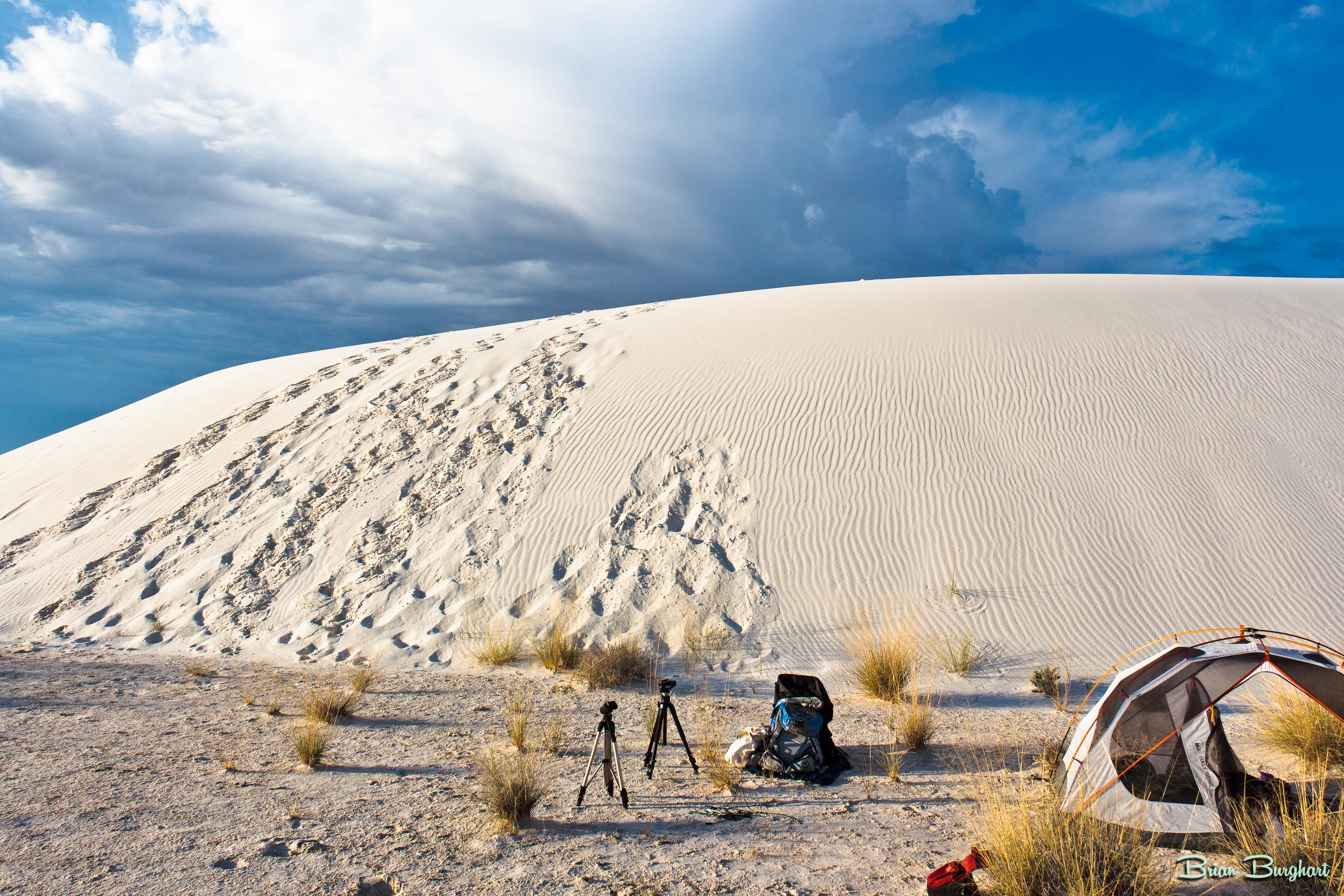
White Sands Backcountry Camping: Closed for 2026 — What to Know
As of 2026, backcountry camping at White Sands National Park is closed for site rehabilitation. What that means, and where to camp nearby instead.
Weather Guide
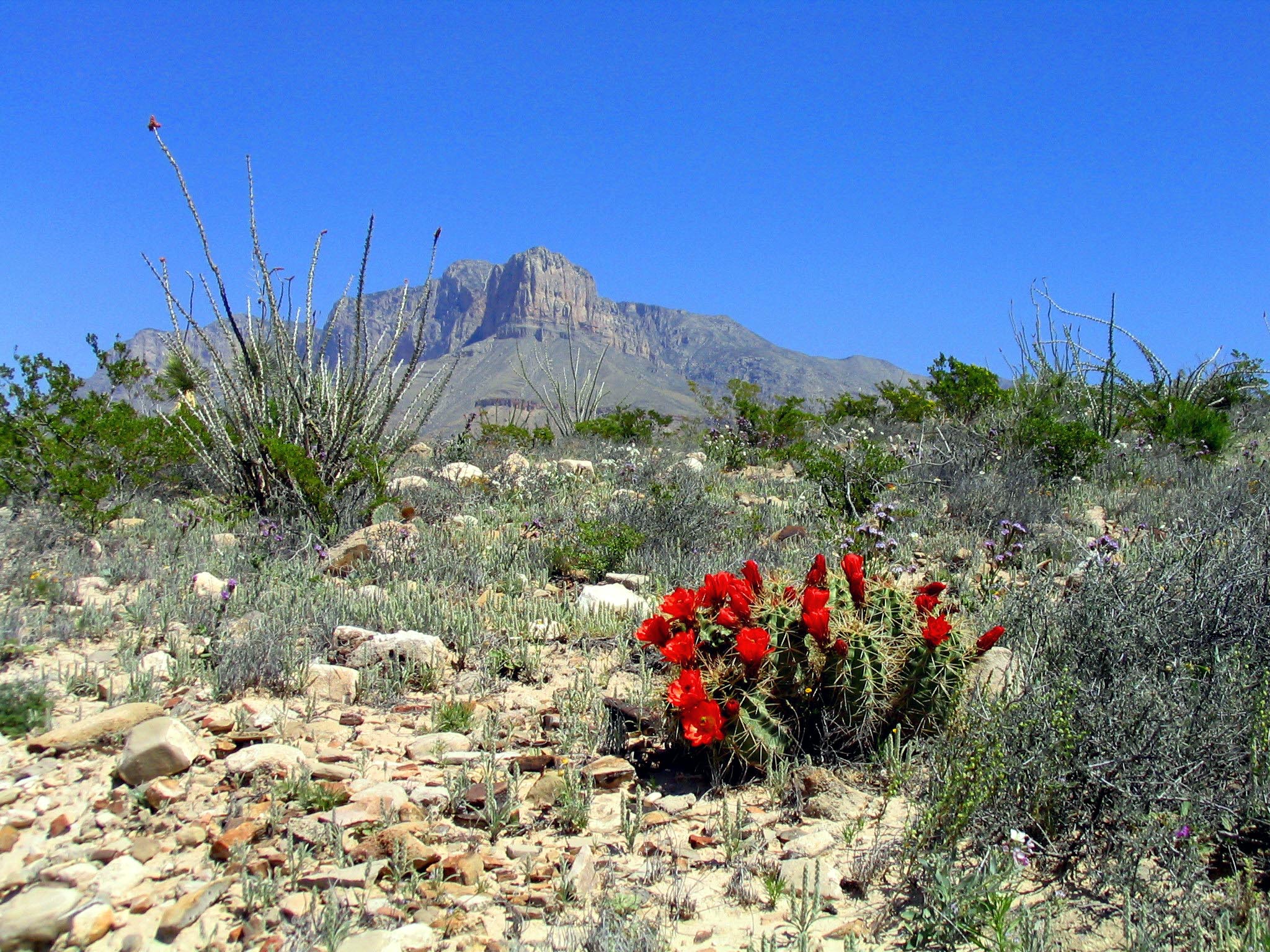
Guadalupe Mountains National Park Weather: Weather
Guadalupe Mountains National Park: weather guide guide updated 2026. Practical visitor information, reservations, and seasonal tips worth bookmarking before
Best Of
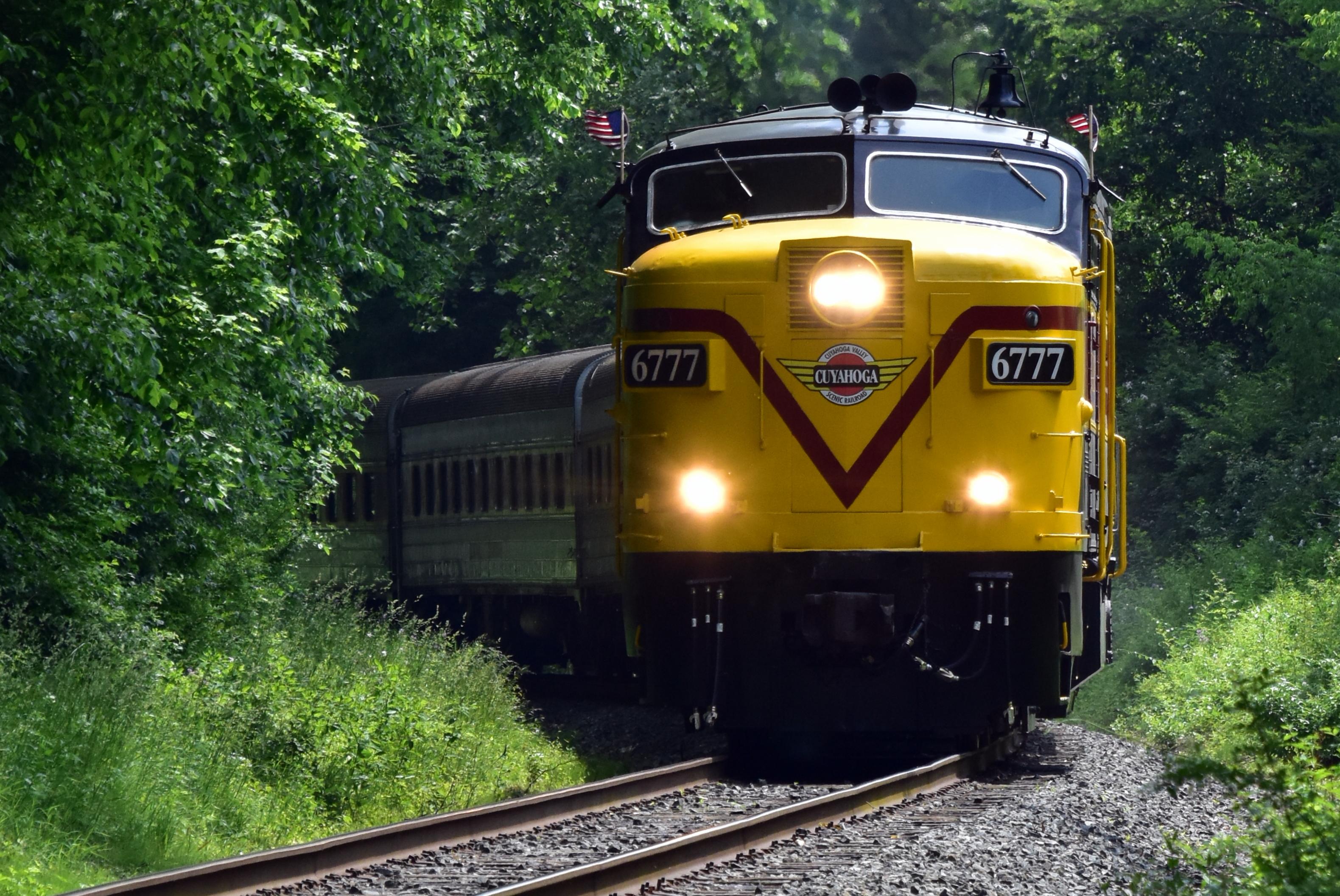
Best of Cuyahoga Valley National Park: Best Things to Do
Seeing a Cleveland Orchestra concert with the woods as your backdrop is a uniquely Cuyahoga Valley experience.
Sign in to join the conversation.
Sources & Attribution
Location data courtesy of the National Park Service (U.S. Department of the Interior). NPS data is public domain. Official NPS page.
Images: NPS; NPS; NPS; NPS; NPS.
Map data © OpenStreetMap contributors.
Park operations alerts: NPS.gov · Weather and weather hazards: National Weather Service · Live conditions.
Information may change. Always verify fees, hours, and conditions directly with the official source before visiting.
Did this guide help? Share it with a friend.