Joshua Tree National Park Wildlife: Best Birding In Joshua Tree (2026 Guide)
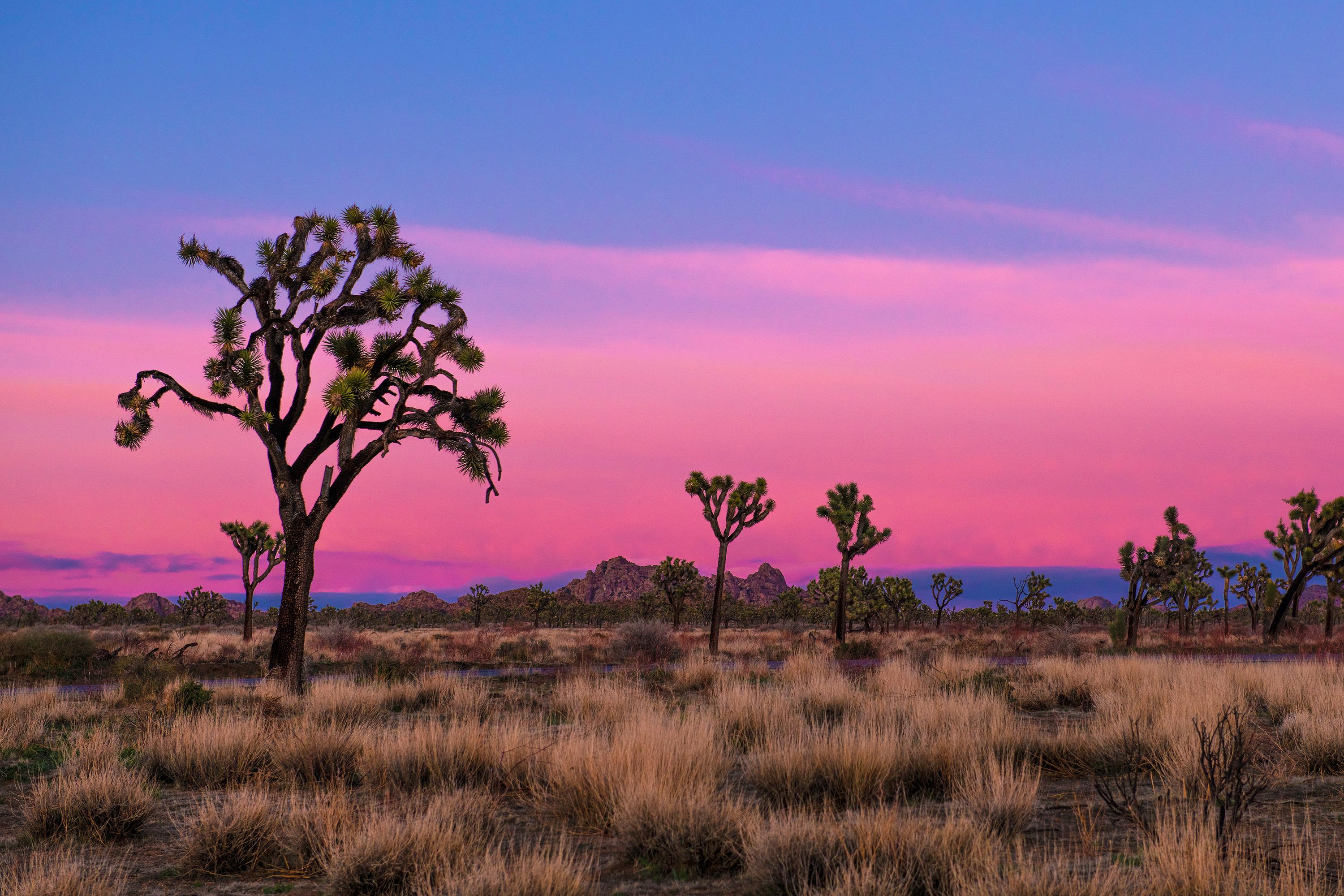
NPS via NPS.gov (Public Domain)
Best Birding in Joshua Tree
10 min read
Wildlife Guide
Complete wildlife guide for Joshua Tree National Park — 2026. Species, best viewing locations, seasonal patterns, and safety guidelines.
Joshua Tree's birding isn't defined by one showy species. It's defined by the stark boundary between two deserts. The park straddles the higher, cooler Mojave and the lower, hotter Colorado Desert, forming a transition zone that pulls in species from both. Most visitors make the same mistake—scanning the wide-open spaces. The real activity is at the margins: where water seeps from rock, where cactus transitions to Joshua tree woodland, and in the quiet hour after dawn.
For more, see hiking trails and tours and guided experiences.
The Signature Species
While the desert bighorn sheep is the park's iconic mammal, the signature bird for any birder here is the Scott's oriole. This is no subtle bird. The male is a brilliant lemon-yellow and jet black, and its song—a loud, whistled melody—carries across the canyons. Seeing one here holds particular meaning because they're tied to the park's namesake yucca trees, using the tough fibers to weave their hanging nests. The most common mistake visitors make is searching for them at midday. They're most active and vocal in the early morning, from late March through July, in the higher Mojave sections of the park. By 10 AM on a warm day, they've usually gone quiet.
For mammals, the desert bighorn sheep commands attention. The mistake is expecting to see them from your car on the main park road. They blend into the rocky slopes they call home. Your best bet is dawn or dusk at specific, reliable locations where terrain forces them near viewpoints.
Scott's Oriole: Complete Viewing Guide
Where they concentrate
They are residents of the Mojave Desert zones, particularly where Joshua trees are dense. Reliable spots include the area around Cap Rock, along the park road near Jumbo Rocks, and in the higher elevations approaching Keys View. They avoid the low, hot Pinto Basin.
Best time of day
Unquestionably early morning. The first two hours after sunrise are prime for song and foraging activity. By late morning, they become much harder to spot.
Best season and why
Late spring into early summer (April to July). This is their breeding season, when males are most vocal and conspicuous defending territories. They can be present from March to September, but are most reliably observed during nesting.
What behavior to look for
Listen first for that clear, whistled song - often described as a sweet "hew-li, hew-li, hew-lee." Watch for a flash of yellow moving through the spiny arms of a Joshua tree. They often forage for insects in the trees and may visit blooming yuccas or agaves for nectar.
How to distinguish from similar species
The male is unmistakable. The female is duller, a greenish-yellow, but still shows a distinct two-toned look with darker wings and back. It's larger and more slender than a hooded oriole, which has a more curved bill and is rare in the park.
Safety distance and regulations
No special regulations beyond standard wildlife viewing. Use binoculars or a spotting scope; getting too close will flush them and disturb nesting.
Desert Bighorn Sheep
Where they concentrate
The audio tour stop at the Barker Dam Trailhead is named for them for a reason. The rocky outcrops and water source at Barker Dam are a historic hotspot. The steep, rugged terrain around the Wonderland of Rocks and the slopes visible from Keys View Road are also known territories.
Best time of day
Dawn and dusk. They move to water sources during these cooler periods and are more likely to be active on slopes. During the day, they often bed down in shaded rock shelters and vanish.
Best season and why
Cooler months, from October through April. They are more active during daylight hours when temperatures are mild. Summer viewing is rare and typically limited to very early morning at water sources.
What behavior to look for
Look for movement on sheer rock faces. They appear as light brown, stocky shapes moving with impossible grace across cliffs. At Barker Dam, you might see them drinking if you arrive at first light and wait quietly.
How to distinguish from similar species
There are no similar large mammals in the park. Their tan coat, white rump, and massive curled horns on males (rams) are distinctive. Ewes have shorter, only slightly curved horns.
Safety distance and regulations
Park regulations require maintaining a distance of at least 100 feet (30 meters). Never approach or block their access to water. Use a telephoto lens.

Phainopepla
Where they concentrate
Look for them in areas with mistletoe, their primary food source. Cottonwood Spring oasis is excellent, as are other desert washes with mesquite and palo verde trees. They often perch conspicuously on the very top of shrubs or small trees.
Best time of day
Mid-morning to afternoon. They are active flycatchers, sallying out from perches to catch insects.
Best season and why
Year-round, but more numerous in winter when populations may swell. Their glossy black plumage (males) and crested head make them a standout against the pale desert backdrop.
What behavior to look for
A sleek, shrike-like bird making short, fluttering flights from a high perch to catch insects. Listen for a soft, low "wurp" call.
How to distinguish from similar species
The male is the only all-black bird in the park with a crest and red eyes. The female is gray with faint wingbars. Their flight is buoyant and direct.
Safety distance and regulations
Standard viewing ethics apply. They are often tolerant of people if you remain still.
Greater Roadrunner
Where they concentrate
They are widespread but favor areas with some cover for hunting. You'll see them along roadsides, in campgrounds like Jumbo Rocks, and darting across trails in the lower Colorado Desert section, such as near the Bajada Trailhead.
Best time of day
Early morning. They are often seen sunning themselves on rocks or pavement as the day warms up.
Best season and why
Year-round. They are easier to spot in cooler months when they are active throughout the day. In summer, your window is dawn.
What behavior to look for
A fast, ground-dashing predator. They hold their long tail and crest level as they run. You might see them whack a lizard or snake against a rock.
How to distinguish from similar species
Unmistakable. Large, streaked brown and white, with a long tail, shaggy crest, and massive feet.
Safety distance and regulations
Do not feed them. They can become habituated and aggressive. Watch for them crossing roads.
LeConte's Thrasher
Where they concentrate
This is a specialist of the flat, creosote-dominated Colorado Desert. The area around the Cholla Cactus Garden and the vast Pinto Basin are prime territory. They avoid rocky, mountainous areas.
Best time of day
Early morning. They forage on the ground in the open, making them more visible before the heat haze intensifies.
Best season and why
Year-round resident, but best sought in the cooler months (November-March) when they are more active and the light is better for viewing in the expansive flats.
What behavior to look for
Runs swiftly on the ground like a mouse, often with its long tail cocked upward. Probes in the soil with its dramatically decurved bill. Sings a complex, musical song from a low perch, often a creosote bush.
How to distinguish from similar species
Pale, sandy gray overall with a dark eye and that extremely long, curved bill. It's much paler than the more common Bendire's or Crissal thrasher.
Safety distance and regulations
This is a sensitive species that flushes easily. View from a distance with optics. Do not pursue it into the fragile desert pavement.

Verdin
Where they concentrate
Arid washes and areas with thorny vegetation like mesquite, acacia, and desert willow. Cottonwood Spring is a reliable location, as are the washes around the Oasis of Mara (trail closure permitting).
Best time of day
Active throughout the day, but like all small birds, more conspicuous in the morning.
Best season and why
Year-round. Their bright yellow head and chestnut shoulder patch are a splash of color in the gray-green wash vegetation any time of year.
What behavior to look for
A tiny, hyperactive bird flitting through thorny branches. Listen for its sharp, repeated "tschep" calls. Look for their large, spherical nests of twigs in thorn trees.
How to distinguish from similar species
The only very small desert bird with a yellow head and a rufous shoulder patch. Its size and behavior are distinct.
Safety distance and regulations
Standard viewing. Their nests are protected; never disturb them.
Prairie Falcon
Where they concentrate
Open country and cliffs. They hunt over the Pinto Basin and are often seen perched on or soaring near the rocky outcrops along Keys View Road and the Geology Tour Road.
Best time of day
Mid-morning, when thermals begin to form, allowing them to soar with less effort.
Best season and why
Fall through spring (October-April). Many are winter residents or migrants. They are less common during the hot summer months.
What behavior to look for
A powerful, pointed-wing falcon flying fast and low over the desert flats, or circling high on pointed wings. They often perch on isolated rock pinnacles.
How to distinguish from similar species
Larger and paler than a merlin, with a distinctive dark "armpit" patch under the wing that contrasts with the pale wing lining. Its tail is longer and more slender than a peregrine's.
Safety distance and regulations
Observe from a distance. Disturbance at nest sites (typically on high cliffs) is prohibited by law.
Wildlife by Season
Bird activity here is dictated by temperature and water, not just a calendar.
Winter (December-February): This is raptor season. Prairie falcons, red-tailed hawks, and the occasional golden eagle are present. Mountain bluebirds sometimes irrupt into the park's higher elevations. LeConte's thrashers are more visible in the cool basin air. Bighorn sheep are active throughout the day.
Spring (March-May): The peak of activity and the core of the best birding in Joshua Tree. Migrants like warblers and flycatchers move through the oases. Scott's orioles arrive and begin singing and nesting. Phainopeplas are nesting. This is the most reliable time for a diverse species list.
Summer (June-August): Brutally hot. Birding is limited to the first 90 minutes after sunrise and the last hour before sunset. Focus on permanent water sources like Barker Dam or Cottonwood Spring for any activity. Most species are quiet and secretive during the day. Not recommended for serious birding.
Fall (September-November): A second wave of migration occurs, though less dramatic than spring. Raptors begin to return. The heat breaks, making daytime exploration possible again by late October. It's a good time for finding mixed-species flocks in the oases.

Where Wildlife Concentrates
Experienced visitors know wildlife clusters around three things: water, food plants, and specific terrain.
Cottonwood Spring is the premier oasis. It's a magnet for migrants, verdins, phainopeplas, and a reliable spot for the elusive Lawrence's goldfinch in winter. The short walk to the spring itself is where you'll see the most activity.
Barker Dam is the mammal and Mojave bird hub. Go at dawn. You have a chance for bighorn sheep at the water, Scott's oriole in the Joshua trees on the approach, and rock wrens on the outcrops. The trail here is one of the park's best hiking trails for combining scenery with wildlife potential.
The Pinto Basin (Cholla Cactus Garden area), when the trail reopens, is essential for Colorado Desert specialists. LeConte's thrasher, black-throated sparrow, and cactus wren live here. Park at the pullout and walk the road edges at sunrise, scanning the flat creosote plains.
Keys View Road at dawn or dusk is a cruising route for scanning slopes for bighorn sheep. The higher elevation also supports different bird life, including white-throated swifts racing over the cliffs.
Most visitors miss the desert washes (dry creek beds). Walk quietly along any wash with mesquite or palo verde trees - like those near the Bajada Trailhead - and you'll find more bird life than in the open desert.
Ethical Viewing and Safety
The park service recommends a minimum distance of 100 feet from bighorn sheep and all other large wildlife. For birds, use common sense; if your presence changes an animal's behavior, you're too close.
Never feed any wildlife. It's illegal and teaches animals to associate people with food, leading to aggression and unnatural behavior. Roadrunners that beg are a direct result of this.
Rangers will tell you that the biggest safety issue is visitors focusing on an animal through a camera lens and forgetting their surroundings. Back up slowly. Be aware of cliff edges, tripping hazards, and most importantly, other wildlife (like rattlesnakes) you might be stepping toward.
Respect closures. As of 2026, the Cholla Cactus Garden trail is closed for rehabilitation and the Oasis of Mara trail is partially closed due to flood damage. These closures protect both the resource and you; obey all posted signs.
Cell service drops out at most wildlife viewing locations. Download maps and guides in advance. Carry more water than you think you need - a minimum of one gallon per person per day, plus extra in your vehicle.
Practical Takeaways
- Time is everything. For birds, be at your chosen location at sunrise. For bighorn sheep, aim for dawn or dusk at known locations like Barker Dam.
- Water is the key. All wildlife concentrates near it. Your best viewing will be at oases like Cottonwood Spring and Barker Dam.
- Know the zones. Mojave Desert (higher, Joshua trees) for Scott's oriole. Colorado Desert (lower, creosote flats) for LeConte's thrasher. Plan accordingly.
- Pack optics. A good pair of binoculars is non-negotiable. A spotting scope is invaluable for scanning distant slopes for sheep.
- Summer is for survival, not birding. Limit serious wildlife watching to October through May. If you visit in summer, your window is extremely short.
- Drive slowly, especially at dawn/dusk. Wildlife crosses roads, and greater roadrunners are particularly vulnerable.
- Verify conditions. Before heading to a specific site like the Cholla Cactus Garden, check the official NPS website or app for current trail status. For more structured exploration, look into the park's official tours and guided experiences.
For detailed trail access to many of these birding hotspots, consult our guide to Joshua Tree hiking trails.
For more information, see our complete National Park Guide.
Related: joshua tree hiking guide
Related: trails in joshua tree guide
Sources
- Official source: NPS — Joshua Tree National Park nps.gov/jotr/index.htm
Photo Gallery
More to Explore
Park Guide
Acadia National Park: Carriage Roads, Cadillac Mountain & 2026 Guide
Discover carriage roads, Cadillac Mountain, and rugged Maine coast. Complete 2026 guide to Acadia National Park — trails, fees, lodging, permits, and what rangers recommend.
Hiking Guide
Grand Canyon Hiking Trails: Day Hikes, Water Sources & Rim to Rim
Compare Grand Canyon hiking trails: Bright Angel, South Kaibab, Hermit, Grandview, and rim to rim, with distances, elevation, water stops, and trailhead access for each.
Best Of
Best of Glacier Bay National Park
The best of Glacier Bay is reached by boat: ranger-led day tours up the bay to the tidewater glaciers. What's worth it, how to book, and when to go (2026).
Campsite Guide
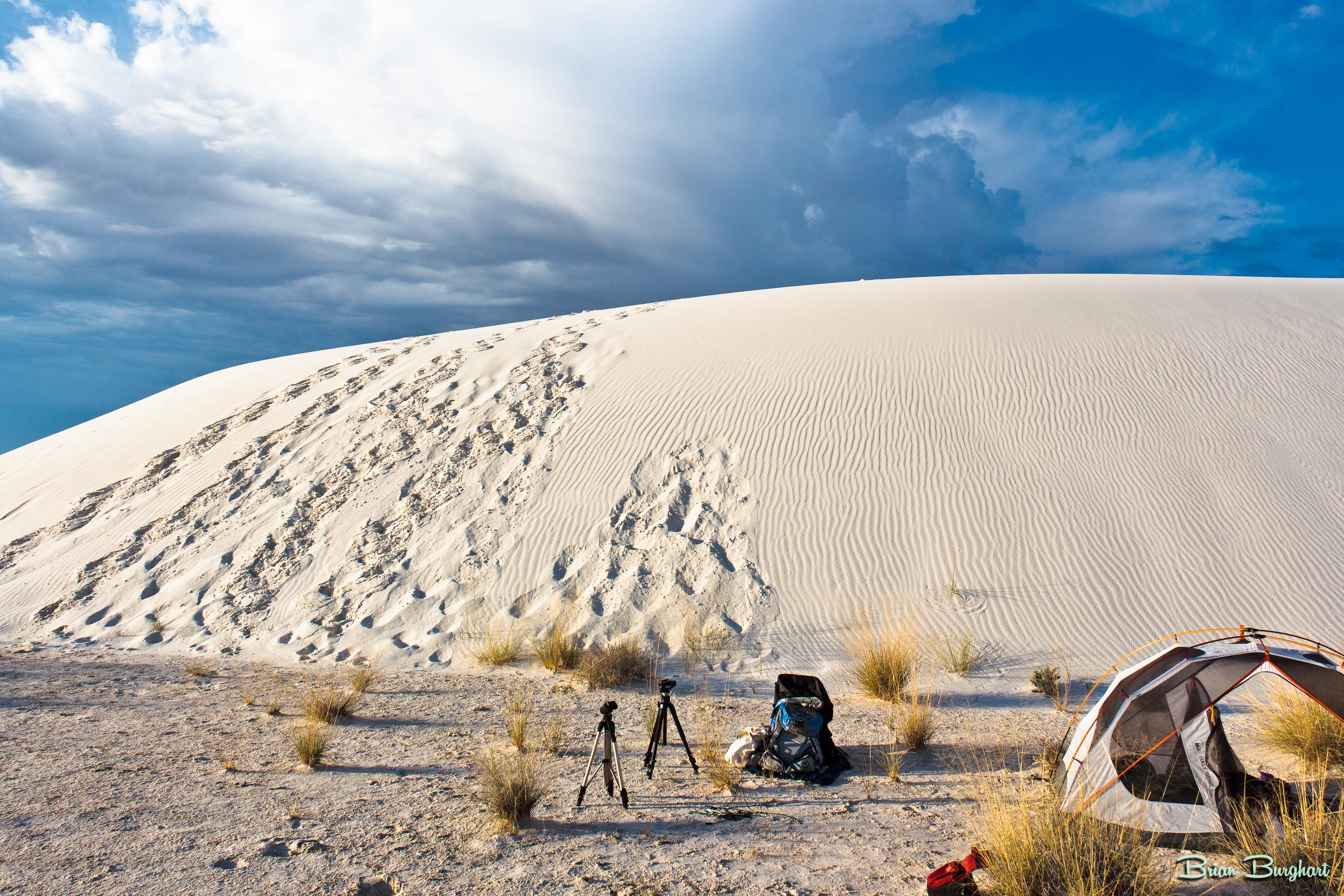
White Sands Backcountry Camping: Closed for 2026 — What to Know
As of 2026, backcountry camping at White Sands National Park is closed for site rehabilitation. What that means, and where to camp nearby instead.
Weather Guide
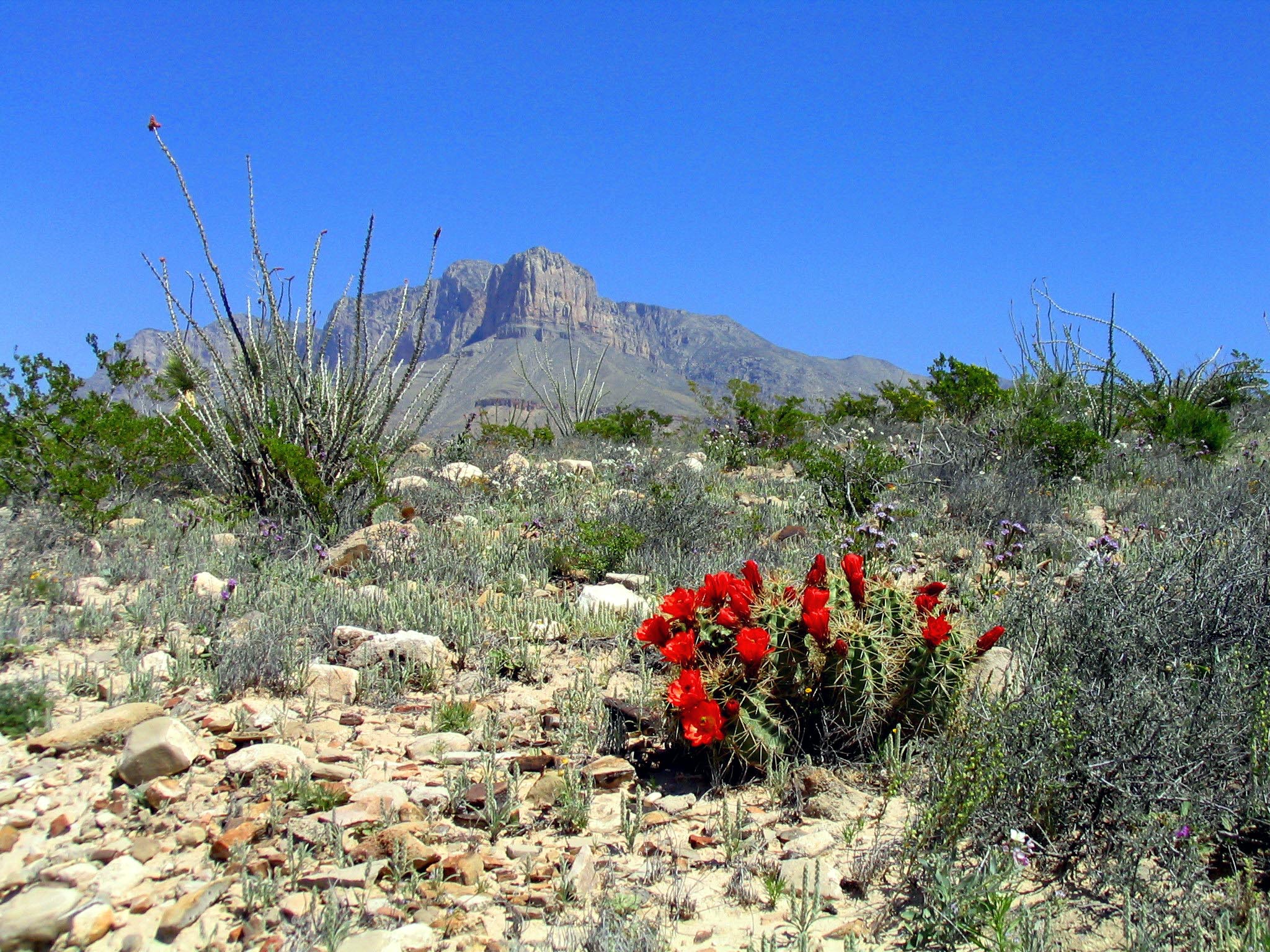
Guadalupe Mountains National Park Weather: Weather
Guadalupe Mountains National Park: weather guide guide updated 2026. Practical visitor information, reservations, and seasonal tips worth bookmarking before
Best Of
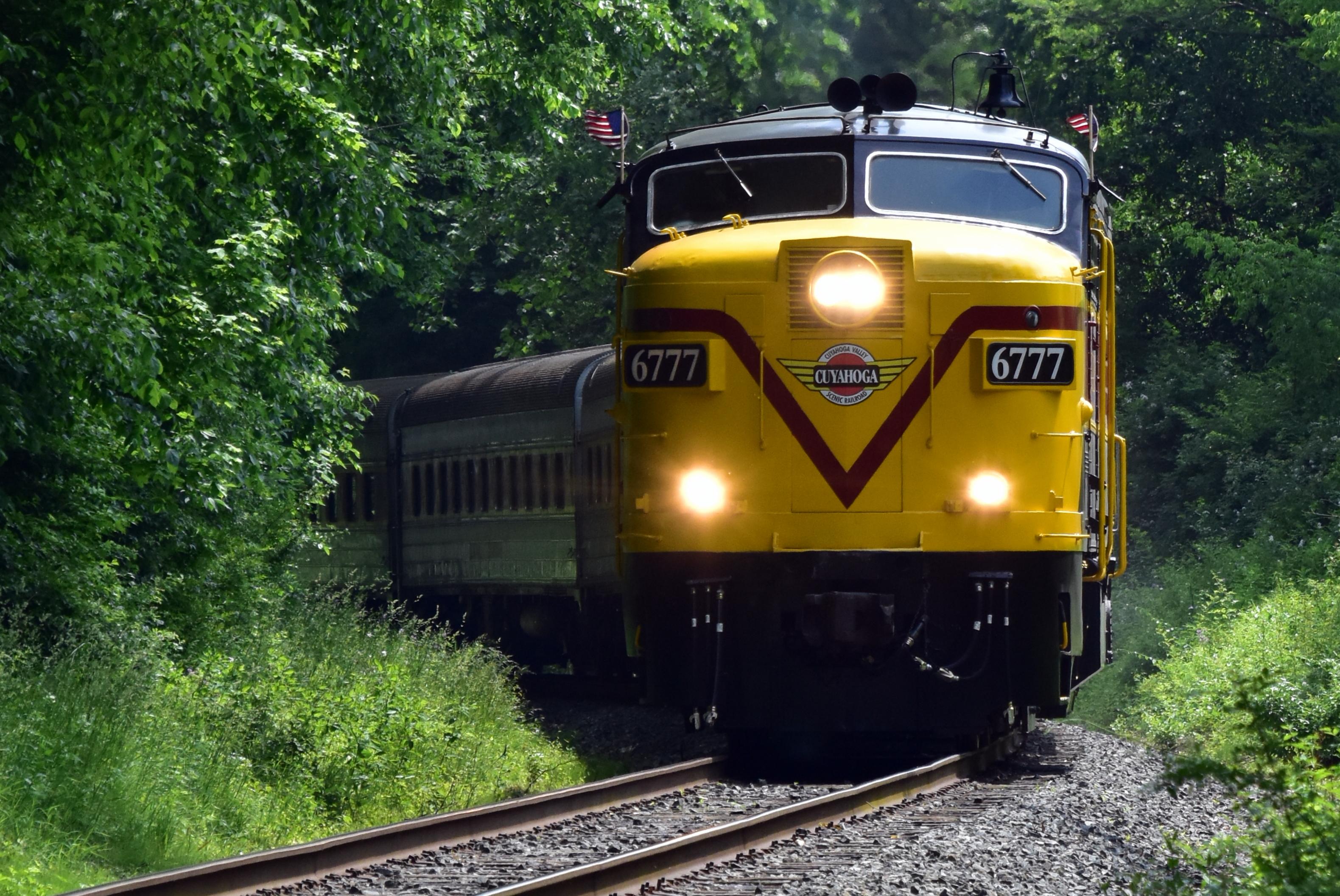
Best of Cuyahoga Valley National Park: Best Things to Do
Seeing a Cleveland Orchestra concert with the woods as your backdrop is a uniquely Cuyahoga Valley experience.
Sign in to join the conversation.
Sources & Attribution
Location data courtesy of the National Park Service (U.S. Department of the Interior). NPS data is public domain. Official NPS page.
Images: NPS; NPS; NPS; NPS; NPS.
Map data © OpenStreetMap contributors.
Park operations alerts: NPS.gov · Weather and weather hazards: National Weather Service · Live conditions.
Information may change. Always verify fees, hours, and conditions directly with the official source before visiting.
Did this guide help? Share it with a friend.