To witness the transition from dense pine forest to windswept alpine tundra in under an hour, drive the 48-mile route across the Continental Divide. This journey defines Rocky Mountain National Park—it's not just mountains, but the vertical dimension itself. The first step is knowing how to get here, but understanding the park's split personality—the bustling east side versus the quiet west—separates a good trip from a great one. First-time visitors are often unprepared for the sheer scale of the sky and the near-daily summer afternoon thunderstorms.
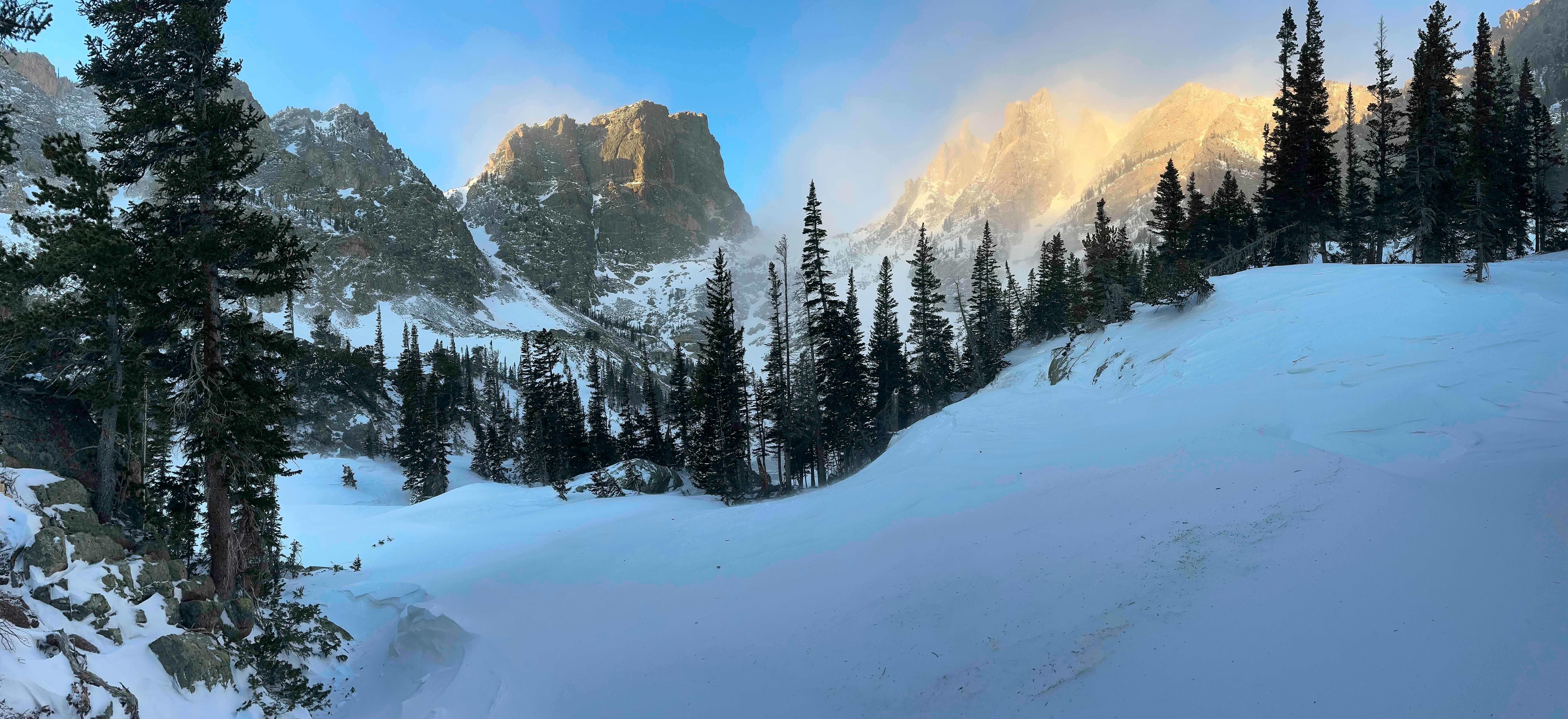
NPS via NPS.gov (Public Domain)
Rocky Mountain National Park: Trail Ridge Road & Alpine Tundra - 2026 Guide
8 min read
Park Guide
Discover Trail Ridge Road above treeline and high alpine tundra. Complete 2026 guide — trails, fees, lodging, permits, and what rangers recommend.
Your plans
This article contains affiliate links — we may earn a small commission at no extra cost to you.
At a glance
Entrance Fee
Private vehicle $30 · Private vehicle $35 · Per person $15Full fee schedule
Hours
While certain roads and facilities may be closed for the winter season, Rocky Mountain National Park
Best Time
June-September (summer), September-October (fall colors)
Address
1000 US Hwy 36, Estes Park, CO, 80517
Website
40.3557, -105.6973
Google MapsThe Lay of the Land
The Continental Divide splits the park, and your experience depends entirely on which side you enter. The east side, accessed from Estes Park, sees heavier traffic. This is home to the Bear Lake Road corridor, the starting point for iconic hikes like Emerald Lake and Alberta Falls. Parking here is notoriously limited—lots at Bear Lake and Glacier Gorge often fill by 7:30 AM on summer mornings. The west side, reached from Grand Lake, offers a quieter atmosphere with expansive views across the Kawuneeche Valley to the Never Summer Mountains. Here, the Colorado River begins as a small stream, and trails like Coyote Valley are wide, flat, and well-suited for families.
Connecting these two worlds is Trail Ridge Road, the highest continuous paved road in the United States. It's not just a drive; it's an elevation transit. You start among ponderosa pines at 8,000 feet and, in about twenty minutes of switchbacks, find yourself above 11,000 feet where the trees disappear. The road is generally open from late May to mid-October, weather permitting. Rangers will tell you that the west side receives more snow and opens later. The common mistake is trying to see both sides in a single, frantic day. It's possible, but you'll spend more time in the car than outside of it.
Planning Your Visit
For 2026, a 1-day vehicle pass is $30, and a 7-day pass is $35, covering all occupants. Entry on foot, bike, or with a non-commercial group costs $15 per person for one day or $20 for seven days. Non-U.S. residents aged 16 and older pay an additional $100 fee on top of the standard entrance fee. The America the Beautiful Annual Pass covers the standard fee and is a practical investment for those visiting multiple national parks in a year.
The park is open 24 hours a day, but that doesn't mean everything is accessible. Key roads like Trail Ridge Road and Old Fall River Road are strictly seasonal. The real planning pivot is the Timed Entry Permit system, which has been in effect during peak seasons. From late May through October, you typically need a permit to enter most of the park between 9 AM and 2 PM. There are two types: one for the Bear Lake Road corridor (the most in-demand) and one for the rest of the park. You can enter before 9 AM or after 2 PM without a permit. Experienced visitors know that an early start solves most problems - it beats the crowds, the thunderstorms, and the permit requirement.

Getting There & Getting Around
From Denver International Airport (DEN): The drive to the east side entrances near Estes Park takes about 1.5 to 2 hours. You'll take I-25 north to either US Highway 36 west through Lyons, or US Highway 34 west via Loveland. Both routes converge in Estes Park. For the west side, it's a longer, 2.5 to 3-hour drive: take I-70 west into the mountains, exit at US 40 toward Granby, then head east on US 34 to Grand Lake.
Parking Reality: On the east side, the Bear Lake corridor lots are the first to fill. The Park & Ride shuttle lot is your best alternative. From there, free shuttles run frequently to Bear Lake and back along the corridor, connecting all the major trailheads. On the west side, parking is rarely an issue except at the Colorado River Trailhead on summer weekends.
Shuttles: The park-run Bear Lake Road Shuttle is essential for east-side exploration during peak hours. There's also a seasonal Hiker Shuttle that runs from the Estes Park Visitor Center into the park, which can be a huge relief if you're staying in town. On the west side, a shuttle runs between the Kawuneeche Visitor Center and the Bowen/Baker trailhead.
Cell Service: Drops out at the park boundaries and is nonexistent in most of the park. Download offline maps and any reservation confirmations before you arrive. The only reliable cell service is usually in the gateway towns of Estes Park and Grand Lake.
What to Do
This park rewards moving slowly and paying attention to elevation. The activities list is long, but they all tie back to the vertical life zones.
Scenic Driving: Trail Ridge Road is the main event. Plan for at least 2-3 hours to drive its full length with stops at overlooks like Many Parks Curve and the Alpine Visitor Center. Old Fall River Road is a one-way, unpaved alternative that's slower, narrower, and offers a more intimate experience. Both close for winter.
Hiking: Your options are dictated by your legs and the altitude. The Bear Lake area offers a concentration of shorter, high-traffic trails to alpine lakes. For a quieter experience with huge payoffs, look to the west side trails or lesser-known east side trails like the Deer Mountain Trail. We have a dedicated guide to the park's hiking trails that breaks down the best options by difficulty and season.
Wildlife Viewing: Elk are the stars, especially during the fall rut in September and October when their bugling echoes through Horseshoe Park and Moraine Park. Moose are frequently seen in the Kawuneeche Valley on the west side. Always use binoculars and give animals a wide berth. Our wildlife viewing guide has specific locations and etiquette tips.
Winter Activities: When the snow falls, the park transforms. Snowshoeing and cross-country skiing are popular on the east side, with trails like Bear Lake Road (ungroomed) and the Hidden Valley area. Rangers lead free snowshoe walks when conditions permit.
Other Pursuits: Fishing is allowed with a Colorado state license. Stargazing is exceptional due to the high elevation and lack of light pollution - the park even hosts Astronomy in the Park events. For structured learning, consider the range of tours and guided experiences offered by park partners.

Where to Stay
Inside the park, your options are five campgrounds and no hotels or lodges. As of the 2026 season, Moraine Park is the only campground open year-round for winter camping on a first-come, first-served basis. The others - Aspenglen, Glacier Basin, Longs Peak, and Timber Creek - are seasonal and typically require reservations through Recreation.gov. These reservations open months in advance and sell out quickly, especially for summer weekends.
Longs Peak Campground is walk-in only for tent campers and has a reputation for being the quietest. Timber Creek is the only campground on the west side. For a complete breakdown of sites, amenities, and booking strategies, see our detailed guide to camping options.
For roofed accommodations, you'll stay in a gateway town. Estes Park on the east side is larger, with hundreds of motels, cabins, and rental homes. Grand Lake on the west side is smaller and feels more like a classic mountain village. Our guide to lodging and accommodations covers the pros and cons of each area.
Seasonal Guide
Late May to June (Spring): Trail Ridge Road opens, usually by Memorial Day weekend. Snow lingers at higher elevations - hikers will still need traction devices on trails like Emerald Lake. Wildflowers begin at lower elevations. Crowds start to build.
July to August (Summer): Peak season. All roads and facilities are open. Afternoon thunderstorms are a daily occurrence, typically rolling in between 1 and 3 PM. Start hikes early to be off exposed ridges by noon. Wildflowers peak in the alpine tundra in mid-to-late July. Crowds are at their maximum.
September to October (Fall): Arguably the best time to visit. Crowds diminish after Labor Day. The elk rut begins, providing spectacular wildlife viewing. Aspen groves on the east side turn brilliant gold in mid-September. Trail Ridge Road usually closes by mid-October. Nights become cold.
November to April (Winter): A silent, snow-covered world. Trail Ridge Road is closed beyond Many Parks Curve on the east side. Activities shift to snowshoeing, cross-country skiing, and winter wildlife watching. The west side receives significantly more snow. For detailed month-by-month weather patterns, check our guide on the best time to visit.

Practical Takeaways
- Altitude is real. You're starting at 7,800 feet. Drink twice as much water as you think you need, go slow, and watch for headaches or nausea.
- The 9 AM rule solves everything. Arriving before the timed entry period begins guarantees entry, gets you a parking spot, and lets you hike in the cool, quiet morning.
- Pack for four seasons in one day. Even in July, bring a warm layer, a rain shell, a hat, and gloves. The temperature at the Alpine Visitor Center can be 30°F colder than in Estes Park.
- Never approach wildlife. Elk and moose are large, wild, and unpredictable. Use your zoom lens, not your feet.
- Bear Lake Road parking is a sunrise activity. If you're not an early riser, plan to use the Park & Ride shuttle. It's efficient and saves the headache.
- Check road status the night before. Trail Ridge Road can close temporarily due to snow or high winds even in summer. The park's official website has the latest.
- Old Fall River Road is one-way (up). You drive up this historic, unpaved road and descend via Trail Ridge Road. Vehicles over 25 feet are prohibited.
- Fuel up outside the park. There are no gas stations within Rocky Mountain National Park. Fill your tank in Estes Park or Grand Lake.
- Your America the Beautiful Pass covers the entrance fee, but non-U.S. residents should be aware of the additional $100 fee that the pass does not cover.
- Leave the drones at home. They are prohibited in all national parks.
Final Thoughts
Rocky Mountain National Park is for the visitor who understands that the destination isn't a single lake or peak, but the the layers of a mountain ecosystem. It asks for preparation - for early mornings, changing weather, and thin air. In return, it gives you the tangible experience of crossing a continent on a single road, the sound of an elk's bugle in a frosty meadow, and the quiet enormity of a tundra landscape where the trees have given up. It's a park that rewards looking down as much as looking out, noticing the tiny, hardy flowers that cling to life above 12,000 feet. Plan for the logistics, but leave room for the moments between them. That's where the park really lives.
For more information, see our complete National Park Guide.
Recommended Gear
What experienced visitors bring to Rocky Mountain National Park: Trail Ridge Road & Alpine Tundra - 2026 Guide
Links may earn us a commission at no extra cost to you. We only recommend gear we believe in.
Hiking Essentials
Hydration Pack (3L)
Hands-free water for long trail days
Trekking Poles (Pair)
Save your knees on steep descents
Hiking Boots (Ankle Support)
Sturdy footwear for rocky, uneven trails
Sun & Heat Protection
Wide-Brim Sun Hat
Full coverage UPF 50+ protection at altitude
Insulated Water Bottle (32oz)
Keeps water cold in desert heat all day
Winter Gear
Microspikes / Traction Devices
Essential for icy rim trails in winter months
Packable Down Jacket
Lightweight warmth that stuffs into a pocket
Sources
- Official source: NPS — Rocky Mountain National Park nps.gov/romo/index.htm
Explore More National Parks

Black Canyon of the Gunnison National Park: One of America's Most Dramatic Canyons - 2026 Guide
Discover Black Canyon of the Gunnison National Park national park guide with our comprehensive guide...

Great Sand Dunes National Park: North America's Tallest Sand Dunes - 2026 Guide
Arrive before 7 AM to beat crowds and heat at Great Sand Dunes National Park, where summer sand hits...

Fly to Arches National Park: Nearest Airports & Tips (2026)
Discover where to fly to visit arches national park with our comprehensive guide. Expert tips, pract...

Wind Cave National Park: The World's Densest Cave System - 2026 Guide
Discover the world's densest cave system and rare boxwork formations. Complete 2026 guide to Wind Ca...
Photo Gallery
More to Explore
Park Guide
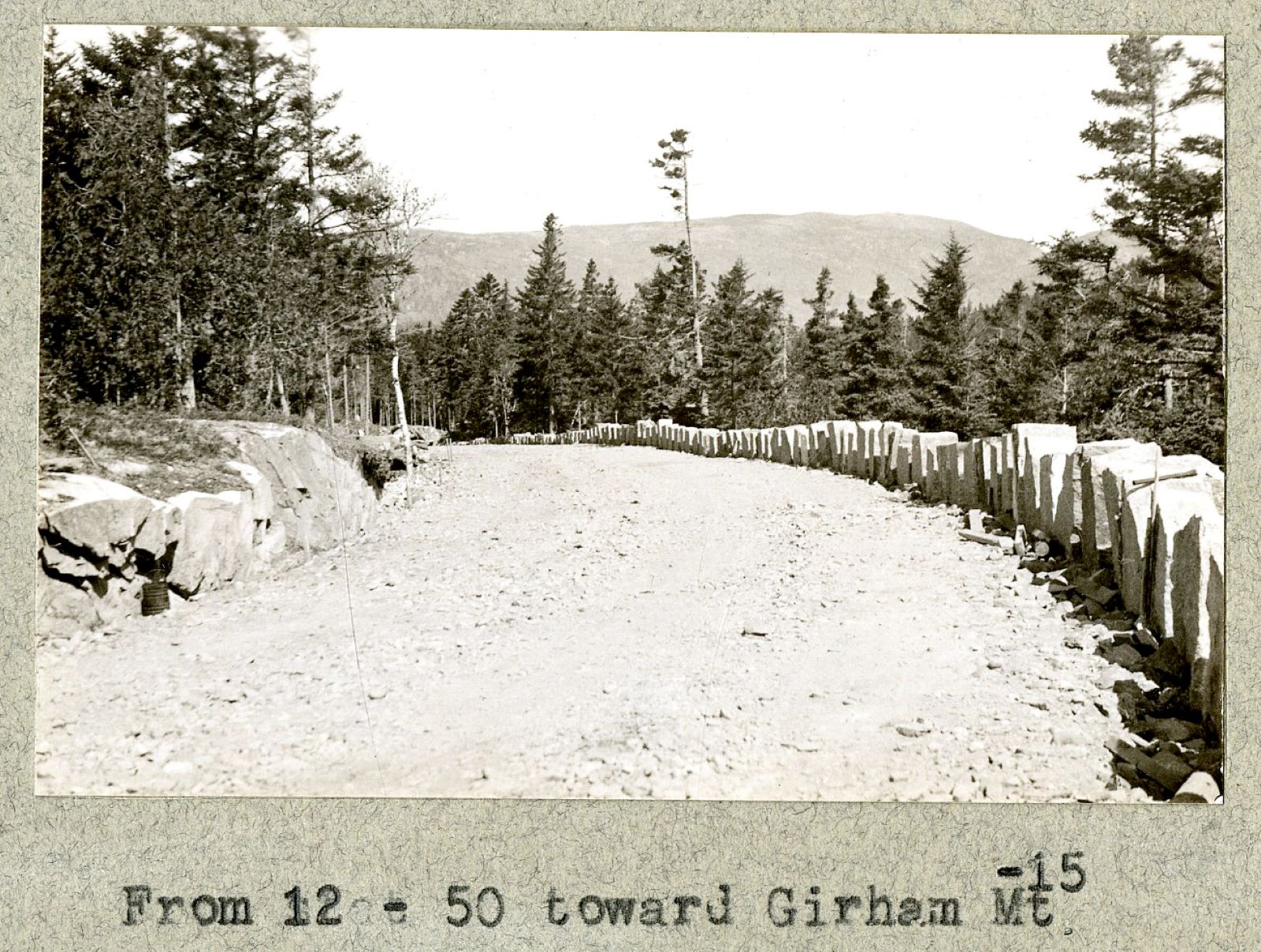
Acadia National Park: Carriage Roads, Cadillac Mountain & 2026 Guide
Discover carriage roads, Cadillac Mountain, and rugged Maine coast. Complete 2026 guide to Acadia National Park — trails, fees, lodging, permits, and what rangers recommend.
Hiking Guide
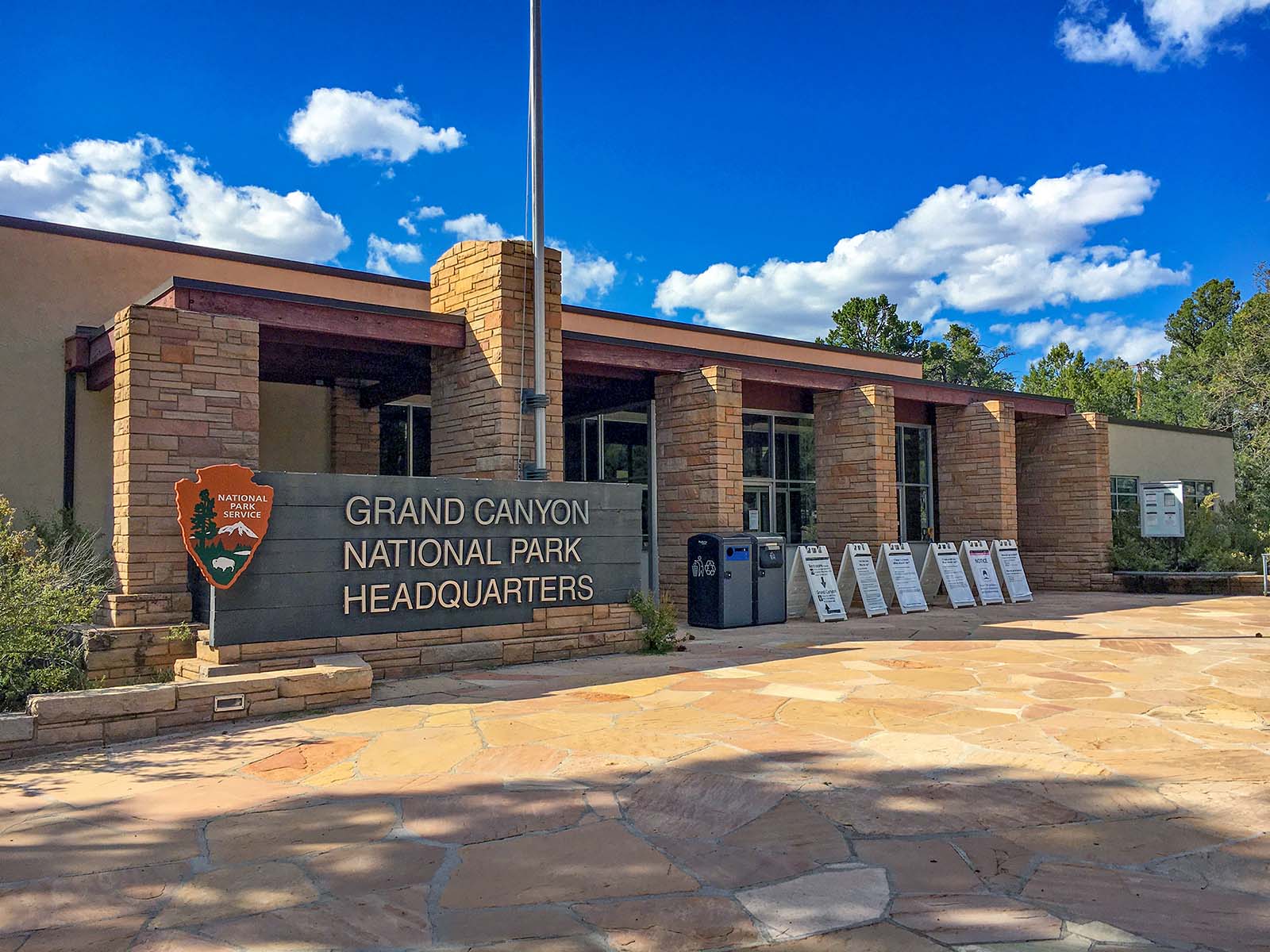
Grand Canyon Hiking Trails: Day Hikes, Water Sources & Rim to Rim
Compare Grand Canyon hiking trails: Bright Angel, South Kaibab, Hermit, Grandview, and rim to rim, with distances, elevation, water stops, and trailhead access for each.
Best Of
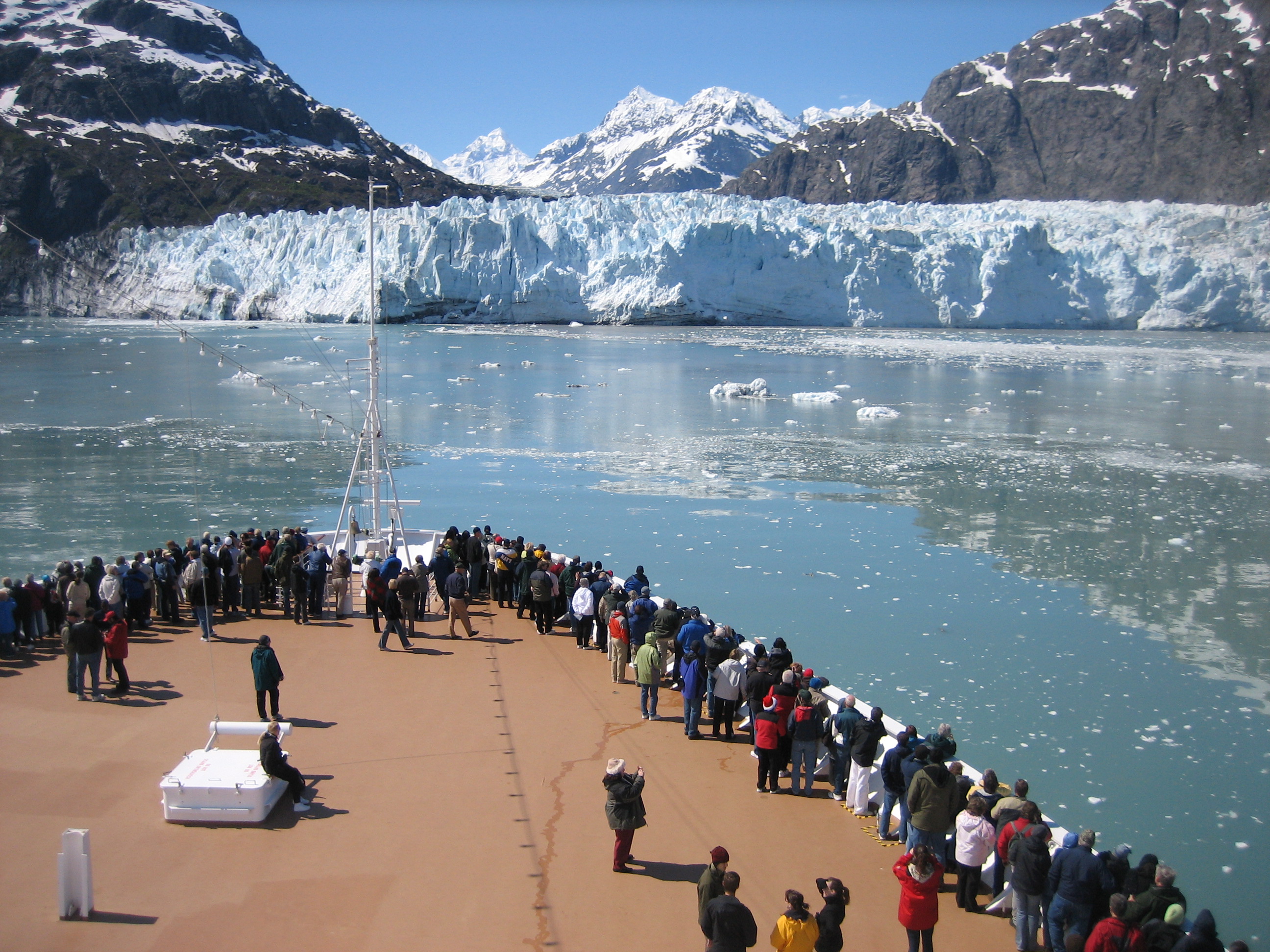
Best of Glacier Bay National Park
The best of Glacier Bay is reached by boat: ranger-led day tours up the bay to the tidewater glaciers. What's worth it, how to book, and when to go (2026).
Campsite Guide
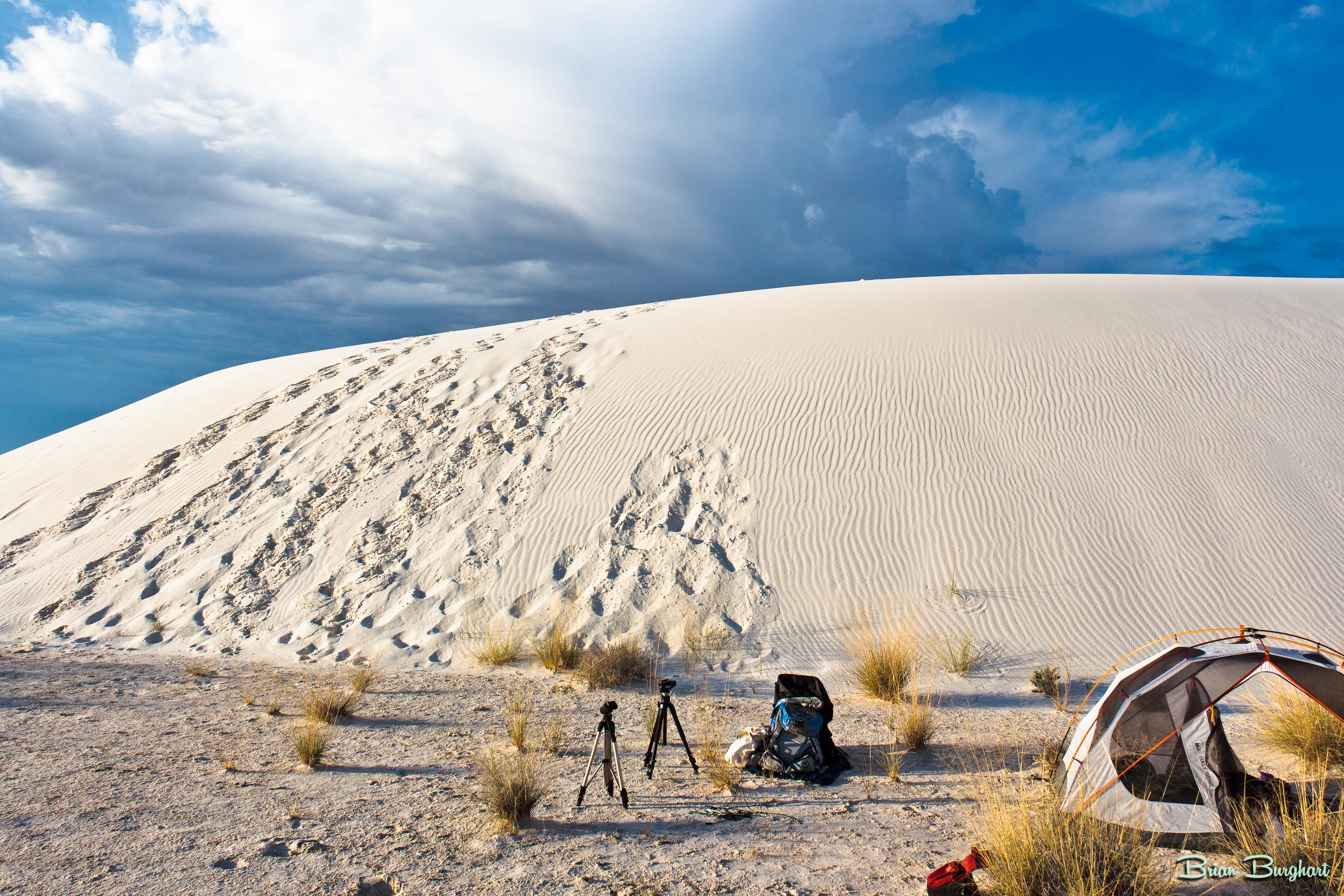
White Sands Backcountry Camping: Closed for 2026 — What to Know
As of 2026, backcountry camping at White Sands National Park is closed for site rehabilitation. What that means, and where to camp nearby instead.
Weather Guide
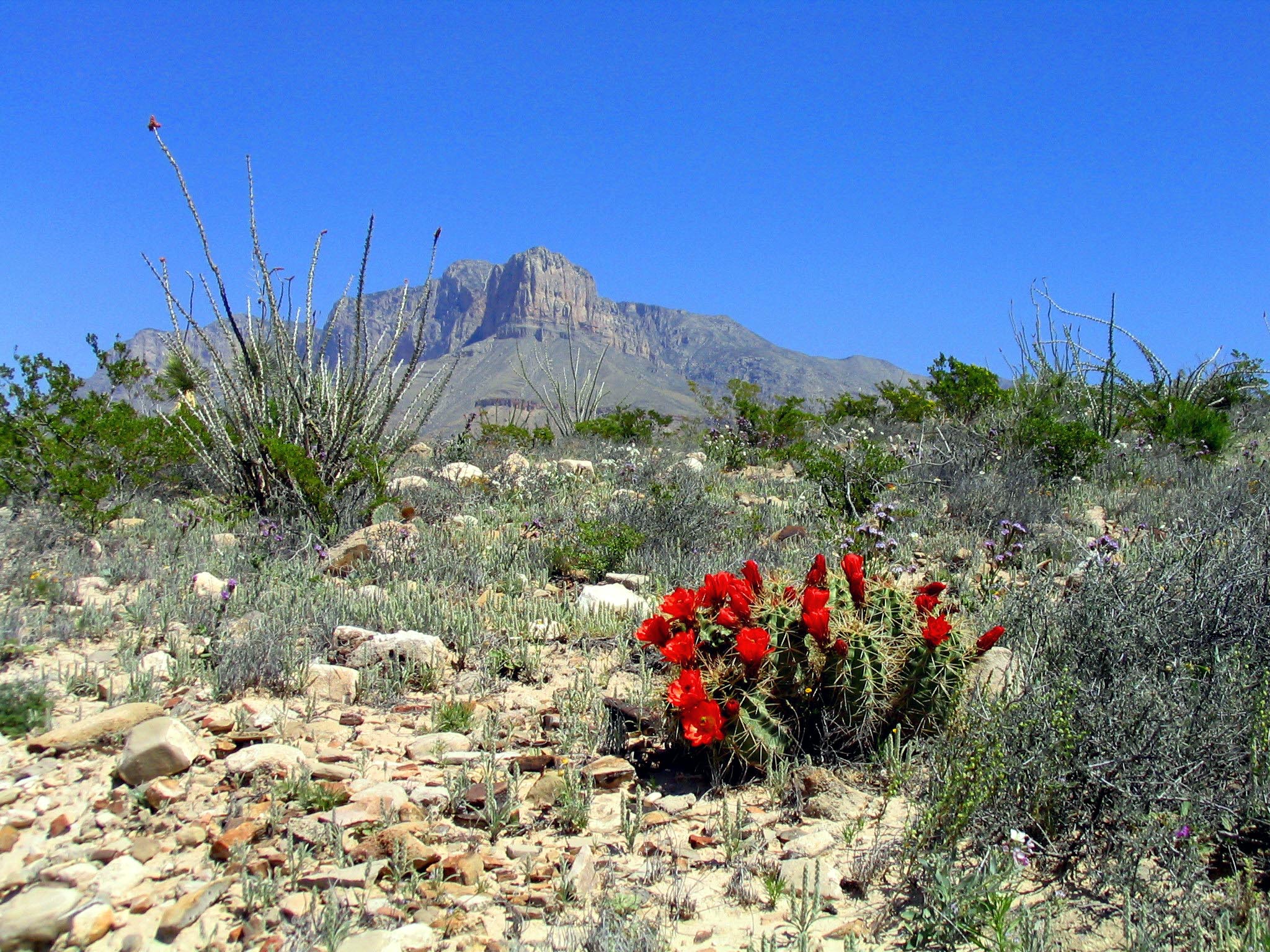
Guadalupe Mountains National Park Weather: Weather
Guadalupe Mountains National Park: weather guide guide updated 2026. Practical visitor information, reservations, and seasonal tips worth bookmarking before
Best Of
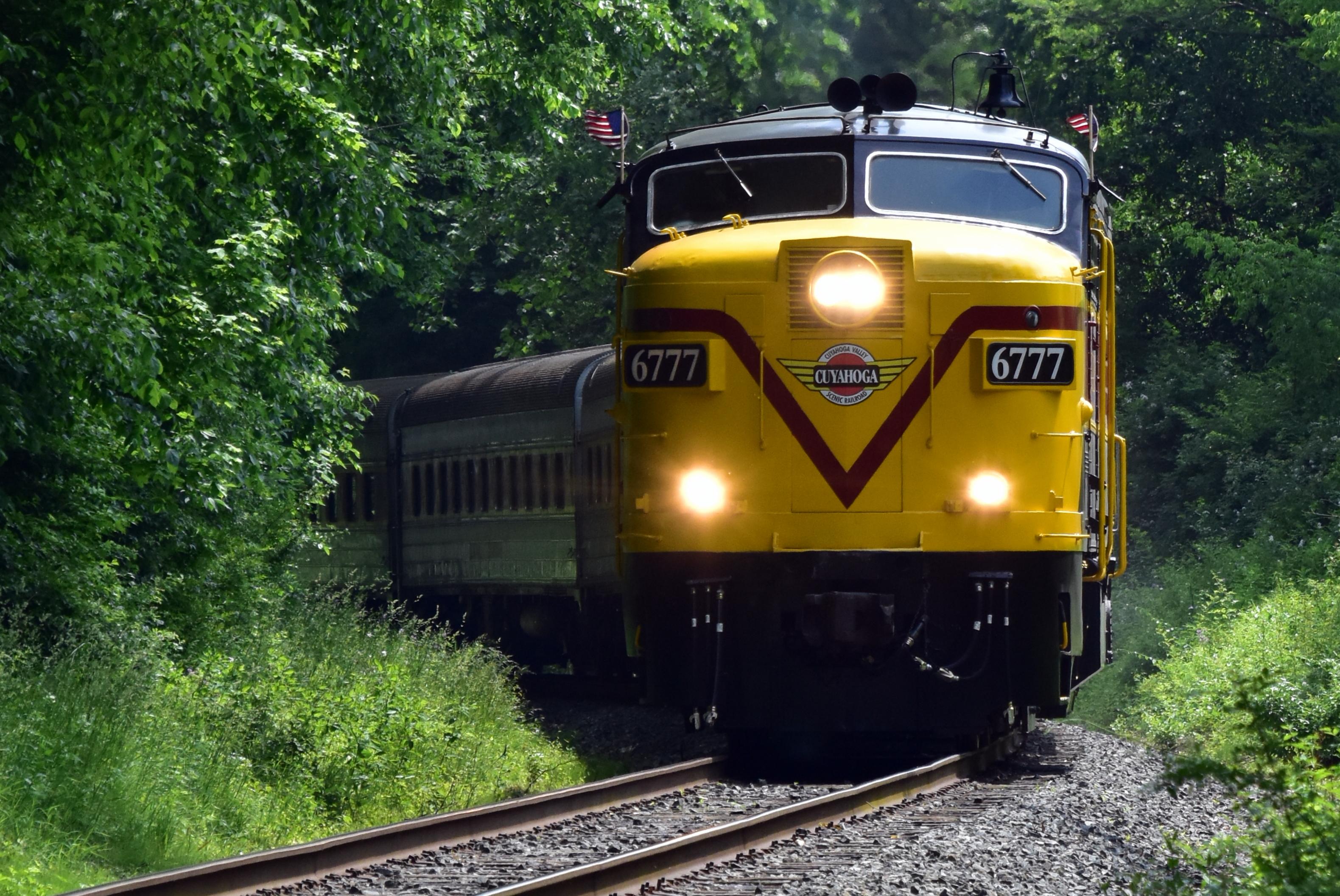
Best of Cuyahoga Valley National Park: Best Things to Do
Seeing a Cleveland Orchestra concert with the woods as your backdrop is a uniquely Cuyahoga Valley experience.
Sign in to join the conversation.
Sources & Attribution
Location data courtesy of the National Park Service (U.S. Department of the Interior). NPS data is public domain. Official NPS page.
Images: NPS; NPS; NPS; NPS; NPS.
Map data © OpenStreetMap contributors.
Park operations alerts: NPS.gov · Weather and weather hazards: National Weather Service · Live conditions.
Information may change. Always verify fees, hours, and conditions directly with the official source before visiting.
Did this guide help? Share it with a friend.