For more, see tours and guided experiences.
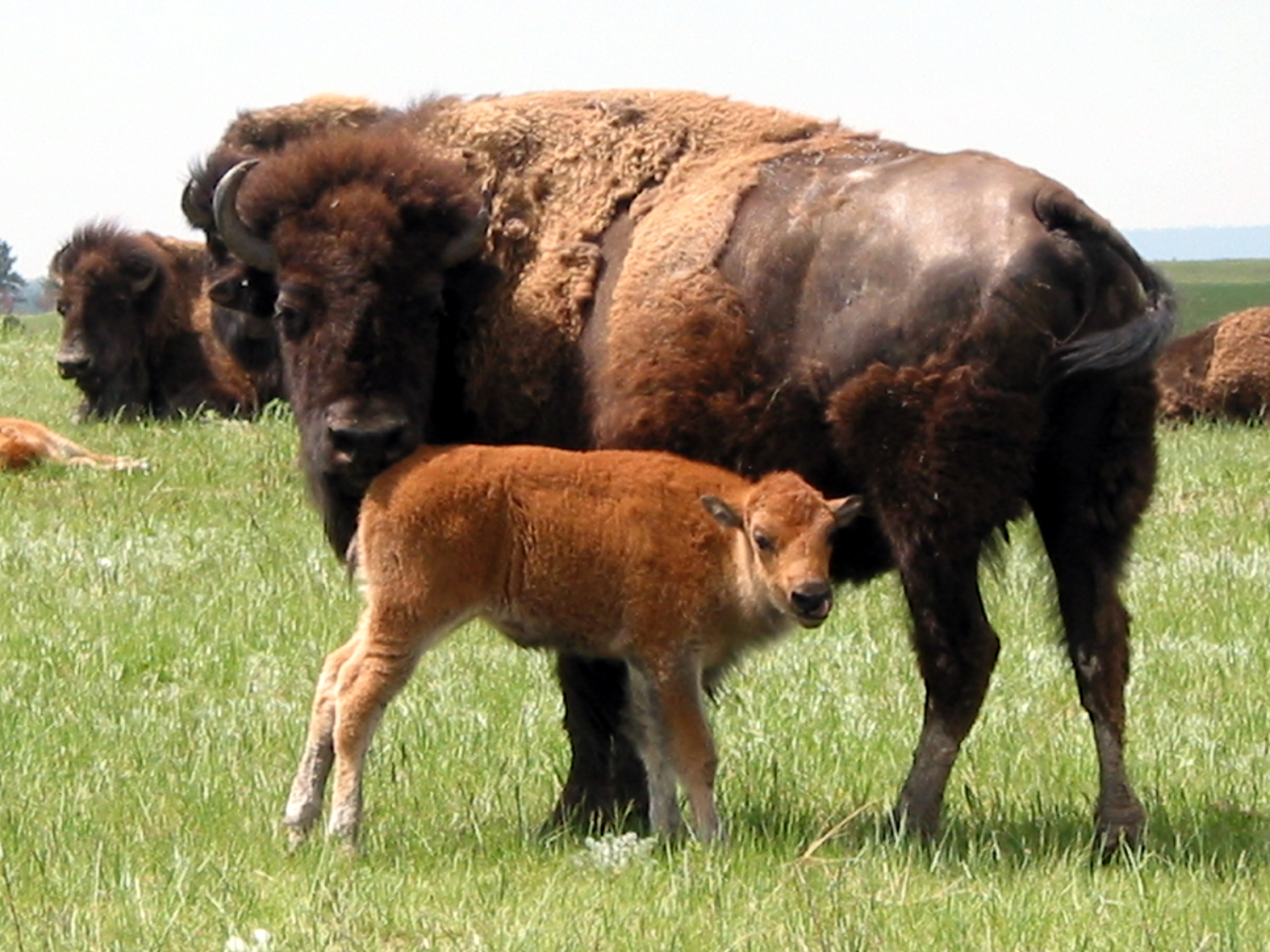
NPS via NPS.gov (Public Domain)
Wind Cave National Park: The World's Densest Cave System - 2026 Guide
8 min read
Park Guide
Explore Wind Cave National Park's 150-mile cave system and surface prairies. All tours are ranger-led; tickets often sell out by mid-morning. Cashless fees only.
Your plans
This article contains affiliate links — we may earn a small commission at no extra cost to you.
At a glance
Hours
The park is open all day, every day. Snow or severe weather can limit access to some areas of the pa
Best Time
June-September (summer), September-October (fall colors)
Address
26611 US Highway 385, Hot Springs, SD, 57747
Website
43.5801, -103.4395
Google MapsIntroduction
Wind Cave National Park encompasses 33,000 acres of prairie and forest, yet its defining feature is a hole no larger than a dinner plate. That modest opening serves as the natural entrance to one of the planet's longest and most intricate cave systems—a labyrinth of passages that, if connected, would extend over 150 miles. The cave's namesake breeze, a gentle flow created by atmospheric pressure differences between the surface and the underground, greets visitors at the entrance. While most come for the cave tours, any seasoned ranger will emphasize that the surface ecosystem of bison, elk, and rolling prairie is equally vital. This guide provides the essential knowledge for exploring both realms, from securing tour tickets to observing wildlife along the park's trails.

The Cave: Tours, Tickets, and What to Expect Below
All cave access at Wind Cave National Park is by ranger-led tour only. There is no self-guided caving. This isn't a policy choice; it's a necessity for protecting the delicate boxwork formations and navigating the complex, multi-level passages.
Tour Options and the Ticketing Reality
All tours originate from the Wind Cave Visitor Center. Note that as of 2026, the park operates on a fully cashless system for all fees, including tours—payment is by card or digital methods only. A frequent error is assuming walk-up availability for tours; during summer and fall weekends, tickets often sell out by mid-morning. Make the visitor center your first stop to secure tickets, even if your tour is scheduled for later. The waiting period offers an excellent opportunity to survey the surface terrain.
The classic tour is the Garden of Eden Tour, a one-hour, 0.25-mile route that introduces the cave's geology and is the least strenuous option. The Natural Entrance Tour is a bit more demanding, descending 300 stairs over 0.75 miles to enter the cave the way early explorers did. For a deeper dive, the Fairgrounds Tour lasts 1.5 hours and covers 0.75 miles, showcasing larger rooms and more extensive formations. Tour availability changes with the season and staff levels, so checking the park's website or calling ahead (605-745-4600) is your best bet for the current schedule.
What You're Actually Looking At
Wind Cave is famous for boxwork, a honeycomb-like formation of thin calcite fins that project from cave walls and ceilings. It's not the prettiest formation - it looks more like fossilized wasp nests than glittering crystals - but it's exceptionally rare. The park contains over 95% of the world's known boxwork. Rangers will point out the difference between this and more common cave decorations like popcorn (small, knobby nodules) and frostwork (delicate, needle-like crystals).
The cave is a constant 53°F (12°C) year-round. You'll want a light jacket or sweater. The trails are paved and have handrails, but the stairs are numerous and can be slick with condensation. Good, closed-toe shoes are non-negotiable. The park service recommends against bringing large backpacks or tripods, as the passages are narrow in places.
The Natural Entrance
You can visit the cave's natural entrance without a tour. It's a five-minute walk from the visitor center on a paved path. Don't expect a gaping cavern mouth. The opening is a small, angled hole in the rock, fenced off for safety. On most days, you can feel the breeze that gave the cave its name - exhaling on a cool day, inhaling on a warm one. It's a quiet spot that underscores how easy this immense system was to miss.

The Surface: Prairie, Wildlife, and Over 30 Miles of Trail
Many visitors become so fixated on the cave that they overlook the surface, treating it merely as a parking area with wildlife. This oversight neglects the rich mixed-grass prairie and ponderosa pine forests that define the park's above-ground ecosystem.derosa pine forests are a managed ecosystem, home to one of America's most accessible bison herds and a thriving elk population.
Wildlife Viewing Logistics
Bison are not zoo animals. They are large, wild, and unpredictable. You will see them, often from your car along US Highway 385 or the park's interior roads. Maintain a distance of at least 100 yards - about the length of a football field. If the animal looks at you, you're too close. Traffic juns ("bison jams") are common. Turn on your hazard lights, be patient, and never get out of your vehicle.
Prairie dog towns are the easiest wildlife to observe. These colonies of burrowing ground squirrels are active throughout the day. Pull over safely at one of the open areas along the road, stay near your car, and listen for their distinctive bark-like calls. Late afternoon light is particularly good for photography here.
For elk, your best chance is early morning or dusk along the edges of forested areas. In the fall (September and October), listen for the bugling of bull elk - a high-pitched, whistling scream that carries for miles. It's one of the most distinctive sounds in the American West.
Hiking the Prairie and Forest
Wind Cave has over 30 miles of hiking trails, ranging from the easy, 1-mile Elk Mountain Nature Trail near the campground to strenuous treks like the 5.2-mile round-trip Boland Ridge Trail. The Centennial Trail, part of a 111-mile system, also passes through the park.
Two trails are pet-friendly: the Prairie Vista Trail and the Elk Mountain Campground Trail. Everywhere else, pets are not allowed, even in your car at a trailhead. This is strictly enforced to protect wildlife.
A standout hike is the Rankin Ridge Trail, a 1-mile loop that gains elevation to the park's highest point. The payoff is a 360-degree view. From the old fire tower at the top, you can see the Black Hills to the north and the endless, rolling prairie to the south - a visual lesson in why this area is called a "remnant island" of intact grassland.
For longer excursions, the backcountry camping zone in the northwest part of the park offers solitude. Permits are free but required, and can be picked up at the visitor center.

Planning Your Visit: Hours, Fees, and Nearby Bases
The park is open 24 hours a day, every day of the year. Road access, however, is a different story. Winter snowfall (averaging 30 inches annually) can temporarily close roads. The visitor center and cave tours have seasonal hours that contract significantly in winter.
Entrance and Tour Fees
There is no entrance fee to drive into Wind Cave National Park. You only pay if you do a cave tour, stay at the Elk Mountain Campground, or purchase an Interagency Pass at the visitor center. As noted, all payments are cashless.
Camping at the 64-site Elk Mountain Campground costs $24 per night as of 2026. Sites can be reserved at Recreation.gov. It's open year-round, with flush toilets and drinking water available from spring through fall. Winter camping is available, but water is shut off and facilities are limited to vault toilets.
Where to Stay and How to Get Here
The park is about 11 miles north of Hot Springs, South Dakota, and 22 miles south of Custer. Both towns offer lodging and accommodations. Hot Springs is closer and has a quieter vibe, while Custer puts you closer to other Black Hills attractions like Mount Rushmore.
The Wind Cave Visitor Center is half a mile west of US Highway 385. Fill your gas tank in Hot Springs or Custer; there are no services within the park. Cell service is unreliable across most of the park, especially in the valleys. Download maps and tour information beforehand.
The best time to visit depends on your tolerance for weather. Summer days are hot (over 80°F) with frequent afternoon thunderstorms that can bring hail. Spring is wet and variable. Fall is dry and cool, with fantastic wildlife activity. Winter is cold (highs in the 30s) and quiet, with a chance of snow-dusted prairie scenes, but some cave tours may not be running.

Beyond the Cave: Other Ways to Experience the Park
If the cave tours are sold out or you're looking to stretch your legs above ground, the park has several structured activities.
Scenic Drive and Cycling
The Wind Cave Geology Driving Tour is a self-guided route with numbered stops. You can get a guide pamphlet at the visitor center. It's a 60-90 minute commitment that explains the rock layers you're seeing, from the Pahasapa Limestone that houses the cave to the older Precambrian schist. The road is also open to bicyclists. Biking is permitted on paved roads only, not on hiking trails. It's a great way to cover distance quietly, increasing your chances for wildlife sightings.
Junior Ranger and Picnicking
The Junior Ranger program is a solid 20-45 minute activity for kids. Pick up the booklet at the visitor center, complete the activities, and earn a badge. It's more engaging than you might think, even for adults.
There is one designated picnic area near the visitor center with tables and grills. More often, visitors just pull over at a scenic spot along the road. Wherever you picnic, you must store all food securely. Prairie dogs and other rodents are adept at pilfering unattended snacks.
Stargazing and Seasonal Events
The park's remote location and lack of large-scale development make for dark night skies. On a clear, moonless night, the Milky Way is vividly visible from the prairie. The park occasionally hosts night sky programs; check the visitor center for schedules.
Fall is the prime season for wildlife viewing, specifically to hear elk bugle. Drive the park roads slowly at dawn or dusk with your windows down.
Practical Takeaways
- Tour Tickets First. Go directly to the visitor center upon arrival to purchase cave tour tickets, even for a later time. They sell out.
- Dress in Layers. The cave is 53°F; the surface can be 90°F in summer. Bring a jacket for underground and sun protection for above.
- Respect Wildlife Distance. Give bison at least 100 yards of space. Always view from your car or a significant distance. Never approach prairie dogs.
- Plan for No Cell Service. Assume you will have no signal for maps or calls within the park boundaries. Have physical maps and downloaded information ready.
- Bring Payment Cards. The park is cashless as of 2026. Credit/debit cards or digital payments are required for tours, camping, and passes.
- Check the Alerts. Before visiting, check the NPS website for Wind Cave for the latest on tour availability, road conditions, and fire restrictions.
Final Thoughts
Wind Cave National Park asks you to shift your perspective. It's not a single, overwhelming vista. It's the subtle breeze from a crack in the earth, the distant silhouette of a bison on a ridge, and the intricate, ancient geometry of boxwork hidden in darkness. The common error is to rush through the surface world to get underground. The better approach is to schedule a cave tour, then let the prairie dictate the rest of your day. Watch the weather move across the grass. Listen for the elk. Feel the sun and the wind. The cave is the headline, but the prairie is the story.
Recommended Gear
What experienced visitors bring to Wind Cave National Park: The World's Densest Cave System - 2026 Guide
Links may earn us a commission at no extra cost to you. We only recommend gear we believe in.
Hiking Essentials
Hydration Pack (3L)
Hands-free water for long trail days
Trekking Poles (Pair)
Save your knees on steep descents
Hiking Boots (Ankle Support)
Sturdy footwear for rocky, uneven trails
Sun & Heat Protection
Wide-Brim Sun Hat
Full coverage UPF 50+ protection at altitude
Insulated Water Bottle (32oz)
Keeps water cold in desert heat all day
Electrolyte Mix Packets
Replace what water alone cannot during intense heat
Winter Gear
Microspikes / Traction Devices
Essential for icy rim trails in winter months
Packable Down Jacket
Lightweight warmth that stuffs into a pocket
Sources
- Official source: NPS — Wind Cave National Park nps.gov/wica/index.htm
Explore More National Parks

Badlands National Park: Fossil Beds & Painted Formations - 2026
These striking geologic deposits contain one of the world's richest fossil beds - ancient horses and...

Theodore Roosevelt National Park: Quiet Badlands Guide (2026)
Theodore Roosevelt National Park: North Dakota Badlands & Most first-time visitors to Theodore Roose...

Rocky Mountain National Park: Trail Ridge Road & Alpine Tundra - 2026 Guide
Discover how to get to rocky mountain national park with our comprehensive guide. Expert tips, pract...

Yellowstone National Park: Geysers, Wildlife & Complete 2026 Visitor Guide
Complete guide to yellowstone national park on map. Everything you need to know, updated for 2026.
Photo Gallery
More to Explore
Park Guide
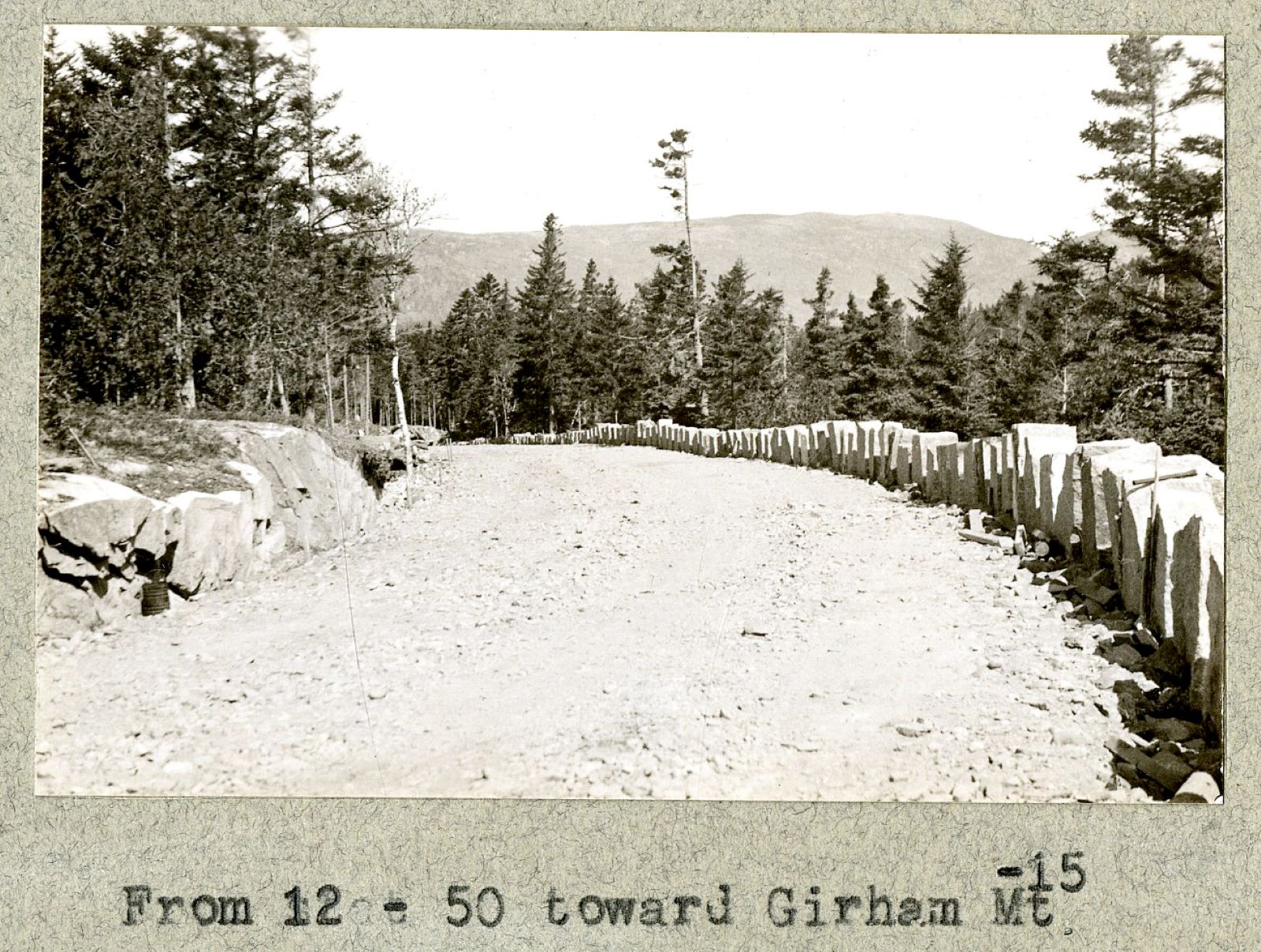
Acadia National Park: Carriage Roads, Cadillac Mountain & 2026 Guide
Discover carriage roads, Cadillac Mountain, and rugged Maine coast. Complete 2026 guide to Acadia National Park — trails, fees, lodging, permits, and what rangers recommend.
Hiking Guide
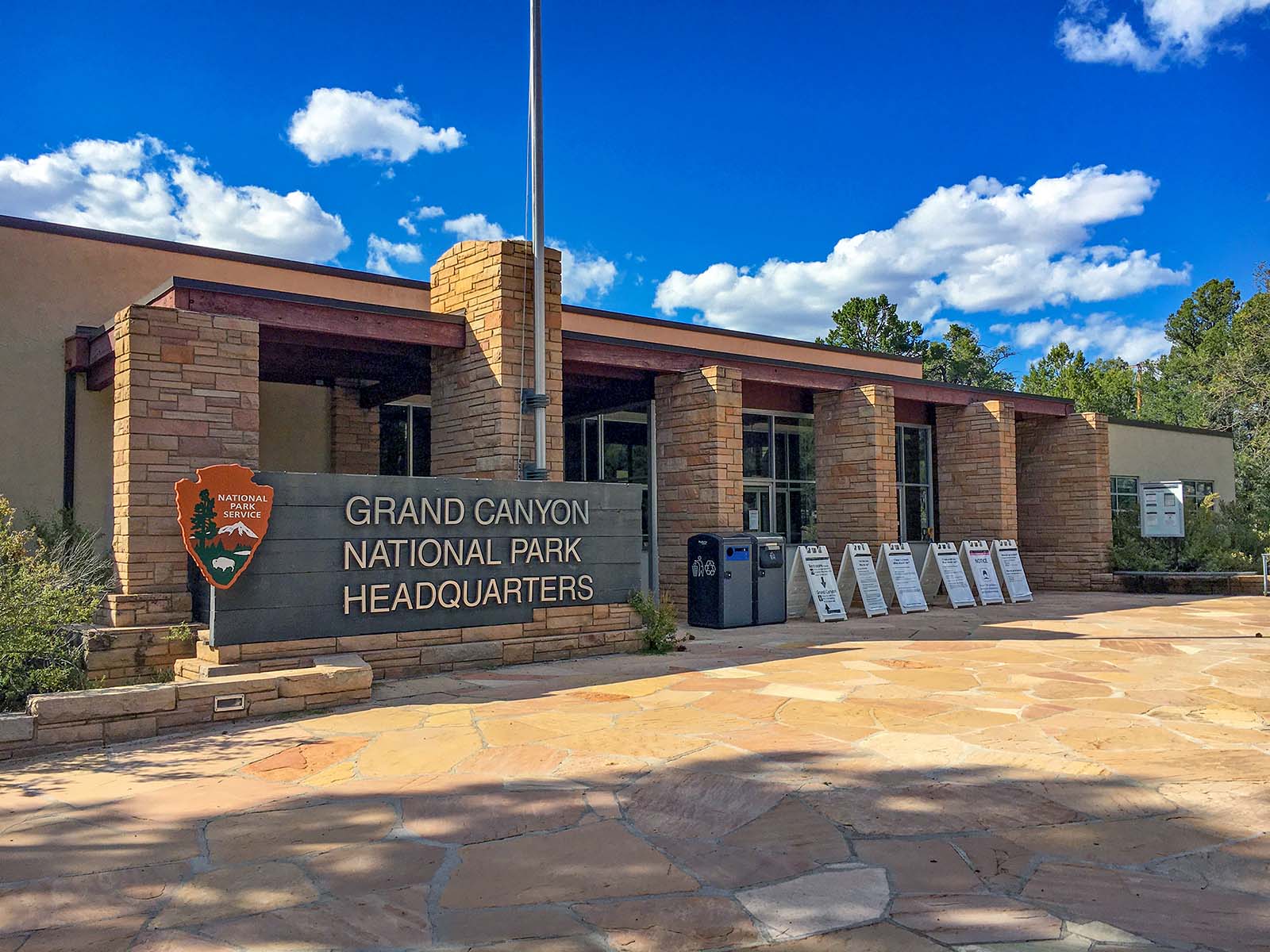
Grand Canyon Hiking Trails: Day Hikes, Water Sources & Rim to Rim
Compare Grand Canyon hiking trails: Bright Angel, South Kaibab, Hermit, Grandview, and rim to rim, with distances, elevation, water stops, and trailhead access for each.
Best Of
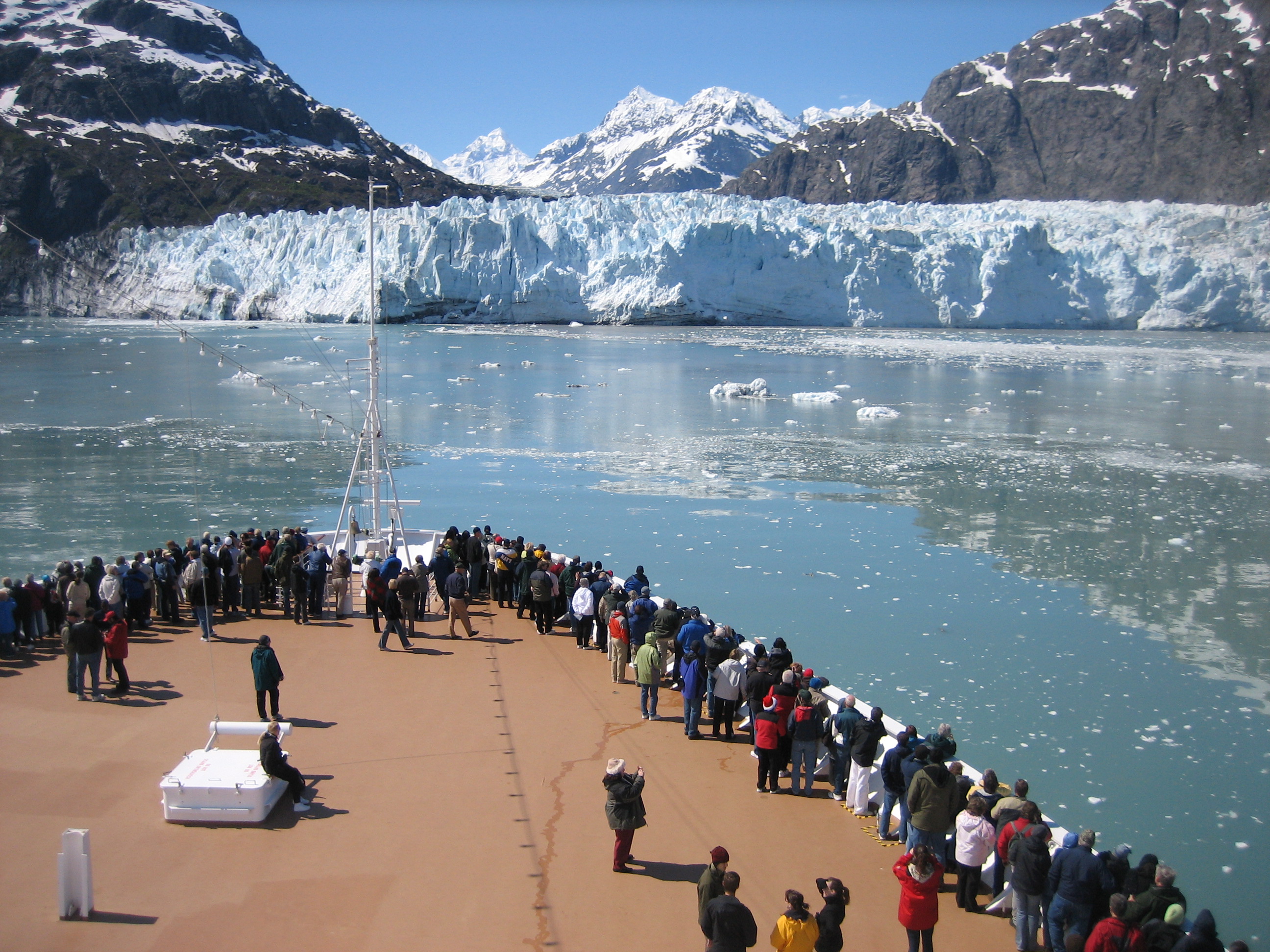
Best of Glacier Bay National Park
The best of Glacier Bay is reached by boat: ranger-led day tours up the bay to the tidewater glaciers. What's worth it, how to book, and when to go (2026).
Campsite Guide
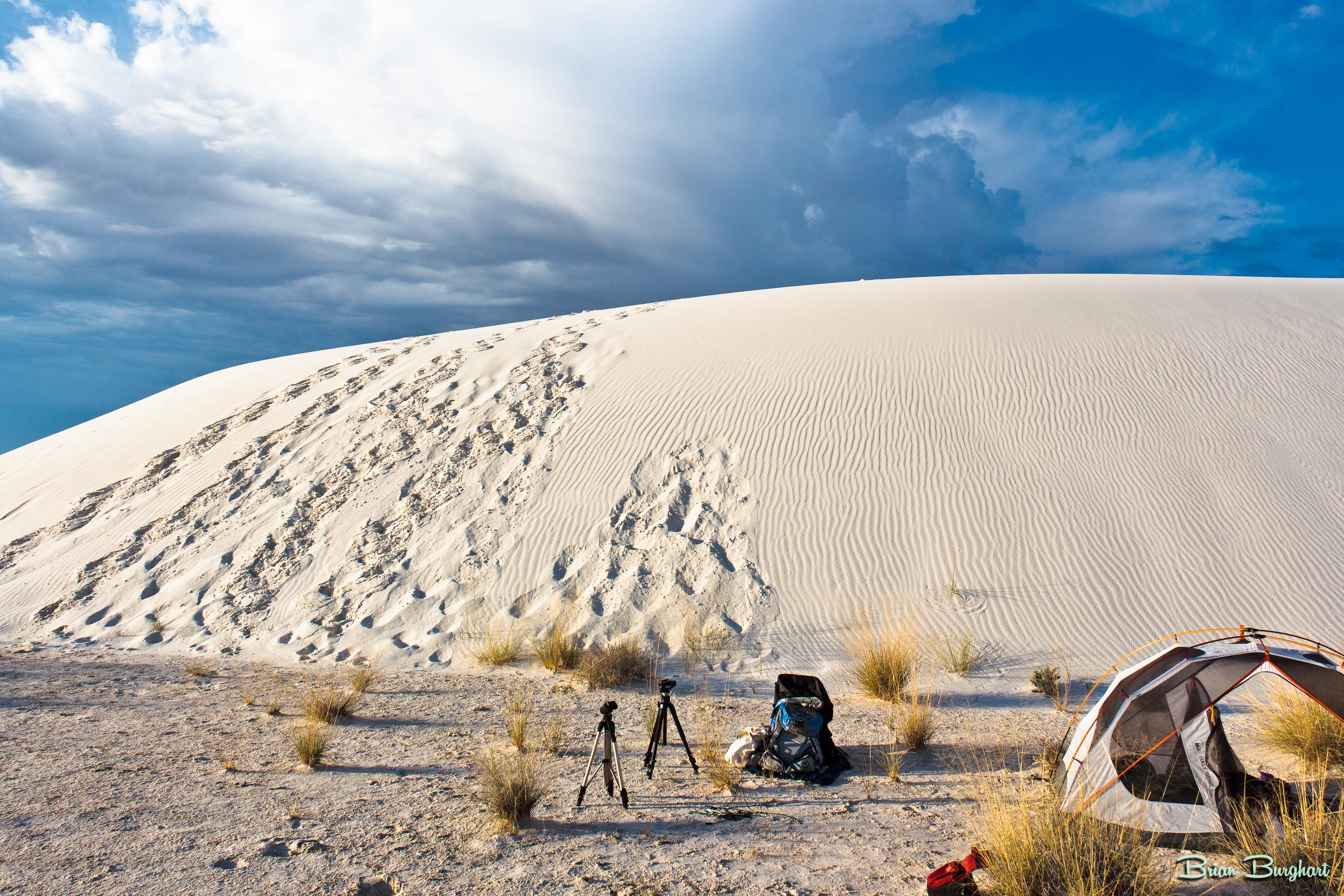
White Sands Backcountry Camping: Closed for 2026 — What to Know
As of 2026, backcountry camping at White Sands National Park is closed for site rehabilitation. What that means, and where to camp nearby instead.
Weather Guide
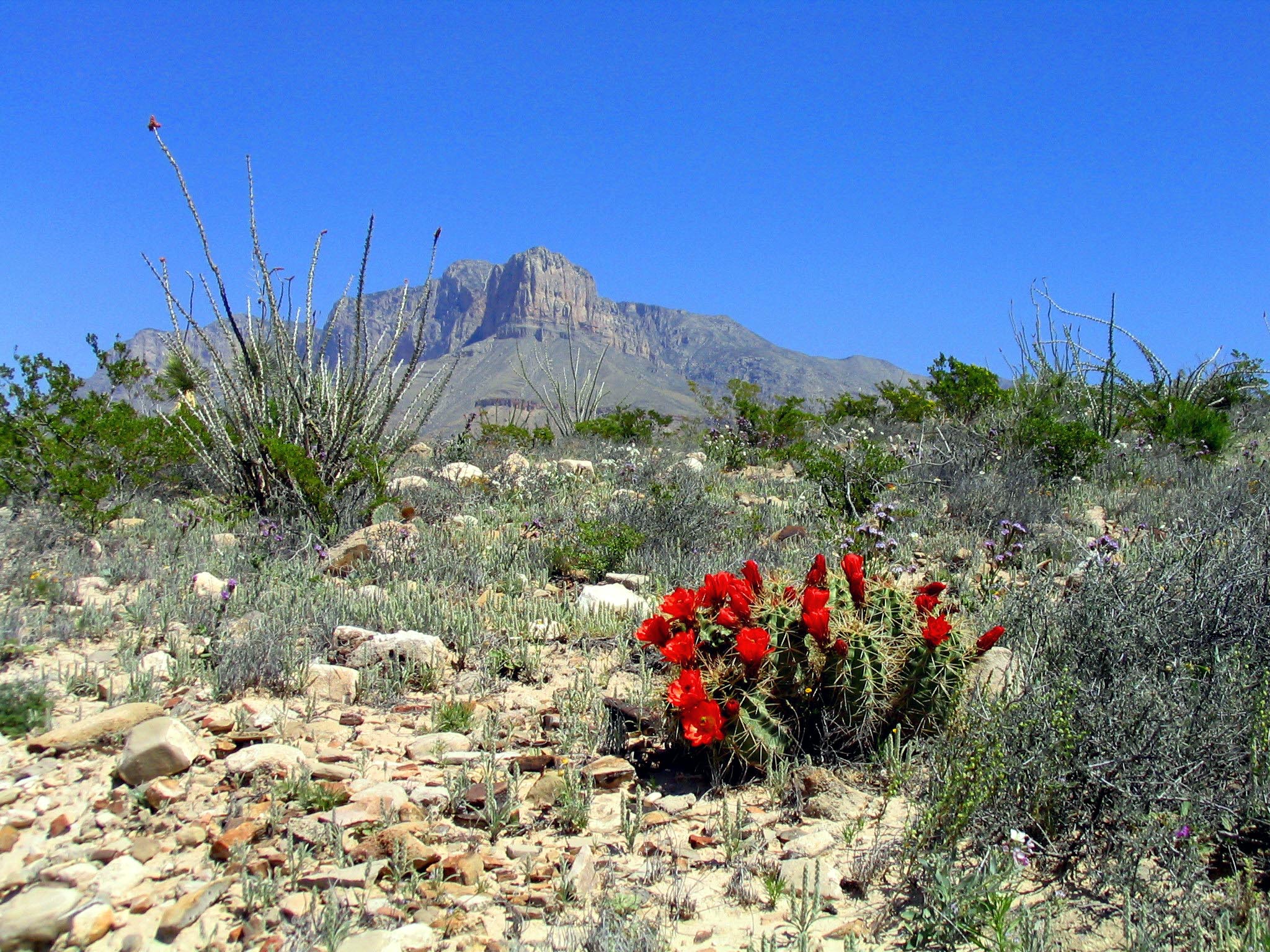
Guadalupe Mountains National Park Weather: Weather
Guadalupe Mountains National Park: weather guide guide updated 2026. Practical visitor information, reservations, and seasonal tips worth bookmarking before
Best Of
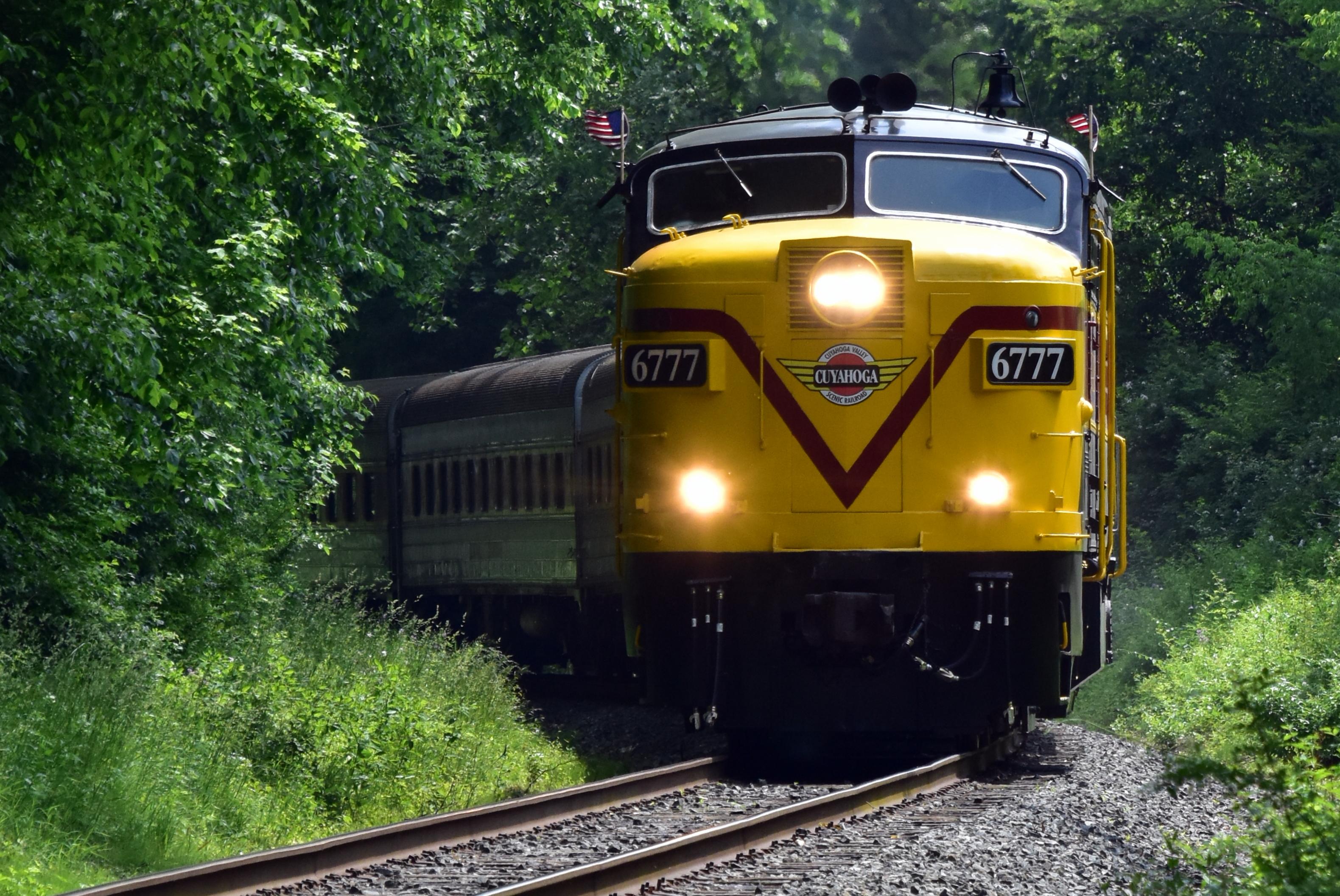
Best of Cuyahoga Valley National Park: Best Things to Do
Seeing a Cleveland Orchestra concert with the woods as your backdrop is a uniquely Cuyahoga Valley experience.
Sign in to join the conversation.
Sources & Attribution
Location data courtesy of the National Park Service (U.S. Department of the Interior). NPS data is public domain. Official NPS page.
Images: NPS; NPS; NPS; NPS; NPS.
Map data © OpenStreetMap contributors.
Park operations alerts: NPS.gov · Weather and weather hazards: National Weather Service · Live conditions.
Information may change. Always verify fees, hours, and conditions directly with the official source before visiting.
Did this guide help? Share it with a friend.