This article contains affiliate links — we may earn a small commission at no extra cost to you.
Advertisement
The Booking Reality
If you're looking for RV camping near Wind Cave National Park, the most pressing question isn't which site to book - it's whether you can book one at all. Elk Mountain Campground, the park's only front-country campground, operates on a first-come, first-served basis. There is no reservation system for individual sites. That changes the whole strategy.
Advertisement
Peak season runs June through September. During those months, the campground fills nearly every day by early afternoon. Weekends - especially holiday weekends - can see the last site gone by 10 AM. If you roll in at 4 PM in July expecting to find a spot, you're gambling.
The park does not use Recreation.gov for individual campsites. Group sites may require direct coordination with the park. This is one of the few remaining National Park Service campgrounds that hasn't moved to a full reservation model, and that cuts both ways: you can't plan months ahead, but you also aren't competing against bots booking every site the minute the window opens.
For those planning RV camping near Wind Cave National Park, the practical approach is to arrive early (before 10 AM) during peak season, or visit in the shoulder months of May or September when availability opens up significantly. The park's complete visitor guide has more on seasonal timing and conditions.
Photo: NPS via NPS.gov (Public Domain)
Campground at a Glance
Detail
Elk Mountain Campground
Total sites
Data not specified - check park website for current count
Site types
Car, front-country, RV, group
Reservation system
First-come, first-served (individual sites)
Season
Year-round, but limited access in winter due to snow
Fees
Credit/debit or digital payments only - no cash accepted as of 2026
Hookups
None (dry camping)
Elevation
Approx. 4,000 ft (prairie terrain)
Nearest services
Hot Springs, SD (11 miles south); Custer, SD (22 miles north)
Note: As of 2026, the park has moved to cashless fee collection. Cash and checks are no longer accepted for campground fees or any other payments.
Photo: NPS via NPS.gov (Public Domain)
Elk Mountain Campground: Complete Guide
Setting and Atmosphere
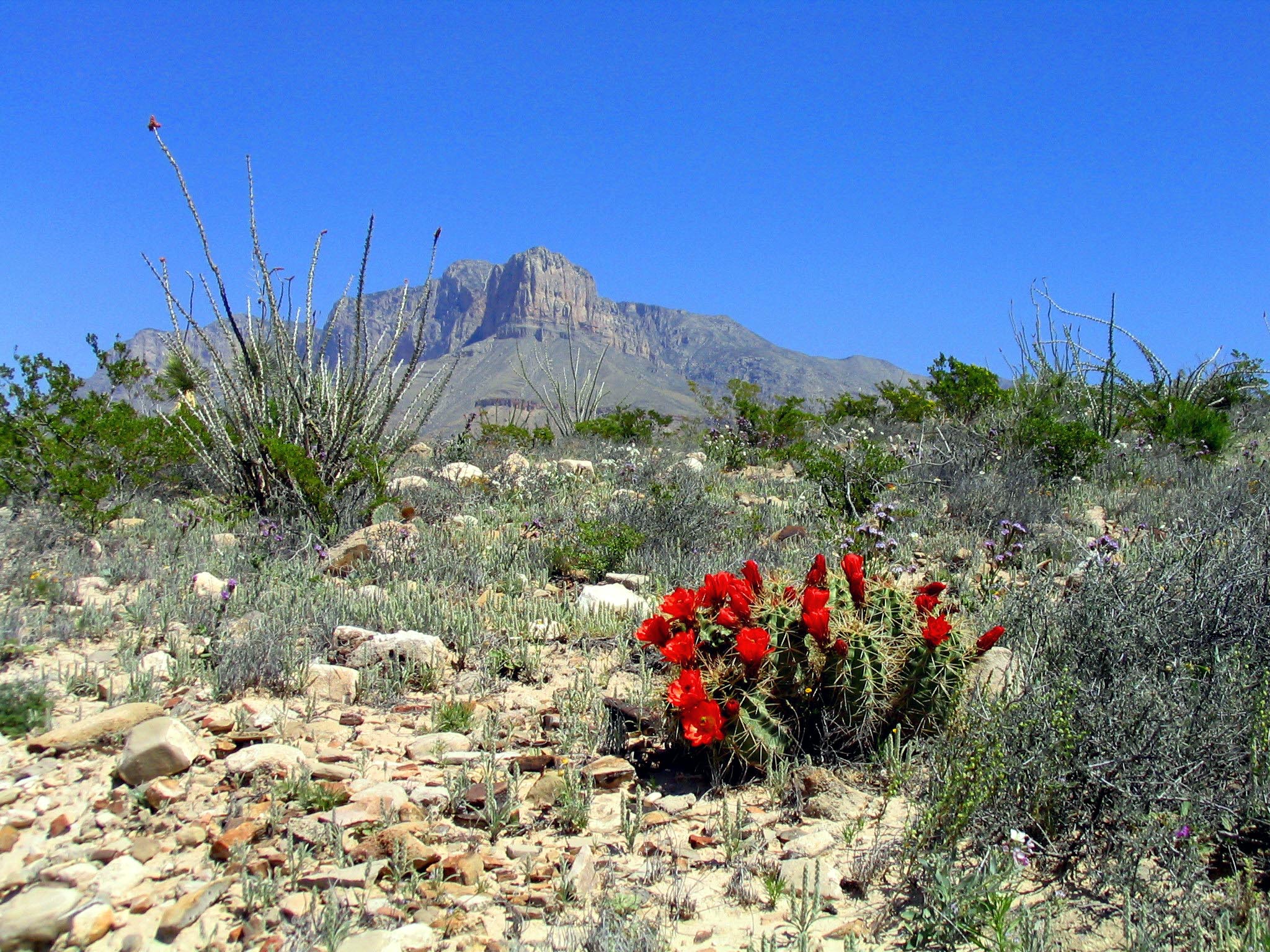
Elk Mountain sits in the open prairie landscape that defines Wind Cave National Park's above-ground world. This is not a forest campground. You're camping on the grasslands, with scattered ponderosa pines providing some shade but nothing like the dense canopy you'd find in the Black Hills proper. The trade-off is wide-open views and sky that stretches forever - night skies here are genuinely dark, with minimal light pollution.
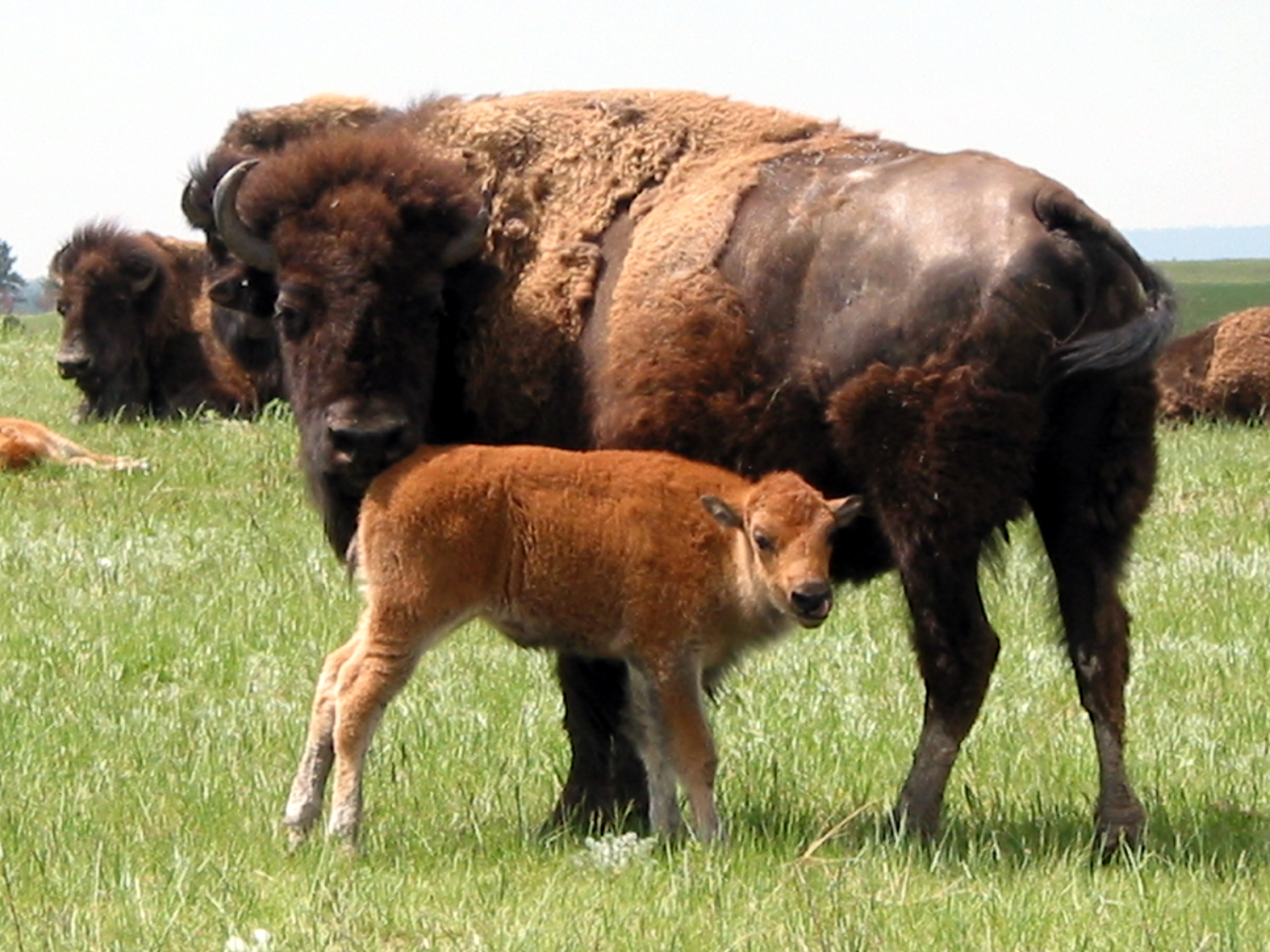
What you hear at night: wind through grass, coyotes, and occasionally the low grunt of bison moving through the area. The campground is unfenced, and wildlife wanders through. This is not a zoo exhibit - these are wild animals on their terms. Rangers will tell you to keep at least 100 yards from bison and elk. That's not a suggestion.
The terrain is relatively flat, with gravel pull-through and back-in sites. The overall feel is straightforward and functional - this is a place to sleep between cave tours and prairie hikes, not a destination campground with resort amenities.
Site Selection
The campground has one main loop. Sites on the outer edge of the loop tend to feel more open and get better airflow. Interior sites are closer together and offer less privacy. If you value quiet, aim for a site toward the far end of the loop away from the entrance road.
For RV camping near Wind Cave National Park, the best sites are the pull-throughs on the outer edge. These accommodate longer rigs more easily and give you a bit more breathing room. The back-in sites work fine for smaller trailers and vans but can be tight for anything over 30 feet.
Tent campers should look for sites with more pine cover. The prairie sun is relentless, and a site without shade will bake by mid-morning. The sites toward the southern edge of the loop have slightly more tree cover.
Group sites are available but require advance coordination. Contact the park directly for group site booking.
Facilities Detail
Restrooms: Flush toilets available during peak season. Vault toilets during off-season.
Showers: None. Plan accordingly.
Potable water: Available at the campground during operating season. Can freeze in early spring and late fall.
Dump station: Located near the campground entrance. No fee for registered campers.
Trash: Dumpsters available. Pack it in, pack it out is still the rule for anything that doesn't fit in the bins.
What the Booking Site Doesn't Show
A few things that matter:
Noise levels. The campground is quiet by design, but generator hours are enforced. RVs running generators outside the permitted hours will get a knock from a ranger. Quiet hours run from 10 PM to 6 AM.
Road surface. The campground roads are gravel. Fine in dry weather. After heavy rain, which is common in spring - the park's wettest season - the gravel can develop ruts. Take it slow.
Bison traffic. Bison move through the campground. Not every night, but often enough that you should not leave food out. Coolers should stay inside your vehicle or hard-sided RV. The park has active bison management, and these animals are large, fast, and unpredictable.
Fire restrictions. As of early 2026, the park is under temporary emergency fire restrictions due to dry conditions. Open fires are prohibited. Gas stoves are permitted only in Elk Mountain Campground and the picnic area, and only on or in fire-resistant containers. No smoking except in vehicles or on paved surfaces. These restrictions can change quickly - check current conditions on the park website before you arrive.
Photo: NPS via NPS.gov (Public Domain)
Reservation Strategy
Since individual sites are first-come, first-served, your strategy needs to be about timing, not booking windows.
Arrival timing. Aim to arrive before 10 AM during peak season (June-August). Sites that opened up from the previous day's departures are still available. By noon, most are taken. By 3 PM, expect to find nothing.
Midweek. Sunday through Thursday nights are significantly easier. Friday and Saturday are the hard days. If you can shift your stay to midweek, you eliminate most of the competition.
Shoulder season. May and September are the sweet spots. Weather is still good - highs in the 50s to 70s in spring, 50s to 60s in fall - but the crowds thin out. You can typically find a site without the early-morning rush.
Group sites. These require direct contact with the park office. Call 605.745.4600. Group sites book well in advance for summer weekends, so plan ahead.
Backup plan. If Elk Mountain is full, you have options. There are private campgrounds in Hot Springs (11 miles south) and Custer (22 miles north). The park's lodging and accommodations page has more on nearby alternatives.
No-show reality. Since there are no reservations, there are also no-show cancellations. The sites that become available throughout the day come from people leaving, not from cancellations. Monitoring the campground directly is the only way.
Photo: NPS via NPS.gov (Public Domain)
What to Know Before You Arrive
Bear Storage
Black bears are present in the Black Hills region, though they're less common in the open prairie of Wind Cave than in the forested areas further north. That said, food storage is still expected. Store all food, coolers, and scented items in your hard-sided vehicle or RV overnight. Do not leave food out on picnic tables unattended. The park's bison and elk are more likely to investigate an unattended cooler than bears are, but the rule applies either way.
Fire Restrictions
This changes with conditions. As noted above, open fires are currently prohibited. The park will post updates at the visitor center, on the park website, and on signage at the campground entrance. Always check before you build a fire, even if you saw a campfire the night before - restrictions can go into effect with 24 hours notice during dry spells.
Quiet Hours
Enforced from 10 PM to 6 AM. This includes generator use, loud voices, music, and vehicle doors slamming. The campground is small and sound carries across the prairie. Most campers are there for the cave tours and hiking, not late-night parties.
Cell Service
Cell service drops out at the campground and along most of the park roads. You'll get intermittent signal on US Highway 385, but inside the park, expect none. Download maps, directions, and any information you need before you arrive. The visitor center has pay phones, but don't count on connectivity for navigation.
Water
Potable water is available at the campground during the operating season. In spring and fall, the water can be turned off due to freezing temperatures. Bring extra water - at least a gallon per person per day - especially in summer when daytime temperatures regularly exceed 80°F.
Generator Hours
Generators are permitted during designated hours only. Typically 8 AM to 10 PM, but check current postings at the campground. The park enforces this. If you need to run your generator, do so during the allowed window and be considerate of neighbors.
Checkout Time
Standard checkout is 11 AM. Sites are first-come, first-served, so departing on time gives the next camper a fair shot.
Winter Camping
The park is open year-round, but winter camping at Elk Mountain is a different experience. Highs in the high 30s, lows around 10°F. Snowfall averages 30 inches annually and can close park roads periodically. The water is turned off. Vault toilets only. If you're camping in winter, come prepared for cold and potential isolation.
What to Pack
For RV camping near Wind Cave National Park, pack beyond the basics. The prairie has specific demands:
Sun protection. Hat, sunscreen, sunglasses. The treeless sites offer no shade.
Wind layer. The prairie wind is constant and can cut through a light jacket.
Food and water. No camp store on-site. Hot Springs has groceries, but it's 11 miles away.
Cashless payment. The park no longer accepts cash. Bring credit/debit cards or digital payment options.
Firewood. If fires are permitted, buy local firewood to prevent spreading pests. Don't bring wood from outside the region.
Practical Takeaways
Arrive before 10 AM in peak season. Sites fill early and there are no reservations.
Cashless only as of 2026. Bring credit/debit cards or a digital payment method for campground fees and cave tours.
No hookups at Elk Mountain. This is dry camping. Come with full water tanks and empty holding tanks.
Fire restrictions are live. Check current conditions before arriving. Open fires are currently prohibited; gas stoves are allowed only in the campground and picnic area.
Wildlife is not optional. Bison and elk roam through the campground. Keep 100 yards distance. Store all food in hard-sided vehicles.
Cell service drops out at the campground. Download everything you need before you arrive.
Midweek is dramatically easier. If your schedule allows, camp Sunday-Thursday.
Shoulder season (May, September) offers the best balance of decent weather and open sites.
Group sites need advance planning. Contact the park at 605.745.4600 for group bookings.
Winter camping is possible but limited. Expect cold, snow, vault toilets, and no potable water. Park roads can close with minimal notice.