Yellowstone's 3,500 square miles hold more than maps reveal. Treating it as a single destination misses the point—this is a living landscape where success depends on timing and precise location. My job is to translate decades of field observation into practical guidance: where to position yourself, when to be there, and how to navigate the world's first national park with purpose. We'll focus on entrance logistics, seasonal patterns, and structuring your days around geothermal activity and wildlife movements, not just mileage.
NPS via NPS.gov (Public Domain)
Yellowstone National Park: Geysers, Wildlife & Complete 2026 Visitor Guide
8 min read
Park Guide
Plan Yellowstone with 2026 gate timing: only the North and Northeast entrances stay open year-round, while West, East, and South open seasonally.
Your plans
This article contains affiliate links — we may earn a small commission at no extra cost to you.
At a glance
Entrance Fee
Private vehicle $35 · Non-commercial groups $20 · Motorcycle $30Full fee schedule
Hours
Yellowstone is open daily, year-round, although activities and services are limited at night and cer
Best Time
June-September (summer), September-October (fall colors)
Address
PO Box 168, Yellowstone National Park, WY, 82190-0168
Website
44.5982, -110.5472
Google MapsNavigating the Park: Entrances, Roads, and Realistic Timelines
Your experience of Yellowstone begins with a single, critical choice: which gate you use. This isn't a trivial decision. The park has five entrance stations, and their seasonal closures dictate large portions of the year. As of 2026, only the North Entrance (Gardiner, Montana) and the Northeast Entrance (near Cooke City, Montana) are open to regular vehicles year-round. The West, East, and South Entrances have seasonal windows, typically from late April or May through early November.
Rangers will tell you that most first-time visitors underestimate driving times. The park's Grand Loop Road is a figure-eight roughly 142 miles long. Driving from Mammoth Hot Springs to Old Faithful, for example, can take over two hours without stopping - and you will stop. Bison jams are not a figure of speech; they are a traffic condition. A herd crossing the road can halt traffic for 45 minutes. Construction delays, common in the short summer season, add more time.
The parking situation here is a daily test of patience. Lots at Midway Geyser Basin (for Grand Prismatic Spring) and the Canyon area fill by 9:30 AM on a summer day. The common mistake is trying to hit Old Faithful, Grand Prismatic, and the Grand Canyon of the Yellowstone all in one afternoon. It can't be done well. Experienced visitors pick one major area per half-day.
Cell service drops out at most points beyond the developed villages. Download offline maps and the official NPS app before you arrive. And yes, entrance fee amount not specified in source data - it's per vehicle, not per person.

The Hydrothermal Heart: Geysers, Springs, and Safety
Yellowstone rests on an active volcanic system. That geological reality isn't background information—it's the direct cause of every hydrothermal feature you'll encounter. The heat rising from the magma chamber fuels more than 10,000 distinct features. Recognizing the differences between geysers, hot springs, mudpots, and fumaroles will sharpen your observation.
Watching Old Faithful Geyser erupt remains the park's signature ritual. Rangers post predicted eruption times at the Old Faithful Visitor Center and on the NPS app. The average interval is about 90 minutes, give or take 10 minutes. Show up 15-20 minutes before the window for a seat on the boardwalk. For a different perspective, the 1.6-mile roundtrip Observation Point Loop Snowshoe Trail (a snowshoe route in winter, a hike in summer) offers a elevated, quieter view of the eruption with the Upper Geyser Basin spread out below.
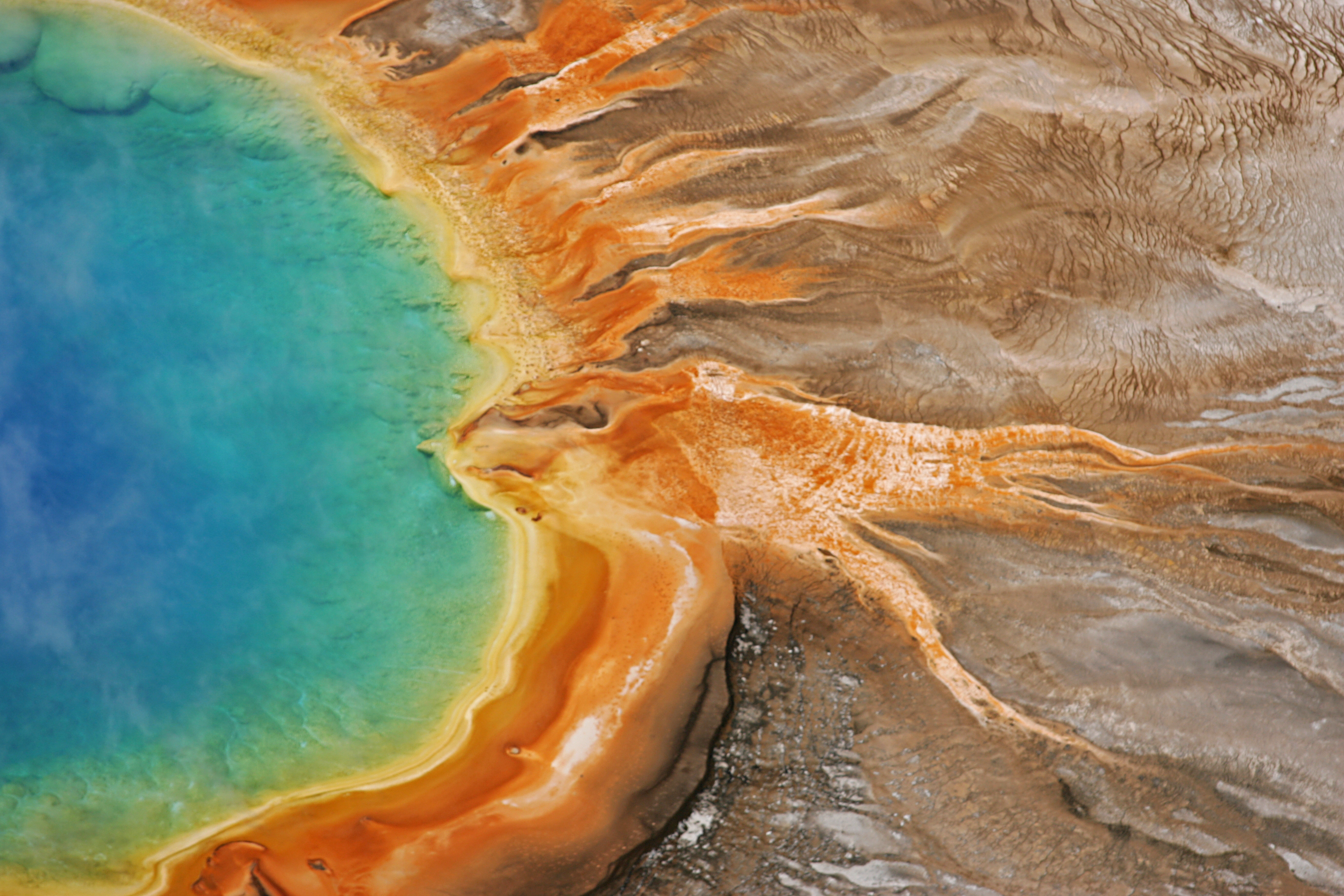
The Grand Prismatic Overlook Trail is the essential counterpoint. The boardwalk at ground level gets you close to the spring's steaming, colorful edges, but you can't comprehend its scale. The 0.6-mile uphill climb to the overlook changes that. From there, you look down on the 370-foot-wide spring, its concentric rings of orange, yellow, and deep blue looking like an abstract painting. Early morning is your best bet for two reasons: fewer people and less steam, which often obscures the colors by midday.
Safety notes here are non-negotiable. The thin, fragile crust around thermal features can collapse into scalding water below. Stay on boardwalks and designated trails. Every year, visitors ignore this rule and suffer severe, life-altering burns. The ground can be deceptively solid-looking. It is not.
Other basins offer distinct personalities. The Mud Volcano Trail is a short, pungent loop where the earth gurgles and bubbles with acidic, muddy water. The Fountain Paint Pot Trail is a perfect, short introduction to all four types of features. The West Thumb Geyser Basin Trail is unique for its lakeshore setting, where hot springs empty into the cold waters of Yellowstone Lake.

Wildlife and Where to Find It
Yellowstone is not a zoo. Seeing wildlife is a matter of strategy, patience, and luck. The park is home to the largest concentration of mammals in the lower 48 states, but they move on their own schedule.
The Lamar and Hayden Valleys are the premier wildlife viewing corridors. Dawn and dusk are the active periods. In summer, that means being in position by 5:30 AM. You'll see the serious watchers with spotting scopes set up along the pullouts. They're looking for wolves, which are most often seen at great distance as moving dots. Binoculars or a scope with at least 40x magnification are essential for that.
Bison, elk, and pronghorn are far more common. A bull elk grazing near Mammoth Hot Springs is almost a guarantee. Bison will be on the roads. The rule is to give them at least 25 yards of space. They can run three times faster than a human and are unpredictable.
Pelican Valley Trail and other areas in the park's interior are formally designated Bear Management Areas, sometimes closed seasonally for animal activity. Rangers will tell you that hiking in groups, making noise, and carrying bear spray (and knowing how to use it) are your best defenses. Bear spray rentals are available at several locations in the park, a cost-effective option if you're flying.
The Forces of the Northern Range Self-guided Trail is a half-mile boardwalk with exhibits explaining why this area is such critical habitat. It's a good primer before you head out into the valleys proper. Remember, feeding any wildlife is illegal, dangerous, and alters their natural behavior.

Hiking Beyond the Boardwalks
The boardwalks show you Yellowstone's highlights. The trails show you its soul. With over 1,000 miles of trails, choosing the right one depends on your fitness, time, and desire for solitude.
For a classic summit with payoff, the Mount Washburn Trail (accessed from either Dunraven Pass or Chittenden Road) is a steady climb to 10,243 feet. The 360-degree view from the fire lookout takes in the entire central plateau. Look for bighorn sheep on the slopes. The wind at the top is almost always fierce, even on a calm day below. Pack extra water for this stretch; the elevation gain is real.
The Fairy Falls Trail is a popular, mostly flat hike to a 200-foot waterfall. Most people turn around at the base of the falls, but if you continue another mile or so, you can link up to the Imperial Geyser, a lively, often-overlooked feature.
For a taste of the backcountry without a full commitment, the Lewis River Channel/Dogshead Trail is a solid choice. It winds through forest to the clear, cold waters of the Lewis River. This is prime habitat for eagles and osprey.
The Brink of the Lower Falls Trail is short but steep - a series of switchbacks that drop you to a platform right at the crest of the 308-foot waterfall. The roar and the spray are immersive. Your calves will have strong opinions about the hike back up.
Check trail conditions at a visitor center before you go. In June, high-elevation trails like Cascade Lake can still be snow-covered and muddy. Stream crossings can be hazardous in spring with snowmelt. Always have a map, as trail junctions in the forest can be confusing.

Seasons and Strategies: When to Visit and What to Expect
Yellowstone has five distinct seasons: summer, fall, winter, spring, and mud. Each changes the park completely.
Summer (June-August) is peak season. Daytime highs can hit 70°F, but afternoon thunderstorms are frequent and can drop the temperature 20 degrees in minutes. Hail is not uncommon. Pack layers, including a warm jacket and rain gear. This is when all facilities, roads, and guided tours are operating. It's also when you'll share the boardwalks with thousands of others.
Fall (September-October) is a favorite for many. Crowds diminish, the elk are in rut (you'll hear their bugling), and the aspens turn gold. It can also snow heavily at any time. Roads start closing in early November.
Winter (December-March) transforms the park into a silent, snowy world accessible only via guided snowcoach or snowmobile from the West or South entrances, or by regular car from the North. Temperatures frequently drop below 0°F. This is the time for guided tours on skis or snowshoes, like the Sheepeater or Riverside Ski Trails, and for seeing steam plumes from geysers against the cold air. Lodging and accommodations are limited to Mammoth and Old Faithful.
Spring (April-May) is the shoulder season of mud, melting snow, and reopening roads. It's unpredictable. Some years, the Fishing Bridge RV Park opens in May; other years, it's still snowbound. This is when bears emerge from hibernation, so bear awareness is paramount.
No matter when you visit, the park's elevation - most areas are above 7,500 feet - means the sun is intense and dehydration comes quickly. Drink more water than you think you need.
Practical Takeaways
- Plan by Zone, Not by Checklist. Group your activities geographically. Dedicate one day to the Upper Geyser Basin (Old Faithful area) and Midway Geyser Basin. Dedicate another to the Canyon Village and Hayden Valley area. Trying to crisscross the Grand Loop daily is exhausting and inefficient.
- Start Early, Take a Midday Break. Be at your first major destination by 8 AM. Parking is available, wildlife is active, and light is good for photography. Return to your lodging or have a picnic lunch during the peak crowd hours (11 AM - 3 PM), then head out again for an evening drive or hike.
- Book Everything in Advance. As of 2026, vehicle reservations are not required for entry, but every campsite, hotel room, and in-park guided tour sells out months ahead for the summer season. Reserve your camping options or lodging and accommodations the moment reservations open.
- Pack for All Weather. Even in July, your pack should contain a warm hat, gloves, a rain jacket, and sunscreen. Wear sturdy, broken-in hiking boots - the terrain is uneven, and boardwalks can be wet and slick.
- Manage Wildlife Encounters. Carry bear spray where it's accessible (not buried in your pack). Know how to use it. Always maintain a distance of at least 100 yards from bears and wolves, and 25 yards from all other animals. Use a zoom lens for your photos.
- Use Official Resources. Check the NPS website for current road status, camping availability, and alerts before you arrive and each morning of your trip. Stop at a visitor center to get a park newspaper and ask rangers for current trail and wildlife conditions.
Final Thoughts
Yellowstone rewards the prepared and punishes the casual. Its scale demands respect, and its wonders are earned through planning and patience. The map shows you the roads, but it doesn't show you the bison herd that will make you late, the sudden storm that soaks you, or the quiet moment watching a geyser erupt in the crisp winter air. Your goal shouldn't be to see everything. It should be to see a few things deeply. Pick a basin and walk every boardwalk. Sit at a wildlife pullout for an hour instead of ten minutes. Let the park's rhythm - the geothermal pulses, the animal movements, the weather rolling over the mountains - dictate your pace. That's when you move from being a spectator to becoming a part of the landscape, if only for a little while.
Recommended Gear
What experienced visitors bring to Yellowstone National Park: Geysers, Wildlife & Complete 2026 Visitor Guide
Links may earn us a commission at no extra cost to you. We only recommend gear we believe in.
Hiking Essentials
Hydration Pack (3L)
Hands-free water for long trail days
Trekking Poles (Pair)
Save your knees on steep descents
Hiking Boots (Ankle Support)
Sturdy footwear for rocky, uneven trails
Sun & Heat Protection
Wide-Brim Sun Hat
Full coverage UPF 50+ protection at altitude
Insulated Water Bottle (32oz)
Keeps water cold in desert heat all day
Electrolyte Mix Packets
Replace what water alone cannot during intense heat
Winter Gear
Microspikes / Traction Devices
Essential for icy rim trails in winter months
Packable Down Jacket
Lightweight warmth that stuffs into a pocket
Sources
- Official source: NPS — Yellowstone National Park nps.gov/yell/index.htm
Explore More National Parks

Grand Teton National Park: Complete Guide (2026)
That abrupt, sky-scraping wall defines Grand Teton National Park. A straightforward hike to a beauti...

Glacier National Park: Going-to-the-Sun Road & Complete 2026 Guide
Discover the Going-to-the-Sun Road and 700 miles of trails. Complete 2026 guide to Glacier National...

Glacier Bay National Park: Tidewater Glaciers & Southeast Alaska - 2026 Guide
Discover tidewater glaciers meeting the sea in Southeast Alaska. Complete 2026 guide to Glacier Bay...

Wind Cave National Park: The World's Densest Cave System - 2026 Guide
Discover the world's densest cave system and rare boxwork formations. Complete 2026 guide to Wind Ca...
Photo Gallery
More to Explore
Park Guide
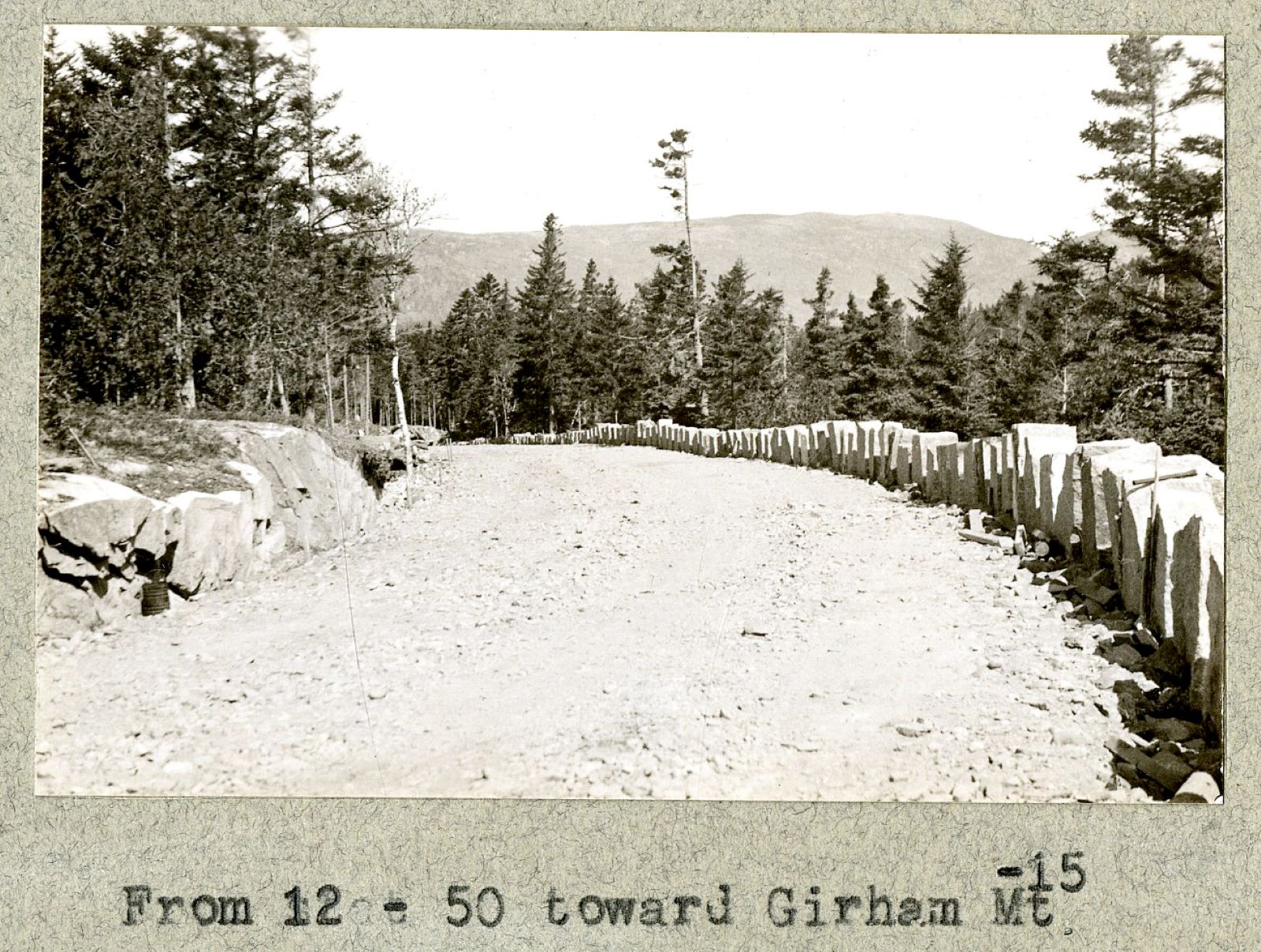
Acadia National Park: Carriage Roads, Cadillac Mountain & 2026 Guide
Discover carriage roads, Cadillac Mountain, and rugged Maine coast. Complete 2026 guide to Acadia National Park — trails, fees, lodging, permits, and what rangers recommend.
Hiking Guide
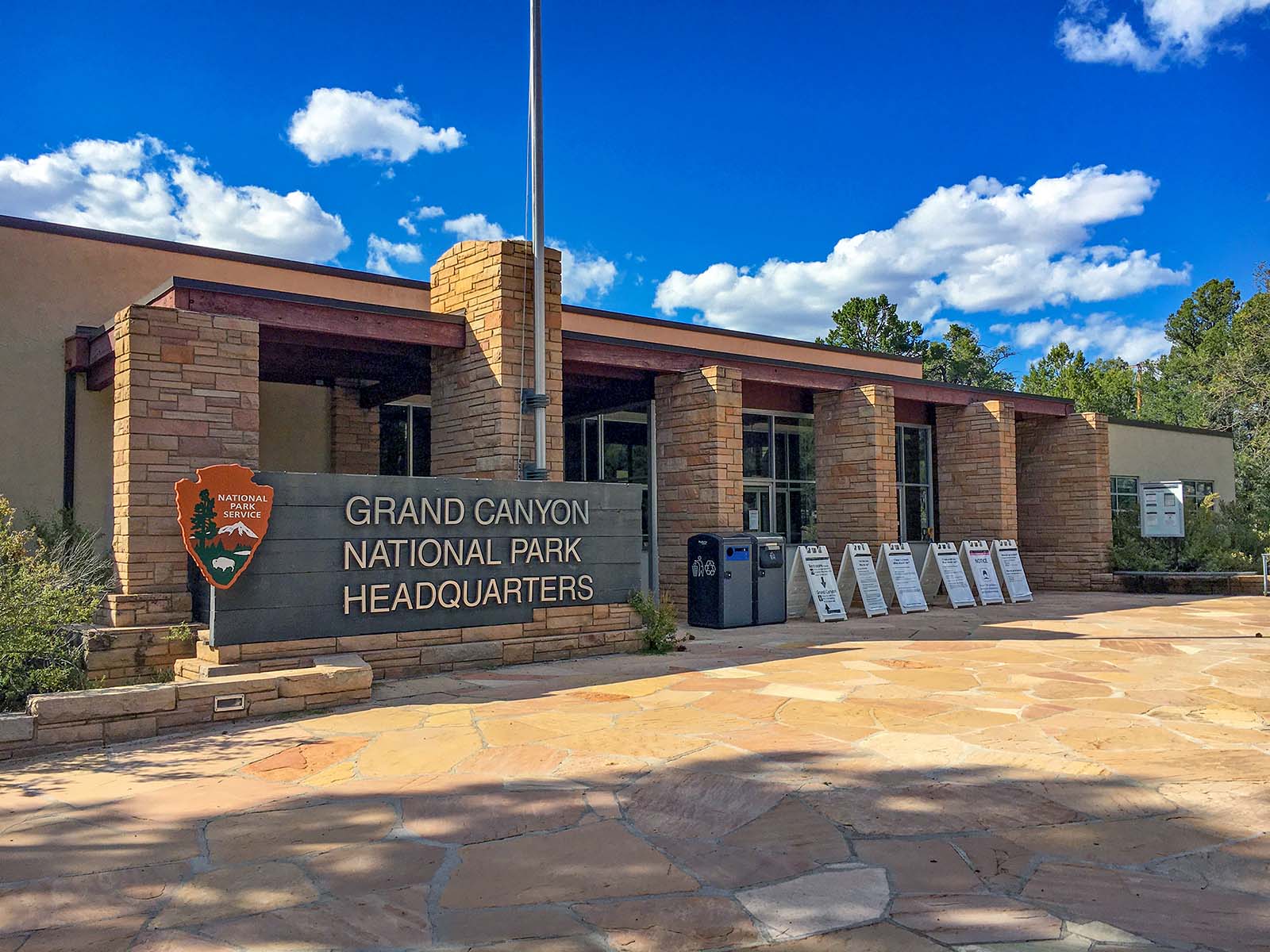
Grand Canyon Hiking Trails: Day Hikes, Water Sources & Rim to Rim
Compare Grand Canyon hiking trails: Bright Angel, South Kaibab, Hermit, Grandview, and rim to rim, with distances, elevation, water stops, and trailhead access for each.
Best Of
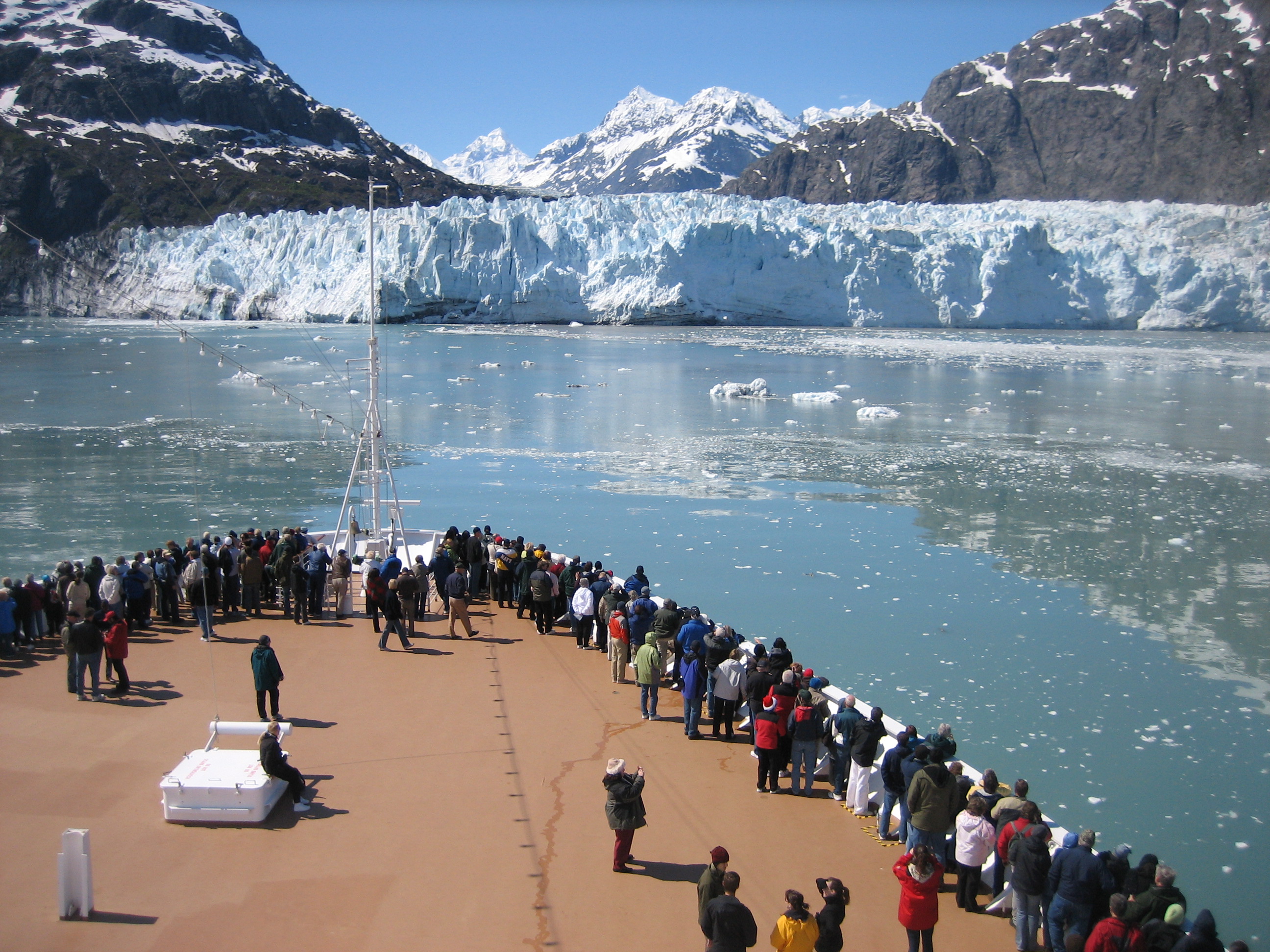
Best of Glacier Bay National Park
The best of Glacier Bay is reached by boat: ranger-led day tours up the bay to the tidewater glaciers. What's worth it, how to book, and when to go (2026).
Campsite Guide
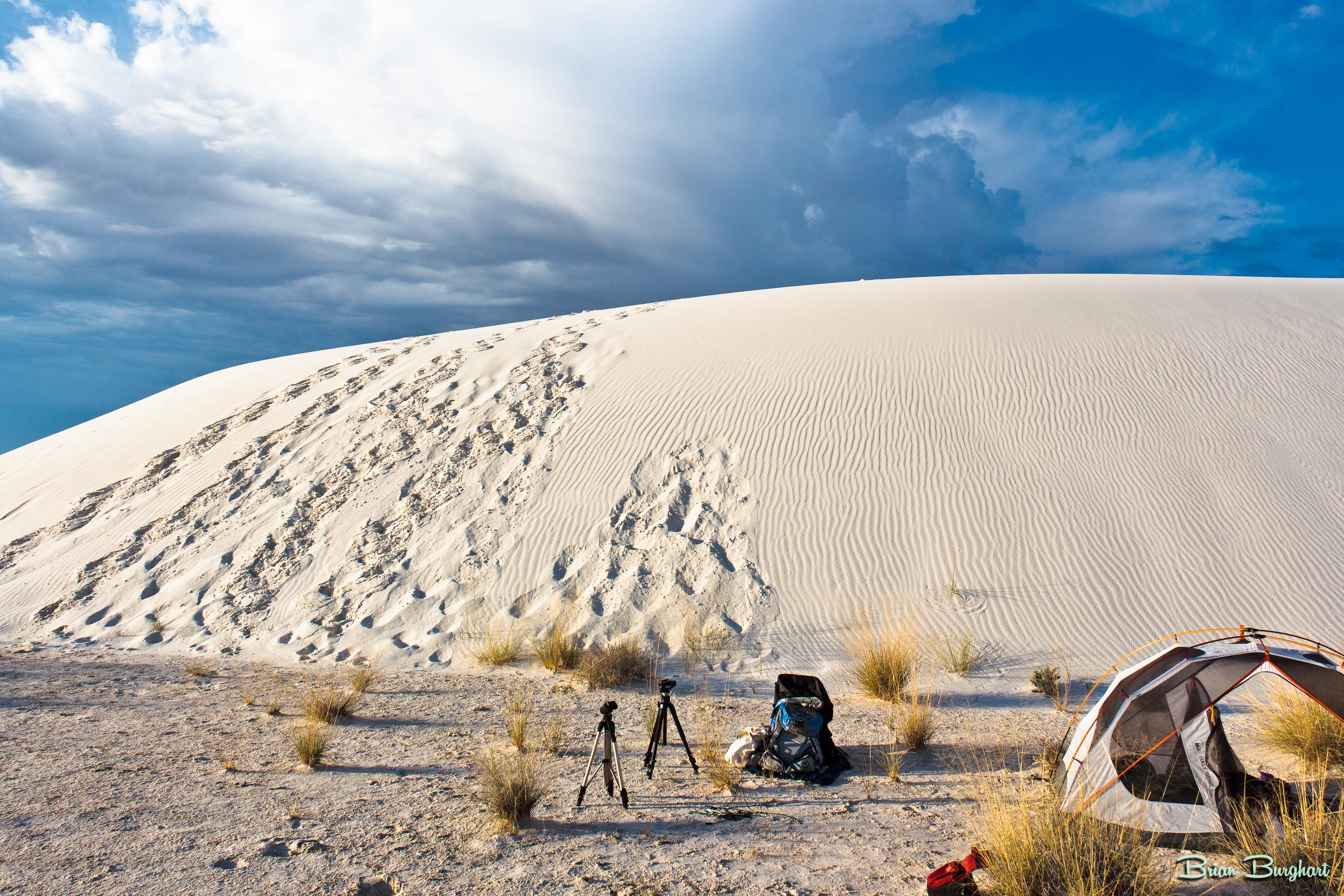
White Sands Backcountry Camping: Closed for 2026 — What to Know
As of 2026, backcountry camping at White Sands National Park is closed for site rehabilitation. What that means, and where to camp nearby instead.
Weather Guide
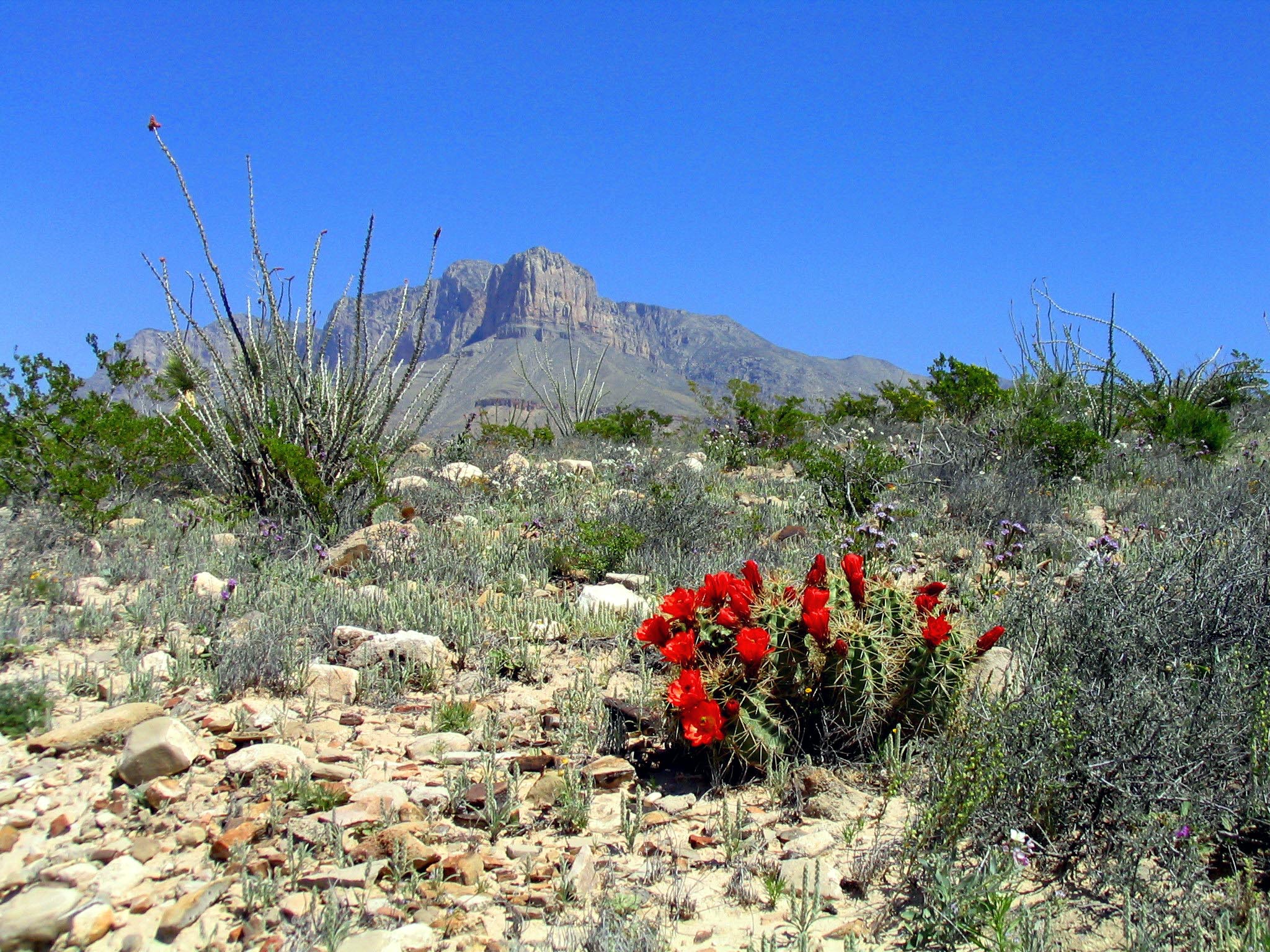
Guadalupe Mountains National Park Weather: Weather
Guadalupe Mountains National Park: weather guide guide updated 2026. Practical visitor information, reservations, and seasonal tips worth bookmarking before
Best Of
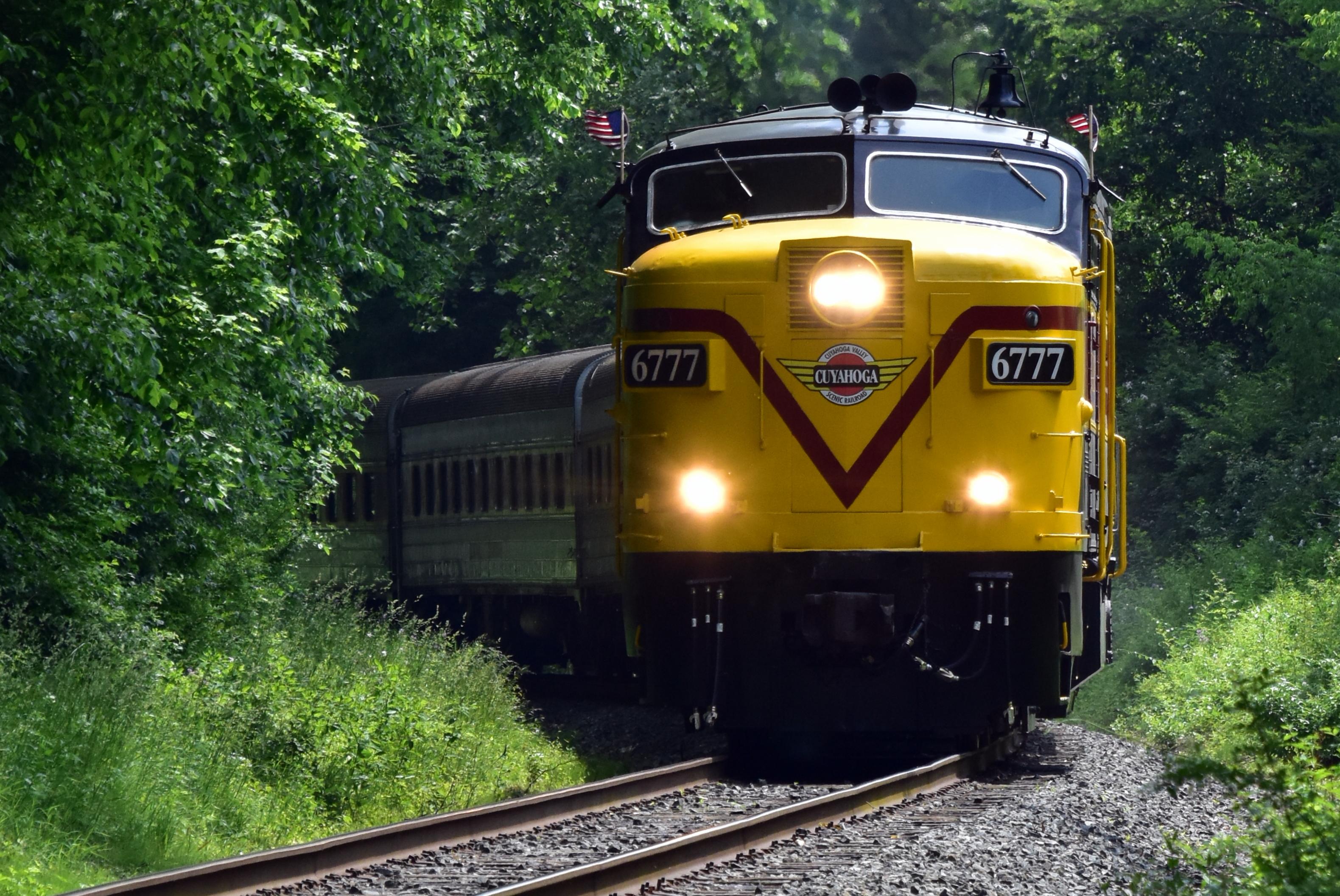
Best of Cuyahoga Valley National Park: Best Things to Do
Seeing a Cleveland Orchestra concert with the woods as your backdrop is a uniquely Cuyahoga Valley experience.
Sign in to join the conversation.
Sources & Attribution
Location data courtesy of the National Park Service (U.S. Department of the Interior). NPS data is public domain. Official NPS page.
Images: NPS; NPS; NPS; NPS; NPS.
Map data © OpenStreetMap contributors.
Park operations alerts: NPS.gov · Weather and weather hazards: National Weather Service · Live conditions.
Information may change. Always verify fees, hours, and conditions directly with the official source before visiting.
Did this guide help? Share it with a friend.