For more, see complete visitor guide.
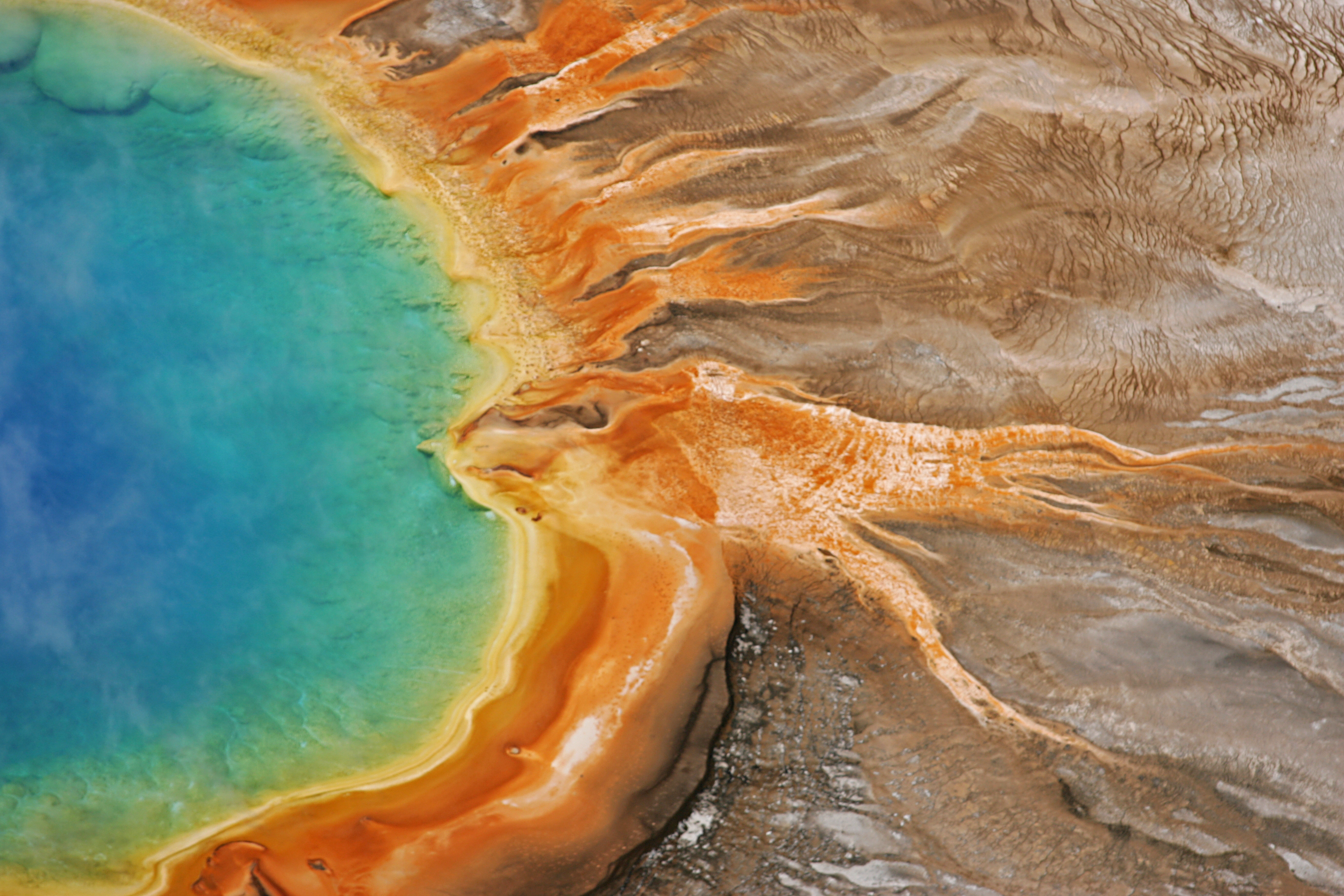
NPS via NPS.gov (Public Domain)
Yellowstone Trail Elk Photo
8 min read
Wildlife Guide
The Mammoth Hot Springs area is unique for its resident elk herd, often seen right in the historic district (keep your distance).
This article contains affiliate links — we may earn a small commission at no extra cost to you.
Hayden Valley at dawn holds a particular chill, even in July. That cold settles the mist over the Yellowstone River and sharpens the sound of a distant bugle—a high-pitched whistle dropping into deep grunts. That's your cue. An elk is announcing himself. With the right light and a steady hand, you can capture the quintessential Yellowstone elk photo. But that shot demands more than luck. It requires knowing where to be, when to be there, and how to move without entering the drama.
The Signature Species
Yellowstone is defined by its megafauna. The park protects the largest concentration of mammals in the lower 48, but two species command the landscape: the American bison and the gray wolf. Seeing a bison here isn't like seeing one on a farm; it's watching a Pleistocene relic move through a steam-shrouded valley, a creature that dictates traffic patterns and demands a wide berth. The wolves, reintroduced in 1995, have reshaped the entire ecosystem, and spotting them is a masterclass in patience and optics.
Most visitors miss the timing. Midday in July, with roads packed, is when wildlife rests in the timber. The animals are still there—thousands of them—but you won't spot them from your car at 2 PM. Your window is dawn and dusk. The hour after sunrise and the hour before sunset bring meadows alive with grazers and predators on the move. This holds true year-round, but it's non-negotiable in summer. For navigating the park's vast terrain, our complete visitor guide offers detailed guidance.
Bison: Complete Viewing Guide
American Bison
They are not buffalo. Rangers will remind you of this. They are bison, and Yellowstone is the only place in the U.S. where they have lived continuously since prehistoric times.
- Where they concentrate: They gravitate to the park's major river valleys where grasses are nutrient-rich. Hayden Valley and Lamar Valley are the most reliable. In summer, look for large herds in the grasslands between Fishing Bridge and Canyon. In winter, they migrate to lower-elevation geothermal areas like Mammoth Hot Springs, where snow cover is less deep.
- Best time of day: Early morning and late evening. They often move to water at dawn and dust.
- Best season: Late spring (May-June) for calves; fall (September-October) for the rut, when bulls bellow and spar.
- What behavior to look for: Grazing appears peaceful, but watch for tail position. A tail held straight up is a clear warning sign of agitation. During the rut, listen for deep, guttural bellows and watch for dust clouds as bulls charge each other.
- How to distinguish from similar species: Unmistakable. Massive shoulder hump, deep brown coat, and curved black horns.
- Safety distance and regulations: Stay at least 25 yards (23 meters) away. They can run three times faster than a human and are unpredictable. Every year, visitors are gored because they underestimated this distance.

Elk: Complete Viewing Guide
Rocky Mountain Elk
The bugling of a bull elk in autumn is Yellowstone's signature sound. Your goal for a Yellowstone trail elk photo is often centered on this behavior.
- Where they concentrate: Different herds use different areas. The Mammoth Hot Springs area is famous for its resident herd that often grazes on the lawns near the historic buildings. In summer, elk move to higher meadows. Look along the Gibbon River meadows, in Lamar Valley, and in the open areas around Norris. In fall, bulls gather harems in clearings throughout the park.
- Best time of day: Dawn and dusk for feeding activity. Bugling peaks at dawn during the September rut.
- Best season: Fall (September-October) for the rut and bugling. Early summer (June) for spotting spotted elk calves.
- What behavior to look for: Cows and calves grazing in meadows. Bulls during the rut will bugle, thrash vegetation with their antlers, and herd groups of cows. They are extremely aggressive and focused during this time.
- How to distinguish from similar species: Larger than deer, with a pale tan rump patch. Bulls have large, branching antlers (shed each winter). Cows are antlerless.
- Safety distance and regulations: Stay at least 25 yards away. During the fall rut, bulls are territorial and dangerous. Give them even more space. Never get between a bull and his harem.
Gray Wolf: Complete Viewing Guide
Gray Wolf
Seeing a wolf is a privilege, not a guarantee. It requires effort and optics.
- Where they concentrate: The Lamar Valley in the park's northeast corner is the world's most famous wolf-watching destination. The Northern Range, along the road from Mammoth to Cooke City, is prime territory. Specific packs den in viewable locations from spring through early summer.
- Best time of day: The first two hours of light. This is when they are most often active before bedding down for the day.
- Best season: Late winter through early spring (February-April) for breeding season and denning activity, when they are more vocal and visible. Early morning in any season offers the best chance.
- What behavior to look for: Use spotting scopes. Look for ravens circling or gathering on a hillside - they often lead to a wolf kill. Watch for milling behavior or groups traveling along a ridge line.
- How to distinguish from similar species: Larger than coyotes, with longer legs, bigger paws, and a blockier muzzle. They often carry their tail straight out or slightly raised when trotting, unlike a coyote's downward tail.
- Safety distance and regulations: Stay at least 100 yards away. Never approach a den site. Use binoculars or a spotting scope. Rangers and wolf researchers in Lamar Valley are often willing to share viewing tips if you approach respectfully.

Additional Key Species
Grizzly Bear
Sightings are unpredictable but most common in spring and early summer.
- Where: Open meadows in Hayden and Lamar Valleys, berry patches in late summer, and along rivers during the cutthroat trout spawn.
- Best time: Dawn and dusk.
- Safety: Stay at least 100 yards away. Carry bear spray, know how to use it, and hike in groups making noise.
Moose
Solitary and found in wetter areas.
- Where: Willow flats along the Lewis River, near Fishing Bridge, and in the Willow Park area between Norris and Mammoth.
- Best time: Early morning.
- Note: Less common than in decades past; a sighting is a special event.
Pronghorn
Often overlooked, they are the fastest land mammal in North America.
- Where: The sagebrush flats of Lamar Valley and near the North Entrance.
- Best time: Daytime, as they are primarily visual feeders.
- Distinguishing feature: White rump patch and unique, branched horns.
Coyote
Frequently seen and heard.
- Where: Any open meadow or roadside, often hunting rodents.
- Best time: Any time, but often at dawn/dusk.
- Behavior: Listen for their yipping howls at dusk. They are often mistaken for wolves from a distance.
Wildlife by Season
Spring (April-May): This is the season of rebirth and emergence. Bison and elk calves appear in late May. Grizzly bears are active in lower valleys, grazing on new green vegetation. Wolves are often at den sites and more visible. Migratory birds return.
Summer (June-August): Wildlife disperses. Elk move to higher elevations, bears follow food sources to berry patches and army cutworm moth sites, and bison herds are widespread. Dawn and dusk viewing is critical, as animals avoid the midday heat. This is the peak time for guided tours and guided experiences focused on wildlife.
Fall (September-October): The most dramatic wildlife season. The elk rut peaks in September, with constant bugling. Bison rut follows in July-August. Bears enter hyperphagia, eating constantly, and are very active. Bull moose are in rut. Animals begin moving from high country back to winter ranges.
Winter (November-March): A stark, beautiful landscape. Bison congregate in massive herds in geothermal areas. Wolves are easier to spot against the snow and are more active during daylight hours. Elk and bison struggle in deep snow, making them vulnerable to predators - and more visible to observers on guided snowcoach tours.

Where Wildlife Concentrates
Experienced visitors know the "serengeti of the north" is not a metaphor. The road through the Lamar Valley is a 30-mile-long wildlife transect at dawn. Park at the Picnic Area pullouts and use a scope. Hayden Valley, between Fishing Bridge and Canyon, offers similar open vistas for bison, grizzlies, and coyotes, with the Yellowstone River as a backdrop.
The Mammoth Hot Springs area is unique for its resident elk herd, often seen right in the historic district (keep your distance). The Gibbon River meadows between Norris and Madison are reliable for elk, especially in the evening. For a chance to combine wildlife with a walk, the Cascade Lake Trail is known for meadows where wildlife is often seen, but remember you are in bear country.
Most first-timers drive the main loops and see crowds. The key is to pick one valley, arrive an hour before sunrise with a thermos of coffee, and stay put. The animals reveal themselves to those who wait.
Ethical Viewing and Safety
The park's regulations are not suggestions. They are the result of injuries, fatalities, and disrupted animal behavior.
- Distance Rules: 25 yards from bison, elk, and all other large animals. 100 yards from bears and wolves. If your presence changes an animal's behavior - if it stops feeding, looks up, or moves away - you are too close.
- Never feed wildlife. It's illegal and leads to aggressive behavior and eventual death for the animal.
- Use pullouts. Never stop in the middle of the road. Use designated pullouts completely off the roadway.
- Stay in your vehicle when viewing animals near the road. It acts as a blind and is often your safest option.
- Bear spray is a non-negotiable item if you plan on any of the park's hiking trails. Know how to deploy it before you need it.
- Rangers will ticket you for approaching wildlife. They have zero tolerance because the stakes are so high.

Practical Takeaways
- Dawn is non-negotiable. Set your alarm. Your best chance for a Yellowstone trail elk photo or any significant sighting is in the first two hours of light.
- Bring optics. A decent pair of binoculars (10x42) is the minimum. For wolves and distant bears, a spotting scope (tripod-mounted) is what the serious watchers use.
- Pick a valley and stay put. Don't wildlife-spot while driving. Choose Lamar or Hayden Valley, find a pullout with a view, and observe for at least an hour.
- Respect the distance rules. Use your zoom lens, not your feet. 25 yards is about the length of two school buses.
- Dress for all weather. As of 2026, summer daytime highs can hit 70°F, but dawn temperatures will be in the 30s or 40s, and a storm can drop temperatures 20 degrees in minutes. Layers are essential.
- Check road status. Spring plowing and construction cause closures. Before you plan a dawn trip to Lamar Valley, verify the road from Mammoth is open.
- Your vehicle is your best blind. For roadside viewing, stay inside. It's safer for you and less disruptive to the animals you're trying to observe.
Sources
- Official source: NPS — Yellowstone National Park nps.gov/yell/index.htm
Photo Gallery
More to Explore
Park Guide
Acadia National Park: Carriage Roads, Cadillac Mountain & 2026 Guide
Discover carriage roads, Cadillac Mountain, and rugged Maine coast. Complete 2026 guide to Acadia National Park — trails, fees, lodging, permits, and what rangers recommend.
Hiking Guide
Grand Canyon Hiking Trails: Day Hikes, Water Sources & Rim to Rim
Compare Grand Canyon hiking trails: Bright Angel, South Kaibab, Hermit, Grandview, and rim to rim, with distances, elevation, water stops, and trailhead access for each.
Best Of
Best of Glacier Bay National Park
The best of Glacier Bay is reached by boat: ranger-led day tours up the bay to the tidewater glaciers. What's worth it, how to book, and when to go (2026).
Campsite Guide
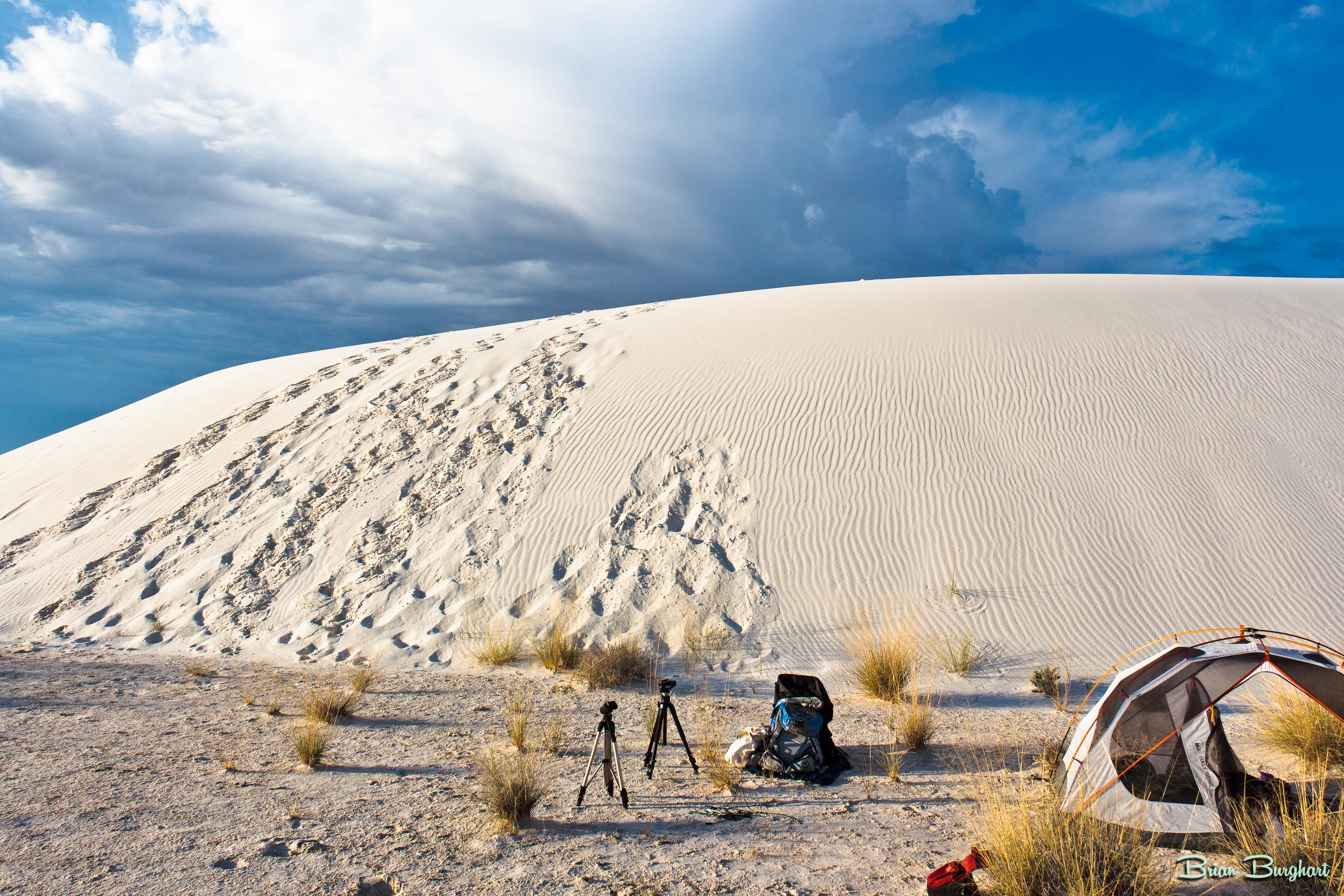
White Sands Backcountry Camping: Closed for 2026 — What to Know
As of 2026, backcountry camping at White Sands National Park is closed for site rehabilitation. What that means, and where to camp nearby instead.
Weather Guide
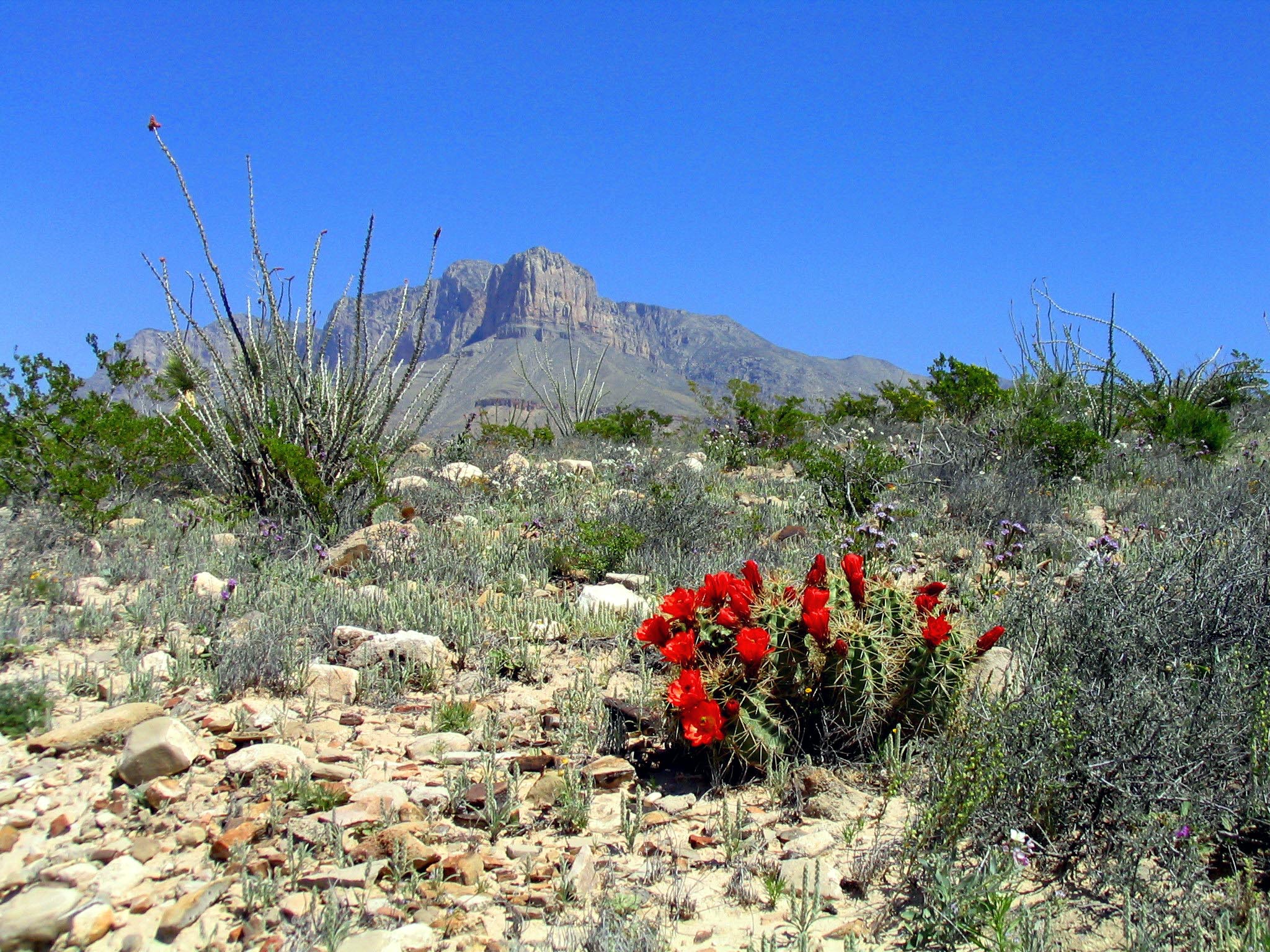
Guadalupe Mountains National Park Weather: Weather
Guadalupe Mountains National Park: weather guide guide updated 2026. Practical visitor information, reservations, and seasonal tips worth bookmarking before
Best Of
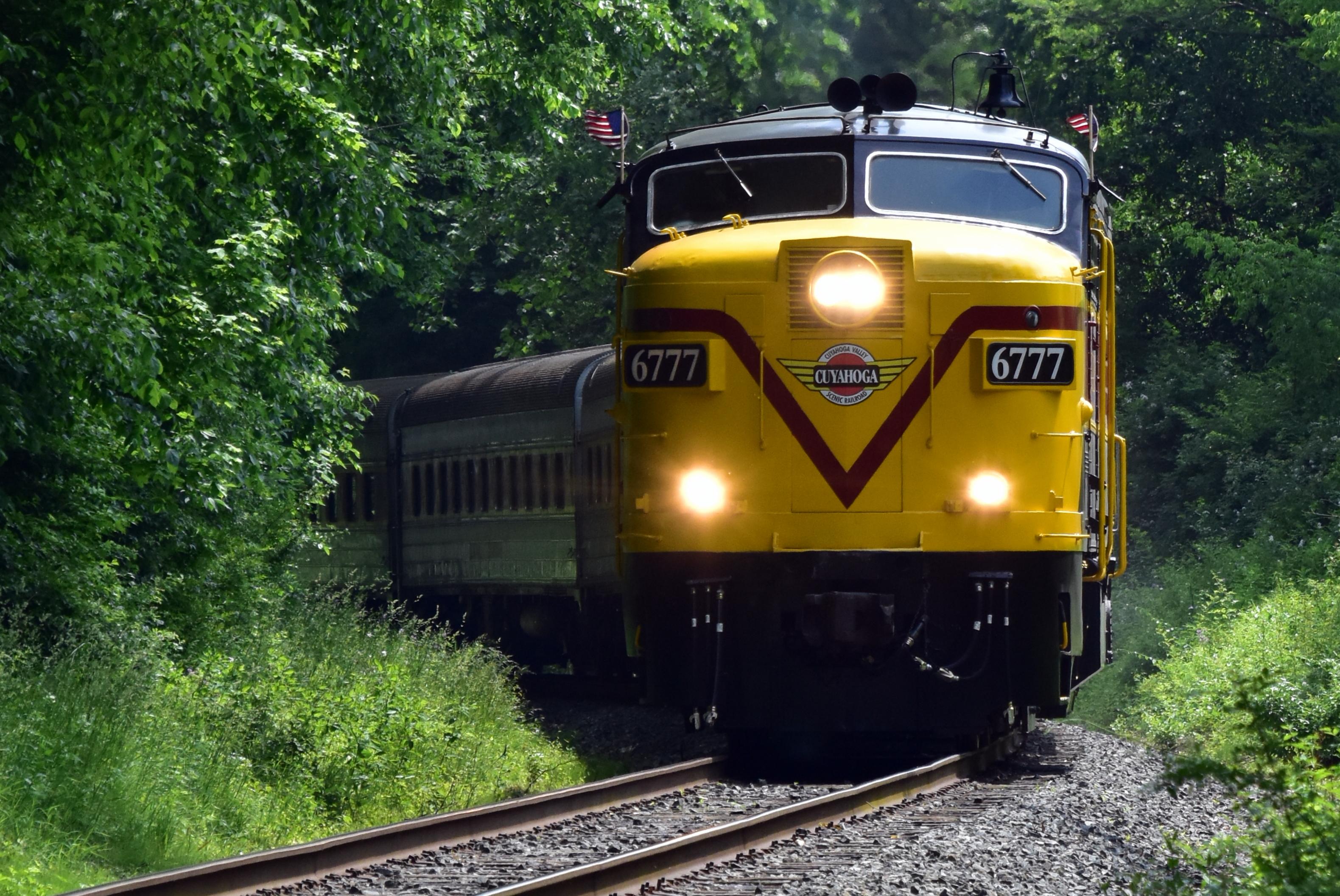
Best of Cuyahoga Valley National Park: Best Things to Do
Seeing a Cleveland Orchestra concert with the woods as your backdrop is a uniquely Cuyahoga Valley experience.
Sign in to join the conversation.
Sources & Attribution
Location data courtesy of the National Park Service (U.S. Department of the Interior). NPS data is public domain. Official NPS page.
Images: NPS; NPS; NPS; NPS; NPS.
Map data © OpenStreetMap contributors.
Park operations alerts: NPS.gov · Weather and weather hazards: National Weather Service · Live conditions.
Information may change. Always verify fees, hours, and conditions directly with the official source before visiting.
Did this guide help? Share it with a friend.