The gravel roads open later than the paved loop - typically the second week of May, sometimes late April in a dry year. Check conditions before you plan your trip, because these routes are the first to close for weather and the last to reopen in spring.
Yellowstone National Park Scenic Drives: Yellowstone Jeep Trails
6 min read
Scenic Drives
Yellowstone's unpaved roads - the routes that actually earn the "jeep trail" description - cover roughly 40 miles across three distinct routes.
The Drive at a Glance
Yellowstone's unpaved roads - the routes that actually earn the "jeep trail" description - cover roughly 40 miles across three distinct routes. None require four-wheel drive in dry conditions, but high clearance helps on the rougher sections.
Total distance with stops: Plan for 3-4 hours if you do all three routes, longer if you stop for wildlife or photography.
One-way vs two-way: Firehole Lake Drive and Blacktail Plateau Drive are one-way. Old Gardiner Road is one-way southbound. Pay attention to the directional signs; these are narrow roads with no turnaround spots.
Road surface: Hard-packed gravel and dirt. Firehole Lake Drive is well-graded. Blacktail Plateau Drive gets washboarded by July. Old Gardiner Road has loose gravel on the switchbacks.
Seasonal opening: These roads open later than the paved Grand Loop. Late April to mid-May is typical, but snow can push opening into June. The park's complete visitor guide lists current road status.
Best direction: Drive Firehole Lake Drive in the afternoon when the sun angle lights up the thermal features. Take Blacktail Plateau Drive in the morning for wildlife. Old Gardiner Road is best as a southbound exit route from Mammoth.
Stop by Stop
Firehole Lake Drive - Great Fountain Geyser Pullout
This is the main reason to take this 3-mile gravel loop. Great Fountain Geyser erupts every 9-15 hours, reaching 100-200 feet. The boardwalk here gives you a close view of the geyser cone and the surrounding runoff channels.
What most visitors miss: the small hot springs terrace 200 feet south of the main geyser. It has better color in the afternoon light - deep orange and green bacterial mats that photograph well without crowds.
From this overlook you can see the Firehole River cutting through the meadow below. The contrast between the white geyser deposits and the green river corridor is strong in late afternoon.
Best time of day: 3-5 PM for light angle on the thermal features. If you want to catch an eruption, check the prediction board at the visitor center before you head out.
Plan for 20-30 minutes here. The eruption itself lasts about an hour, but you don't need to stay for the whole thing.
Firehole Lake Drive - White Dome Geyser
This is the second stop on the one-way loop. White Dome is a cone geyser that erupts every 15-30 minutes, reaching 10-20 feet. The cone itself is about 12 feet tall - one of the larger geyser cones in the park.
Parking is limited to about 6 vehicles. The pullout fills by 10 AM in July and August. Early morning is your best bet for a parking spot, but the light isn't ideal for photos at that hour.
The trail narrows here past the main viewing area. You can follow a short path to see the runoff channels where the hot water has deposited silica over decades.
Blacktail Plateau Drive - The Meadow Section
This 8-mile one-way gravel road runs from the Blacktail Plateau to the Mammoth area. The middle section opens into a large meadow where bison herds graze through summer. On a typical July morning you'll see 50-100 bison scattered across the grass.
From this overlook you can see the Gallatin Range to the west and the Absaroka Range to the east. The meadow sits at about 7,000 feet elevation. The road surface here is the roughest section - washboard gravel that shakes your vehicle at any speed above 15 mph.
Pack extra water for this stretch. There are no services, no water, and no bathrooms once you leave the paved road. Cell service drops out at the junction with the Grand Loop Road and doesn't return until you're within a mile of Mammoth.
Rangers will tell you this is one of the best drives in the park for wolf sightings in early morning. The wolves tend to move through the meadow edges at dawn. Bring binoculars.
Old Gardiner Road - The Switchbacks
This 5-mile one-way gravel road runs from Gardiner to Mammoth. It parallels the paved route but gives you a different perspective on the Gardner River canyon. The road drops about 800 feet over its length, with tight switchbacks about two miles in.
The parking situation here is straightforward - you start at the Gardiner entrance and drive south. No pullouts to speak of, but you can stop briefly at the switchback turnout for a view of the river below.
Most visitors underestimate how dusty this road gets by August. A dry summer turns the surface into fine powder that coats everything inside your vehicle. Close your windows before you enter.
Timing and Crowds
These unpaved routes operate on a different schedule than the paved park roads.
Opening dates (as of 2026): Firehole Lake Drive and Blacktail Plateau Drive typically open the second Friday in May. Old Gardiner Road opens with the rest of the park - early May to mid-May depending on conditions. The park service posts road status updates daily at 8 AM on their road conditions page.
Crowd patterns: The gravel roads draw about 20% of the traffic the paved loop sees. Tour buses avoid these routes entirely - they're too narrow. That means your main competition for parking is rental SUVs and pickup trucks.
Best time of day: Blacktail Plateau Drive before 9 AM for wildlife. Firehole Lake Drive between 3-5 PM for thermal feature photography. Old Gardiner Road is fine any time of day, but afternoon sun creates glare off the Gardner River that makes photography difficult.
Worst time of day: 11 AM to 2 PM on any route. The sun is overhead and flat, washes out colors, and the gravel dust shows up in every photo.
Driving Logistics
Parking: Firehole Lake Drive has 8 pullouts total, each holding 4-8 vehicles. Blacktail Plateau Drive has 5 pullouts. Old Gardiner Road has 3 informal pullouts. None have designated RV parking, though smaller RVs can fit at the main pullouts.
No shuttle service runs on any of these gravel routes. You drive your own vehicle.
Gas availability: The closest gas stations are at the Fishing Bridge General Store (near the east entrance) and in West Yellowstone. Mammoth also has gas. Do not start any of these gravel routes below a quarter tank - the distances add up quickly and you burn more fuel on gravel roads.
Cell service: Dead on all three routes. Firehole Lake Drive has spotty service right at the main pullout for Great Fountain Geyser, but nowhere else. Blacktail Plateau Drive has zero service for its entire 8-mile length.
RV restrictions: Vehicles over 25 feet are not recommended on any of these routes. The switchbacks on Old Gardiner Road are tight, and Blacktail Plateau Drive has several sections where two RVs cannot pass each other. The park service officially recommends against trailers over 20 feet on unpaved roads.
Vehicle recommendations: A standard sedan can handle all three routes in dry conditions. After rain, high clearance is helpful. Firehole Lake Drive stays well-graded. Blacktail Plateau Drive develops potholes by August.
Practical Takeaways
- Start early - these roads see their worst crowding between 10 AM and 2 PM. Being on the road by 7 AM (Blacktail) or 3 PM (Firehole) puts you ahead of the rush.
- Check road status the morning of your drive at the park's road conditions page or at any visitor center. Gravel roads close quickly after rain.
- Bring water and snacks - no services exist on any of these routes. The closest bathroom is at the trailhead pullout for Blacktail Plateau Drive (a vault toilet).
- Drive slowly on Blacktail Plateau Drive. The washboard surface damages tires at speeds above 20 mph and creates dust clouds that blind oncoming traffic.
- Have your yellowstone national park map handy - these routes connect to the Grand Loop at specific junctions and it's easy to miss the turn.
- Morning light works best for wildlife on Blacktail Plateau Drive. Afternoon light works best for thermal features on Firehole Lake Drive. Plan your day around which priority matters more to you.
- If you're visiting in late spring (May), call ahead - these roads can stay closed until June in heavy snow years. The best time to visit guide explains the seasonal patterns in detail.
The gravel routes are worth the extra dust and slower speed. They give you what the paved loop doesn't - space, quiet, and the sense that you're seeing the park the way people did before the park service paved the main road.
Sources
- Official source: National Park Service nps.gov/yell/planyourvisit/maps.htm
- Official source: NPS — Yellowstone National Park nps.gov/yell/index.htm
More to Explore
Park Guide
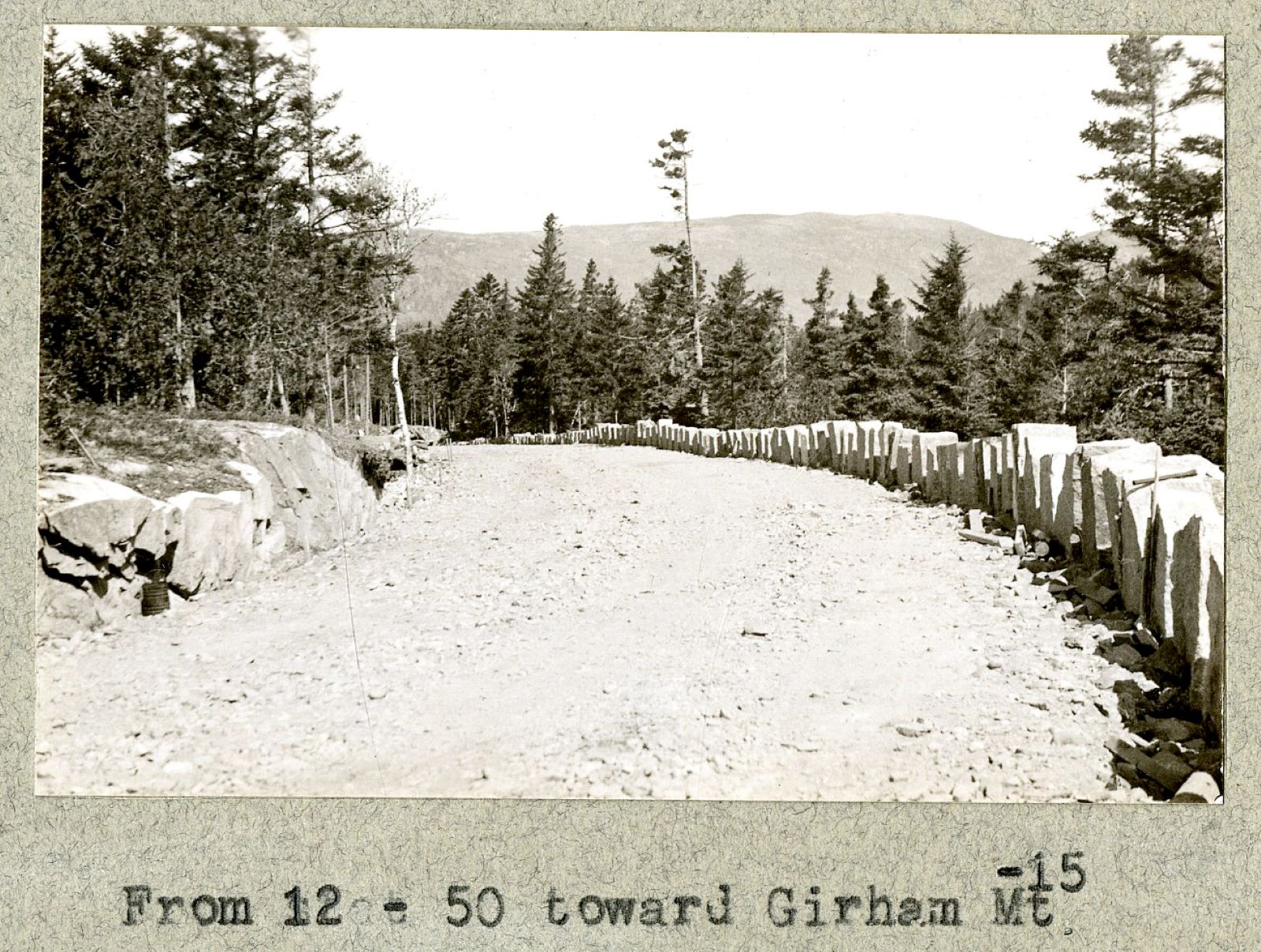
Acadia National Park: Carriage Roads, Cadillac Mountain & 2026 Guide
Discover carriage roads, Cadillac Mountain, and rugged Maine coast. Complete 2026 guide to Acadia National Park — trails, fees, lodging, permits, and what rangers recommend.
Hiking Guide
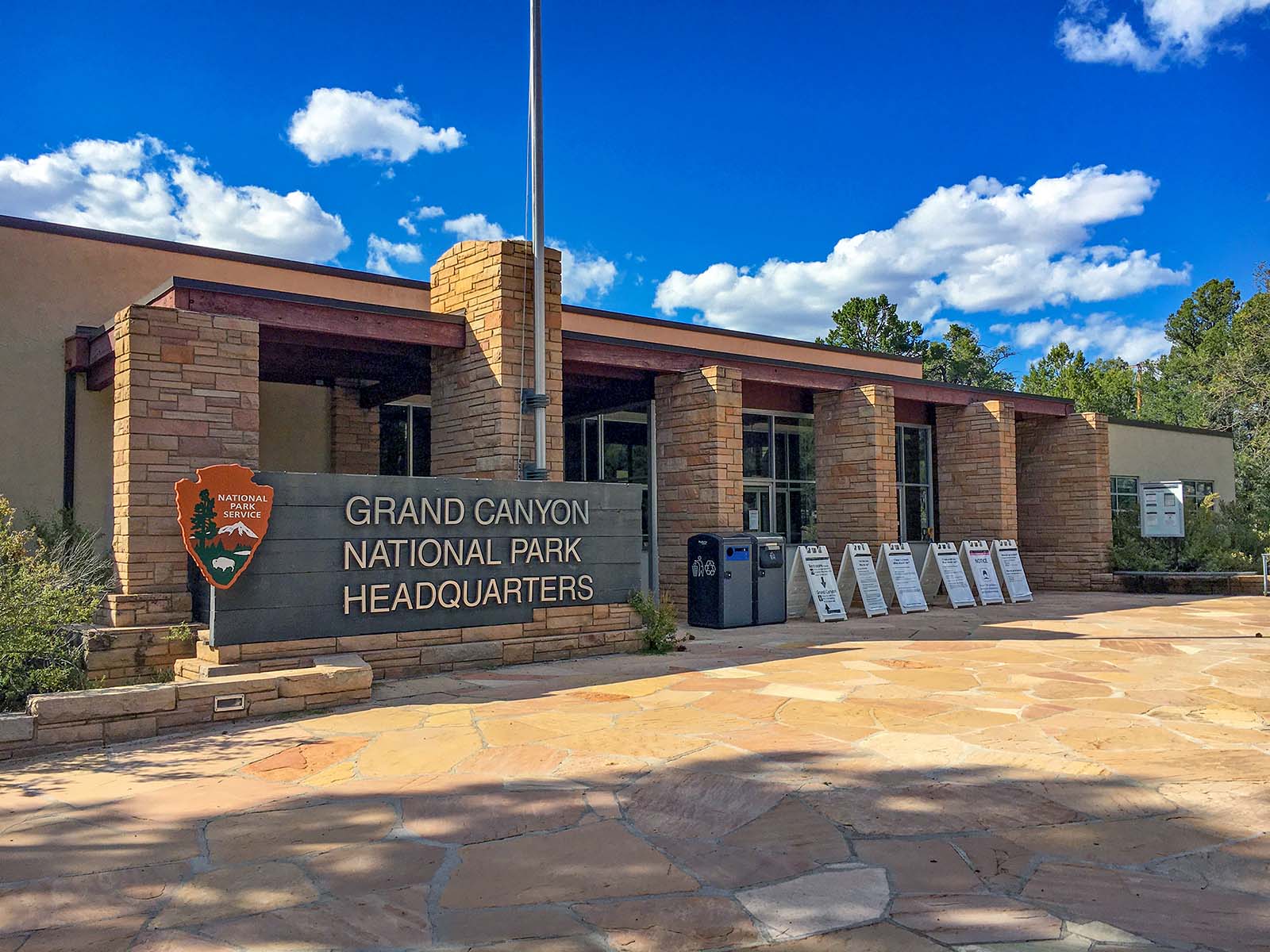
Grand Canyon Hiking Trails: Day Hikes, Water Sources & Rim to Rim
Compare Grand Canyon hiking trails: Bright Angel, South Kaibab, Hermit, Grandview, and rim to rim, with distances, elevation, water stops, and trailhead access for each.
Best Of
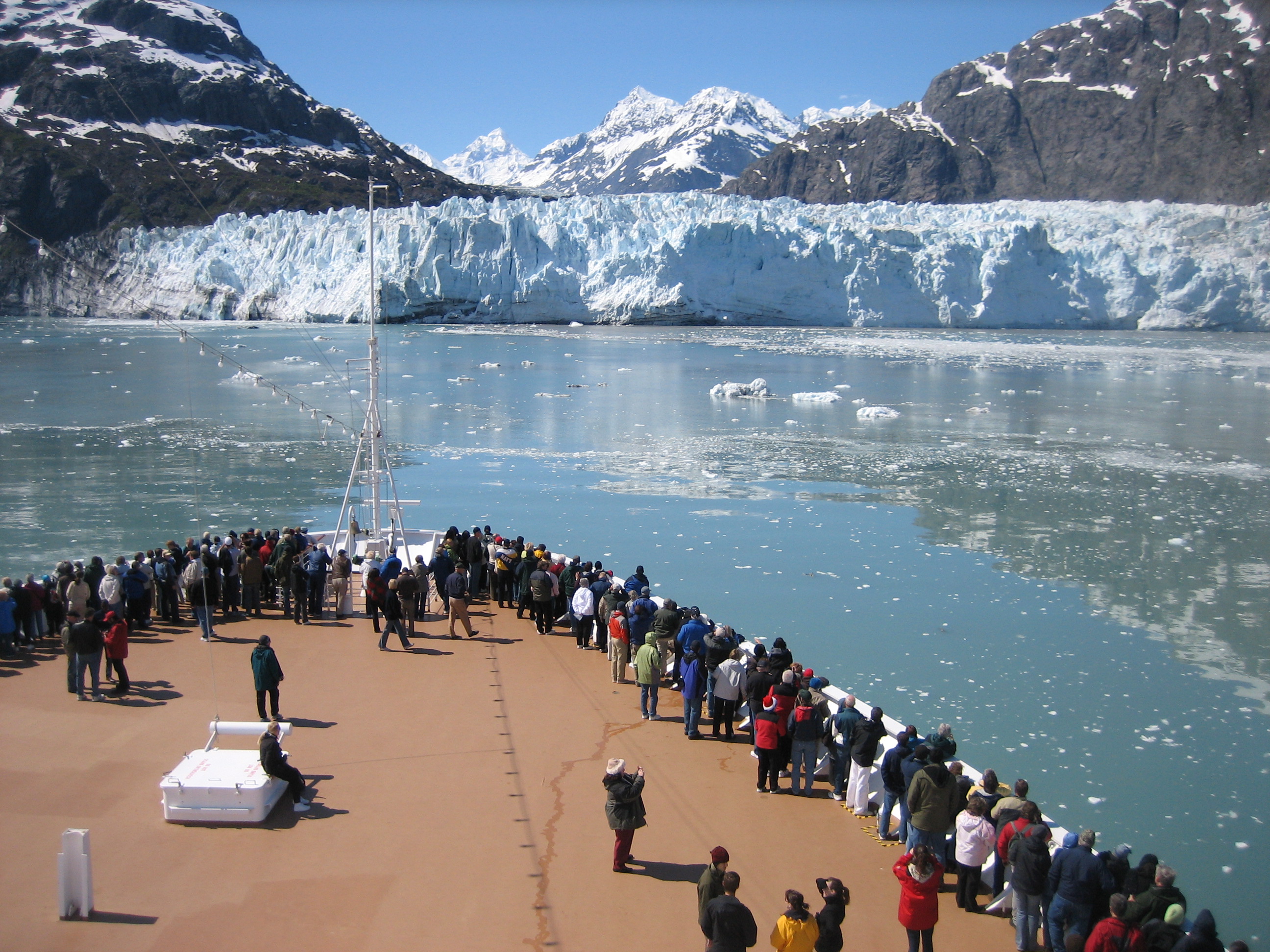
Best of Glacier Bay National Park
The best of Glacier Bay is reached by boat: ranger-led day tours up the bay to the tidewater glaciers. What's worth it, how to book, and when to go (2026).
Campsite Guide
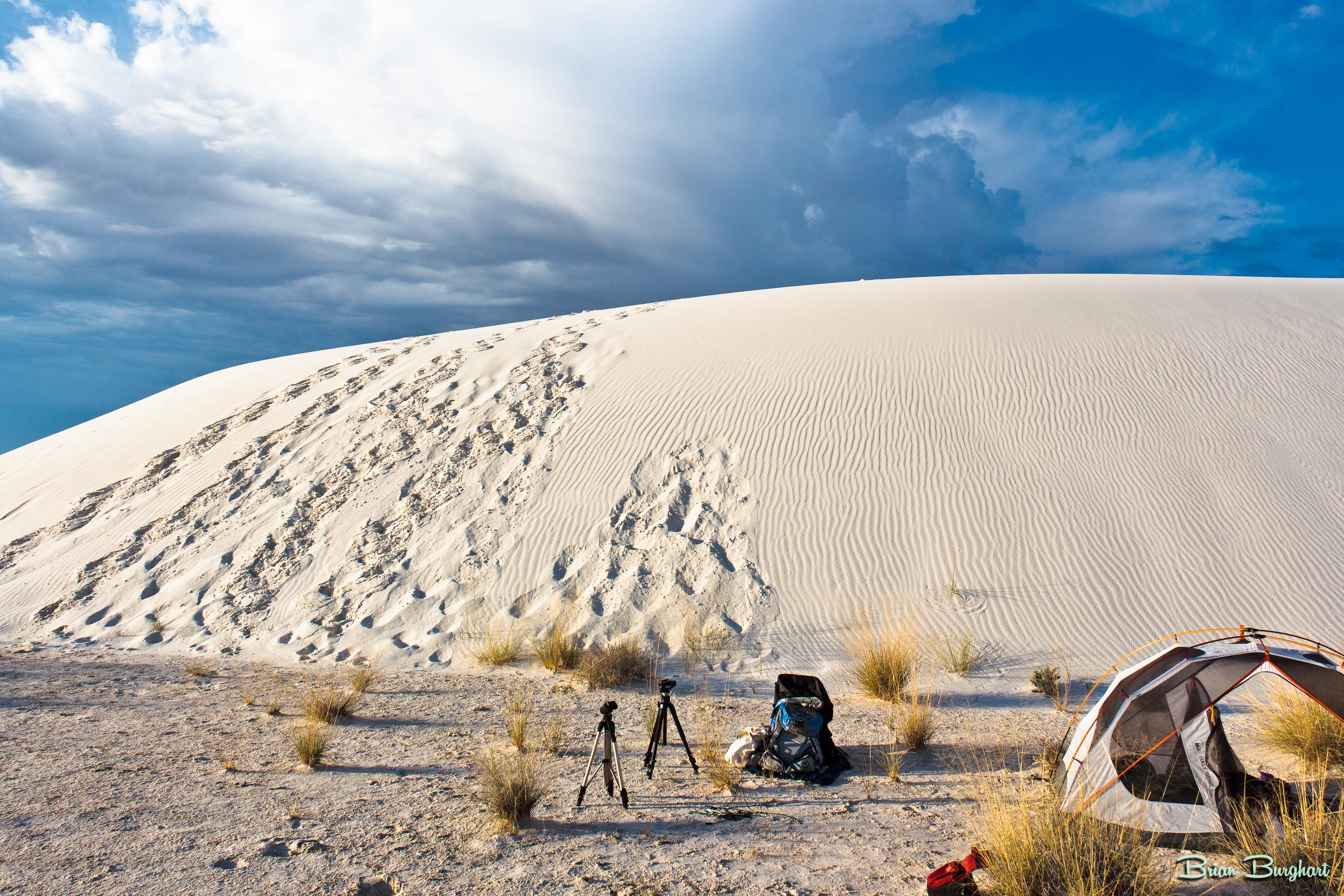
White Sands Backcountry Camping: Closed for 2026 — What to Know
As of 2026, backcountry camping at White Sands National Park is closed for site rehabilitation. What that means, and where to camp nearby instead.
Weather Guide
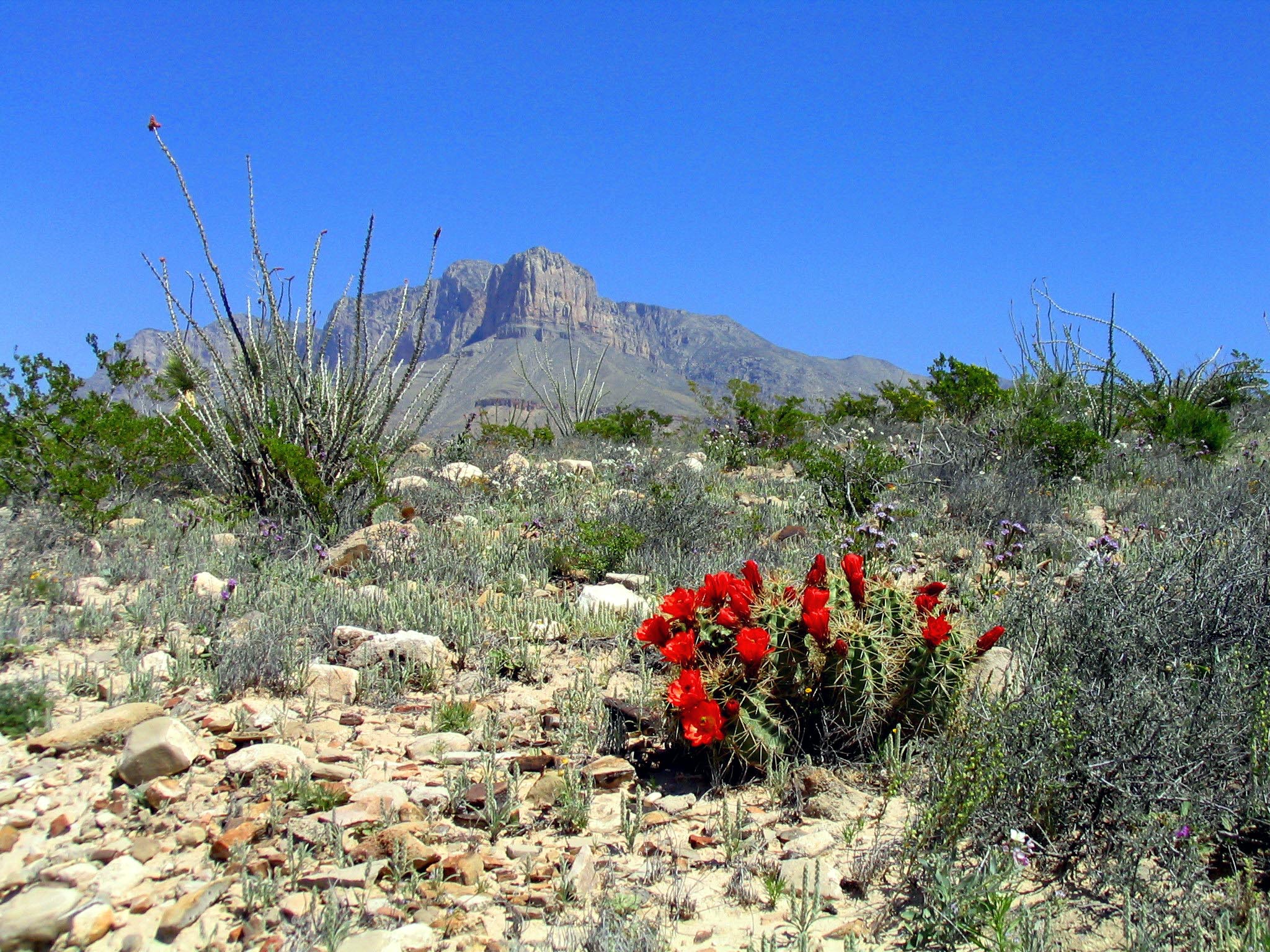
Guadalupe Mountains National Park Weather: Weather
Guadalupe Mountains National Park: weather guide guide updated 2026. Practical visitor information, reservations, and seasonal tips worth bookmarking before
Best Of
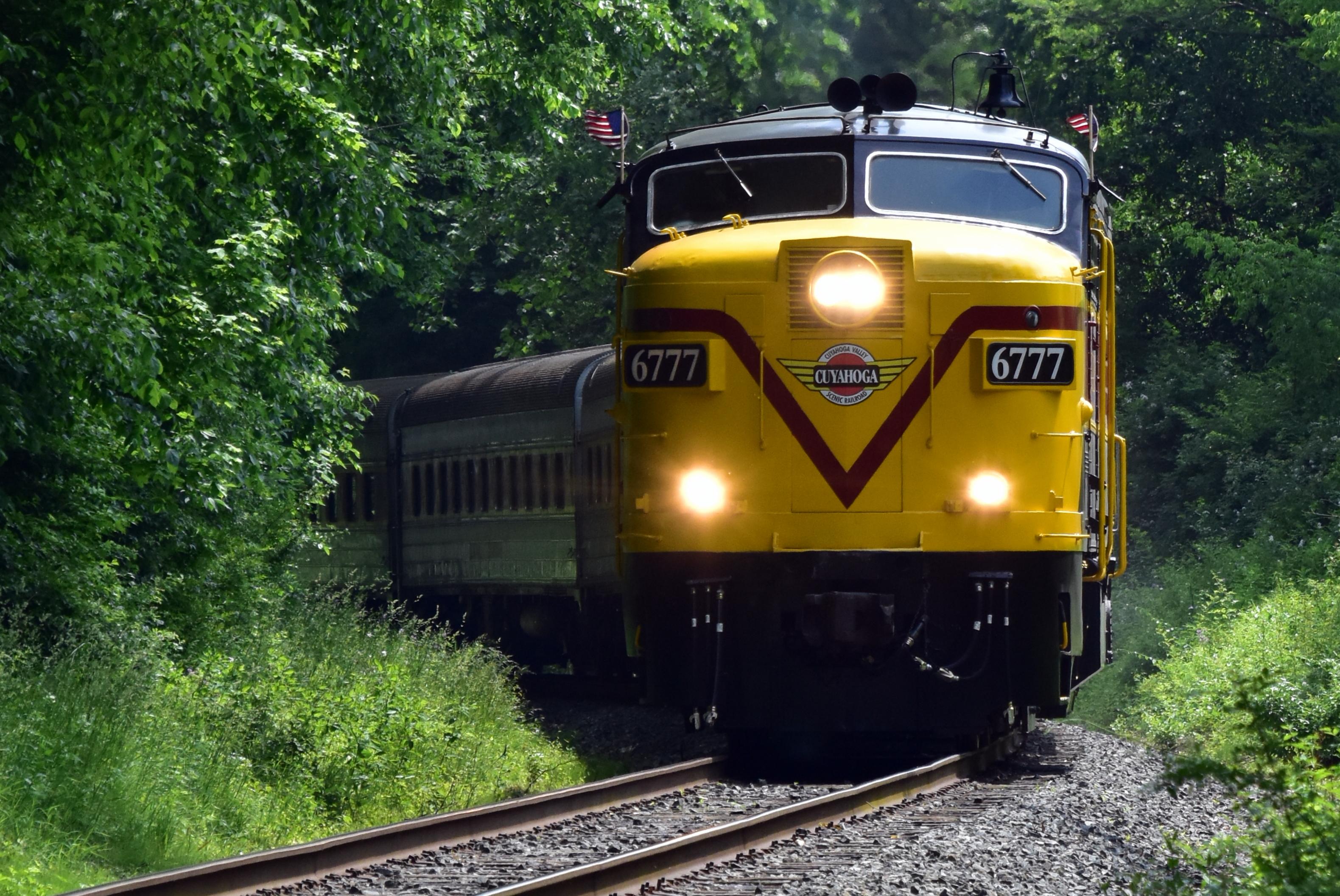
Best of Cuyahoga Valley National Park: Best Things to Do
Seeing a Cleveland Orchestra concert with the woods as your backdrop is a uniquely Cuyahoga Valley experience.
Sign in to join the conversation.
Sources & Attribution
Location data courtesy of the National Park Service (U.S. Department of the Interior). NPS data is public domain.
Map data © OpenStreetMap contributors.
Park operations alerts: NPS.gov · Weather and weather hazards: National Weather Service · Live conditions.
Information may change. Always verify fees, hours, and conditions directly with the official source before visiting.
Did this guide help? Share it with a friend.