Glacier Bay National Park: Where Glaciers Meet the Sea - 2026 Visitor Guide
Glacier Bay National Park: Tidewater Glaciers & Southeast Alaska - 2026 Guide
9 min read
Park Guide
The 4-mile Forest Loop Trail connects the lodge, campground, and visitor center. To go anywhere beyond the cove, you need a boat or plane.
Your plans
This article contains affiliate links — we may earn a small commission at no extra cost to you.
At a glance
58.6658, -136.9000
Google MapsSecure your boat tour or flightseeing trip first—that's the foundational step for Glacier Bay. This isn't a park you drive into; it's 3.3 million acres of tidewater glaciers, fjords, and rugged Alaskan coastline accessible solely by air or sea. Your entire visit depends on arranging passage across those waters or through those skies. Many first-timers underestimate the logistics, which resemble planning an expedition more than a typical park trip. The reward comes when you stand on a boat deck and watch a four-hundred-foot wall of blue ice calve into the sea with a thunderous crack—a moment that captures the essence of this remote wilderness.
The common mistake is underestimating the scale. The bay itself is over 65 miles long, and the glaciers at its head are retreating up to a mile per year, constantly rewriting the map. This isn't a park of roadside turnouts; it's a place where the landscape is the main event, witnessed from the water or the air. Rangers will tell you that the silence, broken only by the groan of shifting ice and the blow of a humpback whale, is what stays with people. The logistics are a hurdle, but they're the filter that keeps the crowds thin and the wilderness feeling absolute.
The Lay of the Land
The park divides into three practical zones: the gateway, the bay, and the backcountry. Your visit depends on which zone you can reach.
The gateway consists of Gustavus, a community of about 500 people, and the park headquarters at Bartlett Cove. This is the sole land-based, drive-up access point in the park. All facilities—the lodge, campground, and visitor center—are concentrated along a narrow stretch of coastline. Gustavus's "road system" amounts to a handful of paved lanes, serving as a basecamp for day trips into the bay.
The bay itself is the second layer. This is the marine highway dominated by the daily tour boat that runs from Bartlett Cove to the Grand Pacific and Margerie Glaciers at the head of Tarr Inlet. This 8-hour, 130-mile round trip is how 95% of visitors see the park's iconic glaciers. Private kayaks, charter boats, and cruise ships also travel these waters, but the park-run tour is the consistent, scheduled access point. The water is cold, deep, and often choppy; the weather shifts from glassy calm to driving rain in minutes.
The third layer is the vast backcountry, which includes the remote outer coast, the glacier-carved inlets, and the mountainous interior. Access here is strictly by plane, boat drop-off, or multi-day kayak expedition. There are no trails connecting Bartlett Cove to the rest of the park. A flightseeing tour from Gustavus or nearby Hoonah is the only way to grasp the full topography - seeing the icefields that feed the tidewater glaciers and the sheer scale of the Fairweather Range, which includes some of the highest coastal mountains in the world.
Planning Your Visit
Planning begins with the calendar, as the operational window is brief. The primary visitor season spans from late May to early September. During this time, the Glacier Bay Lodge in Bartlett Cove, the tour boat, and most park services are active. Outside these months, services in Gustavus dwindle, and the park's remoteness intensifies.
As of 2026, there is no entrance fee to visit Glacier Bay National Park. You read that correctly. The park does not charge the standard per-vehicle or per-person fee that most national parks do. Your costs are entirely tied to transportation (ferry, flight, cruise), tours, and lodging.
The critical permit is for the Bartlett Cove Campground, the park's only drive-in campground. It's free, but it operates on a first-come, first-served system with a mandatory orientation at the visitor center. For backcountry camping anywhere in the park, you must obtain a free backcountry permit. These are also issued in person at the Bartlett Cove Visitor Center and are subject to quotas, particularly for popular kayak routes. Rangers emphasize that planning a backcountry trip requires serious self-sufficiency and knowledge of tides, weather, and bear safety.
Reservations for the park's tour boat and for rooms at the Glacier Bay Lodge open months in advance and sell out quickly, especially for July and August. Experienced visitors know to secure these the day reservations open, then build the rest of their trip around those dates.
Getting There & Getting Around
This is the core of how to get to Glacier Bay National Park. You have two realistic options: fly or sail.
By Air: This is the fastest method. Alaska Airlines and smaller regional carriers offer daily jet service from Seattle or Juneau to Gustavus Airport (GST). The flight from Juneau takes about 30 minutes and offers staggering views. From the Gustavus airport, it's a 10-minute drive to the park headquarters at Bartlett Cove; the lodge operates a shuttle, and a few taxis are available. Flightseeing tours for park overflights typically depart from Juneau or the nearby community of Hoonah.
By Sea: The Alaska Marine Highway System (the state ferry) runs a weekly summer service from Juneau to Gustavus. The voyage takes about 4.5 hours. This is a more affordable and scenic route, but the schedule is infrequent and vehicles require advance reservation. Major cruise lines also include Glacier Bay as a port-of-call, but they typically only spend a day cruising the bay without docking in Gustavus, meaning those passengers do not set foot in the park proper.
Getting Around Inside the Park: Within Bartlett Cove, you can walk or bike. The 4-mile Forest Loop Trail connects the lodge, campground, and visitor center. To go anywhere beyond the cove, you need a boat or plane. There is no road network. The tour boat is your primary transit into the bay. For independent travel, you must arrange a water taxi from Gustavus or a charter flight for drop-offs. Cell service in Gustavus is spotty and drops out entirely once you're on the water in the park. Inform someone of your plans.
What to Do
Activities here are defined by the marine environment. Passive viewing from a boat deck is just as valid - and often as rewarding - as active exploration.
Marine Tours & Scenic Cruises: The park's daily tour boat is the centerpiece activity. It's part transportation, part naturalist program, and your best bet for seeing whales, sea otters, puffins, and calving glaciers. Rangers on board provide commentary and context you can't get elsewhere. For a more intimate experience, smaller guided kayak tours launch from Bartlett Cove for day trips, while multi-day kayak expeditions explore the West Arm. Flightseeing tours from Gustavus or Juneau provide the jaw-dropping, top-down view of the icefields and are the only way to appreciate the park's full geography.
Hiking: Don't expect a vast trail network. Hiking in Glacier Bay National Park is concentrated around Bartlett Cove. The trails here, like the Forest Loop and the Bartlett River Trail, are gentle paths through temperate rainforest leading to quiet beaches. They offer excellent opportunities for birding and the chance to spot bears or moose along the shoreline. These are your land-based legs after a day on the water.
Ranger Programs & Visitor Centers: The Bartlett Cove Visitor Center is your essential first stop for permits, weather forecasts, and orientation. Evening ranger programs at the lodge auditorium cover topics from glacier science to Tlingit cultural history. The nearby Huna Tribal House, a traditional structure, represents the deep cultural heritage of the Tlingit people, for whom these waters have been home for millennia.
Fishing & Boating: Saltwater fishing for halibut and salmon is a major draw, but requires a private or charter boat. The park has strict regulations, especially regarding discharges from vessels, to protect the pristine marine environment.
For detailed planning, our dedicated guides cover hiking trails, tours and guided experiences, and wildlife viewing.
Where to Stay
Options are limited and in high demand, which simplifies - and complicates - your choices.
Inside the park, the Glacier Bay Lodge in Bartlett Cove is the only hotel. It's a rustic, timber-framed building with simple rooms and a massive window looking out over the cove. The lodge operates seasonally and books up almost immediately when reservations open. Its location is unbeatable for catching the early morning tour boat.
The Bartlett Cove Campground is a free, walk-in campground a half-mile from the lodge. It has 33 sites, bear-proof food lockers, and a communal shelter. It's first-come, first-served, with a required orientation. The sound of waves and humpback whales blowing in the cove is your nightly soundtrack.
Most visitors seeking more variety or different price points stay in Gustavus at one of several inns, lodges, or bed-and-breakfasts. These are often family-run operations that will arrange transportation and activities. A few wilderness lodges, accessible only by floatplane, operate in remote parts of the park, offering all-inclusive packages for fishing or kayaking.
For a complete breakdown of your options, see our guide to lodging and accommodations and camping options.
Seasonal Guide
The park's rhythm is dictated by ice, weather, and daylight.
Late May to June: The season begins. Days are long (18+ hours of daylight), temperatures are cool (40s to 50s °F), and snow still lingers at higher elevations. This is a quieter time with fewer visitors. Whale sightings increase as humpbacks return to feed. Mosquitoes emerge in earnest by late June.
July to Mid-August: Peak season. Weather is most stable, with highs in the 60s, though rain is always a possibility. This is the warmest period, with abundant wildlife activity - whales, sea lions, puffins, and shorebirds. It's also the busiest; the tour boat is full, and lodging is booked solid. The fog can be thick, especially in the morning.
Late August to Early September: A favorite of seasoned guides. Crowds diminish, the air turns crisper, and the first fall colors appear in the alpine tundra. Weather becomes more volatile, with a higher chance of storms, but the dramatic skies can make for incredible photography. Services begin to wind down after Labor Day.
October to April: The park is accessible only to the self-sufficient. The lodge and tour boat are closed. Gustavus has minimal services. Access is by occasional ferry or flight. This is the realm of hardcore kayakers, researchers, and those seeking profound solitude amidst winter storms. It is not for casual visitation.
For a deeper dive on weather patterns, read our best time to visit guide.
Practical Takeaways
- Secure core transit first. Book your tour boat passage or flightseeing tour before your flights and lodging. These are the capacity-limiting items.
- Pack for a maritime climate. Waterproof layers are non-negotiable. Bring rain pants, a waterproof jacket, warm hats, and gloves even in July. Cotton jeans are a liability.
- Manage motion expectations. The waters of Icy Strait and the bay can be rough. If you're prone to seasickness, take medication preventatively before the tour boat departs.
- Binoculars are your most important gear. Wildlife - whales, bears on shore, mountain goats on cliffs - is often distant. A good pair of binoculars turns a speck into an experience.
- The gift shop is your last-chance outfitter. Once you leave Gustavus, there are no stores. Stock up on any forgotten essentials, especially sunscreen and insect repellent, before heading to Bartlett Cove.
- Embrace the silence. When the tour boat cuts its engines in front of a glacier, listen. The creaks and groans of the ice, the drip of meltwater, the crack before a calving event - these are the park' real sounds.
- Respect the Tlingit homeland. Glacier Bay is a living cultural landscape. Visit the Huna Tribal House, attend a cultural talk, and understand you are a guest in a place with millennia of human history.
- Have a weather contingency plan. Flights and boats get delayed or canceled due to fog, wind, or low clouds. Build a flexible day into your itinerary, especially for your departure.
- Bear awareness is constant. Both brown and black bears frequent the Bartlett Cove area. Use the provided food lockers at the campground, hike in groups, make noise on trails, and carry bear spray (which can be rented in Gustavus).
- Lower your internet expectations. Connectivity in Gustavus is slow and unreliable. In the park, it's nonexistent. Tell your office you'll be offline, download maps and reading material in advance, and plan to truly disconnect.
Final Thoughts
Glacier Bay National Park is for the traveler who understands that the journey is part of the destination. It asks for more planning, more flexibility, and a higher tolerance for logistical complexity than your average national park. It doesn't offer the instant gratification of a roadside panorama. What it gives back is a sense of scale that can reset your perspective. You'll watch a glacier that has been flowing for centuries, see a whale that has traveled from Hawaii, and walk a shoreline that was under ice within your grandparents' lifetime. It's a place that demonstrates, quietly and powerfully, that the world is still vast, wild, and dynamically alive. Your effort to get there is the first step into that reality.
For more information, see our complete National Park Guide.
Recommended Gear
What experienced visitors bring to Glacier Bay National Park: Tidewater Glaciers & Southeast Alaska - 2026 Guide
Links may earn us a commission at no extra cost to you. We only recommend gear we believe in.
Hiking Essentials
Hydration Pack (3L)
Hands-free water for long trail days
Trekking Poles (Pair)
Save your knees on steep descents
Hiking Boots (Ankle Support)
Sturdy footwear for rocky, uneven trails
Sun & Heat Protection
Wide-Brim Sun Hat
Full coverage UPF 50+ protection at altitude
Insulated Water Bottle (32oz)
Keeps water cold in desert heat all day
Winter Gear
Microspikes / Traction Devices
Essential for icy rim trails in winter months
Packable Down Jacket
Lightweight warmth that stuffs into a pocket
Sources
- Official source: NPS — Glacier Bay National Park nps.gov/glba/index.htm
Explore More National Parks

Glacier National Park: Going-to-the-Sun Road & Complete 2026 Guide
Discover the Going-to-the-Sun Road and 700 miles of trails. Complete 2026 guide to Glacier National...

Yellowstone National Park: Geysers, Wildlife & Complete 2026 Visitor Guide
Complete guide to yellowstone national park on map. Everything you need to know, updated for 2026.

North Cascades National Park: America's Alps & Glacier Wilderness - 2026 Guide
Discover America's Alps — glacier wilderness and remote North Cascades. Complete 2026 guide to North...

Grand Teton National Park: Complete Guide (2026)
That abrupt, sky-scraping wall defines Grand Teton National Park. A straightforward hike to a beauti...
More to Explore
Park Guide
Acadia National Park: Carriage Roads, Cadillac Mountain & 2026 Guide
Discover carriage roads, Cadillac Mountain, and rugged Maine coast. Complete 2026 guide to Acadia National Park — trails, fees, lodging, permits, and what rangers recommend.
Hiking Guide
Grand Canyon Hiking Trails: Day Hikes, Water Sources & Rim to Rim
Compare Grand Canyon hiking trails: Bright Angel, South Kaibab, Hermit, Grandview, and rim to rim, with distances, elevation, water stops, and trailhead access for each.
Best Of
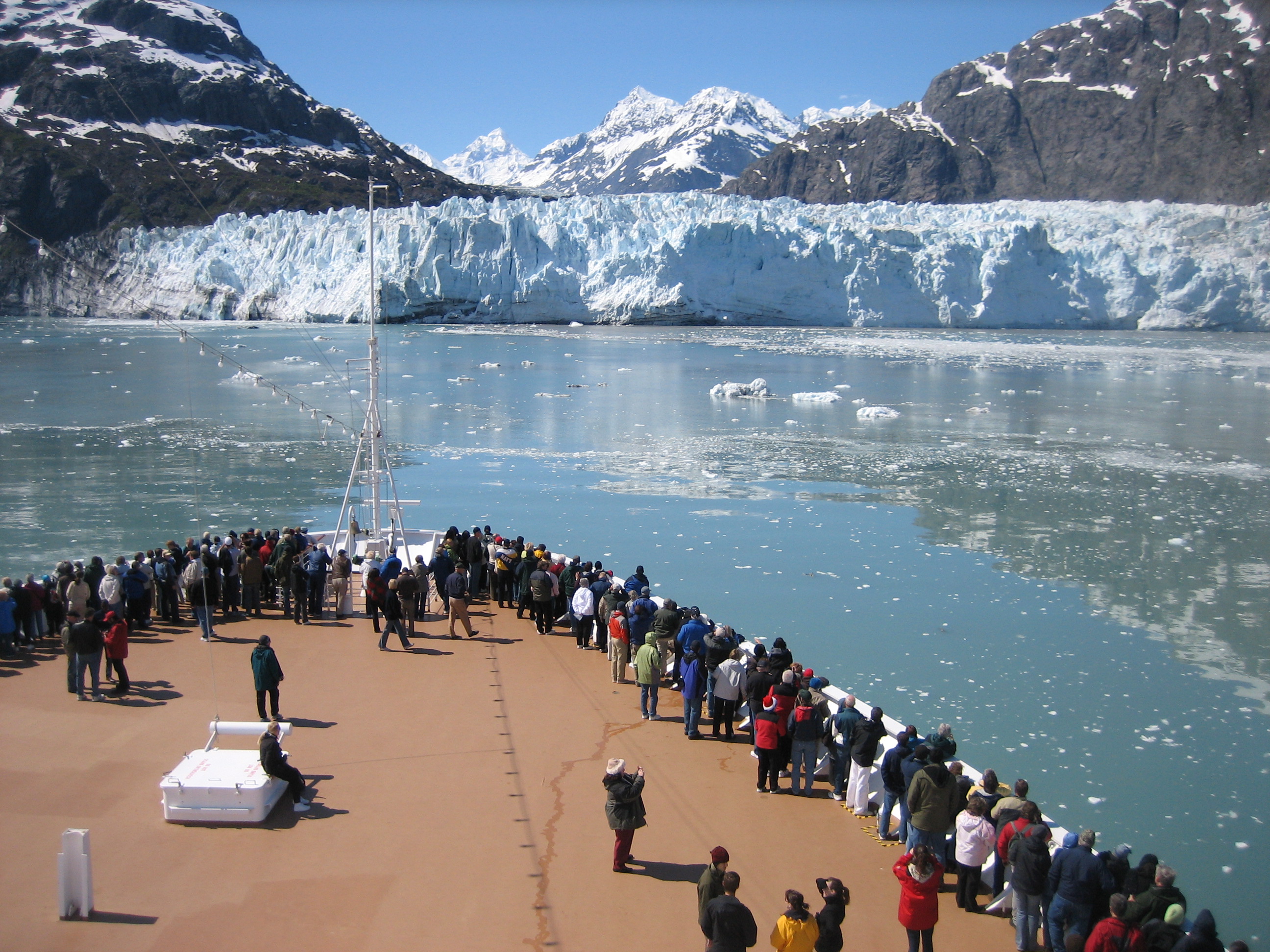
Best of Glacier Bay National Park
The best of Glacier Bay is reached by boat: ranger-led day tours up the bay to the tidewater glaciers. What's worth it, how to book, and when to go (2026).
Campsite Guide
White Sands Backcountry Camping: Closed for 2026 — What to Know
As of 2026, backcountry camping at White Sands National Park is closed for site rehabilitation. What that means, and where to camp nearby instead.
Weather Guide
Guadalupe Mountains National Park Weather: Weather
Guadalupe Mountains National Park: weather guide guide updated 2026. Practical visitor information, reservations, and seasonal tips worth bookmarking before
Best Of
Best of Cuyahoga Valley National Park: Best Things to Do
Seeing a Cleveland Orchestra concert with the woods as your backdrop is a uniquely Cuyahoga Valley experience.
Sign in to join the conversation.
Sources & Attribution
Location data courtesy of the National Park Service (U.S. Department of the Interior). NPS data is public domain.
Map data © OpenStreetMap contributors.
Park operations alerts: NPS.gov · Weather and weather hazards: National Weather Service · Live conditions.
Information may change. Always verify fees, hours, and conditions directly with the official source before visiting.
Did this guide help? Share it with a friend.