Glacier Bay National Park Weather: Weather (2026 Guide)
Glacier Bay National Park Weather
9 min read
Weather Guide
Glacier Bay National Park weather splits by side of the Continental Divide: wet Pacific west, dry Arctic east. Plan for two climates, even in July.
The single most important climatic truth about Glacier Bay National Park is that the weather you experience depends entirely on which side of the park you're on. The park's geography, straddling the Continental Divide, sets the stage for a daily clash of two very different climates. Warm, wet Pacific air moves in from the west, and cold, dry Arctic air flows from the northeast. They meet at the Divide, and which one wins dictates whether you're in a raincoat or a t-shirt. Most first-time visitors are caught off guard by how dramatically conditions can change between the West Glacier and St. Mary entrances, sometimes within a single afternoon drive over Logan Pass. Planning your visit around Glacier Bay National Park weather means planning for two separate environments.
The Weather Reality
Glacier's weather isn't just variable; it's extreme and localized. The official forecast for "Glacier National Park" is nearly useless. You need forecasts for West Glacier (Apgar) and St. Mary separately. The west side, influenced by Pacific moisture, is cooler, cloudier, and receives significantly more precipitation. The east side is drier, sunnier, and experiences greater temperature swings - hotter in summer, colder in winter.
The park's famous Going-to-the-Sun Road isn't just a scenic drive; it's a weather transect. Rangers will tell you it's common to start in rain at Lake McDonald, climb into fog and wind at Logan Pass, and descend into sunshine at St. Mary. This isn't an exception; it's the rule from June through September. The alpine environment above 6,000 feet creates its own microclimate where snow can fall any month of the year, and hypothermia is a genuine risk even on a July hike if you're caught unprepared.
Month by Month
Glacier's operational year breaks into three distinct phases: the shoulder season scramble, the short but intense summer window, and the long, quiet winter. Crowds correlate directly with road access.
May & June: The Thaw and The Wait
Temperatures range from highs of 50-65°F (10-18°C) to lows often at or below freezing. Snowmelt is the dominant force.
What's Open vs. Closed: This is the uncertain season. As of 2026, the Going-to-the-Sun Road is typically closed at Lake McDonald Lodge on the west and Rising Sun on the east. Plowing crews work toward Logan Pass, but the opening date varies yearly (historically from mid-June to early July). Lower elevation trails near Apgar and St. Mary may be open but muddy. Many park services, including shuttle buses and some campgrounds, don't start full operations until the road opens.
Crowd Level: Low to moderate, consisting of hardy visitors and locals avoiding summer peaks.
Wildlife & Trails: Bears are active. Lower valley trails are soggy, often with stream crossings running high from snowmelt. Wildflowers begin at lower elevations.
Worth Considering For: Solitude, roaring waterfalls, and watching the park wake up. You'll have viewpoints largely to yourself.
Challenging For: Hiking access. Most of the iconic high country trails remain snow-covered and hazardous.
July & August: The Brief, Busy Summer
Daytime highs can reach 70-80°F (21-27°C) on the east side, but are often 10-15 degrees cooler on the west side and at higher elevations. Nighttime temps routinely drop into the 40s (4-9°C). Afternoon thunderstorms are frequent, especially in July.
What's Open vs. Closed: This is the full operational window, assuming the Going-to-the-Sun Road is open (usually early July to mid-October). All visitor centers, campgrounds, lodges, and shuttle systems run. Parking at popular trailheads like Logan Pass, Avalanche, and Many Glacier fills by 8 AM.
Crowd Level: High to extreme. July and August see the vast majority of the park's annual visitors.
Wildlife & Trails: All trails are generally passable, though some high passes may hold snowfields into August. Mountain goats and bighorn sheep are commonly seen near Logan Pass. Berries ripen in late August, increasing bear activity.
Worth Considering For: Guaranteed access to the entire park, wildflower displays in alpine meadows (peak in late July), and long daylight hours.
Challenging For: Finding parking, securing last-minute lodging or camping, and experiencing quiet. Afternoon storms can disrupt hiking plans.
September & October: The Golden Shoulder
September days are crisp, with highs of 55-65°F (13-18°C) and nights dipping into the 30s (0-4°C). October brings freezing nights and daytime highs that may not break 50°F (10°C). The first significant snows can dust the peaks any time.
What's Open vs. Closed: The Going-to-the-Sun Road usually closes for the season in mid-to-late October, with sections closing earlier due to snow. Services wind down rapidly after Labor Day. Lodges and campgrounds begin closing. The park remains open, but facilities are limited.
Crowd Level:* Drops dramatically after Labor Day. September mornings can feel nearly as busy as August, but crowds thin by afternoon. October is very quiet.
Wildlife & Trails: Elk are in rut (September), with bugling echoing in the valleys. Fall colors peak in mid-to-late September, starting at higher elevations. Trails are dry and pleasant, but weather becomes increasingly unpredictable.
Worth Considering For:* Fewer people, brilliant fall foliage, active wildlife, and stable trail conditions before the snow.
Challenging For: Unpredictable weather. A sunny September hike can turn into a cold, windy ordeal with sleet at the pass. You must be self-sufficient.
November Through April: The Winter Season
Temperatures often stay below freezing, with lows well below 0°F (-18°C) possible, especially on the east side. The park receives considerable snow, with the higher elevations accumulating dozens of feet.
What's Open vs. Closed: The Going-to-the-Sun Road is closed beyond Lake McDonald Lodge on the west and Rising Sun on the east. Only a handful of roads are maintained for winter vehicle access (mainly near Apgar). Most facilities are closed. The park is open for day use and winter recreation.
Crowd Level: Very low. You'll share the park with a handful of cross-country skiers, snowshoers, and local wildlife.
Wildlife & Trails: Trails become snow-covered routes for skis and snowshoes. Animal tracks are everywhere. It's a silent, starkly beautiful landscape.
Worth Considering For: Absolute solitude, pristine snowscapes, and a completely different park experience.
Challenging For: Access, extreme cold, and avalanche risk in the mountains. This is for experienced, prepared winter adventurers only.
Best Times for Specific Activities
Your ideal month depends entirely on what you want to do.
For Hiking the High Country
Aim for late July through mid-September. This is the only reliable window when snow has melted from high passes like Swiftcurrent, Piegan, and the Garden Wall. Even then, check with rangers for current trail conditions - lingering snowfields are common in early July. Early mornings in August provide the most stable weather for long alpine hikes before afternoon clouds build.
For Wildlife Viewing
It's always wildlife season, but the stars change.
* Spring (May-June): Bears are out, grazing on new grass. Look for mountain goats with kids on steep slopes.
* Summer (July-August): Bighorn sheep and mountain goats are visible on alpine ridges. Moose frequent wetland areas like Fishercap Lake in Many Glacier.
* Fall (September-October): The elk rut is the headline event, with bulls bugling at dawn and dusk in the St. Mary and Lake McDonald valleys. Bears enter hyperphagia, actively foraging for berries.
For Wildflowers
Progression is everything. Lower elevation forests see blooms in June. The famous alpine meadows hit their peak late July to early August. Places like the Highline Trail, Preston Park, and meadows near Logan Pass explode with color.
For Fall Colors
Peak is typically mid-to-late September. Larch trees (a deciduous conifer) turn brilliant gold at higher elevations first, followed by aspens and cottonwoods in the valleys turning yellow. The east side, being drier, often has more intense color.
For Stargazing
September and October are prime. The air is drier and clearer after the summer thunderstorm cycle, and the lack of humidity reduces atmospheric distortion. With minimal light pollution, the Milky Way is vividly clear on moonless nights. Winter offers long nights but often has cloud cover.
For Winter Sports
December through March provides the most consistent snowpack for cross-country skiing and snowshoeing. The Apgar area offers groomed trails, while more adventurous routes require avalanche awareness and full winter survival gear.
What to Pack by Season
Forget generic lists. Glacier demands layers and waterproofing, but the emphasis shifts.
Summer (July-August):
* A waterproof, breathable rain jacket is non-negotiable. Not water-resistant - waterproof.
* Insulating mid-layer (fleece or puffy) for cold mornings and windy passes.
* Sturdy, broken-in hiking boots with good traction for rocky, sometimes wet trails.
* Wide-brimmed hat and sunglasses for intense high-elevation sun.
* Daypack large enough to carry all your layers, food, and at least 2 liters of water per person. There are few reliable water sources on most trails.
* Bear spray, readily accessible, not buried in your pack.
Shoulder Seasons (May-June, Sept-Oct):
* Everything from the summer list, plus:
* Heavyweight insulating layers, gloves, and a warm hat. Temperatures can plummet.
* Traction devices (like microspikes) are highly recommended in spring and fall for icy trail sections.
* Warmer sleeping bag if camping.
Winter (Nov-Apr):
* Expedition-level winter gear. This means insulated, waterproof boots; heavy down or synthetic parka; insulated pants; multiple glove layers.
* Avalanche beacon, probe, and shovel (and the knowledge to use them) if traveling beyond flat, wooded areas.
* A four-season tent and sleeping system rated for sub-zero temperatures if camping.
What the Forecast Doesn't Tell You
- The Wind Tunnel Effect: Logan Pass isn't just windy; it can have sustained winds of 30-40 mph that make 50°F feel like 20°F. That puffy jacket you packed is essential up there, even on a sunny day.
- Sunburn at 60°F: The high elevation and reflective snowfields mean UV radiation is intense. You can get a severe sunburn on a cool, cloudy day. Rangers see it constantly.
- Microclimate Whiplash: You can start a hike in Many Glacier under blue skies, climb into a cold fog, and return to sun. Packing for all conditions in your daypack isn't over-preparing; it's standard procedure.
- The "Dry" East Side Isn't That Dry: While it gets less rain than the west, afternoon thunderstorms on the east side can be violent, with sudden downpours, hail, and lightning. There's no such thing as a guaranteed dry hike.
- Road Closure Triggers: The Going-to-the-Sun Road doesn't close for the season on a fixed date. It closes during the first significant snowstorm that plows can't keep up with, which could be in September or October. Have flexible plans in the fall.
- Morning is Your Only Guarantee: Weather patterns typically build through the day. The most reliable window for clear skies, calm winds, and dry trails is between sunrise and early afternoon. Plan your big hikes accordingly.
Practical Takeaways
- Check Two Forecasts: Always look at separate forecasts for West Glacier (Apgar) and St. Mary to understand the conditions you'll actually drive between.
- The Road Dictates Your Visit: The status of the Going-to-the-Sun Road defines what's possible. Check the official park website for the current road status before you finalize any plans, especially in spring and fall.
- Parking is a Dawn Activity: If you want to park at a popular trailhead like Logan Pass or Grinnell Glacier, plan to arrive by 7:30 AM in summer. Otherwise, use the park shuttle system - it's efficient and saves the headache.
- Layer Like Your Comfort Depends On It (It Does): Wear synthetic or wool base layers, not cotton. Your system should include a moisture-wicking layer, an insulating layer, and a waterproof shell. Have them all with you, every day.
- Respect the Cold Water: A fall into any lake or stream, even in August, can lead to incapacitating cold water shock and hypothermia in minutes. Exercise caution near waterways.
- September is the Secret: For a balance of good weather, open trails, fall colors, and fewer people, target the period after Labor Day through the third week of September. Just be ready for colder nights.
- When in Doubt, Ask a Ranger: Stop at a visitor center. They know which trails are clear of snow, where recent bear activity has been, and what the weather is really doing on the other side of the Divide. It's the best five-minute investment you can make.
For more details on navigating the park beyond the weather, consult the complete visitor guide. Once you've got your timing set, you can explore specific hiking trails or camping options to finalize your trip.
Sources
- Official source: NPS — Glacier Bay National Park nps.gov/glba/index.htm
More to Explore
Park Guide
Acadia National Park: Carriage Roads, Cadillac Mountain & 2026 Guide
Discover carriage roads, Cadillac Mountain, and rugged Maine coast. Complete 2026 guide to Acadia National Park — trails, fees, lodging, permits, and what rangers recommend.
Hiking Guide
Grand Canyon Hiking Trails: Day Hikes, Water Sources & Rim to Rim
Compare Grand Canyon hiking trails: Bright Angel, South Kaibab, Hermit, Grandview, and rim to rim, with distances, elevation, water stops, and trailhead access for each.
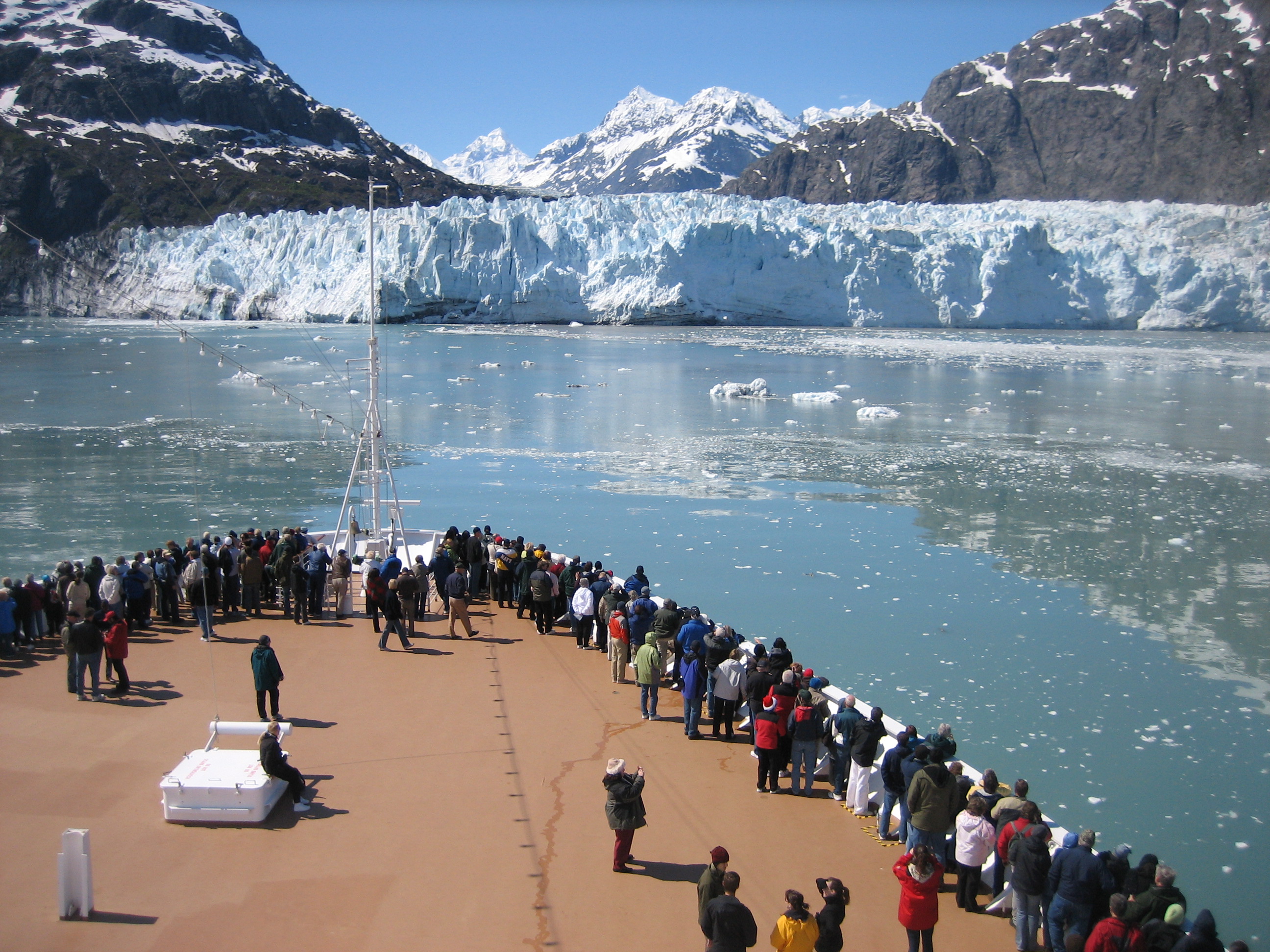
Best Of
Best of Glacier Bay National Park
The best of Glacier Bay is reached by boat: ranger-led day tours up the bay to the tidewater glaciers. What's worth it, how to book, and when to go (2026).
Campsite Guide
White Sands Backcountry Camping: Closed for 2026 — What to Know
As of 2026, backcountry camping at White Sands National Park is closed for site rehabilitation. What that means, and where to camp nearby instead.
Weather Guide
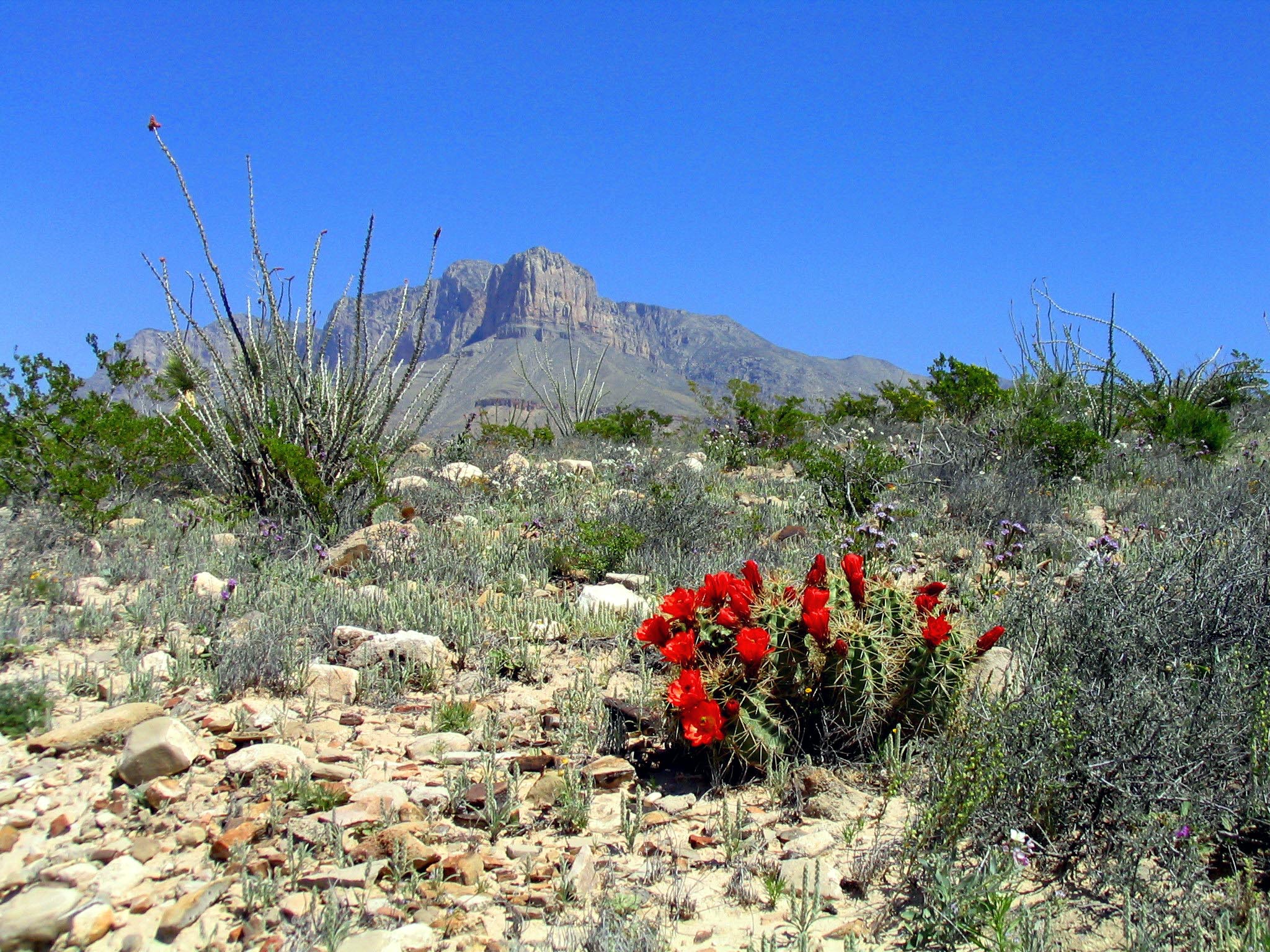
Guadalupe Mountains National Park Weather: Weather
Guadalupe Mountains National Park: weather guide guide updated 2026. Practical visitor information, reservations, and seasonal tips worth bookmarking before
Best Of
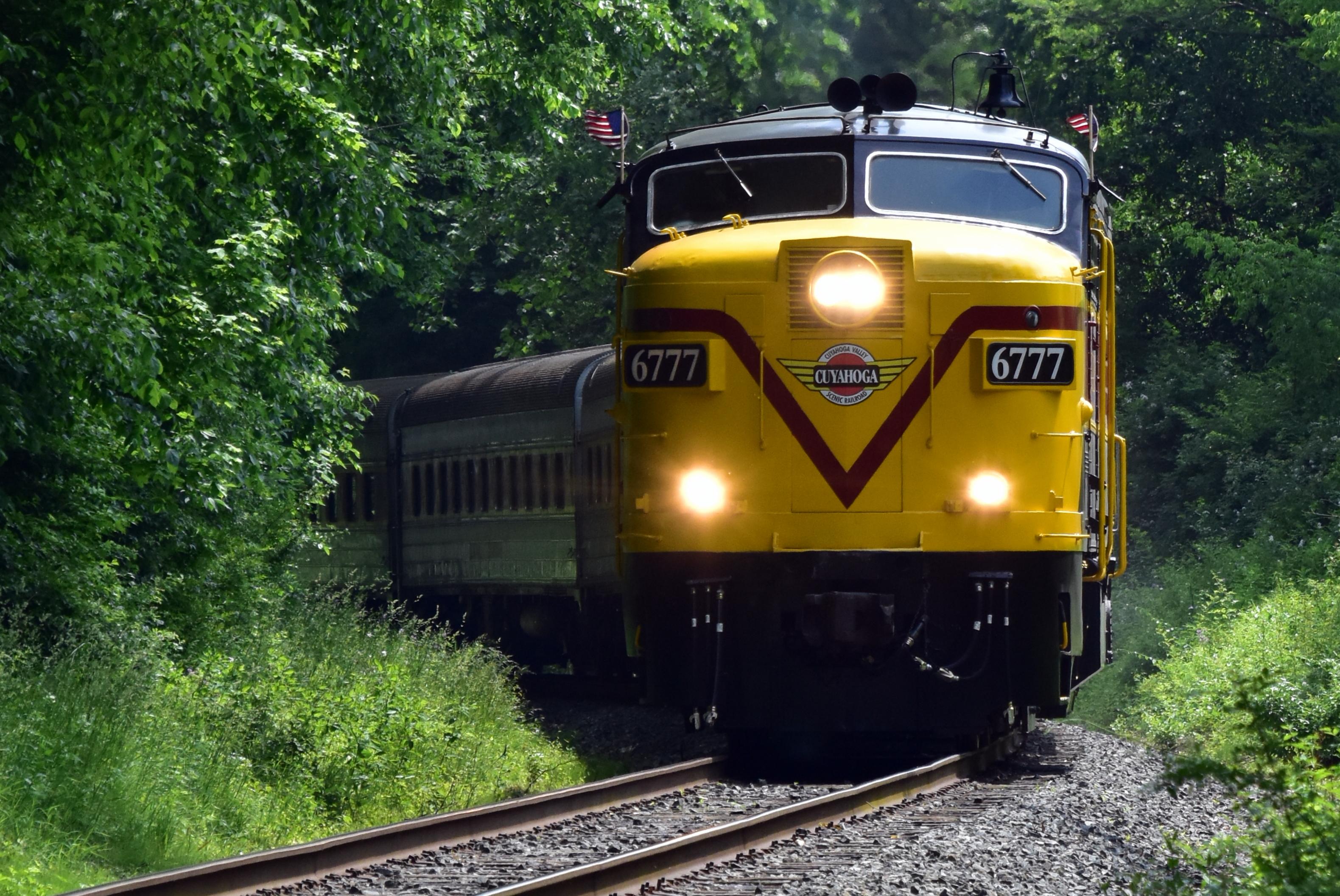
Best of Cuyahoga Valley National Park: Best Things to Do
Seeing a Cleveland Orchestra concert with the woods as your backdrop is a uniquely Cuyahoga Valley experience.
Sign in to join the conversation.
Sources & Attribution
Location data courtesy of the National Park Service (U.S. Department of the Interior). NPS data is public domain.
Map data © OpenStreetMap contributors.
Park operations alerts: NPS.gov · Weather and weather hazards: National Weather Service · Live conditions.
Information may change. Always verify fees, hours, and conditions directly with the official source before visiting.
Did this guide help? Share it with a friend.