Yellowstone National Park: Oboz Yellowstone Hiking Boots (2026 Guide)
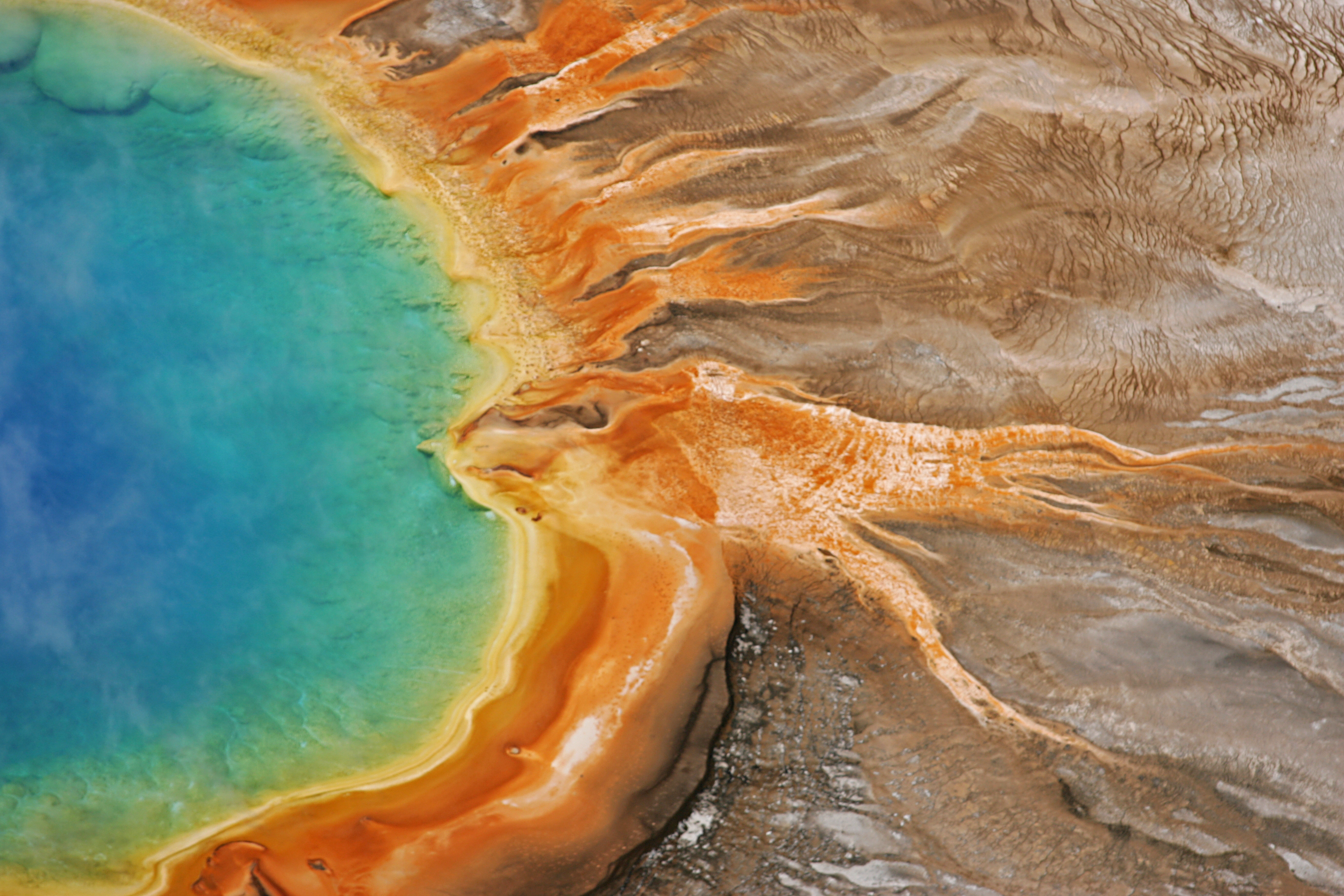
NPS via NPS.gov (Public Domain)
Yellowstone Gear Guide: What You Actually Need (Most Lists
9 min read
Gear Guide
Most Yellowstone packing lists are too long. Here's the honest cut — bear spray, layering, and the gear that actually matters for geyser walks and backcountry trips.
Most visitors pack for Yellowstone as if it were a scenic drive, forgetting this is high-altitude wilderness with volcanic temperament. The quality of your visit often hinges on your footwear. Trails here can transition from boardwalk dust to sharp volcanic rock to slick mud within a hundred yards—what's on your feet becomes your primary defense. This guide examines Yellowstone's demanding terrain and the gear that meets it, beginning with boots designed for the task: the Oboz Yellowstone hiking boots. For comprehensive trip planning, our complete visitor guide addresses entrance logistics and seasonal strategies.
The Yellowstone Terrain: What Your Boots Are Up Against
Yellowstone isn't a groomed city park. It's 3,500 square miles of geologic chaos at an average elevation over 7,500 feet. The trails here test footwear in specific, unforgiving ways. Understanding these challenges is the first step in choosing the right boot.
Volcanic Grit and Hydrothermal Crust
The ground here has a memory of fire. Trails like the Mud Volcano Trail or Fountain Paint Pot Trail wind through areas where the earth is actively cooking. The soil isn't dirt; it's often fine, abrasive pumice or sharp, fragmented rhyolite. This grit works its way into seams and eyelets, grinding away at stitching over miles. Around hot springs and geysers, mineral deposits create a crumbly, sometimes slick crust on boardwalks and trails. It's not mud - it's sinter, a type of silica that can be surprisingly abrasive and slippery when wet. A boot needs a tight, gusseted tongue to keep this junk out and a lug pattern designed for traction on loose, variable surfaces.
The Elevation and Weather Whiplash
Most visitors underestimate the cumulative fatigue of hiking at altitude. A "moderate" 4-mile hike like the Cascade Lake Trail feels different at 7,800 feet. Your legs get heavy, your balance can feel off, and a stumble on uneven ground becomes more likely. This is where ankle support transitions from a nice-to-have to a non-negotiable. Combine that with Yellowstone's notorious weather, where a 70°F (21°C) morning can turn into a 40°F (4°C) afternoon thunderstorm with hail. The park's own advisory bluntly states it can snow any month of the year. A waterproof, breathable membrane isn't just for rain; it's for the sudden slush patches and soggy meadows you'll hit by late morning on many trails.
The Long Hauls and Rocky Climbs
For the iconic summit hikes, like the Dunraven Pass - Mount Washburn Trail or the Chittenden Road route, you're talking about sustained climbs on exposed, rocky paths. The Washburn trails are all about steady ascent on switchbacks covered in ball-bearing-like gravel over hardpack. On the Specimen Ridge Day Hike, you're climbing through loose scree to get those views of the Absaroka Range. This terrain demands a stiff, supportive midsole to prevent foot fatigue from the constant micro-adjustments, and a durable, protective toe cap for when you inevitably kick a rock on the way down. Rangers will tell you that most foot injuries and blisters on these trails come from boots that are too flexible or ill-fitting for the sustained, rocky punishment.

Boot Anatomy for the Backcountry: The Oboz Yellowstone Specifics
The Oboz Yellowstone hiking boots earn their name through deliberate design. Their construction directly addresses the conditions outlined above. This reflects practical solutions to geographic challenges, not marketing.
The Foundation: Support Where You Need It
The single most important feature for Yellowstone's rocky, uneven trails is underfoot stability. The Oboz Yellowstone utilizes a proprietary O FIT Insole and a supportive midsole. This combination provides a firm platform that reduces torsional flex - the twisting of the boot on off-camber rocks and roots. When you're crossing the talus slopes on the way to Avalanche Peak or navigating the rocky sections of the Lewis River Channel/Dogshead Trail, that stability translates to less ankle roll and far less lower-leg fatigue by the end of the day. The common mistake, and almost everyone makes it, is choosing a boot that's too soft for multi-day use here. Your calves will have strong opinions about that choice by day three.
The Shield: Waterproofing and Debris Defense
The BDry waterproof membrane is the workhorse. It's what stands between your socks and the sopping-wet meadows of the Pelican Valley Trail or the surprise puddles along the Fairy Falls Trail after a rain. But just as critical is the full-grain leather and textile upper with its gusseted tongue. This construction creates a near-seamless barrier against the fine volcanic dust that plagues trails like Garnet Hill. That dust is more than a nuisance; it's an abrasive that, when mixed with sweat, creates a pasty grit that accelerates blisters. A boot that keeps it out is a boot that stays comfortable for more miles.
The Grip: Traction for Every Surface
The outsole on the Oboz Yellowstone uses deep, multi-directional lugs. This pattern is key for the variety underfoot: it sheds mud from the Forces of the Northern Range trail, bites into the hardpack of old fire roads like the Grebe Lake Trail, and finds purchase on the smooth, water-polished stones near river crossings. The rubber compound is also designed to be durable against the abrasive sinter and sharp rock. You'll notice the difference on boardwalks near geothermal areas, which can be deceptively slick with morning dew or mineral overflow.

Trail-Tested Pairings: Boots on the Ground
Knowing a boot's specs is one thing. Knowing how it performs on specific, named trails is what separates a gear list from genuine advice. Here's where the Oboz Yellowstone hiking boots earn their keep.
The Geyser Basin Circuit: Old Faithful to Grand Prismatic
This is the park's busiest hiking zone, but most visitors stick to the short boardwalks. The real experience is linking trails. A classic full-day circuit starts at the Old Faithful area, takes the Observation Point Loop (a snowshoe trail in winter, but a quiet hike in summer), connects to the Fairy Falls Trail, and culminates with the climb up the Grand Prismatic Overlook Trail. You'll cover over 10 miles on a mix of boardwalk, soft dirt trail through burned forest, and a steady, sandy climb to the overlook. The boot's cushioning handles the miles, the waterproofing deals with any spray or puddles near the hot springs, and the traction is essential on the loose gravel of the overlook trail's final pitch. The support also helps when you're standing for 30-90 minutes waiting for an eruption, which is harder on your feet and legs than most people anticipate.
The Canyon and Lake Country: From Mud to Mountains
This zone tests versatility. One day you might be on the Brink of the Lower Falls Trail, a short but steep descent on paved and rocky switchbacks where the 308-foot drop is felt in your knees on the way back up. The next, you could be on the relatively flat but often muddy Cascade Lake Trail through open meadows. The Oboz Yellowstone's stiff midsole provides the heel and arch support needed for the aggressive descent/ascent of the canyon trails, while the BDry membrane handles the wet meadows around the lake. It's this ability to transition between different types of trail punishment without missing a beat that defines a boot suited for Yellowstone's diverse trail portfolio.
Winter Operations: Beyond the Hike
When the snow falls, hiking boots are swapped for skis and snowshoes, but the need for sturdy, insulated, waterproof boots doesn't disappear. The Oboz Yellowstone's winter-ready cousins are the footwear of choice for rangers and guides operating the Riverside Ski Trail or the Sheepeater Ski Trail. The principles are the same: ankle support for uneven, snow-covered terrain, waterproofing for wet snow, and a lug pattern that grips icy parking lots at trailheads. If you're visiting for winter activities and plan on any snowshoeing, like the Observation Point Loop Snowshoe Trail, a boot with this pedigree is a wise starting point. For dedicated winter explorers, securing Yellowstone national park camping reservations at the year-round Mammoth Campground requires planning, and the right boots are part of that plan.

The Supporting Cast: Gear That Works With Your Boots
Boots are the foundation, but they don't work in isolation. The right socks, insoles, and care routine are what turn a good boot into a reliable partner for 100 miles of Yellowstone trails.
Socks and Insoles: The Interface Layer
A common piece of advice from rangers at the Canyon or Old Faithful visitor centers: invest in merino wool socks. They manage moisture, reduce friction, and provide cushioning that works in concert with the boot's interior. Pairing the Oboz O FIT Insole with a quality sock creates a climate-controlled environment for your foot, which is critical when your day involves sweating on a climb up Mount Washburn and then cooling off in the windy summit shelter. Break this system in on short walks before your trip. The break-in period is more about your feet adapting to the insoles and the boot's flex points than the leather softening.
Foot Care and Field Repairs
Pack moleskin or leukotape in your daypack. Even the best-fitting boots can reveal a hot spot after 8 miles. Addressing it immediately is the difference between a minor annoyance and a trip-ending blister. At the end of each hiking day, remove the insoles and let everything air out. The geothermal sulfur smell is pervasive; airing your boots helps them dry and mitigates the odor. For multi-day trips, especially if you've secured one of the coveted Yellowstone national park campgrounds like Slough Creek or Pebble Creek, consider a second pair of camp shoes to let your boots and feet fully recover overnight.

Practical Takeaways
- Prioritize Ankle Support and a Stiff Midsole. For anything beyond the short, paved boardwalks, you need a boot that limits twisting on Yellowstone's ubiquitous rocky, uneven terrain. The cumulative fatigue from weak support is the number one cause of shortened hikes.
- Waterproofing is Non-Negotiable. You will encounter water: morning dew on meadows, afternoon thunderstorms, snowmelt crossings, and muddy thermal areas. A reliable waterproof membrane like BDry is essential for comfort and safety.
- Match the Boot to Your Trail Ambitions. Are you doing the 6-8 hour Fawn Pass Ski Trail in winter or the 3-5 hour Fairy Falls Trail in summer? The Oboz Yellowstone is built for these sustained, variable-condition hikes. For simple geyser basin boardwalks, a lighter shoe may suffice, but it will limit your options.
- Break Your System In Before You Arrive. Wear your boots with the socks you plan to hike in for at least 20-30 miles of walking in your local area. This conditions your feet and molds the insoles, preventing the blisters that plague unprepared visitors on day one.
- Check Road Status and Trail Conditions Daily. As of 2026, alerts like the Gardner River High Bridge traffic delays or the seasonal closure of the Dunraven Pass trailhead are common. Your perfect boots are useless if the trailhead is closed. Always check the official park site for the latest yellowstone national park map and alerts before you head out.
Final Thoughts
Yellowstone demands a certain respect for scale and substance. You can feel it in the vibration of the ground near a geyser and see it in the sheer mileage of trail winding through raw wilderness. Choosing gear, especially footwear, is an extension of that respect. The Oboz Yellowstone hiking boots represent a specific tool for a specific job - handling the abrasive, wet, and uneven conditions of this park with a focus on support and durability. They won't make the hike up Mount Washburn shorter, but they will make the journey there and back more secure and far less punishing on your body. In a place where the environment is the main attraction, the right boots let you focus on the experience, not on your feet. That's the real goal. Now lace up, check the yellowstone national park weather forecast one more time, and go meet the trail on its own terms.
Sources
- Official source: NPS — Yellowstone National Park nps.gov/yell/index.htm
Photo Gallery
More to Explore
Park Guide
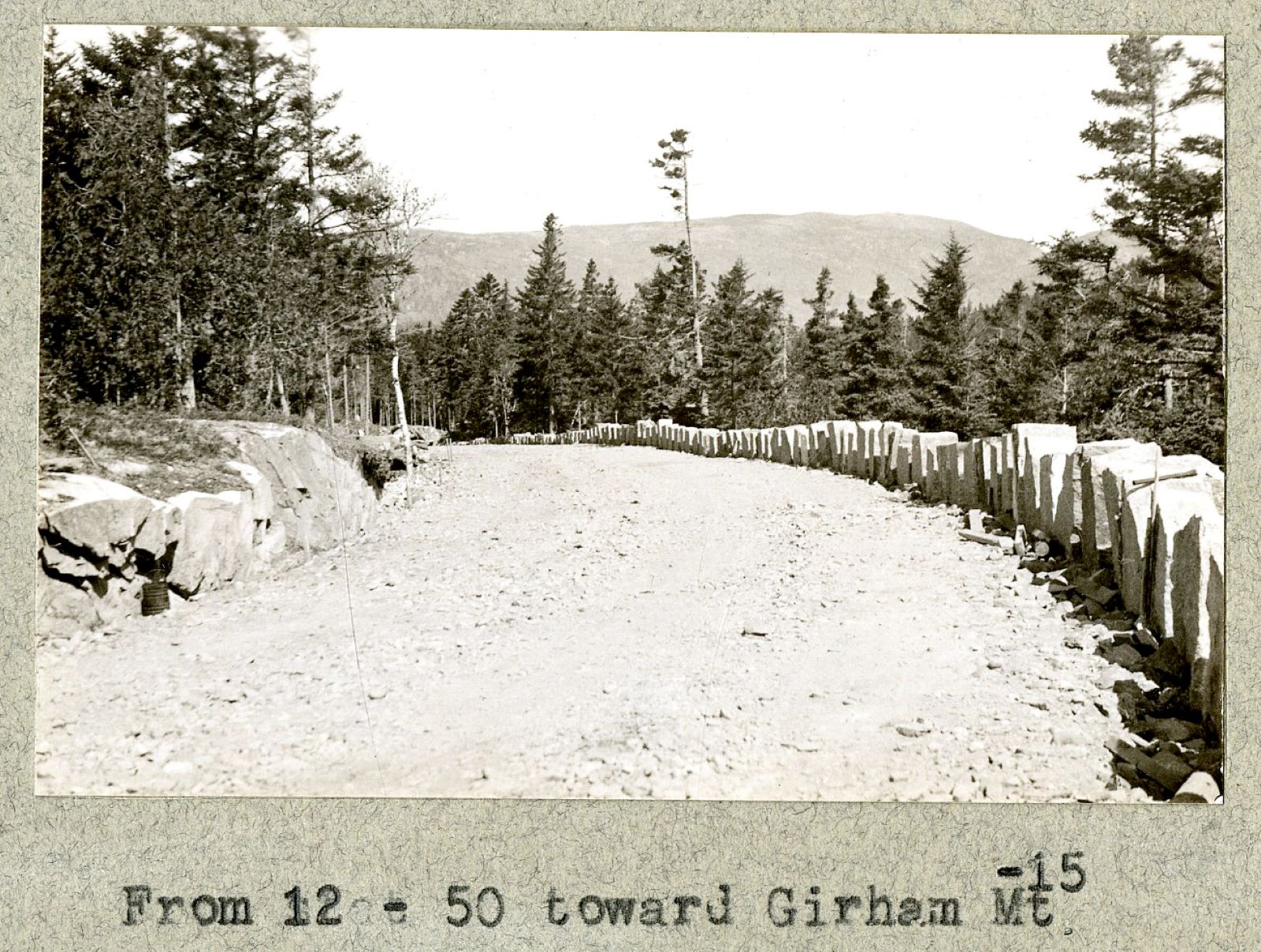
Acadia National Park: Carriage Roads, Cadillac Mountain & 2026 Guide
Discover carriage roads, Cadillac Mountain, and rugged Maine coast. Complete 2026 guide to Acadia National Park — trails, fees, lodging, permits, and what rangers recommend.
Hiking Guide
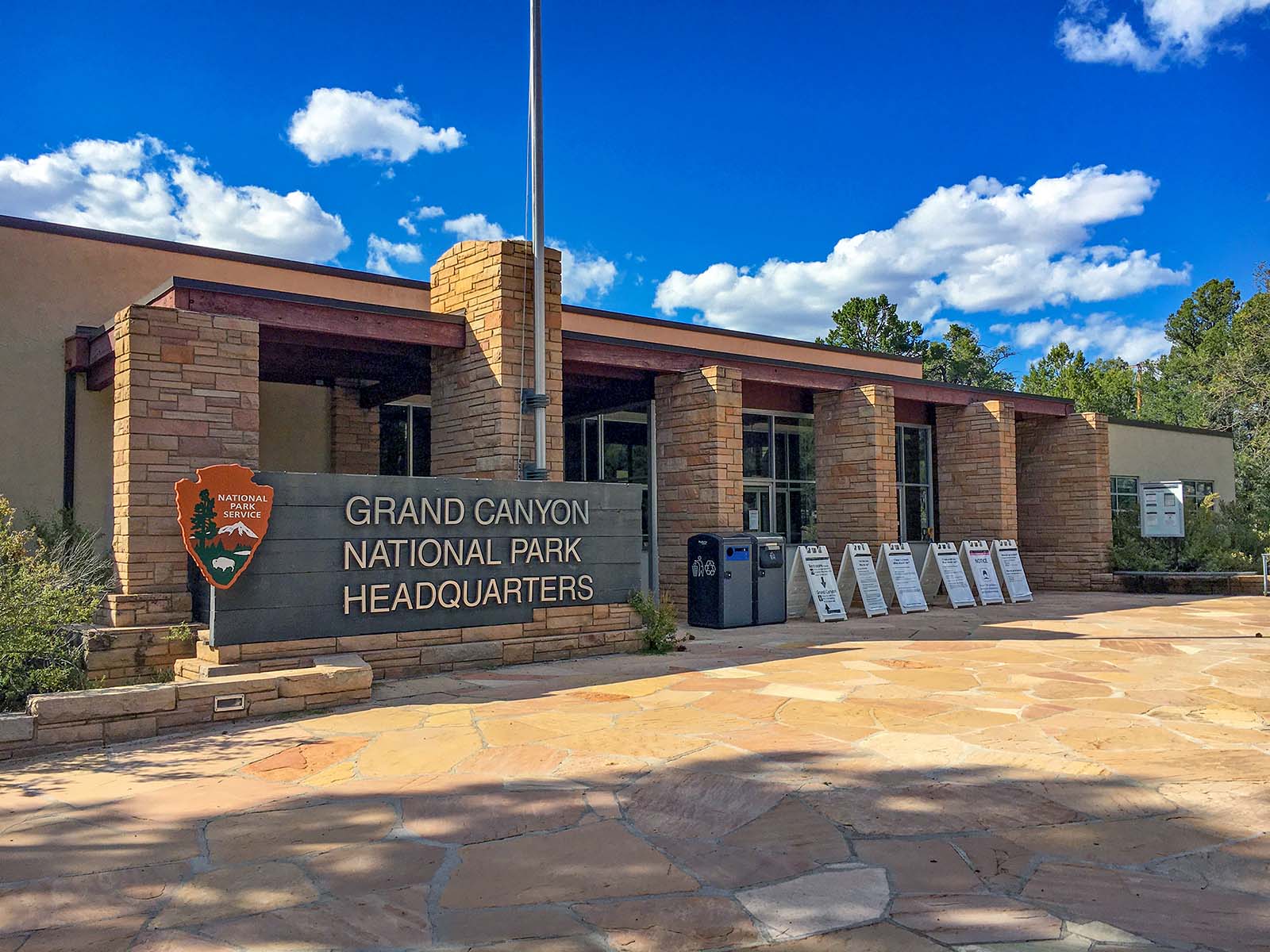
Grand Canyon Hiking Trails: Day Hikes, Water Sources & Rim to Rim
Compare Grand Canyon hiking trails: Bright Angel, South Kaibab, Hermit, Grandview, and rim to rim, with distances, elevation, water stops, and trailhead access for each.
Best Of
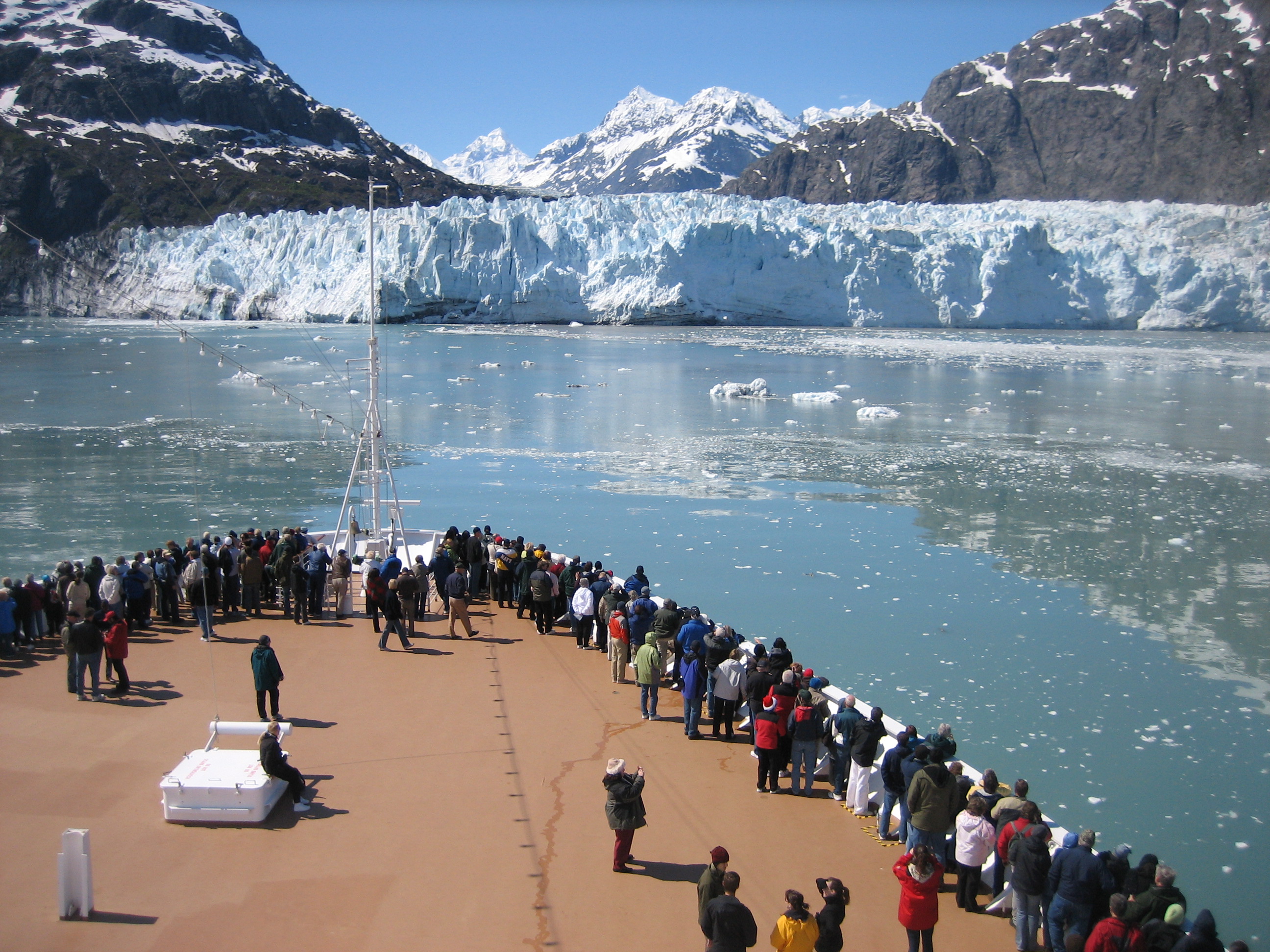
Best of Glacier Bay National Park
The best of Glacier Bay is reached by boat: ranger-led day tours up the bay to the tidewater glaciers. What's worth it, how to book, and when to go (2026).
Campsite Guide
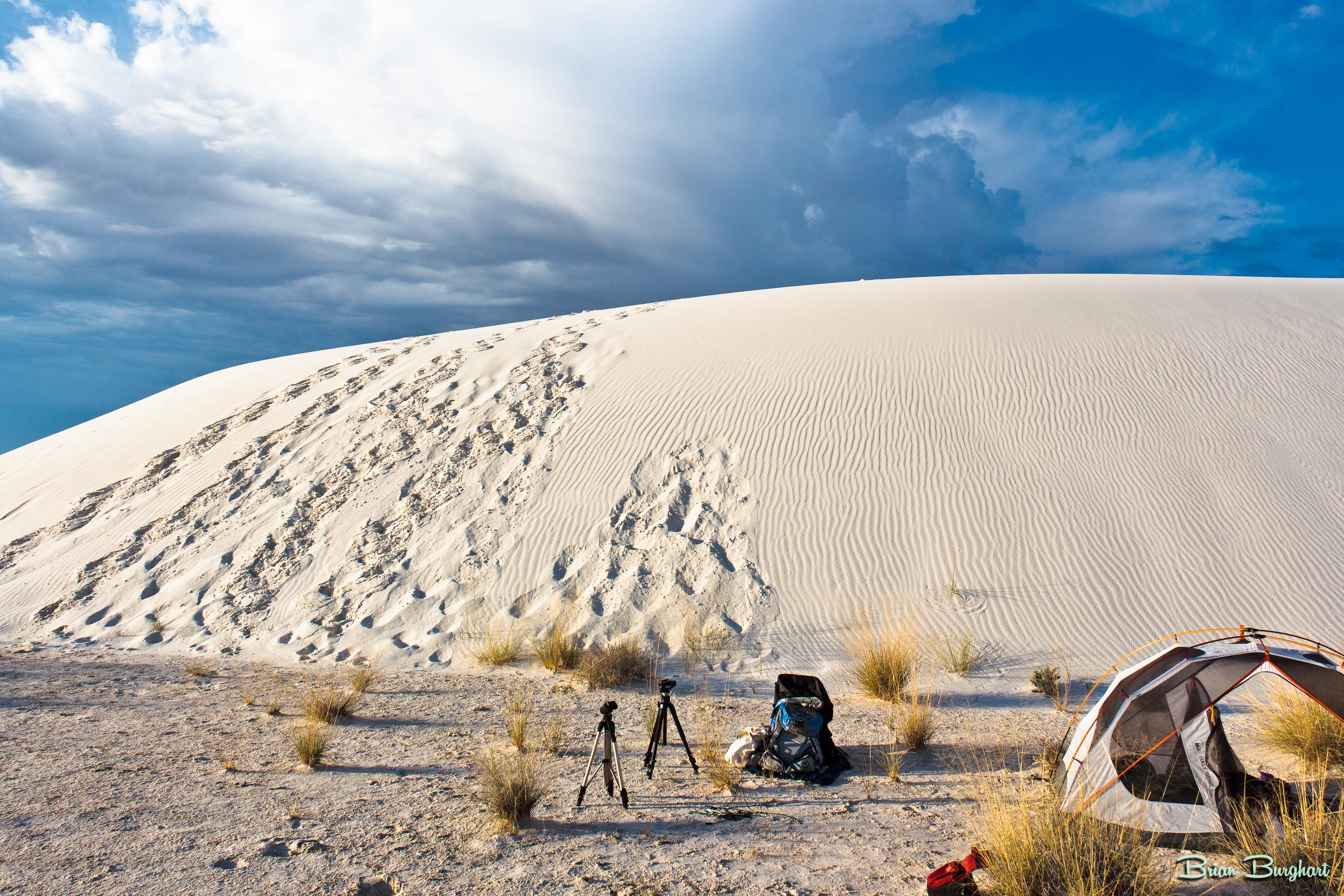
White Sands Backcountry Camping: Closed for 2026 — What to Know
As of 2026, backcountry camping at White Sands National Park is closed for site rehabilitation. What that means, and where to camp nearby instead.
Weather Guide
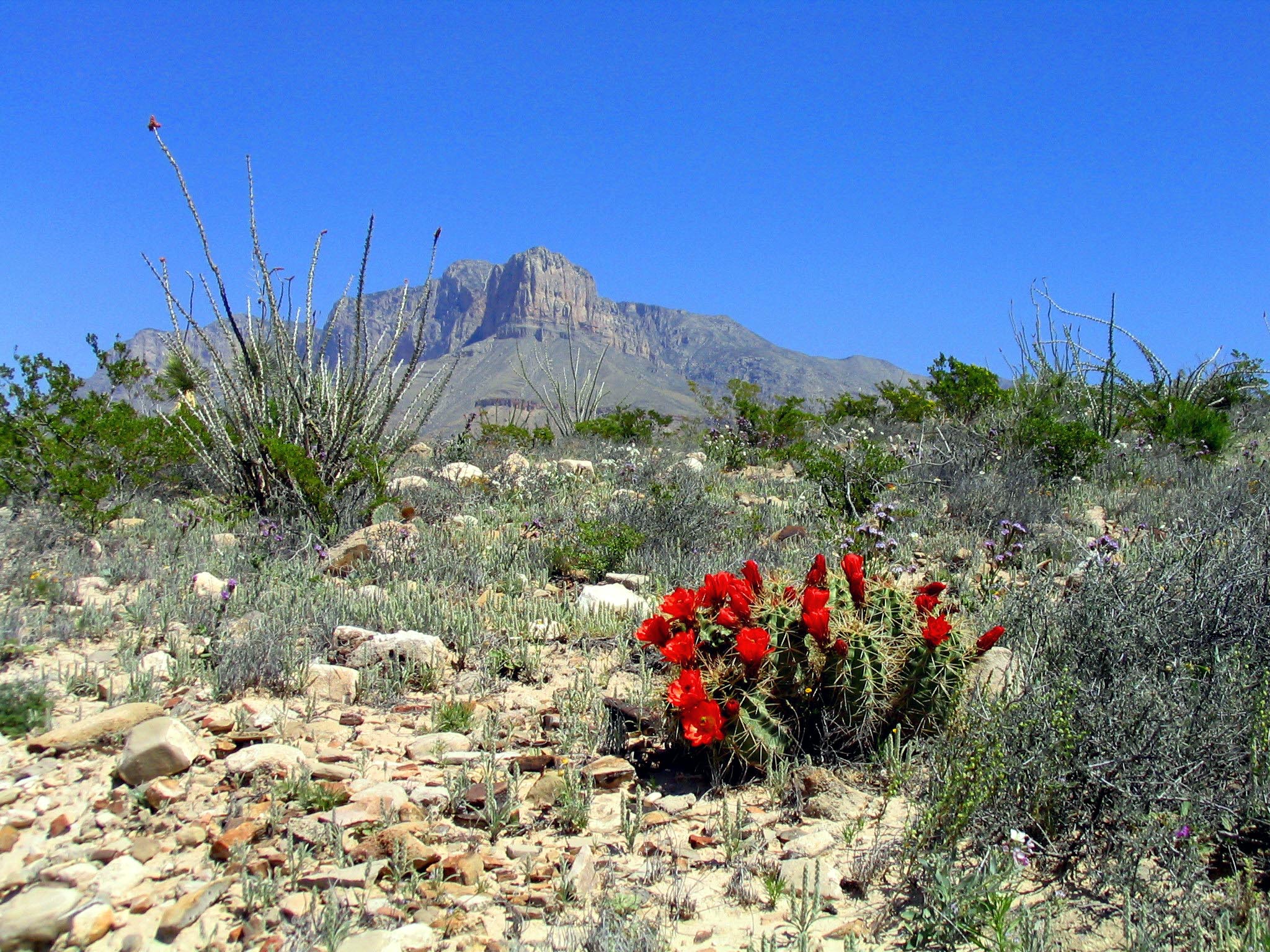
Guadalupe Mountains National Park Weather: Weather
Guadalupe Mountains National Park: weather guide guide updated 2026. Practical visitor information, reservations, and seasonal tips worth bookmarking before
Best Of
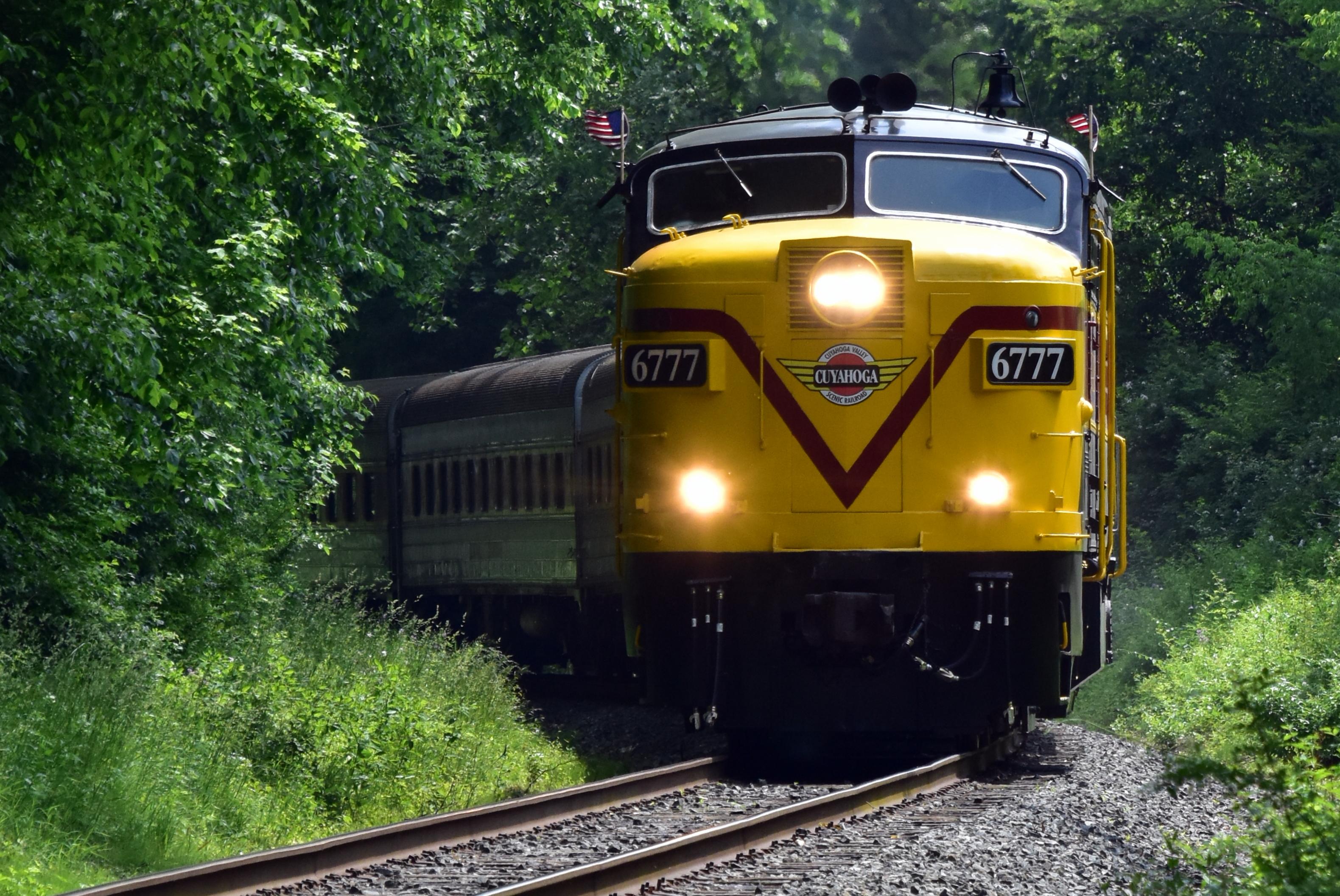
Best of Cuyahoga Valley National Park: Best Things to Do
Seeing a Cleveland Orchestra concert with the woods as your backdrop is a uniquely Cuyahoga Valley experience.
Sign in to join the conversation.
Sources & Attribution
Location data courtesy of the National Park Service (U.S. Department of the Interior). NPS data is public domain. Official NPS page.
Images: NPS; NPS; NPS; NPS; NPS.
Map data © OpenStreetMap contributors.
Park operations alerts: NPS.gov · Weather and weather hazards: National Weather Service · Live conditions.
Information may change. Always verify fees, hours, and conditions directly with the official source before visiting.
Did this guide help? Share it with a friend.