Start before 7 AM. That single piece of advice solves half the logistical problems you'll face in a park that sees over three million visitors a year. Parking here is a daily competition, and the winner gets to see the park, not a line of brake lights. For the definitive discussion on timing your visit, Yellowstone National Park forum threads are full of this exact, hard-won wisdom from experienced visitors.
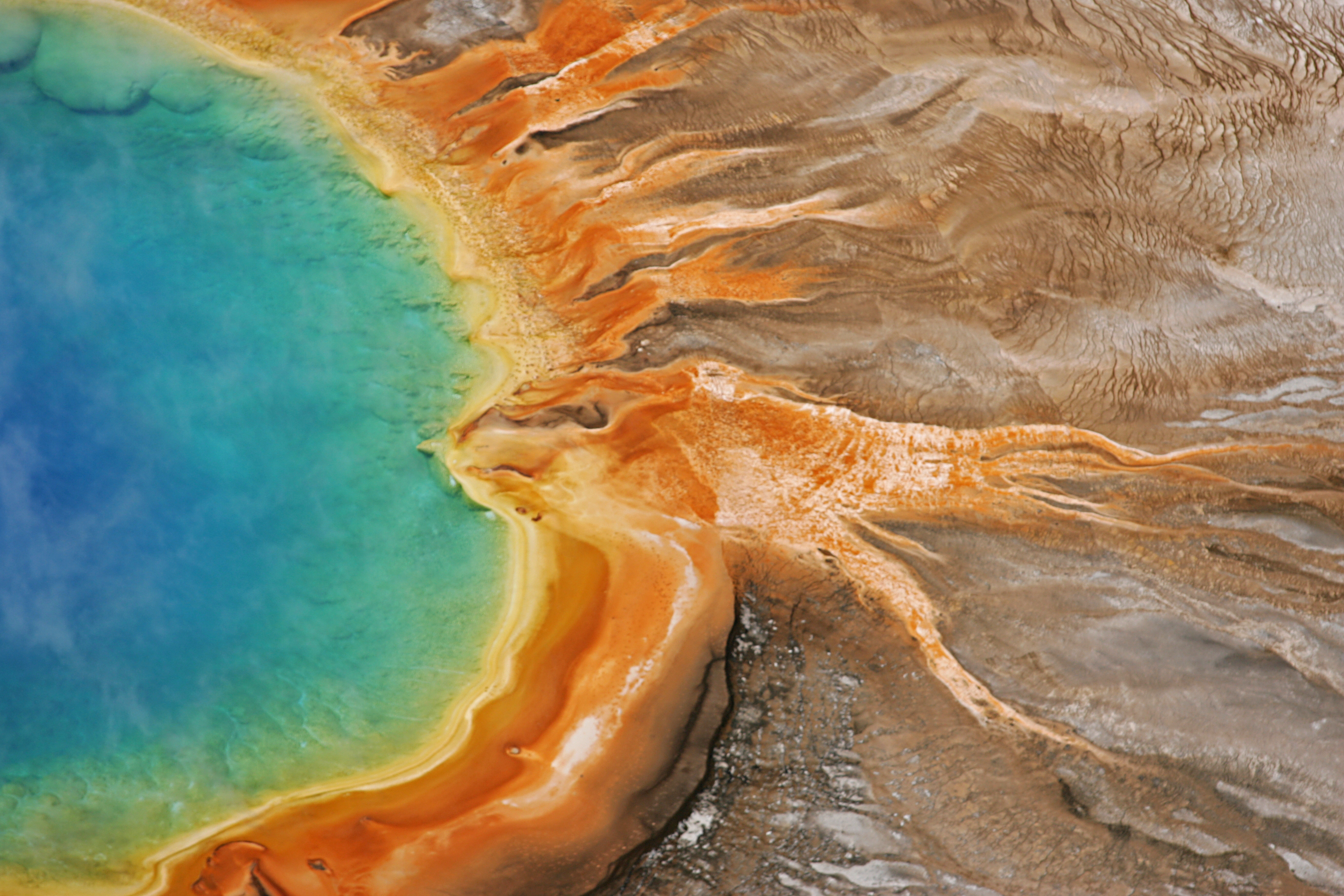
NPS via NPS.gov (Public Domain)
Best Time Yellowstone National Park Forum
11 min read
Best Of
Arrive before 7 AM to beat Yellowstone's crowds. Our 2026 forum guide reveals the exact strategy for parking at Grand Prismatic Spring and seeing the park.
This article contains affiliate links — we may earn a small commission at no extra cost to you.
For more, see hiking trails, camping options, and best time to visit.
If You Only Have One Day
Arrive at the West Entrance by 6:45 AM. The gate opens at 7 AM as of 2026, and you want to be in the first wave of vehicles. Drive straight to the Grand Prismatic Spring parking lot at Midway Geyser Basin. If you arrive by 7:30 AM, you will find parking and, more importantly, you will see the spring's colors without the steam obscuring the view - a common morning phenomenon. Spend 45 minutes here, then drive to the Fairy Falls Trailhead and hike the 0.6-mile Grand Prismatic Overlook Trail. The climb is 105 feet, and the view looking down on the spring is the photo you came for.
By 9:15 AM, head north toward Old Faithful. Check the predicted eruption time at the visitor center - they're posted everywhere - and plan to watch the next one. The geyser itself is a box to check; the real value is using the developed area as a hub. Use the 90 minutes before or after the eruption to explore the Upper Geyser Basin boardwalks toward Morning Glory Pool. You will see more active geysers here in an hour than anywhere else on Earth.
Have lunch in your car (the restaurants have lines) and drive north on the Grand Loop Road toward the Hayden Valley. This is your best midday chance for wildlife; bison herds are almost guaranteed on the valley floor. Drive slowly, use pullouts, and keep an eye out for the dark shapes of elk in the distant tree lines.
Your afternoon destination is the Grand Canyon of the Yellowstone. Aim for the South Rim and Artist Point. The parking lot here is a zoo after 11 AM, but by 2:30 PM, a first wave of visitors has left. The view of the Lower Falls from here is the park's iconic portrait. If you have energy and time, drive to the North Rim and walk the Brink of the Lower Falls Trail. It's a steep half-mile down, and your legs will feel it, but standing where 5,000 to 60,000 gallons of water per second go over the edge is a physical experience a viewpoint can't match.
Start your drive back toward your entrance by 4:30 PM. Traffic builds quickly as everyone tries to exit at once. The one decision that derails most one-day visits is trying to add "one more stop" after 3 PM. Distances are deceptive; a 20-mile drive can take over an hour. Pick your priorities and stick to them.

The Top Experiences, Ranked
#1 - Grand Prismatic Spring from the Overlook: The Essential Perspective
Seeing Grand Prismatic from ground level is impressive. Seeing it from the overlook is the reason you bring a camera. The aerial perspective reveals the spring's full, impossible scale and its concentric rings of color - rust, orange, yellow, and deep blue - that are completely missed from the boardwalk below.
Plan for about 90 minutes total, including driving between lots, a 1.2-mile round-trip hike with a 105-foot gain, and decent morning timing. Fitness level is easy-moderate.
My best tip: Go directly to the Midway Geyser Basin parking lot first, see the spring from the boardwalk, then drive the short distance to the Fairy Falls Trailhead for the overlook hike. Doing it in this order often means you hit the overlook as the morning steam is burning off.
Most visitors make two mistakes: they only see it from the lower boardwalk on a midday visit when thermal steam shrouds the colors, or they attempt the overlook hike in the afternoon when the sun is behind the spring, washing out the brilliance.
#2 - Wildlife Watching in Lamar Valley at Dawn: The American Serengeti
Why it makes this list: This is the most reliable place in the lower 48 to see wolves, grizzly bears, and massive bison herds in a single, sweeping landscape. The valley's wide-open grasslands make spotting movement possible from miles away.
What it requires: A very early wake-up call (you need to be in the valley at sunrise), a solid pair of binoculars or a spotting scope, and immense patience. Plan for a 3-4 hour minimum commitment.
The single best tip for executing it: Don't go alone. Find a group of people with scopes already set up at a pullout. They are almost always watching something, and they are usually willing to let you look. Rangers will tell you this is standard practice.
What most visitors do wrong: They drive through the valley at midday expecting to see dramatic predator action. Wolves and bears are most active at dawn and dusk. Midday is for napping in the shade.
#3 - Hiking the Grand Canyon of the Yellowstone's Rim Trails: Depth Perception
Why it makes this list: The canyon is more than a viewpoint. Hiking a section of the North or South Rim Trail lets you understand its scale in a way a parking lot overlook cannot. The colors in the rock walls - pinks, yellows, and hydrothermally stained oranges - change with the light.
What it requires: Choose your distance. The Brink of the Lower Falls Trail is a steep, short half-mile. The South Rim Trail to Artist Point is an easier 1.5 miles round-trip on paved paths. For a fuller sense of isolation, the North Rim Trail between overlooks is longer and quieter.
The single best tip for executing it: Start at the Brink of the Lower Falls on the North Rim. Do the steep descent first, then walk the relatively flat North Rim Trail eastward to other overlooks like Lookout Point. It saves the easier walking for when you're tired.
What most visitors do wrong: They go only to Artist Point, fight the crowds, take a photo, and leave. They miss the thunderous roar and mist at the Brink, and the quieter, more geological intimacy of the other North Rim vistas.
#4 - Exploring the Upper Geyser Basin Beyond Old Faithful: The Geyser Symphony
Why it makes this list: Old Faithful is the soloist, but the basin is the full orchestra. Within a 1.5-mile loop, you can see dozens of other geysers in various states of eruption, from the predictable Castle Geyser to the chaotic Riverside Geyser. The density of features is unmatched globally.
What it requires: 2-3 hours of easy walking on boardwalks. Check eruption prediction times at the visitor center and plan your route around a couple of the next predicted eruptions (Castle, Grand, Riverside).
The single best tip for executing it: After watching Old Faithful, walk the boardwalk loop toward Morning Glory Pool. The crowds thin dramatically after the first half-mile. This is where you'll hear the gurgles, pops, and hisses of the basin.
What most visitors do wrong: They watch Old Faithful, maybe walk to Morning Glory Pool and back, and miss the entire southwestern loop of the basin where some of the most interesting and less-crowded features, like the Grotto Geyser complex, are located.
#5 - The Mud Volcano Area: The Park's Pulse
Why it makes this list: This short, pungent loop delivers the most visceral sense of Yellowstone as a living volcano. The features here are loud, violent, and primeval. The Dragon's Mouth Spring roars and steams from a cave mouth. The Mud Volcano itself is a churning, bubbling cauldron of gray clay.
What it requires: Just 45 minutes to an hour for the 0.7-mile loop. It's an easy walk with one short hill.
The single best tip for executing it: Visit in the cooler hours of morning or late afternoon. The odors - a strong sulfur smell like rotten eggs - are less pronounced with lower temperatures, and the steam plumes are more dramatic.
What most visitors do wrong: They skip it because it's "just a quick stop" or because of the smell. It's the most geologically aggressive area accessible by a short walk, and it provides a critical context for all the other thermal features.
#6 - A Summer Evening at Hayden Valley: The Golden Hour Shift
Why it makes this list: As the day-trippers rush for the exits, the valley comes alive. The low-angle light turns the grasslands gold, and wildlife becomes active again. Bison herds move toward the river, sandhill cranes call, and you might catch a coyote hunting in the meadows.
What it requires: Staying in the park late. Plan to be in the valley from about 5 PM until sunset. Have your dinner already packed.
The single best tip for executing it: Bring a camp chair and a picnic. Find a legal pullout with a view, well off the road, and just sit. The longer you stay stationary, the more the wildlife ignores you and resumes its normal behavior.
What most visitors do wrong: They treat Hayden Valley as a drive-through corridor between Canyon and Lake. They don't stop, don't wait, and miss the transition from afternoon to evening, which is when the ecosystem breathes.
#7 - Soaking in the Boiling River (When Open): A Natural Hot Pot
Why it makes this list: It's the only place in the park where you can legally soak in thermally heated water. The Boiling River is where a hot spring runoff meets the cold Gardner River, creating mix-your-own-temperature pools along the rock shore.
What it requires: Checking if it's open (closures happen due to weather or water levels). A swimsuit, towel, and water shoes are mandatory. The rocks are slippery. The walk from the parking area is about half a mile.
The single best tip for executing it: Go early in the morning or on a weekday. It's wildly popular and space in the best pools is limited. Rangers will tell you to never put your head underwater due to the risk of amoebic meningitis.
What most visitors do wrong: They expect a developed hot springs pool. It's a natural, rocky riverbank. They also forget water shoes and end up hobbling over sharp rocks.

What Most People Miss
The Forces of the Northern Range Trail: This half-mile boardwalk near Mammoth is a quiet, self-guided geology lesson. It explains why the Lamar Valley looks the way it does - the grass, the wildlife corridors, the underlying volcanic history. You will see more elk and bison here than people, and the exhibits are some of the best in the park for connecting landscape to process.
The Lake Hotel Porch at Dusk: Even if you're not staying at the Yellowstone national park lodges, the historic Lake Hotel's sunroom is a public space. Grabbing a chair here as the sun sets over Yellowstone Lake, listening to the often-present string quartet, is a moment of civilized tranquility in the middle of the wilderness. It feels like a different century.
Specimen Ridge Trail (the first mile): Most people see Specimen Ridge from the road and keep driving. The first mile of this trail climbs through sagebrush into a quiet world of petrified forests and absurdly wide views of the Lamar Valley. You don't need to do the full, brutal day hike to get the payoff. Turn around once you feel you've left the road behind.
The West Thumb Geyser Basin in Winter (via Snowcoach): Summer visitors see West Thumb as a quick lakeside boardwalk. In winter, accessed by guided snowcoach, it transforms. The contrast of the deep blue, steaming hot springs against the pure white snow and the frozen lake is surreal. The silence is absolute, broken only by the bubbling of a geyser.

What's Overrated (and Better Alternatives)
Driving the Entire Grand Loop in One Day. This is the classic mistake. The loop is 142 miles of winding, two-lane road with a 45 mph speed limit (when you're moving). With traffic, wildlife jams, and construction, it can take 7+ hours of pure drive time. You will see the park through your windshield and be exhausted.
Better Alternative: Pick one or two adjacent regions (e.g., Old Faithful + West Thumb, or Canyon + Hayden Valley + Mud Volcano) and explore them deeply on foot. Use our complete visitor guide to plan a focused itinerary.
Waiting for Old Faithful from the Bleachers for 90 Minutes. The geyser is iconic, but spending half your afternoon camped on a crowded bench is a poor use of limited time. The eruption lasts 2-5 minutes.
Better Alternative: Check the predicted eruption time, give yourself a 20-minute buffer to find a spot (anywhere in the large upper basin gives you a view), watch it, and immediately move on to explore the rest of the Upper Geyser Basin. The surrounding features are more interesting.
The Fishing Bridge RV Park. At $89 per night as of 2026, it's the most expensive place to park an RV in the park, and it's hard-sided only (no tents) due to bear activity. You're paying a premium for full hookups in a parking-lot style setting.
Better Alternative: For a fraction of the price, Lewis Lake Campground offers lakeside solitude with no generators allowed. For full RV hookups, look at Bridge Bay or Grant Village, which are still expensive but offer more space and better scenery for your money.

Practical Takeaways
- Entrance Fees: As of 2026, it's $35 for a private vehicle for 7 days. Purchase online in advance to save time at the gate. Yes, that's per vehicle, not per person.
- The Road Rule: Assume any drive will take twice as long as your mapping app suggests. Road construction, bison jams, and rubbernecking at scenery are constants. Build in buffer time for every transit.
- Lodging Books Up: Yellowstone national park hotels inside the park are often booked a year in advance. If you're planning for summer 2026 and haven't booked, look at gateway towns like West Yellowstone or Gardiner.
- Pack for All Weather: The park's weather can swing 40 degrees in a day. A July morning can start at 40°F and hit 75°F by noon, only to have a thunderstorm drop hail and the temperature back to 50°F. Always have a warm layer, a rain shell, and a sun hat in your daypack.
- Use the Official Resources: The free park newspaper you get at the entrance is your best tool. It has maps, current ranger program schedules, and essential safety alerts. The NPS app is also invaluable for offline maps.
- Camping Strategy: For Yellowstone national park camping reservations, know that sites at Madison, Canyon, and Fishing Bridge RV Park are reservable well in advance. Mammoth and Norris are first-come, first-served. Arrive before 11 AM to have a shot.
- The Best Time Forum Advice: The collective wisdom on any best time Yellowstone National Park forum is consistent: Visit in September. The summer crowds have diminished, the fall colors in the higher elevations are starting, wildlife is active, and the weather, while cooler, is often stable. Early June, just after all the roads open, is a close second for similar reasons.
For more information, see our complete National Park Guide.
Recommended Gear
What experienced visitors bring to Best Time Yellowstone National Park Forum
Links may earn us a commission at no extra cost to you. We only recommend gear we believe in.
Hiking Essentials
Hydration Pack (3L)
Hands-free water for long trail days
Trekking Poles (Pair)
Save your knees on steep descents
Hiking Boots (Ankle Support)
Sturdy footwear for rocky, uneven trails
Sun & Heat Protection
Wide-Brim Sun Hat
Full coverage UPF 50+ protection at altitude
Insulated Water Bottle (32oz)
Keeps water cold in desert heat all day
Winter Gear
Microspikes / Traction Devices
Essential for icy rim trails in winter months
Packable Down Jacket
Lightweight warmth that stuffs into a pocket
Sources
- Official source: NPS — Yellowstone National Park nps.gov/yell/index.htm
Photo Gallery
More to Explore
Park Guide
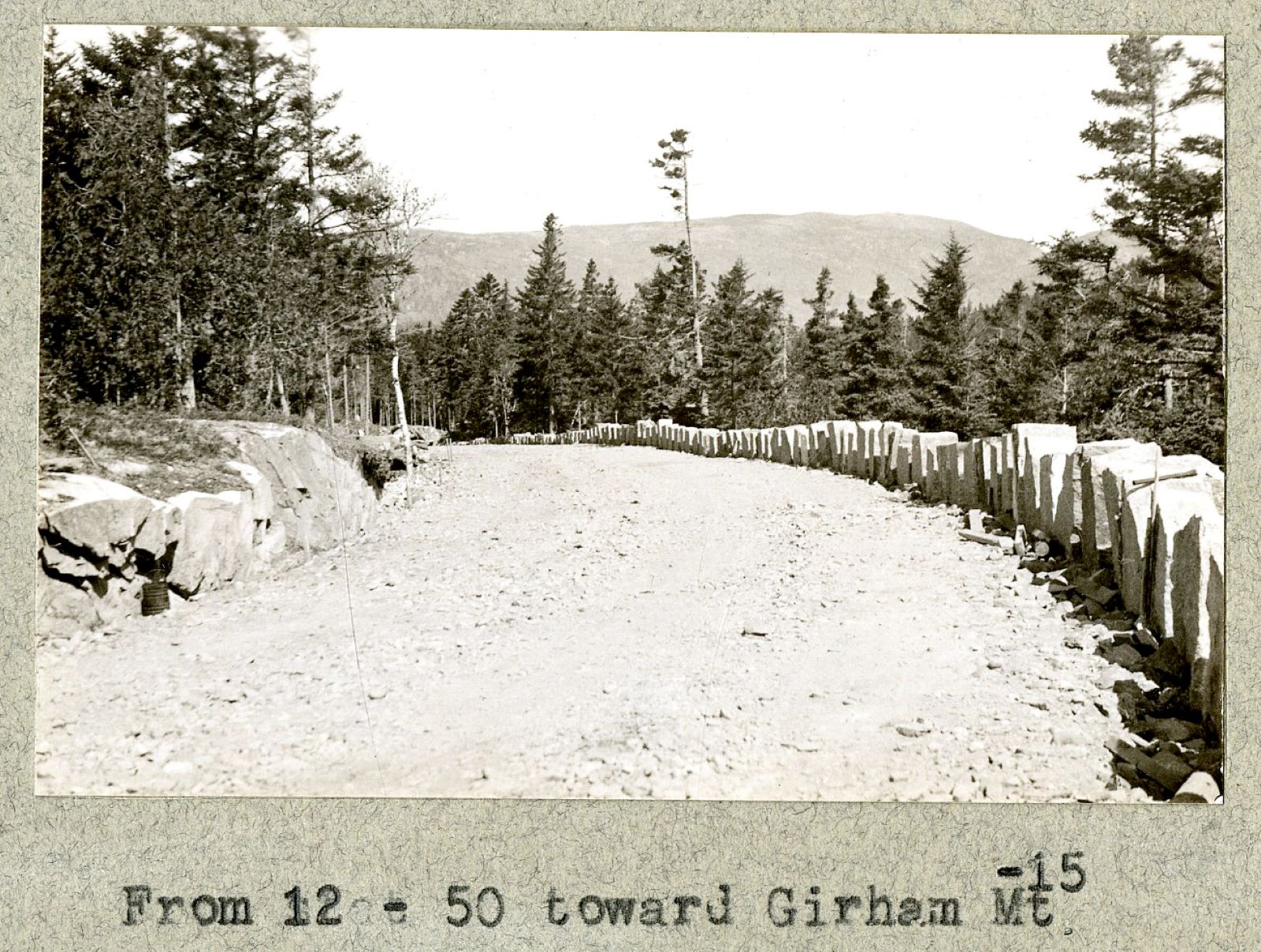
Acadia National Park: Carriage Roads, Cadillac Mountain & 2026 Guide
Discover carriage roads, Cadillac Mountain, and rugged Maine coast. Complete 2026 guide to Acadia National Park — trails, fees, lodging, permits, and what rangers recommend.
Hiking Guide
Grand Canyon Hiking Trails: Day Hikes, Water Sources & Rim to Rim
Compare Grand Canyon hiking trails: Bright Angel, South Kaibab, Hermit, Grandview, and rim to rim, with distances, elevation, water stops, and trailhead access for each.
Best Of
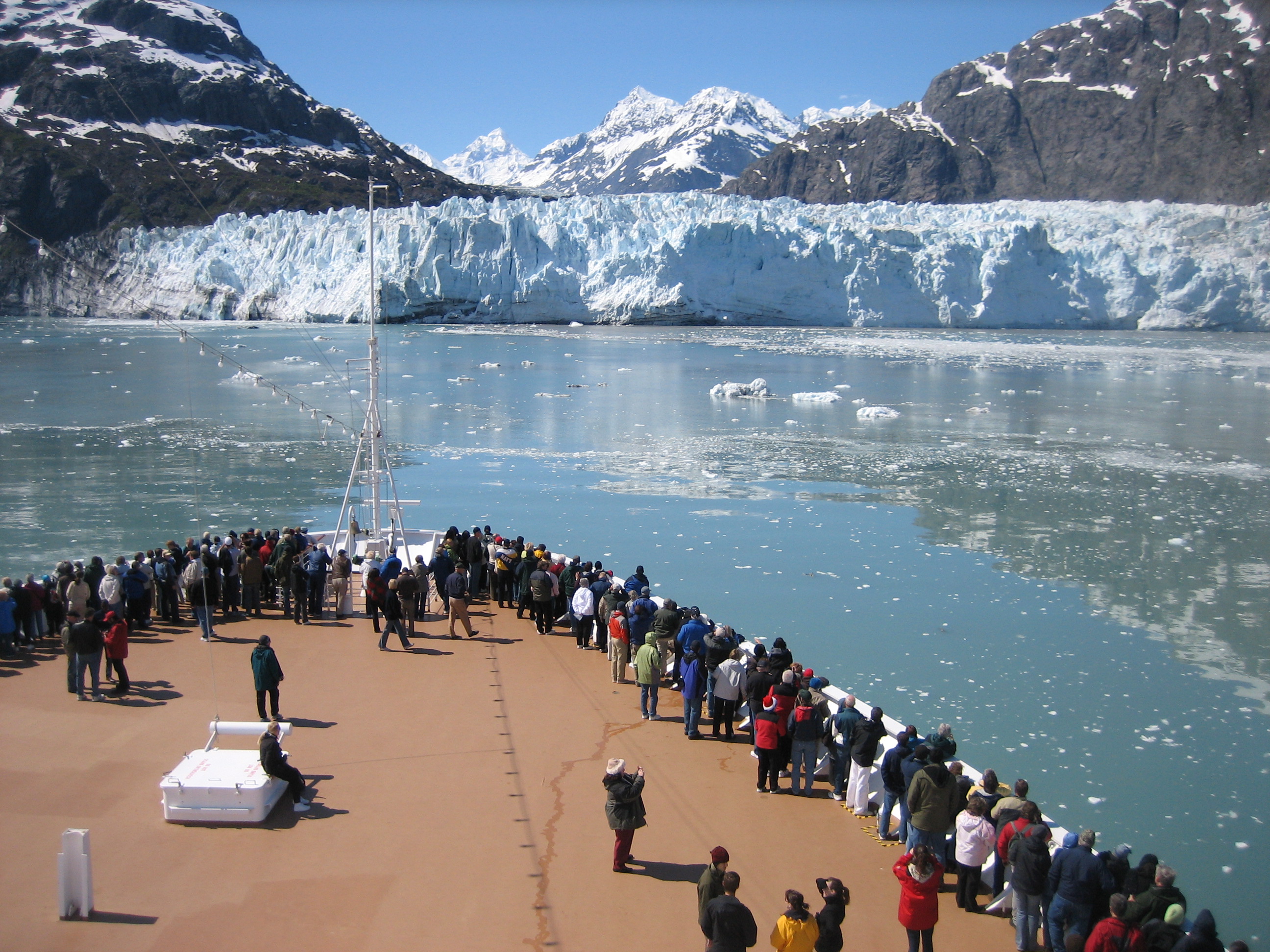
Best of Glacier Bay National Park
The best of Glacier Bay is reached by boat: ranger-led day tours up the bay to the tidewater glaciers. What's worth it, how to book, and when to go (2026).
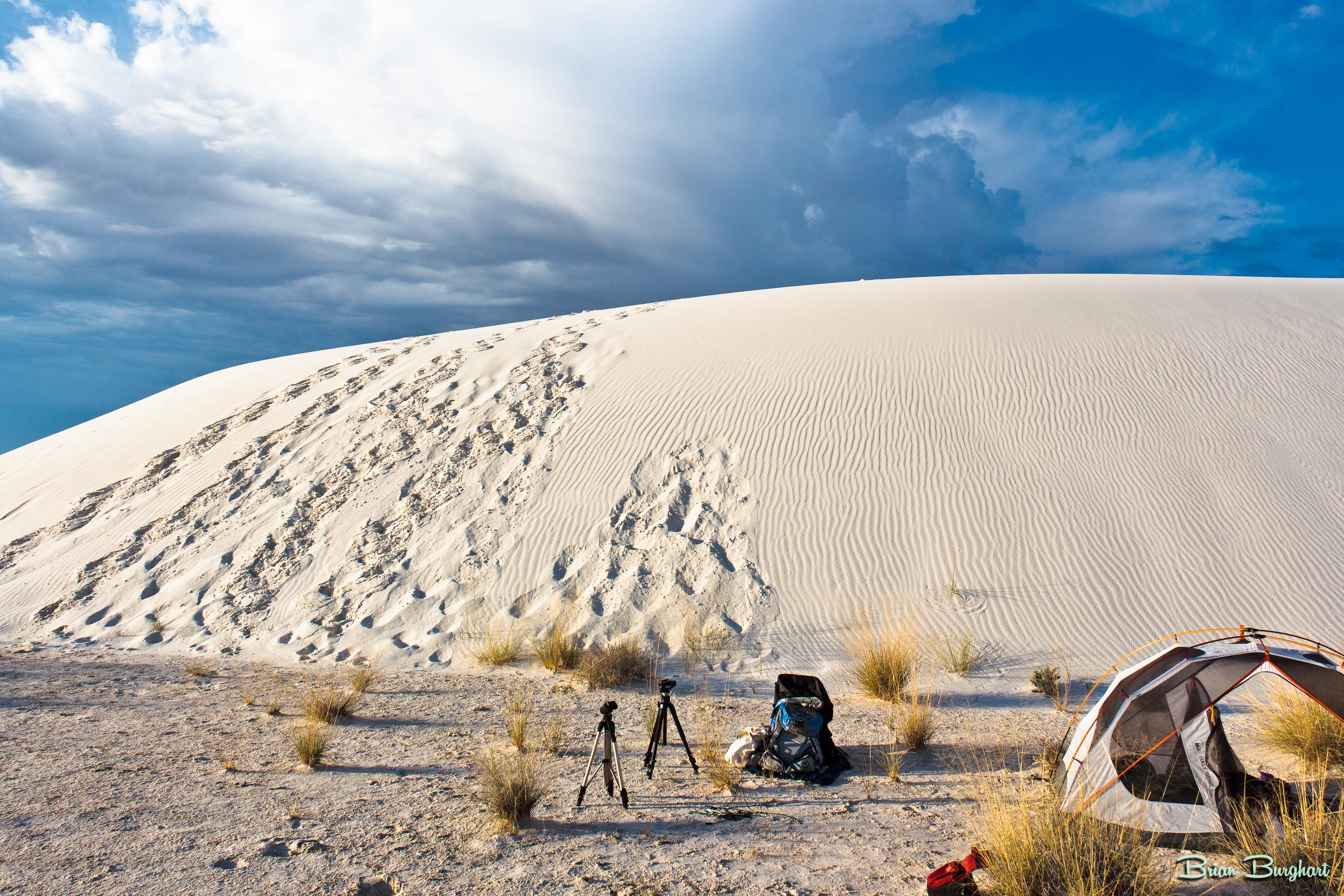
Campsite Guide
White Sands Backcountry Camping: Closed for 2026 — What to Know
As of 2026, backcountry camping at White Sands National Park is closed for site rehabilitation. What that means, and where to camp nearby instead.
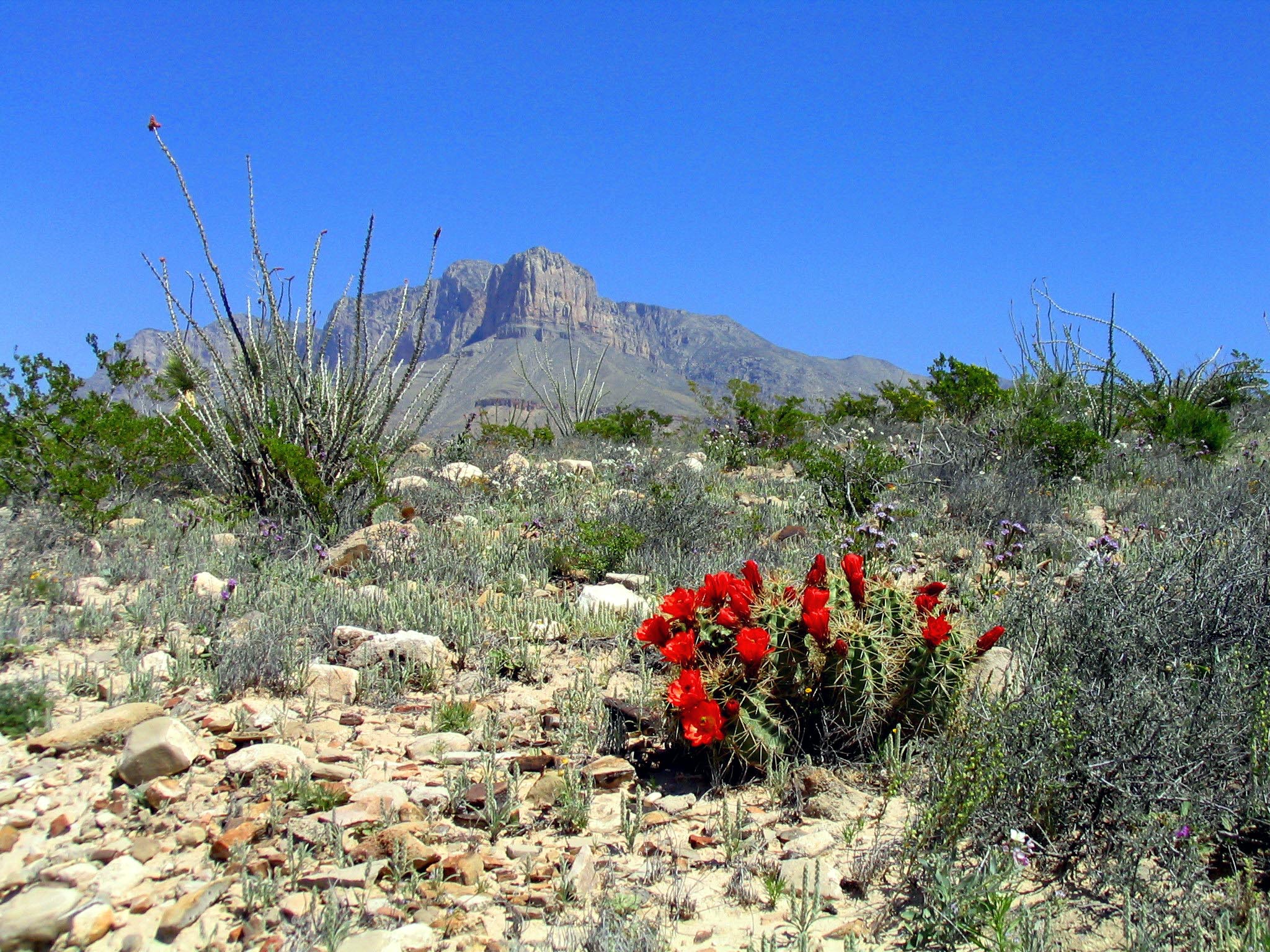
Weather Guide
Guadalupe Mountains National Park Weather: Weather
Guadalupe Mountains National Park: weather guide guide updated 2026. Practical visitor information, reservations, and seasonal tips worth bookmarking before
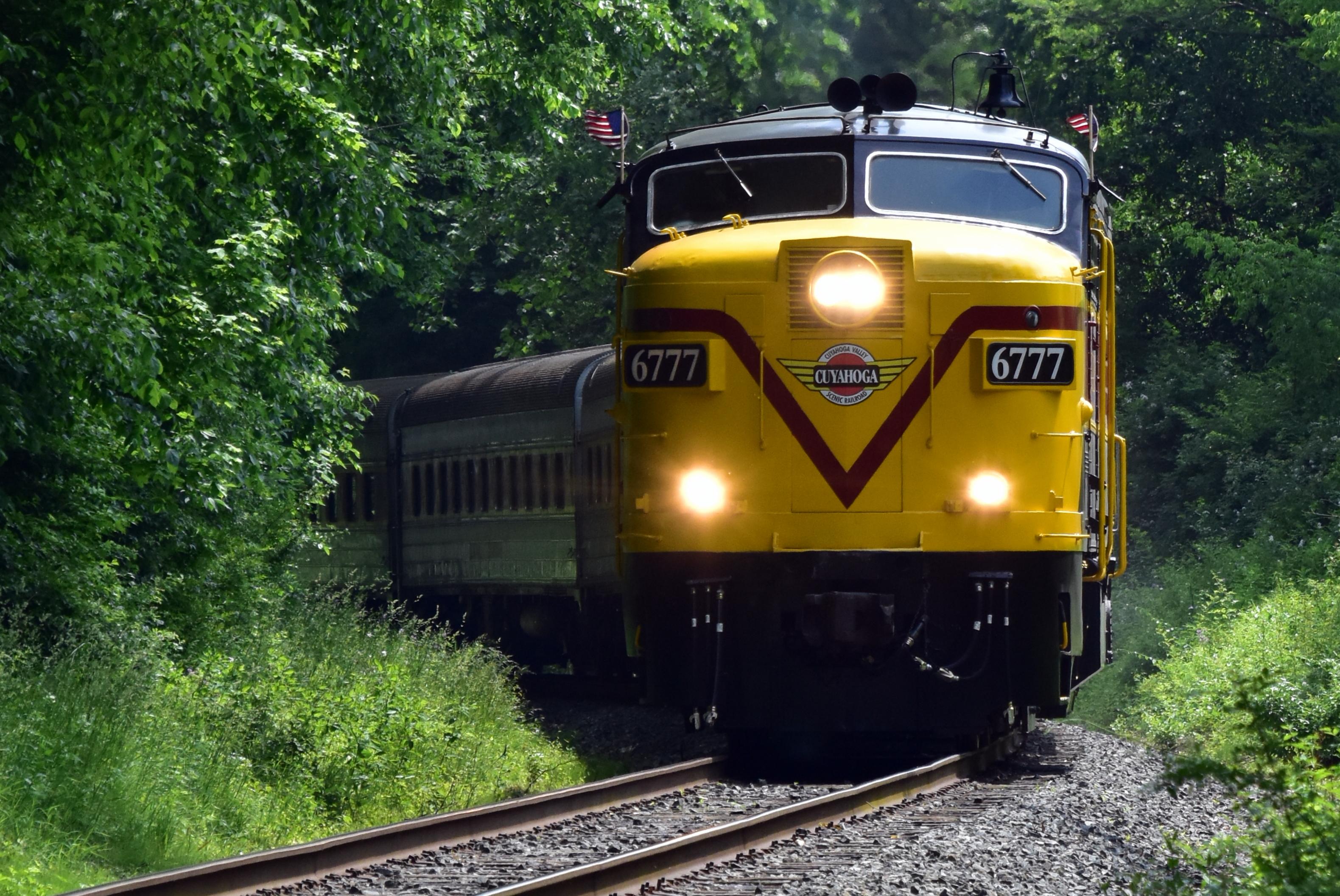
Best Of
Best of Cuyahoga Valley National Park: Best Things to Do
Seeing a Cleveland Orchestra concert with the woods as your backdrop is a uniquely Cuyahoga Valley experience.
Sign in to join the conversation.
Sources & Attribution
Location data courtesy of the National Park Service (U.S. Department of the Interior). NPS data is public domain. Official NPS page.
Images: NPS; NPS; NPS; NPS; NPS.
Map data © OpenStreetMap contributors.
Park operations alerts: NPS.gov · Weather and weather hazards: National Weather Service · Live conditions.
Information may change. Always verify fees, hours, and conditions directly with the official source before visiting.
Did this guide help? Share it with a friend.