Securing a campsite in Yellowstone requires more than just planning—it demands strategy. The reservation system operates on a strict six-month rolling window; sites for a mid-July arrival become available in mid-January. During peak season, prime locations like Canyon, Madison, and Grant Village are typically booked within minutes of the 8:00 AM Mountain Time release on Recreation.gov. I've watched the visitor center phones light up and the website slow to a halt. Missing that initial opportunity leaves you with first-come, first-served options or relying on cancellation alerts. The critical error most make is not being prepared the moment reservations open. Have your account details and payment information ready to go.
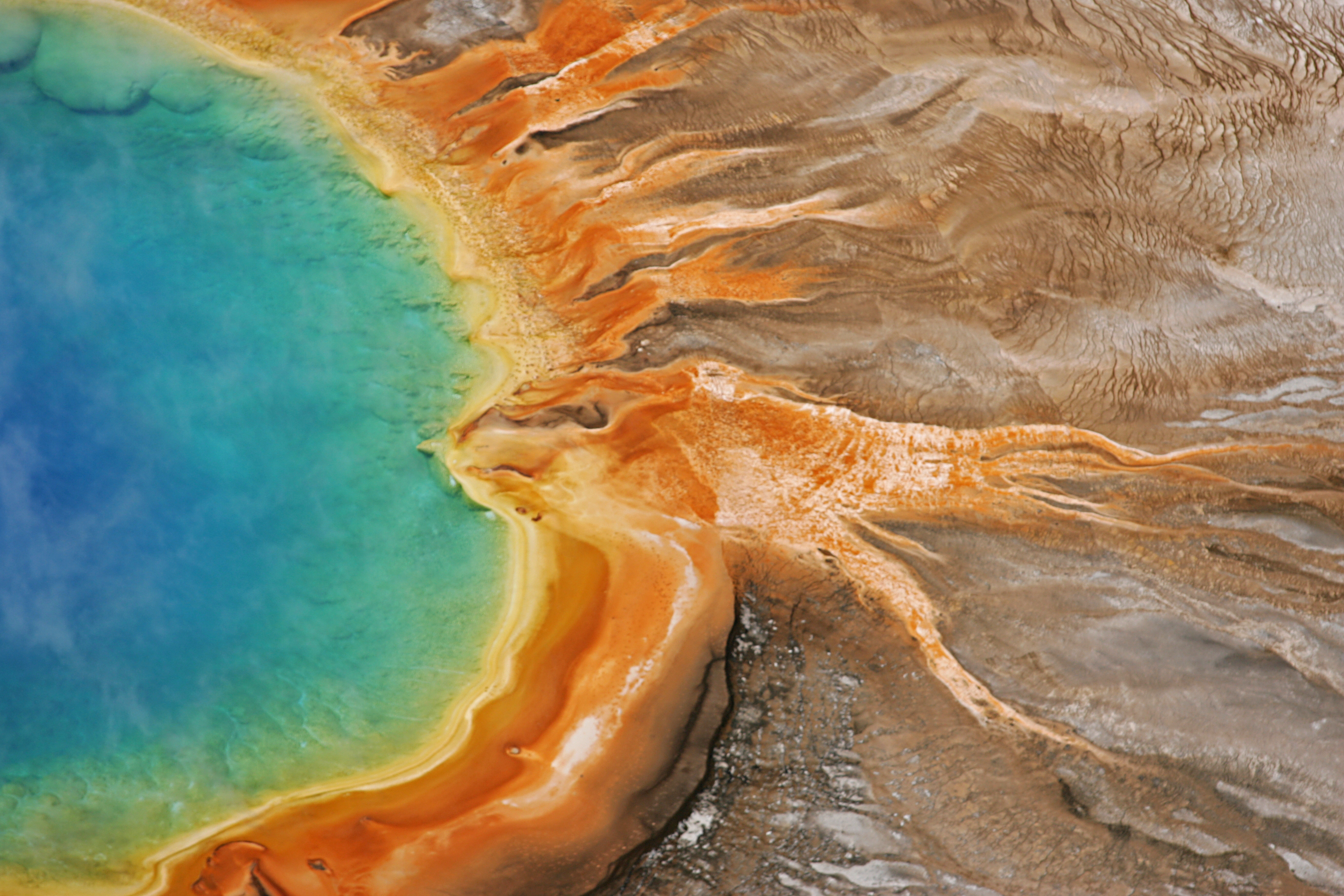
NPS via NPS.gov (Public Domain)
Best Camping Sites Yellowstone National Park
11 min read
Camping Guide
Secure Yellowstone's best campsites before they vanish in minutes. Our 2026 guide reveals the six-month booking strategy and top campgrounds.
Your plans
This article contains affiliate links — we may earn a small commission at no extra cost to you.
Campground at a Glance
| Campground | Sites | Reservation? | Season (Approx.) | Fee/Night (2026) | Elevation | Hookups | Nearest Services |
|---|---|---|---|---|---|---|---|
| Bridge Bay | 432 | Yes | Late May - Late Sep | $33 | 7,800 ft | None | Lake Village (2 mi) |
| Canyon | 273 | Yes | Late May - Mid Sep | $39 | 7,900 ft | None | Canyon Village (on-site) |
| Fishing Bridge RV Park | 310 | Yes | Mid May - Late Sep | $89 | 7,800 ft | Full (W/E/S) | Fishing Bridge (on-site) |
| Grant Village | 430 | Yes | Late May - Late Sep | $39 | 7,800 ft | None | Grant Village (on-site) |
| Indian Creek | 70 | First-Come | Mid June - Early Sep | $20 | 7,300 ft | None | Mammoth (8 mi N) |
| Lewis Lake | 85 | First-Come | Mid June - Early Nov | $20 | 7,800 ft | None | Grant Village (10 mi N) |
| Madison | 278 | Yes | Early May - Mid Oct | $33 | 6,800 ft | None | West Entrance (14 mi) |
| Mammoth | 85 | First-Come | Year-Round | $25 | 6,200 ft | None | Mammoth Hot Springs (1 mi) |
| Norris | 100 | Closed | Indefinitely | N/A | 7,500 ft | N/A | N/A |
| Pebble Creek | 27 | First-Come | Closed | N/A | 6,900 ft | N/A | N/A |
| Slough Creek | 23 | First-Come | Late May - Late Oct | $20 | 6,250 ft | None | Tower-Roosevelt (10 mi) |
| Tower Fall | 31 | First-Come | Late May - Late Sep | $20 | 6,600 ft | None | Tower-Roosevelt (3 mi) |
Note: Pebble Creek Campground remains closed due to 2022 flood impacts. Norris Campground is closed for long-term rehabilitation. Always verify current status and fees before arrival.
Madison Campground: Complete Guide
Madison Campground offers the quintessential Yellowstone experience. Set within a lodgepole pine forest, the steady murmur of the Madison River provides a constant backdrop. The scent of pine resin and moist soil hangs in the air. Its central location means daytime brings the faint drone of RVs on the Grand Loop Road, but by nightfall, the river's flow takes over. Underfoot, you'll find a surface of compacted earth and fallen needles.
Loop breakdown: The campground is laid out in a series of interconnected loops. Loops A and B are closest to the river, offering the best chance for a water-view site, but they also get the most through-traffic from campers walking to the riverbank. Loop D, in the interior, feels more secluded and shaded. The sites along the outer edges of any loop generally offer more privacy than those crammed in the middle.
Site specifics: For tents, look for the back-in sites in Loop D; they have better-defined tent pads and more tree cover. RV drivers favor the pull-through sites in Loops A and B for easier access, but they are more exposed. Sites 211 and 213 are perennial favorites for their proximity to the river and a bit of extra space. Avoid any site directly adjacent to the dump station access road.
Facilities: Flush toilets, potable water spigots throughout, and a dump station. No showers. The amphitheater for ranger programs is centrally located - a nice feature if you want to attend, but if you book a site nearby, expect foot traffic in the evening.
What the booking site doesn't show: The Madison River is cold. Very cold. The "beach" areas are rocky. This is prime elk territory at dawn and dusk; you will hear them bugling in the fall. Generator hours are strictly enforced from 8 AM to 8 PM. Cell service is virtually nonexistent here.

Canyon Campground: Complete Guide
Setting and atmosphere: You camp at 7,900 feet in a dense, quiet forest of lodgepole pines. The air is thinner and cooler here, even in July. The atmosphere is bustling but orderly, given its proximity to Canyon Village and the park's most famous waterfall. The sound is a mix of wind through high branches and the distant rumble of diesel buses shuttling visitors. It's a functional, well-run basecamp, not a wilderness retreat.
Loop breakdown: Loops are lettered A through Q. Loops F, G, and H are tent-only and are generally quieter, with less generator noise. Loops J, K, and L are mixed-use and see more RV traffic. The loops farthest from the entrance station (M, N, P, Q) feel more remote but add a few minutes to your drive to the village amenities.
Site specifics: The tent-only loops have the best natural privacy. In the RV loops, look for back-in sites that face the forest interior, not the road. Sites in the 400s range (Loop M area) are known for having more space between them. The campground is on a slope; sites at the upper ends of loops have less standing water after rain.
Facilities: Full service station. Flush toilets, multiple water stations, an RV dump station, and pay showers/laundry available at the Canyon Lodge complex a short walk or drive away. This is one of the only campgrounds with such convenient access to showers without needing to drive to a gateway town.
What the booking site doesn't show: The walk to the Canyon Lodge area for food or showers is longer than it looks on the map - allow 15 minutes. Because of the elevation, temperatures can plummet at night, even after a warm day. This is a high-risk bear area; food storage regulations are non-negotiable and actively patrolled.
Fishing Bridge RV Park: Complete Guide
Setting and atmosphere: This is not a traditional campground. It's a paved RV park with tight, orderly rows. You are parking on a slab, not pitching a tent on dirt. The appeal is singular: it's the only campground in Yellowstone with full hookups (water, electric, sewer). The atmosphere is communal and convenient, with the constant background noise of generators and climate control units. It's located in a sensitive wildlife area, which is why hard-sided vehicles are mandatory - no tents or tent trailers allowed.
Loop breakdown: There are no "loops" in a natural sense, just sections. The "Lake Section" sites are slightly closer to Yellowstone Lake. The "River Section" sites are nearer to the Yellowstone River. There is little meaningful difference in terms of scenery or noise; you are looking at your neighbor's RV either way.
Site specifics: All sites are pull-through. Focus on the length you need; some sites accommodate larger rigs (up to 40 feet). There is no "best site for privacy." If you want a slightly quieter experience, request a site on the outer perimeter of the park rather than in the center aisles.
Facilities: Full hookups at every site. Modern restroom building with flush toilets and pay showers. A convenience store and gas station are on-site. The dump station is for registered guests only.
What the booking site doesn't show: The mandatory hard-sided rule is rigidly enforced. Park staff will check. The location is excellent for wildlife watching from your vehicle - bison and grizzly bears frequent the meadows near the Yellowstone River. Because it's all pavement and gravel, it can feel hot and reflective on sunny afternoons.

Grant Village Campground: Complete Guide
Setting and atmosphere: Similar to Canyon in its forested, village-adjacent feel, but with the scent of lake water in the air. Grant Village is on the south shore of Yellowstone Lake. The campground is set back in the trees, so you don't get lake views, but you feel the moisture and cooler temperatures coming off the water. It's orderly and clean, with the distant sound of boat motors from the marina.
Loop breakdown: The campground is divided into six loops. Loops A and B are closest to the lake and the Grant Village amenities, which also means more pedestrian traffic. Loops E and F are at the far end, quieter and darker at night. The terrain is flat and easy to navigate.
Site specifics: Sites vary more here than the map suggests. Some have small, natural berms that provide visual separation. Look for sites ending in higher numbers (e.g., 450-470) in the back of Loops E and F for a more wooded feel. The campground is a mix of pull-through and back-in; RV drivers should note the pull-through sites are not particularly long.
Facilities: Flush toilets, potable water, and a dump station. Pay showers and laundry are available at the Grant Village lodge, a five-minute drive or a 15-minute walk.
What the booking site doesn't show: This is the campground most affected by the park's dedication to environmental protection. The shower facility uses a timed token system that feels rushed. Campfires are sometimes prohibited here earlier in the season than elsewhere due to high fire danger. The walk to the lake shore for sunset is worth the extra effort.
Mammoth Campground: Complete Guide
Setting and atmosphere: The only year-round option. In summer, it's a dusty, sunny campground perched on a terraced hillside above the Gardner River. Shade is scarce. You'll hear the river below and the elk bugling from the Mammoth Hot Springs terraces at night. In winter, it's a stark, quiet place of snow and steam, with the Mammoth Hotel lights glowing in the distance. The ground is hard-packed gravel and clay.
Loop breakdown: It's essentially one large, terraced loop winding up the hill. The lower tier sites (closer to the entrance) are more convenient but noisier from road traffic. The upper tier sites feel more removed and have better views of the surrounding hills, but you'll be climbing a steep hill to get to the restroom.
Site specifics: For RVs, the pull-through sites on the lower tier are easiest. For tents, the back-in sites on the upper tier offer more privacy and less dust from passing vehicles. Site 11 is famously good for its combination of space and relative shade. Avoid sites directly opposite the restroom building.
Facilities: Flush toilets (heated in winter), potable water, and a dump station (closed in winter). No showers. The Albright Visitor Center and Mammoth Hotel services are a one-mile drive down the hill.
What the booking site doesn't show: The wind funnels through this canyon. Stake your tent down thoroughly. In summer, the lack of tree cover makes afternoon heat intense. In winter, you must be fully self-contained; water is turned off, and the restrooms may be vault toilets. It's a unique, rugged experience.

The First-Come, First-Served Campgrounds
These are your backup plan or your strategic target. The rule is universal: arrive early. "Early" means by 8 AM for a chance, and often before 7 AM during peak season. The ranger will post a "Campground Full" sign, usually by late morning.
Indian Creek: A local favorite. Small, quiet, and feels remote. Sites are spaced well in a mixed forest-meadow setting. No generators allowed, which is a huge plus for tent campers. The sound is birds and wind. The road in is paved until the turnoff.
Lewis Lake: The most rustic of the drive-in campgrounds. Pit toilets, no generators. It's a short walk to the lake shore, popular with canoeists and kayaks. The sites are in trees right along the lake. Mosquitoes can be fierce in July. It's a long drive from most park attractions, which is the trade-off for solitude.
Slough Creek: Remote and legendary for wildlife. The two-mile dirt access road is rough and slow. The campground is in a beautiful meadow valley. This is prime wolf and bear country - storage regulations are critical. Sites are first-served, but they also take reservations for the "Slough Creek Group" site. A special place for those seeking quiet.
Tower Fall: Tiny, historic, and fills first. It's perched on a hillside with dramatic views. The sites are tight and the road is winding, not suitable for large RVs. The famous waterfall is a short walk away. The general store at Tower Junction is three miles away for basic supplies.
Reservation Strategy
Recreation.gov opens reservations at 8:00 AM Mountain Time exactly six months in advance. Use a computer, not a phone app, for the fastest experience. Have multiple campgrounds and date ranges selected as backups. If you strike out, immediately set up alerts on sites like Campflare or routinely check Recreation.gov for cancellations - they happen frequently, especially 2-4 weeks before arrival dates.
For first-come, first-served, your strategy is timing and flexibility. Mid-week arrivals (Tuesday-Thursday) offer better odds than weekends. Have a backup campground in mind, and be prepared to drive to it if your first choice is full. The park's complete visitor guide has current road status, which is critical for planning these moves.

What to Know Before You Arrive
Bear storage is not a suggestion. All food, cookware, toiletries, and trash must be stored in a hard-sided vehicle or in the provided steel food locker when not in immediate use. This includes coolers left on picnic tables. Rangers do issue citations.
Fire restrictions are common, especially in late summer. Wood fires may be prohibited while gas stoves are still allowed. Check at the entrance station or visitor center for current orders.
Quiet hours (typically 8 PM to 8 AM) are generally respected, but generator noise is the common irritant. Generator use is only allowed during daytime hours (8 AM-8 PM) in campgrounds that permit them.
Cell service is unreliable park-wide. Assume you will have none at your campsite. Plan accordingly.
Water from park faucets is potable. Never drink from streams, rivers, or hot springs without proper treatment due to bacteria and, in thermal areas, dangerous chemicals.
Checkout time is usually 11 AM. Arrival time is often 12 PM. Rangers are strict about this to allow for site cleaning.
Practical Takeaways
- Book at 8 AM MT, six months out. For summer, this is a non-negotiable calendar event.
- Have a bear-proof plan. This means a hard-sided vehicle or using the campsite's food locker for everything with a scent.
- First-come, first-served means very early arrival. Before 8 AM, often before 7.
- Hookups exist only at Fishing Bridge RV Park. Book there only if you need them; it's a different experience.
- Generator hours are 8 AM to 8 PM where allowed. If you want quiet, target Indian Creek, Lewis Lake, or Slough Creek.
- Elevation dictates temperature. A 70°F day can become a 40°F night. Pack a warm sleeping bag and layers.
- Showers cost money. They are available at Canyon, Fishing Bridge, and Grant Village for a fee.
- Mammoth is your only year-round bet. Be prepared for winter camping conditions outside of summer.
- Your confirmation is not a gate pass. You still need to pay the park entrance fee or show your pass upon arrival.
- Camping is for sleeping. Spend your days out exploring the hiking trails or seeing the sights. Your site is a basecamp, not the main attraction.
For other overnight options, including roofed accommodations, see our guide to lodging and accommodations in the park.
Recommended Gear
What experienced visitors bring to Best Camping Sites Yellowstone National Park
Links may earn us a commission at no extra cost to you. We only recommend gear we believe in.
Hiking Essentials
Hydration Pack (3L)
Hands-free water for long trail days
Trekking Poles (Pair)
Save your knees on steep descents
Hiking Boots (Ankle Support)
Sturdy footwear for rocky, uneven trails
Sun & Heat Protection
Wide-Brim Sun Hat
Full coverage UPF 50+ protection at altitude
Insulated Water Bottle (32oz)
Keeps water cold in desert heat all day
Winter Gear
Microspikes / Traction Devices
Essential for icy rim trails in winter months
Packable Down Jacket
Lightweight warmth that stuffs into a pocket
Sources
- Official source: NPS — Yellowstone National Park nps.gov/yell/index.htm
Photo Gallery
More to Explore
Park Guide
Acadia National Park: Carriage Roads, Cadillac Mountain & 2026 Guide
Discover carriage roads, Cadillac Mountain, and rugged Maine coast. Complete 2026 guide to Acadia National Park — trails, fees, lodging, permits, and what rangers recommend.
Hiking Guide
Grand Canyon Hiking Trails: Day Hikes, Water Sources & Rim to Rim
Compare Grand Canyon hiking trails: Bright Angel, South Kaibab, Hermit, Grandview, and rim to rim, with distances, elevation, water stops, and trailhead access for each.
Best Of
Best of Glacier Bay National Park
The best of Glacier Bay is reached by boat: ranger-led day tours up the bay to the tidewater glaciers. What's worth it, how to book, and when to go (2026).
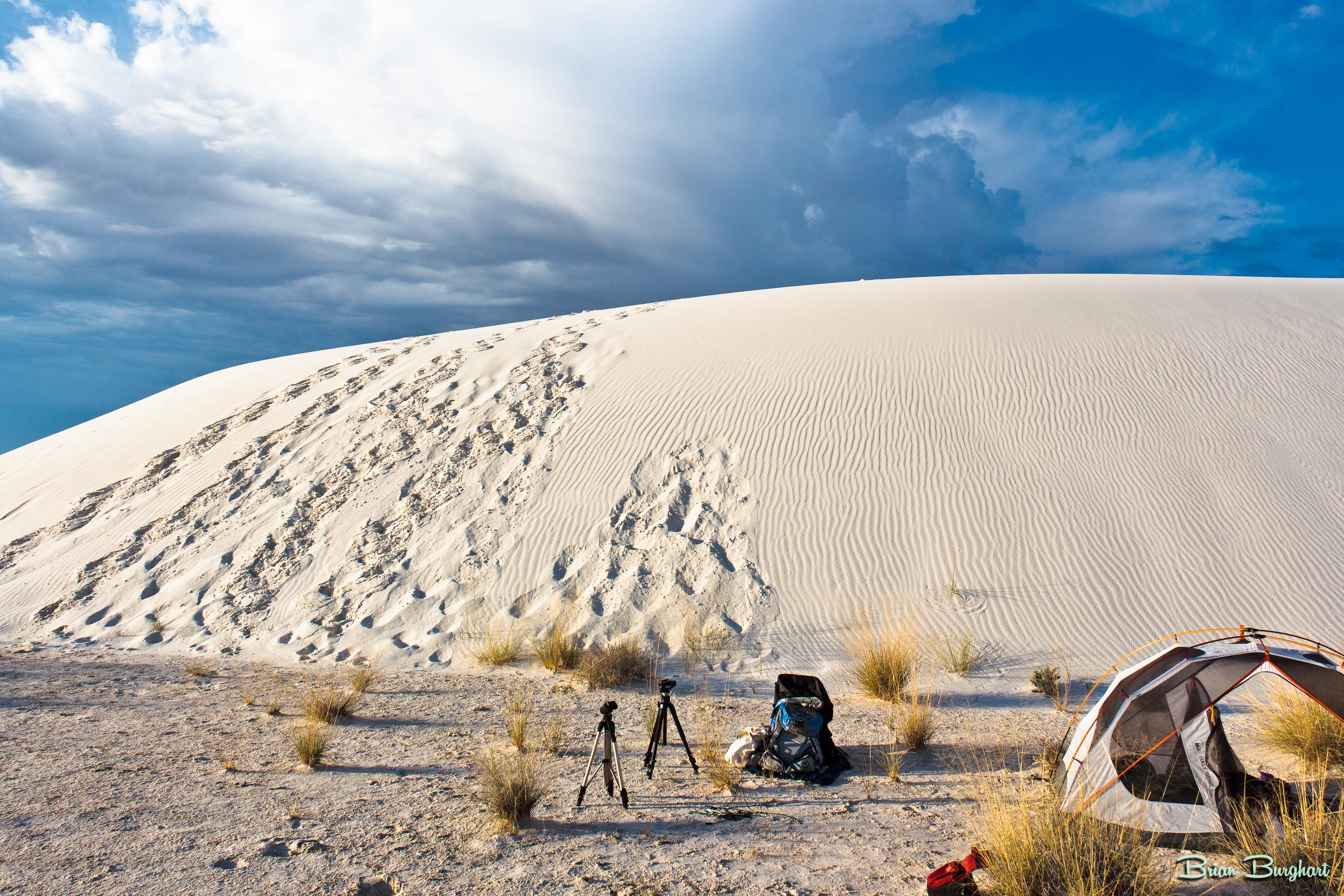
Campsite Guide
White Sands Backcountry Camping: Closed for 2026 — What to Know
As of 2026, backcountry camping at White Sands National Park is closed for site rehabilitation. What that means, and where to camp nearby instead.
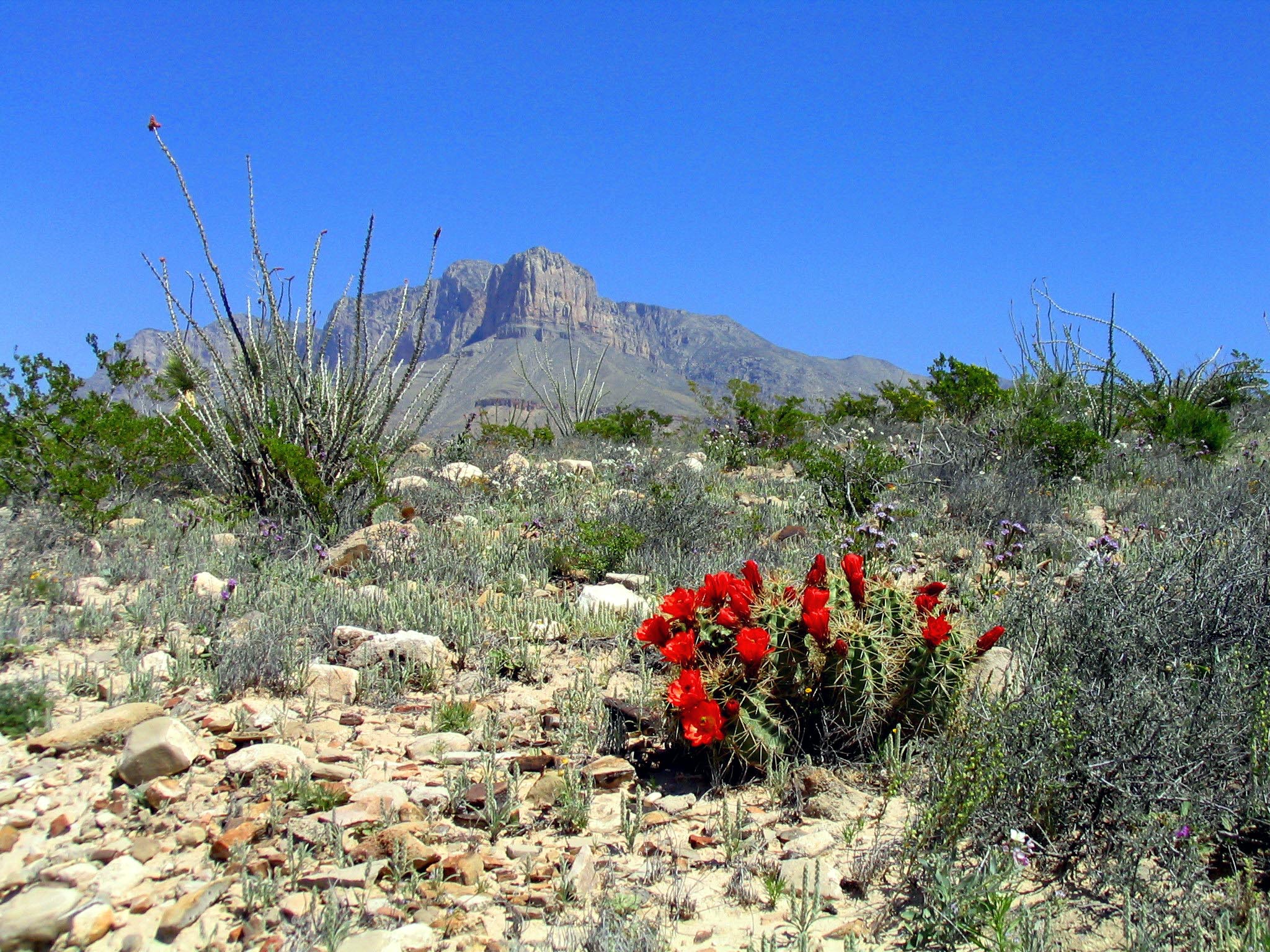
Weather Guide
Guadalupe Mountains National Park Weather: Weather
Guadalupe Mountains National Park: weather guide guide updated 2026. Practical visitor information, reservations, and seasonal tips worth bookmarking before
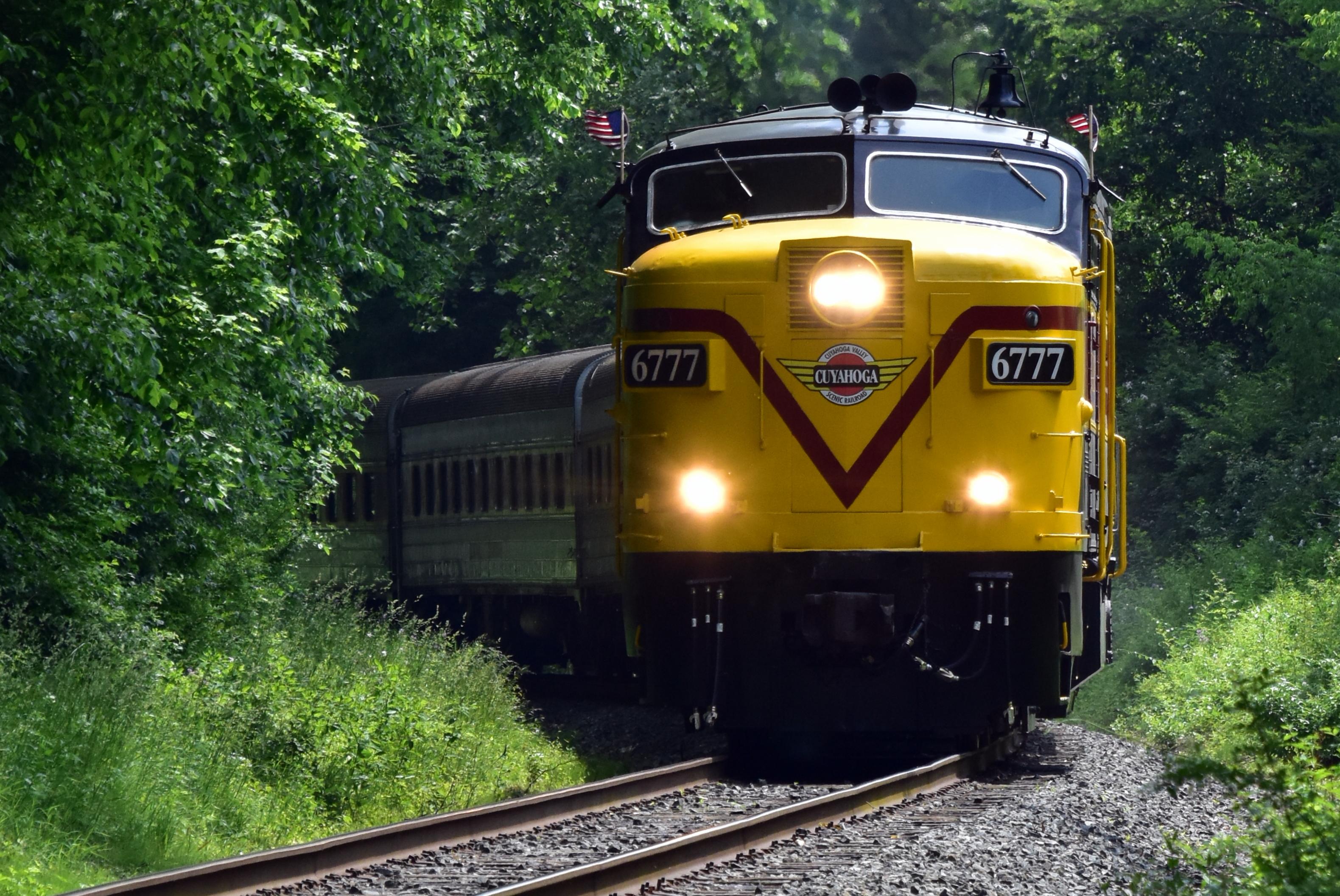
Best Of
Best of Cuyahoga Valley National Park: Best Things to Do
Seeing a Cleveland Orchestra concert with the woods as your backdrop is a uniquely Cuyahoga Valley experience.
Sign in to join the conversation.
Sources & Attribution
Location data courtesy of the National Park Service (U.S. Department of the Interior). NPS data is public domain. Official NPS page.
Images: NPS; NPS; NPS; NPS; NPS.
Map data © OpenStreetMap contributors.
Park operations alerts: NPS.gov · Weather and weather hazards: National Weather Service · Live conditions.
Information may change. Always verify fees, hours, and conditions directly with the official source before visiting.
Did this guide help? Share it with a friend.