After twenty seasons here, I can tell you Wind Cave weather boils down to one reliable pattern: the sudden, violent summer thunderstorm. Official forecasts might mention a 30% chance of scattered storms, but on the ground, that means a near-daily afternoon ritual. Towering clouds build, lightning cracks close enough to taste the ozone, and hail can whiten the prairie in minutes. Most newcomers are genuinely surprised by the speed. It's common to start a sunny hike at 1 PM and be making a run for the vehicle under marble-sized hail by 2:30. This isn't a passing shower; it's the dominant atmospheric event of our summer season.
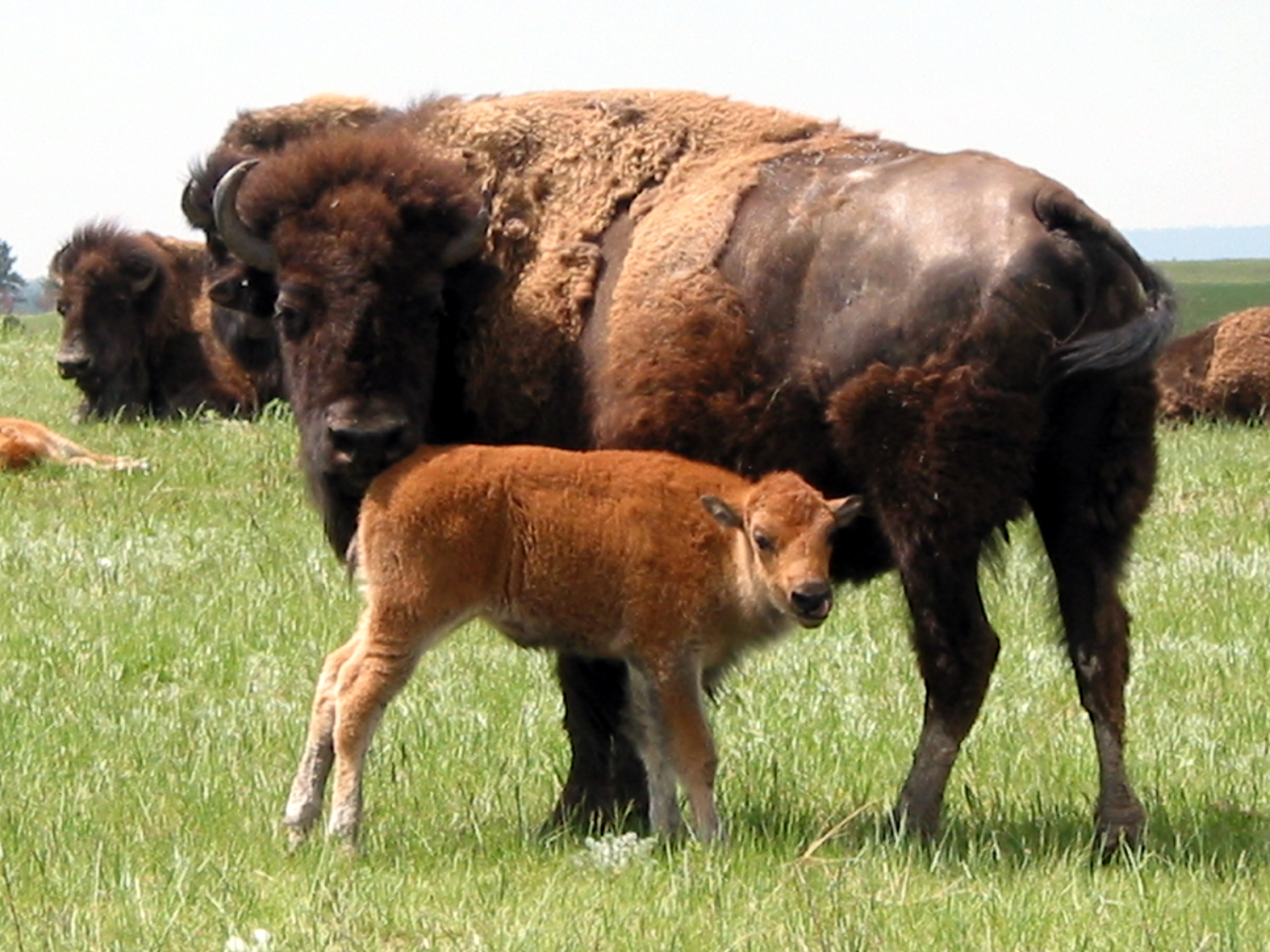
NPS via NPS.gov (Public Domain)
Wind Cave National Park Weather
9 min read
Weather Guide
Expect sudden, violent thunderstorms at Wind Cave National Park. Our 2026 guide explains the prairie's dramatic weather and how to plan for it.
The Weather Reality
Wind Cave sits at the intersection of two distinct landscapes - the rolling mixed-grass prairie and the forested Black Hills - and its weather reflects that collision. The park's elevation, around 4,000 feet, means the sun feels intense and UV radiation is high, but the air lacks the humidity that makes heat feel oppressive. The official forecasts from Rapid City or Hot Springs often miss the microclimates created by the hills. A sunny, calm morning on the prairie can be a windy, overcast afternoon just a few miles into the ponderosa pine forests.
The park doesn't have a true monsoon season, but summer afternoons are reliably unstable. Moisture rides up from the Gulf, hits the rising terrain, and explodes into thunderstorms. Rangers will tell you that if you don't like the weather, wait 20 minutes. The more accurate advice is to plan your outdoor activities for the morning. The other reality is the wind. It's not in the park's name for nothing. Spring and fall winds can howl across the open grassland at 30-40 mph for days, making any hike above the trees a test of endurance and layering.

Month by Month
Wind Cave's seasons are sharply defined, each presenting a clear choice between weather conditions and visitor numbers.
March - May (Spring)
Temperatures swing wildly from highs in the 50s to 70s, with nights often dipping below freezing. This is the park's wettest season. Snow is possible through April, and May rains can be cold and persistent.
* What's Open: The visitor center and cave tours operate, but schedules may be reduced early in the season. All park roads are typically open, barring late snowstorms.
* Crowd Level: Low to moderate. Weekends see local traffic, but you'll have trails largely to yourself.
* Wildlife: Elk and bison are highly active. This is calving season for bison - you'll see reddish-orange calves near the herds. Prairie dogs are out in force.
* Trail Conditions: Trails are often muddy and soft. Creek crossings can be high. The prairie grasses are brown and short, offering unobstructed wildlife viewing but less scenic beauty.
* Worth Considering: Solitude and dynamic wildlife behavior. The lack of summer haze makes for clear, long-distance views.
* Challenging: The weather is genuinely unpredictable. You need gear for sun, wind, rain, and cold - sometimes all in the same day.
June - August (Summer)
Hot, dry, and punctuated by afternoon thunderstorms. Daytime highs regularly exceed 80°F and can hit the 90s. Nights are cool, usually in the 50s. Humidity is low, so the heat is bearable until the sun is directly overhead.
* What's Open: Everything. Full cave tour schedule, visitor center, campgrounds, and all roads.
* Crowd Level: High. This is peak season. The visitor center parking lot fills by mid-morning, and cave tours sell out daily.
* Wildlife: Animals are most active at dawn and dusk, retreating to shade or forest edges during the heat of the day. Birdlife is abundant.
* Trail Conditions: Trails are dry and firm. The prairie grasses turn green and grow tall, sometimes obscuring views of smaller animals.
* Worth Considering: Reliably warm weather for camping, long days for exploring, and full access to all services.
* Challenging: The crowds and the non-negotiable afternoon storm cycle. Hail and lightning are genuine safety hazards with little cover on the prairie.
September - October (Fall)
Generally dry with warm, pleasant days (50s to 60s) and crisp nights that often drop below freezing. The first significant snows can arrive in late October. Winds can be strong.
* What's Open: Cave tours and facilities begin to scale back to winter schedules in October. Roads remain open unless early snow hits.
* Crowd Level: Moderate, dropping significantly after Labor Day. A favorite time for experienced visitors.
* Wildlife: The elk rut (mating season) begins in September. The bugling of bull elk echoes through the forested hillsides - a classic fall experience. Bison herds are fattening up for winter.
* Trail Conditions: Excellent. Cool temperatures, dry trails, and fewer insects.
* Worth Considering: Stable weather, dramatic wildlife events like the elk rut, and the golden color of the prairie grasses.
* Challenging: Services are reduced. You need to be prepared for a wide temperature swing from day to night.
November - February (Winter)
Cold and quiet. Highs are in the 30s, with lows averaging around 10°F. Wind chills can be severe. The park averages 30 inches of snow, but it tends to come in a few large storms that periodically close US Highway 385 and park roads.
* What's Open: The visitor center has limited hours. Cave tours are offered, but on a very limited, first-come-first-served basis. The Elk Mountain Campground is open year-round, but services (like water) are winterized.
* Crowd Level: Very low. You may see more wildlife than people.
* Wildlife: Bison and elk move to lower elevations and wind-sheltered areas. Their dark coats stand out starkly against the snow. This is a great time for tracking.
* Trail Conditions: Snow-covered and often icy. Trails are not maintained for winter travel. Cross-country skiing or snowshoeing is possible after a fresh snow, but you are breaking your own trail.
* Worth Considering: Profound silence and solitude. The sight of the prairie under snow is striking. The cave is a constant 53°F, making it a warm refuge.
* Challenging: Access is not guaranteed. Always check road conditions before you go. Services are minimal, and winter camping demands serious preparation.

Best Times for Specific Activities
Your ideal month depends entirely on what you want to do.
* For Hiking: September and early October are unbeatable. The summer crowds have left, the temperatures are perfect for exertion, and the trails are dry. Early June, before the full summer heat, is a close second.
* For Wildlife Viewing: It's a year-round park, but different seasons offer different highlights. Spring (May) for bison calves and abundant prairie dogs. Fall (September) for the elk rut. Winter for seeing large herds against the snow and observing animal behavior in a quiet landscape.
* For Wildflowers: Late May through June. The prairie comes alive with blooms like pasqueflower, prairie smoke, and coneflowers. The timing varies by a week or two each year depending on spring moisture.
* For Fall Colors: Mid-to-late September. The focus isn't on dense forest but on the contrast of gold and copper prairie grasses against the dark green ponderosa pines in the hills. Aspens in sheltered draws add splashes of yellow.
* For Stargazing: Fall and winter. The dry air, lack of summer haze, and minimal light pollution create exceptional conditions. The Milky Way is vividly clear on moonless nights from September through March.
* For Cave Tours: Any time. The cave is a constant 53°F with high humidity. The main challenge is tour availability - book well in advance for summer, or aim for a weekday in the shoulder seasons for more flexibility.

What to Pack by Season
Forget generic lists. Pack for Wind Cave's specific dual environment - the exposed prairie and the sheltered forest.
Spring/Fall: This is all about layers. A moisture-wicking base layer, a insulating mid-layer like a fleece, and a waterproof/windproof outer shell are mandatory. Pack a warm hat and gloves - you'll use them at dawn even in September. Sturdy, waterproof hiking boots are essential for muddy trails. Sunglasses are a must for the relentless prairie wind.
Summer: Lightweight, long-sleeved shirts and pants for sun and insect protection. A wide-brimmed hat. High-SPF sunscreen - the high-elevation sun will burn you quickly. A rain jacket is non-negotiable, not optional. Pack it every single day. A small packable shell for sudden storms. More water than you think you need; there are few reliable natural water sources on the trails.
Winter: Serious cold-weather gear. A heavy insulated coat, thermal layers, wool socks, insulated waterproof boots, mittens, a balaclava, and warm goggles for windy days. Traction devices for your boots (like microspikes) are highly recommended for icy trails and parking areas. Your vehicle should contain a winter survival kit: blankets, food, water, and a shovel.
Year-Round Essentials: Binoculars for wildlife watching. A headlamp or flashlight. A first-aid kit. A detailed map - cell service drops out at the park boundary and is unreliable throughout.

What the Forecast Doesn't Tell You
- The Hail Reality: Summer hail isn't just noisy. It's often large enough to dent vehicles and cause injury. If you see a dark cloud building, head for shelter. The gift shop sells water for $4 a bottle. Bring your own.
- Prairie Wind Chill: A 40°F day with a 30 mph wind feels below freezing. That wind saps heat and energy quickly, making fall and spring hikes more demanding than the temperature suggests.
- The Temperature Inversion: On clear, calm winter nights, cold air settles into the low areas. The prairie floor can be 10-15 degrees colder than the visitor center. Your car's outside thermometer may not reflect the true conditions where you're hiking.
- Flash Flood Potential in the Cave: While the surface is dry, heavy summer rains can flood lower cave passages within hours. This is why cave tours can be modified or cancelled on short notice due to weather you can't even see from the surface.
- Lightning with Nowhere to Hide: On the open prairie, you are the tallest object for miles. Rangers emphasize that when thunder roars, go indoors. There is no safe tree or overhang. Your only safe option is your vehicle.
- Rapid Snowmelt: A sunny winter day can melt snow on paved roads, which then refreezes into black ice at night as temperatures plummet. Drive cautiously in the late afternoon.
- Fire Danger Transitions: As of 2026, emergency fire restrictions are in place due to dry conditions. This can happen in any season. Always check current alerts. The shift from safe to extreme fire danger can happen in a single windy, dry week.
Practical Takeaways
- Schedule Around Storms: Plan all major hiking, wildlife drives, and prairie exploration for the morning. Be off exposed trails by 2 PM in summer. Use the afternoons for the cave tour, visitor center, or a scenic drive where you can quickly take shelter.
- Layer for Two Climates: Always pack a wind/rain layer, regardless of the forecast. The difference between the sunny prairie and the shaded forest trail can feel like 15 degrees.
- Verify Cave Access: Cave tours are weather-dependent. Even if it's sunny above, rain elsewhere can affect the cave. Call ahead (605-745-4600) or check the park website on the morning of your visit for tour status.
- Winter Means "Maybe": A winter visit requires flexibility. Roads may close without much warning. Have a backup plan and check the South Dakota Department of Transportation road conditions map before you leave.
- Water is Weight: Carry at least one liter of water per person for every two hours you plan to be out. There are no water fill stations on the trails. The dry air and wind dehydrate you faster than you realize.
- Don't Trust Your Phone: For weather, navigation, or communication. Get a paper map at the visitor center and make a plan before you head out. Inform someone of your itinerary.
- Respect the Alerts: The park's active alerts, like fire restrictions, are there for your safety and the protection of the resource. They are the first thing you should read before planning your day.
Wind Cave National Park weather rewards preparation and punishes assumption. Pack for volatility, plan for morning adventures, and you'll be set to enjoy both of its worlds - the sunlit prairie and the silent cave below. For more detailed planning on trails and camping, see our complete visitor guide and pages on hiking trails and camping options.
For more information, see our complete National Park Guide.
Related: wind cave national park guide
Related: wind cave national park lodges guide
Sources
- Official source: NPS — Wind Cave National Park nps.gov/wica/index.htm
Photo Gallery
More to Explore
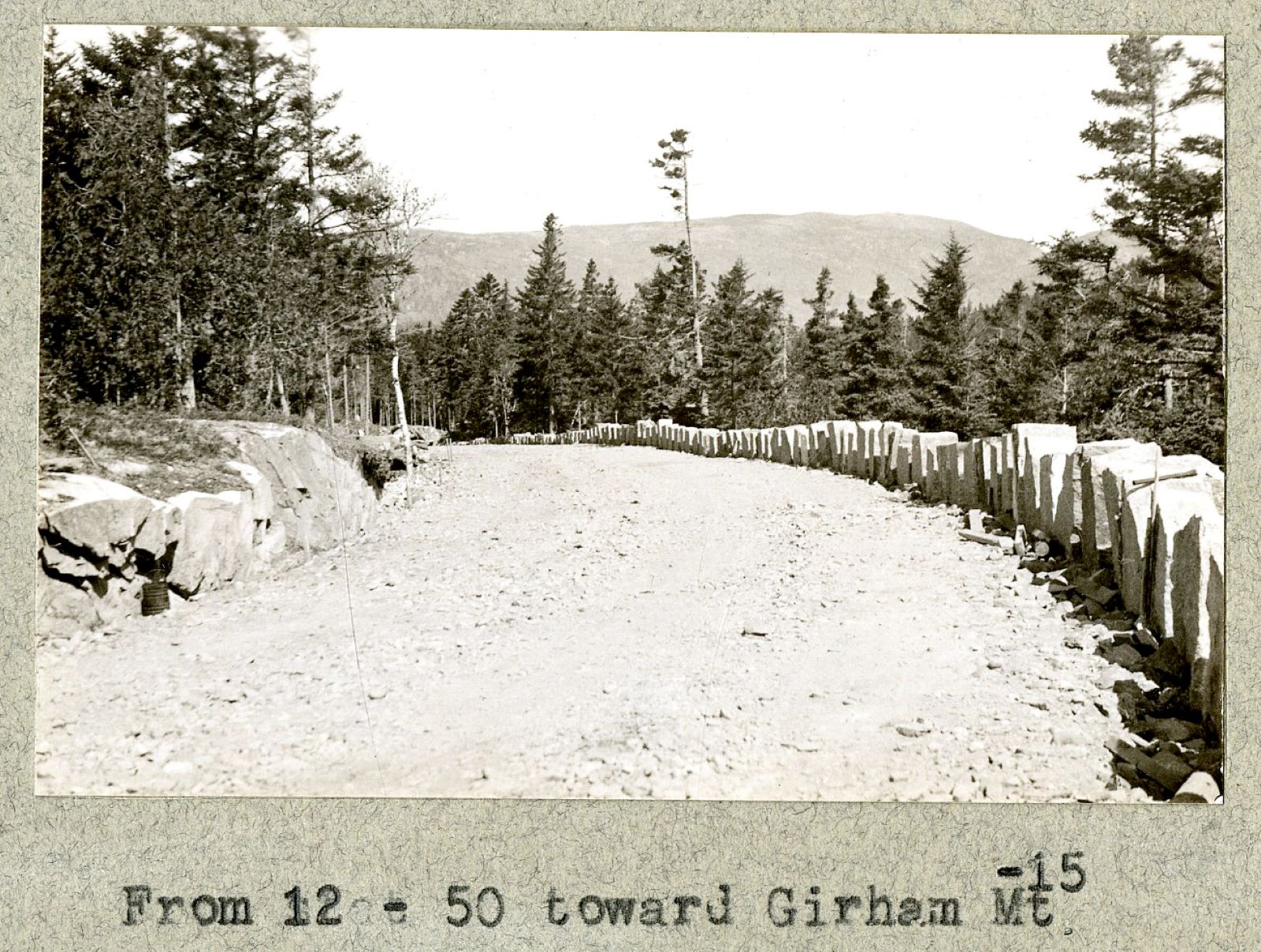
Park Guide
Acadia National Park: Carriage Roads, Cadillac Mountain & 2026 Guide
Discover carriage roads, Cadillac Mountain, and rugged Maine coast. Complete 2026 guide to Acadia National Park — trails, fees, lodging, permits, and what rangers recommend.
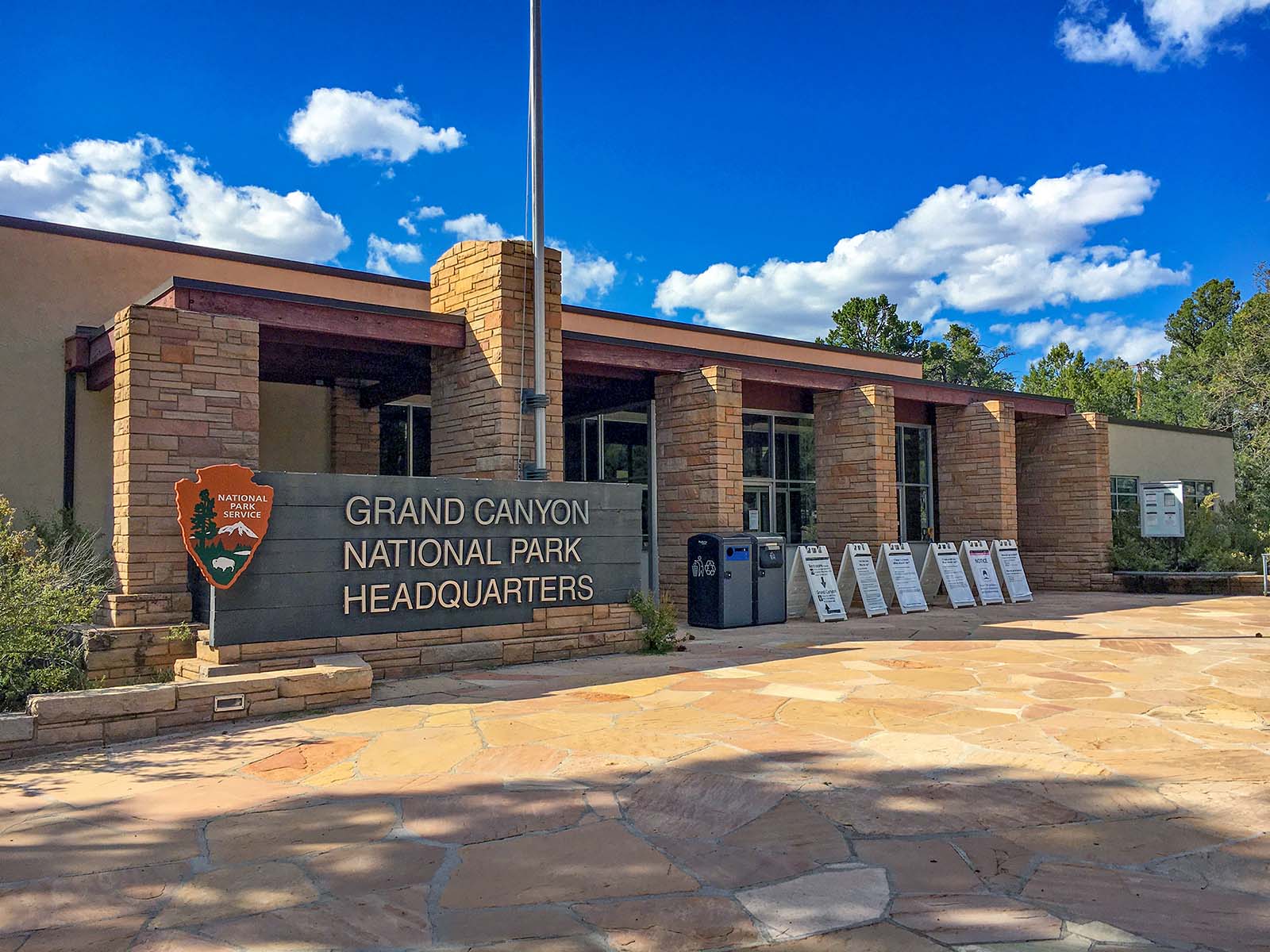
Hiking Guide
Grand Canyon Hiking Trails: Day Hikes, Water Sources & Rim to Rim
Compare Grand Canyon hiking trails: Bright Angel, South Kaibab, Hermit, Grandview, and rim to rim, with distances, elevation, water stops, and trailhead access for each.
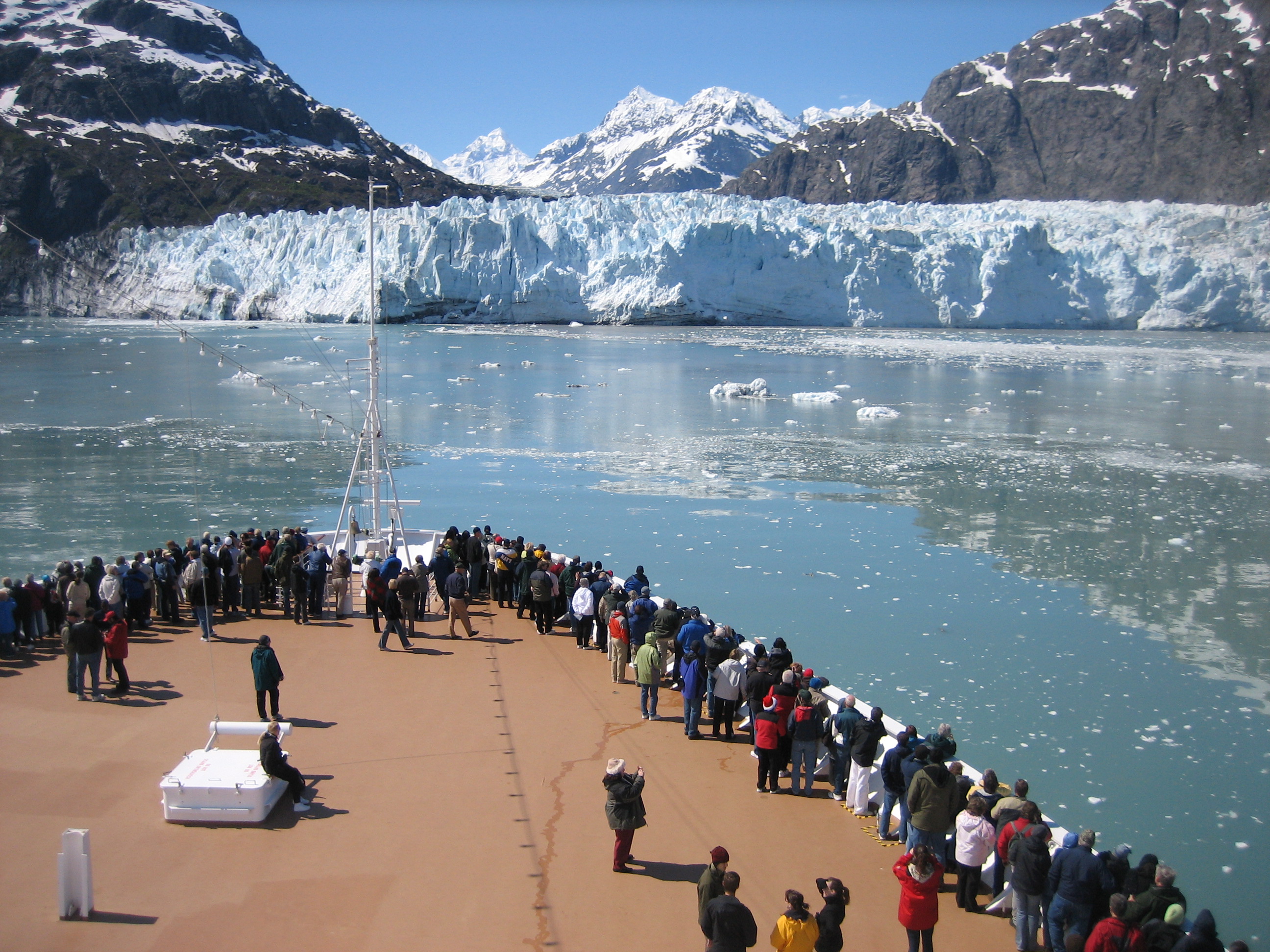
Best Of
Best of Glacier Bay National Park
The best of Glacier Bay is reached by boat: ranger-led day tours up the bay to the tidewater glaciers. What's worth it, how to book, and when to go (2026).
Campsite Guide
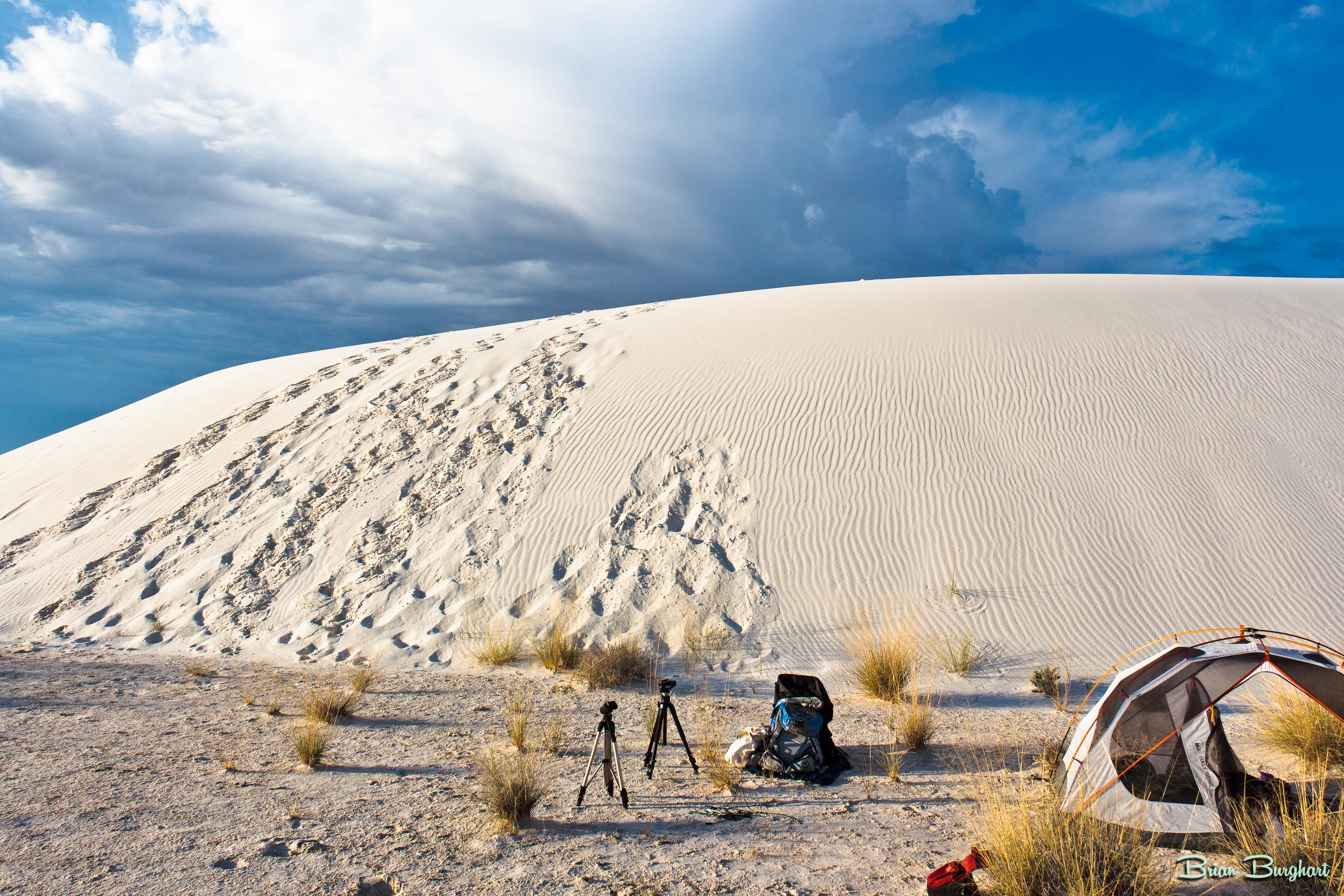
White Sands Backcountry Camping: Closed for 2026 — What to Know
As of 2026, backcountry camping at White Sands National Park is closed for site rehabilitation. What that means, and where to camp nearby instead.
Weather Guide
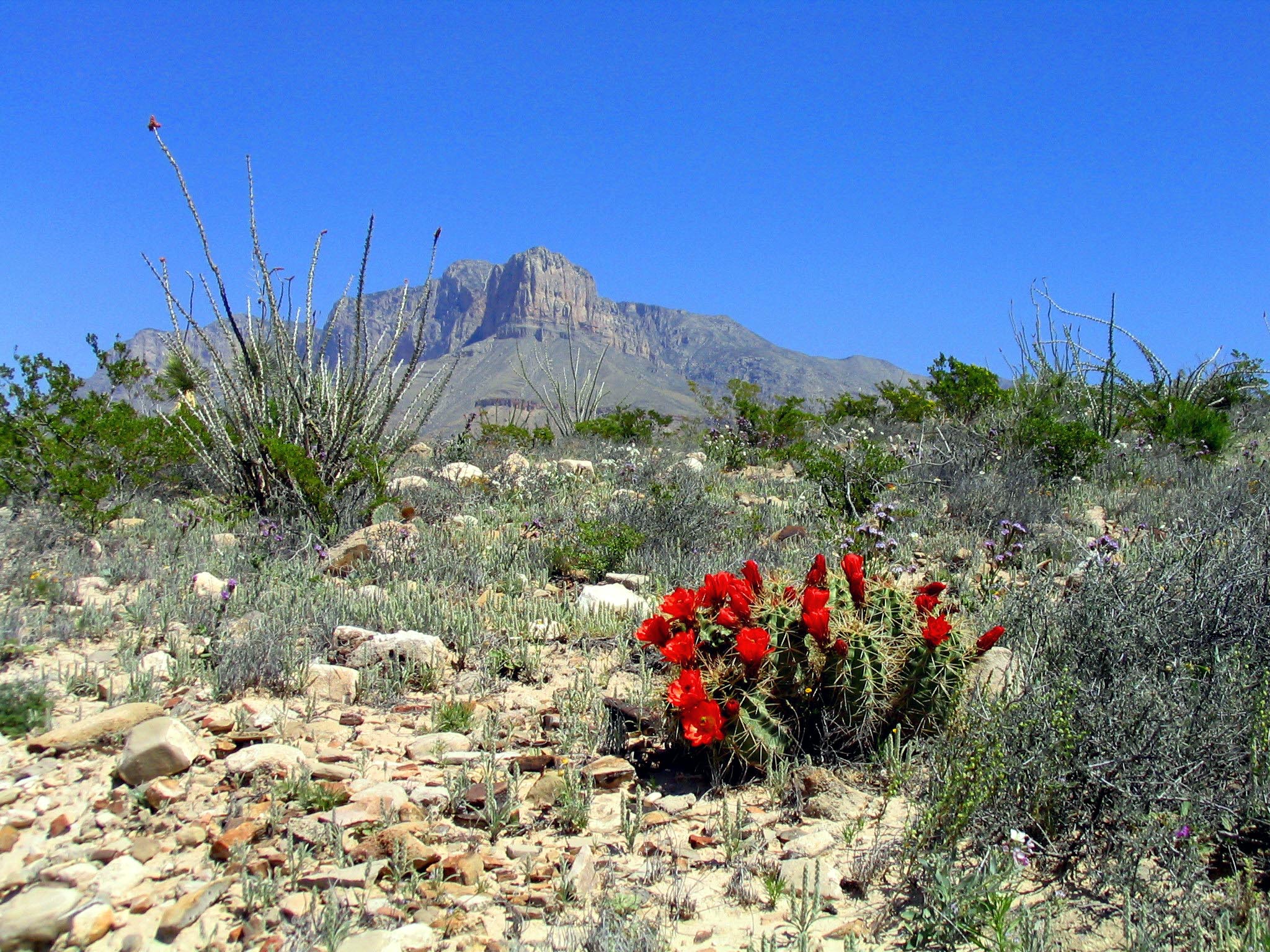
Guadalupe Mountains National Park Weather: Weather
Guadalupe Mountains National Park: weather guide guide updated 2026. Practical visitor information, reservations, and seasonal tips worth bookmarking before
Best Of
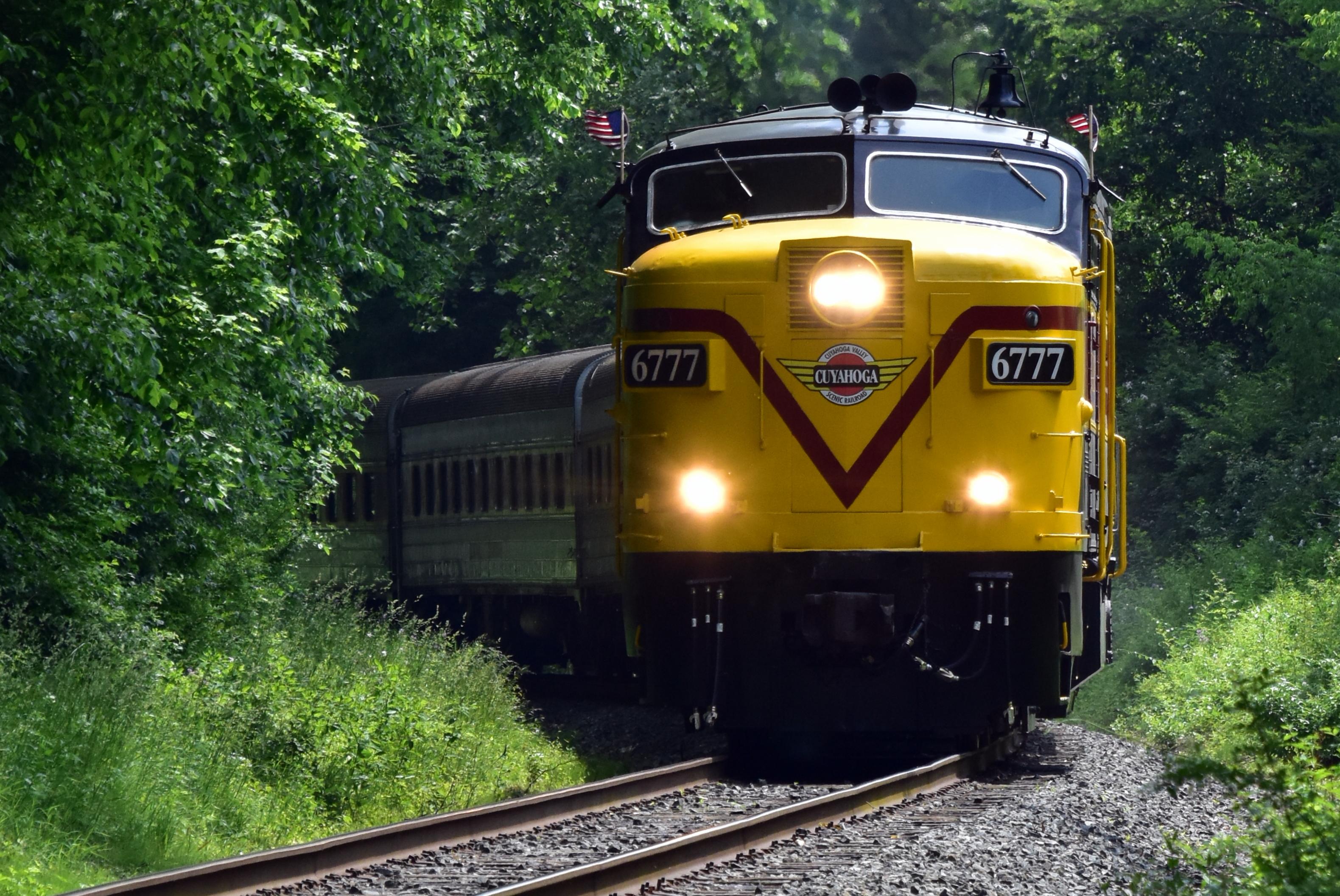
Best of Cuyahoga Valley National Park: Best Things to Do
Seeing a Cleveland Orchestra concert with the woods as your backdrop is a uniquely Cuyahoga Valley experience.
Sign in to join the conversation.
Sources & Attribution
Location data courtesy of the National Park Service (U.S. Department of the Interior). NPS data is public domain. Official NPS page.
Images: NPS; NPS; NPS; NPS; NPS.
Map data © OpenStreetMap contributors.
Park operations alerts: NPS.gov · Weather and weather hazards: National Weather Service · Live conditions.
Information may change. Always verify fees, hours, and conditions directly with the official source before visiting.
Did this guide help? Share it with a friend.