For more, see hiking trails, camping options, lodging and accommodations, best time to visit, and tours and guided experiences.
NPS via NPS.gov (Public Domain)
Badlands National Park: Fossil Beds & Painted Formations - 2026
13 min read
Park Guide
These striking geologic deposits contain one of the world's richest fossil beds - ancient horses and rhinos once roamed here.
Your plans
This article contains affiliate links — we may earn a small commission at no extra cost to you.
At a glance
Entrance Fee
Private vehicle $30 · Motorcycle $25 · Per person $15Full fee schedule
Hours
The park is open to visitors all year with the exception of weather closures.
Best Time
June-September (summer), September-October (fall colors)
Address
25216 Ben Reifel Road, Interior, SD, 57750
Website
43.6858, -102.4829
Google MapsIntroduction
If you're looking for tips badlands national park photography permit requirements before you go, here's the short answer: no photography permit is needed for personal use in Badlands National Park. Commercial filming and photography do require permits through the NPS Special Use Permit process, but if you're carrying a DSLR or smartphone for your own trip, you're clear. What you actually need to plan for is the light, the weather, and the fact that the park's most photographed overlooks are empty at sunrise and packed by 10 AM.
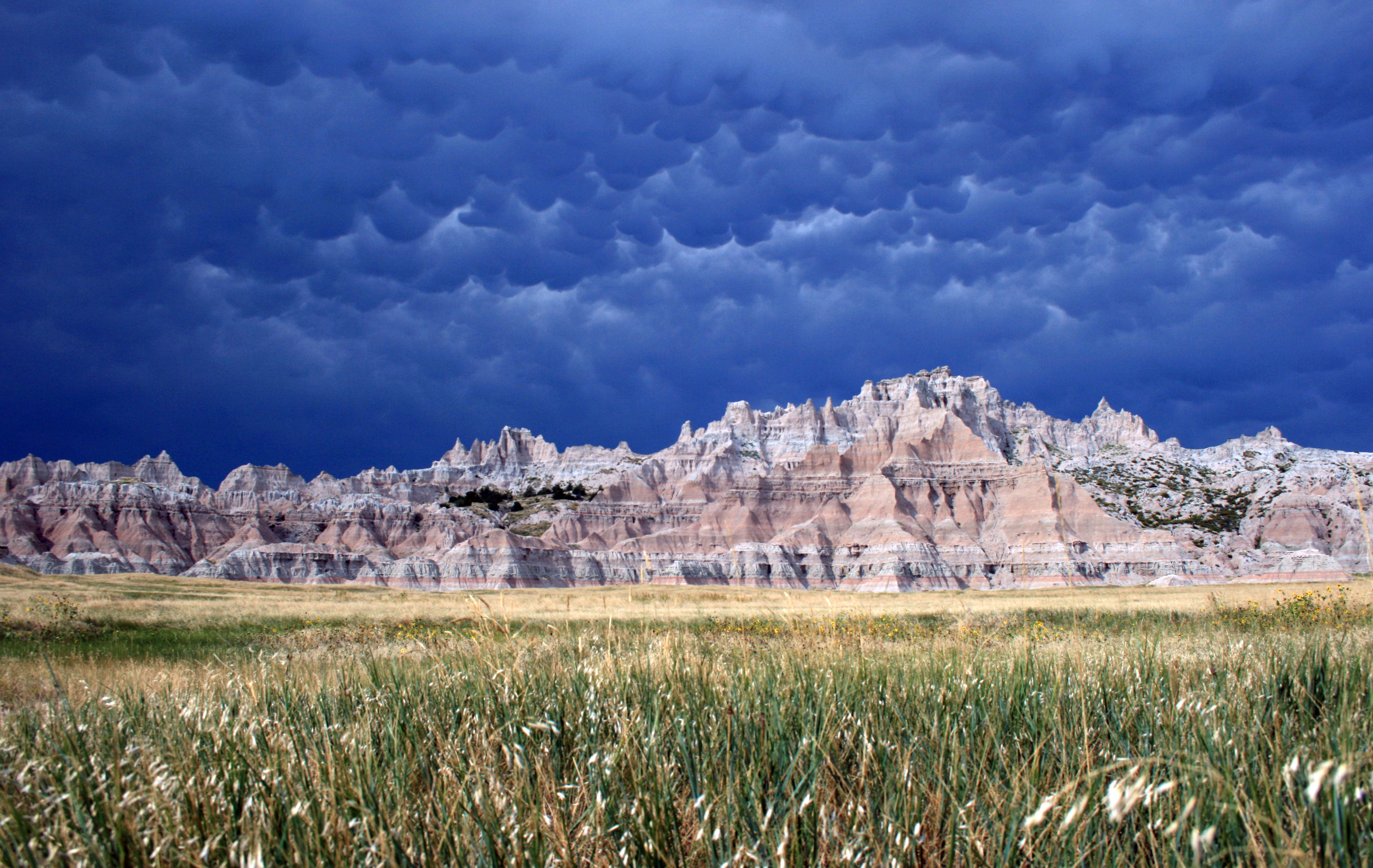
The rugged beauty of the Badlands draws visitors from around the world. These striking geologic deposits contain one of the world's richest fossil beds - ancient horses and rhinos once roamed here. The park's 244,000 acres protect an expanse of mixed-grass prairie where bison, bighorn sheep, prairie dogs, and black-footed ferrets live today. What most first-time visitors find surprising is how much of the park is wilderness. The developed Loop Road gives you the iconic views, but the South Unit and the backcountry see a fraction of the traffic.
Weather here is genuinely extreme. Temperature ranges from 116°F to -40°F. Summer afternoons bring violent thunderstorms, and hailstorms can appear with sudden fury. Winters are cold with 12 to 24 inches of snowfall. Pack for conditions you didn't expect - rangers will tell you that's the single piece of advice they repeat most often.
The Lay of the Land
North Unit vs. South Unit
The park splits into two distinct areas. The North Unit is where nearly all visitors go. This is where you'll find the Ben Reifel Visitor Center, the Badlands Loop Road (Highway 240), Cedar Pass Campground, and the most famous overlooks and trailheads. The North Unit is accessed from I-90 via either the Northeast Entrance (Exit 131) or the Pinnacles Entrance (Exit 110 near Wall).
The South Unit sits on the Pine Ridge Reservation and is accessed via the Interior Entrance on SD Highway 377. The White River Visitor Center serves this area. The South Unit is less developed, more remote, and offers a very different experience - longer drives, fewer facilities, and expansive views across the Sheep Mountain Table and Stronghold areas. Most visitors never make it here.
The Badlands Wall
The defining geological feature of the park is the Badlands Wall - a long escarpment of eroded sedimentary rock that runs like a spine through the North Unit. The Loop Road follows this wall, and most overlooks face it. The wall is what you see in every photograph, but its appearance changes dramatically with time of day and angle of light. The colors shift from pale cream to deep orange to purple-gray depending on when you're looking.
Wilderness Area
The Sage Creek Wilderness Area covers a significant portion of the North Unit. This is where you'll find bison, prairie dog towns, and the primitive Sage Creek Campground. The terrain here is less dramatic than the badlands formations but offers a sense of scale that the overlooks don't quite capture. The Sage Creek Rim Road, a dirt route, provides access.

Planning Your Visit
Entrance Fees (as of 2026)
| Vehicle Type | Fee | Duration |
|---|---|---|
| Private Vehicle | $30.00 | 7 days |
| Motorcycle | $25.00 | 7 days (up to 2 bikes) |
| Per Person (hiker/biker) | $15.00 | 7 days |
| Commercial Sedan (1-6) | $25 + $15/person | 7 days |
| Commercial Van (7-15) | $50.00 | 7 days |
| Commercial Mini-bus (16-25) | $60.00 | 7 days |
| Commercial Motor Coach (26+) | $150.00 | 7 days |
The America the Beautiful annual pass covers entry for the pass holder and up to three additional adults in a private vehicle. If you're visiting more than two national parks in a year, it pays for itself.
Hours
The park is open to visitors all year with the exception of weather closures. The Ben Reifel Visitor Center operates seasonal hours - typically 8 AM to 5 PM with extended hours in summer. The Fossil Preparation Lab is open from 9 AM to 4:30 PM, seven days a week, from the second week in June through August.
Best Seasons
June through September brings peak visitation, hot and dry weather, and full ranger programming. September and October offer fall colors and fewer crowds. Spring can be wet and unpredictable but the wildlife is active. Winter is quiet and cold - many facilities operate reduced hours or close entirely.
Permits and Reservations
For standard tips badlands national park photography permit needs: no permit required for personal photography. Commercial photography and filming require a Special Use Permit through the park's administrative office. Contact the park directly at 605-433-5361 or badl_information@nps.gov for commercial permit applications.
Camping at Cedar Pass Campground requires no reservation for individual sites - they're first-come, first-served. Sage Creek Campground is also first-come, first-served with no fee. Group sites may require reservations. Backcountry camping requires a free permit, available at the visitor center.
Getting There & Getting Around
By Car
Badlands National Park is located 75 miles east of Rapid City, South Dakota. Rapid City Regional Airport (RAP) is the nearest commercial airport with rental car options.
Physical addresses for GPS:
- Park Headquarters: 25216 Ben Reifel Road, Interior, SD 57750
- Northeast Entrance (I-90, Exit 131): 21020 SD Hwy 240, Interior, SD 57750
- Pinnacles Entrance (I-90, Exit 110): 24240 Hwy 240, Wall, SD 57790
- Interior Entrance: 20640 SD Hwy 377, Interior, SD 57750
Important GPS warning: Do not rely on GPS digital navigation systems to find your way to Badlands National Park. The NPS specifically warns against this. GPS directions often route visitors onto unmaintained roads, especially in the South Unit. Use the physical addresses listed above.
Which Entrance to Use
Coming from the west (Rapid City), the Pinnacles Entrance (Exit 110) is your most direct route into the North Unit. Coming from the east, the Northeast Entrance (Exit 131) drops you directly onto the Badlands Loop Road near the visitor center. If you're heading to the South Unit, use the Interior Entrance.
Parking
The Ben Reifel Visitor Center parking lot fills on summer weekends by mid-morning. The overlook pull-offs along the Loop Road can be crowded between 10 AM and 3 PM. The Door and Window Trailhead parking lot - the most popular trail access - fills early. Arrive before 8 AM or after 4 PM for the best parking experience.
Cell Service
Cell service drops out across most of the park. You'll find intermittent service near the visitor center and at some higher overlooks, but don't count on it. Download offline maps and any digital information before you arrive. The Loop Road itself has no cell coverage for long stretches.

What to Do
Hiking and Trails
The badlands notch trail is the park's most famous hike - and one of its most misunderstood. The notch trail badlands national park experience is brief but memorable: a 1.5-mile round trip that includes climbing a wooden ladder up a steep ravine to reach a high viewpoint. The notch trailhead badlands is located at the Door and Window parking area. The trail is rated moderate, and that ladder section catches many visitors off guard. Not suitable for anyone with a fear of heights or limited mobility.
For hiking at badlands national park, the options range from accessible boardwalks to backcountry routes. The Castle Trail is the longest maintained trail at 10 miles round trip. The Door Trail offers a short, accessible boardwalk into a break in the Badlands Wall. The Fossil Exhibit Trail is a fully accessible quarter-mile boardwalk with fossil replicas and exhibits.
Hiking in badlands national park has a crucial rule that surprises many: the park has an Open Hike Policy. You are allowed to hike off-trail anywhere in the park. There are no designated routes in many areas - you navigate by map, GPS, and terrain reading. This is both freeing and dangerous. The badlands formations are soft and unstable. Stepping on the wrong slope can send you sliding down crumbly clay. Rangers recommend sticking to maintained trails unless you have solid navigation skills and proper preparation.
For more detail on routes, difficulty levels, and trail conditions, check the full guide to hiking trails at Badlands.
Scenic Drives
The Badlands Loop Road (Highway 240) is the main attraction for most visitors. It runs 31 miles through the North Unit, connecting the Pinnacles Entrance to the Northeast Entrance. Allow 1-2 hours if you're just driving, but plan for 3-4 hours if you're stopping at overlooks and taking short walks. The overlooks include Big Badlands Overlook, Bigfoot Pass Overlook, Burns Basin Overlook, and the Ancient Hunters Overlook - each offers a slightly different angle on the badlands formations.
Sage Creek Rim Road is a dirt road that branches off the Loop Road and provides access to the wilderness area, prairie dog towns, and Sage Creek Campground. The road can be rough after rain. A standard vehicle can handle it in dry conditions, but check at the visitor center before heading out.
The South Unit drive is a less-traveled route that takes you around the perimeter of the South Unit. Allow 1-2 hours. The road is a mix of paved and gravel surfaces. This is where you'll find Sheep Mountain Table, the highest point in the park at nearly 3,300 feet.
Wildlife Watching
The park's mixed-grass prairie supports bison, bighorn sheep, prairie dogs, black-footed ferrets, and a wide range of bird species. Roberts Prairie Dog Town along the Loop Road is the largest accessible prairie dog colony in the park. The Quinn Road Prairie Dog Town is another good spot.
Bison are commonly seen in the Sage Creek Wilderness Area. Early morning and late evening are your best bet for bison activity. Keep your distance - they can run faster than you think and will defend their space.
For more detail on where and when to find specific species, the wildlife viewing guide has species profiles and seasonal activity patterns.
Ranger Programs and Astronomy
During summer (Memorial Day through Labor Day), ranger-led programs are offered daily at the Cedar Pass Campground Amphitheater. Evening programs cover geology, paleontology, wildlife, and night sky viewing. The Badlands Astronomy Festival runs July 17-19, 2026, and brings together space science professionals, amateur astronomers, and educators for talks and telescope viewing.
Junior Ranger Program
The Badlands Junior Ranger program is available year-round. Pick up an activity book at either visitor center, complete the required activities, and return to earn a badge. The program takes 30-45 minutes.
Fossil Preparation Lab
From the second week in June through August, the Fossil Preparation Lab is open 9 AM to 4:30 PM daily. You can watch paleontologists work on fossils from the park's rich fossil beds - one of the world's most significant Oligocene-era deposits. The lab is located near the Ben Reifel Visitor Center.
Photography
Back to the tips badlands national park photography permit question: for personal photography, you don't need one. What you need is timing. The badlands formations face east and west along the wall, which means sunrise lights the front of the formations and sunset lights them from behind. Midday light flattens the colors and creates harsh shadows. The golden hour here is genuinely spectacular, but it's also brief - the sun moves quickly across the wide sky.
The best photography locations include the Big Badlands Overlook for sunrise, the Panorama Point Overlook for sunset, and anywhere along the Sage Creek Rim Road for wildlife shots with the badlands in the background.
For commercial photography or filming - including content creation that generates income - contact the park's special uses coordinator for permit information.
Bicycling
Bicycles are only allowed on designated paved, gravel, and dirt roads within the park. No mountain biking on trails. The Loop Road sees significant vehicle traffic in summer, so use caution. The Sage Creek Rim Road is a popular cycling route with less traffic.
Horseback Riding
No commercial horse rentals are available in the park, but horse owners can bring their own stock and explore the Badlands Wilderness Area. Check with the visitor center for current regulations and trail access.
Where to Stay
Inside the Park
Cedar Pass Campground - 96 sites with scenic views of the badlands formations. $37 per night as of 2026. Located near the Ben Reifel Visitor Center. Sites are level, and the campground has restrooms and water. No hookups. First-come, first-served - no reservations.
Sage Creek Campground - 22 primitive sites with no charge. First-come, first-served. No water, no restrooms beyond vault toilets. This is the experience: remote, quiet, dark at night, with bison potentially wandering through the campground. Not suitable for large RVs - the dirt access road can be rough.
Both campgrounds are covered in detail on the camping options page, including site specifics and seasonal availability.
Lodging
The Cedar Pass Lodge is the only concessionaire-operated facility in the park. It offers cabins, a restaurant, and a gift shop. Cabins book well in advance - often months ahead for summer dates. The lodge is located near the Ben Reifel Visitor Center.
Gateway Towns
Interior, South Dakota (population roughly 60) sits just outside the park - limited services. Wall, South Dakota (Exit 110 off I-90) has motels, restaurants, and the famous Wall Drug. Rapid City is 75 miles west and offers the full range of hotels, dining, and services. For a full breakdown of options, see the lodging and accommodations guide.

Seasonal Guide
Spring (March - May)
Temperatures range from cool to mild. Rain is common. Trails can be muddy. Wildlife is active, and bison calves appear in late spring. The park is quiet - visitor numbers are low. Some facilities may have limited hours. The Fossil Preparation Lab is not yet open.
Summer (June - August)
Peak season. High temperatures regularly hit the 90s and occasionally top 100°F. Afternoon thunderstorms are common and can produce hail and sudden downpours. The Loop Road is busy. Ranger programs run daily. The Fossil Preparation Lab is open. Night sky programs are offered each evening at the campground amphitheater. Arrive early or late to avoid the worst of the heat and crowds.
The best time to visit for most people is late August through early October - lower crowds, moderate temperatures, and good wildlife activity.
Fall (September - October)
The best weather window. Daytime temperatures are comfortable, crowds thin after Labor Day, and the golden light on the badlands formations is at its best. Prairie grasses turn gold and brown. Bison are active in the Sage Creek area. The Fossil Preparation Lab closes after August.
Winter (November - February)
Cold. Temperatures can drop to -40°F. Snowfall averages 12-24 inches. The park remains open, but many facilities close or operate reduced hours. The Loop Road can close during and after snowstorms. The silence in winter is remarkable - you can have entire overlooks to yourself. Bring warm clothing and check road conditions before you go. The Ben Reifel Visitor Center maintains limited winter hours.
Practical Takeaways
- Arrive before 8 AM - the parking lots fill, the light is right, and you'll have the popular spots to yourself. By 10 AM the Loop Road is a procession of vehicles.
- Bring more water than you think you need - there are no water sources along the trails, and summer heat is relentless. The visitor center and Cedar Pass Lodge have water, but that's it.
- Pack for temperature swings of 50 degrees - a morning that starts at 55°F can hit 105°F by afternoon. Layers are not optional here.
- Download offline maps before you arrive - cell service drops out across most of the park. Google Maps offline, the NPS app, or a paper map from the visitor center will save you.
- The Notch Trail ladder is real and it's steep - if you're uncomfortable with heights, skip this trail. The ladder climbs about 20 feet up a wooden structure, and the trail beyond it traverses a narrow ledge.
- Sunscreen and a hat are not optional - the high plains sun is intense even on cloudy days. There is very little shade on the trails.
- Cedar Pass Campground fills by early afternoon in summer - arrive before noon to claim a site. Sage Creek Campground rarely fills completely but has no services.
- The South Unit is worth the drive - most visitors skip it, which means you'll have the Sheep Mountain Table overlook nearly to yourself. Allow a half-day for the round trip.
- Bison have the right of way - maintain at least 100 yards distance. Vehicle traffic must stop for bison on the road. They will cross when they feel like it, and they weigh 2,000 pounds.
- Check the weather before every hike - thunderstorms develop fast, and the badlands formations attract lightning. If you hear thunder, get off exposed ridges immediately.

Final Thoughts
Badlands National Park rewards visitors who plan for its extremes. It is not a leisurely afternoon stop between Wall Drug and Mount Rushmore, though many treat it as one. The park asks that you respect its conditions - bring the right gear, understand the limits of your vehicle and your body, and leave no trace in a landscape where footprints in the soft clay can last for years.
What it gives back is singular: a landscape so alien it could belong to another planet, fossil beds that rewrite what we know about North American prehistory, and night skies dark enough to see the Milky Way as a distinct, three-dimensional object. The kind of visitor who thrives here is the one who gets up early, carries extra water, and understands that the best view in the park isn't at the overlook - it's a quarter-mile down a trail most people walked past.
For more information, see our complete National Park Guide.
Related: badlands notch trail guide
Recommended Gear
What experienced visitors bring to Badlands National Park: Fossil Beds & Painted Formations - 2026
Links may earn us a commission at no extra cost to you. We only recommend gear we believe in.
Hiking Essentials
Hydration Pack (3L)
Hands-free water for long trail days
Trekking Poles (Pair)
Save your knees on steep descents
Hiking Boots (Ankle Support)
Sturdy footwear for rocky, uneven trails
Sun & Heat Protection
Wide-Brim Sun Hat
Full coverage UPF 50+ protection at altitude
Insulated Water Bottle (32oz)
Keeps water cold in desert heat all day
Winter Gear
Microspikes / Traction Devices
Essential for icy rim trails in winter months
Packable Down Jacket
Lightweight warmth that stuffs into a pocket
Sources
- Official source: NPS — Badlands National Park nps.gov/badl/index.htm
Explore More National Parks

Wind Cave National Park: The World's Densest Cave System - 2026 Guide
Discover the world's densest cave system and rare boxwork formations. Complete 2026 guide to Wind Ca...

Theodore Roosevelt National Park: Quiet Badlands Guide (2026)
Theodore Roosevelt National Park: North Dakota Badlands & Most first-time visitors to Theodore Roose...

Rocky Mountain National Park: Trail Ridge Road & Alpine Tundra - 2026 Guide
Discover how to get to rocky mountain national park with our comprehensive guide. Expert tips, pract...

Yellowstone National Park: Geysers, Wildlife & Complete 2026 Visitor Guide
Complete guide to yellowstone national park on map. Everything you need to know, updated for 2026.
Photo Gallery
More to Explore
Park Guide
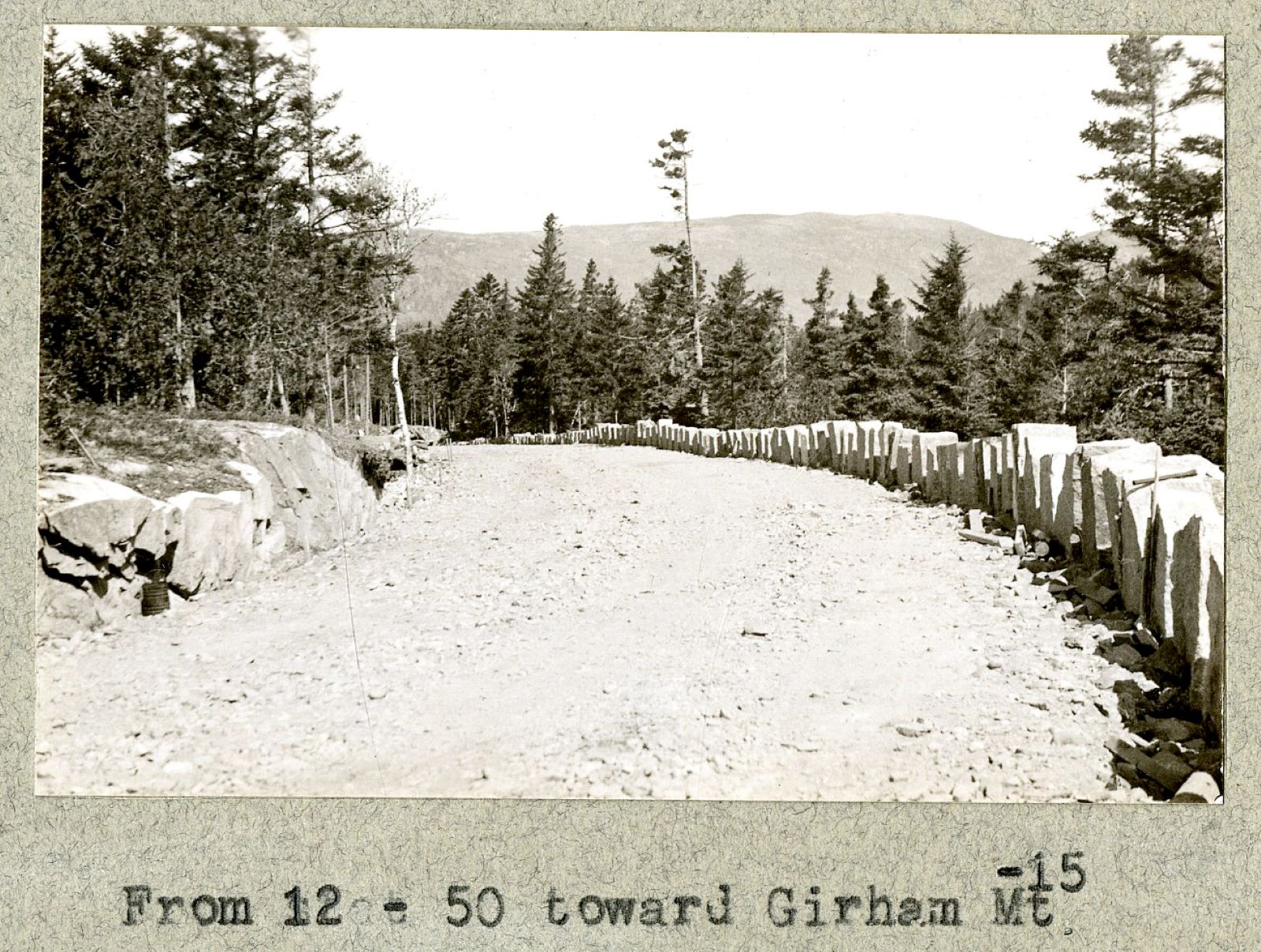
Acadia National Park: Carriage Roads, Cadillac Mountain & 2026 Guide
Discover carriage roads, Cadillac Mountain, and rugged Maine coast. Complete 2026 guide to Acadia National Park — trails, fees, lodging, permits, and what rangers recommend.
Hiking Guide
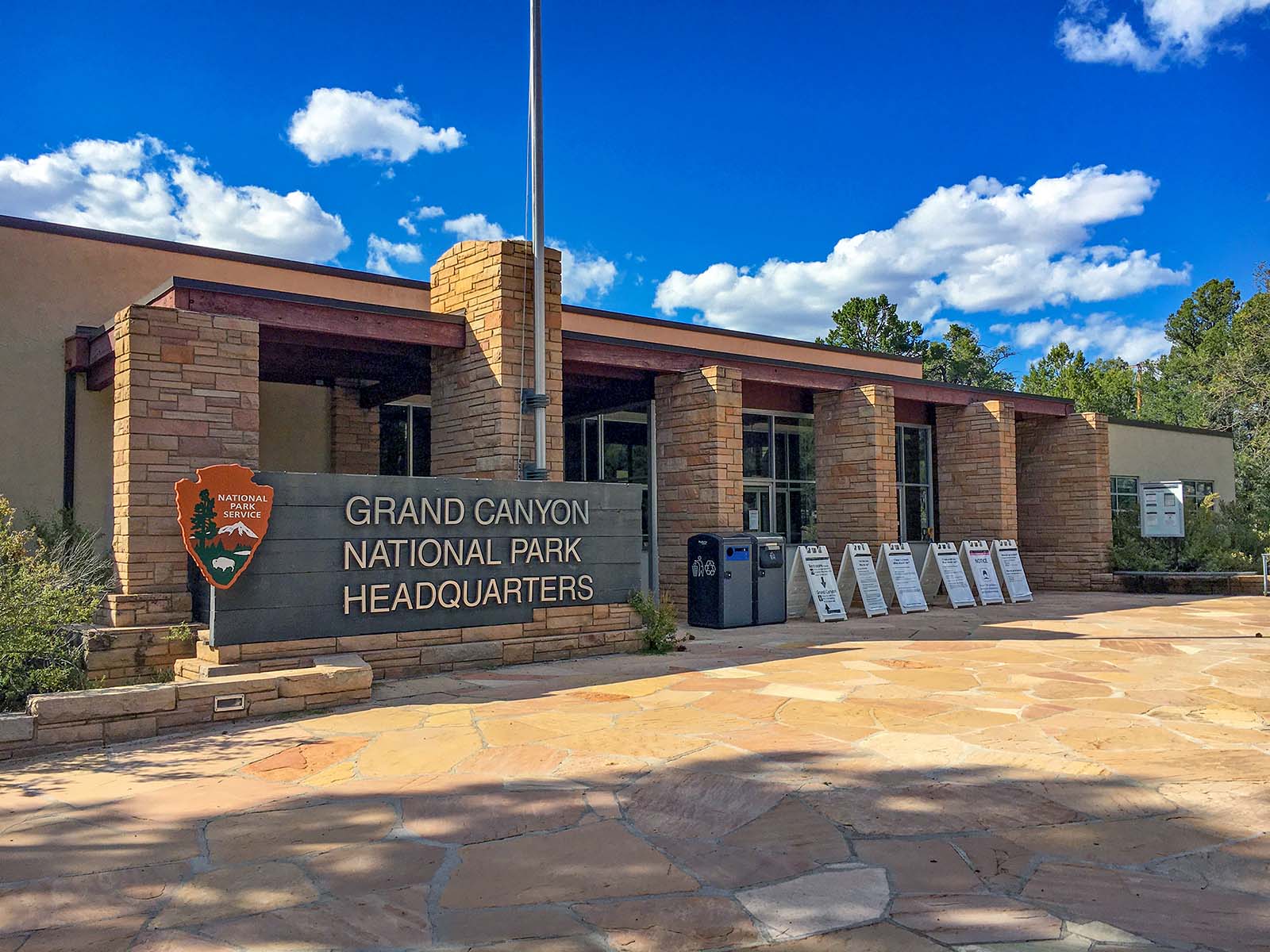
Grand Canyon Hiking Trails: Day Hikes, Water Sources & Rim to Rim
Compare Grand Canyon hiking trails: Bright Angel, South Kaibab, Hermit, Grandview, and rim to rim, with distances, elevation, water stops, and trailhead access for each.
Best Of
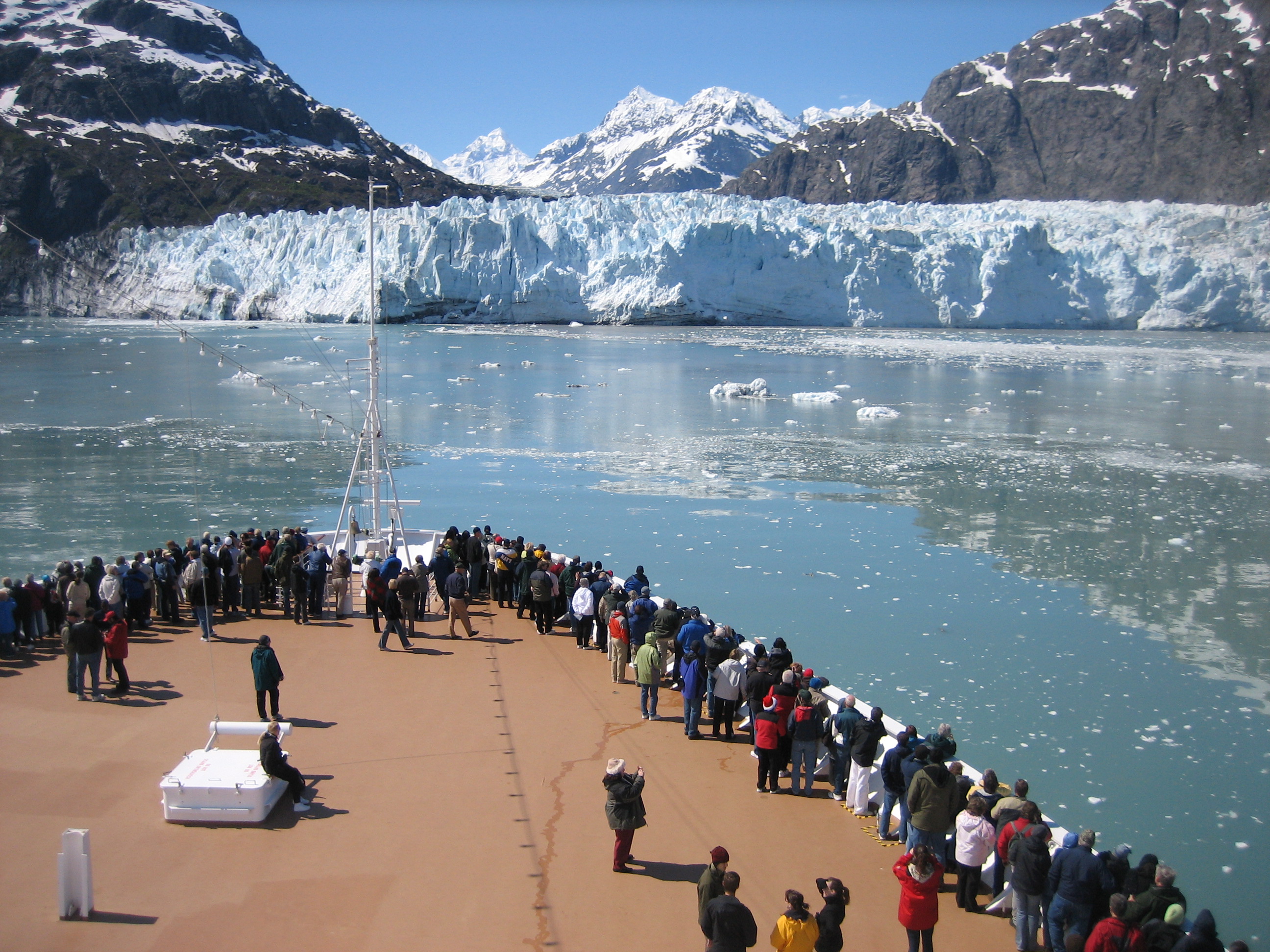
Best of Glacier Bay National Park
The best of Glacier Bay is reached by boat: ranger-led day tours up the bay to the tidewater glaciers. What's worth it, how to book, and when to go (2026).
Campsite Guide
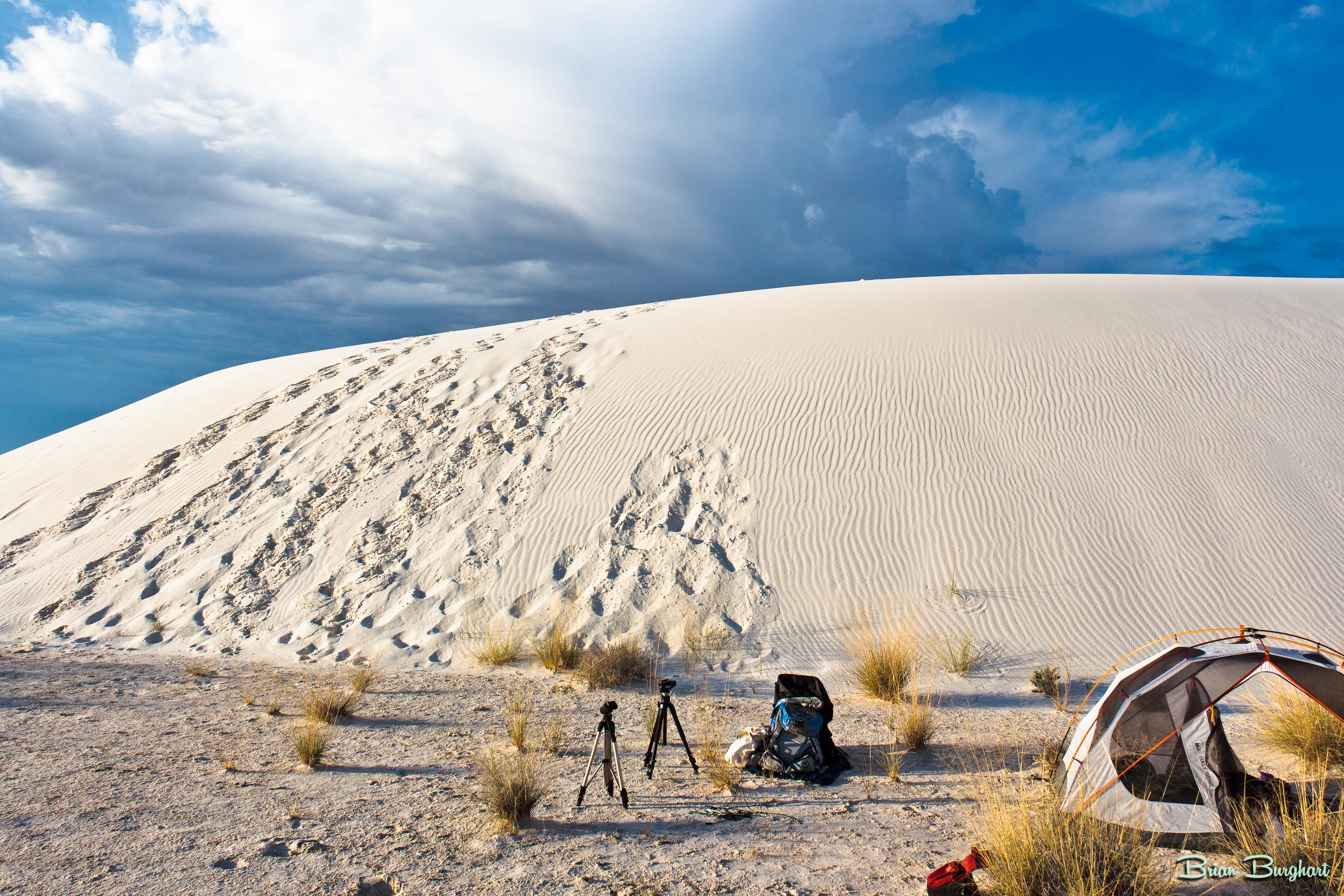
White Sands Backcountry Camping: Closed for 2026 — What to Know
As of 2026, backcountry camping at White Sands National Park is closed for site rehabilitation. What that means, and where to camp nearby instead.
Weather Guide
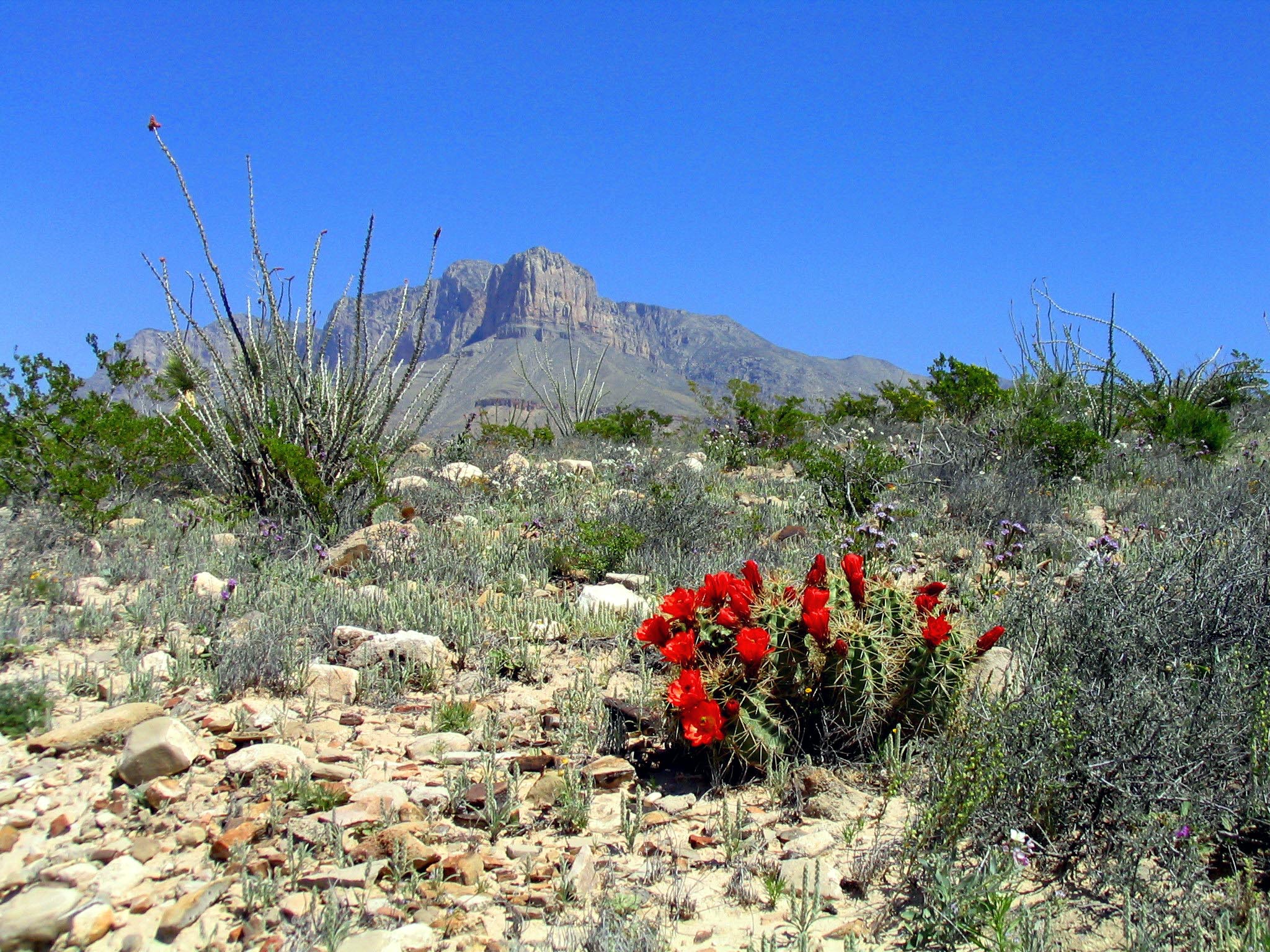
Guadalupe Mountains National Park Weather: Weather
Guadalupe Mountains National Park: weather guide guide updated 2026. Practical visitor information, reservations, and seasonal tips worth bookmarking before
Best Of
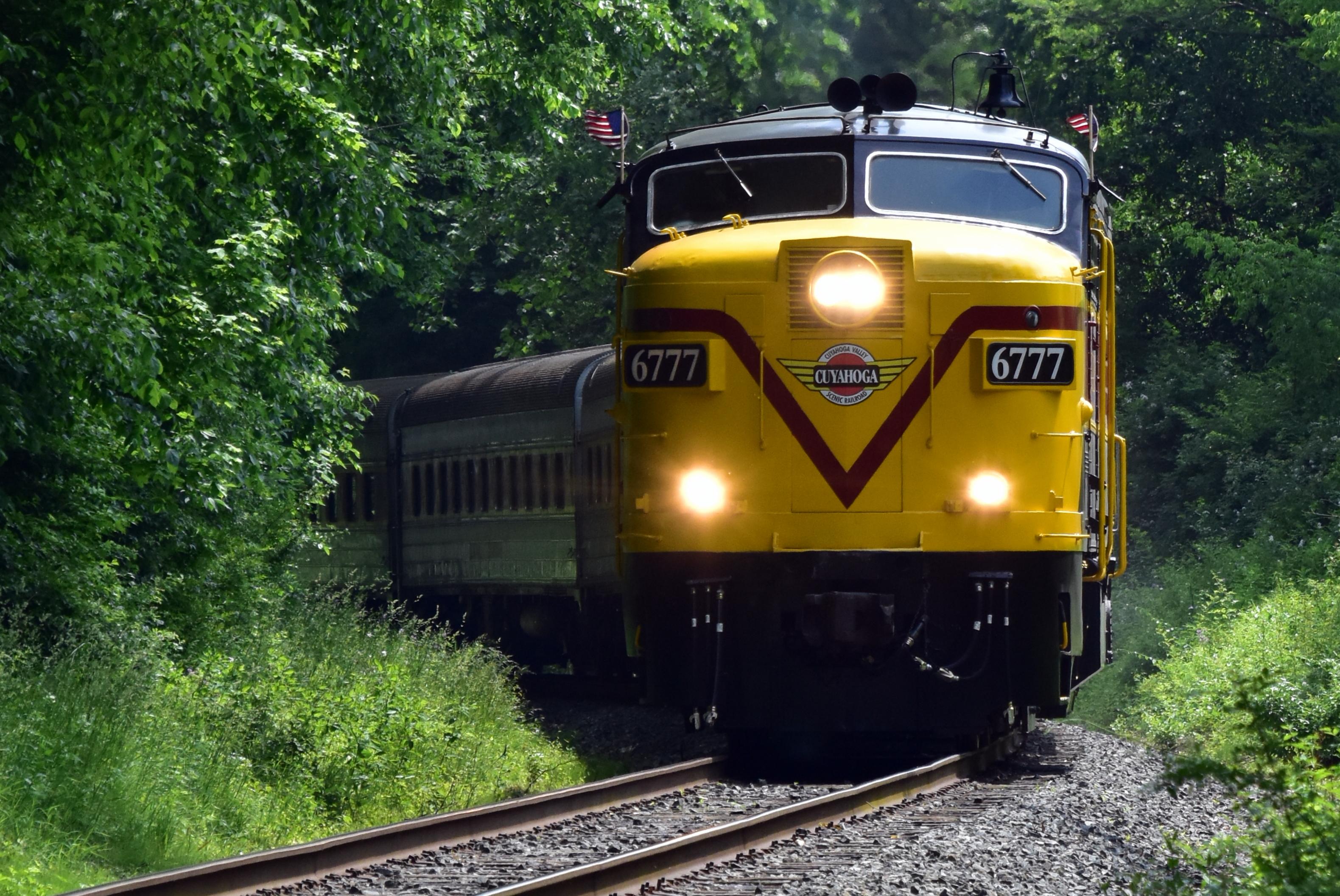
Best of Cuyahoga Valley National Park: Best Things to Do
Seeing a Cleveland Orchestra concert with the woods as your backdrop is a uniquely Cuyahoga Valley experience.
Sign in to join the conversation.
Sources & Attribution
Location data courtesy of the National Park Service (U.S. Department of the Interior). NPS data is public domain. Official NPS page.
Images: NPS; NPS; NPS; NPS; NPS.
Map data © OpenStreetMap contributors.
Park operations alerts: NPS.gov · Weather and weather hazards: National Weather Service · Live conditions.
Information may change. Always verify fees, hours, and conditions directly with the official source before visiting.
Did this guide help? Share it with a friend.