The silence hits you first. Not true quiet—there's wind in the prairie grass and prairie dogs chattering in the distance—but a silence born of immense scale. This landscape resembles raw, unfinished sculpture more than familiar earth. Light transforms it completely. At noon, buttes and spires flatten into monochrome walls. An hour before sunset, they ignite in bands of orange, purple, and deep red. That's why the real photography permit here isn't a paper you purchase; it's the understanding that light unlocks this place. Your permit means being at the right overlook at the right time, with enough water to wait out the midday glare. Most visitors miss this. They drive the loop, snap photos in harsh light, and leave. The meaningful work happens at day's edges, when long shadows carve definition into every sediment layer and fossil bed. This guide shows how to earn that permit.
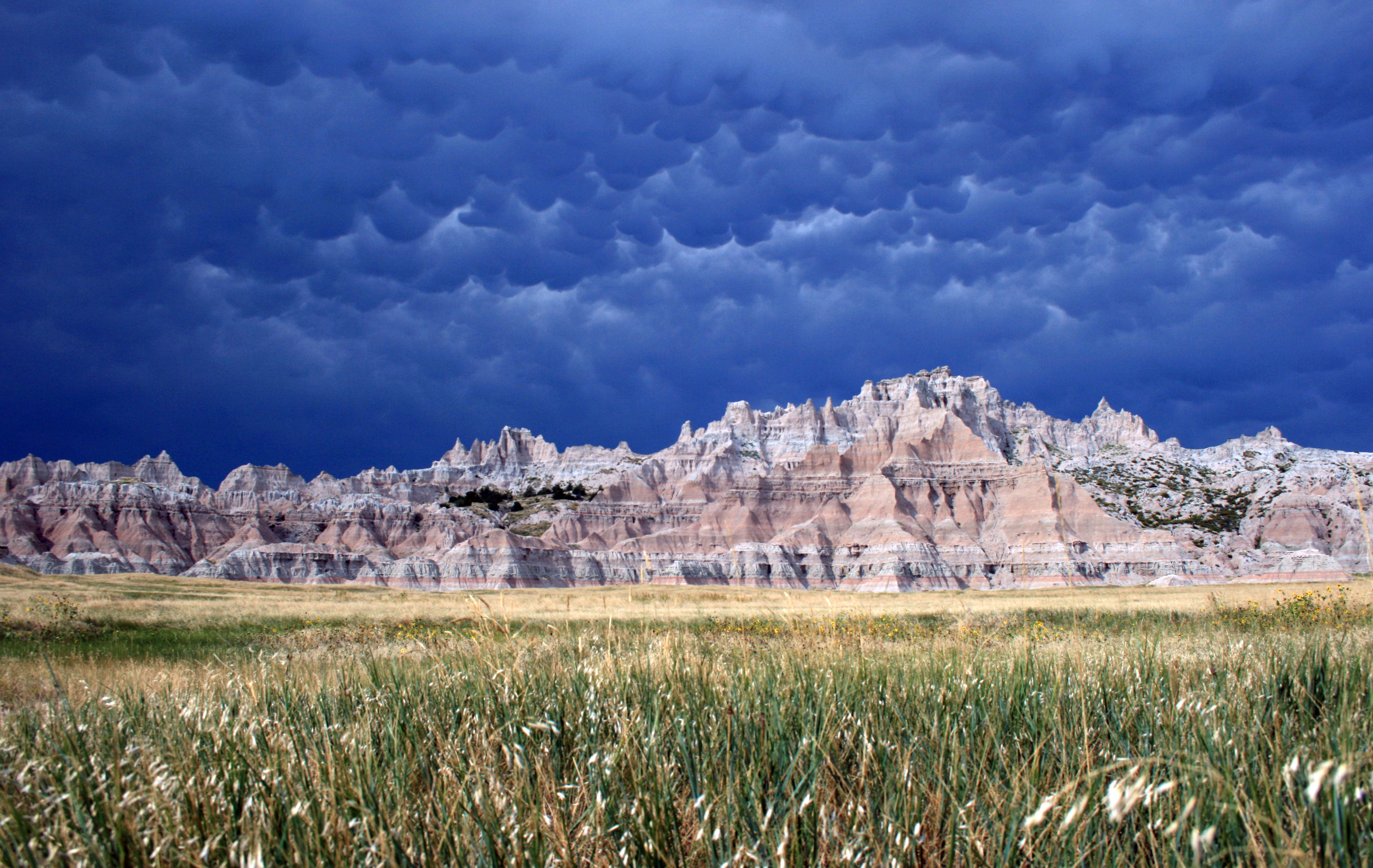
Best Badlands National Park Photography Permit
11 min read
Unlock Badlands photography with light, not just a permit. Learn the exact overlooks and times for 2026's epic sunset bands of orange and purple.
This article contains affiliate links — we may earn a small commission at no extra cost to you.
For more, see best time to visit.
If You Only Have One Day
Arrive at the Northeast Entrance (I-90, Exit 131) by 7:00 AM. Yes, that's early. The light is soft, the temperatures are manageable, and you'll beat the tour buses that start rolling in from Rapid City around 9:30. Pay the $30 vehicle fee (good for seven days) and drive straight to the Big Badlands Overlook, just past the Ben Reifel Visitor Center. Don't go inside yet. Spend 20 minutes here. This is your orientation. The view stretches across the White River Valley, and in the morning light, you can see the distinct bands of the Brule and Chadron formations.
By 8:00 AM, head south on the Badlands Loop Road (SD 240). Your goal is to reach the Door and Window trails before the parking lots become a circus. Hike the short, paved Window Trail first - it's a 0.25-mile round trip to a natural window framing the canyon. Then, do the 0.75-mile Door Trail. This is the one. The boardwalk ends at a marked "trail" that's really just a series of posts across a slickrock basin. Follow them. This 15-minute walk out into the open badlands, with no railings, is the single most immersive experience you can have on a tight schedule. You'll feel the texture of the place under your boots.
Be back at your car by 10:00 AM. Drive the loop slowly, stopping at pullouts like the Yellow Mounds and Pinnacles Overlooks. The light will be getting harsh, so these are quick, five-minute stops for the color contrast, not for extended photography. Your next decision point is lunch. Most people drive into Wall for food. That's a 45-minute round-trip mistake. Pack a lunch. Eat it at the picnic area near the Cedar Pass Lodge. You've just saved an hour.
Your afternoon should be dedicated to one thing: the Notch Trail. The trailhead is at the same lot as the Door and Window. This is the park's signature hike - a 1.5-mile round-trip adventure that involves a log ladder and a narrow ledge with a cable handrail. It ends at a view of the White River Valley. Do it. It requires moderate fitness and a head for mild exposure. Most visitors underestimate the sun and the climb. Bring at least a liter of water per person just for this hike. By 3:00 PM, you can visit the Ben Reifel Visitor Center for fossils, air conditioning, and to refill water bottles.
Your day ends at Pinnacles Overlook for sunset. Arrive 90 minutes before official sunset. The west-facing walls catch fire, and you'll watch the colors shift minute by minute. After the sun dips below the horizon, wait. The afterglow on the clouds, reflected on the pale rock, is often better than the main event. Then drive back to the Northeast Entrance in the dark, watching for bison and deer on the road shoulders.

The Top Experiences, Ranked
#1 - The Notch Trail: The Park's Essential Adventure
This hike defines a Badlands visit. It's not the longest, but it offers the most complete experience: a canyon walk, a climb up a sturdy log ladder, a traverse along a scenic ledge, and a payoff view that feels earned.
- Why it makes this list: It delivers the drama people come for. You get deep into the geology, test your nerves slightly, and are rewarded with a panorama most visitors only see from afar.
- What it requires: 1.5 to 2 hours, moderate fitness, and sturdy shoes. The ladder is about 50 feet of vertical gain on log rungs. The ledge section is narrow but has a cable. If you have a severe fear of heights, this isn't for you.
- The single best tip: Go in the late afternoon. The canyon is shaded, and the light on the final overlook is perfect. Morning puts the sun in your eyes for the view.
- What most visitors do wrong: They attempt it in flip-flops or without water. The trail surface is loose gravel and rock. The sun bakes the canyon. Proper footwear and hydration are non-negotiable.
- Link: For details on this and all the park's paths, see our dedicated guide to hiking trails.
#2 - Sunrise at the Big Badlands Overlook
Photographers know this, but every visitor should experience it. The east-facing wall of the Badlands Wall lights up gradually, revealing every seam and fossil layer. The prairie below is often shrouded in morning mist.
- Why it makes this list: It's the most accessible, spectacular sunrise in the park. You drive right to it. The transformation from blue hour to full gold is worth the early alarm.
- What it requires: An early wake-up. In summer, that means arriving by 5:45 AM. A tripod if you're shooting, and layers - it can be surprisingly cold before the sun hits.
- The single best tip: Don't just stand at the overlook railing. Walk 100 yards south along the rim for an unobstructed, people-free composition.
- What most visitors do wrong: They sleep in and see the landscape only under the flat, midday sun. They miss the magic hour entirely.
#3 - The Door Trail Walk
The boardwalk is just the prologue. The real experience is following the yellow posts out into the open badlands floor. It feels like walking on another planet.
- Why it makes this list: It's the quickest way to achieve total immersion. In 15 minutes, you go from a parking lot to feeling profoundly small amidst the pinnacles.
- What it requires: Just 30-45 minutes and shoes with decent tread. The rock can be slippery.
- The single best tip: Go all the way to the last post. The view back toward the "door" in the wall is better than the view out.
- What most visitors do wrong: They stop at the end of the boardwalk. The park service put those posts there for a reason. Use them.
#4 - The Loop Road at Dusk
Scenic drives are common; this one is exceptional after the crowds leave. The colors of the Yellow Mounds and the Pinnacles become saturated in the late light. Wildlife activity increases.
- Why it makes this list: It's a moving meditation. Bison herds often move closer to the road, prairie dogs are active, and the long shadows create new landscapes you didn't see on the morning pass.
- What it requires: A vehicle and about 90 minutes to drive the 31-mile loop with frequent stops.
- The single best tip: Start at the Pinnacles Entrance (I-90, Exit 110) and drive east toward the Northeast Entrance. This puts the setting sun behind you, illuminating the formations ahead.
- What most visitors do wrong: They drive the loop mid-day when the light is worst and the heat haze distorts the views.
#5 - Fossil Exhibit Trail
This is a 0.25-mile boardwalk loop featuring fossil replicas cast in situ. It sounds educational (and it is), but it's the context that matters.
- Why it makes this list: It directly connects the surreal landscape you're seeing with the ancient sea that created it. You're not just looking at weird rocks; you're walking through a 30-million-year-old fossil bed.
- What it requires: 20 minutes. It's fully accessible and a great option for all ages and abilities.
- The single best tip: Read the plaques. They explain which layers produced which fossils (ancient rhinos, three-toed horses), helping you identify those same layers from overlooks across the park.
- What most visitors do wrong: They skip it as "just a boardwalk." It's the key to understanding everything else you see.
#6 - Night Sky Viewing at Pinnacles Overlook
Far from city lights, the park's darkness is profound. The Milky Way can arch directly over the jagged silhouettes of the pinnacles.
- Why it makes this list: It's a completely different, and free, park experience. The sheer number of visible stars is staggering.
- What it requires: A clear, moonless night, patience for your eyes to adjust (30 minutes), and a red-light flashlight to preserve night vision. A blanket or chair helps.
- The single best tip: Check a moon phase calendar. The best viewing is during a new moon. Even a quarter moon washes out significant detail.
- What most visitors do wrong: They look for five minutes from their car and leave. Give it time. Constellations, satellites, and shooting stars appear once your eyes adapt.
#7 - Prairie Dog Town Observation
Specifically, the large town near the Roberts Prairie Dog Town pullout. It's not a passive glance; it's a lesson in ecosystem dynamics.
- Why it makes this list: This is where the prairie comes alive. Hundreds of black-tailed prairie dogs bark, kiss, wrestle, and stand sentry. They are the keystone species, and watching them is endlessly entertaining.
- What it requires: 15-20 minutes of quiet observation. Bring binoculars to see their behaviors up close.
- The single best tip: Watch the edges of the town. You might spot a burrowing owl using an abandoned hole, or a coyote lurking in the distance, which sends the entire town into a frenzy of alarm calls.
- What most visitors do wrong: They honk or try to feed them. Stay in your car or at the viewing area. They are wild animals, and human food makes them sick.

What Most People Miss
The Sage Creek Basin Road: Most visitors stick to the paved Badlands Loop. The unpaved Sage Creek Rim Road (west of the Pinnacles Overlook) leads to a wilder, quieter section of the park. The scenery is more rolling prairie punctuated by buttes. This is where you're more likely to see bison herds blocking the road and the remote Sage Creek Campground (free, first-come). The road is graded gravel - passable for most cars in dry conditions. It's a 20-mile out-and-back that feels a world away from the main loop.
The Saddle Pass Trail: This short, steep trail (0.25 miles one-way) connects the Loop Road to the Castle and Medicine Root trails. Most people drive right past it. It's a strenuous climb up a clay and loose rock slope, but it offers a phenomenal, elevated perspective of the White River Valley that you can't get from a pullout. Your legs will feel it. The payoff is a view typically shared with only a handful of other hikers.
The Night Program at the Cedar Pass Lodge Amphitheater: In summer, rangers give evening talks here. It's not just a lecture; it's often a storytelling session about fossils, Lakota history, or conservation, delivered under a canopy of stars. The crowd is small, the setting is intimate, and you can ask questions you wouldn't bother with in a busy visitor center.
The Minute Before Sunrise: Everyone aims for sunrise itself. Experienced visitors know the best color often happens 10-15 minutes before the sun breaches the horizon. The sky turns deep indigo and pink, casting a cool, ethereal light on the formations. Have your camera ready during this pre-dawn show.

What's Overrated (and Better Alternatives)
Overrated: The Wall Drug Hype. The town of Wall's famous roadside attraction is a sprawling complex of shops and gimmicks. It's a time sink. Driving from the park for "free ice water" and 5-cent coffee costs you precious park time. The kitsch is legendary, but it's not why you came to the Badlands.
- Better Alternative: Get your kitschy souvenir and ice cream at the Cedar Pass Lodge gift shop inside the park. You stay in the landscape, support the park concessionaire, and save an hour of driving.
Overrated: Driving the Entire Loop at Noon. The Badlands Loop Road is spectacular, but doing the full 31-mile drive between 11 AM and 2 PM is an exercise in squinting. The light is flat, the heat haze shimmers, and the colors look washed out. You'll see the shapes but miss the depth.
- Better Alternative: Drive it in segments at the right times. Do the eastern half (from the NE Entrance to the Ben Reifel Visitor Center area) for sunrise. Do the western half (from Pinnacles to the Sage Creek turnoff) for sunset. Break up the middle of the day with hikes in the canyons where there's shade.
Overrated: Expecting Solitude on the Door/Window/Notch Trailhead. This parking lot is the park's epicenter. By 10 AM on a summer day, it's a zoo. People circle for spots, and the trails feel crowded.
- Better Alternative: The Castle Trail. It's the park's longest trail (10 miles round-trip, but you can do shorter out-and-back sections). You can access it from several points, including the less-crowded Fossil Exhibit Trailhead or the Door Trailhead. Within a half-mile, the crowd noise fades, and you have the badlands to yourself. It's the solitude people hope for on the Notch Trail but rarely find.

Practical Takeaways
- Light is Your Permit. The single most important factor in your experience is timing. Plan around early morning and late afternoon. The landscape between 10 AM and 4 PM is a different, less compelling place.
- Water is Non-Negotiable. The park's description of "hot and dry with occasional violent thunderstorms" is an understatement. There is little shade. Carry at least one gallon of water per person per day. Refill at the Ben Reifel Visitor Center or Cedar Pass Lodge.
- Ignore Your GPS for the Final Approach. The park alert is serious. GPS units often try to route visitors onto remote, impassable ranch roads. Use the physical addresses provided: for the main visitor center, set your GPS to 25216 Ben Reifel Road, Interior, SD 57750.
- The Wind Always Blows. A steady 10-20 mph wind is standard. It amplifies the cold in winter and the dehydration in summer. Secure hats, use lens cloths for photography, and expect dust.
- Your One-Day Itinerary is a Template. The sequence outlined works. Deviate from it at your own risk, especially by leaving the park for lunch or starting too late. The parking situation at key trailheads deteriorates rapidly.
- Check for Storms, Then Check Again. Summer thunderstorms build with alarming speed. Lightning is a severe risk on exposed ridges and the open prairie. If you hear thunder, see dark clouds building, or feel the wind shift, return to your vehicle immediately. Hailstorms are a real possibility.
- The $30 Fee is a Seven-Day Pass. You don't need to rush. If you want to see the sunset and the stars, you can come back the next day without paying again. Consider it an investment in multiple visits for different light.
For a deeper trip planning, consult our complete visitor guide. If you're staying overnight, review the camping options inside and near the park. And always, verify the current best time to visit based on seasonal conditions, as the Badlands weather in 2026 is as unpredictable as it ever was.
For more information, see our complete National Park Guide.
Related: badlands notch trail guide
Recommended Gear
What experienced visitors bring to Best Badlands National Park Photography Permit
Links may earn us a commission at no extra cost to you. We only recommend gear we believe in.
Hiking Essentials
Hydration Pack (3L)
Hands-free water for long trail days
Trekking Poles (Pair)
Save your knees on steep descents
Hiking Boots (Ankle Support)
Sturdy footwear for rocky, uneven trails
Sun & Heat Protection
Wide-Brim Sun Hat
Full coverage UPF 50+ protection at altitude
Insulated Water Bottle (32oz)
Keeps water cold in desert heat all day
Electrolyte Mix Packets
Replace what water alone cannot during intense heat
Winter Gear
Microspikes / Traction Devices
Essential for icy rim trails in winter months
Packable Down Jacket
Lightweight warmth that stuffs into a pocket
Sources
- Official source: NPS — Badlands National Park nps.gov/badl/index.htm
Photo Gallery
More to Explore
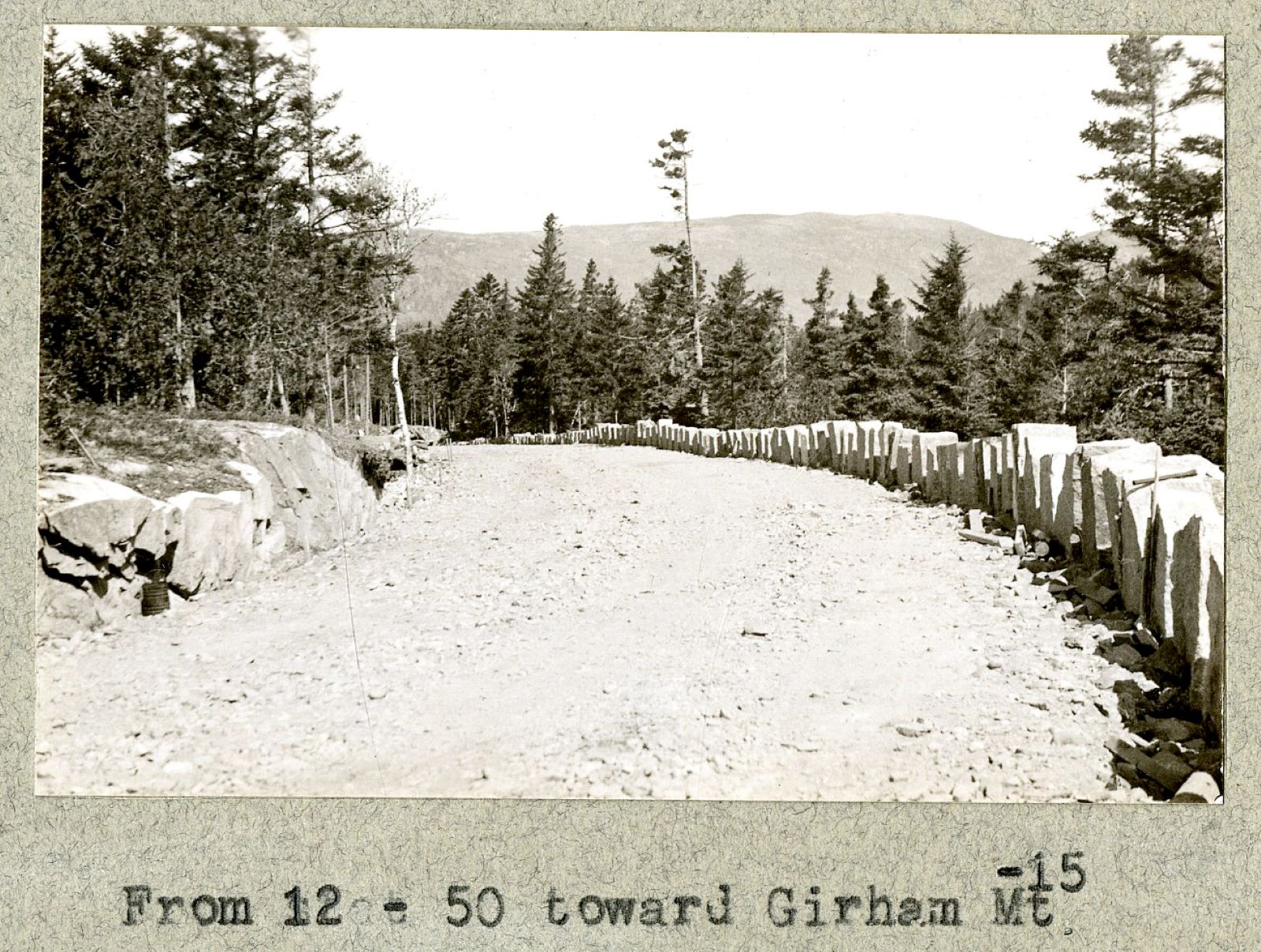
Acadia National Park: Carriage Roads, Cadillac Mountain & 2026 Guide
Discover carriage roads, Cadillac Mountain, and rugged Maine coast. Complete 2026 guide to Acadia National Park — trails, fees, lodging, permits, and what rangers recommend.
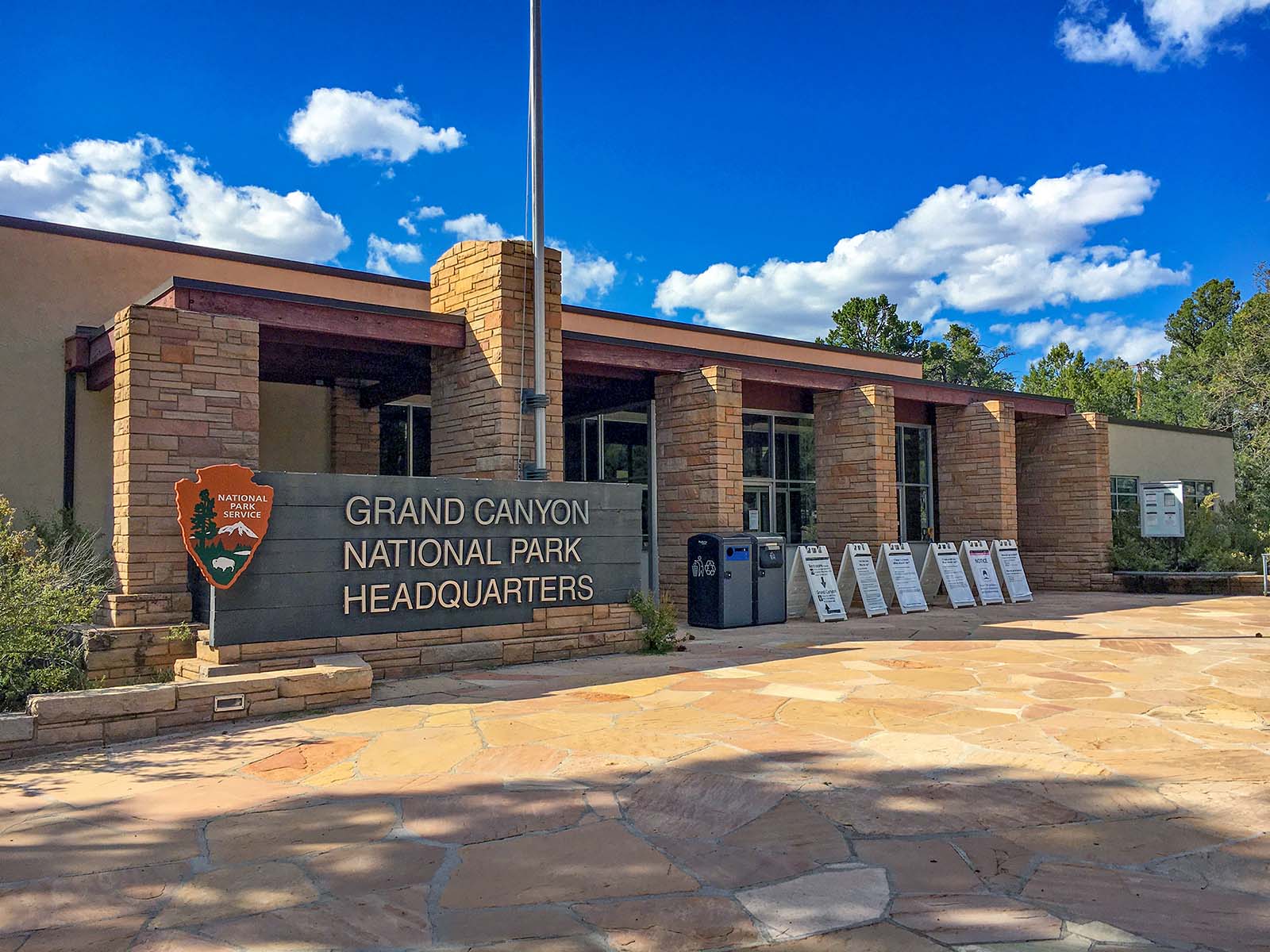
Grand Canyon Hiking Trails: Day Hikes, Water Sources & Rim to Rim
Compare Grand Canyon hiking trails: Bright Angel, South Kaibab, Hermit, Grandview, and rim to rim, with distances, elevation, water stops, and trailhead access for each.
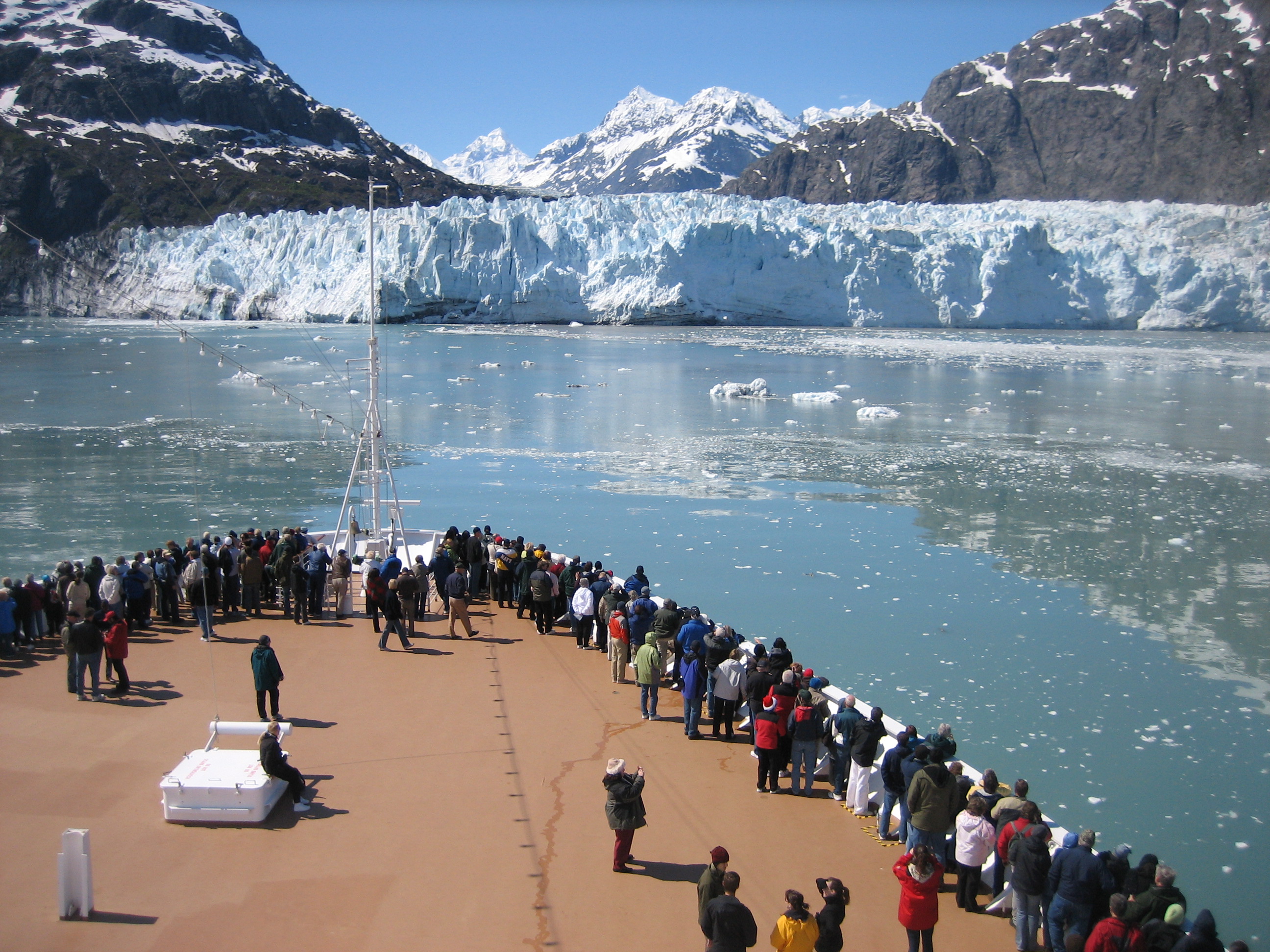
Best of Glacier Bay National Park
The best of Glacier Bay is reached by boat: ranger-led day tours up the bay to the tidewater glaciers. What's worth it, how to book, and when to go (2026).
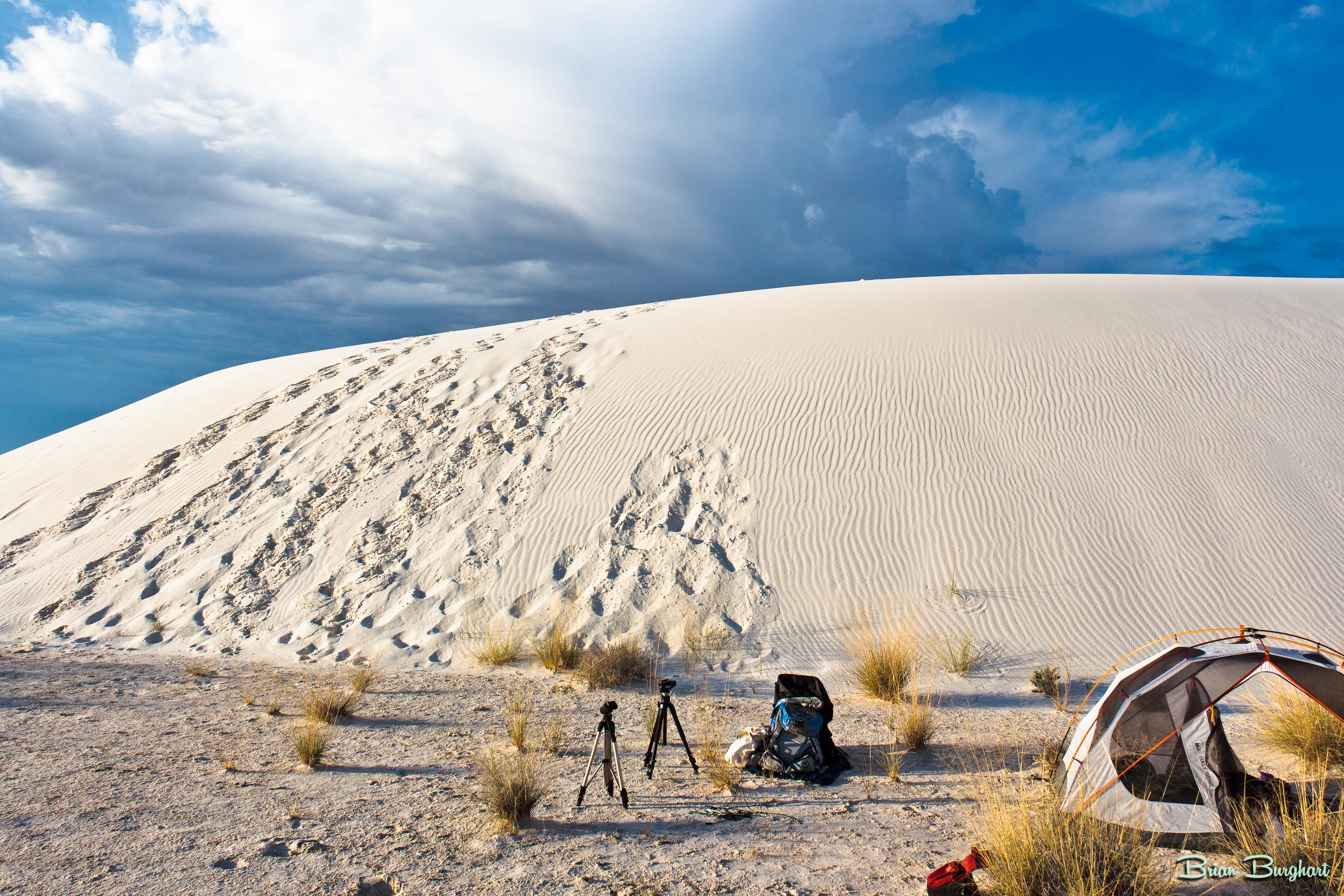
White Sands Backcountry Camping: Closed for 2026 — What to Know
As of 2026, backcountry camping at White Sands National Park is closed for site rehabilitation. What that means, and where to camp nearby instead.
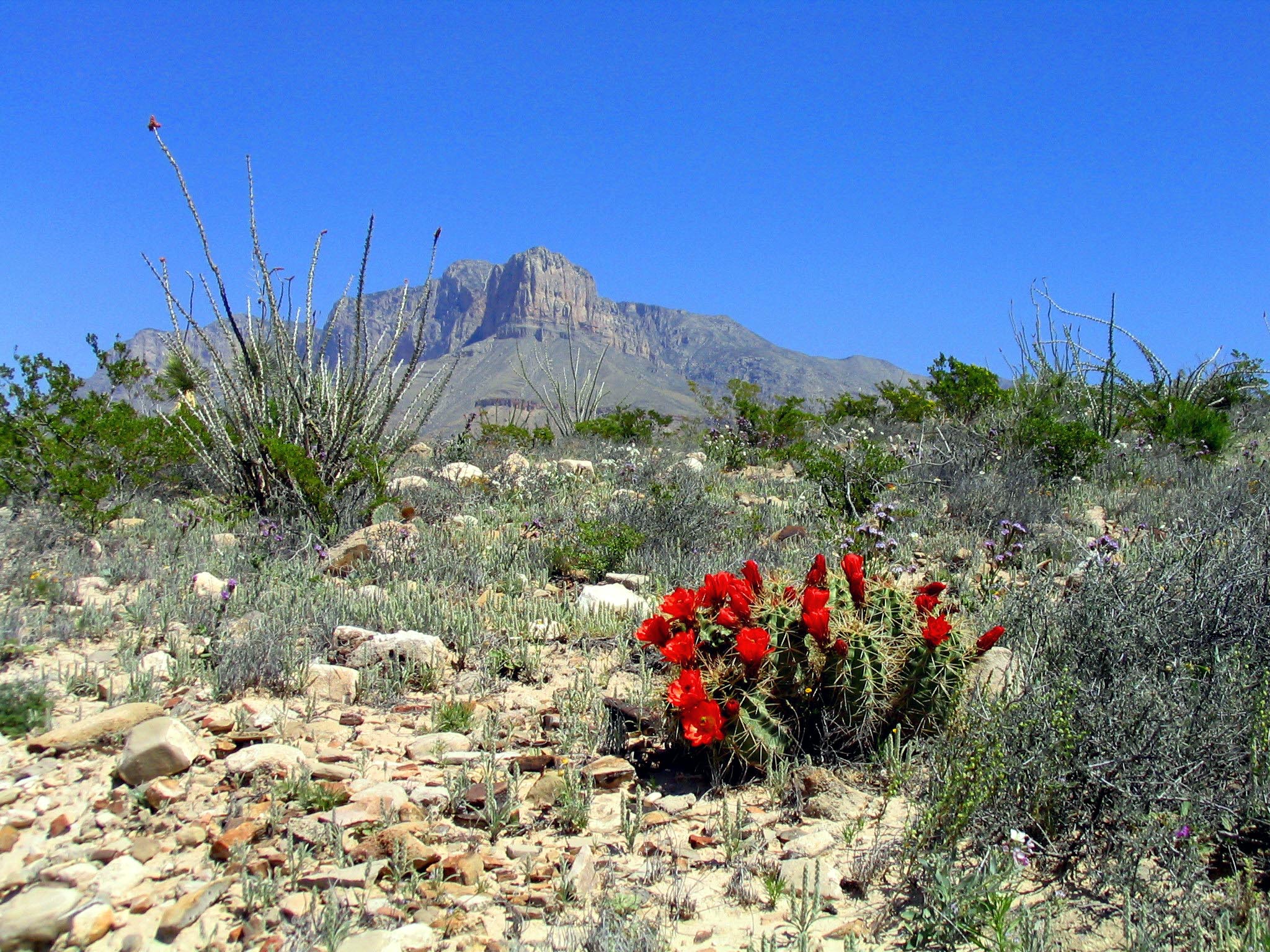
Guadalupe Mountains National Park Weather: Weather
Guadalupe Mountains National Park: weather guide guide updated 2026. Practical visitor information, reservations, and seasonal tips worth bookmarking before
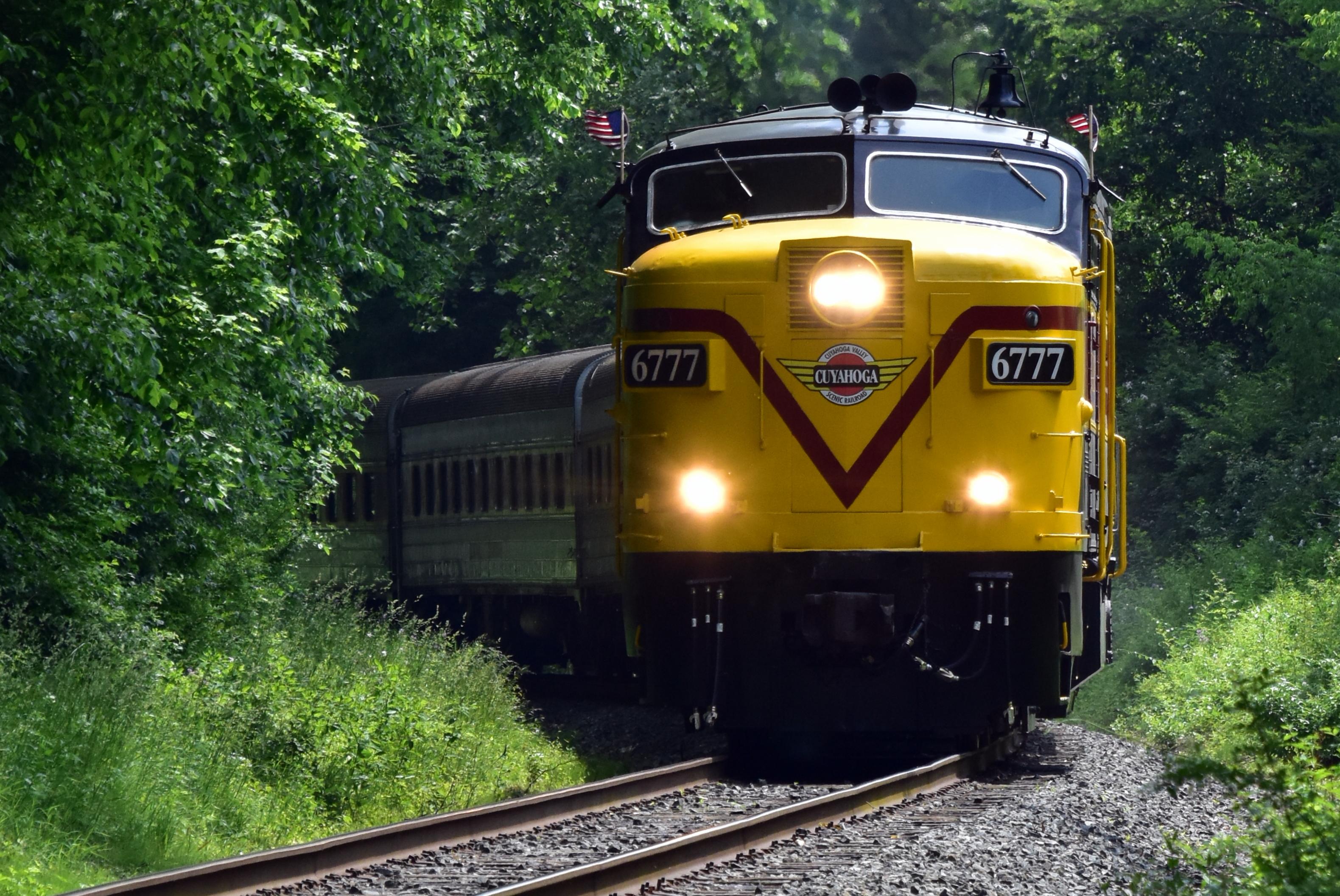
Best of Cuyahoga Valley National Park: Best Things to Do
Seeing a Cleveland Orchestra concert with the woods as your backdrop is a uniquely Cuyahoga Valley experience.
Sign in to join the conversation.
Sources & Attribution
Location data courtesy of the National Park Service (U.S. Department of the Interior). NPS data is public domain. Official NPS page.
Images: NPS; NPS; NPS; NPS; NPS.
Map data © OpenStreetMap contributors.
Park operations alerts: NPS.gov · Weather and weather hazards: National Weather Service · Live conditions.
Information may change. Always verify fees, hours, and conditions directly with the official source before visiting.
Did this guide help? Share it with a friend.