Badlands National Park Camping: Camping Near (2026 Guide)
9 min read
Camping Guide
Cedar Pass Campground offers 96 developed sites with reservations at $37/night, while Sage Creek provides 22 free first-come sites. No hookups or showers.
This article contains affiliate links — we may earn a small commission at no extra cost to you.
Advertisement
The Booking Reality
The two campgrounds at Badlands National Park serve completely different purposes, and understanding which one fits your trip is the single most important decision you'll make. Cedar Pass Campground takes reservations and is the developed camping option - 96 level sites with views of the formations, running $37 per night as of 2026. Sage Creek Campground charges nothing and takes no reservations whatsoever. Twenty-two primitive sites, first-come first-served, zero amenities.
Advertisement
If you want a guaranteed spot in the summer months, you need to plan around Cedar Pass. The prime season - June through September - fills consistently. Weekends book out first. Holiday weekends are gone weeks in advance. Sage Creek is a viable alternative but only if you arrive early in the day and have a backup plan if it fills.
Neither campground offers hookups. Neither has showers. This is not a full-service RV resort. Plan accordingly.
For a broader look at the park before diving into camping specifics, the complete visitor guide covers the full picture.
Photo: NPS via NPS.gov (Public Domain)
Campground at a Glance
Cedar Pass Campground
Sage Creek Campground
Total sites
96
22
Site types
RVs, tents, some pull-through
Tent only (primitive)
Reservation system
Recreation.gov
First-come, first-served
Season
Year-round (limited winter)
Year-round (weather dependent)
Fee per night
$37.00
Free
Elevation
~2,400 ft
~2,600 ft
Hookups
None (electric, water, sewer)
None
Nearest services
Interior, SD (5 miles); Wall, SD (15 miles)
Wall, SD (20 miles)
Photo: NPS via NPS.gov (Public Domain)
Cedar Pass Campground: Complete Guide
Setting and Atmosphere
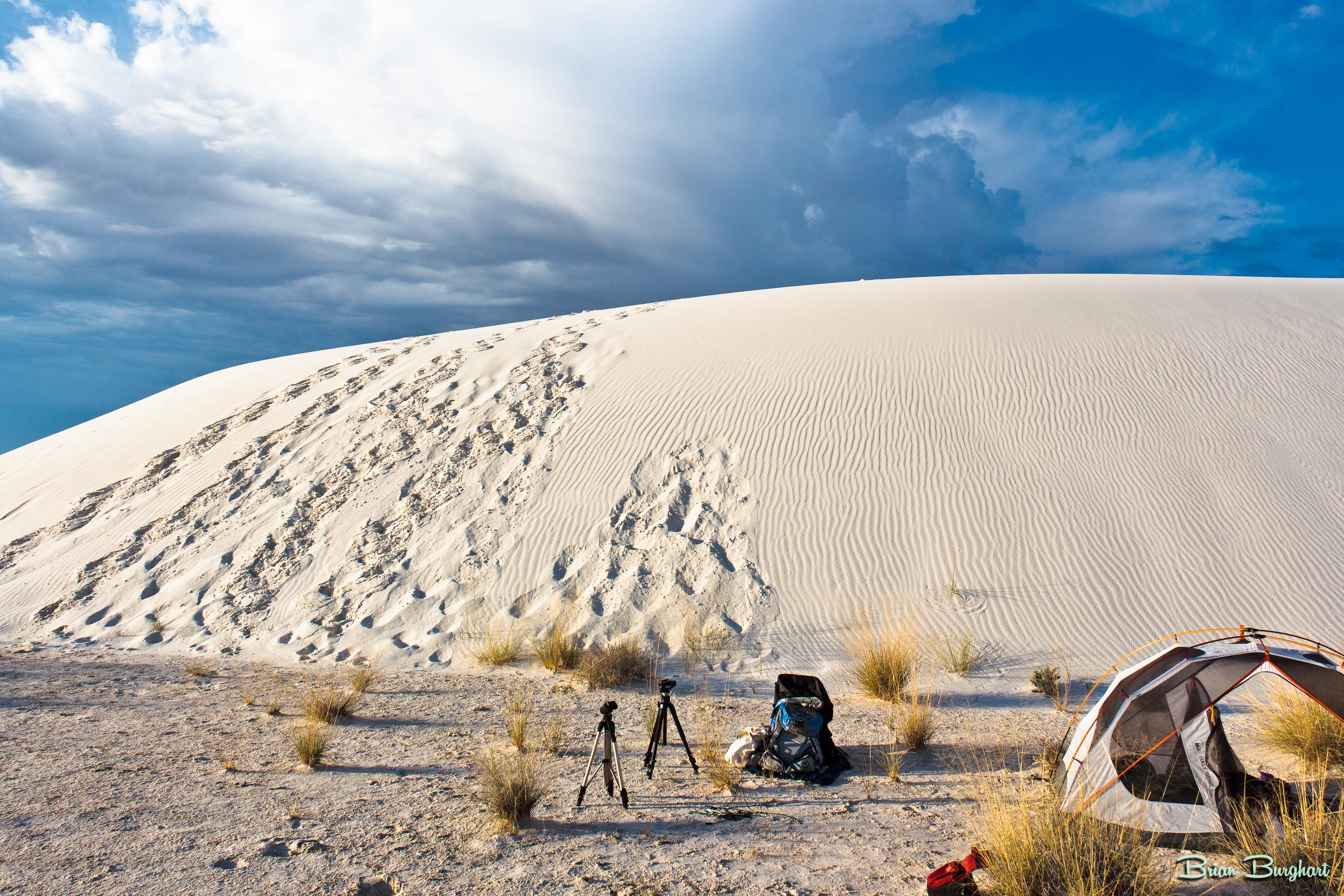
Cedar Pass sits near the Ben Reifel Visitor Center, which means you're close to the park's main facilities - flush toilets, potable water, the visitor center itself, and the gift shop. The campground is laid out on flat, graded pads with decent spacing between sites. There is almost no shade. Plan for full sun exposure from mid-morning until sunset.
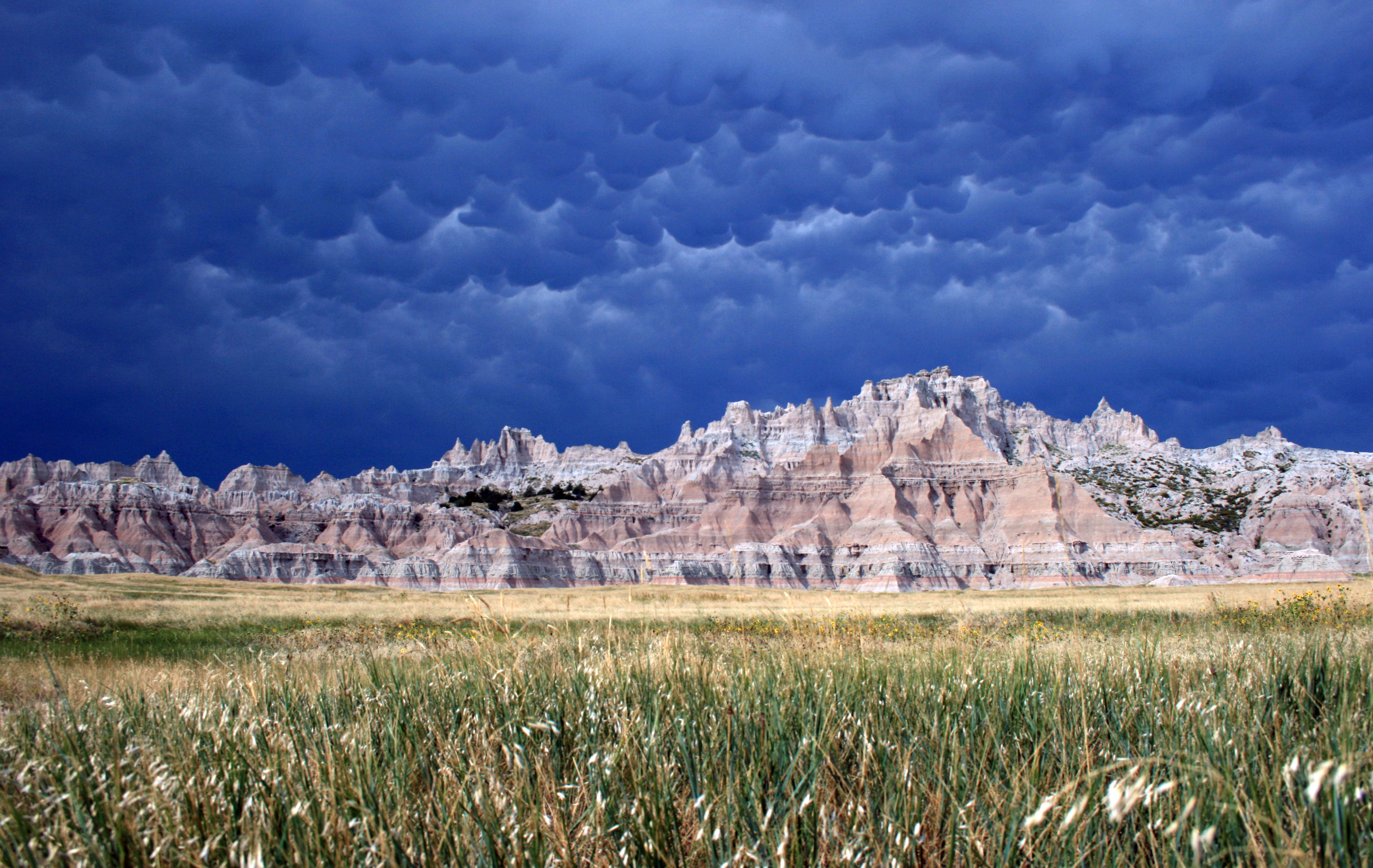
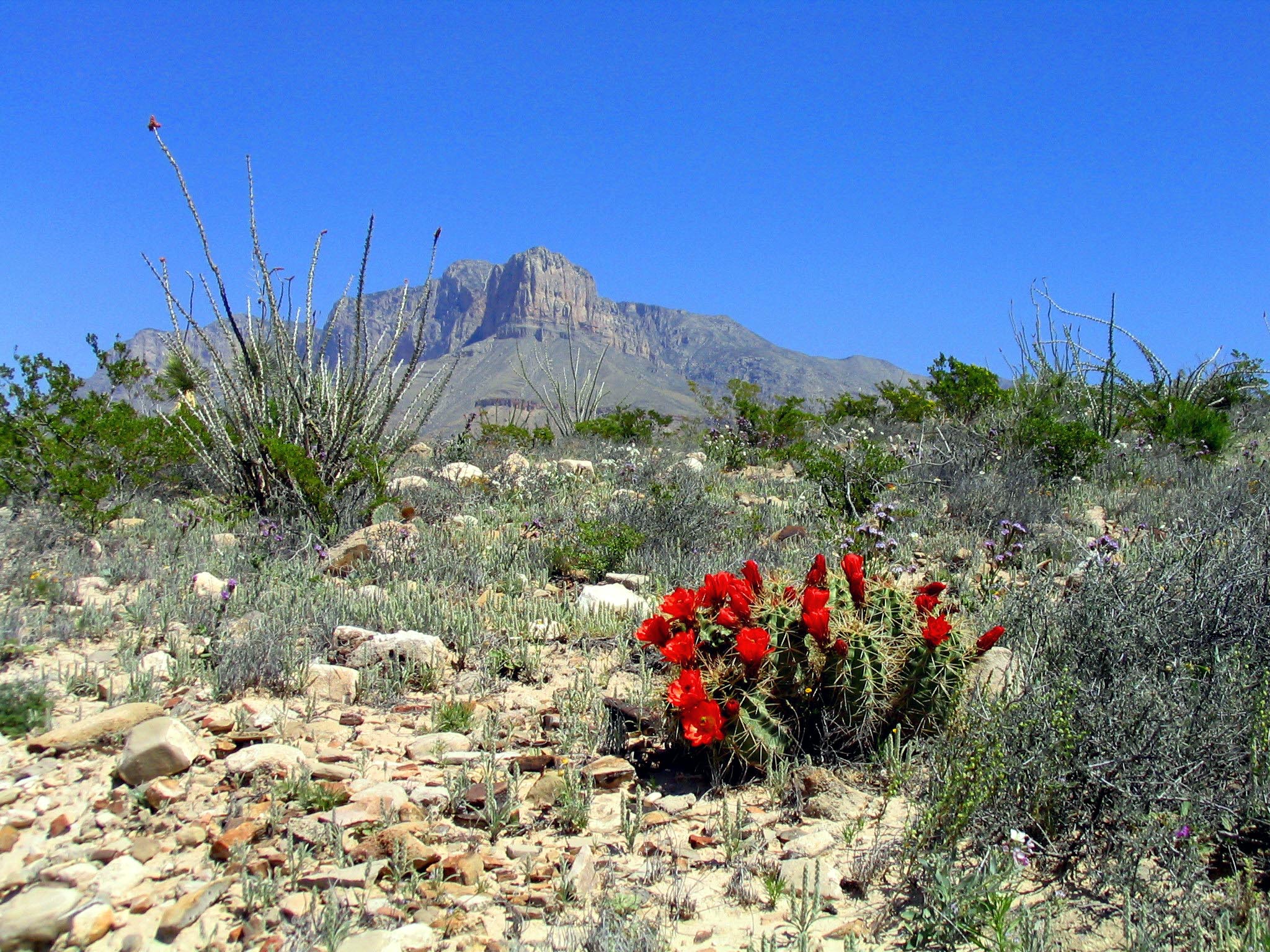
The views are the draw here. Sites face the badlands formations directly - layered bands of tan, gray, and ochre eroding into pinnacles and buttes. At sunset the light turns the formations orange and red. At night the darkness is genuine. The park is certified for dark skies, and the Milky Way is visible on moonless nights from most sites.
Sound carries across the open terrain. Generators run during permitted hours. Kids. Dogs. The usual campground noise. But it quiets down after dark.
Loop by Loop Breakdown
The campground doesn't have formal named loops in the way some larger parks do, but the site layout follows a rough ring around a central area. Sites on the outer edge offer more privacy and better views of the formations. Inner sites face the interior of the campground and feel more exposed.
Sites near the entrance see the most foot and vehicle traffic - people coming and going, the road noise from the access drive. Sites at the far end of the ring are quieter but require a longer walk to the restroom building.
Specific Site Recommendations
This is where ranger advice comes in handy. Experienced campers target sites on the south and southwest edge of the ring for the best views and the most separation from neighbors. Sites closest to the restroom building are convenient but noisier - you'll hear doors slamming and conversations at all hours.
For tent campers, avoid sites that are primarily gravel pads designed for RVs. The best tent sites have softer ground and a bit more space between you and the parking spot. Walk the loop before you set up if you arrive with daylight to spare.
Group sites exist but require separate booking through Recreation.gov. Check the site map carefully when reserving - some sites labeled as suitable for RVs are actually tight for anything over 30 feet.
Facilities Detail
Flush toilets. Potable water at several spigots throughout the campground. No showers. No dump station on-site - the nearest dump station is in Wall, about 15 miles west. A small amphitheater hosts ranger programs in summer. The visitor center is a short walk and houses the park film, bookstore, and gift shop.
The picnic tables and fire rings at each site are in fair to good condition. Some show weathering - it's the Badlands, exposed to that 116°F to -40°F range - but they're functional.
What the Booking Site Doesn't Show
The biggest surprise for most first-time campers at Cedar Pass: the wind. The campground sits exposed on the open prairie, and afternoon winds pick up consistently. Stakes that work fine in sheltered campgrounds will pull loose here. Bring heavy-duty tent stakes or sandbag weights for canopies.
Generator hours are enforced. Quiet hours are enforced. Rangers make rounds. This isn't the kind of campground where rules exist only on paper.
Cell service drops out at the campground and along most of the park road. The visitor center has WiFi, but don't count on streaming anything from your tent.
Photo: NPS via NPS.gov (Public Domain)
Sage Creek Campground: Complete Guide
Setting and Atmosphere
Sage Creek is the opposite of Cedar Pass in every meaningful way. No fee. No reservations. No water. No flush toilets. No trash service. Twenty-two sites in an open prairie setting with nothing between you and the sky except the occasional thunderhead.
This campground sits in the Sage Creek Unit of the park, which is the less-developed western section. The road in is unpaved and can turn to greasy mud after rain. Passenger cars can make it in dry conditions, but check the weather before you commit.
The atmosphere is raw. Bison wander through the campground with some regularity - not every day, but often enough that you should know how to behave around a 2,000-pound animal that has no interest in your opinion. Prairie dogs whistle from their colonies nearby. The night sky is darker here than at Cedar Pass because there's no ambient light from the visitor center area.
Site Layout
There is no loop. The sites are arranged along a rough track with pull-in spots. Some have picnic tables. Most have fire rings. The sites are not numbered in a way that allows you to pick a favorite in advance - it's all walk-in, so you drive through and claim whatever is open.
The best sites are the ones farthest from the entrance. Closer to the road means more dust and more vehicle noise from the unpaved approach. Sites near the prairie dog towns have more entertainment during the day but also more holes in the ground - watch your ankles.
Facilities Detail (or Lack Thereof)
Vault toilets. No water - bring every drop you'll need for drinking, cooking, and washing. No trash service - pack out everything. No firewood for sale. No host on-site. You are entirely self-sufficient here or you are uncomfortable.
What to Know Before You Arrive
Sage Creek fills early in the day during peak season. Summer weekends sometimes fill by late morning. If you arrive after 2 PM expecting a site, you're gambling.
The primitive nature of this campground means no generator hours to worry about - but also no generator noise to mask the wind. The quiet is genuine. Some visitors find it unsettling. Most find it worth the lack of amenities.
Bison encounters are not theoretical here. Keep your distance. The standard recommendation is 100 yards. That is farther than it sounds. If you're close enough to fill the frame of a phone camera, you're too close.
Photo: NPS via NPS.gov (Public Domain)
Reservation Strategy
Cedar Pass Booking Window
Reservations for Cedar Pass open on a rolling window through Recreation.gov. The standard NPS booking window is typically six months out, which means prime summer dates - June, July, August - become available in December and January. If you want a weekend in July, you should be on Recreation.gov the day those dates open.
Cancellations happen. People's plans change. If a given weekend shows sold out, check back in the two weeks leading up to it. That's when cancellations trickle in. Late evening is a good time to check - people cancel before bed, and the system updates overnight.
Sage Creek Walk-In Timing
Arrive before 11 AM in summer for the best chance at a site. Earlier is better. Midweek is wide open. Sunday through Thursday you can usually find a spot without trouble. Friday and Saturday are the gamble days.
Group Site Booking
Group sites at Cedar Pass require a separate reservation process through Recreation.gov. They book out further in advance than individual sites do - group planners tend to organize months ahead. If you're coordinating a group trip, start the process early.
Winter Camping
Both campgrounds remain open in winter, but availability is limited. Cedar Pass reduces to partial capacity. Sage Creek sees almost no visitors in January and February - you'll likely have the place to yourself. But winter temperatures in the Badlands range down to -40°F. That is not a typo. Check conditions before you go.
What to Know Before You Arrive
Weather Reality
The data says 116°F to -40°F. That range is not a typo. Summer days hit triple digits regularly, and the sun is relentless with no shade at either campground. Winter nights drop below zero. Thunderstorms roll in fast in summer - you can watch them build from miles away across the prairie, and they arrive with sudden wind and hail. Tornadoes are possible. Check the forecast before you leave and keep an eye on the sky while you're there.
Fire Restrictions
Fire rings exist at both campgrounds, but restrictions vary by season and conditions. The park website posts current fire danger levels. In dry summers, bans go into effect. Do not assume you can have a campfire. Bring a camp stove as your primary cooking method regardless of the season - it works whether fires are allowed or not.
Water
Potable water is available at Cedar Pass Campground from spigots distributed throughout the site. Sage Creek has no water. Bring everything you need for Sage Creek - figure a gallon per person per day minimum, more if you're cooking with water.
Generator Hours
Enforced at Cedar Pass. Standard NPS generator hours apply - typically quiet hours from 10 PM to 6 AM, with generator use permitted outside those windows. The enforcement is consistent here. Sage Creek has no generator restrictions because there's no electric hookup and the primitive nature discourages heavy RV use.
Cell Service
Drops at both campgrounds. Do not plan on working remotely, streaming video, or making phone calls from your tent. The visitor center at Cedar Pass has limited WiFi. Sage Creek has nothing.
Pack-It-In, Pack-It-Out
Sage Creek has no trash service. Cedar Pass has dumpsters, but they fill quickly on busy weekends. The park service recommends taking your trash with you regardless of where you're camped. A plastic bag for trash in your vehicle is standard practice here.
Checkout Time
Cedar Pass checkout is 11 AM. Sage Creek has no formal checkout - you just leave when you leave - but if someone is waiting for your site, pack up efficiently.
For more on nearby options outside the park, the lodging and accommodations guide covers hotels, cabins, and private campgrounds in the area.
Practical Takeaways
Book Cedar Pass six months out for summer weekends. Set a calendar reminder for the Recreation.gov opening date.
Arrive before 11 AM at Sage Creek in summer. Earlier is genuinely better.
Both campgrounds have zero shade. Bring a shade canopy, sunscreen, and a wide-brimmed hat.
Bring heavy-duty tent stakes. The standard wire stakes that come with most tents will pull loose in the afternoon wind.
Pack all water for Sage Creek. Figure one gallon per person per day minimum. More in summer.
Cedar Pass costs $37 per night as of 2026. Sage Creek is free. Neither has hookups or showers.
Check the fire restriction status before you arrive. Bring a camp stove regardless.
Cell service drops at both campgrounds. Download maps and directions before you lose signal.
Winter camping is possible but requires serious cold-weather gear. -40°F happens.
The hiking in the park is excellent. For trail-specific details, the hiking trails guide covers the notch trail and other routes. But for camping, the two takeaway that matters most: have a reservation at Cedar Pass or an early arrival at Sage Creek, because showing up without a plan in July means you're driving 75 miles back to Rapid City for a hotel room.
Recommended Gear
What experienced visitors bring to Badlands National Park Camping: Camping Near (2026 Guide)
Links may earn us a commission at no extra cost to you. We only recommend gear we believe in.