Badlands National Park Weather: Weather (2026 Guide)
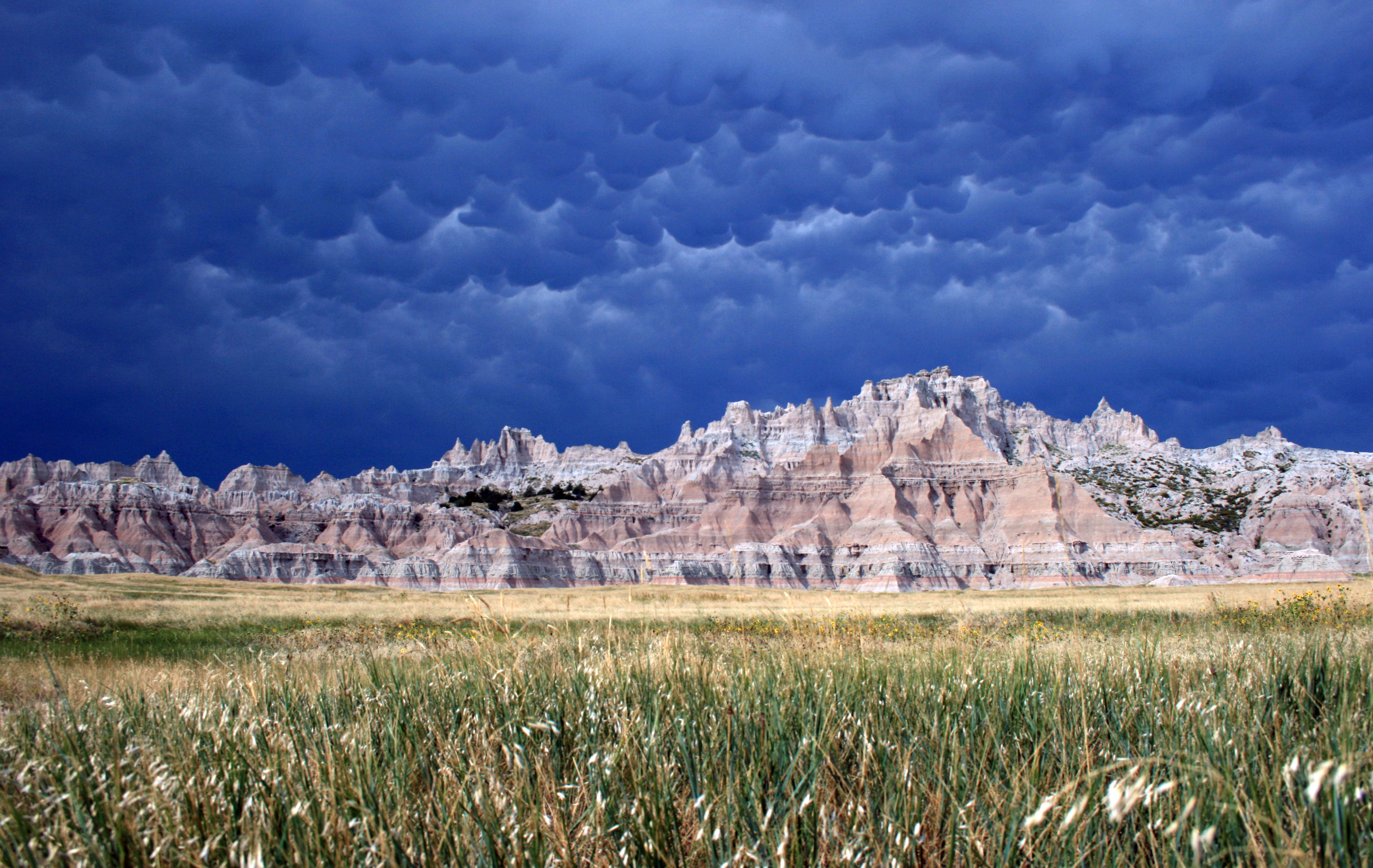
NPS via NPS.gov (Public Domain)
Badlands National Park Weather
8 min read
Weather Guide
Badlands National Park weather swings 156F, from 116F to -40F. Learn monthly conditions, best visit times, and packing tips for every season.
Start your hike before 8 AM in July. By 10 AM, the sun will have turned the claystone into a heat sink, and the temperature difference between the trailhead and the canyon floor can feel like stepping into an oven. That's the first rule of Badlands national park weather: the clock matters more than the forecast.
The Weather Reality
The single most important climatic truth here is the 156-degree temperature swing. The park's recorded extremes run from 116°F down to -40°F. You won't see those bookends on a weekend trip, but you will experience their echoes. A sunny 75-degree morning in May can turn into a 45-degree afternoon with horizontal rain. A calm September day can be interrupted by a wind that tries to peel your car door off its hinges.
This isn't mountain weather, where patterns are somewhat predictable by elevation. This is prairie weather, amplified by stark topography. The open grasslands offer no windbreak, and the eroded buttes and canyons create their own microclimates and wind tunnels. Rangers will tell you that the official forecast for "Interior, SD" often misses the mark inside the park boundaries by ten degrees and a weather condition. Expect the unexpected.

Month by Month
January - February
Temperatures range from highs in the 30s to lows well below zero. Wind chill is the dominant factor. Total snowfall averages 12 to 24 inches for the winter, but it drifts deeply in the draws and can close the Sage Creek Rim Road. The Ben Reifel Visitor Center operates on reduced winter hours.
Crowds are nonexistent. You might have an entire overlook to yourself.
Wildlife is more visible against the snow; bison herds stand out as dark masses on the white prairie, and you might spot coyotes hunting.
Trail conditions range from packed snow to sheer ice, especially on north-facing slopes. Microspikes are non-negotiable.
It's worth considering for profound silence and photography under low winter light.
It's challenging because services are minimal, roads can close without notice, and hypothermia risk is high.
March - April
A volatile transition. Highs can hit 60°F, but nighttime lows still dip into the 20s. Late snowstorms are common.
Spring rains begin, turning the Bentonite clay into famously slick, sticky gumbo that can immobilize a boot in two steps.
Crowds begin to appear on warm weekends.
This is the prime window to see newborn bison calves (April-May) and the start of the prairie bird migration.
Most trails are accessible but muddy. The Castle Trail in particular can be a slog.
Worth it for the wildlife activity and the lack of summer heat.
Challenging due to the wildly unpredictable conditions - pack for all four seasons.
May - June
Temperatures become pleasant, with highs in the 70s and 80s. Nights are cool.
Violent thunderstorms enter the forecast. These aren't gentle rains; they bring lightning, hail, and the risk of tornadoes. Flash flooding can occur in drainages.
Crowds build steadily, peaking by late June.
Prairie dog towns are hyper-active, and wildflowers begin to bloom on the plateau.
All trails are open and in good condition, but afternoon storms make morning hikes essential.
Best for comfortable hiking before the deep summer heat.
The challenge is the severe storm risk. You need a weather radio and a plan to seek shelter.
July - August
Summer heat dominates, with frequent highs above 95°F and relentless sun. The ground radiates heat.
Rain comes almost exclusively from afternoon thunderstorms, which can be brief but intense. Humidity is low.
These are the peak visitor months. The parking lots at Door and Window trails fill by mid-morning.
Wildlife is most active at dawn and dusk. Bighorn sheep are often seen near Pinnacles Overlook in the cooler hours.
Hiking after 11 AM is not recommended on exposed trails like the Notch. Heat exhaustion is a real threat.
Long daylight hours are good for early and late photography.
The extreme heat is the main challenge. You'll need a gallon of water per person per day, and electrolyte supplements aren't a bad idea.
September - October
The most stable and pleasant window. Highs range from 70s down to 50s, with crisp nights. The first frosts usually arrive in October.
Precipitation tapers off. The threat of severe storms diminishes significantly.
Crowds thin dramatically after Labor Day, offering a quieter experience.
The prairie grasses turn golden and russet. Bison are in rut in September, with bulls bellowing and sparring.
Trail conditions are ideal. This is the best time for longer hikes like the Castle/Medicine Root loop.
This is the consensus best time to visit for balanced weather and smaller crowds.
Challenging only in that facilities begin to reduce hours after October, and cold snaps can arrive early.
November - December
A sharp cooldown. Highs in the 30s and 40s, with lows in the teens. Wind returns as a constant companion.
Snow begins to accumulate, though major storms are less frequent than in deep winter.
Crowds are very light.
Animals are in their winter coats. You may see eagles moving into the area.
Trails are often snow-covered or icy. Backcountry travel becomes more demanding.
Worth it for winter scenery without the bitter cold of January.
Challenges include short daylight hours and the potential for travel disruption due to snow.

Best Times for Specific Activities
Hiking: Target late May, early June, September, and October. You avoid the extreme heat and the worst of the mud and ice. For a complete visitor guide that details all the routes, that's the season to use it.
Wildlife Viewing:
- Bison Calves: April and May.
- Bison Rut: September.
- Bighorn Sheep: Consistently seen year-round near Pinnacles, but more active in cooler morning hours in summer.
- Prairie Dogs: Active all day in spring and fall; summer viewing is best early or late.
- Black-footed Ferrets: Nocturnal and elusive; your best chance is on a ranger-led night spot-lighting program (typically summer).
Wildflowers: The mixed-grass prairie blooms in waves. Look for early blooms like pasqueflower in April, peak diversity in June, and sunflowers and goldenrod into September.
Fall Color: Don't expect maples. The spectacle here is the transformation of the prairie grasses - a sea of gold, bronze, and copper in October.
Stargazing: Excellent year-round due to minimal light pollution, but the clearest, most comfortable nights are in September and October. The annual Night Sky Festival typically aligns with this window.
Photography: The "golden hours" are spectacular year-round. Winter offers long, low-angle light. Summer thunderstorms provide dramatic backdrops. Spring and fall offer the best blend of good light and cooperative weather.

What to Pack by Season
This isn't a generic list. It's what the badlands national park weather demands.
Spring/Fall (March-May, Sept-Oct):
- Layering system: moisture-wicking base, insulating mid-layer, windproof/waterproof shell.
- Sturdy hiking boots with aggressive tread. The mud is real.
- Gaiters to keep mud and gravel out of your boots.
- Windproof gloves and hat.
- Sunglasses and sunscreen - the UV intensity is high even on cool days.
Summer (June-August):
- Wide-brimmed hat, not a baseball cap. You need neck coverage.
- Light-colored, long-sleeved sun shirt. Covering up is cooler than sunscreen.
- A minimum of one gallon of water per person, per day, in reusable containers.
- Electrolyte tablets or powder.
- Rain jacket (for sudden storms) and a dry bag for your electronics.
- High-SPF sunscreen reapplied every two hours.
Winter (Nov-Feb):
- Insulated, waterproof boots.
- Heavyweight thermal layers, down or synthetic insulated parka.
- Windproof outer layer (softshell or hardshell).
- Balaclava or neck gaiter, insulated gloves, warm hat.
- Microspikes or traction devices for your boots.
- Sleeping bag and emergency blanket in your vehicle in case of a breakdown.

What the Forecast Doesn't Tell You
- The "Bentonite Grip": After rain, the gray Bentonite clay becomes a slick, adhesive paste. It will coat your boots two inches thick, adding pounds and making every step a gamble. There's a reason trail signs warn you off when it's wet.
- Canyon Ovens: On a 90°F day, the temperature at the bottom of a drainage like the Notch Trail can be 15-20 degrees hotter. The rock walls radiate stored heat. It feels suffocating.
- Lightning Likes Buttes: The highest points in a thunderstorm are the park's pinnacles and buttes. If you hear thunder, you are already in danger. The rule is: be off the ridges and back at your car before the storm arrives.
- Wind is a Constant: There is almost always a breeze. In spring and fall, it's a persistent 15-25 mph wind that drains heat and energy. In winter, it creates dangerous wind chills. Plan for it in every season.
- Flash Floods Form Fast: A thunderstorm ten miles upstream can send a wall of water down a dry wash like the one through the Saddle Pass area. Never camp in a drainage, and don't attempt to cross running water in a canyon.
- Snow Closes Roads Selectively: The Park Loop Road (SD 240) is plowed. The unpaved Sage Creek Rim Road is not. It can close for weeks after a snowstorm, limiting access to the western prairie and its camping options.
- Your Car is Your Basecamp: Distances between services are long. Keep extra water, snacks, and weather-appropriate clothing in your vehicle at all times. Cell service drops out at the park boundaries.
Practical Takeaways
- For the best blend of good weather, open trails, and manageable crowds, target the weeks after Labor Day in September or early October.
- Regardless of season, plan all significant outdoor activity for the morning hours. Afternoon is for driving the loop, visiting the visitor center, or watching for weather changes.
- Pack for wind in every season. A windproof layer is more consistently useful than a heavy parka in spring and fall.
- Water is not a suggestion. It's a mandatory safety item. Calculate a gallon per person per day for summer visits, and always have a full jug in your car.
- Respect the mud and the clay. If the trails are wet, choose a different activity. Damaging the trails is easy, and the ranger-led cleanup hikes are how many boots get stuck.
- Have a backup plan. If thunderstorms scrub your hiking trails agenda, the scenic drive is still spectacular in storm light, and the Fossil Exhibit Trail is a short, sheltered option.
- Check the park's official website for current road conditions and alerts before you go, especially from November through April. As of 2026, they still caution against relying solely on GPS for navigation - use the physical addresses provided.
For more information, see our complete National Park Guide.
Related: badlands national park guide
Related: badlands national park lodges guide
Sources
- Official source: NPS — Badlands National Park nps.gov/badl/index.htm
Photo Gallery
More to Explore
Park Guide
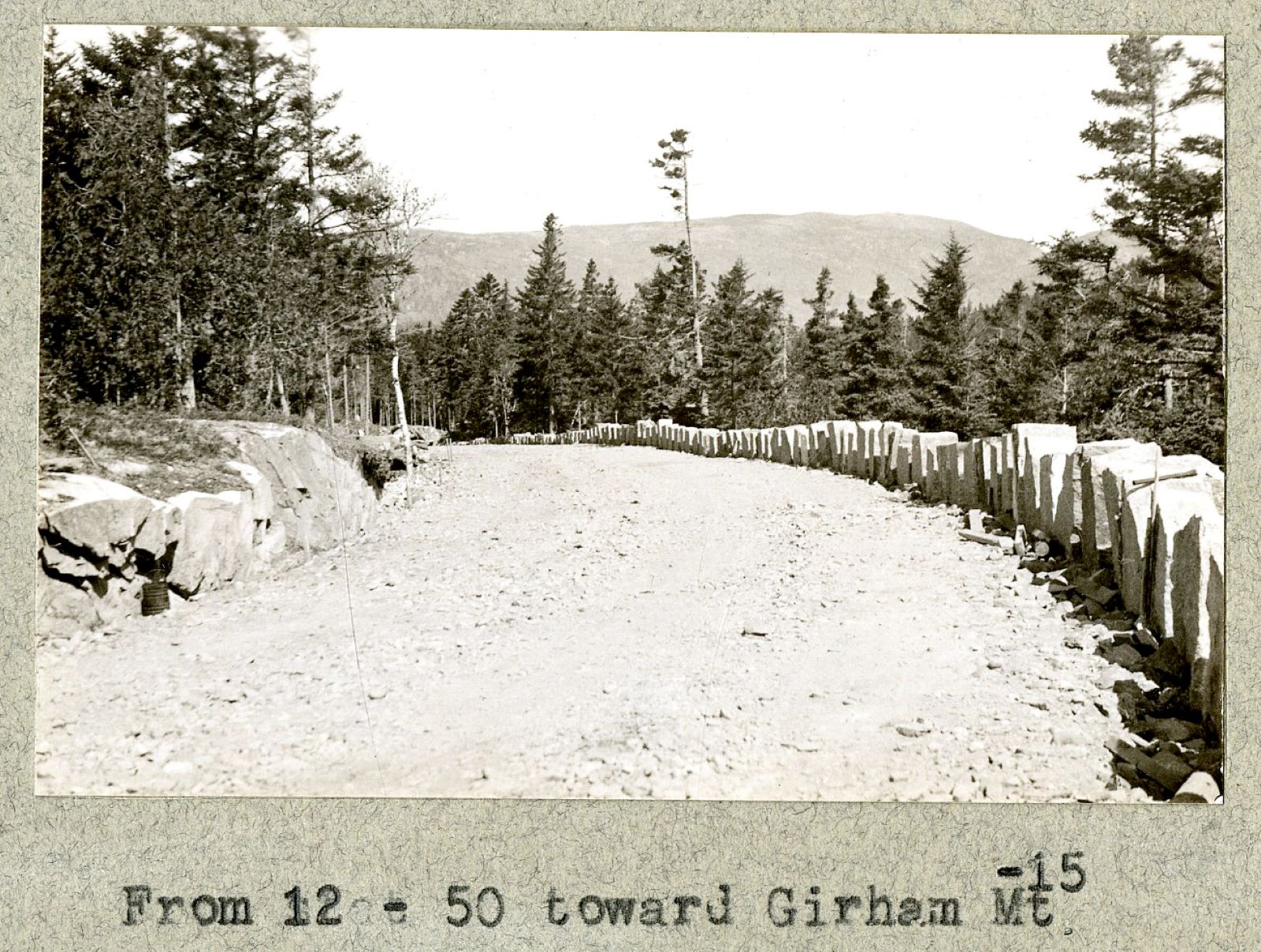
Acadia National Park: Carriage Roads, Cadillac Mountain & 2026 Guide
Discover carriage roads, Cadillac Mountain, and rugged Maine coast. Complete 2026 guide to Acadia National Park — trails, fees, lodging, permits, and what rangers recommend.
Hiking Guide
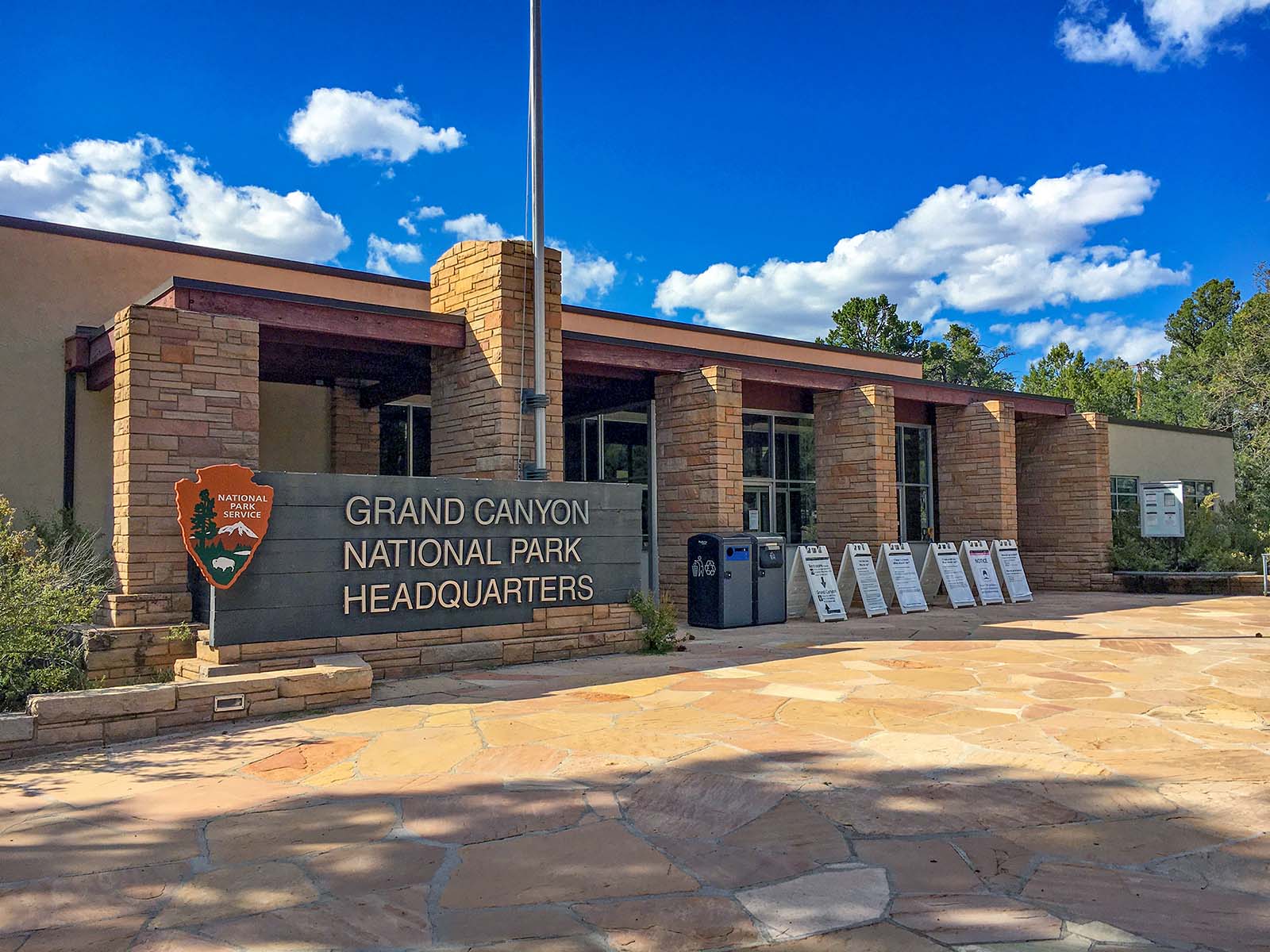
Grand Canyon Hiking Trails: Day Hikes, Water Sources & Rim to Rim
Compare Grand Canyon hiking trails: Bright Angel, South Kaibab, Hermit, Grandview, and rim to rim, with distances, elevation, water stops, and trailhead access for each.
Best Of
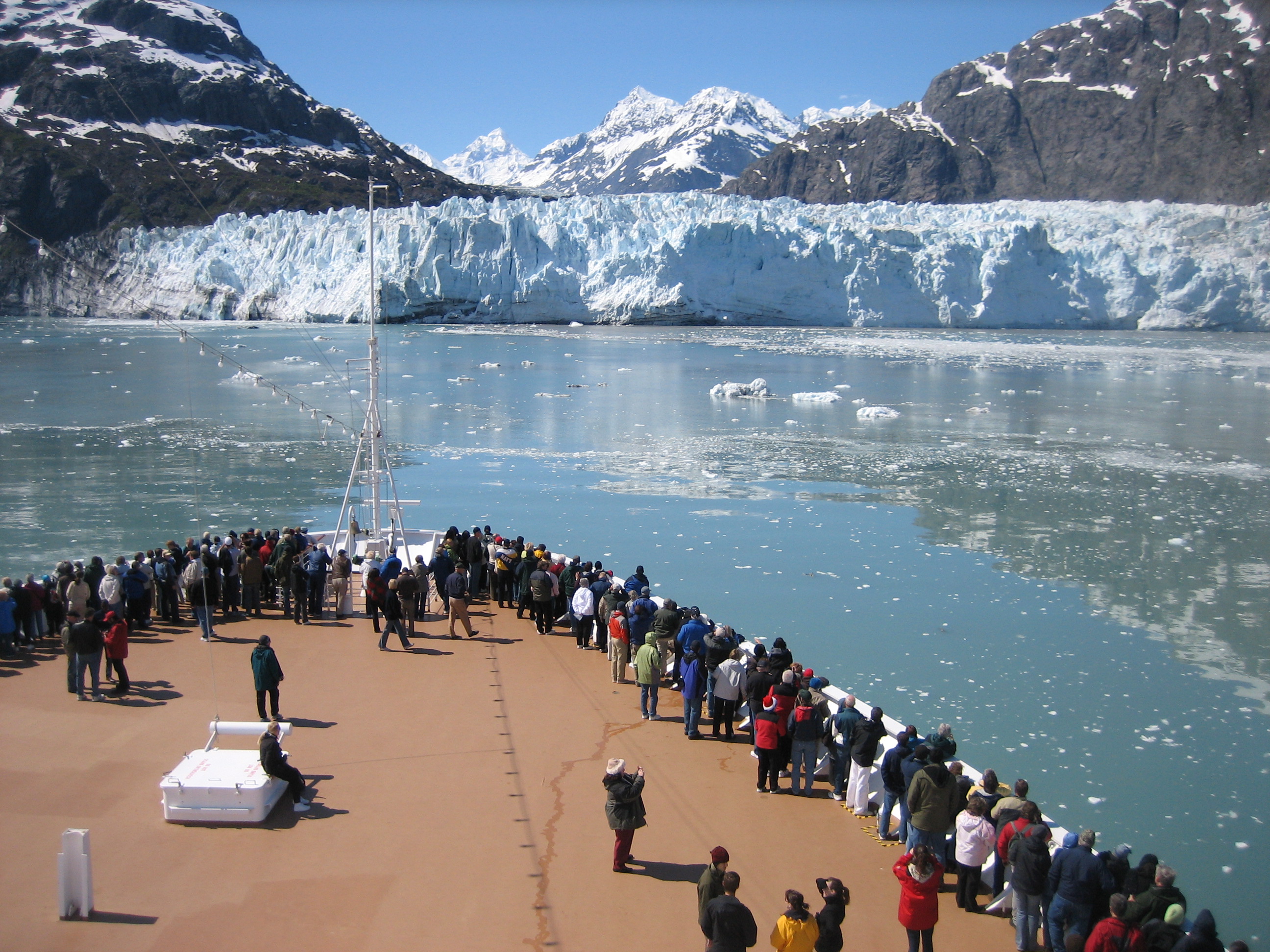
Best of Glacier Bay National Park
The best of Glacier Bay is reached by boat: ranger-led day tours up the bay to the tidewater glaciers. What's worth it, how to book, and when to go (2026).
Campsite Guide
White Sands Backcountry Camping: Closed for 2026 — What to Know
As of 2026, backcountry camping at White Sands National Park is closed for site rehabilitation. What that means, and where to camp nearby instead.
Weather Guide
Guadalupe Mountains National Park Weather: Weather
Guadalupe Mountains National Park: weather guide guide updated 2026. Practical visitor information, reservations, and seasonal tips worth bookmarking before
Best Of
Best of Cuyahoga Valley National Park: Best Things to Do
Seeing a Cleveland Orchestra concert with the woods as your backdrop is a uniquely Cuyahoga Valley experience.
Sign in to join the conversation.
Sources & Attribution
Location data courtesy of the National Park Service (U.S. Department of the Interior). NPS data is public domain. Official NPS page.
Images: NPS; NPS; NPS; NPS; NPS.
Map data © OpenStreetMap contributors.
Park operations alerts: NPS.gov · Weather and weather hazards: National Weather Service · Live conditions.
Information may change. Always verify fees, hours, and conditions directly with the official source before visiting.
Did this guide help? Share it with a friend.