For more, see hiking trails.
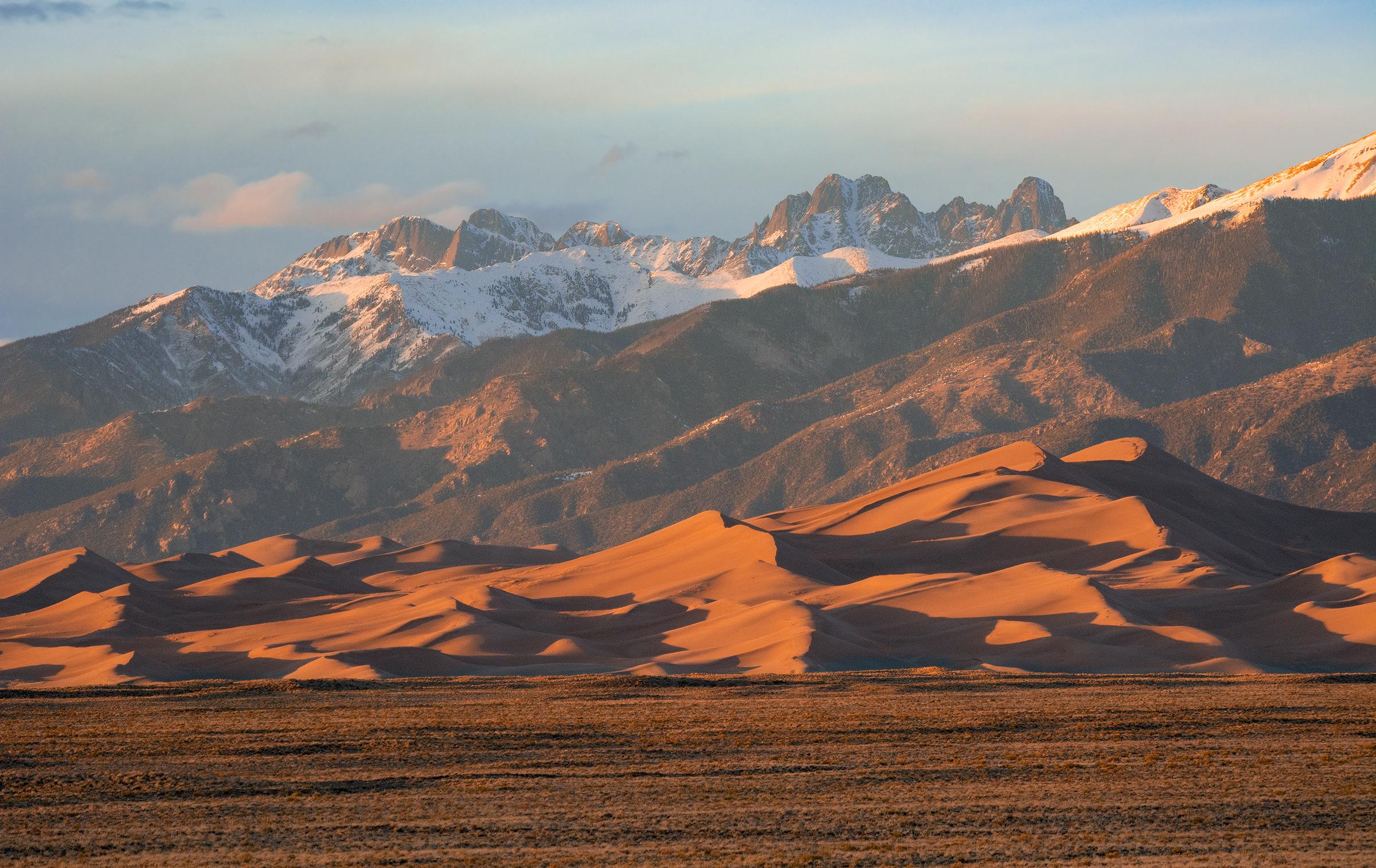
NPS via NPS.gov (Public Domain)
Great Sand Dunes National Park: North America's Tallest Sand Dunes - 2026 Guide
9 min read
Park Guide
Arrive before 7 AM to beat crowds and heat at Great Sand Dunes National Park, where summer sand hits 160°F by noon and the main lot fills by mid-morning.
Your plans
This article contains affiliate links — we may earn a small commission at no extra cost to you.
At a glance
Entrance Fee
Private vehicle $25 · Non-commercial groups $15 · Motorcycle $20Full fee schedule
Hours
The park and preserve are open 24/7 all year
Best Time
June-September (summer), September-October (fall colors)
Address
Visitor Center, Mosca, CO, 81146
Website
37.7926, -105.5920
Google MapsIntroduction
Arrive before 7 AM. That's the most critical advice I can give for visiting Great Sand Dunes. The main lot fills by mid-morning, and summer sand temperatures reach 160°F by noon. This park requires planning, not casual midday visits. I'll cover navigating the 30-square-mile dunefield, locating water and shade, and timing your visit to avoid both crowds and extreme heat. We'll also examine the surrounding landscape—the forests, alpine lakes, and wetlands that reveal this is far more than just sand. For detailed route information, see our guide to the park's hiking trails.
The Practicalities: Fees, Hours, and Getting There
Entrance fee information not provided in source data You pay at the entrance station when it's staffed, typically spring through fall. If you arrive after hours or in winter, use the self-pay station. The park is open 24 hours a day, every day of the year. No timed entry reservations are required, which is a significant advantage over other popular parks.
The driving directions are straightforward but remote. From the south, take US 160 to CO 150. From the west, take CO 17 to Lane 6 to CO 150. The park sits at the north end of CO 150. Cell service drops out about 20 minutes from the park boundary, so have your maps downloaded. Rangers will tell you the speed limit plummets from highway speeds to 30 mph, then 10 mph near the entrance station. They enforce it. The slow pace is for wildlife and pedestrian safety on the narrow park road.
Parking at the main Dunes Parking Lot is the first challenge of the day. It's a single, paved lot with space for about 250 vehicles. On a typical summer Saturday, it's full by 9:30 AM. An overflow gravel lot is available, but it adds a half-mile walk to the dune access point. Your best bet is to arrive early, claim a spot, and plan to spend the day. Leaving and returning later is a gamble.
The Great Sand Dunes Visitor Center is your resource hub. It has restrooms, a water bottle fill station, and park rangers to answer questions. The 20-minute park film is worth the time - it explains the geology better than any sign. The adjacent gift shop sells basic supplies, but as with any remote park, prices are high. Bring your own water and snacks.

Understanding the Dunefield: More Than Just Sand
The dunefield spans 30 square miles and contains the continent's tallest dunes. Star Dune and Hidden Dune both measure 741 feet—equivalent to a 70-story building. Most visitors aim for High Dune on the first ridge. While not the tallest, it's the most visible from the parking area and involves a strenuous 650-foot vertical climb over soft sand. Underestimating this effort is a common error. What appears to be a 30-minute walk often becomes a two-hour struggle, with each step forward yielding half a step back in the shifting sand. The fine quartz sand infiltrates everything. Here, gaiters serve a practical purpose, not a decorative one.
Sand conditions shift significantly with temperature. Morning coolness keeps the surface firm and more walkable. By 10 AM, it begins to soften. At summer midday, the heat can burn bare skin. I recommend exploring the dunes in early morning or evening during summer. If midday travel is unavoidable, wear closed-toe shoes with high tops—sandals invite blisters and burns.
Navigation is off-trail. There are no marked paths up the dunes. You pick a line and go. The wind constantly reshapes the ridges, so yesterday's footprints are gone today. From the top of High Dune, the view is not just of more sand. You'll see the entire dunefield sprawl against the abrupt wall of the Sangre de Cristo Mountains. The contrast is the park's defining feature: golden waves of sand lapping at the base of 13,000-foot alpine peaks.
Medano Creek: The Seasonal Beach
On the eastern edge of the dunefield, Medano Creek creates a seasonal beach. This isn't a permanent river. It's a "surge flow" stream, fed by snowmelt from the high mountains, typically running from late April through early June. In peak flow, it can be 20 feet wide and ankle-deep, with small, rhythmic waves caused by sand building temporary dams that then break. Families spread out here with chairs and buckets. By late July, it's usually just damp sand.
The creek's presence dictates the park's rhythm. Spring is for splashing. Summer is for early dune hikes. The park website has a monthly breakdown of what to expect at the creek. If your dream involves water play, plan for May.
Sand Sledding and Sandboarding
This is the park's iconic activity, and most people do it wrong. First, rental shops are in nearby towns like Alamosa or Hooper. The park itself does not rent equipment. Get your sled or board before you arrive. Second, not any plastic sled will work. Cheap snow saucers dig in and stop immediately. You need a purpose-built sand sled or sandboard with a specially formulated wax. The rental shops provide the right gear and wax.
Even with proper equipment, success depends on the sand condition. Wet sand is too slow. Dry, hot sand is often too slow as well. The best conditions are usually in the hours after sunrise or before sunset, when the sand is dry but cool. You'll see people trudging up the same dune face repeatedly for a 30-second ride down. It's exhausting, and kids under eight often lose interest faster than their parents expect.
Beyond the Dunes: Forests, Lakes, and 4WD Roads
Most visitors never leave the dunefield overlook. That's a shame. The park's full name is Great Sand Dunes National Park and Preserve, and the preserve section contains 41,000 acres of mountain wilderness. This is where you find quiet, shade, and a completely different ecosystem.
Montane and Alpine Hikes
The easiest escape is the Montville Nature Trail, a 0.5-mile loop through a shady forest of ponderosa pine just above the visitor center. You'll hear birdsong instead of wind, and the trail offers sneak-a-peek views of the dunes through the trees. It's a good leg-stretcher if you've spent the morning in the sand.
For a more substantial forest hike, the Mosca Pass Trail starts at a separate trailhead near the entrance station. It climbs 1,400 feet over 3.5 miles (one-way) to Mosca Pass. The trail narrows here, winding through aspen groves and fir forests. It's a world away from the dunes, with a creek running alongside much of the route. This is your best bet for a traditional, shaded hike without a high-clearance vehicle.
The real adventures require planning and a 4WD. The Medano Pass Primitive Road is a 22-mile rough track that loops around the eastern edge of the dunes and climbs over a 10,000-foot pass into the San Isabel National Forest. It's not a road for SUVs with all-season tires. The park mandates tire pressure be lowered to 20 psi for the deep sand sections, and there are nine creek crossings. The road is closed to through traffic in winter. If you have the right vehicle, it offers access to the 21 free, first-come-first-served Medano Pass Primitive Road Campsites and the trailhead for Medano Lake and Mount Herard.
The Alpine Preserve
The preserve contains serious backcountry. The hike to Medano Lake and the summit of 13,297-foot Mount Herard is an 8-12 hour undertaking. The Sand Creek Lakes hike is even longer, a 10-15 hour journey into a remote basin. These are full-day alpine endeavors for experienced hikers, with significant elevation gain and exposure. The reward is absolute solitude and alpine tarns reflecting the high peaks. You'll likely see more elk than people.

When to Visit and Where to Stay
The park's best time to visit depends entirely on your goals. For Medano Creek and moderate temperatures, target late May to early June. For warm days and cool nights on the dunes, September is ideal. For solitude and snow-dusted dunes, winter is magical, but prepare for frigid temperatures. Summer (June-August) is the most popular, despite the heat, because of school vacations.
Camping is the most immersive way to stay. The 91-site Piñon Flats Campground is open April through October and takes reservations up to three months in advance for 2026. Sites fill quickly. It's a standard NPS campground - no hookups, but with restrooms and potable water.
The unique experience is backcountry camping in the dunefield itself. You need a free permit from the visitor center. The rule is simple: camp beyond the first major ridge of dunes, at least 1.5 miles from the parking lot. There are no designated sites. You find a flat spot in a valley between dunes. The experience of watching sunset and sunrise paint the dunes in impossible colors, and having the entire place to yourself, is unforgettable. No campfires are allowed - only stoves. Pack out every grain of sand, well, everything else.
For those not camping, lodging and accommodations are found in the surrounding communities like Alamosa, 35 miles away. There are no hotels or lodges inside the park.
Night Sky and Seasonal Considerations
Great Sand Dunes is an International Dark Sky Park. On a moonless night, the Milky Way is so bright it casts faint shadows. The park regularly hosts astronomy programs. Even without a program, just lying on a cool dune (the sand radiates daytime heat quickly after sunset) and staring up is a top-tier park activity. A red-light headlamp preserves your night vision.
Winter transforms the place. Daytime highs might reach the 30s or 40s, with nights plunging below zero. The dunes can be covered in a layer of snow, creating a surreal striped landscape. Sand sledding can still work on south-facing slopes that melt free. The Medano Pass Road is closed, and services are reduced, but the silence and emptiness are profound.
Spring brings wind. It's the season for dramatic sand storms that can reduce visibility to nothing. If you see a weather front moving in, retreat to your vehicle. The windblown sand stings.

Practical Takeaways
- Arrive Early. Target a 7 AM arrival at the Dunes Parking Lot to secure a spot and hike before the sand heats up.
- Footwear is Critical. Wear closed-toe, high-top shoes or boots. Bring gaiters. Sandals are for Medano Creek only.
- Rent Sleds Off-Site. Arrange sand sled or sandboard rentals in Alamosa or Hooper before you come. The park doesn't rent them.
- Water is Non-Negotiable. Carry at least one gallon per person per day for dune hiking. There is no water on the dunefield.
- Check Creek Conditions. If playing in Medano Creek is a priority, visit the park website for flow forecasts and aim for May.
- Lower Your Tire Pressure. If attempting the Medano Pass Primitive Road, you must air down to 20 psi. Standard SUVs often get stuck.
- Reserve Camping Early. For Piñon Flats Campground, set a reminder to book exactly three months before your arrival date for 2026.
- Stay After Dark. Even if just for an hour, experience the night sky. A moonlit walk on the dunes is easier than a daytime hike.
Final Thoughts
Great Sand Dunes National Park challenges the standard national park script. There's no scenic drive, no lodge with a view, no easy checklist of overlooks. Your experience is built on physical effort - the climb up shifting sand, the search for a private dune valley to camp in, the drive down a rough road to a trailhead. The payoff is a landscape of surreal beauty, where the silence is broken only by the wind and your own footsteps. It feels less like visiting a park and more like discovering a secret. Most visitors underestimate the scale and the effort. The ones who come prepared leave with stories that sound exaggerated to anyone who hasn't felt that particular sand under their boots.
Recommended Gear
What experienced visitors bring to Great Sand Dunes National Park: North America's Tallest Sand Dunes - 2026 Guide
Links may earn us a commission at no extra cost to you. We only recommend gear we believe in.
Hiking Essentials
Hydration Pack (3L)
Hands-free water for long trail days
Trekking Poles (Pair)
Save your knees on steep descents
Hiking Boots (Ankle Support)
Sturdy footwear for rocky, uneven trails
Sun & Heat Protection
Wide-Brim Sun Hat
Full coverage UPF 50+ protection at altitude
Insulated Water Bottle (32oz)
Keeps water cold in desert heat all day
Winter Gear
Microspikes / Traction Devices
Essential for icy rim trails in winter months
Packable Down Jacket
Lightweight warmth that stuffs into a pocket
Sources
- Official source: NPS — Great Sand Dunes National Park nps.gov/grsa/index.htm
Explore More National Parks

Black Canyon of the Gunnison National Park: One of America's Most Dramatic Canyons - 2026 Guide
Discover Black Canyon of the Gunnison National Park national park guide with our comprehensive guide...

Mesa Verde National Park: Ancient Cliff Dwellings & Ancestral Puebloan Sites - 2026 Guide
Discover ancient Ancestral Puebloan cliff dwellings and mesa ruins. Complete 2026 guide to Mesa Verd...

Rocky Mountain National Park: Trail Ridge Road & Alpine Tundra - 2026 Guide
Discover how to get to rocky mountain national park with our comprehensive guide. Expert tips, pract...

Fly to Arches National Park: Nearest Airports & Tips (2026)
Discover where to fly to visit arches national park with our comprehensive guide. Expert tips, pract...
Photo Gallery
More to Explore
Park Guide
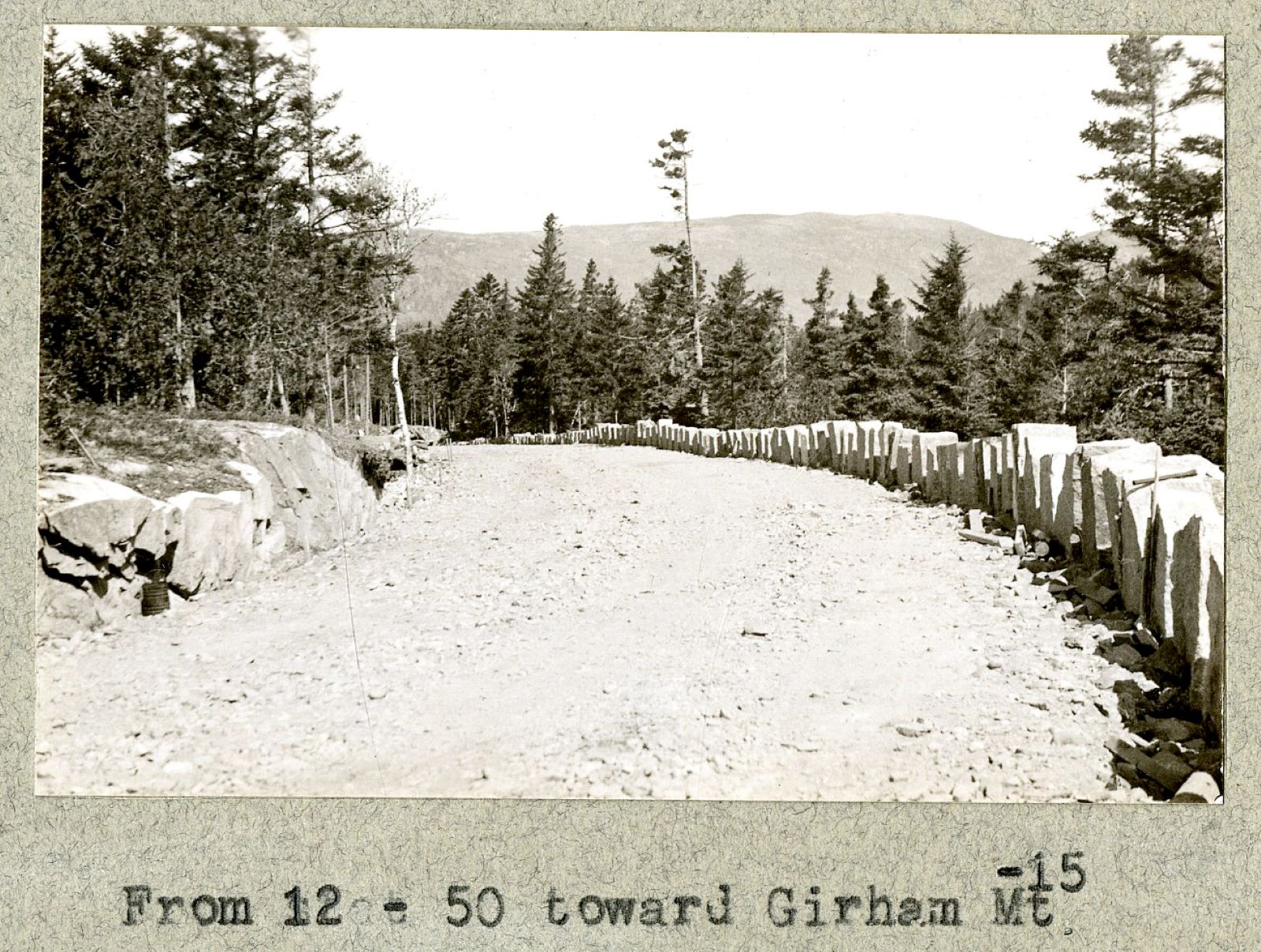
Acadia National Park: Carriage Roads, Cadillac Mountain & 2026 Guide
Discover carriage roads, Cadillac Mountain, and rugged Maine coast. Complete 2026 guide to Acadia National Park — trails, fees, lodging, permits, and what rangers recommend.
Hiking Guide
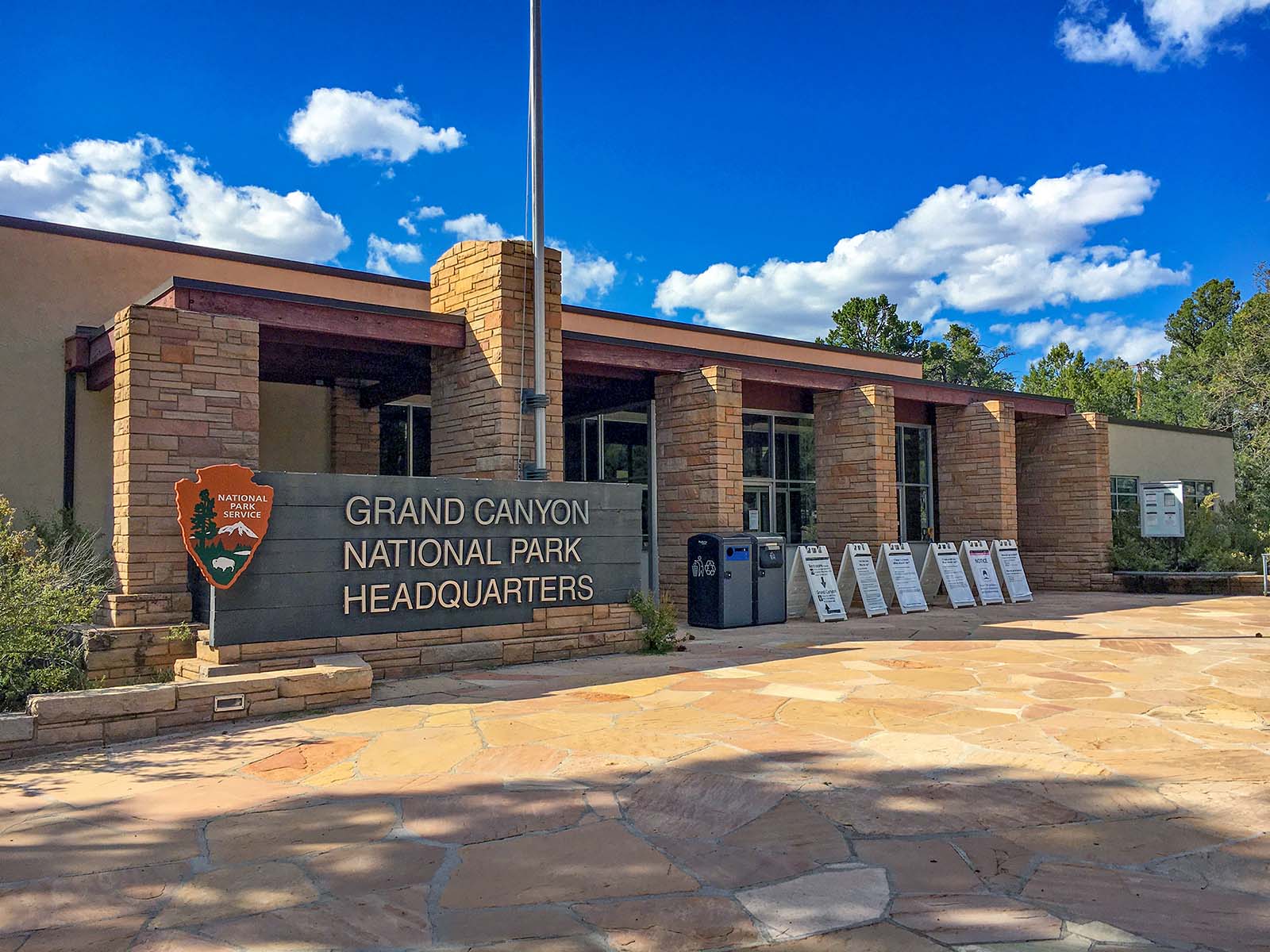
Grand Canyon Hiking Trails: Day Hikes, Water Sources & Rim to Rim
Compare Grand Canyon hiking trails: Bright Angel, South Kaibab, Hermit, Grandview, and rim to rim, with distances, elevation, water stops, and trailhead access for each.
Best Of
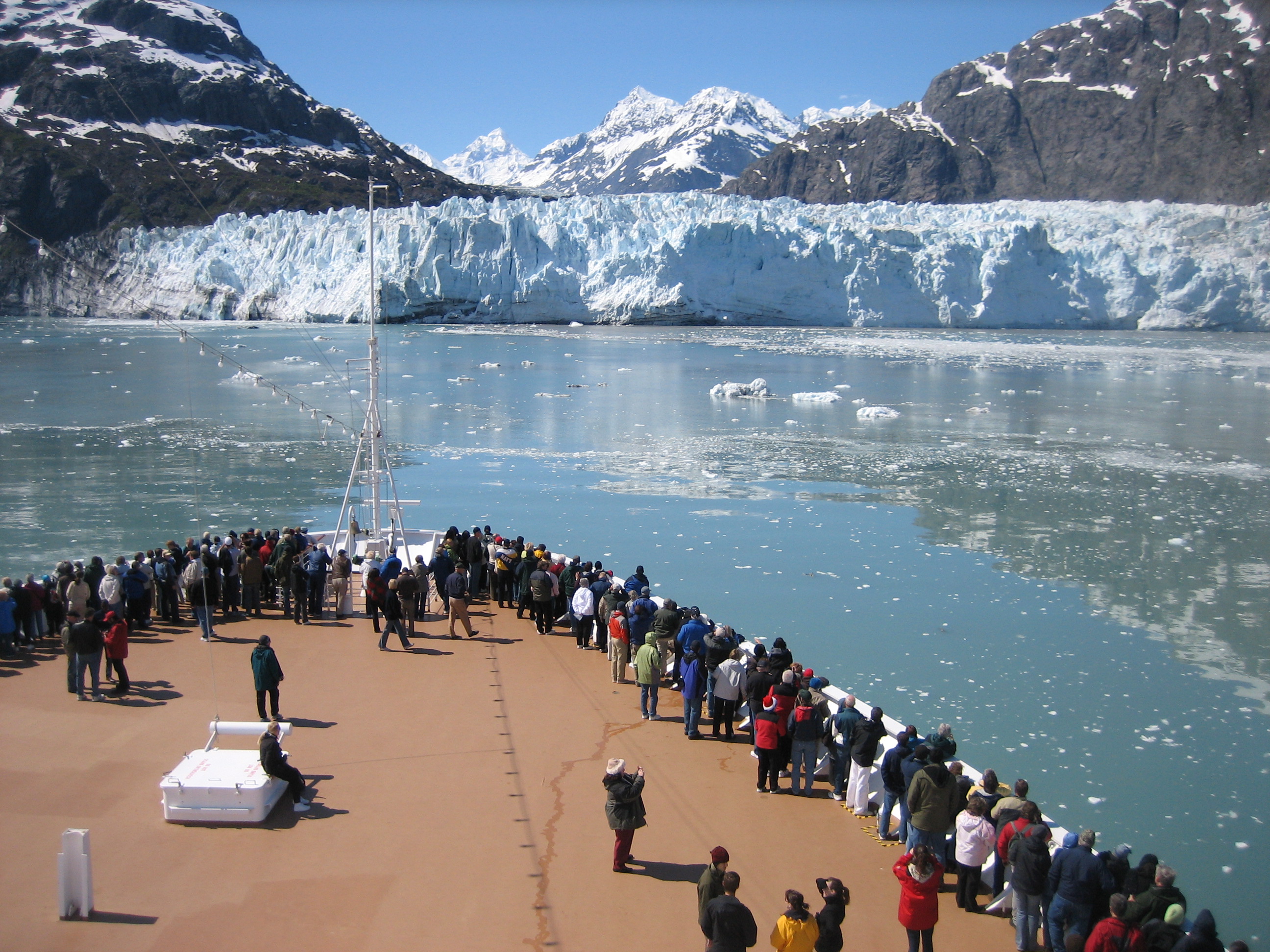
Best of Glacier Bay National Park
The best of Glacier Bay is reached by boat: ranger-led day tours up the bay to the tidewater glaciers. What's worth it, how to book, and when to go (2026).
Campsite Guide
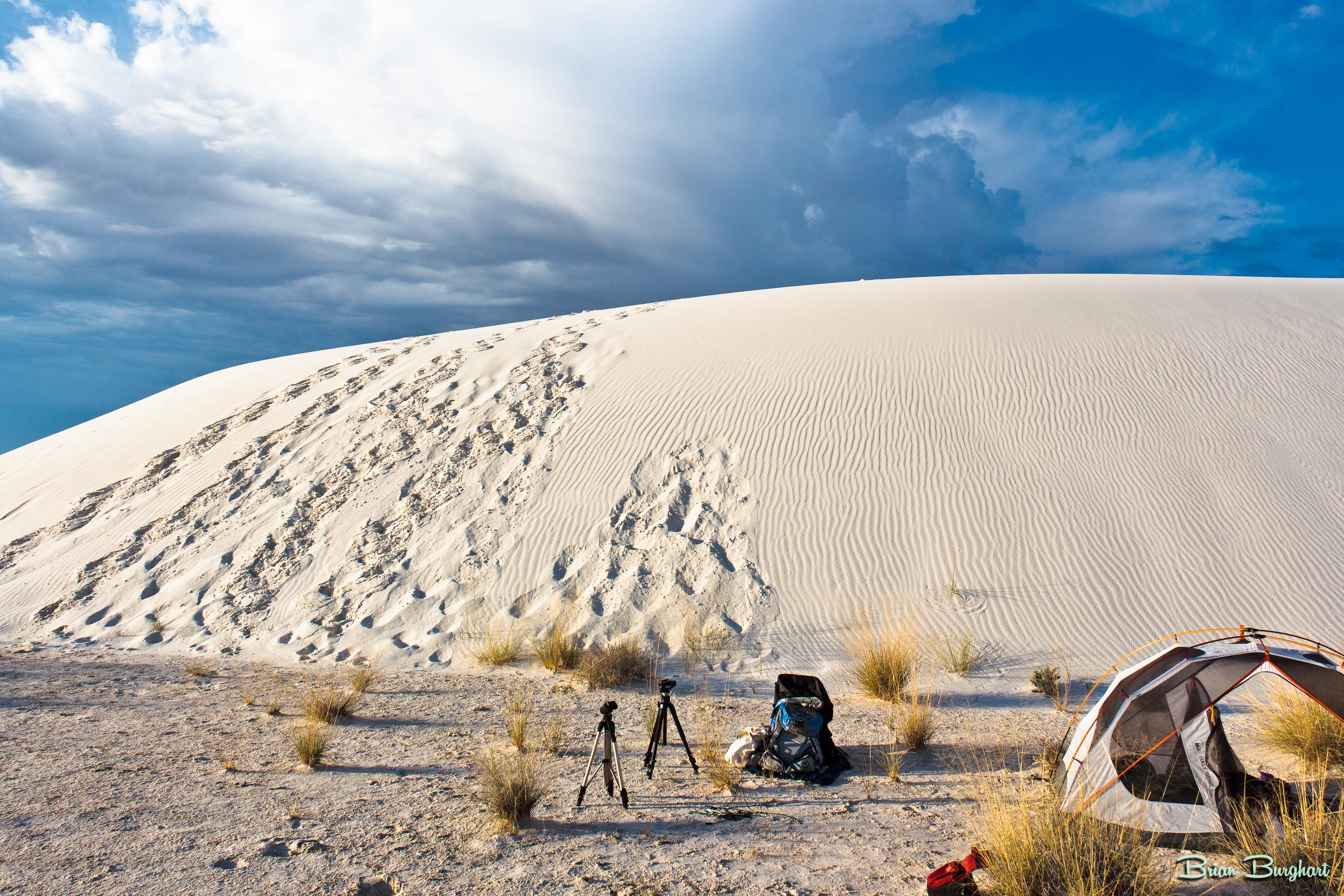
White Sands Backcountry Camping: Closed for 2026 — What to Know
As of 2026, backcountry camping at White Sands National Park is closed for site rehabilitation. What that means, and where to camp nearby instead.
Weather Guide
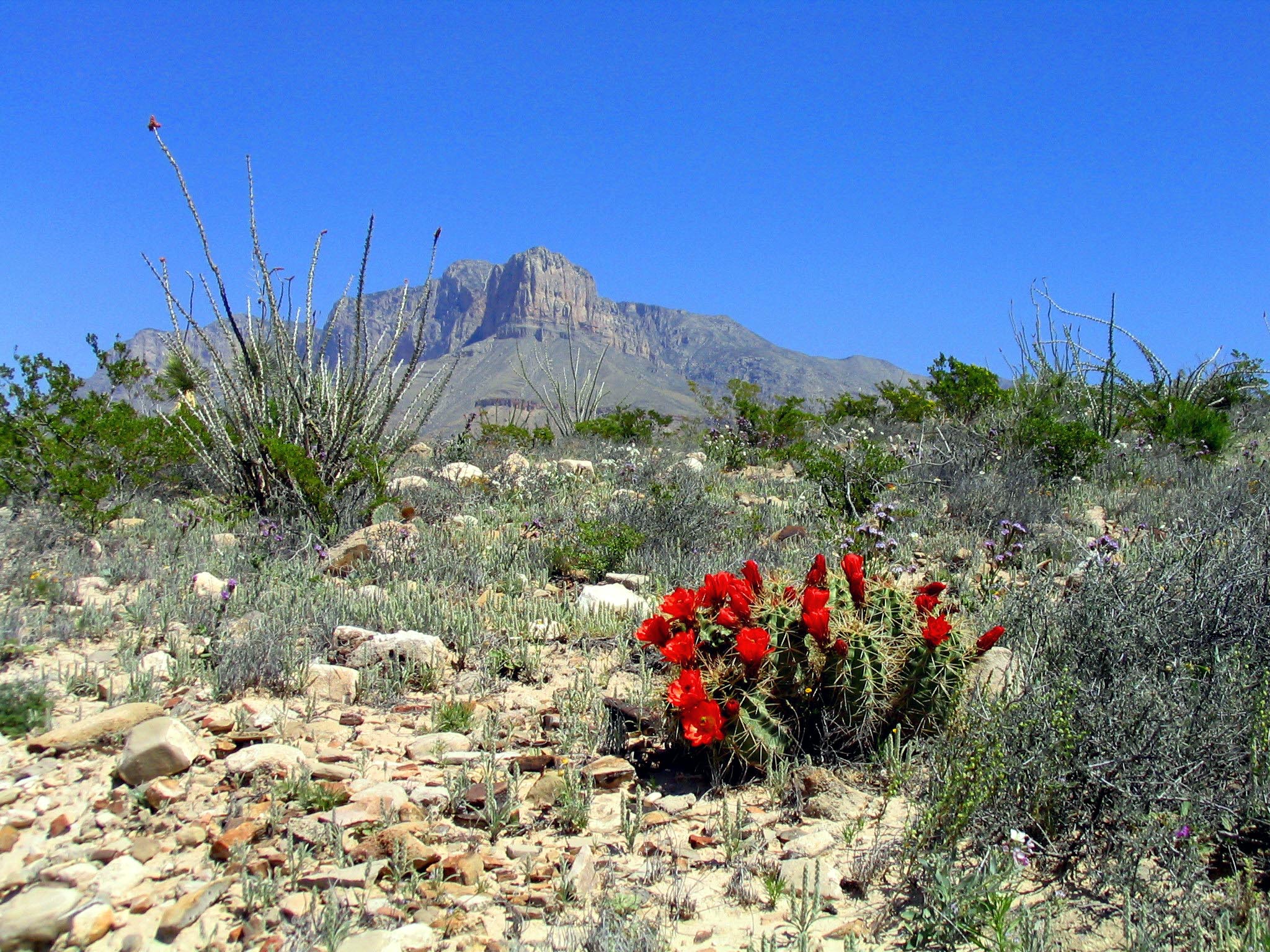
Guadalupe Mountains National Park Weather: Weather
Guadalupe Mountains National Park: weather guide guide updated 2026. Practical visitor information, reservations, and seasonal tips worth bookmarking before
Best Of
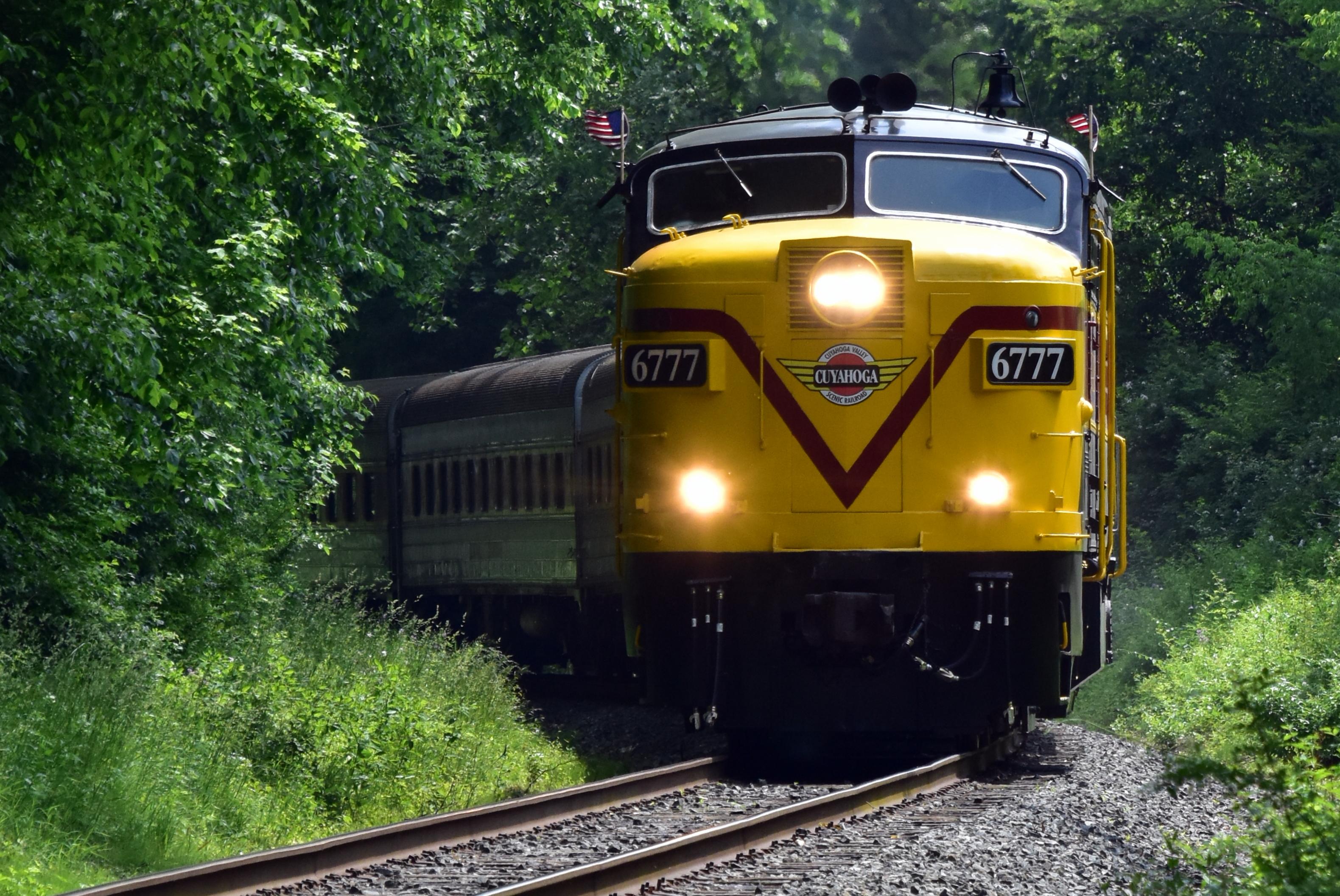
Best of Cuyahoga Valley National Park: Best Things to Do
Seeing a Cleveland Orchestra concert with the woods as your backdrop is a uniquely Cuyahoga Valley experience.
Sign in to join the conversation.
Sources & Attribution
Location data courtesy of the National Park Service (U.S. Department of the Interior). NPS data is public domain. Official NPS page.
Images: NPS; NPS; NPS; NPS; NPS.
Map data © OpenStreetMap contributors.
Park operations alerts: NPS.gov · Weather and weather hazards: National Weather Service · Live conditions.
Information may change. Always verify fees, hours, and conditions directly with the official source before visiting.
Did this guide help? Share it with a friend.