Mesa Verde National Park: Ancient Cliff Dwellings & Ancestral Puebloans - 2026 Guide
NPS via NPS.gov (Public Domain)
Mesa Verde National Park: Ancient Cliff Dwellings & Ancestral Puebloan Sites - 2026 Guide
9 min read
Park Guide
Explore Mesa Verde's Cliff Palace and Balcony House with ranger-led tours, plus fees, lodging, and road construction delays in this 2026 guide.
Your plans
This article contains affiliate links — we may earn a small commission at no extra cost to you.
At a glance
Entrance Fee
Private vehicle $30 · Motorcycle $25 · Per person $15Full fee schedule
Hours
The park is open daily except for emergency conditions. The Visitor & Research Center and Mesa Verde
Best Time
June-September (summer), September-October (fall colors)
Address
34840 Hwy 160, Mancos, CO, 81328
Website
37.2391, -108.4624
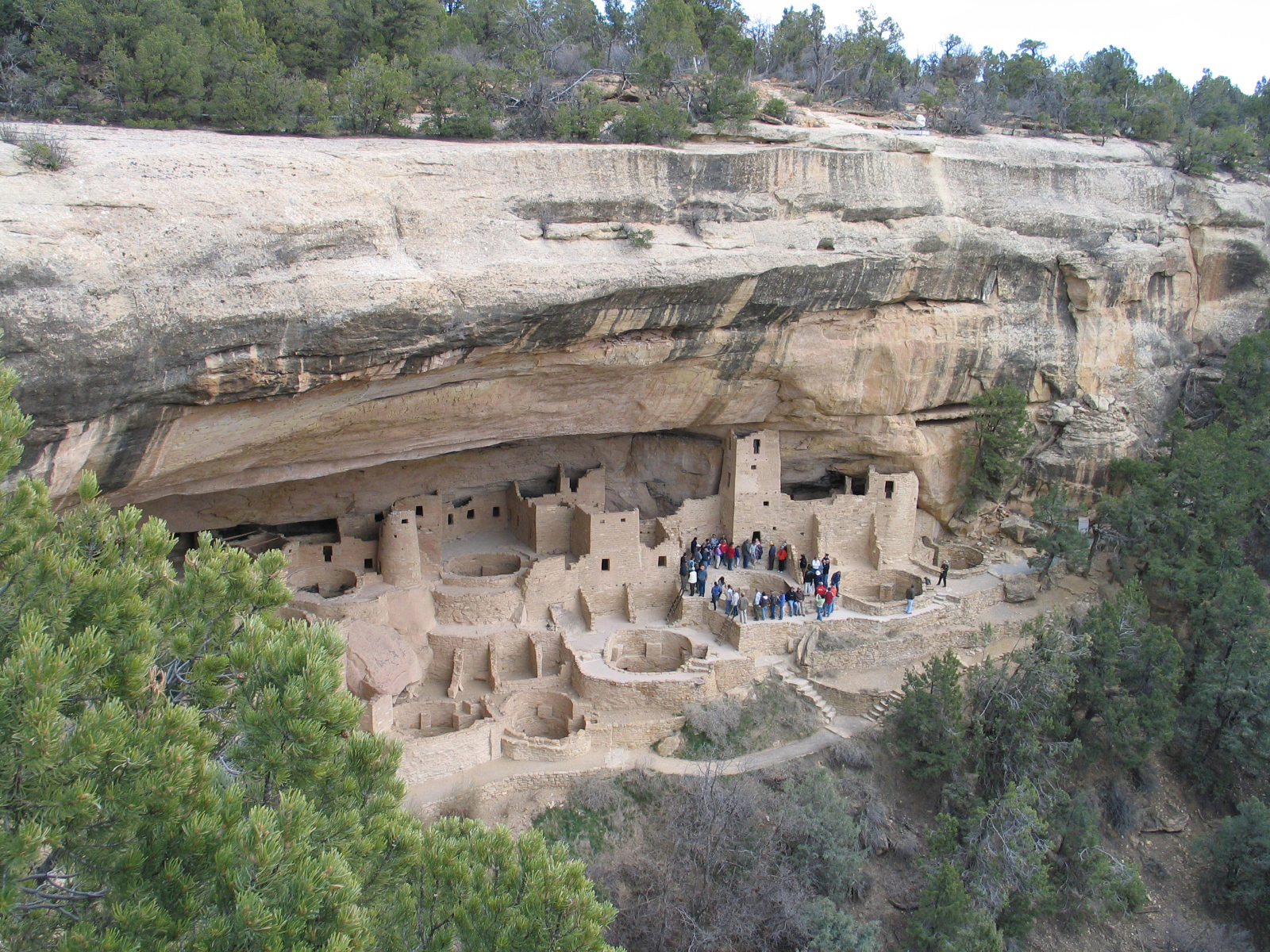
Google MapsMesa Verde isn't a typical scenic park. It's a cultural landscape where human history is etched into the sandstone. The main attraction here isn't geological spectacle, but the Ancestral Puebloan cliff dwellings and mesa-top villages that tell a story spanning seven centuries. First-time visitors should prepare for the approach: a 45-minute drive up a steep, winding road. You don't just arrive at Mesa Verde; you ascend to it.
The quiet at Sun Point isn't wilderness silence. It's the absence of sounds that once filled this place - children playing, tools working, daily conversation - now absorbed by the sandstone. This park protects the cultural heritage of 27 Pueblos and Tribes, maintaining living connections that transform an archaeological visit into a contemporary experience. As an International Dark Sky Park, Mesa Verde offers night skies unchanged since Ancestral Puebloan times.
The Lay of the Land
Mesa Verde is organized less by trail networks and more by access to ancient sites. Your orientation starts with that long park road. The entrance and modern Visitor & Research Center are down by Highway 160. Everything else - the museums, the cliff dwellings, the loop roads - is a 20 to 21 mile drive south, climbing nearly 2,000 feet onto the mesa. That drive takes about 45 minutes on a good day. As of spring 2026, factor in possible 30-minute delays due to road construction on the northern end of the park road and near Cedar Tree Tower.
The park splits into two main areas for exploring ancestral sites: Chapin Mesa and Wetherill Mesa. Chapin Mesa is the primary, year-round hub. Here you'll find the Mesa Verde Museum, the Spruce Tree House overlook, and the Mesa Top Loop Road - a 6-mile driving tour past excavated pit houses and cliff dwelling overlooks that remains accessible when the dwellings themselves are closed. This is where most ranger-guided tours of Mesa Verde cliff dwellings depart from in season.
Wetherill Mesa is the quieter, more remote sector. It opens only for the summer season and involves more walking. It's where you'll find Long House, the park's second-largest cliff dwelling. The road out there is narrower and closes entirely in winter. The common mistake is trying to do both mesas in one rushed day. Experienced visitors pick one mesa to explore deeply.
Planning Your Visit
Timing is crucial. Cliff dwelling tours operate from mid-May through late October only. Visiting between November and early May means you won't enter any dwellings, though you can still drive the Mesa Top Loop Road and view them from overlooks - an experience many prefer for the solitude. Verify exact dates on the park website each year.
As of 2026, the entrance fee is $30 per private vehicle, valid for seven days. Motorcycles are $25, and individuals entering on foot, bike, or as part of a non-commercial group pay $15 per person. You can purchase digital passes in advance on Recreation.gov - a smart move, as cell service is unreliable at the entrance. Print the pass or save it to your phone before you arrive. The America the Beautiful Annual Pass ($80) covers the vehicle entrance fee.
The critical booking window is 14 days. That's when tickets for the ranger-guided tours of Mesa Verde cliff dwellings (like Cliff Palace and Balcony House) become available online at Recreation.gov. These tours sell out, often within minutes for prime summer dates. If you miss out, a limited number of same-day tickets are sometimes available at the visitor center, but that's a gamble. For a guaranteed spot, set a calendar reminder for 8 AM Mountain Time, 14 days before your desired tour date.

Getting There & Getting Around
The park entrance is on Highway 160, roughly equidistant between the towns of Cortez (10 miles west) and Mancos (9 miles east). Durango, with its commercial airport, is about 35 miles to the east. There is no public transportation to the park; you need a car.
Once inside, your car is essential. There is no park-wide shuttle system. You will drive from the entrance to the Far View area (where lodging and food are), and then further to Chapin or Wetherill Mesas. The roads are steep, narrow, and winding. Trailers and RVs over 25 feet are prohibited beyond the Morefield Campground turnoff. The parking situation at popular trailheads and the museum can get tight between 10 AM and 2 PM. The Cliff Palace parking lot, in particular, fills fast.
Cell service drops out at the entrance station and is virtually nonexistent for the entire 21-mile drive into the heart of the park. You might get a sporadic signal at the Far View Terrace or the museum, but don't count on it. Download maps, tickets, and any research you want to reference before you leave your hotel.
What to Do
The activities here orbit around the cultural resources. This isn't primarily a hiking park, though there are trails.
Guided Tours are the centerpiece. Walking into Cliff Palace or climbing the ladders of Balcony House with a ranger is the definitive Mesa Verde experience. These are not passive walks; they involve stairs, uneven footing, and in some cases, crawling through short tunnels. The tour guide provides the context that transforms piles of masonry into a community. You can learn more about all the options in our guide to tours and guided experiences.
Self-Guided Exploration on the Mesa Top Loop Road is the perfect complement or winter alternative. This one-way, 6-mile paved road has 12 stops showing the architectural progression from early pit houses to later cliff dwellings. You view them from the mesa rim across the canyon. It's a brilliant DIY archaeology lesson from your car.
Hiking trails here are shorter and often connect mesa-top sites or lead to canyon overlooks. They offer solitude, piñon-juniper forest smells, and chances for wildlife viewing like mule deer and coyotes. For details on the best routes, see our dedicated page on hiking trails.
Museum and Cultural Learning at the Chapin Mesa Archeological Museum is non-negotiable. Its dioramas and artifacts provide the foundational knowledge that makes every other site more meaningful. The park film at the Visitor and Research Center is also a strong starting point.
Night Sky Programs leverage the International Dark Sky designation. In summer, rangers often host telescope viewings. On any clear night, the stars over the mesa are a spectacle, a view unchanged for a thousand years.

Where to Stay
Inside the park, you have two options. The Morefield Campground, located just 4 miles from the entrance, is open from April through October. It has over 400 sites, including RV spots with no hookups, and rarely fills completely. It's your most convenient basecamp. For a full breakdown of amenities and tips, consult our guide to camping near Mesa Verde National Park.
The Far View Lodge is the only hotel, perched 15 miles in at 8,250 feet. Its rooms are simple but the location is unbeatable - you're already halfway to the cliff dwellings. It operates from late April to late October and books many months in advance for summer.
Most visitors who can't secure in-park accommodations stay in the gateway towns of Cortez or Mancos. Durango offers more amenities but adds a 45-minute commute each way to the park entrance. For a complete comparison of all options, from hotels to vacation rentals, our guide to lodging and accommodations has the details.
Seasonal Guide
Your experience is fundamentally shaped by the month you arrive.
May & June: The sweet spot. Cliff dwelling tours have begun, daytime temperatures are in the 70s and 80s F, and the summer monsoon crowds haven't peaked. Wildflowers can be out in the meadows near Morefield. This is arguably the best time to visit.
July & August: Peak season. Expect highs in the 90s on the mesa, but the real story is the daily afternoon thunderstorms. These can roll in with little warning, bringing lightning, brief heavy rain, and sometimes hail. Tours may be delayed or canceled. The park is busiest, and the sun feels intense at altitude. Start your days early.
September & October: Another excellent window. Crowds diminish after Labor Day, temperatures cool back into the 50s and 70s, and the aspen groves in the higher country turn gold. The air is clear and sharp. Snow can fall as early as October, so check forecasts. Cliff dwelling tours run through late October.
November through April: The quiet season. The cliff dwellings are closed for tours. The Mesa Top Loop Road remains open unless snowed in, offering stark, beautiful views without the people. This is for the contemplative visitor. Icy roads are common; the park may open late or close temporarily after storms. The Colorado Traction Law (requiring adequate tires or chains) is often in effect. If you seek solitude and don't mind the cold, it's a unique experience.
For a deeper dive on weather patterns and seasonal pros and cons, our best time to visit guide breaks it down further.

Practical Takeaways
- Book tours at 8 AM MT, 14 days in advance. This is the single most important action for a summer visit. Recreation.gov is your only option.
- Fuel up in Cortez or Mancos. There are no gas stations inside the park.
- Allocate a full day, minimum. The 45-minute drive in and out alone consumes 1.5 hours. A cliff dwelling tour, the Mesa Top Loop, and the museum easily fill 6-8 hours.
- Pack for all weather, even in summer. Bring a wide-brimmed hat, sunscreen, and a full liter of water per person for every 2 hours outside. Also pack a rain jacket or fleece - the mesa top can be 20 degrees cooler than Cortez, and storms blow in fast.
- Wear proper shoes. This is not a flip-flop park. You need closed-toe shoes with grip for uneven stone steps, sandy trails, and wooden ladders on tours.
- Respect the silence and the space. These are not ruins; they are ancestral homes. Don't climb on walls, touch petroglyphs, or remove any object, no matter how small. It's illegal and disrespectful.
- If tours are sold out, don't despair. The Mesa Top Loop Road provides incredible views and context. The Step House self-guided tour on Wetherill Mesa (in summer) is another good option that doesn't require the 14-day reservation.
- Visit the museum first. The 30 minutes you spend there will make every site you see afterward ten times more comprehensible.
- Slow down on the park road. It's winding, steep, and shared with cyclists and wildlife. The 45-minute estimate is real.
- Look for wildlife at dawn and dusk. Mule deer are common. Wild turkeys strut through Morefield Campground. For dedicated wildlife viewing, the quieter back roads offer the best chances for spotting coyotes, foxes, and numerous bird species.
Final Thoughts
Mesa Verde is made for the curious visitor. It asks for your attention more than your endurance. It rewards the person who reads the placard, who pauses at the overlook to wonder how people built a life in that particular alcove, and who understands that the story isn't finished. You'll leave with less a collection of scenic photos and more a sense of deep time and human ingenuity. The park gives back perspective - a reminder of the long arc of history and the enduring mark of a culture that adapted to, and thrived within, a demanding landscape. Go with questions. You won't find all the answers, but you'll learn better ways to ask.
For more information, see our complete National Park Guide.
Recommended Gear
What experienced visitors bring to Mesa Verde National Park: Ancient Cliff Dwellings & Ancestral Puebloan Sites - 2026 Guide
Links may earn us a commission at no extra cost to you. We only recommend gear we believe in.
Hiking Essentials
Hydration Pack (3L)
Hands-free water for long trail days
Trekking Poles (Pair)
Save your knees on steep descents
Hiking Boots (Ankle Support)
Sturdy footwear for rocky, uneven trails
Sun & Heat Protection
Wide-Brim Sun Hat
Full coverage UPF 50+ protection at altitude
Insulated Water Bottle (32oz)
Keeps water cold in desert heat all day
Winter Gear
Microspikes / Traction Devices
Essential for icy rim trails in winter months
Packable Down Jacket
Lightweight warmth that stuffs into a pocket
Sources
- Official source: NPS — Mesa Verde National Park nps.gov/meve/index.htm
Explore More National Parks

Black Canyon of the Gunnison National Park: One of America's Most Dramatic Canyons - 2026 Guide
Discover Black Canyon of the Gunnison National Park national park guide with our comprehensive guide...

Canyonlands National Park: Utah's Wildest Canyon Country - 2026 Guide
Canyonlands has zero restaurants inside the park. 2026 guide to where to eat near each of its three...

Fly to Arches National Park: Nearest Airports & Tips (2026)
Discover where to fly to visit arches national park with our comprehensive guide. Expert tips, pract...

Capitol Reef National Park: The Wrinkle in the Earth - Complete 2026 Guide
Discover what is capitol reef national park known for with our comprehensive guide. Expert tips, pra...
Photo Gallery
More to Explore
Park Guide
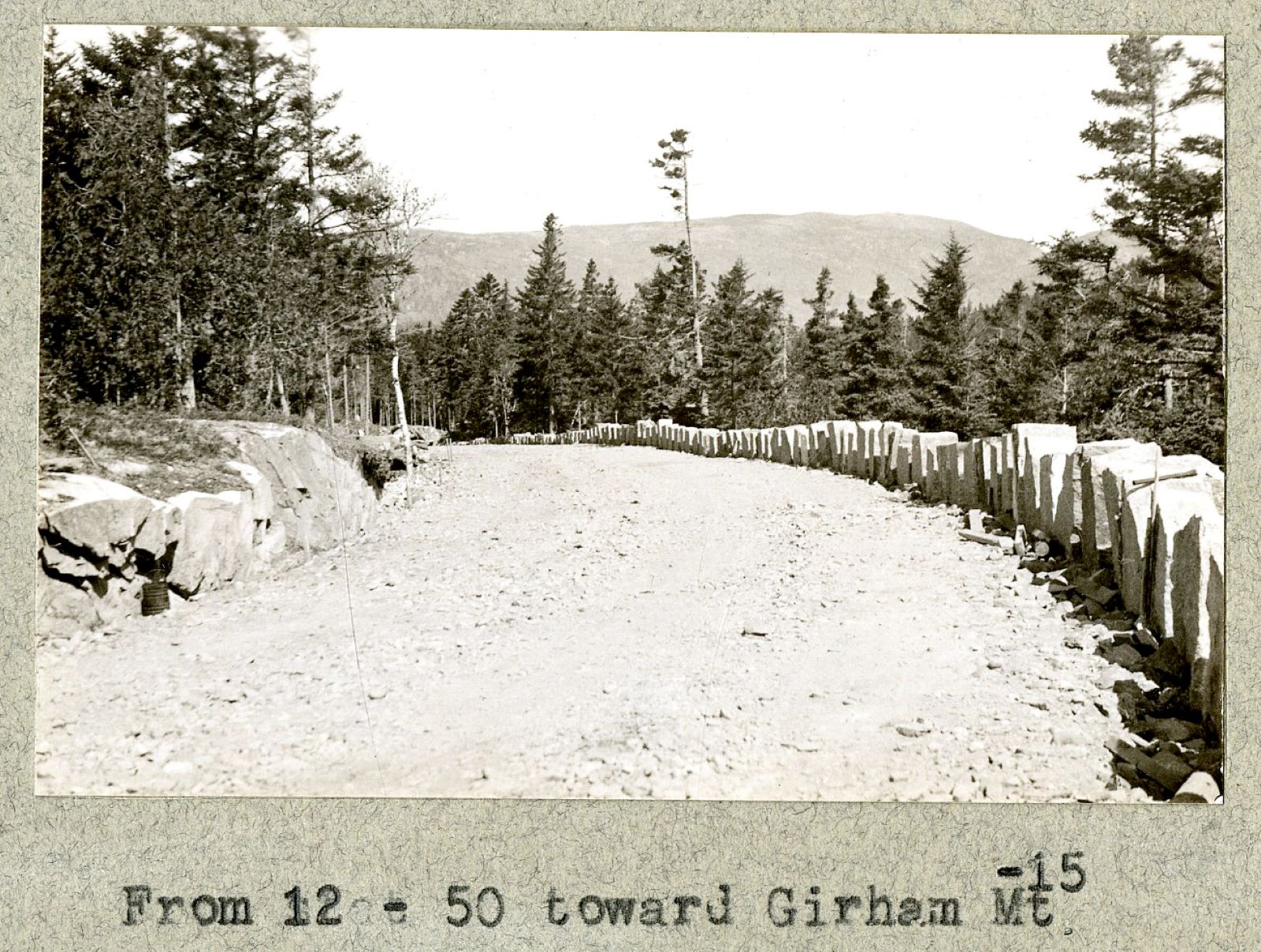
Acadia National Park: Carriage Roads, Cadillac Mountain & 2026 Guide
Discover carriage roads, Cadillac Mountain, and rugged Maine coast. Complete 2026 guide to Acadia National Park — trails, fees, lodging, permits, and what rangers recommend.
Hiking Guide
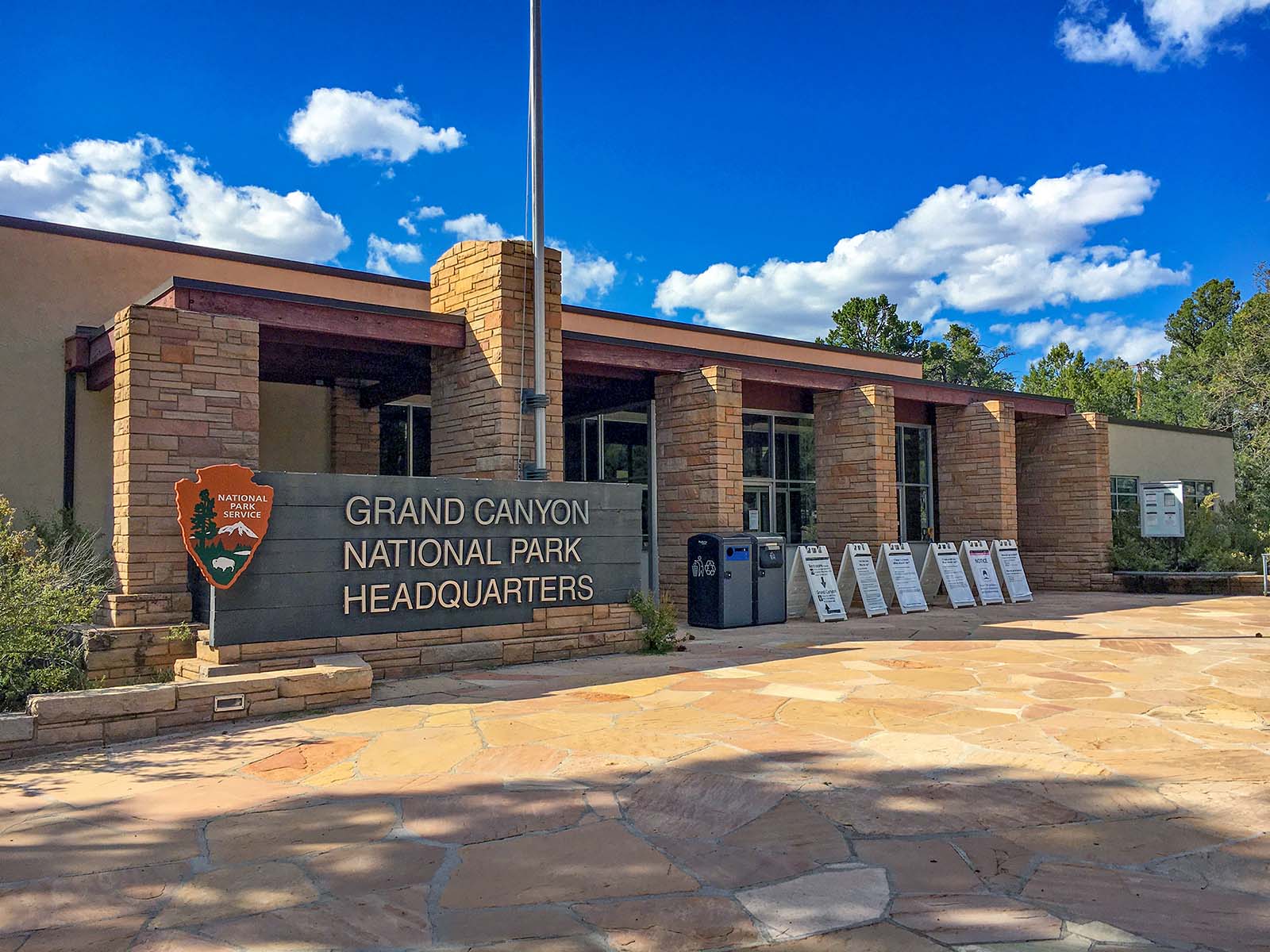
Grand Canyon Hiking Trails: Day Hikes, Water Sources & Rim to Rim
Compare Grand Canyon hiking trails: Bright Angel, South Kaibab, Hermit, Grandview, and rim to rim, with distances, elevation, water stops, and trailhead access for each.
Best Of
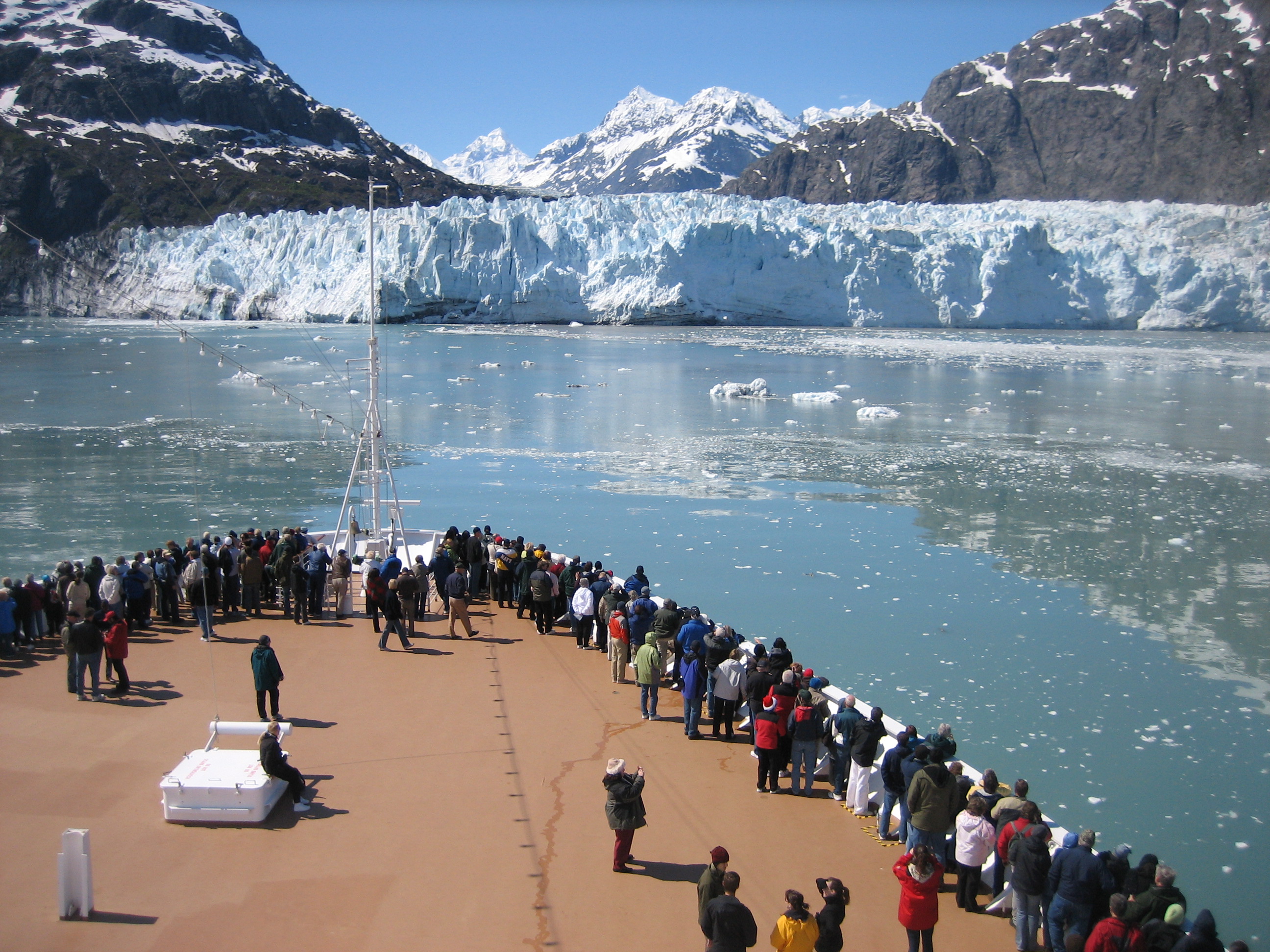
Best of Glacier Bay National Park
The best of Glacier Bay is reached by boat: ranger-led day tours up the bay to the tidewater glaciers. What's worth it, how to book, and when to go (2026).
Campsite Guide
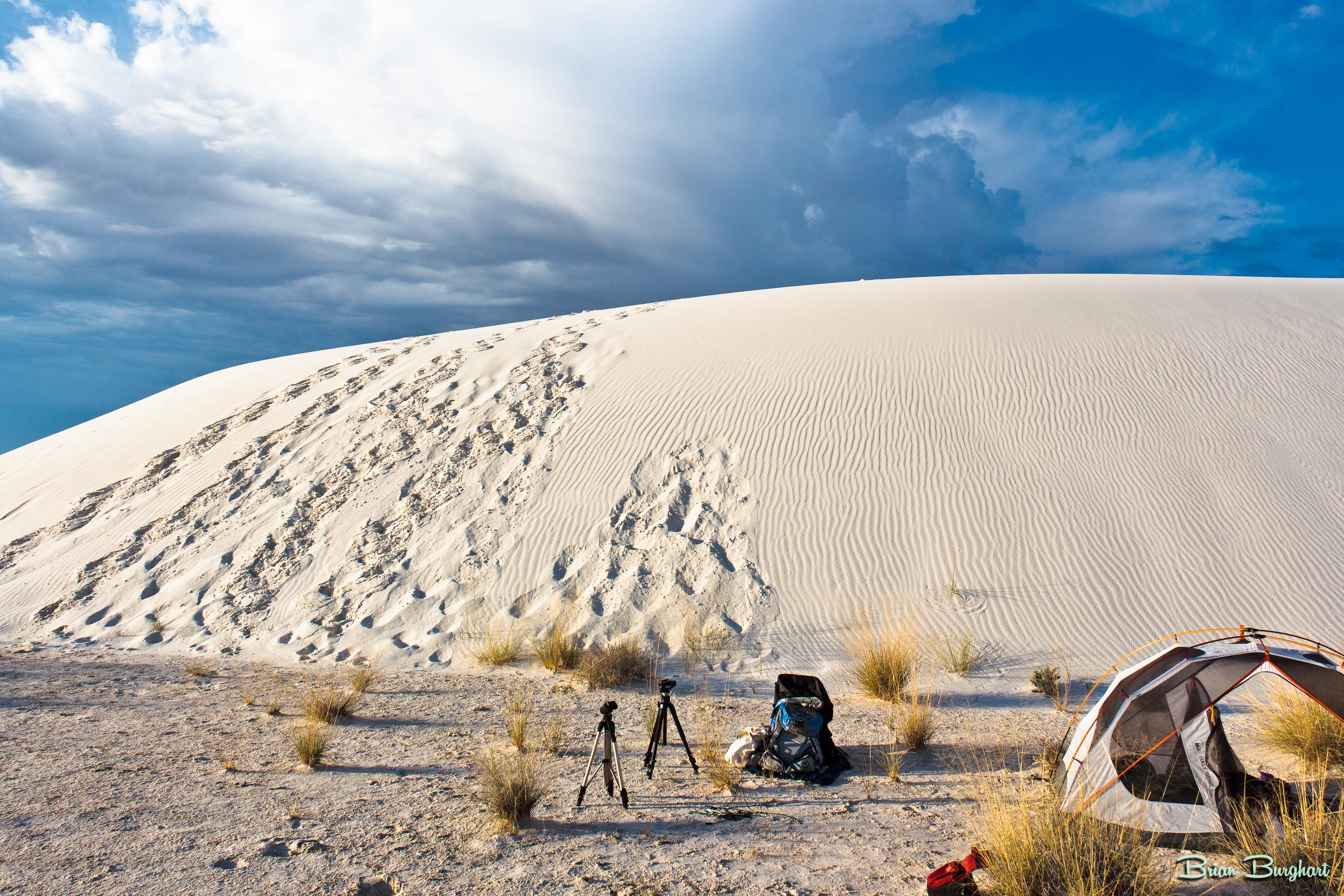
White Sands Backcountry Camping: Closed for 2026 — What to Know
As of 2026, backcountry camping at White Sands National Park is closed for site rehabilitation. What that means, and where to camp nearby instead.
Weather Guide
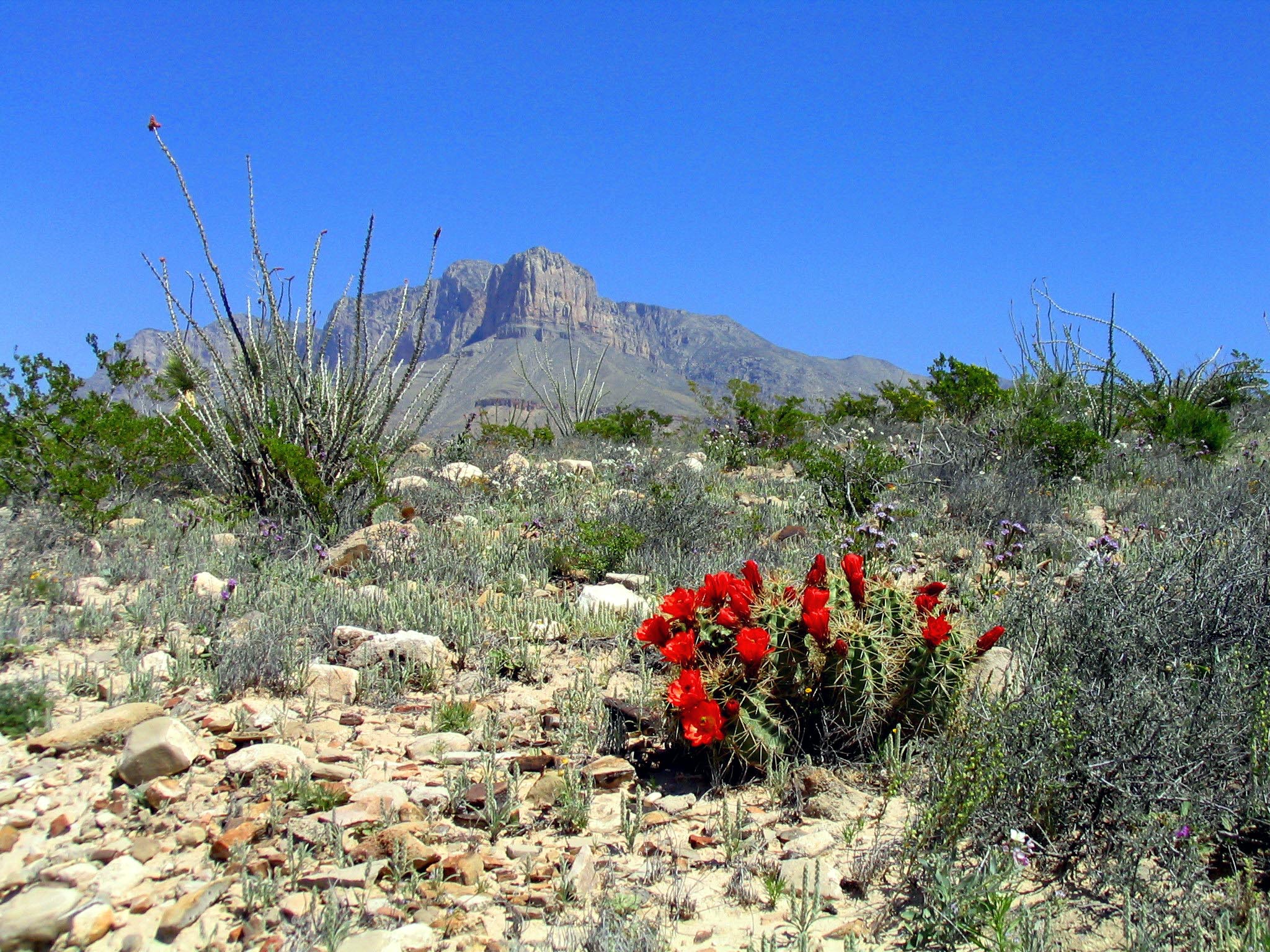
Guadalupe Mountains National Park Weather: Weather
Guadalupe Mountains National Park: weather guide guide updated 2026. Practical visitor information, reservations, and seasonal tips worth bookmarking before
Best Of
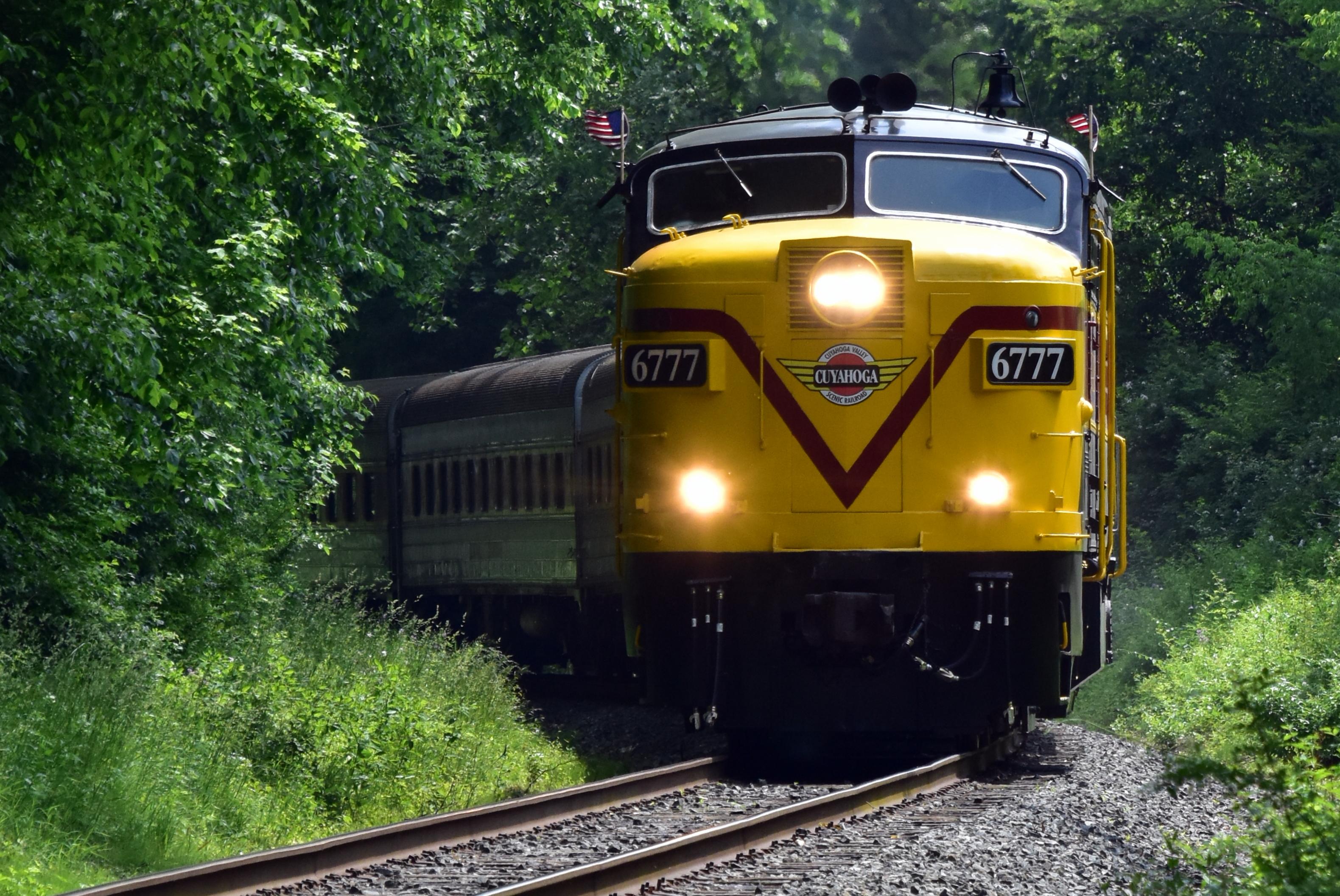
Best of Cuyahoga Valley National Park: Best Things to Do
Seeing a Cleveland Orchestra concert with the woods as your backdrop is a uniquely Cuyahoga Valley experience.
Sign in to join the conversation.
Sources & Attribution
Location data courtesy of the National Park Service (U.S. Department of the Interior). NPS data is public domain. Official NPS page.
Images: NPS; NPS; NPS; NPS; NPS.
Map data © OpenStreetMap contributors.
Park operations alerts: NPS.gov · Weather and weather hazards: National Weather Service · Live conditions.
Information may change. Always verify fees, hours, and conditions directly with the official source before visiting.
Did this guide help? Share it with a friend.