Here's the essential truth about Mesa Verde's weather: you'll experience two distinct climates in a single day. The park road ascends 2,000 feet from the entrance to the mesa top, creating a temperature differential of up to 15 degrees between the highway and the cliff dwellings. Most visitors are unprepared for how much colder and windier it becomes at elevation. You might leave Cortez in a t-shirt, but you'll want a fleece at Spruce Tree House Overlook. Always plan for layers.
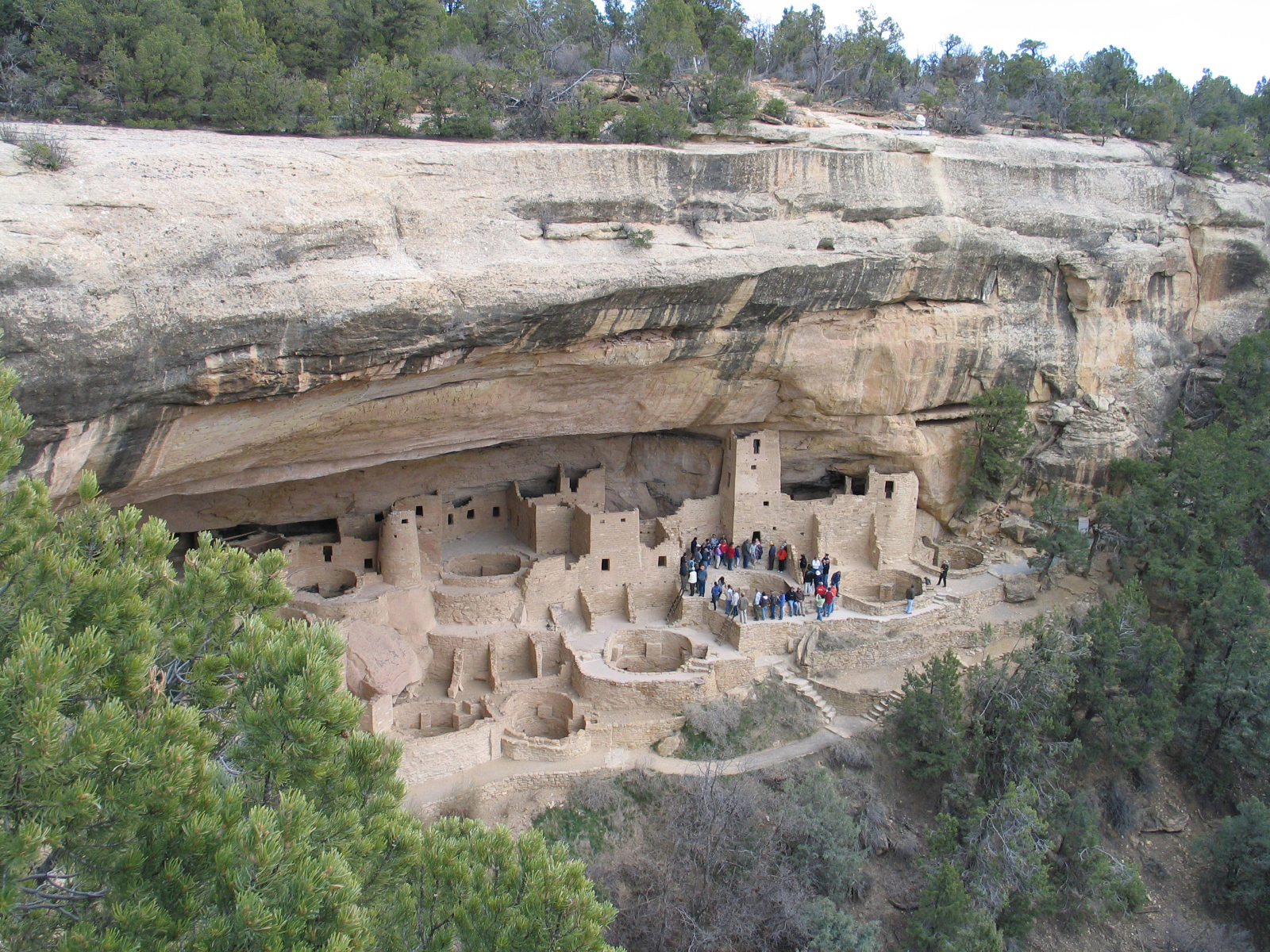
NPS via NPS.gov (Public Domain)
Mesa Verde National Park Weather
7 min read
Weather Guide
Mesa Verde's weather shifts 15°F from entrance to mesa top; summer monsoons bring sudden storms. Plan layers and check road conditions.
The Weather Reality
Mesa Verde occupies a high-desert transition zone. At 8,500 feet, the mesa top delivers intense sun, low humidity, and rapid temperature fluctuations. Official forecasts for Cortez or Mancos provide little guidance for conditions within the park boundaries. The summer monsoon pattern defines this season. From mid-July through August, expect cloud development by noon, with a high probability of brief but intense thunderstorms by mid-afternoon. These storms bring lightning, gusty winds, and can plunge temperatures 30 degrees within minutes. By evening, the air clears, revealing the exceptionally dark night skies that earned the park its International Dark Sky designation.
What the park website doesn't mention is the wind. The mesa top is exposed, and spring winds can be relentless, making 50 degrees feel much colder. In winter, it's not just the snow; it's the blowing snow that closes the steep, winding park road. The Colorado Traction Law is not a suggestion here. If you're visiting between November and April, all-wheel drive or snow tires aren't just nice to have - they're often mandatory for the climb.

Month by Month
Mesa Verde's seasons are defined more by elevation than by calendar dates. Visitor numbers correlate directly with cliff dwelling tour operations, which typically run from mid-May through late October.
April - May
Temperatures range from 40 to 70 degrees. Expect everything: clear skies, rain, wind, and the distinct possibility of snow well into May. The park is shaking off winter. The Wetherill Mesa road and the campground are typically still closed. Cliff dwelling tours have not yet started, but you can drive the Mesa Top Loop Road for overlook views. Crowds are light. This is the time for solitude and watching the piñon-juniper woodlands green up. The challenge is the unpredictability. You might get a perfect hiking day or be sidelined by a late spring blizzard. Trail conditions are variable - muddy in spots, snowy in others.
June
This is the sweet spot before the monsoon and peak crowds. Days are sunny with highs climbing into the 80s. Nights are still cool. All park roads and services, including tours, are open. Wildflowers like lupine and Indian paintbrush begin to appear. It's the best month for comfortable, dry hiking. The common mistake is underestimating the sun and altitude. UV radiation is intense. A wide-brimmed hat and serious sunscreen are non-negotiable.
July - August
Monsoon season. Most days start sunny and hot, with highs often above 90 degrees at the lower elevations. By early afternoon, clouds build over the mesa. Thunderstorms are common, bringing brief heavy rain, dangerous lightning, and a dramatic cooldown. Humidity rises slightly. These are the busiest months. The key to enjoying summer here is an early start. Be off the trail and back to your vehicle by 1 PM. The reward is those cleared-out, spectacularly starry nights. Mosquitoes can be present near standing water after rains.
September - October
Many consider this the best window. Daytime temperatures are ideal, ranging from 50 to 75 degrees. Nights become crisp. The summer crowds thin significantly after Labor Day. The monsoon tapers off, leading to stable, clear weather perfect for long hikes and photography. The aspen groves in the higher reaches and along the park road begin turning gold in late September. The catch? Snow can fall as early as October. Cliff dwelling tours run through late October, but always check for early season storm closures.
November - March
Winter. Temperatures range from the teens to low 30s on the mesa top. Icy roads are the norm, not the exception. The park road beyond the Visitor Center is steep, narrow, and winding - it's the first to close during snow events. The Cliff Palace loop road and Wetherill Mesa are closed for the season. What's open? The Visitor and Research Center, the Mesa Verde Museum (21 miles in), and the Mesa Top Loop Road when plowed. This is the season for cross-country skiing and snowshoeing when conditions allow. Crowds are virtually nonexistent. You'll have the silent, snow-dusted cliff dwellings to yourself from the overlooks. The challenge is access. Your visit is entirely at the mercy of the weather and the plows. Always call ahead or check the park alert page.

Best Times for Specific Activities
Your ideal month depends entirely on what you want to do.
For hiking the mesa top trails, aim for June or September. You'll avoid the monsoon downpours and the extreme heat. The hiking trails are dry and the visibility is endless.
For wildlife viewing, spring (May) and fall (October) are dynamic. Mule deer are active, and you might spot wild turkeys. Birders should come in late spring for migratory species. Always keep an eye out for the park's unique species, like the Mesa Verde night lizard.
Wildflowers have a short, brilliant season. Look for peak blooms in late June and early July in sun-exposed meadows along the mesa top.
Fall color is brief but. The best displays are usually the last week of September and the first week of October. The drive up the park road itself offers the best viewing, with golden aspen stands contrasting against the dark green pinyon pines.
For stargazing, the park's Dark Sky status shines year-round. The clearest, driest air comes in September and October, after the monsoon humidity dissipates. Winter nights are crystal clear but bitterly cold.
Winter sports like cross-country skiing and snowshoeing are entirely condition-dependent. A good snowpack is needed, which is most reliable in January and February. You're making your own trails, as there are no groomed routes.

What to Pack by Season
Forget generic lists. Pack for Mesa Verde's specific brand of weather.
Spring/Fall (April-May, Sept-Oct): This is all about layers. A moisture-wicking base layer, a insulating mid-layer like a fleece, and a windproof and waterproof outer shell are essential. Pack a warm hat and gloves - you'll use them at sunrise overlooks. Sturdy hiking boots are a must for potentially muddy or snowy trails. Sunglasses are critical; the sun is bright even on cool days.
Summer (June-August): Lightweight, long-sleeved shirts and pants for sun protection are smarter than shorts and tank tops. A wide-brimmed hat, SPF 50+ sunscreen, and lip balm are daily necessities. Always, always carry a rain jacket or poncho in your daypack. Afternoon storms move fast. Good traction hiking shoes are needed for the often gritty, rocky trails.
Winter (Nov-March): Think serious cold-weather gear. Insulated waterproof boots, heavy wool socks, thermal layers, a puffy insulated jacket, a waterproof shell, gloves, and a warm hat. Traction devices like microspikes for your boots are highly recommended for icy walkways. If driving, carry tire chains and a winter survival kit in your vehicle, even if you have 4WD.
Year-round, pack more water than you think you need. The dry air and altitude dehydrate you quickly. A reusable bottle or hydration reservoir is key.

What the Forecast Doesn't Tell You
- The Entrance Station is Not the Mesa Top. The temperature difference is real and significant. If it's 75 and sunny in Cortez, it could be 60 and windy at Cliff Palace.
- Lightning is a Immediate Threat. When you hear thunder, the storm is close enough to strike. The rule here is: when thunder roars, go indoors. There is no safe shelter on the exposed mesa top trails.
- Road Closures are Weather-Dependent, Not Calendar-Dependent. A park alert as of 2026 notes that winter hours may change due to storms. The road can close for hours after a snow event until plows clear it. Check the alerts page before you drive up.
- Cell Service Drops Out almost entirely once you pass the entrance station. Download maps, save your digital pass, and check weather radar before you enter the park.
- The Sun is Deceptive. At 8,500 feet, you'll burn faster. The dry air also wicks moisture from your skin. Sunscreen, lip balm, and extra water are not optional.
- Evening Cool-Down is Rapid. As soon as the sun dips below the mesa rim, temperatures plummet. That lightweight jacket you didn't need all day will be essential for the drive back down.
Practical Takeaways
- Check the Alerts Page. Before you visit, always check the official NPS website for Mesa Verde for current road conditions, closures, and tour availability. This is your most important planning step.
- Start Early, Replan Afternoons. Beat the crowds and the monsoon storms by being at the trailhead or tour meeting point first thing in the morning. Plan indoor activities (the museum, visitor center) for the afternoon.
- Pack for Two Climates. Your daypack should always contain layers, sun protection, rain gear, and at least one liter of water per person for every two hours of activity.
- Winter Demands Preparation. From November to April, assume you will encounter ice and snow. Have a vehicle equipped for it, pack emergency supplies, and maintain complete flexibility in your plans.
- Your Cortez Forecast is Wrong. Use it as a rough guide, then subtract 10-15 degrees and add wind for the mesa top conditions you'll actually experience.
- Respect the Monsoon. Schedule your hiking for before noon. If you see building clouds, start heading back. The storms are beautiful to watch from a sheltered overlook, not from an exposed ridge.
- For a fuller picture of park logistics, from fees to tour reservations, consult the complete visitor guide. It will help you build your trip around the Mesa Verde National Park weather realities you now understand.
Sources
- Official source: NPS — Mesa Verde National Park nps.gov/meve/index.htm
Photo Gallery
More to Explore
Park Guide
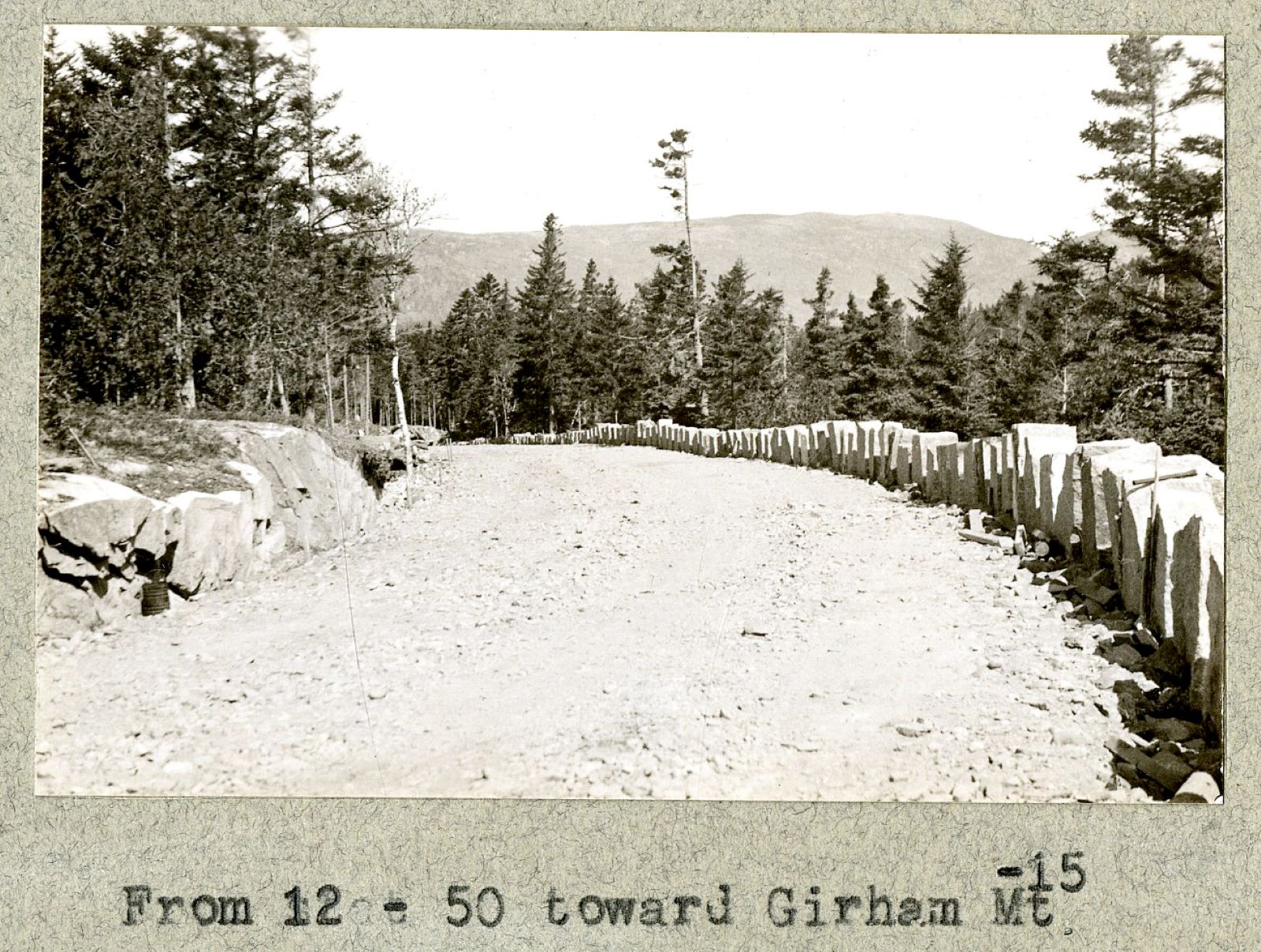
Acadia National Park: Carriage Roads, Cadillac Mountain & 2026 Guide
Discover carriage roads, Cadillac Mountain, and rugged Maine coast. Complete 2026 guide to Acadia National Park — trails, fees, lodging, permits, and what rangers recommend.
Hiking Guide
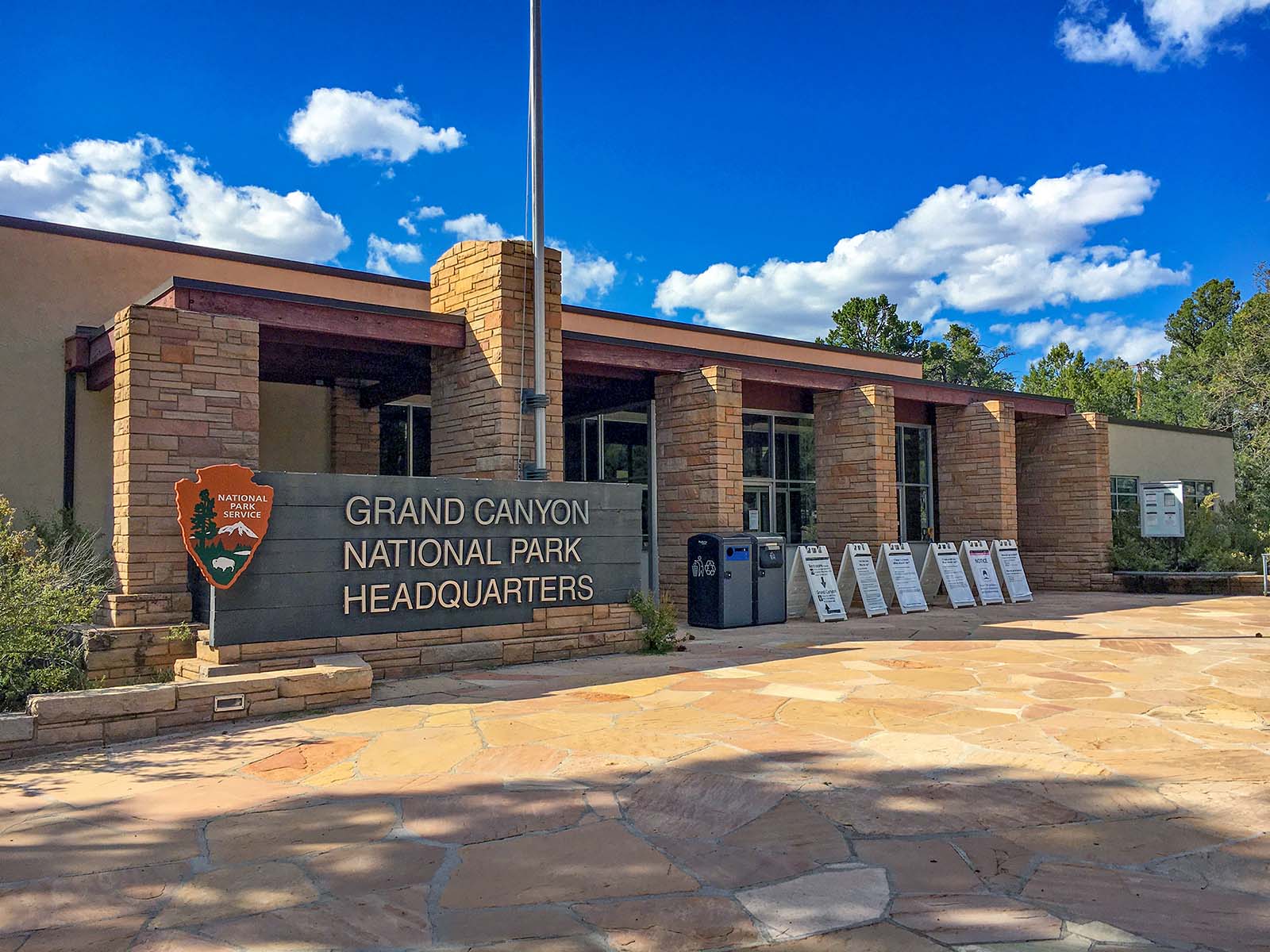
Grand Canyon Hiking Trails: Day Hikes, Water Sources & Rim to Rim
Compare Grand Canyon hiking trails: Bright Angel, South Kaibab, Hermit, Grandview, and rim to rim, with distances, elevation, water stops, and trailhead access for each.
Best Of
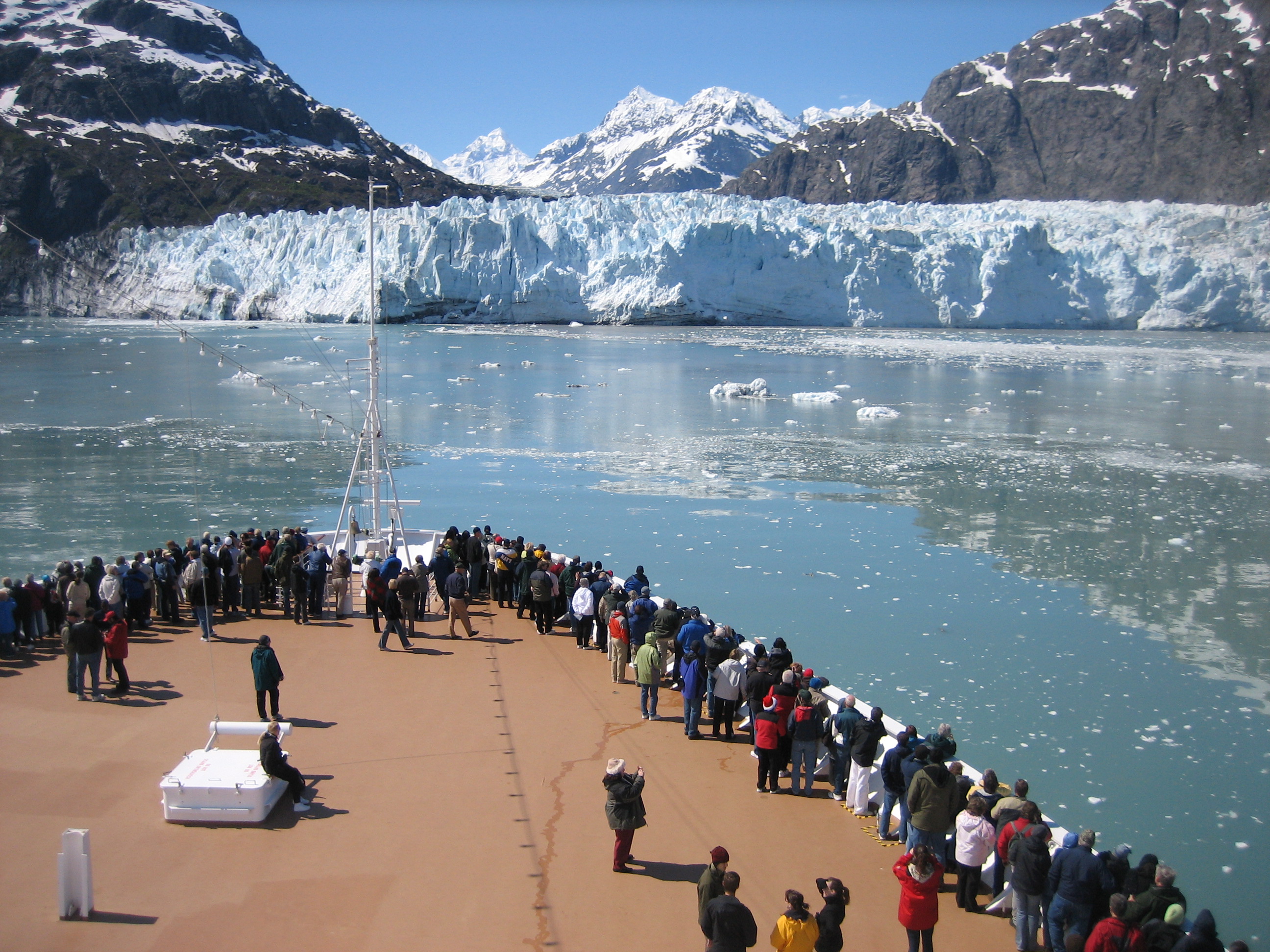
Best of Glacier Bay National Park
The best of Glacier Bay is reached by boat: ranger-led day tours up the bay to the tidewater glaciers. What's worth it, how to book, and when to go (2026).
Campsite Guide
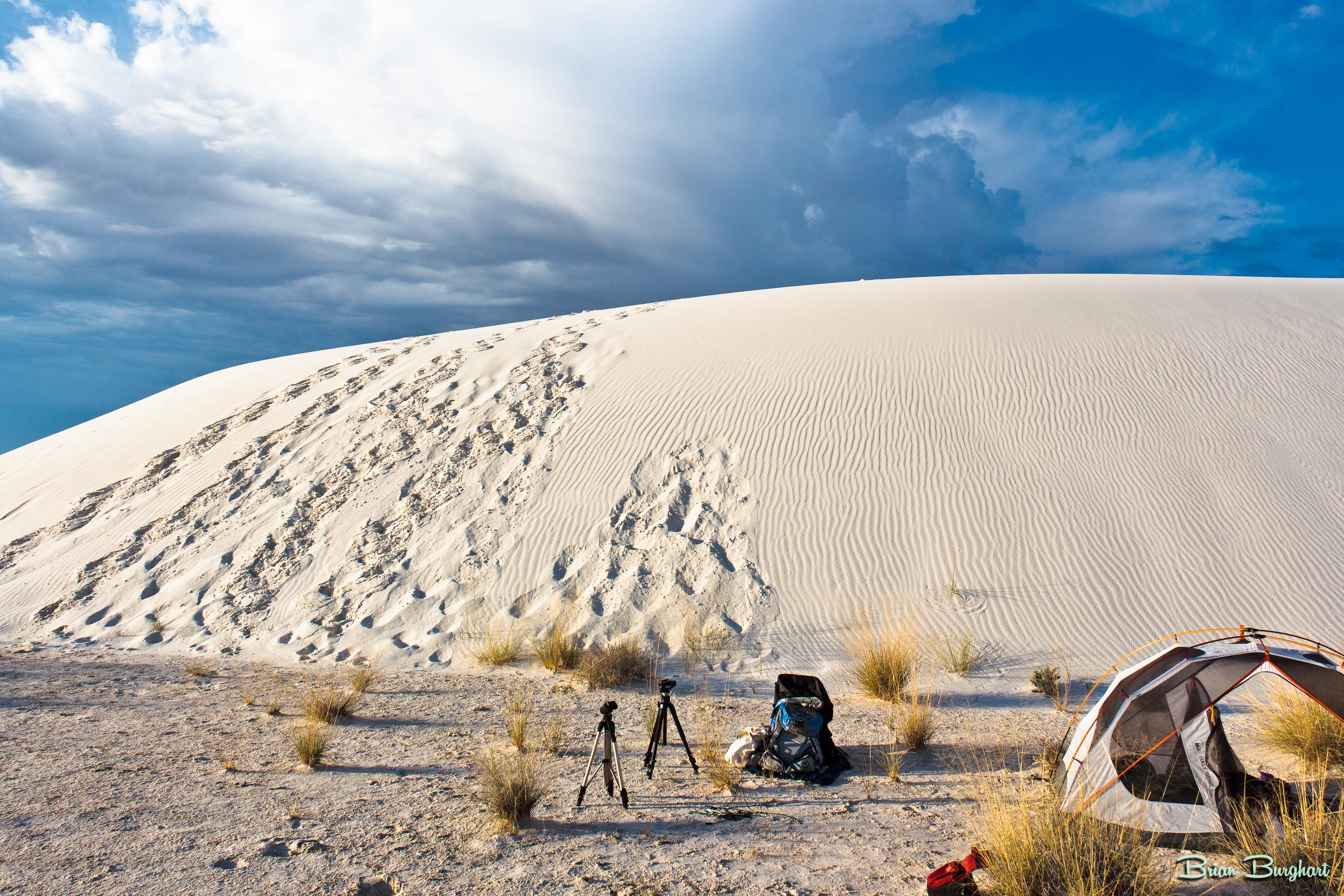
White Sands Backcountry Camping: Closed for 2026 — What to Know
As of 2026, backcountry camping at White Sands National Park is closed for site rehabilitation. What that means, and where to camp nearby instead.
Weather Guide
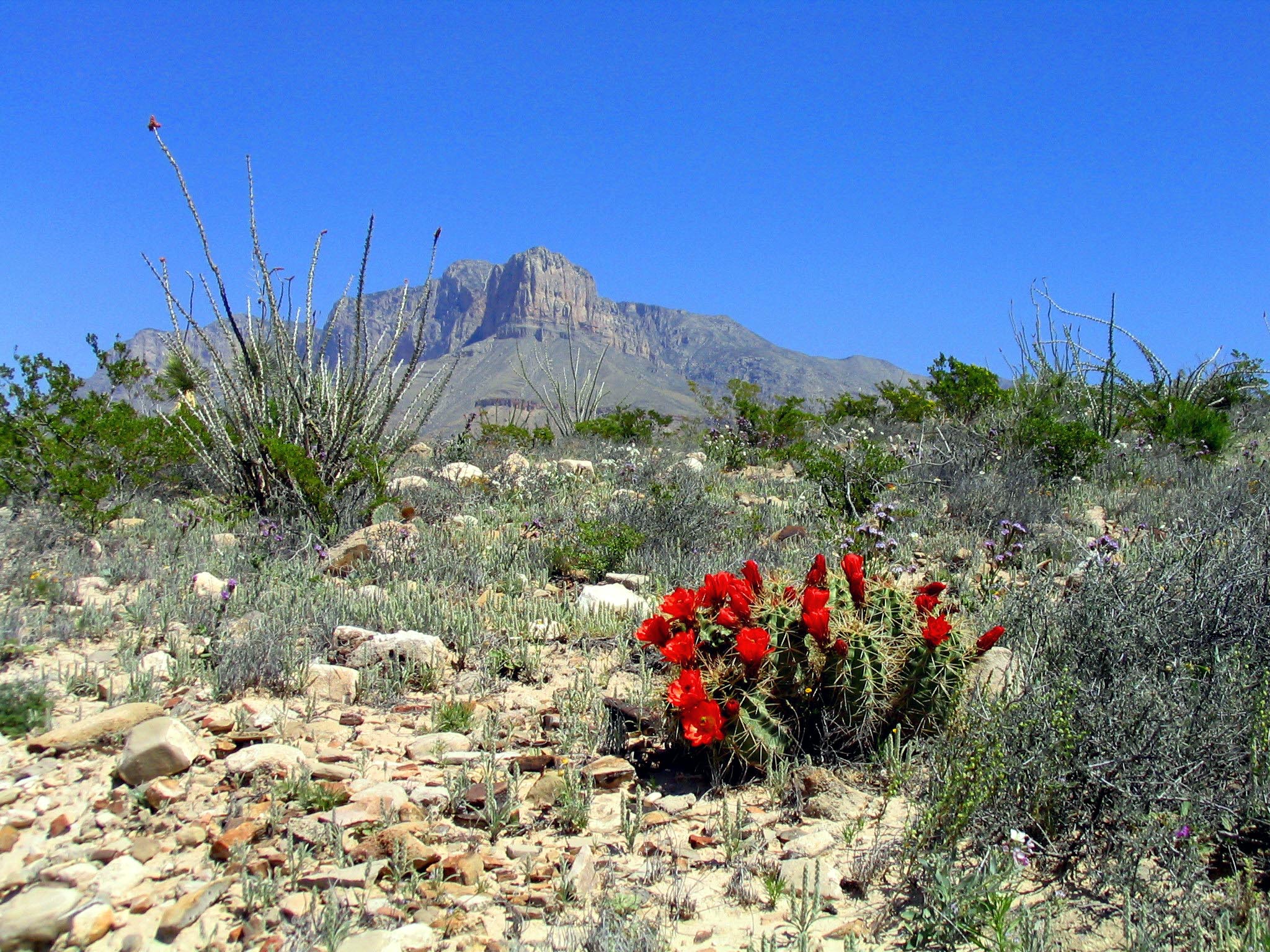
Guadalupe Mountains National Park Weather: Weather
Guadalupe Mountains National Park: weather guide guide updated 2026. Practical visitor information, reservations, and seasonal tips worth bookmarking before
Best Of
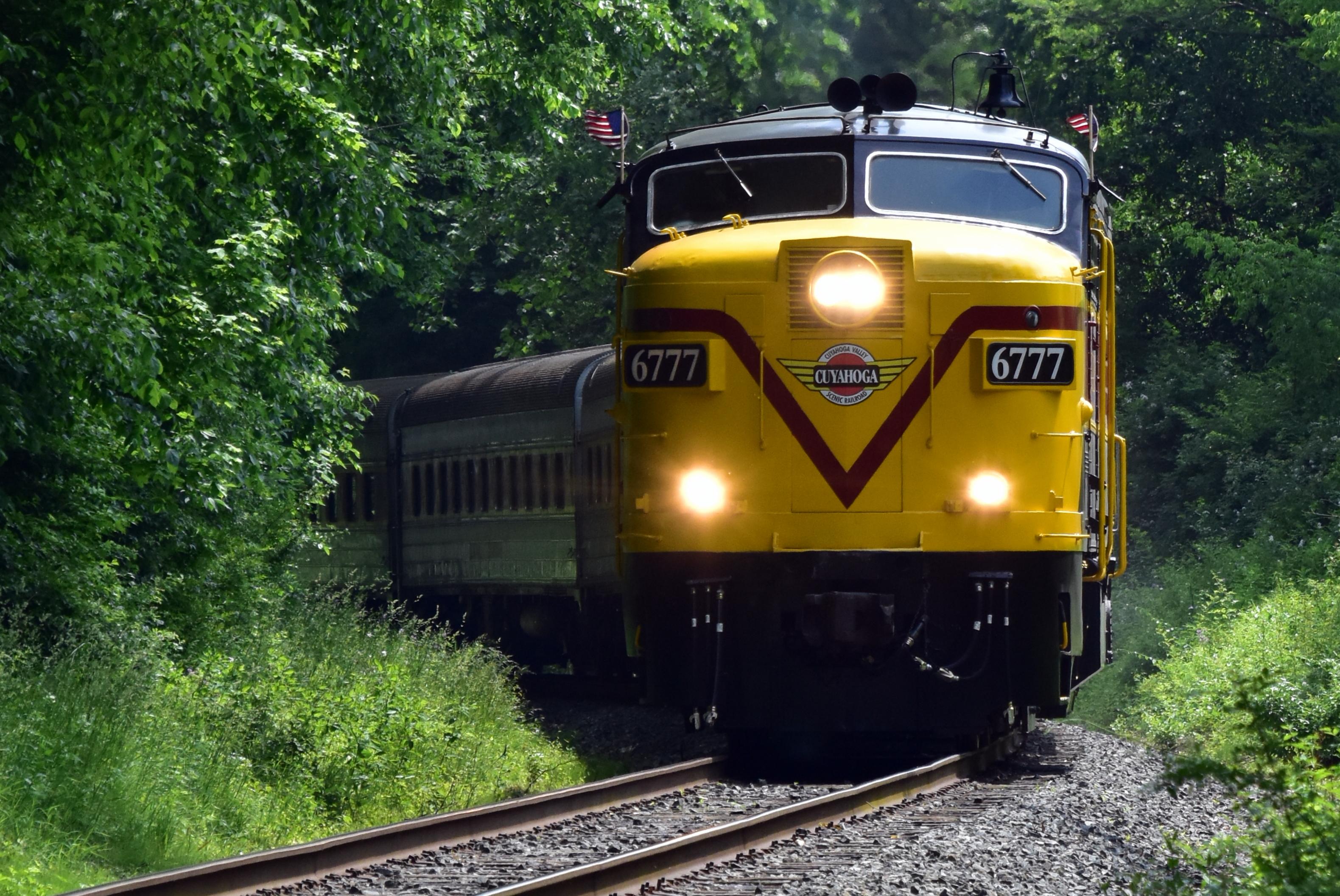
Best of Cuyahoga Valley National Park: Best Things to Do
Seeing a Cleveland Orchestra concert with the woods as your backdrop is a uniquely Cuyahoga Valley experience.
Sign in to join the conversation.
Sources & Attribution
Location data courtesy of the National Park Service (U.S. Department of the Interior). NPS data is public domain. Official NPS page.
Images: NPS; NPS; NPS; NPS; NPS.
Map data © OpenStreetMap contributors.
Park operations alerts: NPS.gov · Weather and weather hazards: National Weather Service · Live conditions.
Information may change. Always verify fees, hours, and conditions directly with the official source before visiting.
Did this guide help? Share it with a friend.