Best of Great Sand Dunes National Park: Best Things To Do At Great Sand Dunes (2026)
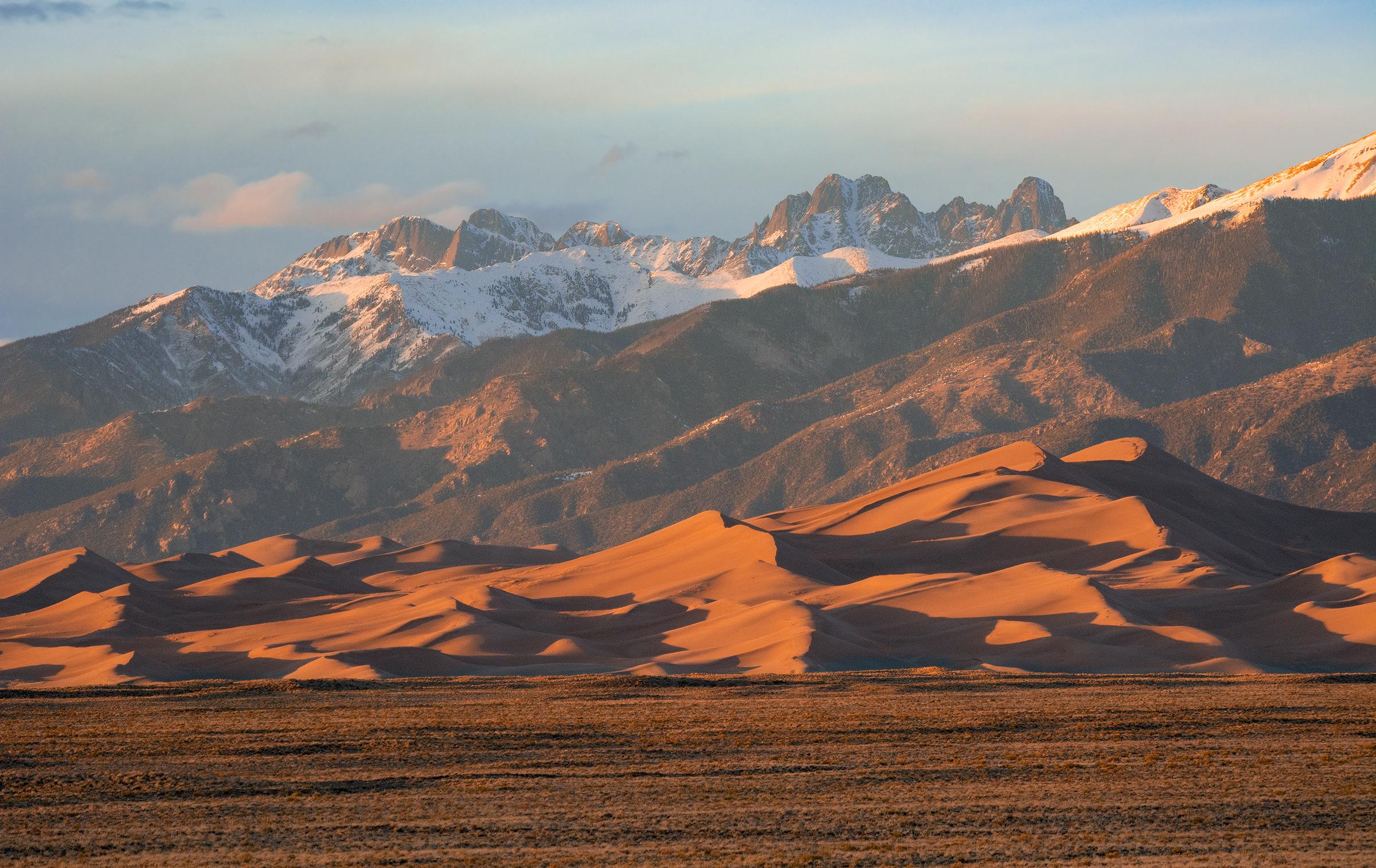
NPS via NPS.gov (Public Domain)
Best of Great Sand Dunes: Star Dune, Medano Creek & Stargazing
8 min read
Best Of
The best of Great Sand Dunes — climbing Star Dune at sunrise, wading Medano Creek in spring, and one of Colorado's best dark sky locations. Expert picks for 2026.
This article contains affiliate links — we may earn a small commission at no extra cost to you.
Most visitors arrive expecting a simple desert of sand. They're not prepared for the 30-square-mile dunefield backed by 13,000-foot peaks, the seasonal creek that turns the dune base into a beach, or the fact that the best things to do at Great Sand Dunes require a specific plan based on the time of day and year. This isn't a park you just show up to. Your experience hinges on timing.
For a broader context, our complete visitor guide covers the essentials.
If You Only Have One Day
Arrive at the main Dunes Parking Lot by 7:30 AM in summer, 9 AM in spring or fall. The entrance station opens later, but the park is open 24/7 - you can drive right in. This early start is non-negotiable. By 10 AM, the sand surface temperature is already punishing and the parking lot is full.
Your first stop is the edge of Medano Creek. Check its flow - it could be a trickle or a wide, shallow stream. This is your starting point. Walk across the creek bed and start up the nearest dune ridge, aiming for High Dune. It looks close. It is not. The hike is about 650 vertical feet over soft sand, and it will take most people an hour to reach the top. Do not attempt this in midday summer heat. Your goal is to be descending by 10:30 AM.
After the dunes, drive the one mile to the Visitor Center to use real restrooms, fill water bottles, and check the forecast. For the afternoon, when the sand is too hot, head to the Montville Nature Trail. This 0.5-mile forested loop offers shade, a different perspective looking down on the dunefield, and a chance for your legs to feel solid ground again.
The decision that derails most one-day visits is trying to do the dunes at noon. The park's elevation is 8,000 feet, and the high-altitude sun is intense. Mid-day summer sand can hit 160°F. Rangers will tell you the dunefield is a morning or evening activity. Treat it like a sunrise hike.

The Top Experiences, Ranked
These are the best things to do at Great Sand Dunes, ranked by the quality of experience relative to the effort required.
#1 - Hike to High Dune at Dawn or Dusk: The Essential Sandscape
This is the single most rewarding effort in the park. The view from High Dune's ridge encompasses the entire dunefield flowing toward the Sangre de Cristo Mountains. It's the perspective you see in every photo, earned on your own legs.
It requires 2-3 hours round-trip from the parking lot, moderate fitness, and no special gear beyond water and closed-toe shoes. The sand is firmer and cooler in the early morning, making the climb significantly easier.
The best tip: Don't aim for the absolute summit of High Dune. The ridge line just below it offers 95% of the view with 30% less brutal climbing. The trail is entirely off-trail - you make your own path up the sand.
Most visitors do wrong: They charge straight up the steepest face, exhausting themselves in the first 10 minutes. Experienced hikers take a longer, zig-zagging route up the ridgeline, which is more efficient in soft sand.
#2 - Splash in Medano Creek (When It's Flowing): The Seasonal Beach
This is the park's delightful surprise. From late April through early June, snowmelt creates a wide, shallow stream at the dune base. It becomes a natural beach and splash pad, unique in the National Park System.
It requires no planning other than checking the seasonal flow predictions on the park website. Bring a towel, water shoes, and maybe a bucket. You can spend 1-4 hours here easily.
The best tip: The creek typically peaks in late May. Visit in the afternoon when the water has warmed slightly from the sun, but the adjacent sand isn't yet scorching.
Most visitors do wrong: They expect a raging river. Medano Creek is rarely more than ankle- to knee-deep. Its charm is in the gentle, sandy-bottomed flow and the wave-like "surge flow" phenomenon you can feel.
#3 - Experience the Night Sky: Darkness Defined
Great Sand Dunes is an International Dark Sky Park. On a moonless night, the Milky Way is so vivid it casts faint shadows. This is a top-tier stargazing destination.
It requires staying past sunset, a red-light flashlight to preserve night vision, and warm layers - nights are cool even in summer. Allow 1-2 hours.
The best tip: For the full effect, walk just a few hundred yards into the dunefield. The dunes block the minimal light from the parking lot, plunging you into total darkness. The sheer number of visible stars is humbling.
Most visitors do wrong: They look for a few minutes and leave. Give your eyes 20-30 minutes to fully adjust to the darkness. That's when the sky truly comes alive.
#4 - Sand Sledding or Sandboarding: The Controlled Fall
Sliding down a 300-foot dune face is pure, simple fun. It's a physical activity that everyone from kids to adults can enjoy, with the right equipment.
It requires renting a specialized sand sled or sandboard from a shop in nearby communities like Alamosa or Hooper before you arrive. Rentals are not available in the park. You'll also need wax for the board.
The best tip: Find a dune with a steep, smooth face and a long, flat run-out at the bottom. Test small slopes first. The sand is abrasive - wear long pants.
Most visitors do wrong: They bring plastic snow sleds or cardboard. These do not work on sand. They stop immediately. You need the slick, hard-bottomed rentals designed for this.
#5 - Drive the Medano Pass Primitive Road (With 4WD): The Backdoor Adventure
This 22-mile rough road takes you around the eastern edge of the dunefield and up into the high country of the National Preserve. It's a completely different side of the park.
It requires a high-clearance, 4WD vehicle with low tire pressure (often 15-20 PSI) for the deep sand sections. Check current road conditions first - it closes in winter. Plan for 2-4 hours to drive it one-way.
The best tip: Air down your tires at the trailhead pump station. This is critical for traction in the soft sand washes you'll cross. There are 21 first-come, first-served Great Sand Dunes camping along this road.
Most visitors do wrong: They attempt it in an AWD SUV or a standard SUV. The park is explicit: you need true 4WD with low-range gearing for the deep, soft sand. Getting stuck is common and tow bills are expensive.
#6 - Hike the Montville Nature Trail: The Forest Counterpoint
After the vast, exposed dunes, this short, shady loop through a pinon and ponderosa pine forest is a mental and physical reset. It offers framed views of the dunefield from above.
It requires less than an hour and minimal effort. The trailhead is near the Visitor Center.
The best tip: Do this hike in the early afternoon when the dunes are too hot. Listen for the chatter of chickadees and the wind in the pines - a stark auditory contrast to the silent dunes.
Most visitors do wrong: They skip it, thinking it's just a "nature trail." It provides essential context, showing the ecological transition from sand to forest.
#7 - Backpack into the Dunefield: Solitude on the Sand
For a truly unique overnight, secure a permit to camp in the dunefield itself. Waking up surrounded by nothing but sand and stars is an unforgettable experience.
It requires a $6 permit, available online or at the visitor center, and the ability to hike at least 1.5 miles over sand with all your gear. No open fires are allowed.
The best tip: Camp behind a major dune ridge, not in a valley. The ridges offer wind protection and incredible sunrise views. Pack everything in and out, including all water.
Most visitors do wrong: They underestimate the weight and hassle of carrying enough water for camping in a waterless environment. Plan for at least one gallon per person, per day.
For more detailed route information, see our guide to the park's hiking trails.

What Most People Miss
The Mosca Pass Trail: Most visitors stick to the dunes, but this 3.5-mile (one-way) trail starts at the same area and climbs into a wooded canyon along a creek. It's a legitimate mountain hike with shade and the sound of running water, offering a completely different ecosystem just a mile from the dune parking lot.
Alpine Lakes in the Preserve: The park's "Preserve" unit contains high alpine terrain. Hikes to Medano Lake or the Sand Creek Lakes are full-day, strenuous commitments (8-15 hours), but they reward you with true alpine scenery - lakes, tundra, and massive peaks - with a fraction of the crowds found in other Colorado wilderness areas. You'll need a 4WD vehicle to reach these more remote trailheads.
The Sound of the Dunes: On rare, very dry days, some of the steepest dune slopes can "sing" or "boom" when sand slides down them. It's a low, resonant hum. You can sometimes trigger it by sliding your feet down a steep, smooth slope. It doesn't always happen, but when it does, it's a fascinating geologic quirk.

What's Overrated (and Better Alternatives)
Overrated: Climbing Star Dune (or Hidden Dune) as a Day Hike. Star Dune is the tallest in North America at 741 feet, and Hidden Dune is its near-equal. The urge to bag the highest is strong. The reality is a brutal, 5-7 hour round-trip slog over extremely remote and soft sand with no shade. The view is not substantially different from High Dune, but the effort is exponentially greater.
Better Alternative: Summit High Dune for the classic view. If you crave more remote dunes, get a backpacking permit and make Star Dune a destination for an overnight trip, not a day hike.
Overrated: Visiting Mid-Day in Summer. This seems obvious, but hundreds of people still arrive at noon in July, walk 200 yards into the sand, and retreat, overheated and disappointed. The dunes become inhospitable.
Better Alternative: Plan your dunes time for the golden hours. Hike at dawn, spend the hot midday at the Visitor Center, on the Montville Trail, or driving to a higher elevation, then return for sunset and stargazing. The park is open 24/7 - use the whole day.

Practical Takeaways
- Time is Everything. The dunes are for early mornings and evenings. Midday, especially June-August, is for everything else. Check the best time to visit for seasonal specifics.
- Footwear is Functional. Wear closed-toe shoes. Sand gets incredibly hot, and the occasional prickly plant hides in the transition zones. Gaiters or simply tall socks keep sand out of your boots.
- Rent Sleds Off-Site. Sand sled and sandboard rentals are only available in towns outside the park. Arrange this the day before. Do not bring snow gear.
- 4WD Means 4WD. The Medano Pass Primitive Road requires a true, low-range 4WD vehicle, not all-wheel-drive. Tire pressure is critical.
- Water is Non-Negotiable. Carry at least one liter of water per person for every hour you plan to be on the dunes. There is no water available on the dunefield.
- The Creek is Seasonal. Medano Creek typically flows April-June. Don't plan a beach day in August - check the park's website for current conditions.
- Stay for the Dark. If your schedule allows, stay past sunset on a clear, moonless night. The night sky is a premier park feature, not an afterthought.
As of 2026, the entrance fee is $25 per vehicle, valid for seven days. The park itself never closes. Your experience, however, depends entirely on when you choose to walk onto the sand.
Recommended Gear
What experienced visitors bring to Best of Great Sand Dunes: Star Dune, Medano Creek & Stargazing
Links may earn us a commission at no extra cost to you. We only recommend gear we believe in.
Hiking Essentials
Hydration Pack (3L)
Hands-free water for long trail days
Trekking Poles (Pair)
Save your knees on steep descents
Hiking Boots (Ankle Support)
Sturdy footwear for rocky, uneven trails
Sun & Heat Protection
Wide-Brim Sun Hat
Full coverage UPF 50+ protection at altitude
Insulated Water Bottle (32oz)
Keeps water cold in desert heat all day
Winter Gear
Microspikes / Traction Devices
Essential for icy rim trails in winter months
Packable Down Jacket
Lightweight warmth that stuffs into a pocket
Sources
- Official source: NPS — Great Sand Dunes National Park nps.gov/grsa/index.htm
Photo Gallery
More to Explore
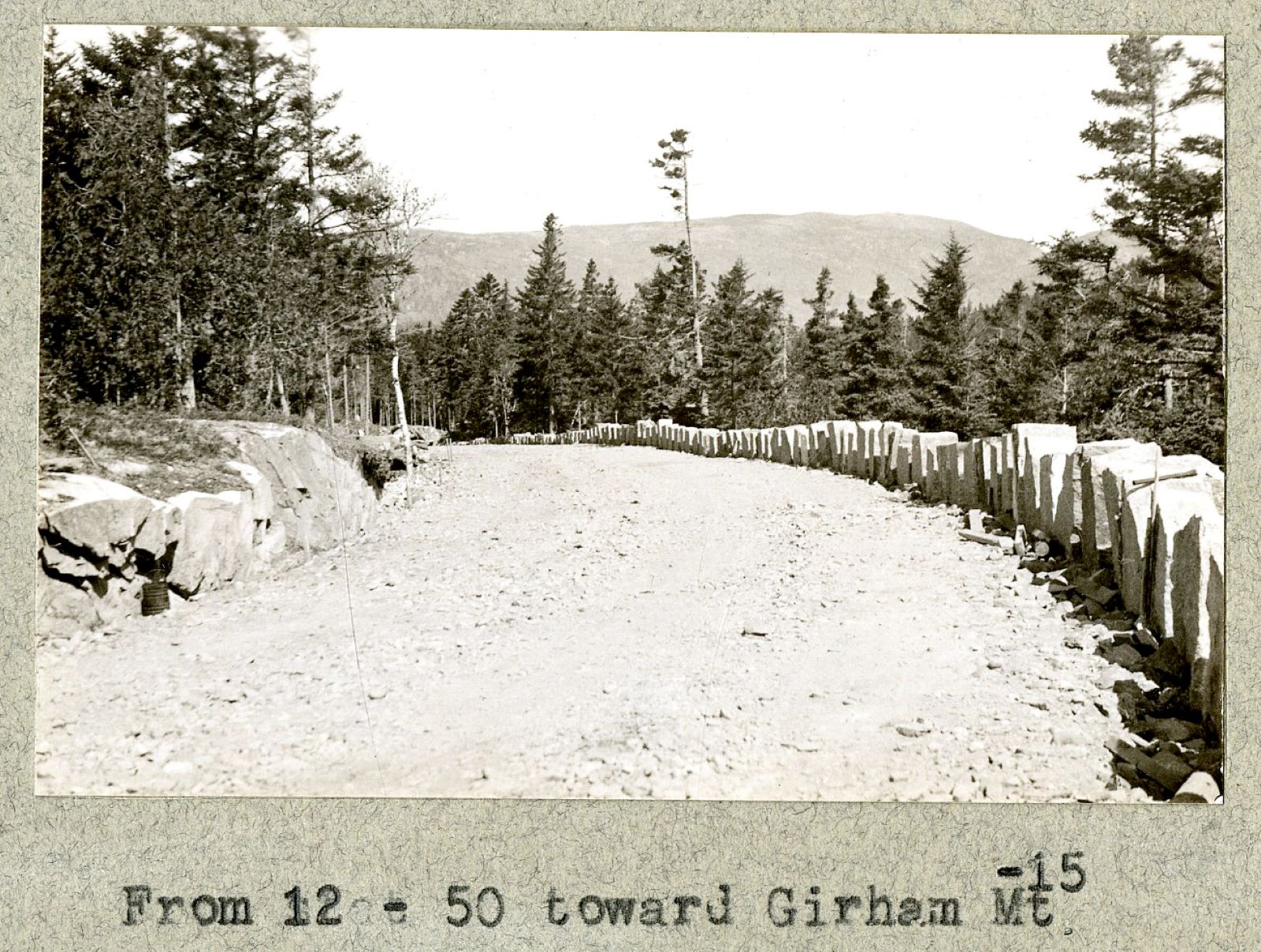
Park Guide
Acadia National Park: Carriage Roads, Cadillac Mountain & 2026 Guide
Discover carriage roads, Cadillac Mountain, and rugged Maine coast. Complete 2026 guide to Acadia National Park — trails, fees, lodging, permits, and what rangers recommend.
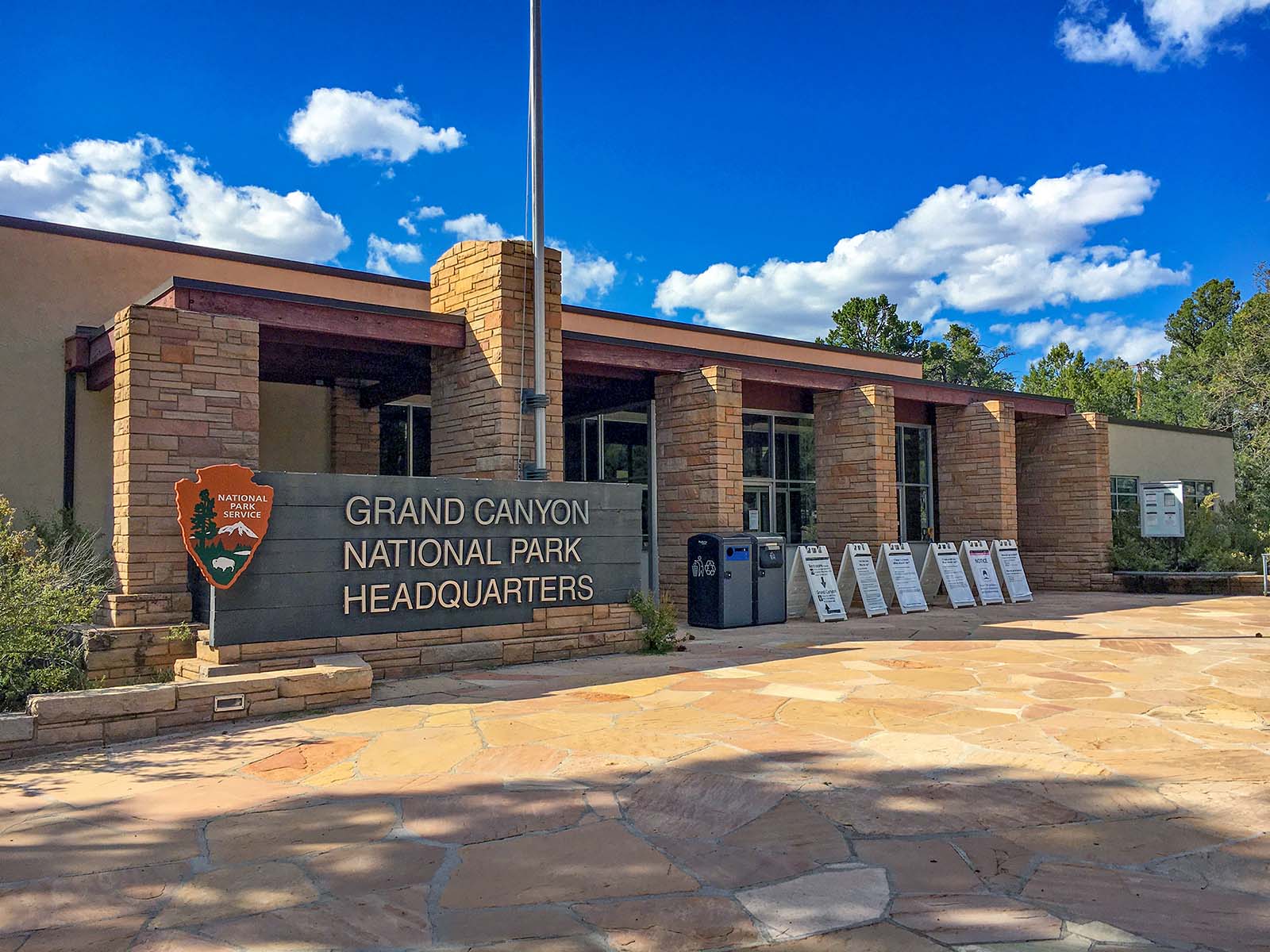
Hiking Guide
Grand Canyon Hiking Trails: Day Hikes, Water Sources & Rim to Rim
Compare Grand Canyon hiking trails: Bright Angel, South Kaibab, Hermit, Grandview, and rim to rim, with distances, elevation, water stops, and trailhead access for each.
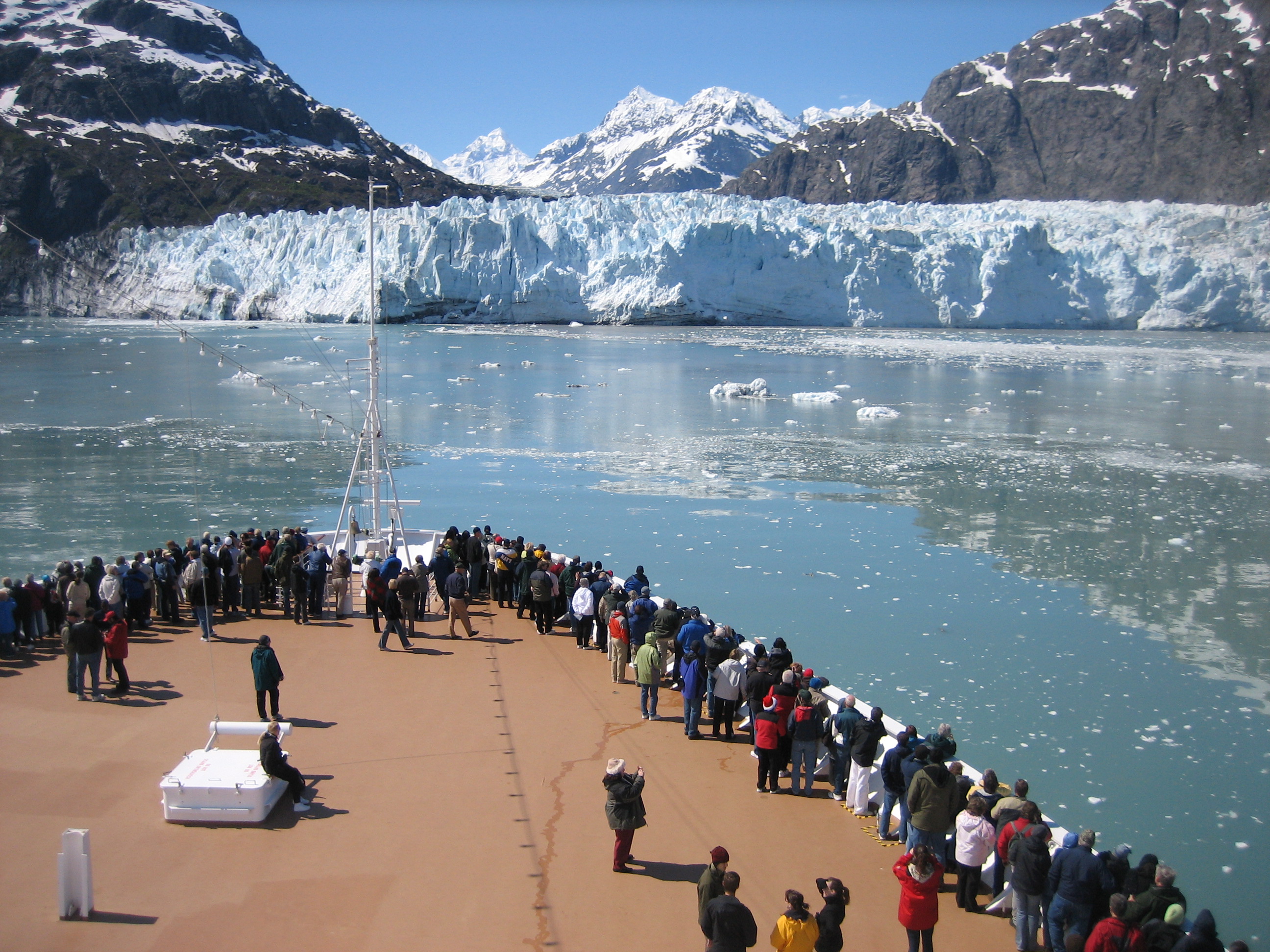
Best Of
Best of Glacier Bay National Park
The best of Glacier Bay is reached by boat: ranger-led day tours up the bay to the tidewater glaciers. What's worth it, how to book, and when to go (2026).
Campsite Guide
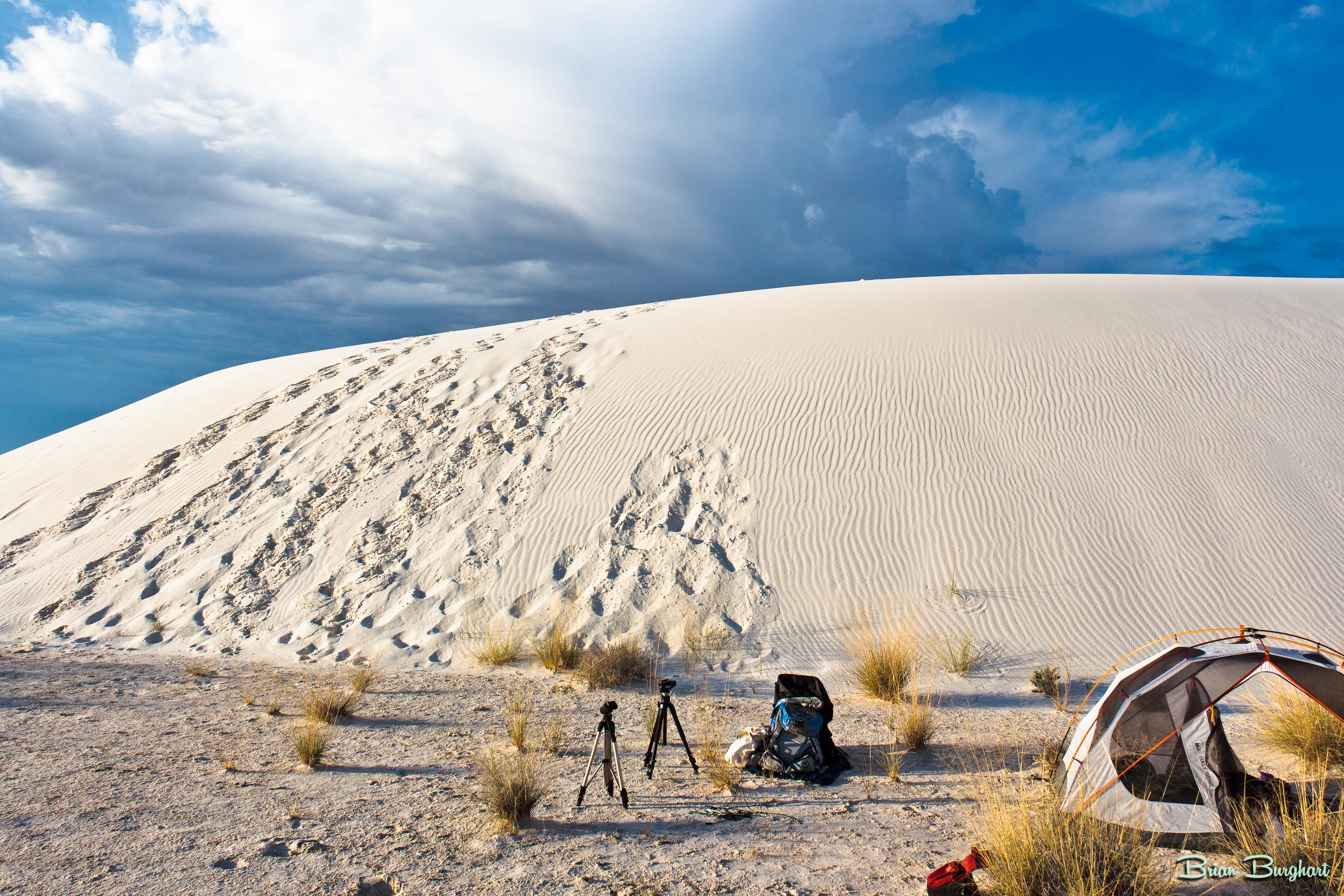
White Sands Backcountry Camping: Closed for 2026 — What to Know
As of 2026, backcountry camping at White Sands National Park is closed for site rehabilitation. What that means, and where to camp nearby instead.
Weather Guide
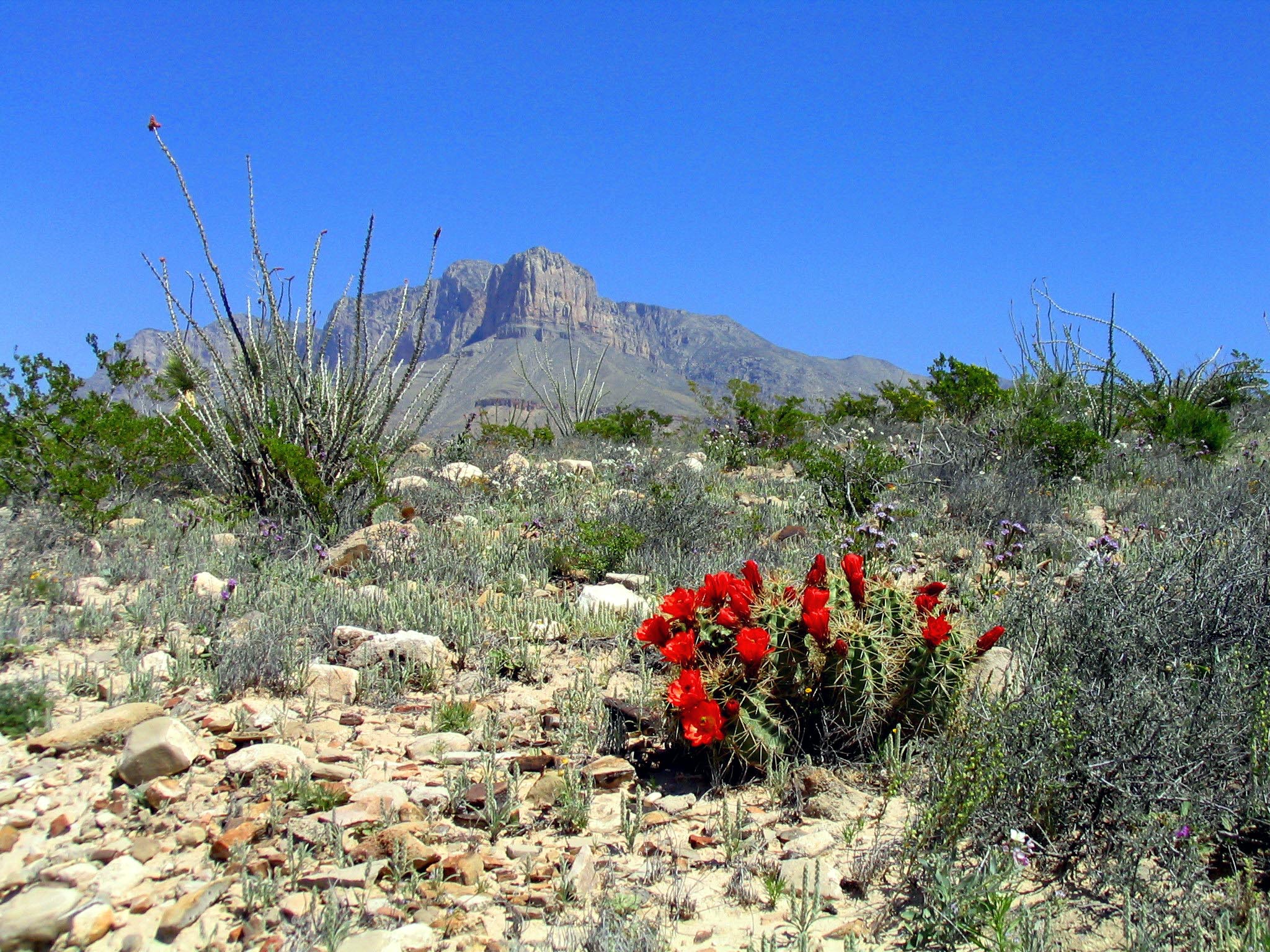
Guadalupe Mountains National Park Weather: Weather
Guadalupe Mountains National Park: weather guide guide updated 2026. Practical visitor information, reservations, and seasonal tips worth bookmarking before
Best Of
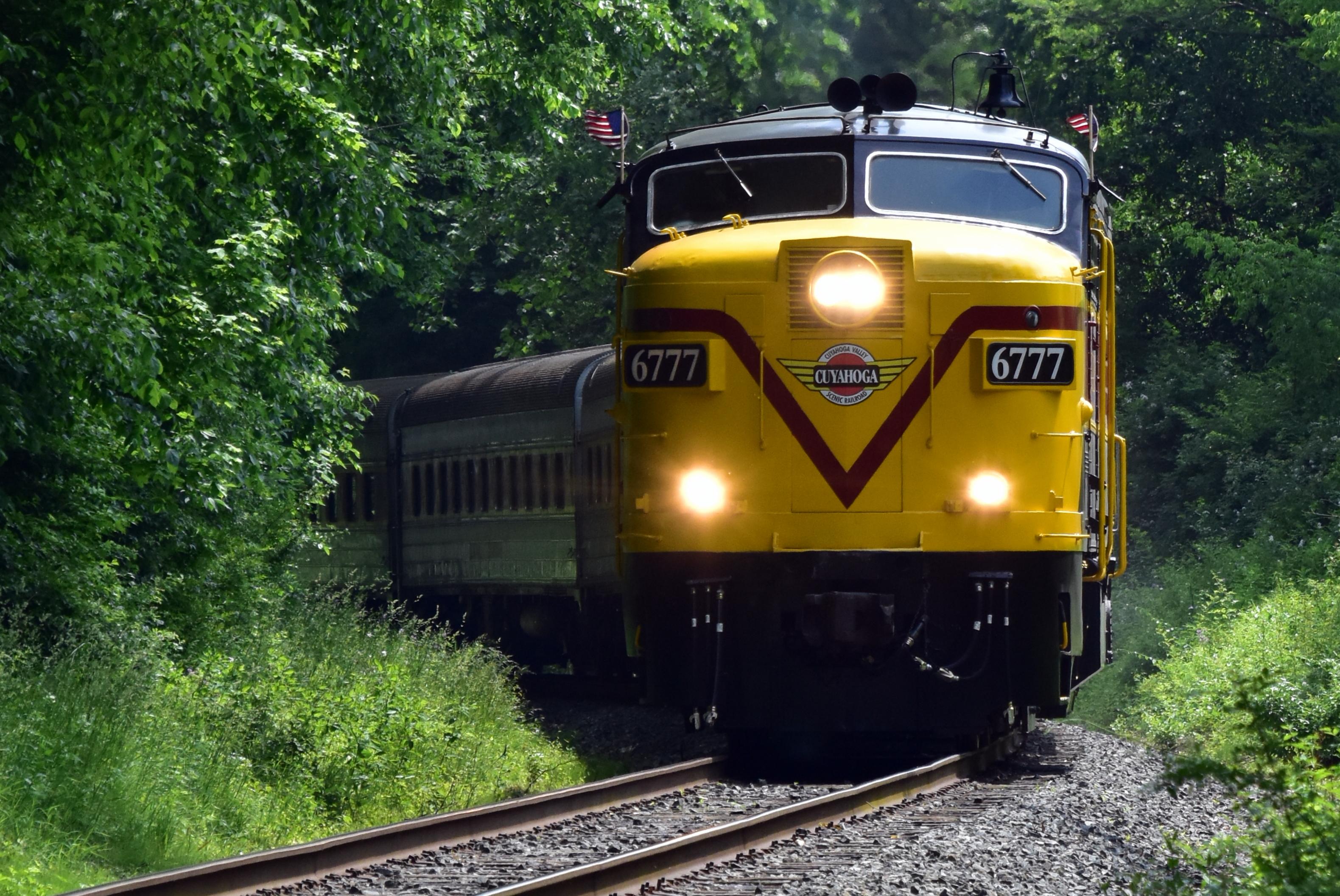
Best of Cuyahoga Valley National Park: Best Things to Do
Seeing a Cleveland Orchestra concert with the woods as your backdrop is a uniquely Cuyahoga Valley experience.
Sign in to join the conversation.
Sources & Attribution
Location data courtesy of the National Park Service (U.S. Department of the Interior). NPS data is public domain. Official NPS page.
Images: NPS; NPS; NPS; NPS; NPS.
Map data © OpenStreetMap contributors.
Park operations alerts: NPS.gov · Weather and weather hazards: National Weather Service · Live conditions.
Information may change. Always verify fees, hours, and conditions directly with the official source before visiting.
Did this guide help? Share it with a friend.