The reservation system at Great Sand Dunes operates differently than most national parks, and missing this detail is the most common mistake first-time visitors make. Piñon Flats Campground has 91 sites and opens for reservations exactly three months in advance on a rolling basis as of 2026. That means if you want a Friday night in July, you book on a Friday in April. The sites go within hours, not days. Meanwhile, two other options - Medano Pass Primitive Road and backpacking in the dunes - operate on a first-come, first-served basis with zero reservation required. If you are looking specifically for dispersed camping near Great Sand Dunes National Park, those are the routes that matter.
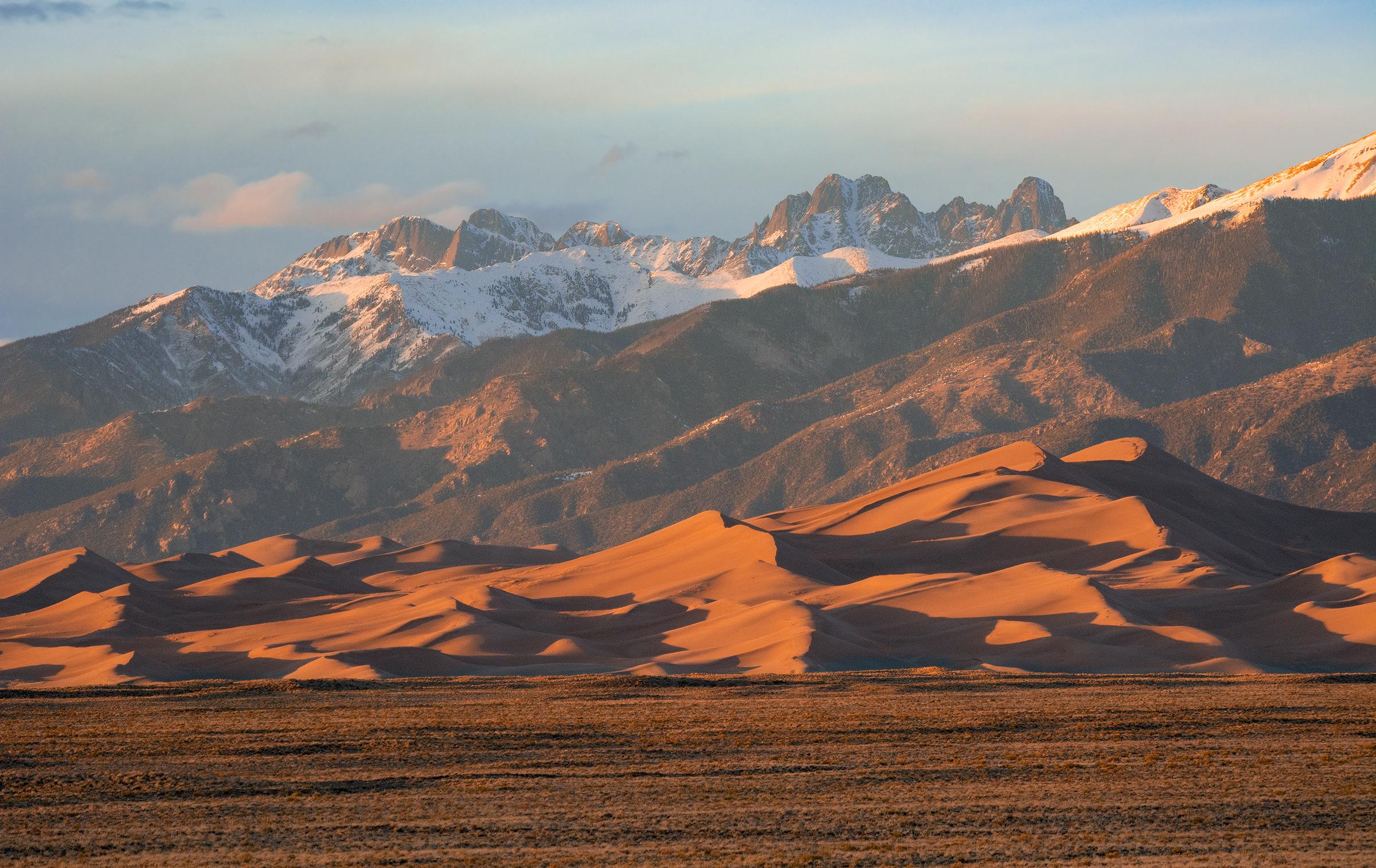
NPS via NPS.gov (Public Domain)
Great Sand Dunes National Park Camping: Dispersed Camping Near (2026 Guide)
11 min read
Camping Guide
Pinon Flats' 91 sites open reservations three months ahead and often sell out in hours; Medano Pass primitive sites stay first-come, first-served (2026).
Your plans
This article contains affiliate links — we may earn a small commission at no extra cost to you.
The Booking Reality
Piñon Flats Campground is the only reservable option, and the window shift to three-month rolling reservations for 2026 changed everything. Previously, visitors could book up to six months out, which gave more time to plan. The shorter window compresses demand - everyone who wants a summer weekend site logs on at the same time, roughly three months before their desired dates. Expect prime sites (loops near the dunes, shaded spots along the cottonwood edge) to be claimed within the first hour of availability, especially for June through August weekends.
Cancellations happen, but not often. Recreation.gov shows real-time availability, so checking daily in the weeks before your trip is your best bet. Walk-up sites at Piñon Flats are effectively nonexistent - the campground fills to capacity most nights from May through September.
The two dispersed camping near Great Sand Dunes National Park options - Medano Pass Primitive Road and backpacking in the dunes - require no reservation. Medano Pass is first-come, first-served at 21 sites along a rough 4WD road. Backpacking requires a $6 permit (available at the visitor center or self-registration) and a minimum 1.5-mile hike over soft sand to reach legal camping zones beyond the main dune ridgeline. Neither option appears on Recreation.gov.
Campground at a Glance
| Campground | Sites | Type | Reservation | Season | Fee/Night | Elevation |
|---|---|---|---|---|---|---|
| Piñon Flats Campground | 91 | Front-country, tent & RV | Required, 3-month rolling window | April-October | $20 | ~8,200 ft |
| Medano Pass Primitive Road | 21 | Roadside dispersed | First-come, first-served | Spring-fall (weather dependent) | $0 | ~8,500-9,500 ft |
| Backpacking Campsites | 27 (dispersed) | Backcountry, dunes or forest | Self-register at visitor center | Year-round | $6 | 8,200-9,000 ft |
No campground at Great Sand Dunes offers hookups - no electric, no water at individual sites, no sewer. Piñon Flats has potable water spigots located throughout the loops. Medano Pass has no water at all. Backpackers must carry everything.

Piñon Flats Campground: Complete Guide
Setting and Atmosphere
Piñon Flats sits one mile north of the visitor center at roughly 8,200 feet elevation. The campground is set among piñon pine and juniper woodland on the alluvial fan at the base of the Sangre de Cristo Mountains. You are not camping on sand - the ground is packed dirt and pine needles. The dominant sound is wind through the pines and, on quiet nights, the creek. The dunes themselves are visible from parts of the campground as a massive tan wall rising to the east, but most sites face into the trees rather than toward the view.
This is a dry campground. No showers. No dump station. Vault toilets in most loops, with flush toilets available near the host site in the main loop.
Loop by Loop Breakdown
The campground is divided into A, B, C, and D loops, plus a group site area.
Loop A - The northernmost loop. More exposed to wind and less tree cover. Sites here tend to be the first to fill because they are the first you encounter entering the campground. Not the best choice for privacy. Good for larger RVs because the pull-throughs are straighter.
Loop B - Better tree cover, more separation between sites. This loop has the highest concentration of walk-in tent sites (park in a lot, carry gear 50-100 feet). These are the quietest sites in the campground. If you are tent camping, target Loop B walk-ins.
Loop C - Mixed RV and tent. Decent tree cover. Sites along the outer edge back up to open piñon-juniper woodland rather than another campsite, offering marginally more privacy. Site C-14 through C-18 are the best in this loop.
Loop D - The smallest loop, near the entrance. Mostly RV-friendly sites with minimal shade. Nighttime noise from the road is more noticeable here. Skip Loop D if you can stay elsewhere.
Group sites - Two group sites near the entrance accommodate 12-40 people each. These book even faster than individual sites. Reserve through Recreation.gov.
Specific Site Recommendations
The best sites for solitude are the walk-in tent sites in Loop B - specifically B-21 through B-28. These require carrying your gear 75-100 feet from the parking area, which filters out RVs and campers who want vehicle access. The trade-off is worth it: more space, more trees, less generator noise.
For families with kids, Loop A has sites closest to the amphitheater and ranger programs. Sites A-5 through A-10 have enough flat space for two tents and a picnic table without feeling cramped.
Sites to avoid: D-1 through D-4 (road noise, no shade). Also avoid any site directly adjacent to the restroom buildings - the vault toilet vents and foot traffic start early.
Facilities Detail
Flush toilets are available at one central location near the host site in the main loop. The rest are vault toilets. Rangers will tell you the flush toilets are cleaned twice daily during summer and once daily in shoulder season. The vault toilets vary - the ones in Loop B tend to be the best maintained because they get less traffic.
Potable water spigots are located at three points in the campground. None are at individual sites. Bring a collapsible water container to haul water to your site.
No dump station. No shower. No RV hookups of any kind. The nearest dump station is in Alamosa, 35 miles south.
What the Booking Site Doesn't Show
Generator hours are strictly enforced: 8 AM to 8 PM only. Rangers patrol during quiet hours (10 PM to 6 AM) and will ask you to shut down if you run a generator late. This matters more in the RV-friendly loops.
Noise from the dunes parking lot carries into the south end of the campground (Loop D) on summer nights when people return late from stargazing. Loop B and the walk-in sites are immune to this.
Cell service is unreliable throughout the campground. Verizon and T-Mobile users might get one bar near the entrance loop. AT&T is essentially dead. Plan to be offline.
Medano Pass Primitive Road Campsites: Complete Guide
The Dispersed Camping Option
Medano Pass Primitive Road is the answer if you want dispersed camping near Great Sand Dunes National Park without a reservation. The road begins near Piñon Flats Campground and runs 5.2 miles before the first campsite appears. Twenty-one roadside sites are spaced along the next several miles, ending at the pass boundary.
This is a 4WD road. High clearance is required. The surface is sand, rock, and shallow creek crossings. Rangers will tell you that passenger cars and low-clearance vehicles should not attempt it - you will get stuck in the sand or high-center on a rock. The park provides an air compressor station at the amphitheater parking area for airing down tires, but as of the 2025-2026 winter season, that compressor is closed until further notice. You need your own portable compressor.
Setting and Atmosphere
These are pull-off sites along a dirt road in the national preserve, not a developed campground. Each site is a cleared flat spot with a fire ring. No picnic tables. No toilets. No water. You are camping in piñon-juniper woodland with the creek audible nearby. Privacy between sites varies - some are well separated by trees and terrain, others are close enough to hear your neighbor's conversation.
The road gets minimal traffic at night but regular traffic during the day from 4WD vehicles headed to Medano Pass. Dust from passing vehicles is a real factor at sites closest to the road.
Site Selection Tips
Sites 3 through 7 are the best for privacy - they sit farther from the road with better tree screening. Sites 1 and 2 are closest to the Piñon Flats area and see more foot traffic from hikers accessing the national preserve trails.
Sites 15 through 21 are higher in elevation (approaching 9,500 feet) and get colder at night even in summer. They also have better views of the valley below.
All sites are first-come, first-served. No reservations, no fees. In summer, the first five sites closest to the road's start fill by early afternoon. The farther sites rarely fill completely.
Winter Closures
The Medano Pass Primitive Road closes to through traffic for winter. As of the latest data, winter season closures are in effect. Sites near the road's start (before the closure gate) may still be accessible depending on snow conditions, but you should check current conditions at the visitor center or on the park website before heading out.

Backpacking Campsites in the Dunes or Forest
The Experience
Twenty-seven backcountry campsites are available - not individual designated pads, but dispersed zones where camping is allowed. The most popular option is camping in the 30-square-mile dunefield itself, but only beyond the major dune ridgeline, which is about a 1.5-mile hike minimum from the parking lot.
Hiking 1.5 miles in soft sand with a full pack is more difficult than most visitors estimate. Some have timed themselves planning for an hour, only to end up taking three. The elevation gain is worth it - you will wake up in one of the few places on Earth where you can see the stars from a bed of sand in an International Dark Sky Park.
Forest backpacking sites are available in the national preserve and national forest land adjacent to the park. These require more navigation skill but offer better water access and shade.
Permits and Fees
$6 per night. Permits are available at the visitor center during operating hours or through self-registration when the visitor center is closed. The permit system is honesty-based - you fill out a card, pay the fee, and carry the permit with you. Rangers do check.
What Rangers Emphasize
Pack extra water for this stretch. There is no water in the dunefield. You need one gallon per person per day minimum. Sand surface temperatures reach 160 degrees Fahrenheit at midday in summer - plan to hike in before 9 AM or after 5 PM. The sand reflects heat even after sunset, so nights are warmer than you would expect at 8,200 feet, but winter camping in the dunes requires serious cold-weather gear.
Reservation Strategy
Piñon Flats on Recreation.gov
The three-month rolling window means there is no single "opening day" - every date becomes available exactly three months in advance. If you want August 15, book on May 15. Set a calendar reminder.
Recreation.gov opens at 8 AM Mountain Time for new dates. High-demand weekends (Memorial Day, Independence Day, Labor Day) book within minutes. Have your account created and payment information saved before the window opens.
Cancellation monitoring: people cancel Piñon Flats reservations 48 hours before arrival to avoid the one-night cancellation penalty. Checking the site at 8 AM two days before your desired date is a reliable strategy for snagging a cancellation.
Medano Pass Strategy
No reservations. Arrive Thursday afternoon for a weekend site. Friday afternoon arrivals will find the first 5-8 sites taken but the farther ones open. For the most reliable pick, arrive before noon Thursday.
Backpacking Strategy
Permits are self-register at the visitor center. No cap on the number of parties backcountry camping, but the park recommends registering at least 24 hours in advance during summer to discuss conditions with a ranger. The $6 fee is per person, per night.

What to Know Before You Arrive
Fire Restrictions
Fire rings exist at all three campground types, but fire restrictions are common in summer. Check the park's fire ban status before you leave - restrictions can change weekly in dry conditions. When allowed, fires must be in established rings only. Gathering dead wood is permitted but scarce in the dunefield and near Medano Pass.
Bear Storage
Black bears are present in the forest and along Medano Pass. All food, coolers, and scented items must be stored in a hard-sided vehicle or bear-proof container at night. The food storage order at Piñon Flats is enforced - rangers check, and fines apply.
Quiet Hours
10 PM to 6 AM at Piñon Flats. Enforcement is consistent - rangers patrol and will ask noisy groups to quiet down. Generator hours are 8 AM to 8 PM.
Cell Service
As noted earlier, unreliable across all campground options. Piñon Flats has the best chance of a weak signal near the entrance loop. Medano Pass and the dunes have none.
Water
Piñon Flats: potable water at three spigot locations. Medano Pass: no potable water. The creek requires treatment. Backpacking in the dunes: carry all water. Forest backpacking: water sources available but require treatment.
Checkout Time
11 AM at Piñon Flats. Rangers begin patrol loops shortly after. There is flexibility on departure if you are just breaking down camp, but the site must be vacated for the next reservation.
Sand Board and Sled Rentals
The park does not rent sand boards or sleds. Rentals are available in Alamosa and other nearby communities. Arrange them before arriving - there is no gear rental within the park boundaries as of 2026.
Practical Takeaways
- Piñon Flats reservations open exactly three months in advance on a rolling window - mark your calendar, not a general "book early" reminder.
- If you want dispersed camping near Great Sand Dunes National Park, Medano Pass Primitive Road is your best option, but you need a high-clearance 4WD vehicle and your own air compressor for the sand crossings.
- Backpacking in the dunes costs $6 per night and requires a minimum 1.5-mile hike in soft sand - test your fitness on the trail near the visitor center before committing to a full pack.
- No campground has hookups, showers, or a dump station. The nearest dump station is 35 miles south in Alamosa.
- Cell service is effectively dead across all camping areas. Download maps and directions before arriving.
- Generator hours run 8 AM to 8 PM in Piñon Flats - enforced, not optional.
- Winter camping is possible at Piñon Flats only until October (the campground closes for the season). Medano Pass closes for winter. Backpacking in the dunes is year-round but requires serious cold-weather gear and navigation skills.
- The air compressor at the amphitheater parking area is closed for the winter season as of 2025-2026. Bring your own if you need to reinflate tires after the Medano Pass road.
- Water is available only at Piñon Flats spigots. Medano Pass and the dunes require carrying or treating all water.
- For the most reliable walk-in option, arrive at Medano Pass by Thursday noon during summer. You will have first pick of all 21 sites, no reservation required.
For more information, see our complete National Park & Preserve Guide.
Recommended Gear
What experienced visitors bring to Great Sand Dunes National Park Camping: Dispersed Camping Near (2026 Guide)
Links may earn us a commission at no extra cost to you. We only recommend gear we believe in.
Hiking Essentials
Hydration Pack (3L)
Hands-free water for long trail days
Trekking Poles (Pair)
Save your knees on steep descents
Hiking Boots (Ankle Support)
Sturdy footwear for rocky, uneven trails
Sun & Heat Protection
Wide-Brim Sun Hat
Full coverage UPF 50+ protection at altitude
Insulated Water Bottle (32oz)
Keeps water cold in desert heat all day
Winter Gear
Microspikes / Traction Devices
Essential for icy rim trails in winter months
Packable Down Jacket
Lightweight warmth that stuffs into a pocket
Sources
- Official source: NPS — Great Sand Dunes National Park nps.gov/grsa/index.htm
Photo Gallery
More to Explore
Park Guide
Acadia National Park: Carriage Roads, Cadillac Mountain & 2026 Guide
Discover carriage roads, Cadillac Mountain, and rugged Maine coast. Complete 2026 guide to Acadia National Park — trails, fees, lodging, permits, and what rangers recommend.
Hiking Guide
Grand Canyon Hiking Trails: Day Hikes, Water Sources & Rim to Rim
Compare Grand Canyon hiking trails: Bright Angel, South Kaibab, Hermit, Grandview, and rim to rim, with distances, elevation, water stops, and trailhead access for each.
Best Of
Best of Glacier Bay National Park
The best of Glacier Bay is reached by boat: ranger-led day tours up the bay to the tidewater glaciers. What's worth it, how to book, and when to go (2026).
Campsite Guide
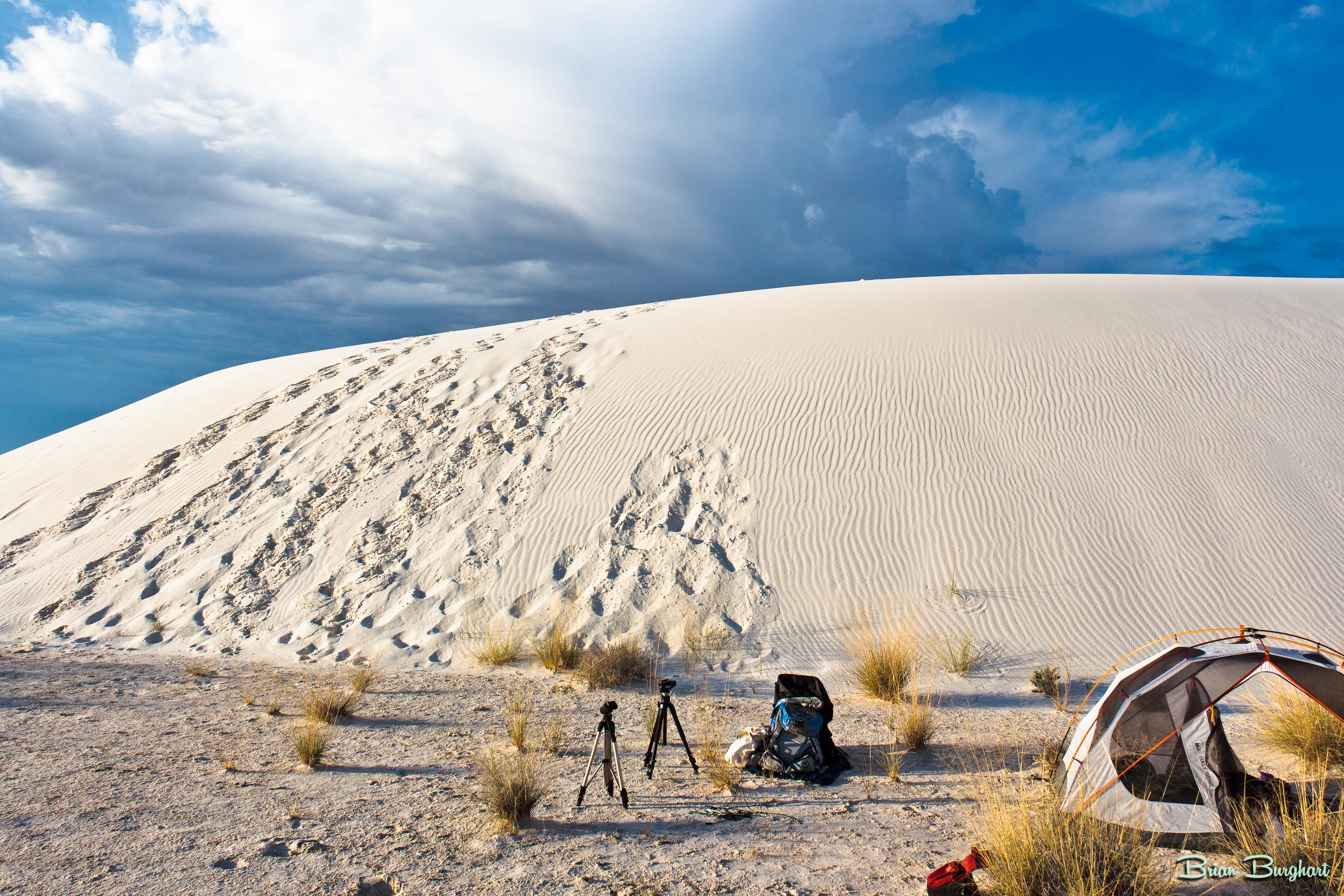
White Sands Backcountry Camping: Closed for 2026 — What to Know
As of 2026, backcountry camping at White Sands National Park is closed for site rehabilitation. What that means, and where to camp nearby instead.
Weather Guide
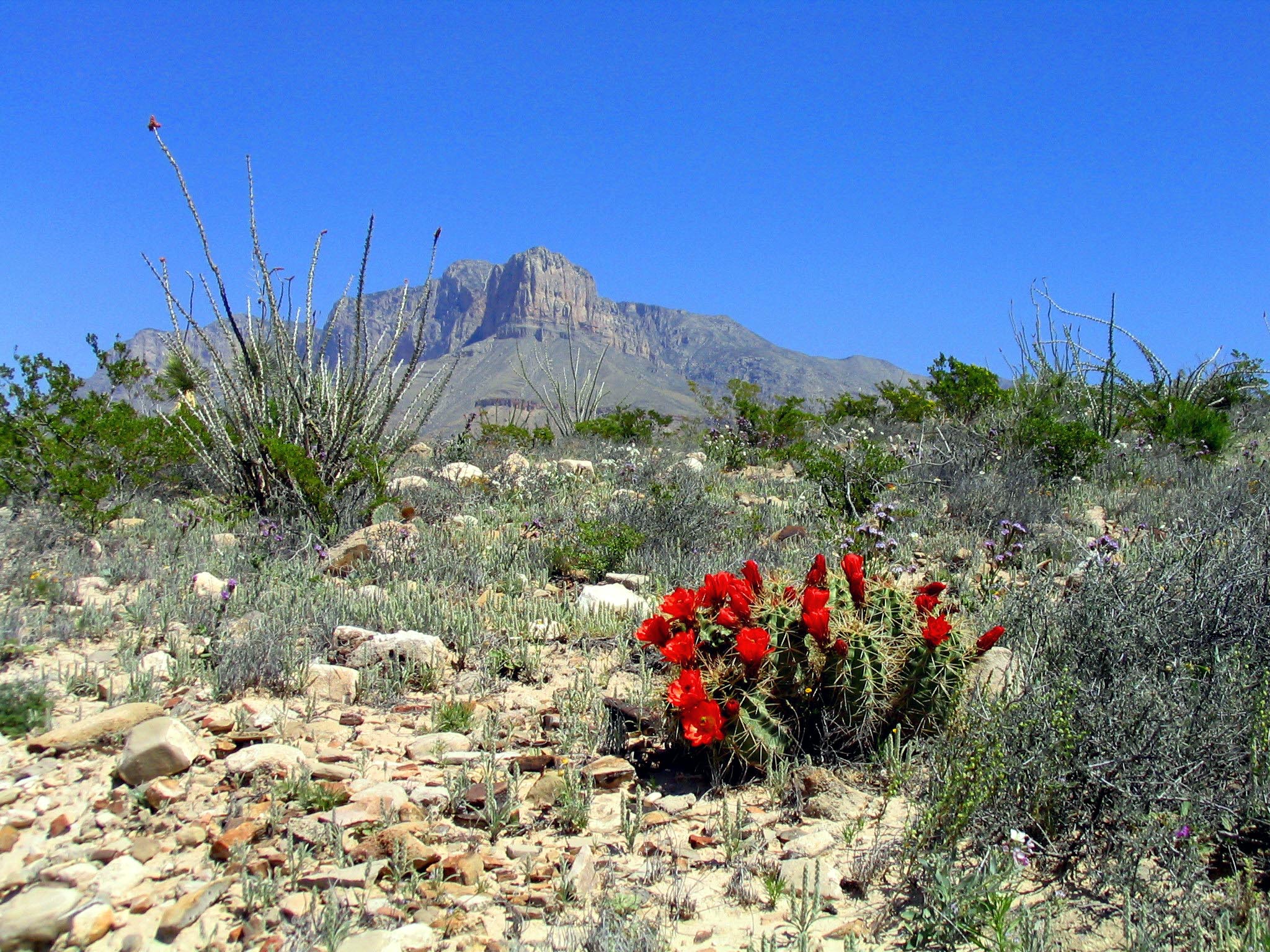
Guadalupe Mountains National Park Weather: Weather
Guadalupe Mountains National Park: weather guide guide updated 2026. Practical visitor information, reservations, and seasonal tips worth bookmarking before
Best Of
Best of Cuyahoga Valley National Park: Best Things to Do
Seeing a Cleveland Orchestra concert with the woods as your backdrop is a uniquely Cuyahoga Valley experience.
Sign in to join the conversation.
Sources & Attribution
Location data courtesy of the National Park Service (U.S. Department of the Interior). NPS data is public domain. Official NPS page.
Images: NPS; NPS; NPS; NPS; NPS.
Map data © OpenStreetMap contributors.
Park operations alerts: NPS.gov · Weather and weather hazards: National Weather Service · Live conditions.
Information may change. Always verify fees, hours, and conditions directly with the official source before visiting.
Did this guide help? Share it with a friend.