Great Sand Dunes National Park Weather: Weather (2026 Guide)
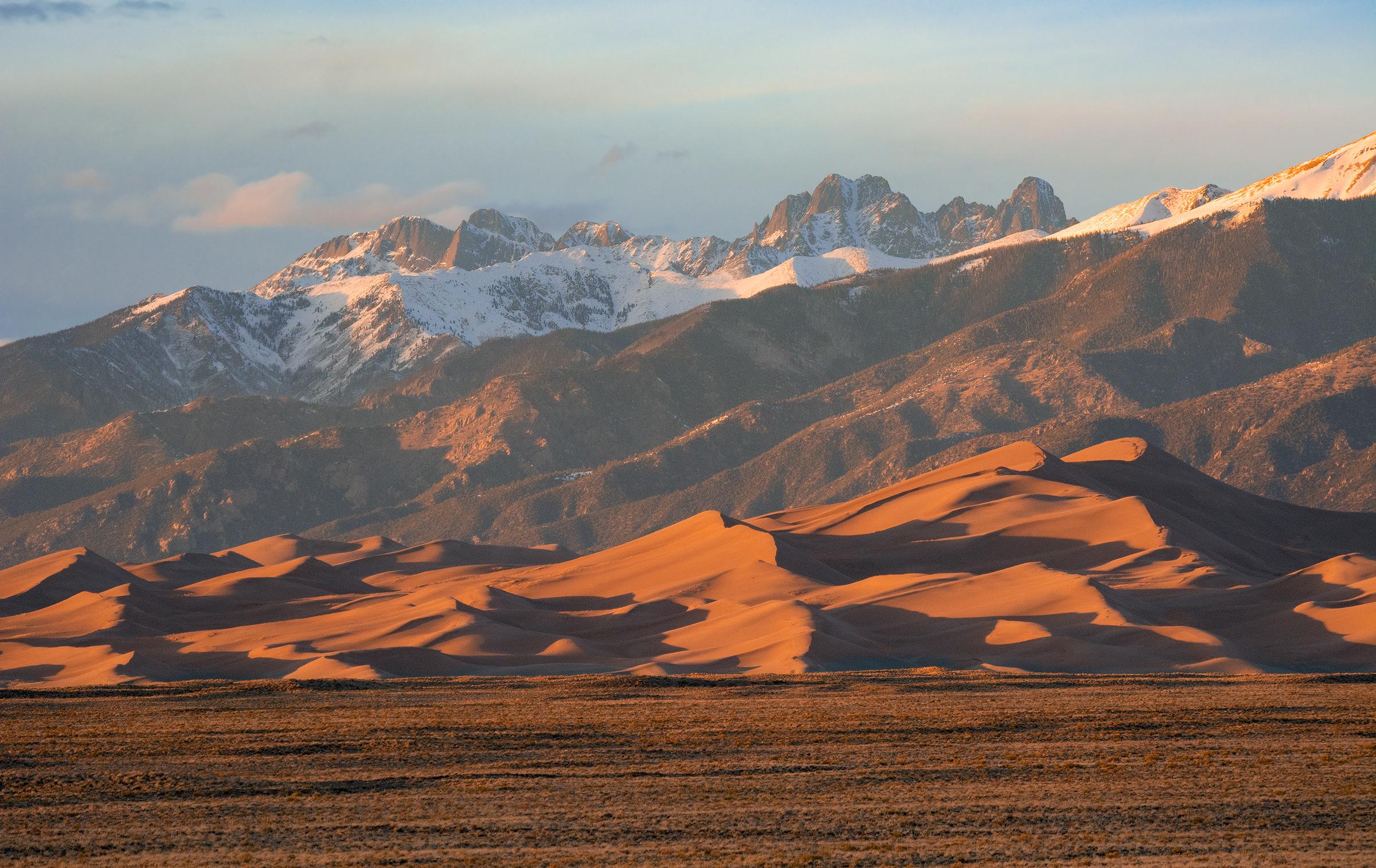
NPS via NPS.gov (Public Domain)
Great Sand Dunes National Park Weather
7 min read
Weather Guide
Great Sand Dunes weather lies: sand hits 160°F while air stays cool. Our 2026 guide reveals the best times to hike the dunes without getting burned.
The first thing you notice is the silence, broken only by the wind hissing across a billion sand grains. Then you feel it - the sun, even on a 60-degree day, hits your skin with an intensity that feels out of place. This is the core reality of Great Sand Dunes National Park weather: the air temperature is a liar. At 8,000 feet, the high-altitude sunlight is unfiltered and potent, capable of heating the sand surface to 160 degrees Fahrenheit while the air remains cool. Most first-time visitors are caught off guard by this disconnect, planning for the air temperature and getting burned by the ground temperature. Your experience here is dictated not by the forecast, but by the time of day you choose to be on the dunes.
The Weather Reality
The park sits in a high mountain valley, a fact that creates its unique and often misunderstood climate. The Sangre de Cristo Mountains to the east act as a massive wall, wringing moisture from storms and creating a rain shadow. The result is a dry, often calm environment where the sun is the dominant force. Rangers will tell you the most common mistake is looking at a summer forecast for 75°F and thinking you can hike the dunes at noon. You cannot. The sand becomes a griddle. Conversely, a sunny 40°F day in late fall can feel downright pleasant in the direct sun, but step into the shade of the visitor center and you'll reach for your jacket. Wind is the other wild card. While conditions are often calm, spring winds and storm fronts can whip the dunes into a stinging frenzy, a phenomenon known as a "dune blast." The official forecast for the surrounding valley is rarely accurate for the park itself. You need to plan for the park's specific, elevation-driven microclimate.

Month by Month
Forget generic seasons. The park operates on its own calendar, defined by sand temperature, Medano Creek flow, and alpine snowpack.
April through May
Temperatures range from highs in the 60s to lows that can still dip below freezing. This is the wind season. Strong spring storms can create intense, short-lived wind events that reshape the dunes overnight. Medano Creek typically begins its flow in late April or May, fed by mountain snowmelt. Crowds are moderate but growing. The Great Sand Dunes National Park campgrounds begin to fill on weekends. This is a prime window for dune hiking in the comfortable morning air, but you must be off the sand by late morning. The high country trails are still buried in snow and inaccessible.
June through August
This is the season of radical daily shifts. Daytime air temps can reach the 80s, but the sand surface becomes dangerously hot by 10:30 AM. The creek flow usually peaks in early June, creating the famous "beach" at the dune base, then recedes through July. Afternoon thunderstorms are common, rolling over the mountains with little warning - lightning risk on the open dunes is severe. Nights are cool, often dropping into the 40s. Crowds peak, especially around the creek. This is the only reliable time for Great Sand Dunes National Park hiking trails in the alpine areas of the Preserve, as the snow finally melts. It's worth considering if you want to see the park's full diversity, but you must become an early-morning and evening explorer.
September through October
Many consider this the sweet spot. Daytime highs are in the 60s and 70s, with crisp nights that plunge into the 20s and 30s. The sand is manageable for most of the day. The summer crowds have dissipated, and the fall colors ignite the aspen groves in the surrounding mountains. Medano Creek is usually dry. The wind picks up again as a fall pattern. The window for high country hiking slams shut by mid-October with the first significant snows. This is the best time for extended dune exploration and comfortable camping.
November through March
Winter is quiet, cold, and underrated. Highs might struggle to reach 40°F, with lows near zero. Snow dusts the dunes, creating contrast, but it rarely accumulates deeply on the sand itself. The Medano Pass Primitive Road is closed, as noted in the park alerts. The park is open 24/7, but services are limited. Crowds are minimal. This is the time for solitude, photography with long shadows, and snowshoeing in the foothills. The catch is the cold - frigid nights are the norm, and any wind makes it brutal. You need serious winter camping gear for the Great Sand Dunes National Park RV camping or tent sites that remain open.

Best Times for Specific Activities
Your ideal month depends entirely on what you want to do.
For hiking the high country (trails like Mosca Pass or the trek to Alpine Lakes), your window is brief: late July through September. Before that, trails are snowbound; after, early storms can close them.
Wildlife viewing has two peaks. Spring (May-June) brings active birds and mammals to the creek area. Fall (September-October) is the elk rut, and you might hear bugling from the foothills at dawn.
Wildflowers bloom in the alpine meadows in July and August. On the dunes themselves, look for specialized plants like the blowout grass in early summer.
Stargazing is spectacular year-round - it's an International Dark Sky Park - but the clearest, driest nights are in fall and winter. A moonless night in October is hard to beat.
Sand sledding and boarding are technically possible whenever there's dry sand, but the best conditions are in spring and fall when the sand is cool enough for daytime play. Remember, rentals are not available in the park - you must arrange that beforehand.

What to Pack by Season
This isn't a generic list. It's what the dunes demand.
For Spring/Fall: Layers are non-negotiable. A moisture-wicking base layer, insulating mid-layer, and a windproof/waterproof shell. Sturdy, closed-toe shoes (sand will get in, but you need the protection). Gaiters are a pro move to keep sand out of your boots. Sunglasses and a wide-brimmed hat for the sun. A buff or bandana to cover your face during wind events. Twice as much water as you think you'll need.
For Summer: All of the above, with extreme emphasis on sun protection. A hat with a full brim and neck flap. Long, lightweight, sun-protective clothing. A gallon of water per person per day for any dune excursion. Headlamps for evening hikes - getting caught on the dunes after dark without light is disorienting and dangerous. Plan your day around the sand: be active at dawn and after 4 PM. The middle of the day is for the visitor center, the Montville Nature Trail, or sipping water in the shade.
For Winter: Expedition-level cold weather gear. A down or synthetic insulated parka, thermal layers, insulated waterproof boots, warm gloves, and a balaclava. Your summer water needs are replaced by a thermos of something hot. Traction devices like microspikes for icy trails. Four-season tent and sleeping bag if camping.
Year-round, regardless of season: a reliable map (cell service drops out at the park boundary), a first-aid kit, and extra food. The nearest supplies are a 30-minute drive away.

What the Forecast Doesn't Tell You
- The Sand is a Thermal Battery. It absorbs the sun's heat all morning and radiates it back all evening. A 6 PM hike can still feel warm underfoot long after the air has cooled.
- Lightning Travels Miles Over Flat Ground. If you hear thunder, you are already in danger. The dunes are the highest point for miles. The rule is: be back at your vehicle before noon to avoid afternoon storms.
- Wind Direction Dictates Your Experience. A west wind means clear skies and calmer conditions. An east wind, coming over the Sangre de Cristos, often brings moisture and weather changes. Check the flag at the visitor center.
- Frost Can Occur Any Night of the Year. Even in July, the temperature at the Great Sand Dunes National Park visitor center can hit 32°F. Don't assume summer equals warm nights.
- Your Car is a Lifeline. It's your shelter from sudden wind, lightning, or cold. Park facing out for a quick exit if weather deteriorates. Keep extra water and layers inside.
- The Creek is Cold and Unpredictable. Medano Creek's flow is dependent on distant snowmelt, not local rain. It can be a trickle or a wide, shallow stream. It's always numbingly cold.
- Altitude Affects Everything. You're at 8,000 feet. Sunburn happens faster. Dehydration happens faster. Fatigue sets in quicker, especially climbing dunes. Acclimate for a day before attempting strenuous activity.
Practical Takeaways
- Time Your Dune Hike. From June to August, your feet should be on the sand at sunrise. From September to May, you have a wider window, but midday is still the least pleasant time.
- Plan for Two Different Climates. If you're visiting in summer and want to hike the alpine trails, you'll need dune gear (sun protection) and mountain gear (layers, rain shell) on the same day.
- Water is Your Primary Concern. Not an afterthought. Calculate a gallon per person per day for summer activity and carry it in your vehicle. The park store may not be open.
- The Best Weather Often Follows the Worst. A day of rain or snow clears the dust from the air and can be followed by crystal-clear, brilliant skies perfect for photography.
- Check the Resource, Not Just the Forecast. Before you go, look at the park's official Great Sand Dunes National Park weather page and the webcam at the visitor center. It shows real-time conditions.
- Embrace the Shoulder Seasons. April-May and September-October offer the most balanced conditions for a complete visitor guide experience - comfortable temperatures, fewer people, and manageable sand.
- Your Feet Will Get Hot. Even with shoes. On a summer hike, consider stopping periodically to remove your shoes and socks to let your feet and your boots cool down in the (slightly) cooler subsurface sand.
The dunes don't change, but the atmosphere around them does, every hour. Plan for the ground temperature, respect the sun, and you'll find the park reveals itself best in the margins of the day. For detailed trail conditions and creek flow reports, always check the official park website or call the visitor center as of 2026.
For more information, see our complete National Park & Preserve Guide.
Related: great sand dunes national park guide
Related: great sand dunes national park lodges guide
Sources
- Official source: NPS — Great Sand Dunes National Park nps.gov/grsa/index.htm
Photo Gallery
More to Explore
Park Guide
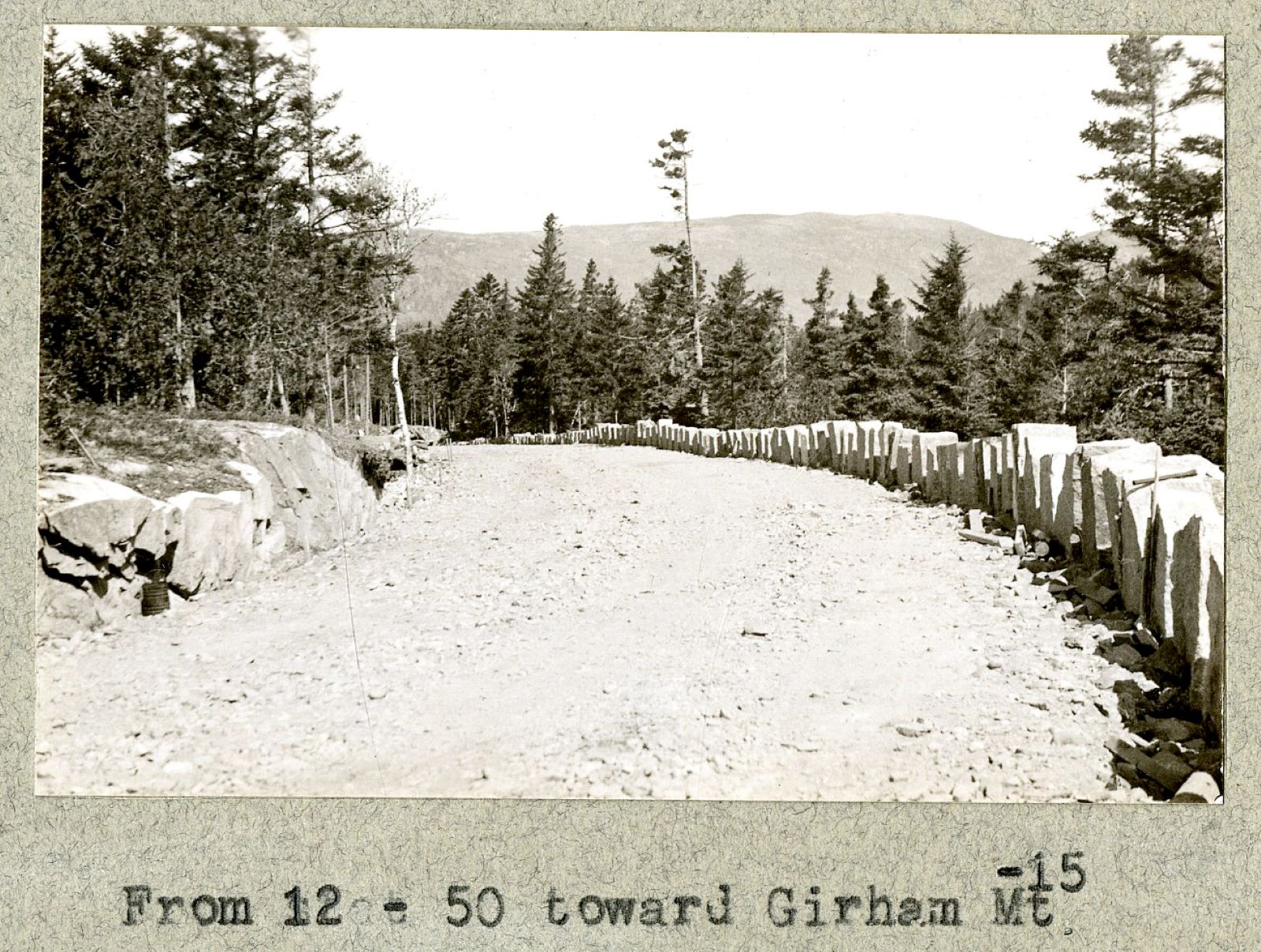
Acadia National Park: Carriage Roads, Cadillac Mountain & 2026 Guide
Discover carriage roads, Cadillac Mountain, and rugged Maine coast. Complete 2026 guide to Acadia National Park — trails, fees, lodging, permits, and what rangers recommend.
Hiking Guide
Grand Canyon Hiking Trails: Day Hikes, Water Sources & Rim to Rim
Compare Grand Canyon hiking trails: Bright Angel, South Kaibab, Hermit, Grandview, and rim to rim, with distances, elevation, water stops, and trailhead access for each.
Best Of
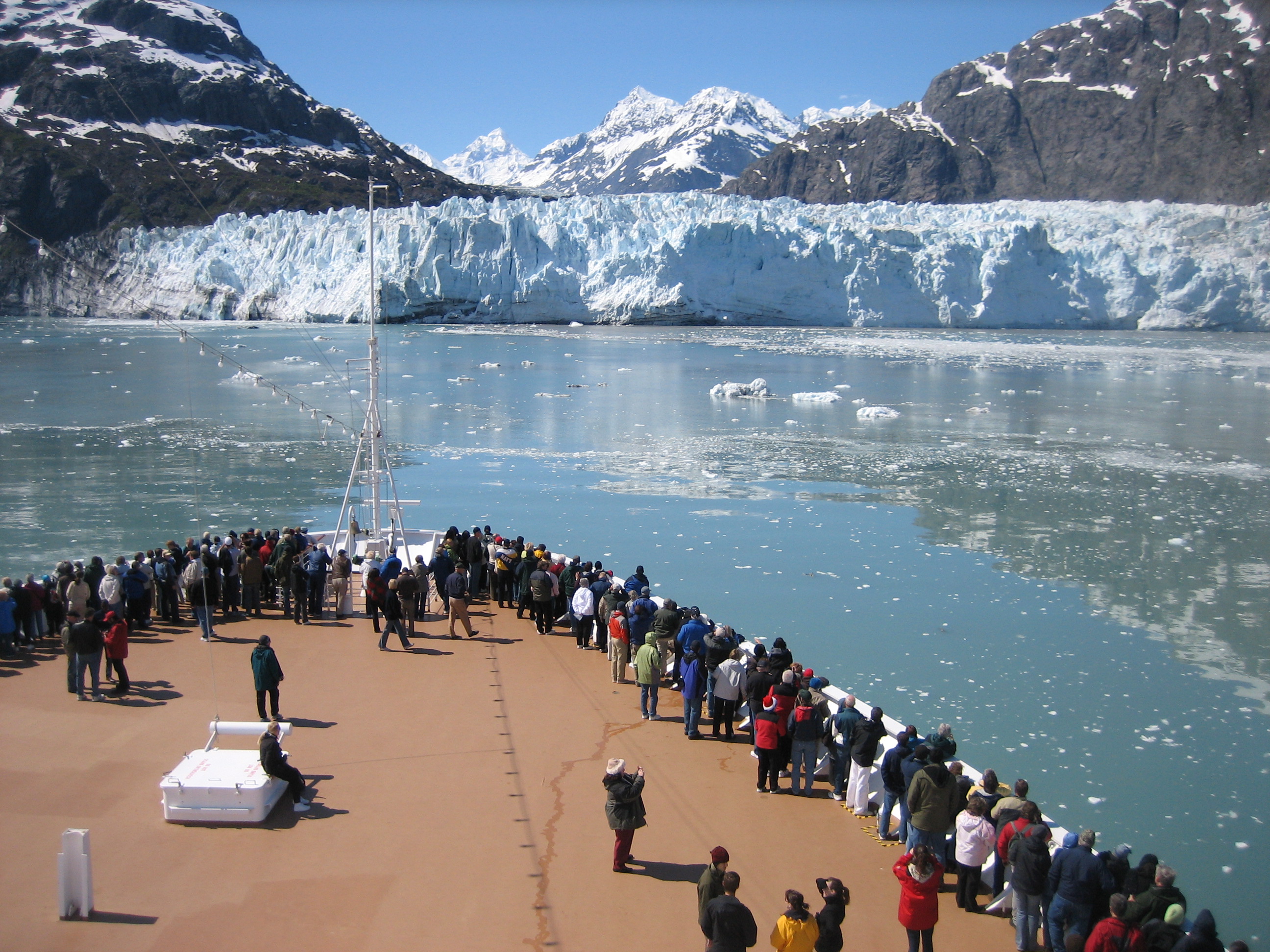
Best of Glacier Bay National Park
The best of Glacier Bay is reached by boat: ranger-led day tours up the bay to the tidewater glaciers. What's worth it, how to book, and when to go (2026).
Campsite Guide
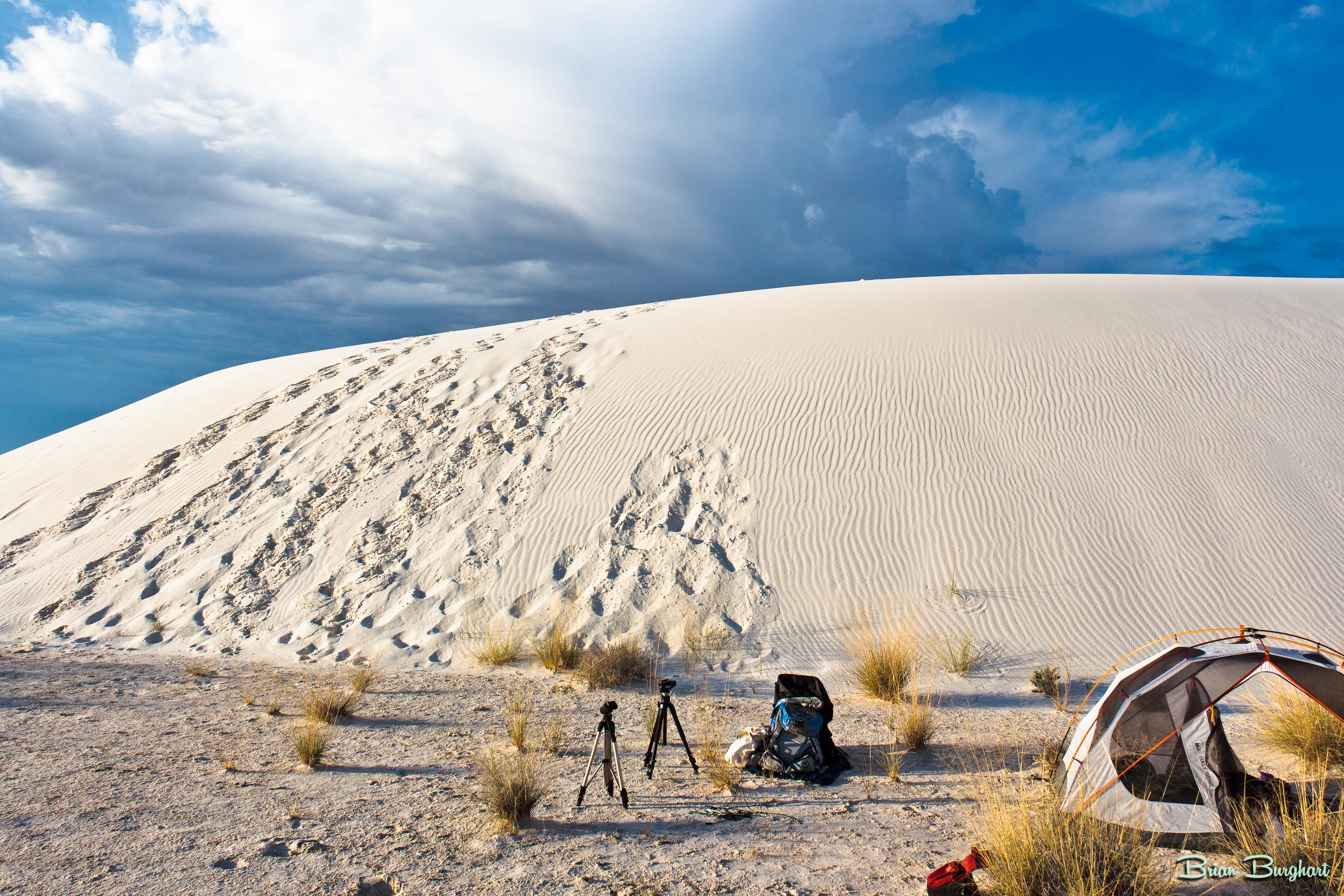
White Sands Backcountry Camping: Closed for 2026 — What to Know
As of 2026, backcountry camping at White Sands National Park is closed for site rehabilitation. What that means, and where to camp nearby instead.
Weather Guide
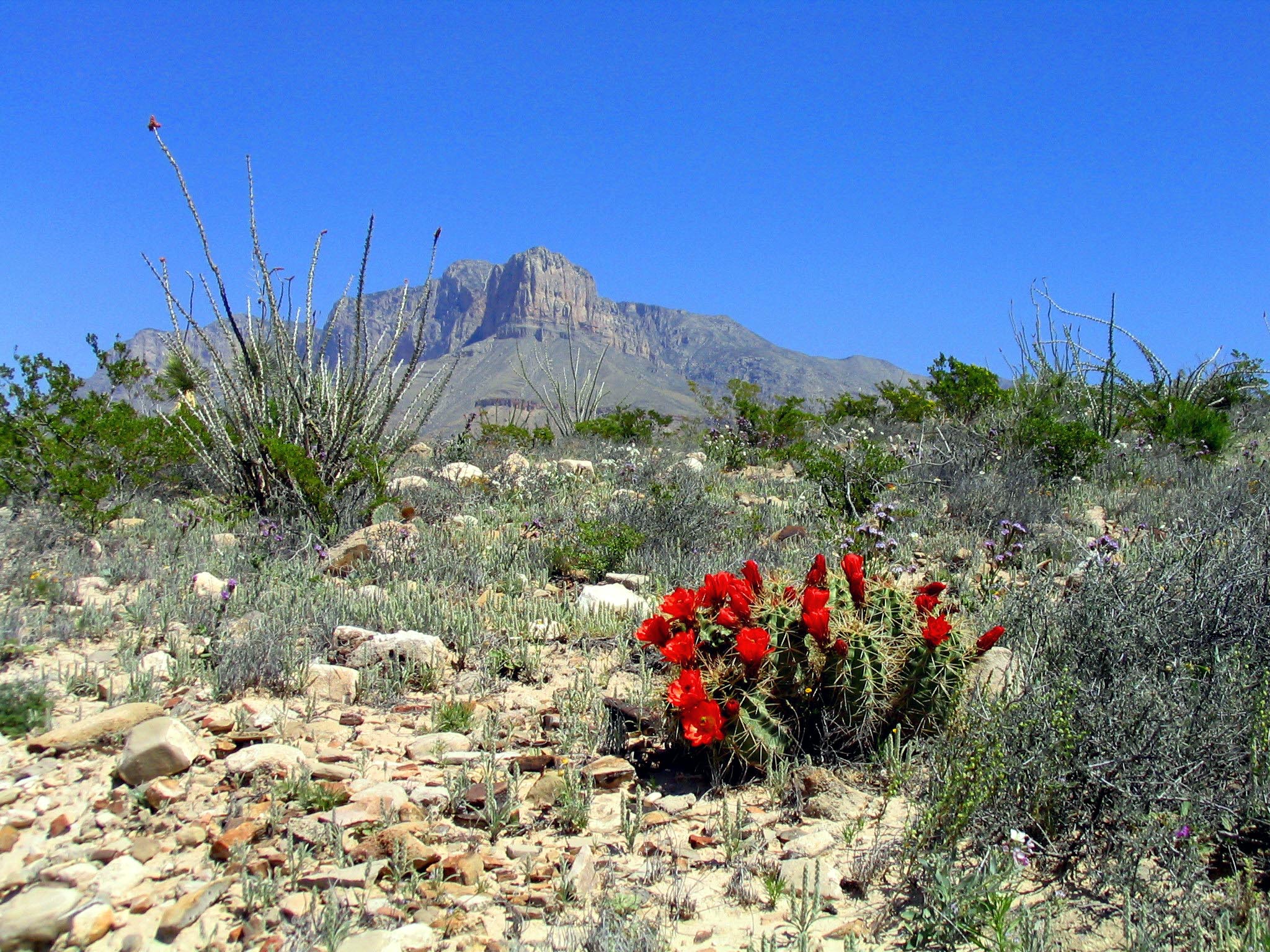
Guadalupe Mountains National Park Weather: Weather
Guadalupe Mountains National Park: weather guide guide updated 2026. Practical visitor information, reservations, and seasonal tips worth bookmarking before
Best Of
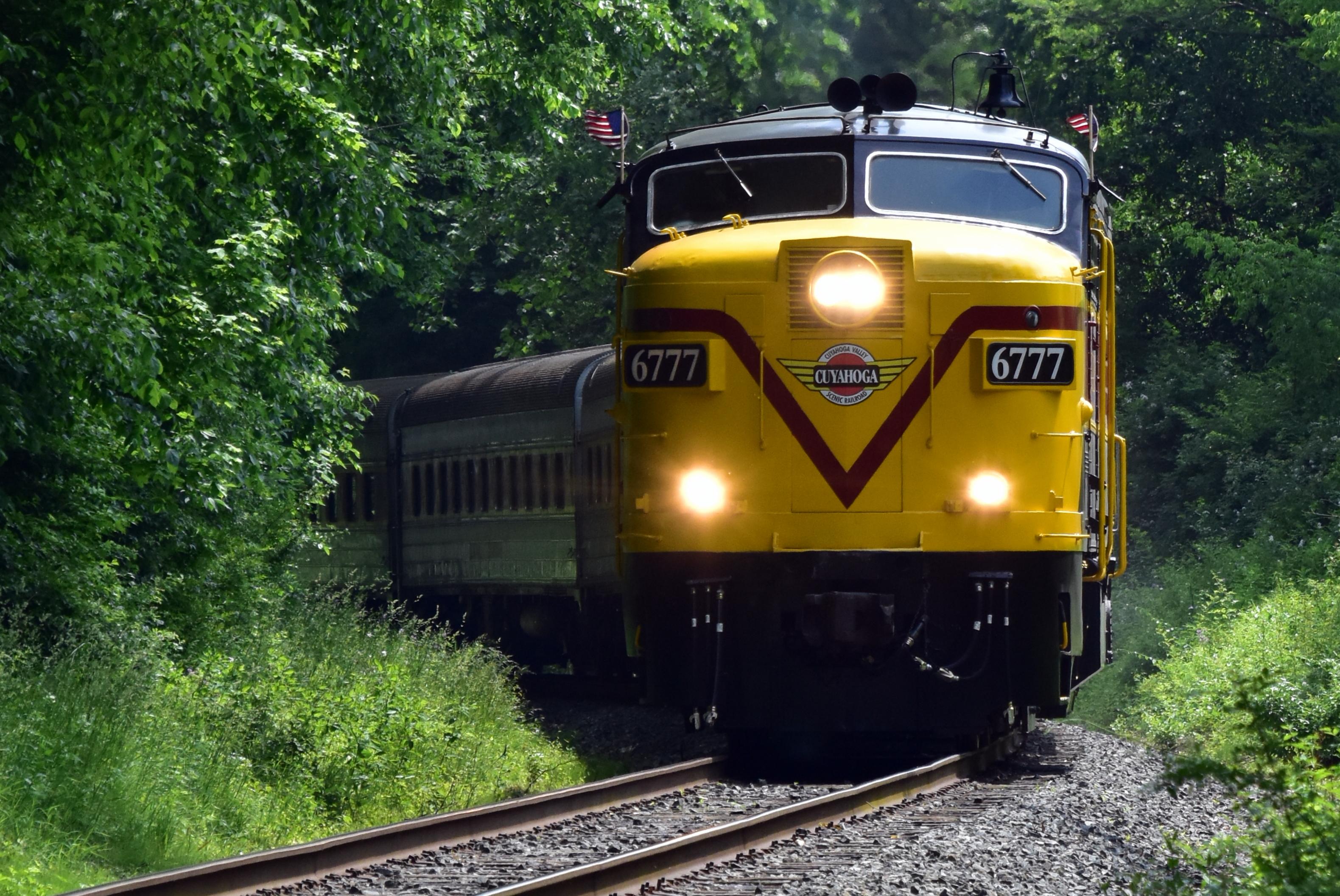
Best of Cuyahoga Valley National Park: Best Things to Do
Seeing a Cleveland Orchestra concert with the woods as your backdrop is a uniquely Cuyahoga Valley experience.
Sign in to join the conversation.
Sources & Attribution
Location data courtesy of the National Park Service (U.S. Department of the Interior). NPS data is public domain. Official NPS page.
Images: NPS; NPS; NPS; NPS; NPS.
Map data © OpenStreetMap contributors.
Park operations alerts: NPS.gov · Weather and weather hazards: National Weather Service · Live conditions.
Information may change. Always verify fees, hours, and conditions directly with the official source before visiting.
Did this guide help? Share it with a friend.