Rocky Mountain National Park was established in 1915, but securing a place to sleep within its boundaries each summer has become its own tradition. This isn't a general park guide—it's about where to rest after a day on Trail Ridge Road or Deer Mountain Trail. The real question is proximity versus practicality. Staying inside the park means you wake up already there, a crucial advantage when timed entry permits govern your schedule and parking lots fill by sunrise. The trade-off is a booking process that demands precision and a price that reflects the privilege.
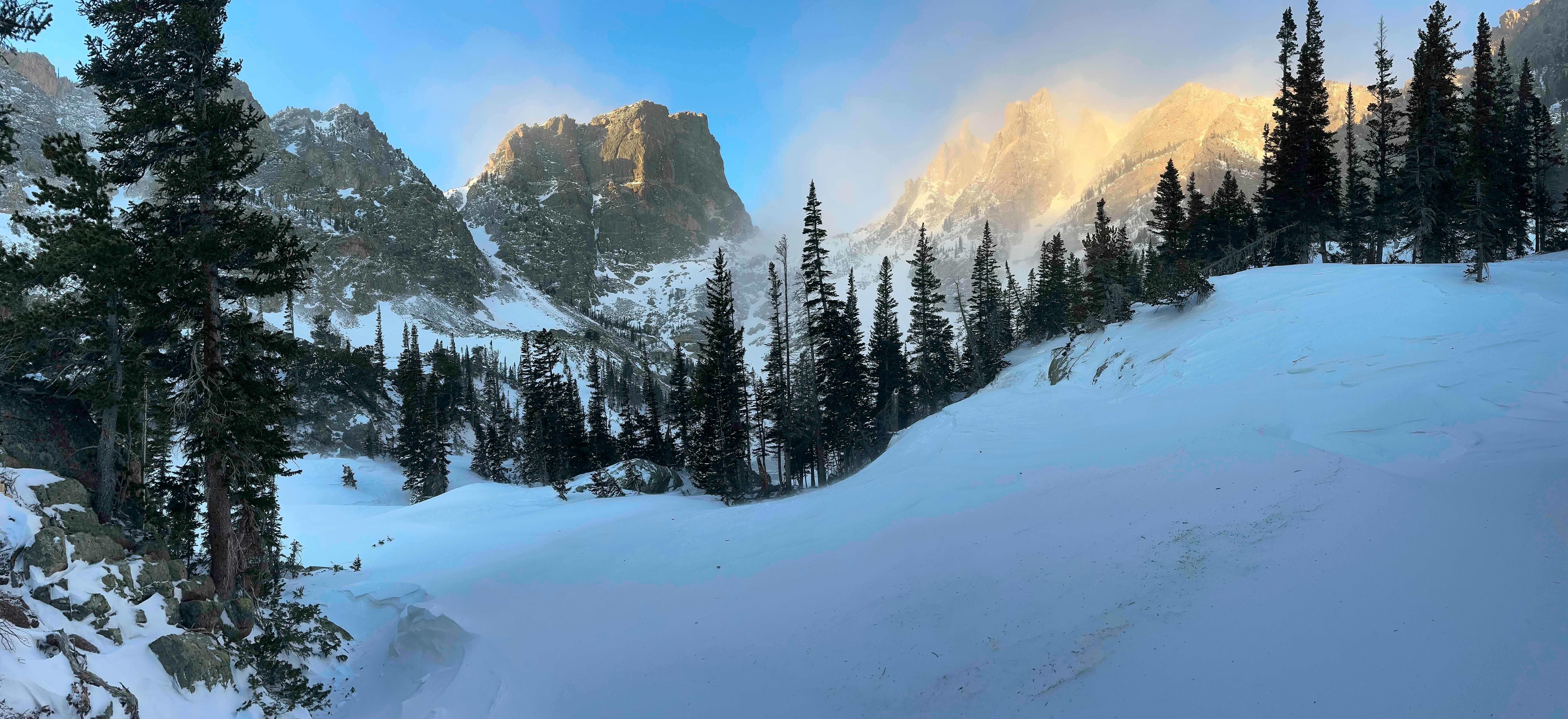
NPS via NPS.gov (Public Domain)
Rocky Mountain Lodging: Best Hotels & Stays Near the Park (2026)
7 min read
Lodging Guide
Book 6 months ahead for summer stays inside Rocky Mountain National Park. Compare Estes Park lodges, Grand Lake cabins, and proximity vs price for every budget.
This article contains affiliate links — we may earn a small commission at no extra cost to you.
For more, see camping options and tours and guided experiences.
Inside the Park: Worth It?
The advantage is location. Staying inside Rocky Mountain National Park avoids the morning and evening commute through Estes Park traffic, reclaiming hours for your day. You'll experience the park's quiet after dark, possibly hear elk bugling from your porch, and reach Bear Lake for sunrise without a 5 AM alarm. What you give up is choice, modern luxury, and often, budget. Only a few properties exist, and their booking windows operate like a lottery for summer dates. Rooms are comfortable, not lavish—you're paying for the pine-scented air, not marble bathrooms. A common error is underestimating the lead time needed; for peak summer, booking six months out isn't just early—it's essential.
The Grand Lake Lodge
Perched above Grand Lake on the park's quieter west side, this historic lodge is a collection of rustic cabins, not a single large building. The atmosphere is pure 1920s summer camp, with a massive main lodge featuring a wraparound porch that looks out over the lake. Rangers will tell you the west side receives a fraction of the visitors the east side does, and that's the lodge's main appeal.
Room types range from small, no-frills pioneer cabins with shared bathhouses to larger modern cabins with private bathrooms and kitchens. The honest description: the historic charm is authentic, which means thin walls, older plumbing, and a sense of adventure. The premium cabins with lake views are worth the extra cost if you're seeking that classic postcard experience. As of 2026, summer rates for a standard cabin start in the mid-$200s per night, soaring for lakefront units.
Booking opens in January for the following summer season and operates on a rolling basis. Cancellation policies are strict, often 14-30 days for a full refund. What's included is the location and basic linens. What costs extra is pretty much everything else - firewood, most activities, and all meals. The on-site dining is a classic wooden restaurant serving straightforward American fare; it's convenient but not a culinary destination. The gift shop sells essentials, but you'll want to stock up in Granby before arriving.
The Stanley Hotel
While not inside park boundaries, this iconic hotel in Estes Park serves as a de facto lodging option for many visitors due to its historical significance. It's known for inspiring Stephen King's The Shining and embraces that legacy. The experience focuses on grand, historic ambiance rather than wilderness immersion.
Room types range from recently renovated modern rooms in the main building to older, creakier rooms in the annexes. Simply put, you're here for the history, grounds, and ghost tours, not contemporary design. Opt for a main building room to fully capture the experience; annex rooms can feel isolated. As of 2026, rates are premium, typically starting above $300 per night.
Dining options are a strong point here, with multiple restaurants and bars on property, from a fine-dining establishment to a casual whiskey bar. It's a self-contained resort. Booking can be competitive during fall festival season and around holidays, but it's generally more flexible than the in-park options. Their cancellation policy is typically 72 hours. For some visitors, having a rocky mountain trailhead restaurant and multiple bars steps from their room after a long day of hiking is the definition of vacation.

Gateway Town Options
Estes Park is the primary eastern gateway, a mix of classic mountain town and tourist thoroughfare. Grand Lake on the west is smaller, quieter, and feels more remote. Your choice dictates your park experience: the busy but convenient east side with earlier access to Bear Lake corridor hikes, or the serene west with easier access to the Colorado River Trailhead and the Kawuneeche Valley.
Budget Options (under $150/night)
In Estes Park, this tier means motels, often along the main drag (Elkhorn Avenue). Properties like the Alpine Trailridge Inn offer basic, clean rooms with exterior corridors and small patios or balconies. The pros: they're affordable, usually have parking right outside your door, and are within walking distance of shops and casual eateries. The cons: you'll hear traffic and neighbors, amenities are minimal, and the drive to the Beaver Meadows entrance is still 10-15 minutes. In Grand Lake, a few older motor lodges near the lake offer similar no-frills lodging. These fill last, but in July and August, "last" can still mean a week in advance.
Mid-Range ($150-$300/night)
This is the sweet spot for families and groups seeking space and amenities. In Estes Park, look for condo rentals, larger chain hotels like the Best Western, or cabin complexes with kitchenettes. These often provide small pools, hot tubs, and free breakfast - valuable perks after a day on rocky mountain hiking trails. The Murphy's Resort is a consistent pick for its riverfront location and spacious rooms. In Grand Lake, this price range gets you a modern condo or a well-kept cabin a block from the water. The key advantage here is the kitchen, allowing you to avoid the wait and expense of restaurants every night. These properties often book 2-4 months ahead for summer.
Premium (over $300/night)
Beyond The Stanley, Estes Park has several high-end lodges and boutique hotels. The Estes Park Resort sits right on Lake Estes with balconies and upscale dining. The Black Canyon Inn offers secluded cabins with hot tubs and panoramic views. On the west side, the Western Riviera Lakeside Lodging provides modern condos directly on Grand Lake's boardwalk. These are splurges for those wanting luxury finishes, prime views, and superior service. They often have more flexible cancellation policies (5-7 days) and may have last-minute availability due to their price point, but don't count on it during fall color season.

Booking Strategy
The calendar dictates everything. For in-park lodges like Grand Lake Lodge, mark your calendar for January 1st when summer bookings typically open. Set a reminder for 8 AM Mountain Time. Have your dates and credit card ready. For the Estes Park mid-range condo and hotel market, aim to book 3-4 months ahead for a summer visit. For a September trip to see the elk rut and fall colors, make it 5-6 months.
Shoulder seasons (May and October) change the game. Availability opens up, prices drop, and you can sometimes find deals a few weeks out. The trade-off is weather: Trail Ridge Road is usually closed, limiting access to the high country. Winter bookings for ski and snowshoe trips are the most flexible, often available a month or less in advance.
The last-minute strategy if everything is booked: refresh cancellation pages on Recreation.gov (for in-park options) and major hotel sites daily. Cancellations do happen, especially 7-14 days out when penalty periods hit. Also, expand your geographic search to include Loveland or even the outskirts of Boulder for east-side access, though you'll add a 45-minute commute.

Practical Takeaways
- In-park lodging is about time, not luxury. You're buying back hours of your day and securing peace. Book exactly at the 6-month window for summer.
- Your side matters. Picking Estes Park (east) vs. Grand Lake (west) will define your park experience. East is busier with more services; west is quieter with longer drives to major trailheads.
- A kitchenette is a strategic advantage. It saves money, time, and lets you pack trail lunches easily. Prioritize this in your mid-range search.
- Always read the cancellation policy. National park trip plans change with weather and health. A 72-hour policy is far less risky than a 30-day one.
- Verify what "walking distance" means. In mountain towns, it often involves hills. If you have mobility concerns, call the property and ask about slope and parking.
- For dining, make reservations. Even in Estes Park, a good rocky mountain trailhead restaurant will be packed by 6 PM. Book your table when you book your room.
- Use your lodging as a base for tours and guided experiences booked through the park or local outfitters, which can simplify logistics.
Check the official NPS website and individual property sites for the very latest rates, policies, and availability as of 2026. The difference between a good stay and a great one here is often just planning a little further ahead.
For more information, see our complete National Park Guide.
Recommended Gear
What experienced visitors bring to Rocky Mountain Lodging: Best Hotels & Stays Near the Park (2026)
Links may earn us a commission at no extra cost to you. We only recommend gear we believe in.
Hiking Essentials
Hydration Pack (3L)
Hands-free water for long trail days
Trekking Poles (Pair)
Save your knees on steep descents
Hiking Boots (Ankle Support)
Sturdy footwear for rocky, uneven trails
Sun & Heat Protection
Wide-Brim Sun Hat
Full coverage UPF 50+ protection at altitude
Insulated Water Bottle (32oz)
Keeps water cold in desert heat all day
Winter Gear
Microspikes / Traction Devices
Essential for icy rim trails in winter months
Packable Down Jacket
Lightweight warmth that stuffs into a pocket
Sources
- Official source: NPS — Rocky Mountain National Park nps.gov/romo/index.htm
Photo Gallery
More to Explore
Park Guide
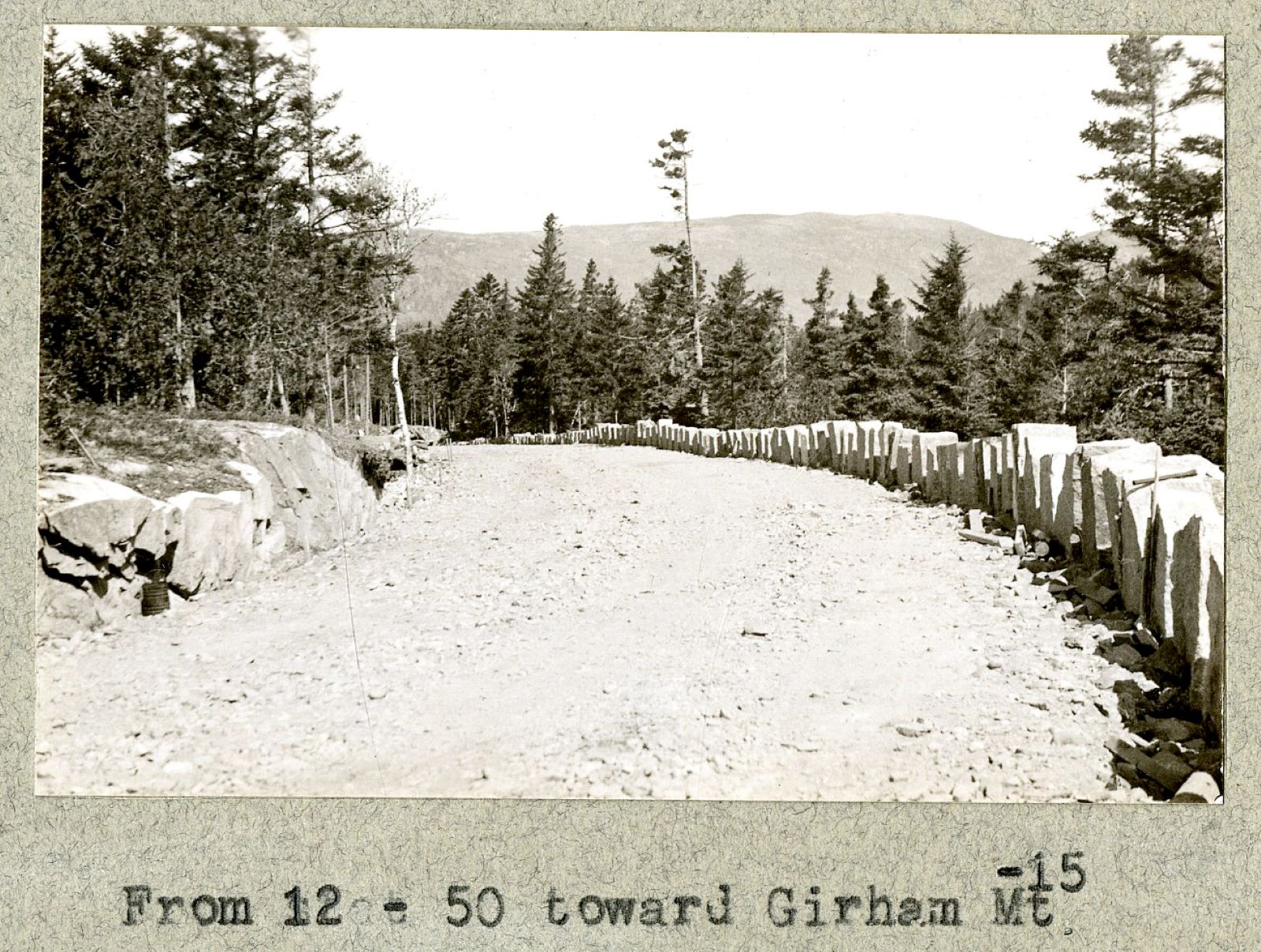
Acadia National Park: Carriage Roads, Cadillac Mountain & 2026 Guide
Discover carriage roads, Cadillac Mountain, and rugged Maine coast. Complete 2026 guide to Acadia National Park — trails, fees, lodging, permits, and what rangers recommend.
Hiking Guide
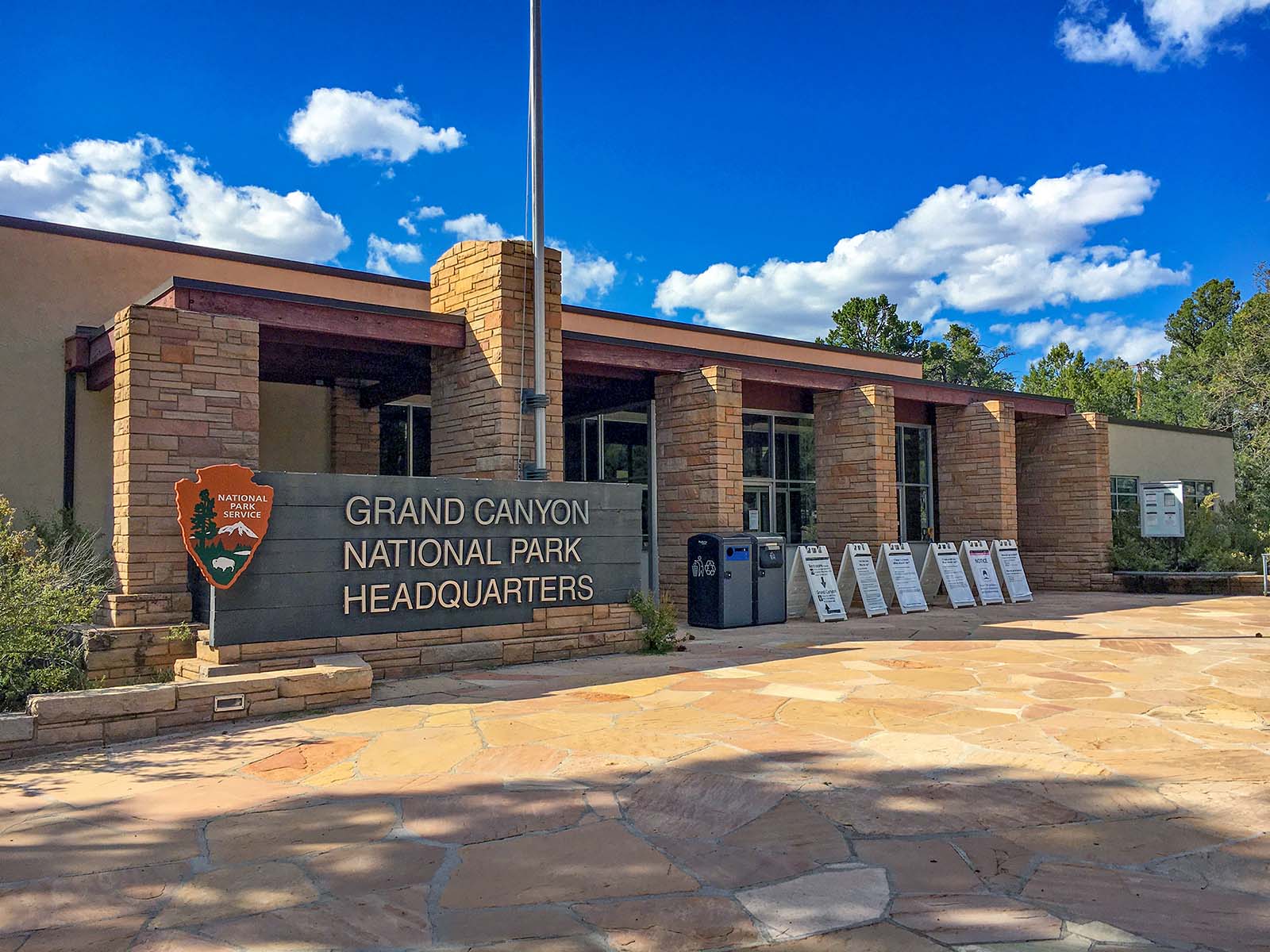
Grand Canyon Hiking Trails: Day Hikes, Water Sources & Rim to Rim
Compare Grand Canyon hiking trails: Bright Angel, South Kaibab, Hermit, Grandview, and rim to rim, with distances, elevation, water stops, and trailhead access for each.
Best Of
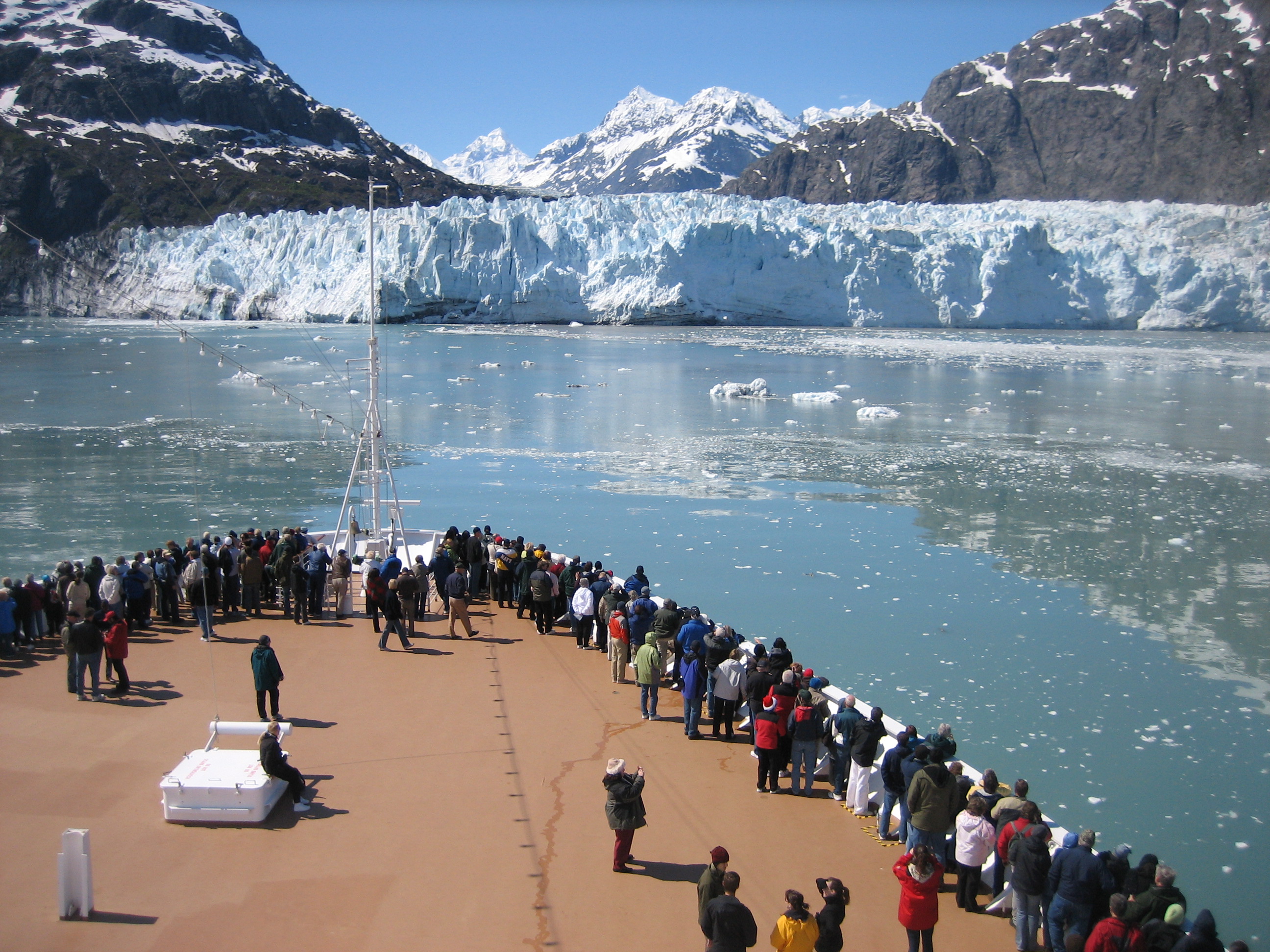
Best of Glacier Bay National Park
The best of Glacier Bay is reached by boat: ranger-led day tours up the bay to the tidewater glaciers. What's worth it, how to book, and when to go (2026).
Campsite Guide
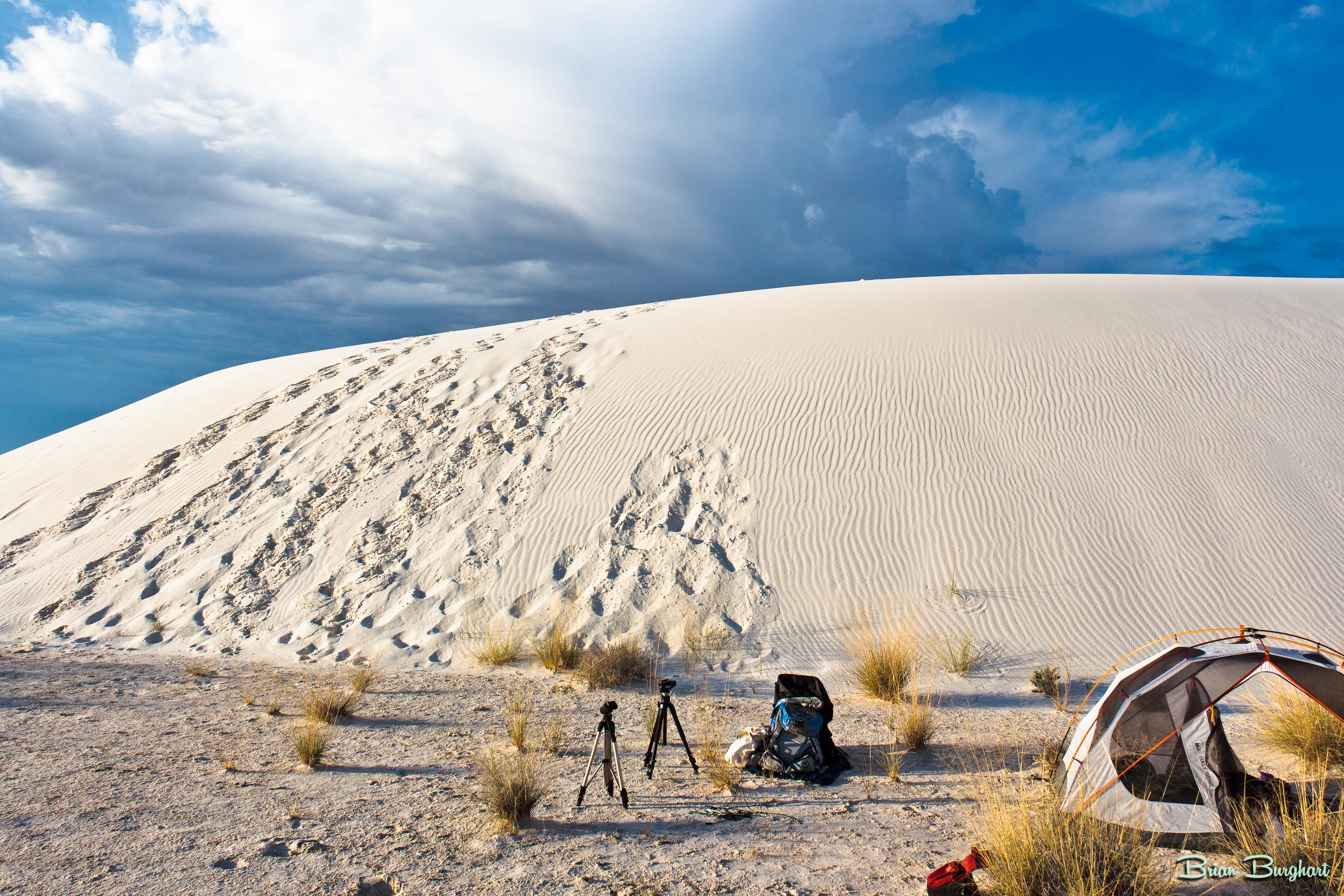
White Sands Backcountry Camping: Closed for 2026 — What to Know
As of 2026, backcountry camping at White Sands National Park is closed for site rehabilitation. What that means, and where to camp nearby instead.
Weather Guide
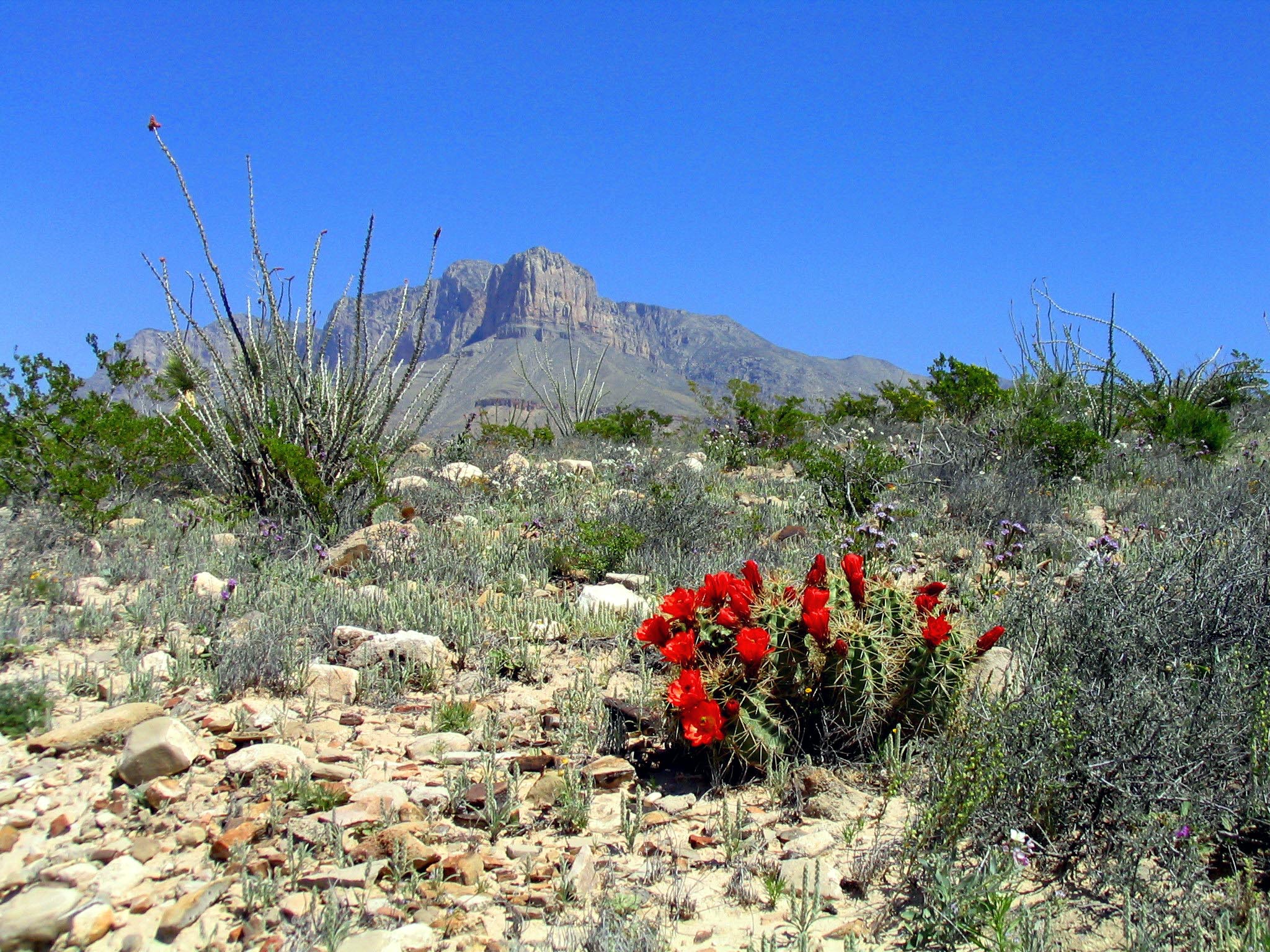
Guadalupe Mountains National Park Weather: Weather
Guadalupe Mountains National Park: weather guide guide updated 2026. Practical visitor information, reservations, and seasonal tips worth bookmarking before
Best Of
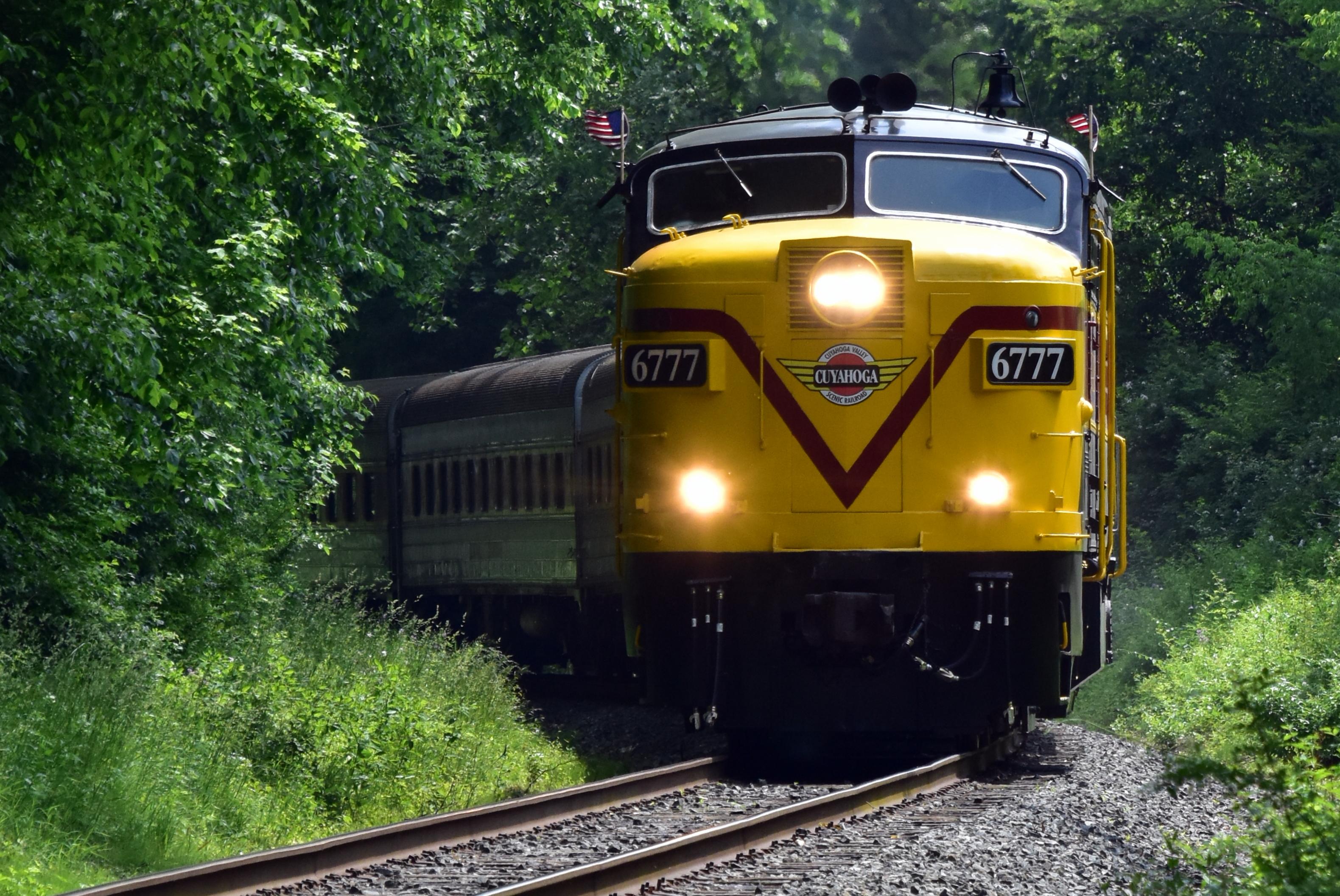
Best of Cuyahoga Valley National Park: Best Things to Do
Seeing a Cleveland Orchestra concert with the woods as your backdrop is a uniquely Cuyahoga Valley experience.
Sign in to join the conversation.
Sources & Attribution
Location data courtesy of the National Park Service (U.S. Department of the Interior). NPS data is public domain. Official NPS page.
Images: NPS; NPS; NPS; NPS; NPS.
Map data © OpenStreetMap contributors.
Park operations alerts: NPS.gov · Weather and weather hazards: National Weather Service · Live conditions.
Information may change. Always verify fees, hours, and conditions directly with the official source before visiting.
Did this guide help? Share it with a friend.