The crunch of snow underfoot is the only sound for a hundred yards. Then your guide stops, points to a set of tracks veering off into the willows, and whispers, "Pine marten. About twenty minutes old." That moment—the quiet, the tracking, the context—is what you pay for. While you can rent snowshoes and head out on your own, guided snowshoeing in Rocky Mountain National Park provides the keys to a locked winter world. Rangers and licensed guides translate the landscape, turning a silent, white forest into a narrative of animal behavior, snow science, and alpine ecology. They also know where the snowpack is stable and which slopes to avoid. In a park where elevations swing from 7,800 to over 14,000 feet and weather can shift from sun to whiteout in an hour, that knowledge isn't just interesting—it's critical.
Rocky Mountain Guided Tours: Wildlife, Snowshoe & Ranger Programs (2026)
8 min read
Ranger-led snowshoe walks in Rocky Mountain National Park are free with entrance, but tickets vanish in minutes.
This article contains affiliate links — we may earn a small commission at no extra cost to you.
For more, see lodging and accommodations.
The Best Guided Experience Here
The ranger-led snowshoe walks offer the best guided value in the park—they're free with your entrance pass. Most visitors don't realize how quickly these spots disappear. Rangers release tickets online at 5 PM Mountain Time the day before the tour, and they're typically gone in under three minutes.
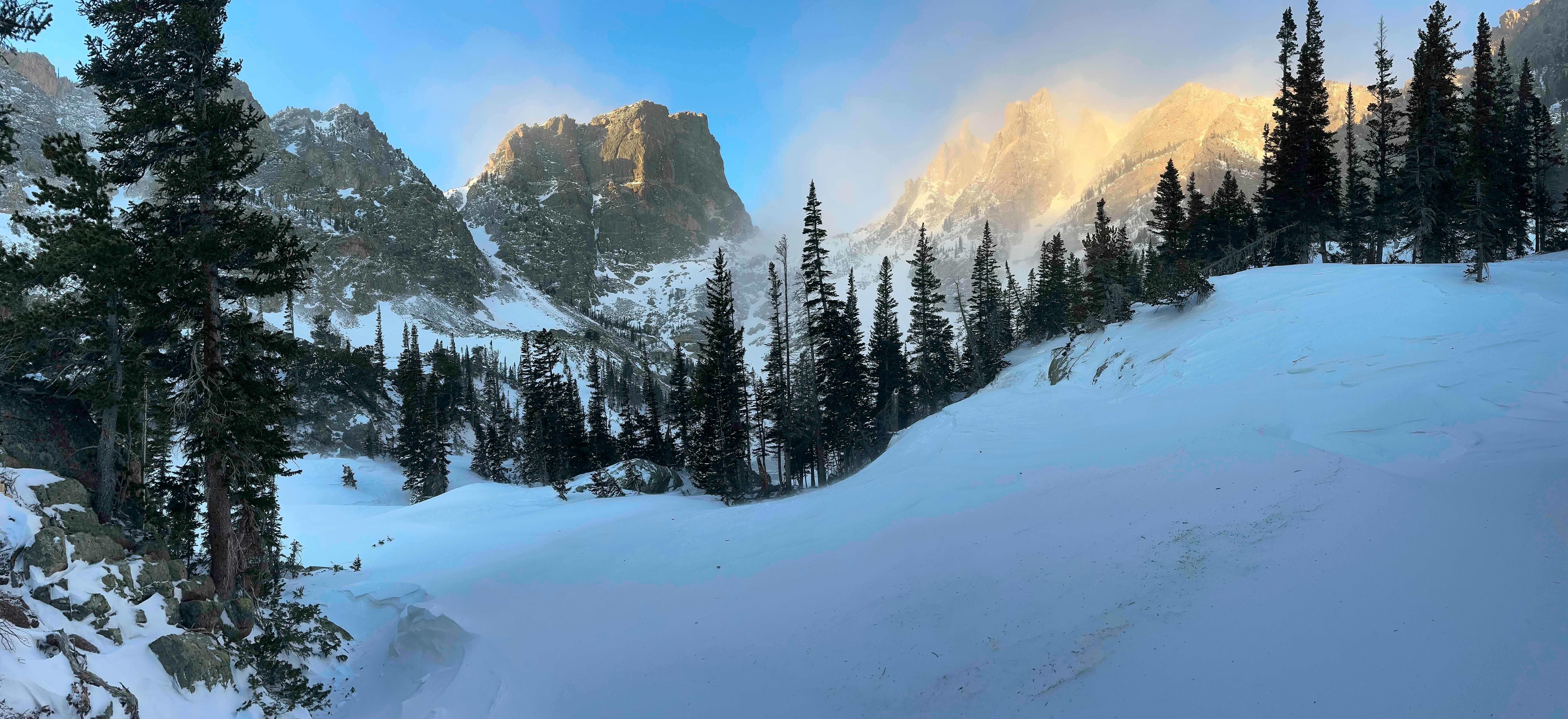
What makes them worth the digital scramble? Access and interpretation. Rangers take you into areas like Hidden Valley or up toward Bear Lake on routes they've assessed for safety that morning. They'll stop to examine the difference between the snow crystals in the shade versus the sun, explain how the deep snowpack insulates the ground for subnivean creatures, and identify the stark silhouettes of dormant alpine plants. You'll learn to read the snow for animal stories - the hop-and-plop pattern of a snowshoe hare, the delicate line of a vole's tunnel just beneath the surface. It's a natural history lecture where the classroom is a frozen meadow at 9,500 feet.
The common mistake is showing up at the visitor center hoping for a spot. As of 2026, that almost never works. You need to be on Recreation.gov with your account logged in at 4:58 PM. Have the date and number of people ready. Click exactly at 5:00. It's a competitive sport, but the payoff is two hours with someone who can answer the question, "What survives up here in January?" The answer is more than you'd think.

Free Ranger Programs
Beyond the headline snowshoe walks, the park's free ranger programs are a deep well of expertise, though their schedule thins considerably from November through April. The summer and fall lineup is where they shine.
Evening Campfire Programs
Held at the Moraine Park and Glacier Basin amphitheaters from June through August, these are a park classic. Rangers don't just stand behind a podium. They use props, night-vision scopes for wildlife viewing, and audience participation to cover topics like the park's fire ecology or the life of a bull elk. The seats are first-come, first-served. The trick is to arrive 30 minutes early, bring a camp chair or blanket, and layer up - even a July night at 8,500 feet gets cold once the sun drops. These programs often have a more narrative, story-driven feel than the daytime talks.
Discovery Walks & Talks
These are the short, focused programs you stumble upon. A ranger might be at the Alluvial Fan at 10 AM on a Tuesday discussing the 1982 Lawn Lake Flood, or at the Kawuneeche Valley overlook explaining why the moose are there. They're listed in the weekly park newspaper, The High Country Headlines, which you get at any entrance station. The best ones are often the "pop-up" programs not in the paper - if you see a ranger with a small group and a prop box, join in. They're rarely crowded and allow for real conversation.
Junior Ranger Headquarters at Hidden Valley
From late May through early fall, Hidden Valley operates as a hub for the Junior Ranger program.e than just badge-stamping. Rangers run hands-on activities about animal adaptations, track casting, and Leave No Trace principles. It's structured, engaging, and gives parents a breather. The building itself is an old ski lodge, which rangers will point out, adding a layer of human history to the natural lessons.
The takeaway on ranger programs: in summer, plan your day around one. In winter, the snowshoe walk is the main event, and you must plan your booking strategy around it.

Concessionaire Tours
The park authorizes a select group of commercial operators to lead trips inside its boundaries. They fill the gaps where the park service doesn't - namely, longer, more technical, or equipment-intensive outings. As of 2026, you'll find them based in the gateway towns of Estes Park and Grand Lake.
Guided Snowshoeing & Cross-Country Ski Tours
This is where you go when the free ranger walks are booked, you want a smaller group (often 6-8 people max), or you desire a full-day or even sunset tour. Operators like those in Estes Park provide the snowshoes or skis, poles, and sometimes even hot drinks and snacks. The guide-to-client ratio is lower, so you get more personalized instruction if you're a beginner.
The value assessment is straightforward: you're paying for flexibility and exclusivity. A commercial guide can tailor the route to your group's ability, whether that's a gentle loop around Sprague Lake or a more ambitious trek into the Wild Basin area. They'll also handle all the gear logistics. Costs typically range from $75 to $150 per person for a 2-4 hour tour, with private guiding costing more. Booking lead time varies; for a weekend in peak winter (January-February), aim for at least two weeks. A Tuesday in March? You might get away with a few days' notice.
Photography Workshops
These are niche but exceptional. Local photographers licensed to operate in the park lead small groups to specific locations at specific times. They know that the light on Dream Lake's frozen surface is best just after sunrise in February, or where to find the most dramatic ice formations along Glacier Creek. They'll provide technical advice but also compositional guidance unique to the winter landscape - how to capture the texture of wind-blown snow, or the contrast of a red fox against a white backdrop. These workshops are priced as premium experiences, often $200-$300 for a half-day. They're for the serious amateur who wants to move beyond snapshots.
Wildlife Tracking Tours
A subset of the guiding community specializes in winter tracking. These guides are part detective, part biologist. They'll teach you to distinguish between coyote and fox tracks, identify the bounding gait of a weasel, and find the "kill sites" or "bedding areas" indicated by disturbances in the snow. It's a deeply immersive way to understand the park's animal community, especially the nocturnal ones you'll never see. These tours are usually small, slow-paced, and require patience. They're best for those who enjoy the puzzle as much as the panorama.

Specialized Experiences
Night Sky Programs
The park's elevation and distance from major cities make it a premier stargazing location. The Night Sky Program, typically offered on clear summer and fall evenings, is a must. Rangers set up telescopes at locations like the Upper Beaver Meadows or the Trail Ridge Road pullouts above treeline. They'll point out constellations, planets, and deep-sky objects like the Andromeda Galaxy. The key insight they provide is context - how the park protects this resource, and what you're actually looking at 2.5 million light-years away. Dress like it's 30 degrees colder than the daytime high. Bring a red-light headlamp if you have one to preserve night vision.
Backcountry Ski & Snowboard Guiding
For experienced riders, a few guides offer trips into the park's backcountry zones, like the slopes around Flattop Mountain or the terrain off Trail Ridge Road. This is not a beginner activity. It requires advanced skills, avalanche safety knowledge, and specialized equipment (beacon, probe, shovel). The guide's value here is route selection, snow stability assessment, and emergency preparedness. They provide access to untracked lines in a controlled, safe manner. This is a full-day, high-cost commitment, but for the right person, it's the ultimate Rocky Mountain winter experience.

Booking and Logistics
The booking landscape splits cleanly in two: free government programs and paid commercial tours.
For National Park Service programs (snowshoe walks, campfire talks), the primary platform is Recreation.gov. The snowshoe walk tickets are released at 5 PM MT the day prior. All other summer program reservations, if required, are also listed there. The park's official website has the direct links. Cancellations do happen, so refreshing the page later in the evening sometimes yields a spot.
For concessionaire tours, you book directly through the operator's website or phone. Lead times are fluid. For a weekend wildlife tour during the elk rut in September, book a month out. For a mid-week snowshoe trip in November, a few days might suffice. Always ask about the cancellation policy. Most require 24-48 hours notice for a full refund, but weather-related cancellations are usually handled with a reschedule or refund.
What's included? For ranger walks: the guide. You provide transportation, entrance fee, and appropriate clothing. For commercial tours: typically, guide, gear (snowshoes, poles), and sometimes snacks. You provide transportation to the meeting point, park entrance fee, and clothing. Never assume transportation is included - most meet at a park trailhead.
The nonresident fee note: If you're not a U.S. resident, there's an additional $100 fee on top of the standard entrance pass. Check if your commercial tour operator includes the entrance fee in their price - most don't, as they can't process the nonresident surcharge.
Practical Takeaways
- The free snowshoe walks are a competitive ticket. Set a reminder for 4:55 PM MT the day before your desired tour. Be logged into Recreation.gov and ready to click the millisecond tickets drop.
- Commercial guides offer flexibility. If you miss the ranger walk, want a private group, or desire a specialized focus (photography, tracking), a licensed concessionaire is your best and only option. Book directly through their websites.
- Winter driving dictates your access. Your guided tour meeting point is often reached via rocky mountain trail ridge road (closed in winter beyond Many Parks Curve) or Bear Lake Road (which may require a reservation). Check road status the morning of your tour and factor in extra travel time for snow and ice.
- Your guide is not a pack mule. Even on a guided trip, you are responsible for your own layers, water, food, and sunscreen. Pack more water than you think you need - cold, dry air at altitude is dehydrating. A thermos with a hot drink is a.
- Communicate your ability. When booking a commercial tour, be honest about your fitness and experience. A guide would rather plan a slightly easier, more enjoyable route than have a client struggle silently for three hours.
- The park is open, but facilities are limited. Restrooms at winter trailheads are often vault toilets. Visitor centers have reduced hours. Plan your pre- and post-tour needs accordingly, perhaps with a stop in Estes Park or Grand Lake for lodging and accommodations or a meal.
- Weather is the final authority. Guides and rangers will cancel or modify tours for severe weather or dangerous conditions. Check the National Weather Service forecast for the specific park area you'll be in, not just Estes Park.
For more information, see our complete National Park Guide.
Recommended Gear
What experienced visitors bring to Rocky Mountain Guided Tours: Wildlife, Snowshoe & Ranger Programs (2026)
Links may earn us a commission at no extra cost to you. We only recommend gear we believe in.
Hiking Essentials
Hydration Pack (3L)
Hands-free water for long trail days
Trekking Poles (Pair)
Save your knees on steep descents
Hiking Boots (Ankle Support)
Sturdy footwear for rocky, uneven trails
Sun & Heat Protection
Wide-Brim Sun Hat
Full coverage UPF 50+ protection at altitude
Insulated Water Bottle (32oz)
Keeps water cold in desert heat all day
Electrolyte Mix Packets
Replace what water alone cannot during intense heat
Winter Gear
Microspikes / Traction Devices
Essential for icy rim trails in winter months
Packable Down Jacket
Lightweight warmth that stuffs into a pocket
Sources
- Official source: NPS — Rocky Mountain National Park nps.gov/romo/index.htm
Photo Gallery
More to Explore
Acadia National Park: Carriage Roads, Cadillac Mountain & 2026 Guide
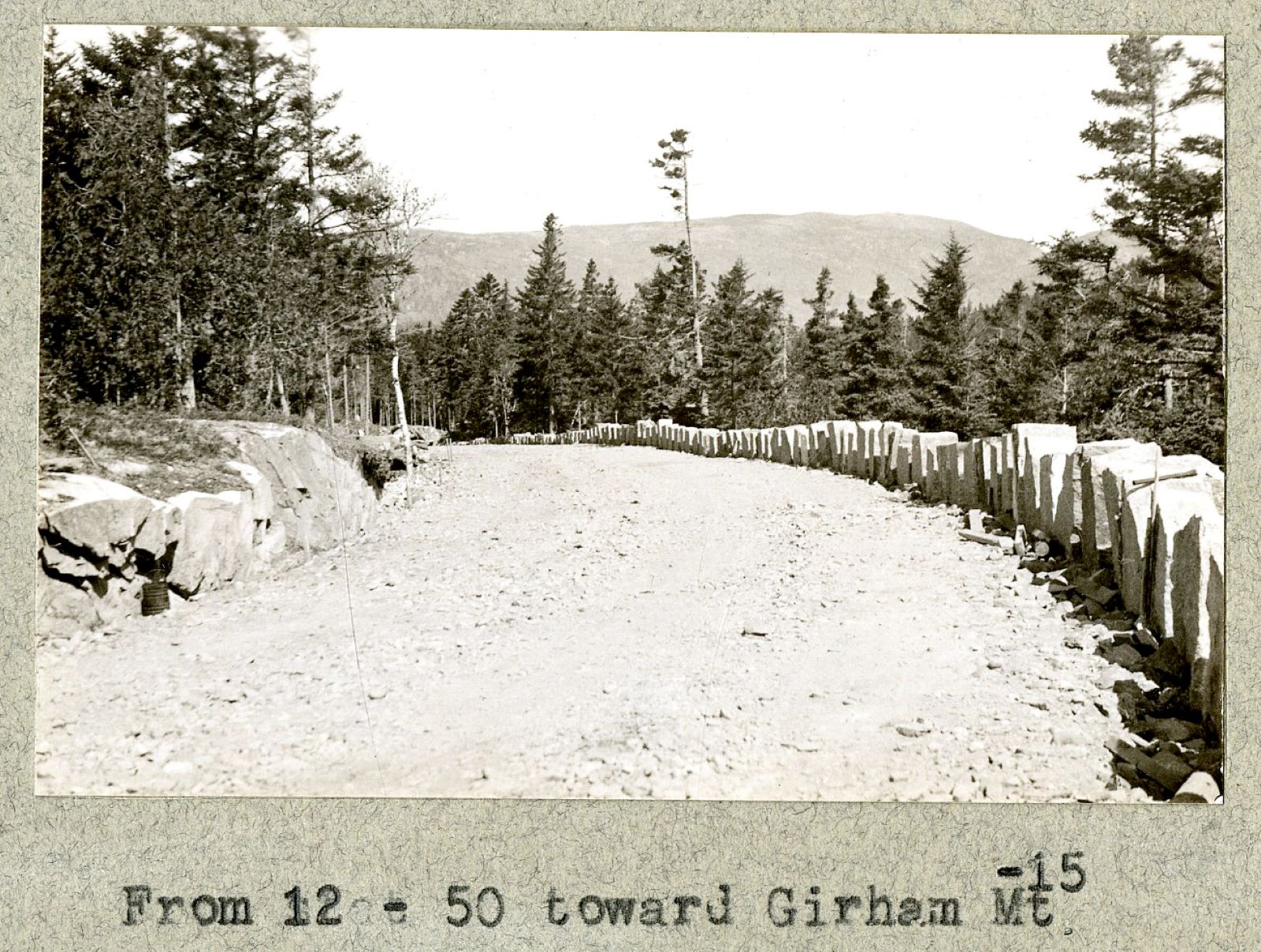
Discover carriage roads, Cadillac Mountain, and rugged Maine coast. Complete 2026 guide to Acadia National Park — trails, fees, lodging, permits, and what rangers recommend.
Grand Canyon Hiking Trails: Day Hikes, Water Sources & Rim to Rim
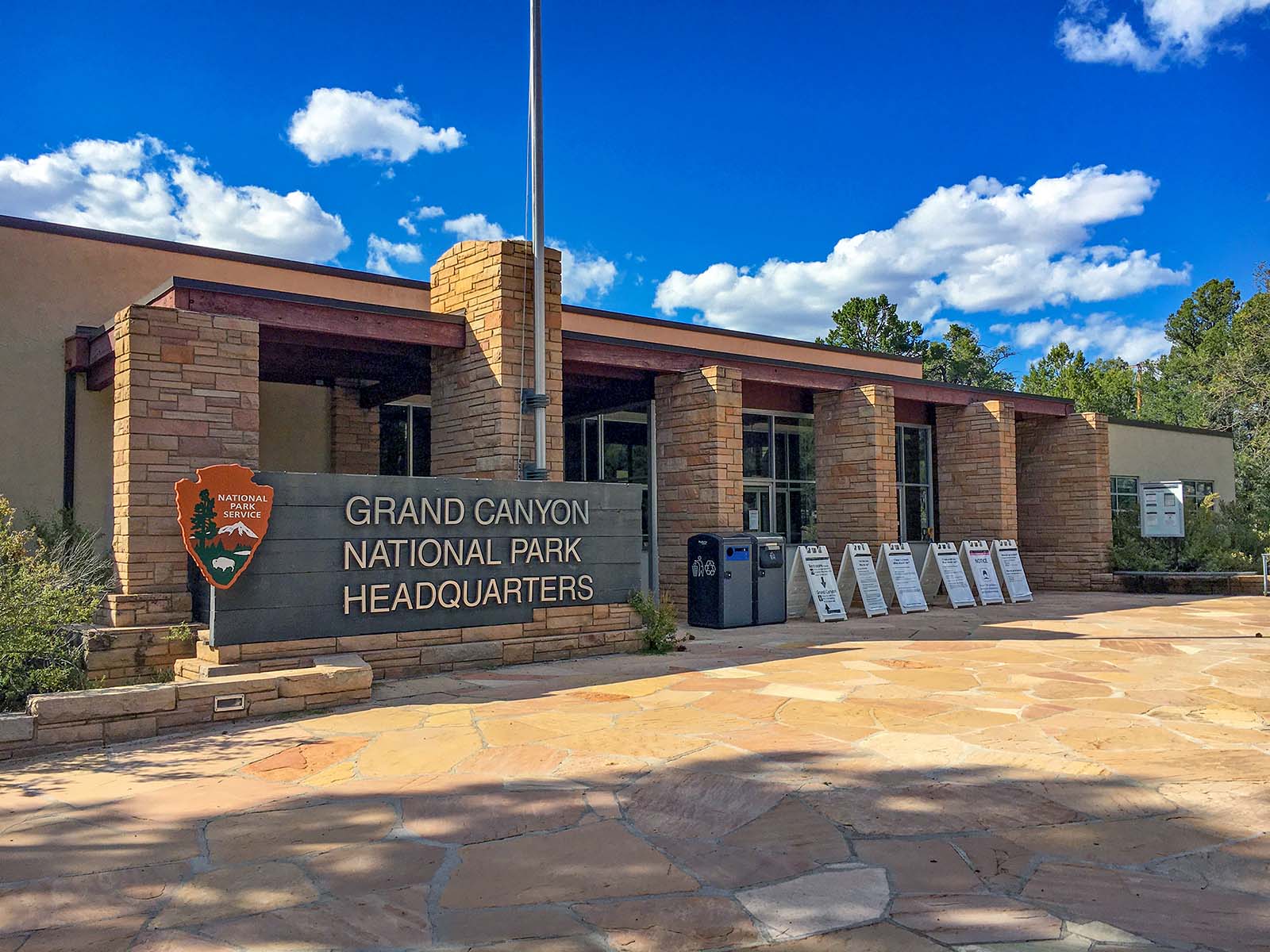
Compare Grand Canyon hiking trails: Bright Angel, South Kaibab, Hermit, Grandview, and rim to rim, with distances, elevation, water stops, and trailhead access for each.
Best of Glacier Bay National Park
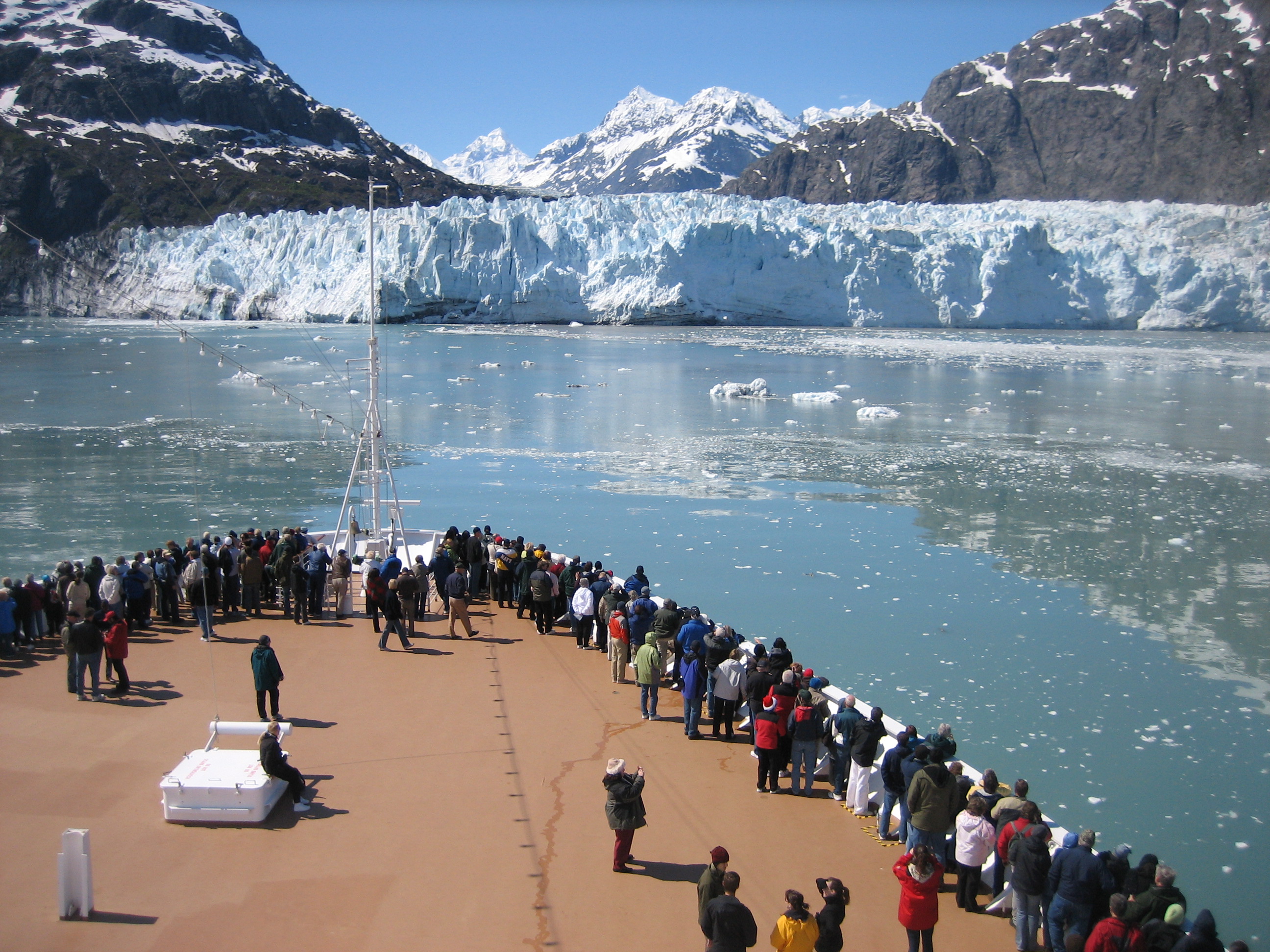
The best of Glacier Bay is reached by boat: ranger-led day tours up the bay to the tidewater glaciers. What's worth it, how to book, and when to go (2026).
White Sands Backcountry Camping: Closed for 2026 — What to Know
As of 2026, backcountry camping at White Sands National Park is closed for site rehabilitation. What that means, and where to camp nearby instead.
Guadalupe Mountains National Park Weather: Weather
Guadalupe Mountains National Park: weather guide guide updated 2026. Practical visitor information, reservations, and seasonal tips worth bookmarking before
Best of Cuyahoga Valley National Park: Best Things to Do
Seeing a Cleveland Orchestra concert with the woods as your backdrop is a uniquely Cuyahoga Valley experience.
Sign in to join the conversation.
Sources & Attribution
Location data courtesy of the National Park Service (U.S. Department of the Interior). NPS data is public domain. Official NPS page.
Images: NPS; NPS; NPS; NPS; NPS.
Map data © OpenStreetMap contributors.
Park operations alerts: NPS.gov · Weather and weather hazards: National Weather Service · Live conditions.
Information may change. Always verify fees, hours, and conditions directly with the official source before visiting.
Did this guide help? Share it with a friend.