For more, see complete visitor guide.
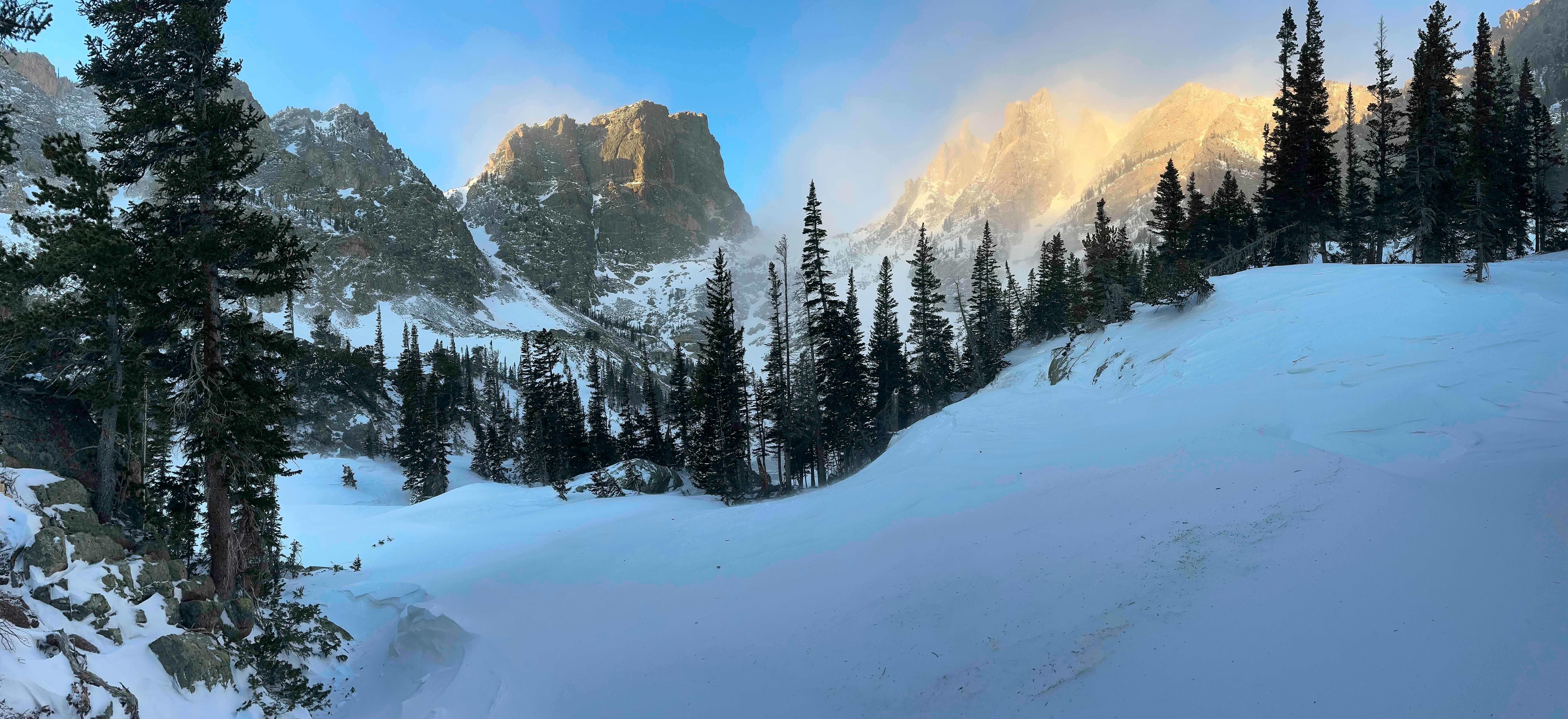
NPS via NPS.gov (Public Domain)
Rocky Mountain Wildlife: Elk, Bears & Best Viewing Spots (2026)
12 min read
Wildlife Guide
Discover Rocky Mountain National Park wildlife: elk rut in September at Horseshoe Park, bighorn sheep at Sheep Lakes, and black bears in Wild Basin.
This article contains affiliate links — we may earn a small commission at no extra cost to you.
Finding wildlife in Rocky Mountain National Park requires understanding its vertical terrain. Across 415 square miles, ecosystems stack from montane meadows to alpine tundra, with animals moving between them according to seasonal rhythms, weather patterns, and food availability. Most visitors make the same error: searching at midday, in the wrong elevation zone, from behind a windshield. True observation happens at dawn and dusk, in specific transition areas, with quiet patience. This guide details where to position yourself, when to be there, and how to watch without disturbance. For practical park logistics, consult our complete visitor guide.
The Signature Species
Elk and bighorn sheep define Rocky Mountain's character. Observing them here means watching behavior shaped by this landscape over millennia. The most common visitor mistake is timing—arriving at noon expecting activity when these large mammals are crepuscular, active at dawn and dusk. Elk bugling at September sunset vanish into timber by mid-morning. Bighorn sheep roadside in June are visiting mineral licks absent from their high-cliff habitats.
For elk, the best locations are the lower-elevation meadows on the park's east side: Moraine Park, Horseshoe Park, and Upper Beaver Meadows. The best time is the hour before sunrise and the two hours before sunset, especially from mid-September through October during the rut. For bighorn sheep, the mineral lick along Highway 34 near Sheep Lakes in Horseshoe Park is the most reliable spot from late May through mid-August, typically between 9 AM and 3 PM. In both cases, success depends on being in the right habitat at the right hour. The rest is quiet observation.
Elk: Complete Viewing Guide
Elk
Elk are the park's most conspicuous large mammal, though spotting them differs from observing their behavior. They migrate between high-country summer range and low-elevation winter range, traversing the major east-side valleys.
Where they concentrate: Moraine Park and Horseshoe Park are the epicenters, especially along the meadow edges where forest meets grass. In early morning, scan the open meadows. By late morning, look for dark shapes in the shadows of the pine and aspen groves bordering these areas. The Cub Lake Trail is noted for wildlife views of this terrain.
Best time of day: Unquestionably dawn and dusk. Arrive at a meadow overlook at least 30 minutes before sunrise. The evening show begins about two hours before sunset and can last until full dark during the rut.
Best season and why: Fall (September-October). This is the rut, or mating season. Bulls gather harems, bugle - a high-pitched, whistling scream - and engage in sparring matches. The cool, crisp air carries the sound for miles. It's a dramatic, sensory experience unmatched at other times of year. Winter also offers high visibility as herds congregate in lower valleys, but without the rutting behaviors.
What behavior to look for: At dawn, watch for grazing herds. In the rut, listen for the bugle, then look for the bull with his head thrown back, nose to the sky. Cows (females) will be gathered around him. Watch for younger bulls skirting the herd, testing the dominant male. Always look for ears flicking or heads snapping up - a sign they've detected something.
How to distinguish from similar species: Much larger than deer. A mature bull elk can weigh 700 pounds. Key identifiers: a light tan rump patch, dark brown mane, and, on bulls, large, sweeping antlers (shed each spring). Mule deer have smaller, forked antlers and a white rump with a black-tipped tail.
Safety distance and regulations: Park regulations require staying at least 75 feet (about two bus lengths) from all wildlife. During the rut, bulls are hyper-aggressive and unpredictable. Cows with calves (spring/early summer) are fiercely protective. Never get between animals, and always give them a clear path to move away. Use a zoom lens; your phone camera isn't enough.

Bighorn Sheep: Complete Viewing Guide
Bighorn Sheep
The symbol of the park, bighorn sheep are a cliff-dwelling species that descends to specific low-elevation areas for a critical reason: mineral supplementation.
Where they concentrate: The Sheep Lakes area in Horseshoe Park. This isn't a scenic overlook; it's a designated wildlife crossing area with pullouts and viewing scopes. The sheep descend from the steep slopes of Mount Chapin to ingest minerals from the soil and water here. On the west side, they are sometimes seen on the cliffs along the Colorado River Trailhead area.
Best time of day: Mid-morning to early afternoon (9 AM - 3 PM). Unlike elk, their visits to the mineral licks often occur during daylight hours. They typically descend, spend time at the lick, and then return to the cliffs.
Best season and why: Late May through mid-August. This is the period of highest visitation to the mineral licks, corresponding with lambing season and the nutritional needs of nursing ewes. Rangers often staff the Sheep Lakes info station during this period.
What behavior to look for: Watch the cliffs for moving white specks. They move with a sure-footed, single-file precision. At the lakes, they will kneel to lick the soil or drink. Rams (males) will sometimes engage in head-butting displays, even outside the fall rut.
How to distinguish from similar species: The only other animal of similar size and color is the mountain goat, which is not native to this park. Bighorn sheep have a white rump, brown coat, and, on males, massive curled horns. Females have shorter, spiky horns.
Safety distance and regulations: The 75-foot rule applies. At Sheep Lakes, traffic controllers may stop vehicles to allow sheep to cross the road. Stay in your car if they are on or near the roadway. Do not approach the lakes on foot when sheep are present - it disrupts their critical mineral intake.
Mule Deer: Complete Viewing Guide
Mule Deer
Common but often overlooked next to elk, mule deer are a constant presence in the park's montane zone.
Where they concentrate: Open meadows and forest edges, particularly at lower elevations. They are frequently seen along the Deer Mountain Trail, living up to its name, and in the Kawuneeche Valley on the west side. The Beaver Meadows area near the entrance is also reliable.
Best time of day: Dawn and dusk, though they can be active on overcast days or in shaded areas throughout the day.
Best season and why: Fall and winter. In fall, they are in prime coat and more visible against changing vegetation. In winter, they concentrate in lower, snow-free areas, making them easier to spot.
What behavior to look for: Characteristic "stotting" or pronking - bounding on all four legs with their backs arched. They have large, mule-like ears that constantly swivel to detect sound.
How to distinguish from similar species: Smaller and more slender than elk. Key difference: a white rump with a thin black-tipped tail. Antlers are branched and forked, not sweeping like an elk's.
Safety distance and regulations: 75 feet. They appear docile but can kick or bolt unpredictably.

Moose: Complete Viewing Guide
Moose
A relative newcomer establishing a population, primarily on the park's wetter west side.
Where they concentrate: The Kawuneeche Valley along Trail Ridge Road is prime habitat. Look in willow thickets, beaver pond complexes, and along the Colorado River. The Coyote Valley Trail is a wide, accessible path that offers good viewing into this wetland habitat.
Best time of day: Early morning and late evening, often at the edges of wetlands.
Best season and why: Spring through fall. They are most visible when not obscured by deep snow. Calves are typically born in May or June.
What behavior to look for: Wading in ponds to feed on aquatic plants, or browsing willows. A large, dark body moving through chest-deep water is a dead giveaway.
How to distinguish from similar species: Unmistakable. They are massive (up to 1,500 lbs), dark brown, with long legs, a bulbous nose, and, on males, broad, palmate antlers.
Safety distance and regulations: Stay at least 120 feet away. Moose are notoriously temperamental and can charge with little warning. They are faster and more aggressive than elk. Never get between a cow and her calf.
Black Bear: Complete Viewing Guide
Black Bear
Present but secretive. Seeing one is a matter of chance and quiet travel.
Where they concentrate: Dense forests and berry-rich areas. The montane life zone on both east and west sides. They are not tied to a specific overlook.
Best time of day: Dawn, dusk, and at night.
Best season and why: Late summer and fall (hyperphagia), when they are actively foraging to build fat reserves for winter. They are more likely to be in areas with ripe berries.
What behavior to look for: Look for movement in dense timber, or signs like overturned logs, torn-apart stumps, or claw marks on trees.
How to distinguish from similar species: The only bear species in the park. Color can range from black to cinnamon brown. No shoulder hump (which distinguishes them from grizzlies, which are not present here).
Safety distance and regulations: Stay at least 120 feet away. Never approach a bear. If you see one, enjoy the sight from a distance. Store all food and scented items in bear-proof lockers or your vehicle. Report sightings to a ranger.

Birdlife: Raptors and More
Birds
The park is a major corridor for birds of prey and high-country specialists.
Where they concentrate: Look for raptors soaring along ridgelines like Trail Ridge Road where thermals form. Alpine tundra areas host white-tailed ptarmigan (a master of camouflage). Wetlands like Beaver Ponds attract waterfowl and songbirds.
Best time of day: For raptor soaring, late morning through afternoon when thermals are strongest.
Best season and why: Spring and fall for migration. Summer for nesting residents. Ptarmigan are best sought in summer when they are in mottled brown plumage (they turn pure white in winter).
What behavior to look for: Ravens performing aerial acrobatics. Turkey vultures tilting in a V-shape. The ptarmigan will often sit motionless, relying on camouflage - you might almost step on one.
How to distinguish: Learn the silhouettes: Red-tailed hawks have a broad, rounded tail. Golden eagles are massive with longer wings. The ptarmigan looks like a small, stocky grouse.
Safety and regulations: Use binoculars or a spotting scope. Disturbing nests is prohibited.
Wildlife by Season
The park's wildlife calendar is a vertical migration. Most visitors think of summer as the only season, but each month offers a different focus.
Late Spring (May-June): This is birthing and budding season. Elk and deer calves are hidden in tall grass - never approach. Moose calves appear in the Kawuneeche Valley. Bighorn sheep lambs are on the cliffs. Bird migration peaks; warblers fill the montane forests. Bighorn sheep descend regularly to Sheep Lakes.
Summer (July-August): Animals disperse to high-country summer ranges. Your best bets move higher in elevation. Look for pikas and yellow-bellied marmots above treeline on trails like the Alpine Ridge Trail. Elk are in the subalpine, often seen at dawn in places like the Bear Lake corridor before the crowds arrive. Wildflowers bloom, attracting pollinators.
Fall (September-October): The wildlife spectacle peaks. The elk rut dominates the lower meadows. Bugling echoes at dawn and dusk - bring a jacket and arrive early. Mule deer are also in rut. Bighorn sheep begin their own rut, with rams clashing on high slopes. Birds of prey are active. This is the prime time for the best wildlife viewing in Rocky Mountain National Park.
Winter (November-April): Life contracts. Large herds of elk and deer congregate in the lowest, snow-free valleys like Moraine Park, making them easy to spot from a distance. Coyotes and the occasional fox hunt the meadows. Look for animal tracks in fresh snow - a storybook of the night's activity. Mooses remain in the willow bottoms of the west side.

Where Wildlife Concentrates
Experienced visitors know that wildlife isn't randomly distributed. It clusters around resources. First-timers often drive the main roads looking sideways; savvy watchers go to specific zones and stop.
East Side Meadows (Moraine Park, Horseshoe Park, Upper Beaver Meadows): The heart of elk country. At dawn, position yourself at a pullout overlooking these meadows. Use your vehicle as a blind. The Alluvial Fan road between these areas is a good transit corridor at dusk.
Sheep Lakes in Horseshoe Park: The only predictable bighorn sheep viewing. There's a parking area and often an interpreter. If the sheep aren't down, check the cliffs to the northwest with binoculars.
Kawuneeche Valley (West Side): The Colorado River Trailhead and the Coyote Valley Trail offer access to prime moose and beaver habitat. Drive slowly along Trail Ridge Road here, scanning willow thickets. The Beaver Ponds picnic area is aptly named.
Trail Ridge Road Corridor: Not just a scenic drive. The alpine section is for pika, marmot, and ptarmigan. Pullouts above 11,000 feet are where to listen for the pika's sharp "eep!" from the rock slides. The Farview Curve Overlook offers sweeping views of the valley where you might spot distant herds.
Bear Lake Road Corridor: Heavily crowded, but early mornings (before 7 AM) can yield elk in the meadows near the Park & Ride lot, and deer along the road edges. The traffic thins animal presence here by 9 AM.
Cell service drops out at most of these locations. Download maps and information beforehand.
Ethical Viewing and Safety
The park's rules aren't suggestions; they are born from animal stress and human injury. Rangers will ticket visitors who violate distance requirements.
The Distances: 75 feet from elk, deer, bighorn sheep. 120 feet from moose, bear, and all predators. If your presence changes an animal's behavior - it stops feeding, looks up, moves away - you are too close. Back up.
Use Your Vehicle: It's the best wildlife blind. Pull completely off the road at a designated pullout. Do not stop in travel lanes. Turn off your engine to reduce disturbance.
Never Feed Wildlife: It's illegal and kills animals. "People food" causes malnutrition, draws animals to roads, and leads to aggressive behavior. A fed bear is a dead bear.
Watch for Stress Signals: Ears flicking forward, head jerking up, snorting, pawing the ground. These are warnings. An animal that seems to ignore you is often acutely aware of you.
During the Rut (Elk): Bulls are pumped with testosterone and view anything as a threat. Never mimic a bugle to call them in. It stresses them and can provoke a charge. Keep children close.
If You See a Bear: Do not run. Gather your group, speak calmly, back away slowly. Give it a clear escape route.
The Altitude Factor: You're at 8,000 feet or higher. Move slowly, drink twice as much water as you think you need, and know the signs of altitude sickness. A headache and nausea mean it's time to descend.
Practical Takeaways
- Dawn and Dusk are Non-Negotiable. The best wildlife viewing in Rocky Mountain National Park happens in the first and last two hours of daylight. Plan your day around these windows.
- Know Your Zones. East-side meadows for elk. Sheep Lakes for bighorn sheep. Kawuneeche Valley for moose. Alpine tundra for pika and marmot. Go to the right habitat.
- Keep Your Distance. Use the 75-foot (two bus lengths) and 120-foot (four bus lengths) rules. Your zoom lens is your best tool for a closer look.
- Your Car is a Blind. Use it. Pull over safely, turn off the engine, and watch from inside. It's less disruptive and safer.
- Season Dictates Behavior. Visit in September-October for the elk rut. Visit May-August for sheep at the mineral lick. Adjust your expectations and locations accordingly.
- Check Resources. The park's official website and visitor centers post recent wildlife sightings. Rangers at the Beaver Meadows Visitor Center can give you the latest tips.
- Prepare for Conditions. Weather changes fast. Bring layers, water, food, and patience. Wildlife watching is a waiting game.
Success here is about strategy, not serendipity. Find the transition zone between forest and meadow at sunrise, and wait. The park will reveal itself. For more on exploring the terrain, see our guide to the park's hiking trails. If you prefer expert insight, consider one of the park's official tours and guided experiences.
Sources
- Official source: NPS — Rocky Mountain National Park nps.gov/romo/index.htm
Photo Gallery
More to Explore
Park Guide
Acadia National Park: Carriage Roads, Cadillac Mountain & 2026 Guide
Discover carriage roads, Cadillac Mountain, and rugged Maine coast. Complete 2026 guide to Acadia National Park — trails, fees, lodging, permits, and what rangers recommend.
Hiking Guide
Grand Canyon Hiking Trails: Day Hikes, Water Sources & Rim to Rim
Compare Grand Canyon hiking trails: Bright Angel, South Kaibab, Hermit, Grandview, and rim to rim, with distances, elevation, water stops, and trailhead access for each.
Best Of
Best of Glacier Bay National Park
The best of Glacier Bay is reached by boat: ranger-led day tours up the bay to the tidewater glaciers. What's worth it, how to book, and when to go (2026).
Campsite Guide
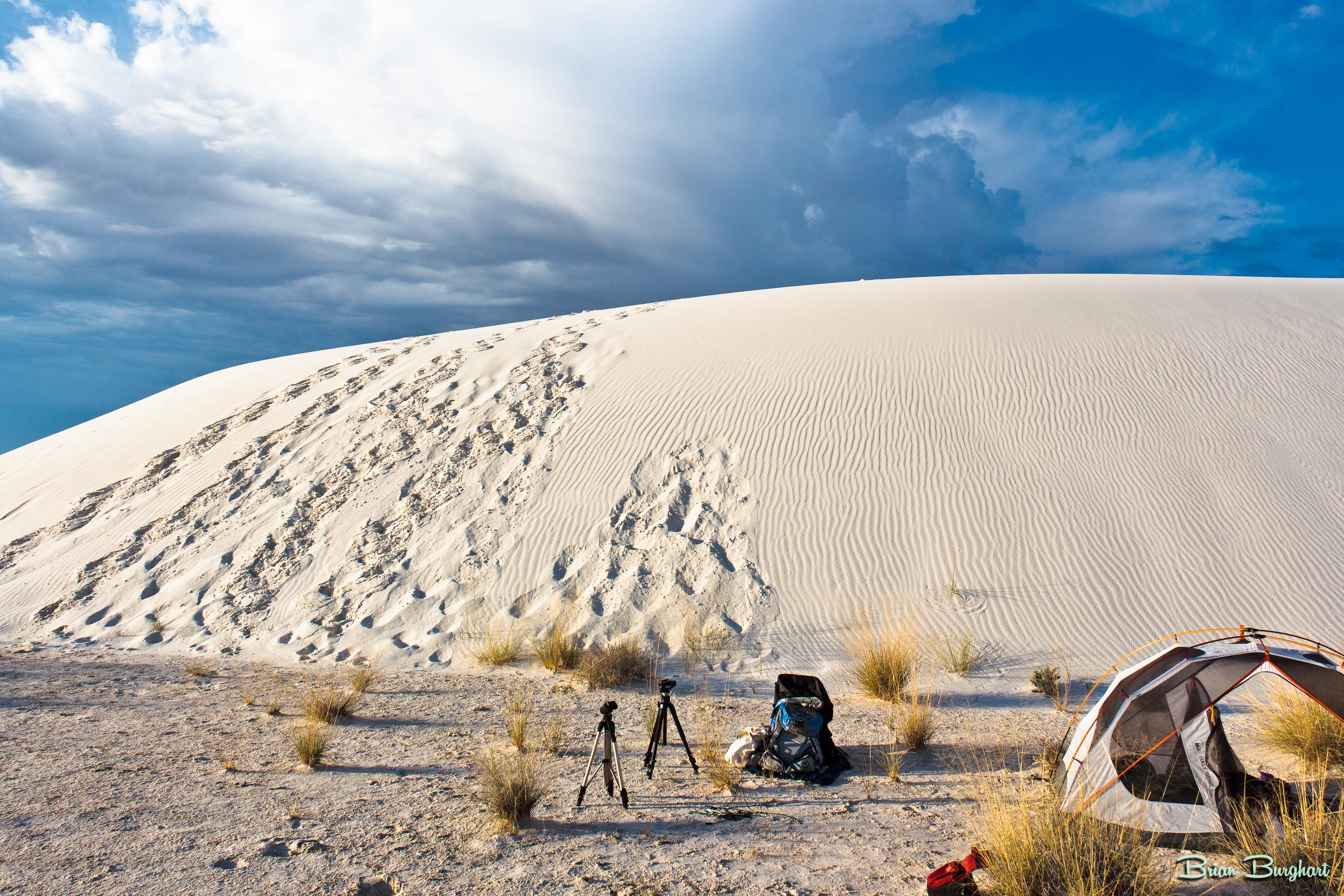
White Sands Backcountry Camping: Closed for 2026 — What to Know
As of 2026, backcountry camping at White Sands National Park is closed for site rehabilitation. What that means, and where to camp nearby instead.
Weather Guide
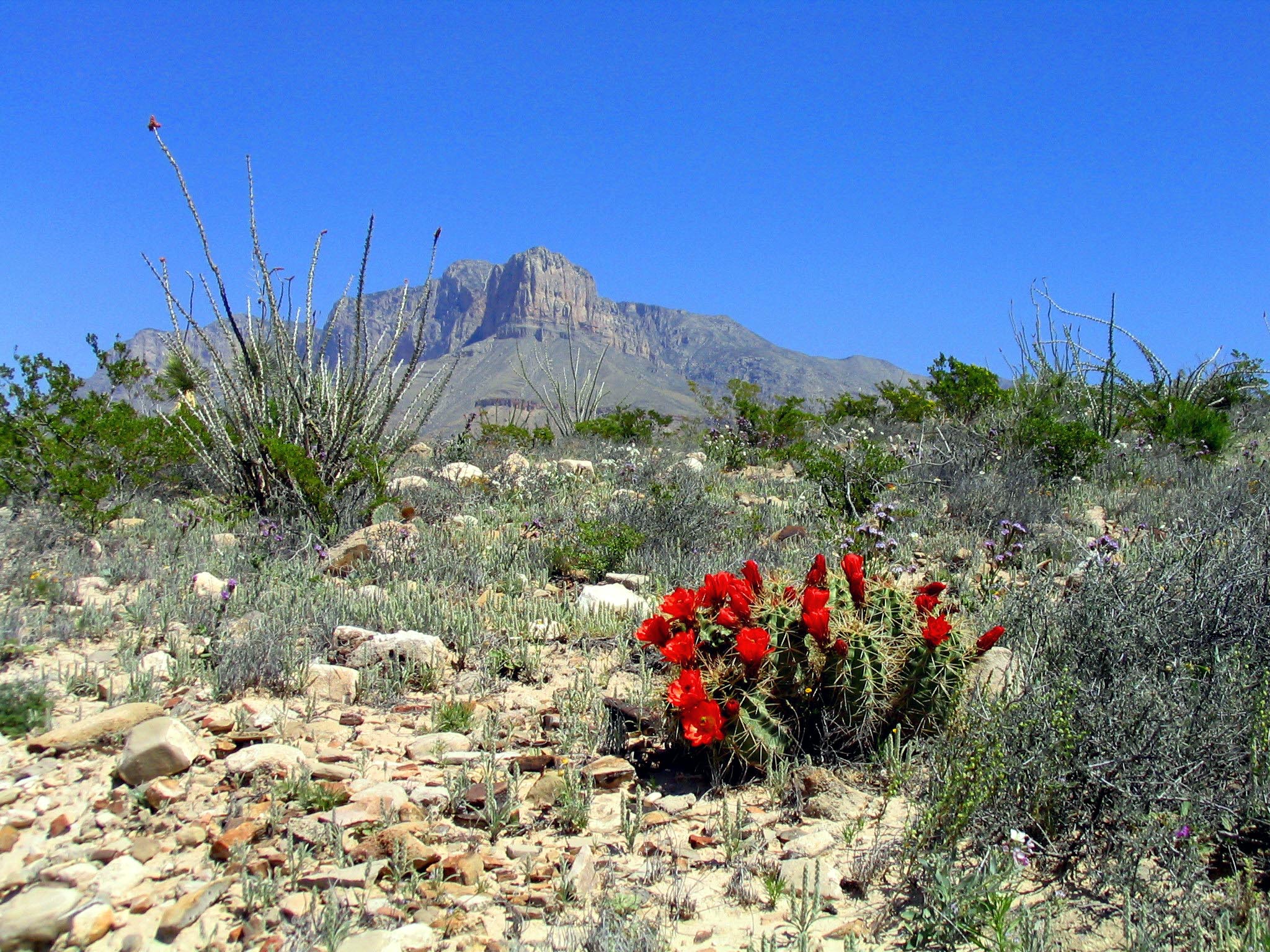
Guadalupe Mountains National Park Weather: Weather
Guadalupe Mountains National Park: weather guide guide updated 2026. Practical visitor information, reservations, and seasonal tips worth bookmarking before
Best Of
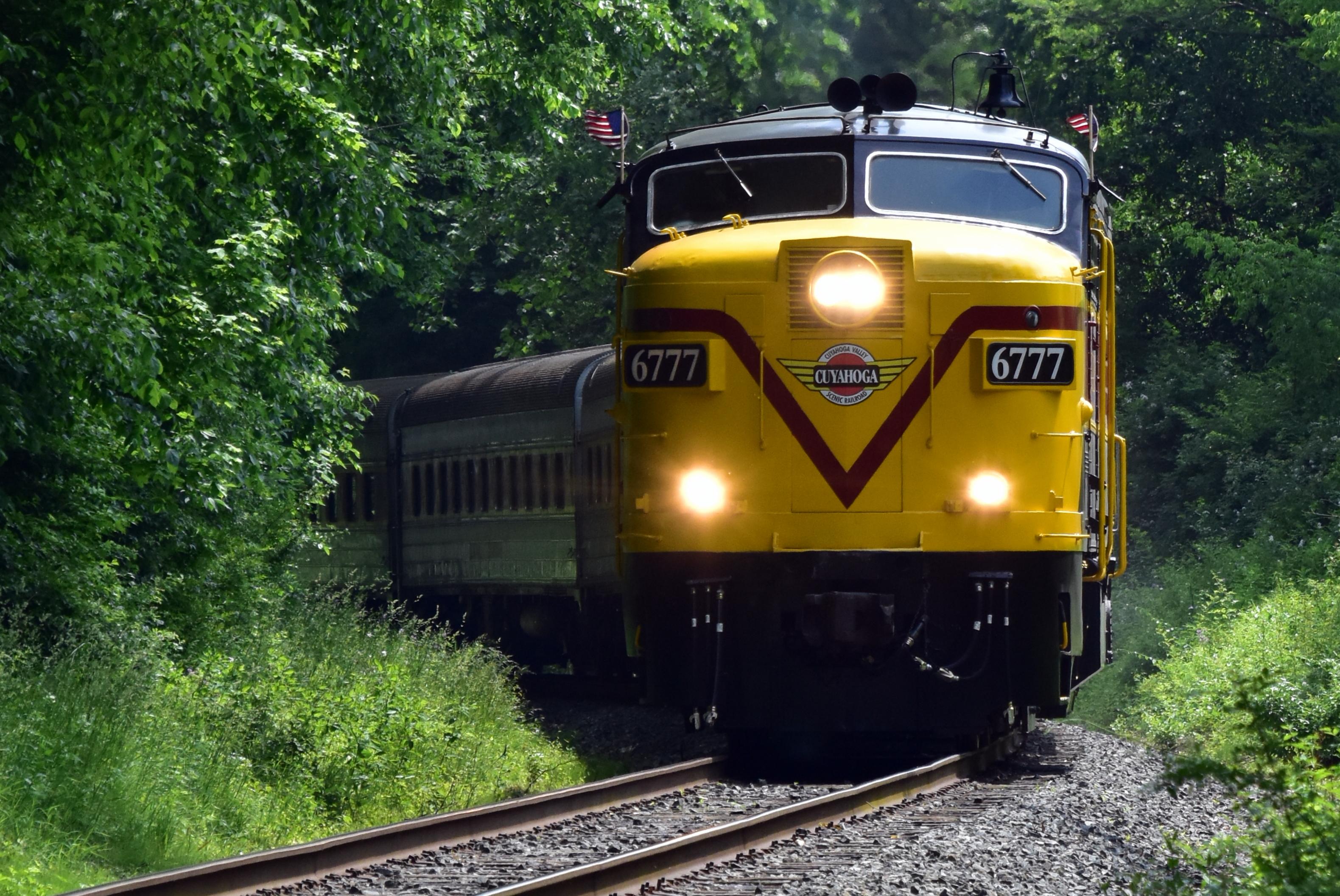
Best of Cuyahoga Valley National Park: Best Things to Do
Seeing a Cleveland Orchestra concert with the woods as your backdrop is a uniquely Cuyahoga Valley experience.
Sign in to join the conversation.
Sources & Attribution
Location data courtesy of the National Park Service (U.S. Department of the Interior). NPS data is public domain. Official NPS page.
Images: NPS; NPS; NPS; NPS; NPS.
Map data © OpenStreetMap contributors.
Park operations alerts: NPS.gov · Weather and weather hazards: National Weather Service · Live conditions.
Information may change. Always verify fees, hours, and conditions directly with the official source before visiting.
Did this guide help? Share it with a friend.