The best campgrounds near Rocky Mountain National Park require planning months in advance. This park's front-country campgrounds operate on a reservation system through Recreation.gov, and during peak season (June through September), most sites book within minutes of the reservation window opening. Walk-in sites exist at some campgrounds but are uncommon during summer months. Here is what you need to know to secure a campsite and which options suit different camping styles.
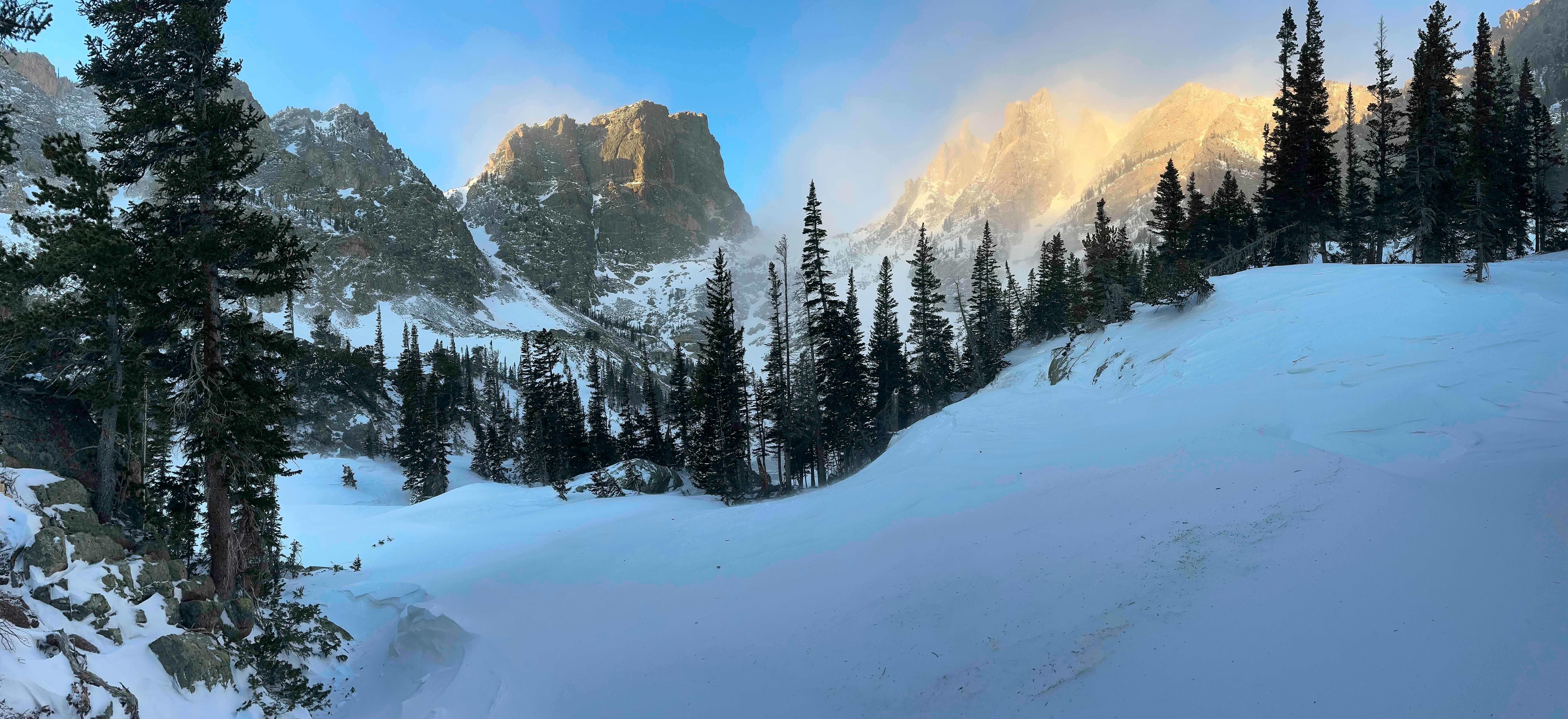
NPS via NPS.gov (Public Domain)
Rocky Mountain National Park Camping: Best Campgrounds Near
8 min read
Camping Guide
Rocky Mountain National Park camping requires reserving six months ahead, as summer sites sell out within an hour, but cancellations and shoulder seasons offer options.
Your plans
This article contains affiliate links — we may earn a small commission at no extra cost to you.
The Booking Reality
Reservations for Rocky Mountain National Park campgrounds open on a rolling window six months in advance. A typical July weekend - sites for a Saturday night in mid-July become available on a January morning. They sell out within the first hour. If you are not logged into Recreation.gov with your payment information saved before the release time, you will likely miss out.
The exception is the shoulder seasons. May and September offer more availability, though weather becomes unpredictable - snow closures on Trail Ridge Road can strand campers on one side of the park or the other. As of 2026, Trail Ridge Road is currently closed to through travel due to winter conditions at high elevations, open only to Rainbow Curve on the east side and Milner Pass on the west. Anyone camping in spring or fall should check that road status before booking.
Cancellations do open up sites, but the strategy is specific. Set alerts on Recreation.gov for your desired campground and dates. Canceled slots appear at random times, though late evening and early morning tend to see more movement. The common approach - checking the website once a day - rarely works. You need notifications enabled.

Campground at a Glance
The research data does not provide specific campground names or site counts within the park, so the following reflects general conditions based on available information. For a full list of campgrounds with exact site numbers and current fees, check the park's official website.
| Feature | Details |
|---|---|
| Total front-country campgrounds | Multiple (check NPS site for current count) |
| Reservation system | Recreation.gov, rolling 6-month window |
| Typical season | Late May through September (varies by campground) |
| Elevation range | 7,800-10,000+ feet |
| Hookups | Not available in park campgrounds |
| Dump station | Available at select locations |
| Potable water | Available at developed campgrounds seasonally |
| Generator hours | Vary by campground; typically 8 AM-8 PM |
| Maximum RV length | Varies by campground loop |
Nonresident visitors aged 16 and older should note that a $100 nonresident fee applies in addition to the standard entrance fee, unless admitted with an America the Beautiful Pass or annual pass. Factor that into your total trip cost.

What to Expect from Park Campgrounds
Setting and Terrain
Rocky Mountain National Park's elevation ranges from 7,800 feet to over 14,000 feet. Every campground sits at significant altitude. Expect cold nights even in August - temperatures at 9,000 feet can drop into the 30s after sunset. Afternoon thunderstorms are routine from June through August, typically rolling in around 1 PM and clearing by early evening.
The terrain varies from open meadows to dense pine and spruce-fir forest. Campgrounds on the east side near Estes Park tend to be more sheltered, with tree cover providing some privacy between sites. West side campgrounds near Grand Lake sit at higher elevations with more exposed sites and better views - but also stronger winds and colder overnight temperatures.
Loop by Loop Considerations
Without specific campground names in the research data, the general advice applies to most NPS-managed campgrounds in this park: loops closest to the entrance station tend to fill first but also experience more road noise and foot traffic. Interior loops offer more privacy and quieter nights. Sites on the outer edges of a loop often back up to forest, providing a sense of seclusion that interior sites lack.
Most visitors underestimate how early the sun sets behind the mountains. Sites on the western edge of a campground will lose direct sunlight an hour or more before the official sunset time. If you want evening warmth, choose a site with southern or western exposure.
Facilities Detail
Restroom quality varies by campground. Some have flush toilets and running water; others provide vault toilets only. The park website lists facility levels for each campground. Showers are not available in any park campground - the nearest public showers are in Estes Park or Grand Lake.
Potable water spigots are located throughout developed campgrounds but are turned off during winter months. In spring and fall, confirm water availability before arriving. Rangers will tell you that many first-time campers arrive to find the water spigot wrapped in insulation and locked - pack extra water as a backup.
What the Booking Site Does Not Show
Recreation.gov lists site dimensions, hookup availability, and a general photo. What it does not show:
- Noise levels. Some loops sit near main park roads. Vehicles pass throughout the day and occasionally at night. Interior loops are quieter.
- Bear activity. Bears move through campgrounds in this park. The frequency varies by year and by campground. Check the park's bear activity page before arriving and read the food storage requirements carefully.
- Generator enforcement. Generator hours are posted but enforcement varies. Quiet campgrounds with ranger presence tend to have better compliance. Campgrounds without regular patrols may have neighbors running generators past posted hours.
- Site slope. Several sites are visibly sloped. Recreation.gov does not indicate this. Read recent reviews on the site for specific feedback.

Reservation Strategy
Booking Window Timing
Reservations open at 8:00 AM Mountain Time on Recreation.gov on a rolling six-month schedule. For example, a July 15 reservation becomes available on January 15. The exact minute matters - set an alarm.
The 2026 season follows the same system. Log in to Recreation.gov and practice the booking flow before your target date. Have your vehicle information, site preferences, and payment method ready.
Cancellation Monitoring
Cancellations happen most frequently 48 to 72 hours before a reservation date, when cancellation penalties increase. Set Recreation.gov alerts for your specific campground and dates. Also check manually during off-peak hours - early morning and late evening see more cancellations as people adjust plans.
Walk-In Availability
Some campgrounds reserve a portion of sites for walk-in registration. These are first-come, first-served at the campground office. Arrive early - before 8 AM - on a weekday for the best chance. Weekend walk-in availability is nearly nonexistent during summer.
Group Site Booking
Group sites require a separate reservation process. They accommodate larger parties (typically up to 25 people) and book even faster than individual sites. Gather your group details - head count, vehicle count, equipment list - before the booking window opens. The $100 nonresident fee applies per person for non-US residents in group bookings as well.

What to Know Before You Arrive
Bear Storage Requirements
Rocky Mountain National Park requires all food, trash, and scented items to be stored in bear-proof containers or inside a hard-sided vehicle at night. The campgrounds provide bear-proof food storage lockers at each site. Use them. Do not leave food inside tents or soft-sided campers. Rangers check compliance, and fines apply.
Fire Restrictions
Fire restrictions vary by season and current conditions. Check the park's fire page before your trip. During high fire danger, campfires may be prohibited entirely. Propane fire rings are typically allowed even under burn bans, but verify this before relying on one for cooking.
Quiet Hours
Quiet hours are generally enforced from 10 PM to 6 AM. This means no loud conversations, no generators, no music. Rangers patrol campgrounds during quiet hours and will ask violators to stop. Repeated violations can result in being asked to leave.
Cell Service
Cell service drops out at most campground locations. Some high-elevation sites may have intermittent signals, but do not rely on it. Download maps, directions, and any communication needs before entering the park. The visitor centers have pay phones and can relay emergency messages.
Water
Potable water is available at developed campgrounds during the operating season. Outside of operating season, all water spigots are turned off. Stream water requires treatment - giardia is present in all park waterways. Pack a reliable water filter or purification tablets if camping in the backcountry or during shoulder seasons.
Checkout Time
Standard checkout is 11 AM. Late checkout is not available. Plan accordingly - your site may be rebooked the same day.
Practical Takeaways
- Book exactly six months in advance. Set a reminder for 8:00 AM Mountain Time on the release date. Have your Recreation.gov account logged in and payment saved before that minute.
- Campgrounds at lower elevations (7,800-9,000 feet) are warmer and more sheltered. They also have longer operating seasons. Higher elevation campgrounds offer better views but colder nights and shorter seasons.
- Trail Ridge Road closures affect access between park sides. As of 2026, the road is closed to through travel. If your campground is on one side and your hiking plan is on the other, check road status daily.
- Pack for cold nights regardless of forecast. 30°F at 9,000 feet in August is normal. Bring a sleeping bag rated at least 20°F lower than the expected low.
- Food storage rules are strict and enforced. Use the bear lockers at your site. Store everything - food, cooking gear, toiletries, trash - overnight.
- No showers in the park. Plan for sponge baths or use shower facilities in Estes Park or Grand Lake.
- Afternoon thunderstorms are daily during summer. Have a rainfly for your tent and a plan for lightning. Hiking above treeline before noon and descending by early afternoon is standard practice.
- The nonresident fee ($100) applies per person 16 and older. An America the Beautiful Pass or annual pass waives this fee. Buy one before arriving if eligible.
- Generator hours vary by campground. Some prohibit generators entirely. If quiet is a priority, check generator policies before booking.
- Reservation alerts on Recreation.gov are the best way to catch cancellations. Set them for your preferred campground and check manually during off-peak hours.
For additional planning help, the complete visitor guide covers park-wide logistics, and the lodging and accommodations page details alternatives if campgrounds are full. The hiking trails guide breaks down trail options by skill level and distance.
Recommended Gear
What experienced visitors bring to Rocky Mountain National Park Camping: Best Campgrounds Near
Links may earn us a commission at no extra cost to you. We only recommend gear we believe in.
Hiking Essentials
Hydration Pack (3L)
Hands-free water for long trail days
Trekking Poles (Pair)
Save your knees on steep descents
Hiking Boots (Ankle Support)
Sturdy footwear for rocky, uneven trails
Sun & Heat Protection
Wide-Brim Sun Hat
Full coverage UPF 50+ protection at altitude
Insulated Water Bottle (32oz)
Keeps water cold in desert heat all day
Winter Gear
Microspikes / Traction Devices
Essential for icy rim trails in winter months
Packable Down Jacket
Lightweight warmth that stuffs into a pocket
Sources
- Official source: NPS — Rocky Mountain National Park nps.gov/romo/index.htm
Photo Gallery
More to Explore
Park Guide
Acadia National Park: Carriage Roads, Cadillac Mountain & 2026 Guide
Discover carriage roads, Cadillac Mountain, and rugged Maine coast. Complete 2026 guide to Acadia National Park — trails, fees, lodging, permits, and what rangers recommend.
Hiking Guide
Grand Canyon Hiking Trails: Day Hikes, Water Sources & Rim to Rim
Compare Grand Canyon hiking trails: Bright Angel, South Kaibab, Hermit, Grandview, and rim to rim, with distances, elevation, water stops, and trailhead access for each.
Best Of
Best of Glacier Bay National Park
The best of Glacier Bay is reached by boat: ranger-led day tours up the bay to the tidewater glaciers. What's worth it, how to book, and when to go (2026).
Campsite Guide
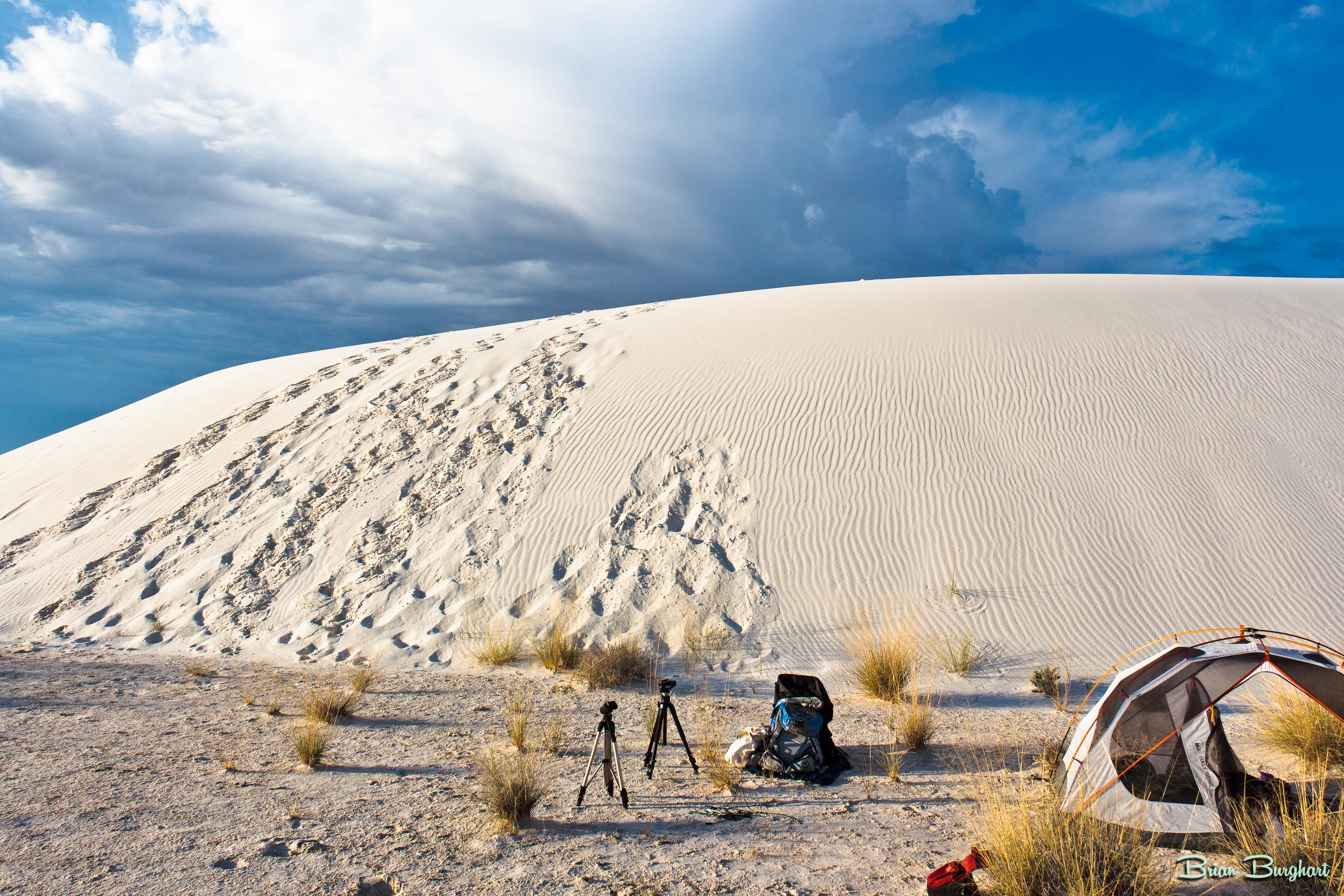
White Sands Backcountry Camping: Closed for 2026 — What to Know
As of 2026, backcountry camping at White Sands National Park is closed for site rehabilitation. What that means, and where to camp nearby instead.
Weather Guide
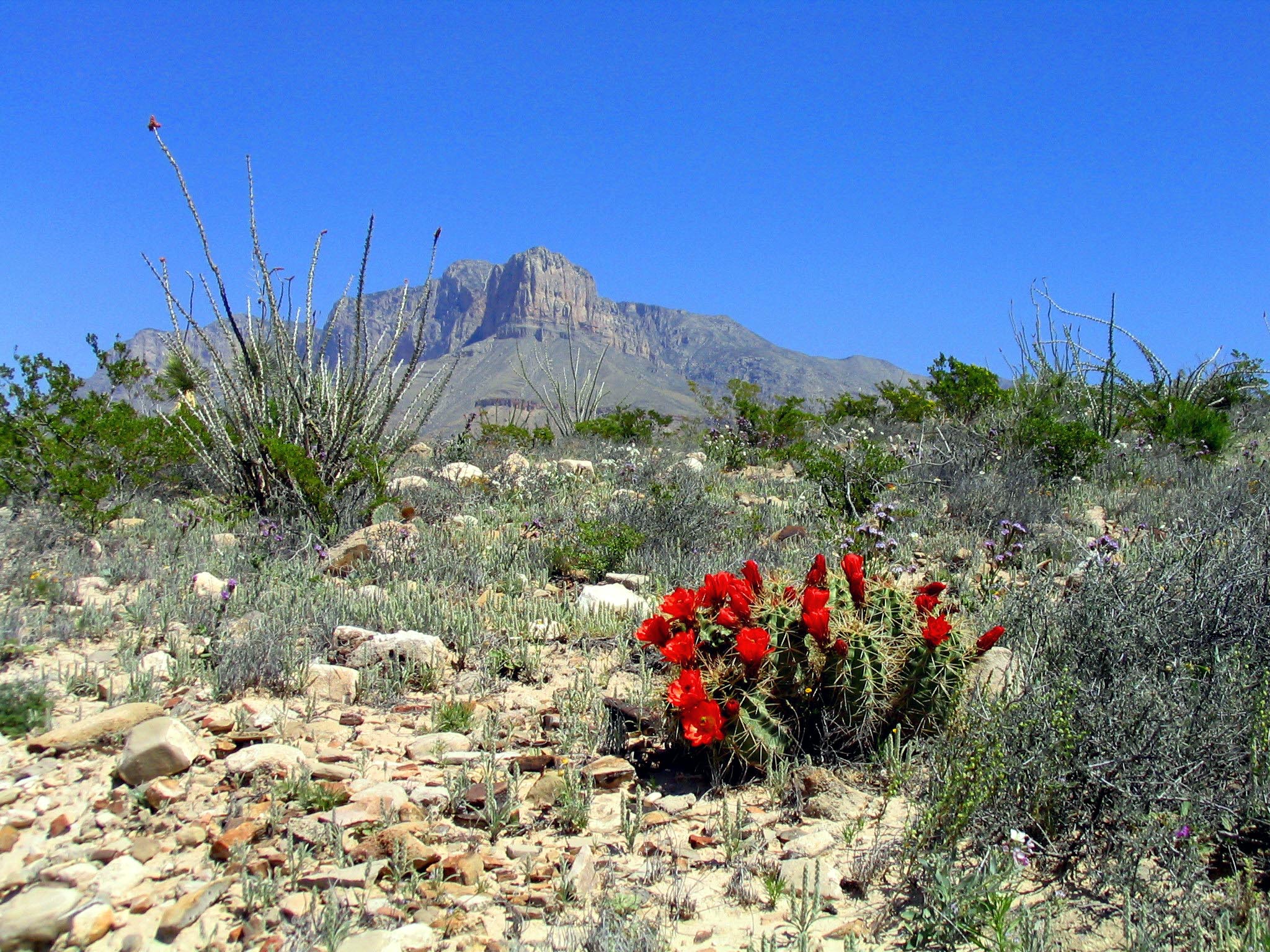
Guadalupe Mountains National Park Weather: Weather
Guadalupe Mountains National Park: weather guide guide updated 2026. Practical visitor information, reservations, and seasonal tips worth bookmarking before
Best Of
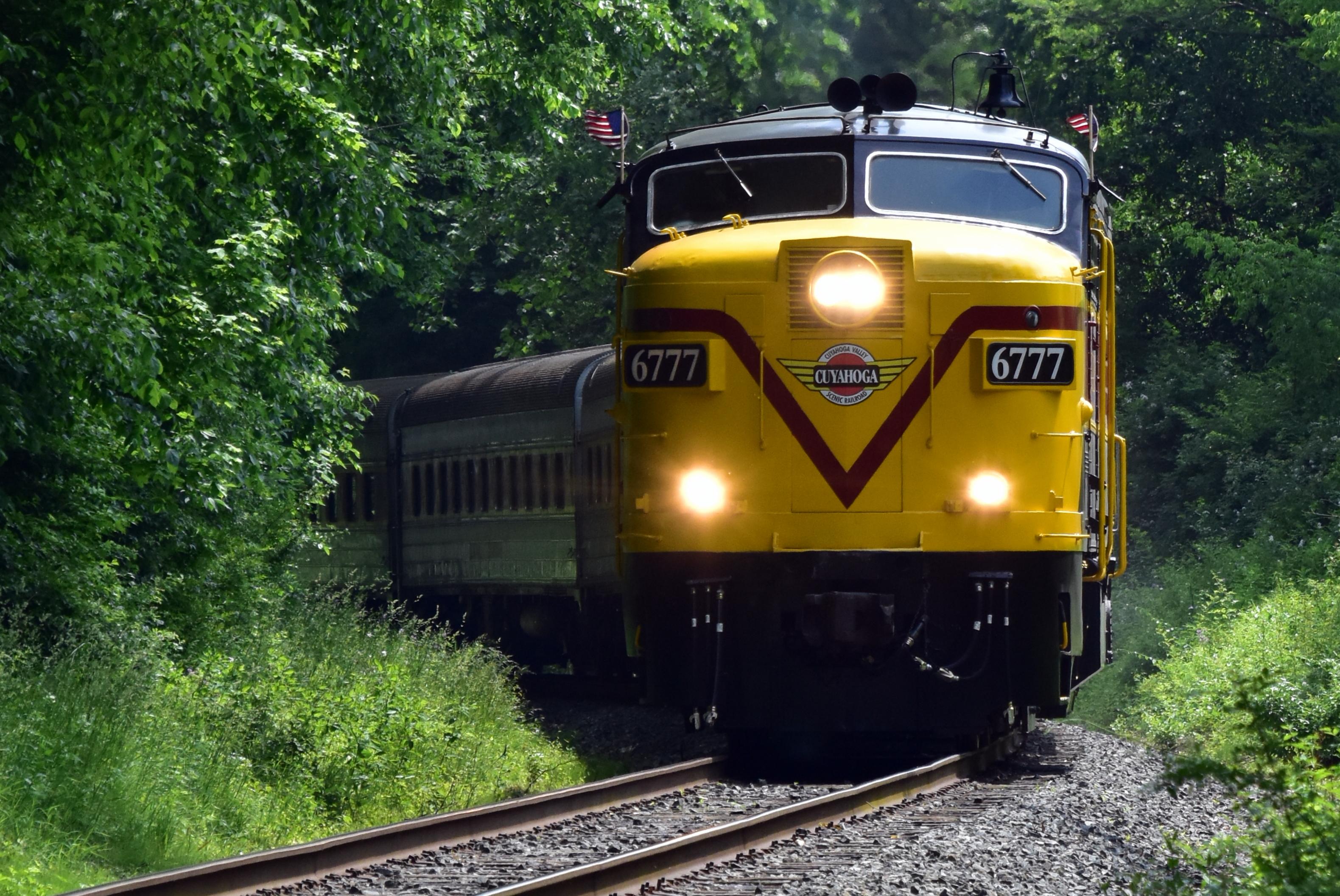
Best of Cuyahoga Valley National Park: Best Things to Do
Seeing a Cleveland Orchestra concert with the woods as your backdrop is a uniquely Cuyahoga Valley experience.
Sign in to join the conversation.
Sources & Attribution
Location data courtesy of the National Park Service (U.S. Department of the Interior). NPS data is public domain. Official NPS page.
Images: NPS; NPS; NPS; NPS; NPS.
Map data © OpenStreetMap contributors.
Park operations alerts: NPS.gov · Weather and weather hazards: National Weather Service · Live conditions.
Information may change. Always verify fees, hours, and conditions directly with the official source before visiting.
Did this guide help? Share it with a friend.