For more, see hiking trails, camping options, lodging and accommodations, best time to visit, and tours and guided experiences.
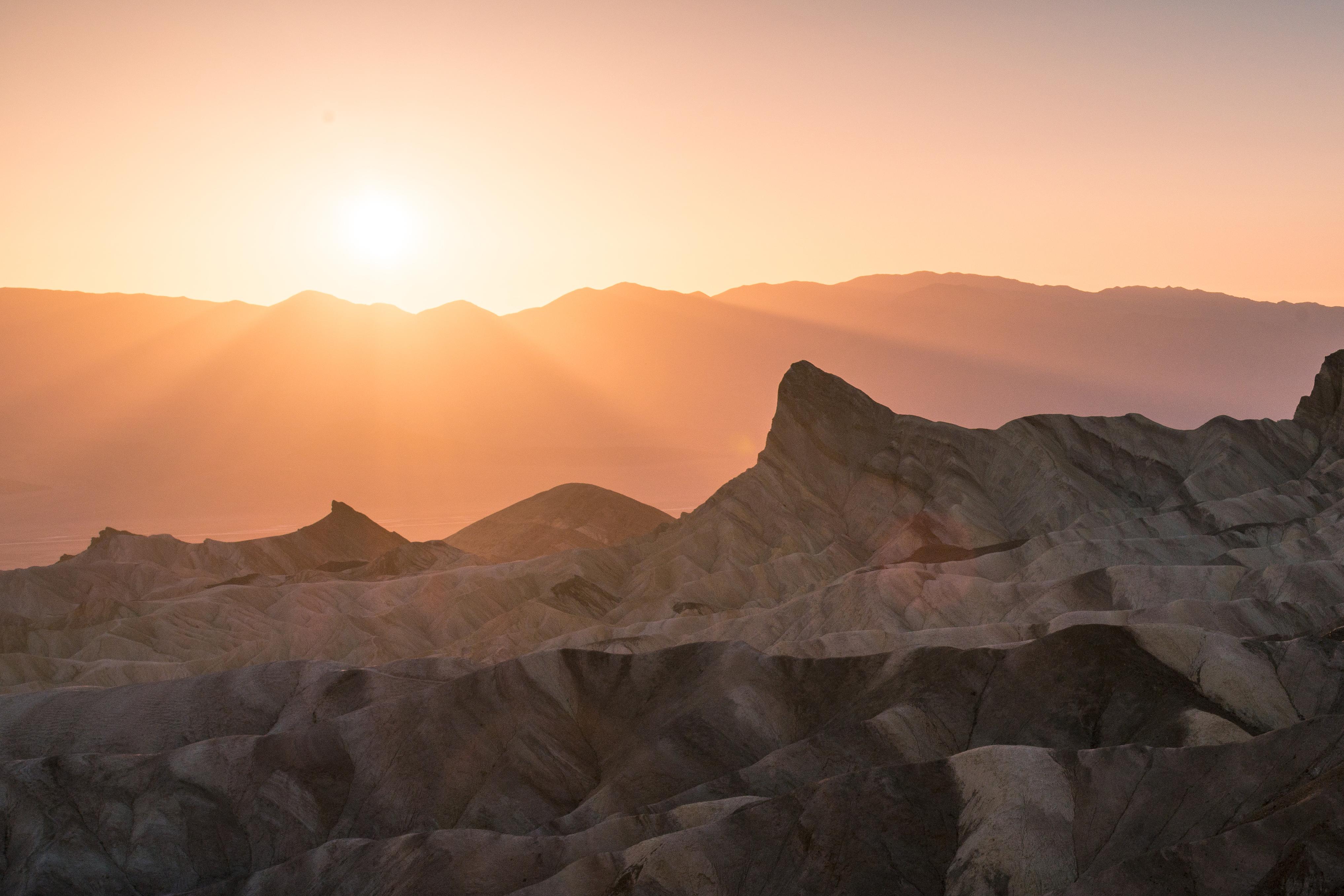
NPS via NPS.gov (Public Domain)
Death Valley National Park: Earth's Hottest Place — Complete 2026 Visitor Guide
10 min read
Park Guide
Conquer 3.4 million acres of extremes: Death Valley's 11,000-foot peaks, slot canyons, and dark skies. 2026 tips for first-timers who want more than salt flats.
Your plans
This article contains affiliate links — we may earn a small commission at no extra cost to you.
At a glance
Entrance Fee
Private vehicle $30 · Motorcycle $25 · Per person $15Full fee schedule
Hours
The park is open daily all year.
Best Time
June-September (summer), September-October (fall colors)
Address
PO Box 579, Death Valley, CA, 92328
Website
36.4875, -117.1344
Google MapsDeath Valley National Park: Earth's Hottest Place - Complete 2026 Visitor Guide
The name Death Valley scares off more visitors than any entrance fee ever could. But this 3.4-million-acre park is one of the most biologically diverse, visually complex, and genuinely surprising landscapes in the National Park System. Most first-time visitors are caught off guard by how much there actually is here - not just salt flats and heat records, but 11,000-foot mountains, slot canyons, spring wildflowers, ancient petroglyphs, and night skies so dark the Milky Way casts shadows.
This guide covers everything from when to come and what to pack to which overlooks are actually worth the detour and which ones you can skip.
The Lay of the Land
Death Valley isn't a single valley - it's a complex of basins, mountain ranges, alluvial fans, and canyons spread across eastern California, just west of the Nevada border. The park divides into a few distinct zones that shape how you experience it.
Furnace Creek Area
This is the park's hub. Furnace Creek holds the visitor center, the main museum, the Oasis resort complex, the general store, and the post office. Most first-timers base themselves here because it's central to the most famous sights: Badwater Basin, Artists Drive, Zabriskie Point, and Golden Canyon. The road network here is straightforward - paved, well-signed, and easy to navigate even in a sedan.
Stovepipe Wells Village
About 30 miles northwest of Furnace Creek, Stovepipe Wells is smaller and quieter. It has a gas station, a general store, a saloon, and a motel. This area gives you faster access to Mosaic Canyon, the Mesquite Flat Sand Dunes, and the Titus Canyon road. The parking situation here is less stressful than Furnace Creek during peak season, but the trade-off is fewer services.
Panamint Springs
On the western edge of the park, Panamint Springs is the last stop before the long climb out to Highway 395. It has a gas station (open 7 AM to 9:30 PM daily as of 2026 - the pumps are locked overnight), a small motel, and a campground. This is the jumping-off point for the Wildrose Peak and Telescope Peak trails, plus the remote western canyons.
The Remote Zones
The park's northern and southern reaches see a fraction of the visitors. The Racetrack (where rocks mysteriously move across dry lakebed) requires a high-clearance vehicle and a 27-mile washboard road. Eureka Valley and the Saline Valley hot springs are even more remote. Cell service drops out at about the same point the pavement ends - plan accordingly.

Planning Your Visit
Entrance Fees (as of 2026)
- Private vehicle: $30, valid for 7 days
- Motorcycle: $25, valid for 7 days
- Per person (walk-in/bicycle): $15, valid for 7 days
- America the Beautiful Annual Pass: $80, covers entry to all federal fee sites - worth it if you plan to visit more than two parks this year
The park is open daily, all year. There are no reservation windows for standard entry. You just show up, pay at the entrance station (or use your pass), and you're in.
When to Come
Spring (March-April) is the most popular window. Daytime temperatures sit in the 70s and 80s, and if winter rains were sufficient, wildflowers can blanket the valley floor. The catch: so does everyone else. Parking at popular trailheads fills by 9 AM. Expect lines at the Furnace Creek visitor center.
Summer (June-September) is exactly what you've heard. July average high is 117°F. The ground temperature can hit 200°F. No one hikes in the valley during midday. But summer has two advantages: crowds drop to almost nothing, and the higher elevations (like Telescope Peak at 11,049 feet) are comfortable. Rangers will tell you that if you come in summer, do all your valley-floor activities before 9 AM and after 6 PM.
Autumn (October-November) is the sweet spot many experienced visitors prefer. Temperatures are similar to spring, crowds are thinner, and the low-angle sunlight makes the canyon walls glow in ways summer light can't match.
Winter (December-February) brings cool days (60s) and cold nights (often below freezing). Snow caps the high peaks, and the valley floor can have frost. This is a fantastic time for photography and hiking - just bring layers and check road conditions before heading into the mountains.
What You Need to Know About Reservations
Most of the park requires no reservation. The exception is the Furnace Creek Campground, which accepts reservations through Recreation.gov from October through April. The other campgrounds are first-come, first-served. If you're visiting between November and March, book Furnace Creek well in advance - it fills months ahead.
Getting There & Getting Around
The nearest major airport is Las Vegas (LAS), about 120 miles east. That's a two-hour drive via Highway 160 and 190. Los Angeles is about 270 miles and four hours. Reno is about 330 miles and five hours.
Which entrance to use:
- From Las Vegas: Enter via the park's east side through Death Valley Junction. This drops you directly into Furnace Creek.
- From Los Angeles/Bakersfield: Enter via the west side through Panamint Springs. This gives you a dramatic descent into the valley.
- From Reno: Enter via the north side through Scotty's Castle Road (Highway 267).
Parking reality: The lots at Badwater Basin, Zabriskie Point, and Golden Canyon fill first - usually by 8:30 AM during spring and fall. The Artists Drive pullouts are small and can back up. Stovepipe Wells and Panamint Springs rarely have parking issues.
Cell service: Spotty at best. Verizon has coverage near Furnace Creek and Stovepipe Wells. AT&T and T-Mobile are unreliable. Download offline maps before you arrive. The park's cell towers are overloaded during peak season - don't count on making calls from the trailhead.

What to Do
Hiking
This is the primary activity for most visitors, and for good reason. The park has over 800 miles of trails ranging from flat boardwalks (Badwater Basin) to technical scrambles (Mount Whitney's eastern approach starts here). If you're looking for death valley national park hiking options, start with the hiking trails page for a full breakdown. Key trails include Golden Canyon to Zabriskie Point (3 miles round trip, moderate), Mosaic Canyon (2 miles out and back, moderate with some scrambling), and Telescope Peak (14 miles round trip, strenuous, 3,000 feet of elevation gain).
The death valley hiking trail experience varies dramatically by elevation. A 2-mile hike at sea level in July is dangerous. The same hike at 8,000 feet in October is perfect. Check conditions before you go.
Scenic Drives
- Artists Drive: 9-mile one-way loop through colorful rock formations. Narrow, no RVs or trailers. Best in late afternoon when the hills catch the light.
- Badwater Road: 17 miles south of Furnace Creek to the lowest point in North America. Paved, easy, and essential.
- Titus Canyon Road: 27-mile one-way dirt road through a narrow slot canyon. Requires high clearance. Check road conditions at the visitor center - flash floods can close it without warning.
- Emigrant Canyon Road: Paved route connecting Stovepipe Wells to Wildrose and Telescope Peak. Great for accessing higher-elevation trails.
Stargazing
Death Valley is an International Dark Sky Park. On moonless nights, the Milky Way is visible as a distinct structure, not just a faint glow. The best spots are away from Furnace Creek's lights - try the Mesquite Flat Sand Dunes or the parking lot at Badwater Basin after dark.
Wildlife Watching
Don't expect crowds of animals. The species here are adapted to extreme conditions: desert bighorn sheep, coyotes, kit foxes, roadrunners, and the endangered Devils Hole pupfish. Birdwatchers can spot over 300 species, especially during spring migration. The wildlife viewing page has more detail on where and when to look.
Junior Ranger Program
Kids ages 4-12 can pick up a free activity booklet at the visitor center. Complete the activities, attend a ranger program, and earn a badge. It's a solid way to keep younger visitors engaged during the hotter parts of the day.
Where to Stay
Inside the Park
Furnace Creek: The Oasis resort has hotel rooms and cabins (book months ahead). The Furnace Creek Campground (136 sites, reservable October-April) is the most convenient option for tent and RV campers.
Stovepipe Wells: The motel here is basic but functional. The campground (190 sites, first-come first-served) is sandy and exposed but close to the dunes.
Panamint Springs: Small motel, campground with hookups, and a few tent sites. Gas station hours are 7 AM to 9:30 PM daily - the pumps are locked overnight.
Backcountry camping: Free with a permit, available at the visitor center. Stay at least 1 mile from paved roads and 100 feet from water sources. No campfires allowed in the backcountry.
For full details on camping options and lodging and accommodations, check those dedicated guides.
Gateway Towns
- Beatty, NV: 45 minutes east of Furnace Creek. Multiple motels, casinos, and restaurants. Cheaper than inside-park options.
- Lone Pine, CA: About 2 hours west via Highway 136 and 395. Closest town to the park's western entrance. Good base for Telescope Peak and the Alabama Hills.
- Pahrump, NV: About 90 minutes southeast. Decent lodging options, but you'll drive through Death Valley Junction to reach the park.

Seasonal Guide
January-February
Cold nights (20s-30s), pleasant days (55-65°F). Lowest crowds of the year. Snow on Telescope Peak. Some higher-elevation roads may close after storms. Excellent time for photography - the low sun angle creates long shadows and dramatic contrasts. The Mesquite Flat Sand Dunes are especially photogenic this time of year.
March-April
Peak season. Days in the 70s-80s. Wildflower blooms depend on winter rain - some years are spectacular, some are barely noticeable. Parking lots fill by 8 AM. Book lodging months ahead. This is also the windiest time of year - gusts of 30-40 mph are common in the afternoon.
May
Transition month. Temperatures climb into the 90s and occasionally hit 100°F by late May. Crowds thin after the spring break window closes. Good time to visit if you want decent weather without the March-April crowds.
June-August
Extreme heat. Average July high is 117°F at Furnace Creek. Most valley-floor hiking ends by 9 AM. The only sane activities are high-elevation hikes (Telescope Peak, Wildrose Peak) and short early-morning visits to viewpoints. The park is nearly empty. Gas stations remain open 24 hours at Furnace Creek and Stovepipe Wells, but the Panamint Springs pumps close at 9:30 PM.
September-October
Autumn arrives late. September can still hit 110°F. October brings days in the 80s. Crowds are moderate. This is the best time for hiking the higher trails without June's heat. The best time to visit for most people is either March-April or October-November.
November-December
Cool and quiet. Days in the 60s, nights near freezing. Some services reduce hours. The park empties out after Thanksgiving. Winter solstice brings the shortest days, but the low sun makes for exceptional photography.
Practical Takeaways
- Bring way more water than you think you need. The standard recommendation is 1 gallon per person per day in summer, half that in spring and fall. If you run out, the Furnace Creek general store sells it - but at $4 a bottle.
- Start early and stop early. Most first-time visitors underestimate how long it takes to drive between sights. Furnace Creek to Badwater Basin is 17 miles. Furnace Creek to the Racetrack is 80 miles, 27 of them on washboard dirt. Plan your day around one zone, not three.
- The park website doesn't mention that cell service drops out completely on most dirt roads and many paved ones. Download offline maps for navigation. Carry a paper map as backup - the visitor center sells them for $1.
- Gas is available 24 hours at Furnace Creek and Stovepipe Wells. Panamint Springs gas pumps are locked from 9:30 PM to 7 AM daily. Don't arrive after dark expecting to fill up there.
- Badwater Basin is worth the drive, but the actual lowest point changes every year. The salt pan shifts with rain events. The sign marks the general area, not a fixed spot.
- The Zabriskie Point sunrise is famous for a reason. Get there 30 minutes before sunrise to claim a spot. The parking lot fills fast, and the overlook gets crowded even on weekdays.
- Most visitors underestimate how cold it gets at night, even in spring. Furnace Creek can drop 40-50 degrees after sunset. Pack a jacket and long pants for evening stargazing year-round.
- The Titus Canyon road requires high clearance and a vehicle in good condition. Rental car companies often prohibit driving on it. If you do take it, start early - the drive takes 2-3 hours one-way, and afternoon heat can make the return unpleasant.
- Rangers will tell you that the most dangerous thing in Death Valley isn't the heat - it's driving after dark. Wildlife (especially coyotes and bighorn sheep) cross roads at night, and the unlit highways have no shoulders. Drive slowly after sunset.
- If you're visiting in summer, the only reasonable approach is to be active before 9 AM and after 6 PM. Use midday for driving between zones, eating, napping in air conditioning, or visiting the visitor center museum. Do not attempt a midday hike in July. It's not brave - it's dangerous.

Final Thoughts
Death Valley is not a park for casual drive-through tourism. It asks for planning, respect for its conditions, and a willingness to adapt to its rhythms. The reward is a landscape that genuinely feels like nowhere else on Earth - salt flats that stretch to the horizon, sand dunes that shift with every wind, canyons that hold the colors of sunset at noon, and night skies that remind you what darkness actually is.
This park is for people who want to earn their views. The death valley hiking guide and the tours and guided experiences page can fill in the specifics, but the core truth is simple: come prepared, stay humble, and let the valley show you what it has. It will, if you give it time.
For more information, see our complete National Park Guide.
Related: death valley national park hiking guide
Related: death valley hiking guide
Recommended Gear
What experienced visitors bring to Death Valley National Park: Earth's Hottest Place — Complete 2026 Visitor Guide
Links may earn us a commission at no extra cost to you. We only recommend gear we believe in.
Hiking Essentials
Hydration Pack (3L)
Hands-free water for long trail days
Trekking Poles (Pair)
Save your knees on steep descents
Hiking Boots (Ankle Support)
Sturdy footwear for rocky, uneven trails
Sun & Heat Protection
Wide-Brim Sun Hat
Full coverage UPF 50+ protection at altitude
Insulated Water Bottle (32oz)
Keeps water cold in desert heat all day
Winter Gear
Microspikes / Traction Devices
Essential for icy rim trails in winter months
Packable Down Jacket
Lightweight warmth that stuffs into a pocket
Sources
- Official source: NPS — Death Valley National Park nps.gov/deva/index.htm
Explore More National Parks

Sequoia National Park: Home of the World's Largest Trees — 2026 Guide
Sequoia National Park protects General Sherman, the largest living thing on Earth. 2026 tips for vis...

Kings Canyon National Park: Complete Guide (2026)
Discover giant forests and deep granite canyons. Complete 2026 guide to Kings Canyon National Park —...

Yosemite National Park: Waterfalls, Half Dome & Complete 2026 Guide
Discover towering waterfalls and granite valley walls. Complete 2026 guide to Yosemite National Park...

Joshua Tree National Park: Desert Boulders & Starry Skies — 2026 Guide
Discover desert boulders, Joshua trees, and star-filled skies. Complete 2026 guide to Joshua Tree Na...
Photo Gallery
More to Explore
Park Guide
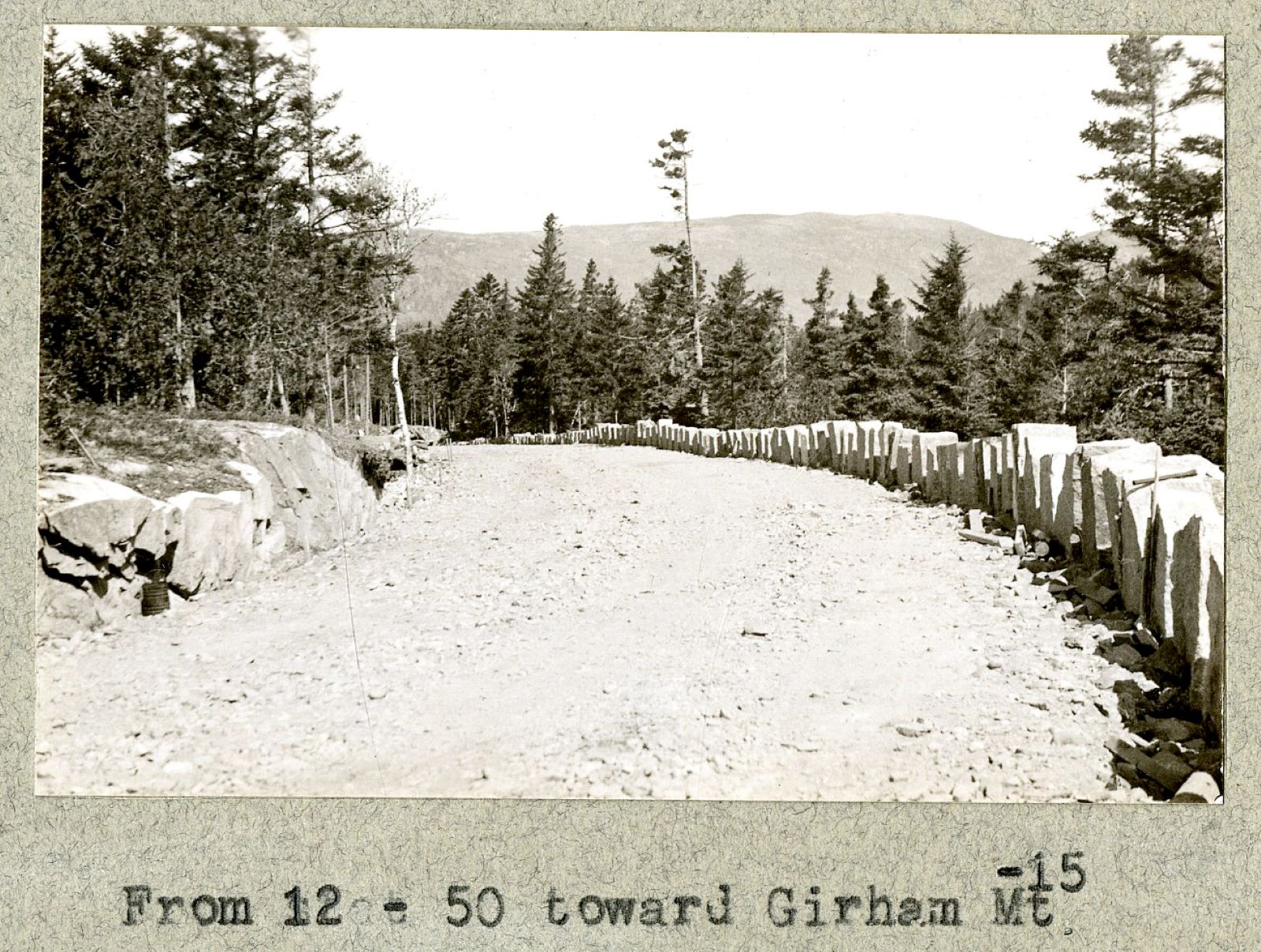
Acadia National Park: Carriage Roads, Cadillac Mountain & 2026 Guide
Discover carriage roads, Cadillac Mountain, and rugged Maine coast. Complete 2026 guide to Acadia National Park — trails, fees, lodging, permits, and what rangers recommend.
Hiking Guide
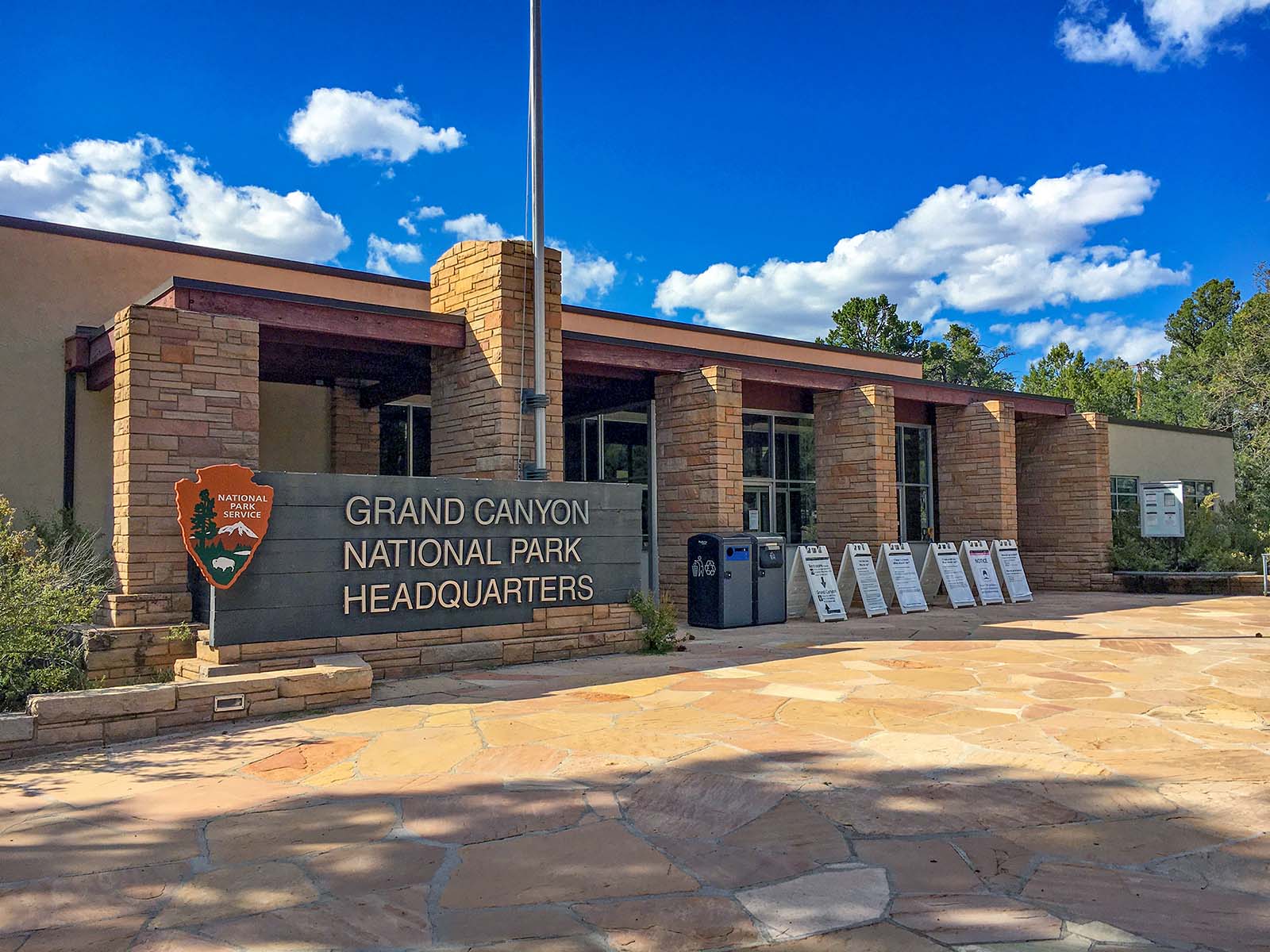
Grand Canyon Hiking Trails: Day Hikes, Water Sources & Rim to Rim
Compare Grand Canyon hiking trails: Bright Angel, South Kaibab, Hermit, Grandview, and rim to rim, with distances, elevation, water stops, and trailhead access for each.
Best Of
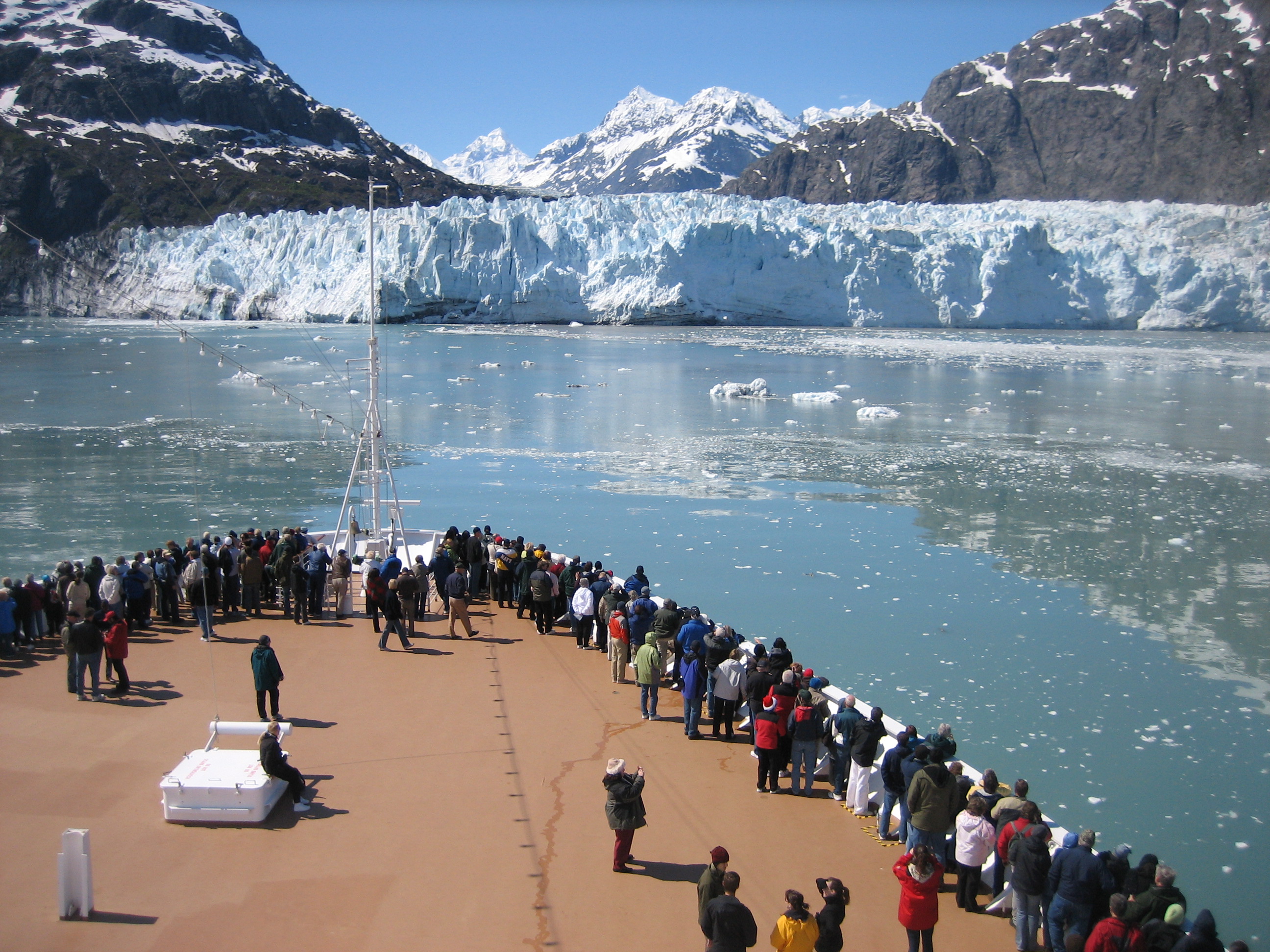
Best of Glacier Bay National Park
The best of Glacier Bay is reached by boat: ranger-led day tours up the bay to the tidewater glaciers. What's worth it, how to book, and when to go (2026).
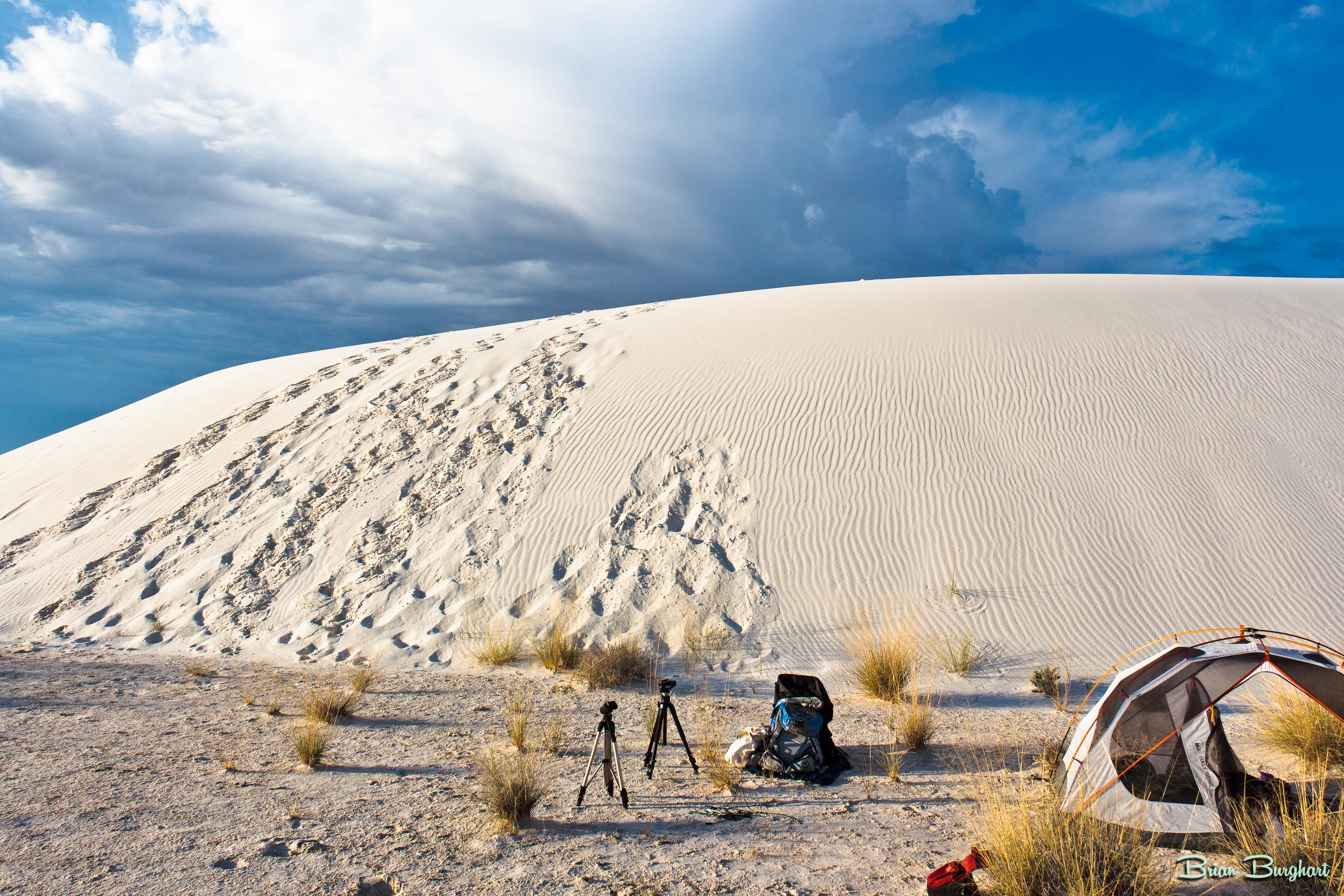
Campsite Guide
White Sands Backcountry Camping: Closed for 2026 — What to Know
As of 2026, backcountry camping at White Sands National Park is closed for site rehabilitation. What that means, and where to camp nearby instead.
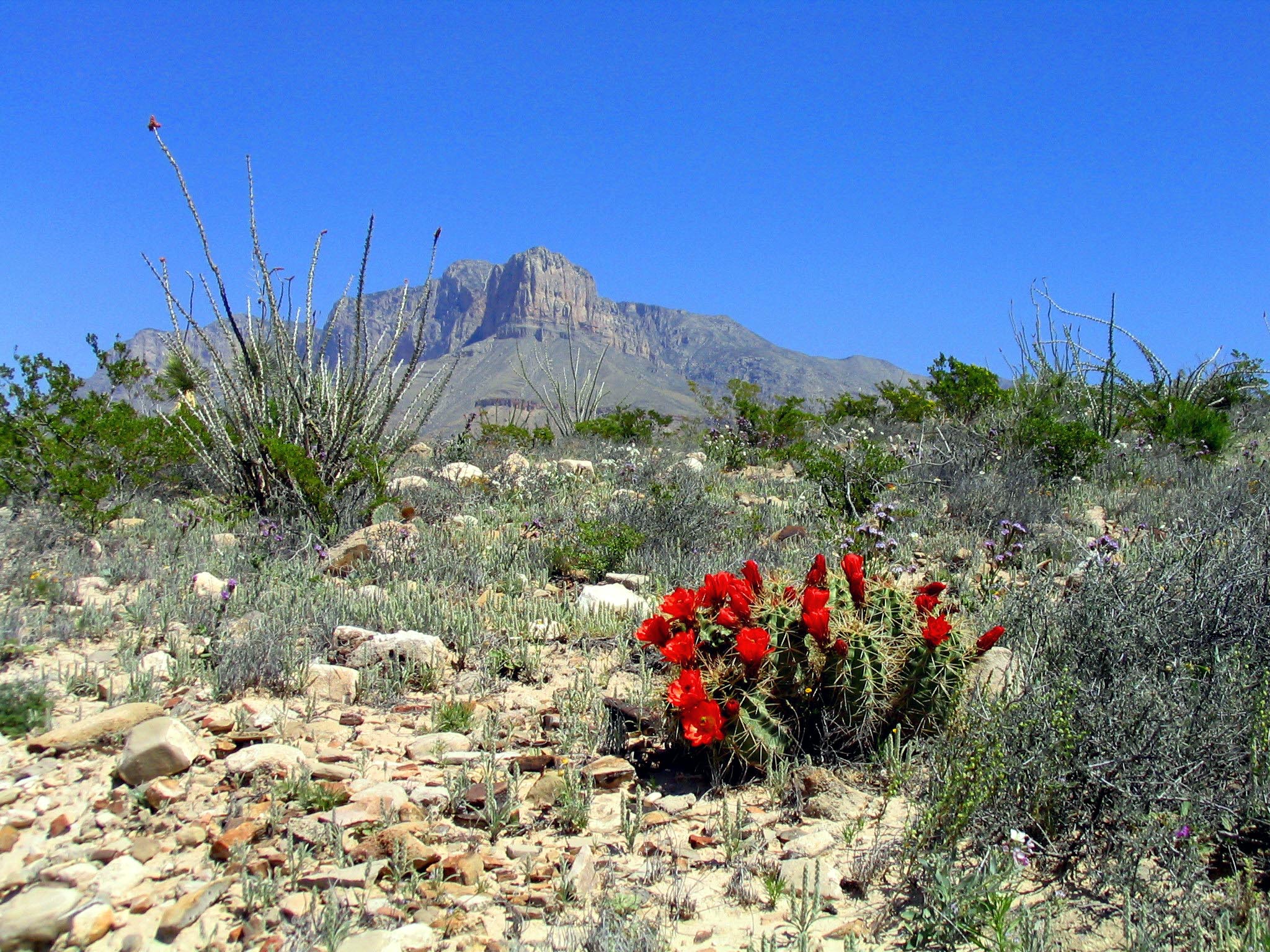
Weather Guide
Guadalupe Mountains National Park Weather: Weather
Guadalupe Mountains National Park: weather guide guide updated 2026. Practical visitor information, reservations, and seasonal tips worth bookmarking before
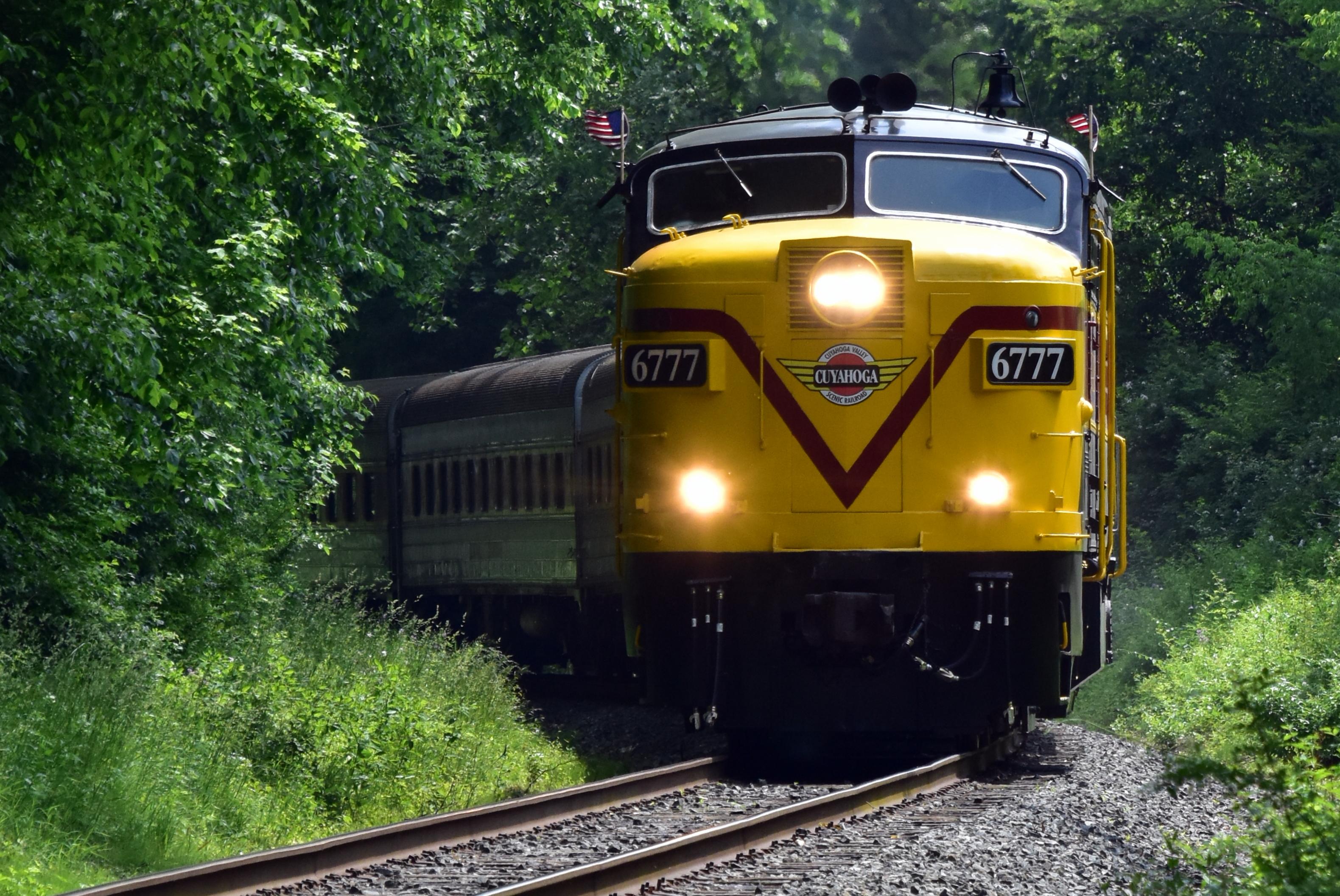
Best Of
Best of Cuyahoga Valley National Park: Best Things to Do
Seeing a Cleveland Orchestra concert with the woods as your backdrop is a uniquely Cuyahoga Valley experience.
Sign in to join the conversation.
Sources & Attribution
Location data courtesy of the National Park Service (U.S. Department of the Interior). NPS data is public domain. Official NPS page.
Images: NPS; NPS; NPS; NPS; NPS.
Map data © OpenStreetMap contributors.
Park operations alerts: NPS.gov · Weather and weather hazards: National Weather Service · Live conditions.
Information may change. Always verify fees, hours, and conditions directly with the official source before visiting.
Did this guide help? Share it with a friend.