For more, see hiking trails, camping options, lodging and accommodations, best time to visit, and tours and guided experiences.
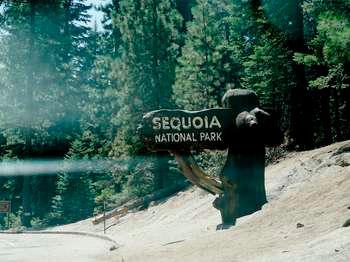
NPS via NPS.gov (Public Domain)
Sequoia National Park: Home of the World's Largest Trees — 2026 Guide
9 min read
Park Guide
Sequoia National Park protects General Sherman, the largest living thing on Earth. 2026 tips for visiting — when snow closes roads and how to see the giants.
Your plans
This article contains affiliate links — we may earn a small commission at no extra cost to you.
36.4864, -118.5658
Google MapsIntroduction
Giant sequoias grow only on the western slope of California's Sierra Nevada between 5,000 and 7,000 feet elevation because of a precise mix of winter snowpack, summer fog, and soil chemistry found nowhere else. Sequoia National Park holds the largest concentration of these trees, including General Sherman, the largest living thing by volume on Earth.
Sequoia operates differently than most national parks. High elevation, snow half the year, and limited road access funnel visitors through a single main corridor. Most people underestimate the driving: 45 minutes from the entrance gate to Giant Forest, another 30 minutes to the end of the paved road at Mineral King.
The counterintuitive truth about this park: the famous sequoia groves are only part of the story. The park also contains Mount Whitney's western flank, marble caves you can tour, and some of the most strenuous hiking in California. Many first-time visitors spend all their time at General Sherman and miss everything else.
The Lay of the Land
Sequoia National Park divides into three main zones, and understanding how they connect (and don't) shapes every decision you make.
The Foothills
The Ash Mountain entrance near Three Rivers sits at 1,700 feet elevation. This is where you pay entry fees, get your bearings, and start the winding 16-mile climb up Generals Highway into the park proper. The Foothills Visitor Center here is worth a stop - rangers will tell you current road conditions and snow levels, which change fast in spring and fall.
Giant Forest and Lodgepole
The park's main destination zone sits between 6,000 and 7,000 feet. This is where you'll find General Sherman, the Congress Trail, the Big Trees Trail, and most of the accessible sequoia groves. The Lodgepole Village area has the largest visitor center, a market, and the only gas station inside the park. Parking lots here fill by 9 AM from June through September.
Mineral King and Cedar Grove
Mineral King Road branches off the main highway and descends into a separate valley with its own entrance station. This area has fewer visitors, more challenging trails, and closes entirely in winter. Cedar Grove in Kings Canyon National Park is accessible via the same Generals Highway from the north - the two parks share a contiguous boundary and one entrance fee.
Planning Your Visit
Entrance Fees and Passes
entrance fee is $30 per private vehicle, valid for seven days and covering both Sequoia and Kings Canyon. Motorcycles pay $30, individuals on foot or bicycle pay $20. The America the Beautiful annual pass ($80) covers entry for the pass holder and up to three additional adults - if you plan to visit more than two national parks in a year, buy the pass.
Reservation Requirements
No timed-entry reservations are required for Sequoia National Park as of 2026. You drive up, pay the fee, and enter. This may change during peak periods, so check the official website before your trip.
When to Visit
The best time to visit depends entirely on what you want to do. July through September offers full access to all roads, trails, and facilities with temperatures in the 70s and 80s at mid-elevations. June and October are shoulder months - some trails may still have snow in June, and October brings crisp air and fewer people. November through May means snow at the higher elevations, tire chain requirements, and limited access to Mineral King and Cedar Grove.
Getting There & Getting Around
Driving Directions
From Los Angeles, take Interstate 5 north to Highway 99, then Highway 198 east through Three Rivers to the Ash Mountain entrance. The drive runs about 4.5 hours. From San Francisco, take Highway 99 south to Highway 198 east - roughly 5 hours depending on traffic. The nearest major airport is Fresno Yosemite International (FAT), about 90 minutes from the park entrance.
Which Entrance to Use
The Ash Mountain entrance on Highway 198 is the main access point for Sequoia. The Big Stump entrance on Highway 180 accesses Kings Canyon first, then connects to Sequoia via Generals Highway - useful if you're coming from the north or staying in Fresno.
Parking Reality
The parking situation here is genuinely difficult in summer. The main lot at the General Sherman Tree fills by 8:30 AM in July and August. The Wolverton lot, which serves several trailheads, fills by 9 AM. After that, you park along the road shoulder or wait for someone to leave. Rangers recommend arriving before 8 AM or after 2 PM during peak season.
Shuttle System
The park operates a free shuttle from late May through early September that runs between the Giant Forest Museum, General Sherman, Moro Rock, and Lodgepole. This shuttle is your best option once parking lots fill - park at the museum lot and ride the shuttle to trailheads. Cell service drops out at the shuttle stops, so download the schedule beforehand.
What to Do
See the Giant Sequoias
This is the main event, and it's worth the drive. The General Sherman Tree stands 275 feet tall with a circumference of 103 feet - you can see it from a paved, wheelchair-accessible loop. The Congress Trail is a 2-mile paved loop through the heart of the Grove of the Giants, passing dozens of named trees including the President and the Chief. The trail narrows here in sections, but it's one of the most accessible big-tree walks in the park.
For a less crowded experience, hike to Muir Grove or the Garfield Grove. These require more effort but offer solitude. Rangers will tell you that Muir Grove sees maybe 5% of the visitors that Congress Trail gets.
Hike the Trails
The hiking trails at Sequoia National Park range from flat paved loops to 14-mile backcountry routes. The best introductory hike is the Big Trees Trail, a 0.6-mile loop on a boardwalk around a meadow with interpretive signs. For something more challenging, the Lakes Trail climbs 2,000 feet over 6 miles to reach Pear Lake through a spectacular granite basin.
For dedicated hiking information including difficulty ratings, trailhead directions, and seasonal conditions, check our full guide to hiking trails at the park.
Climb Moro Rock
The 350-step staircase to the top of Moro Rock gains 300 feet in a quarter-mile. From this overlook you can see the Great Western Divide stretching south and the Kaweah River valley below. Early morning is your best bet for clear views before afternoon haze sets in. The climb is steep but short - most people complete it in 20-30 minutes.
Tour Crystal Cave
The park's marble solution cave requires a separate ticket ($16 for adults as of 2026) and is only open from mid-May through September. The 45-minute ranger-led tour takes you through chambers with formations dating back millions of years. Tickets sell out weeks in advance - buy them online before your trip.
For tours and guided experiences including cave tours and ranger programs, check our dedicated guide.
Wildlife Watching
Black bears are common throughout the park, especially in the foothills and around developed areas. You'll also see mule deer, gray squirrels, and Steller's jays at every picnic area. Marmots whistle from rock piles at higher elevations. For dedicated wildlife viewing information including the best times and locations, check our upcoming guide.
Where to Stay
Inside the Park
Lodging inside Sequoia is limited and books up fast. The Wuksachi Lodge sits at 7,200 feet near the Giant Forest and offers the only full-service hotel rooms inside the park. Rates run $200-350 per night in summer. Reserve six months ahead if you want a room.
For lodging and accommodations including room types, rates, and booking tips, check our dedicated lodging guide.
Camping
The park operates four main campgrounds: Lodgepole (most popular, 214 sites), Dorst Creek (largest, 218 sites), Potwisha (foothills, 40 sites), and South Fork (primitive, 10 sites). All require reservations through Recreation.gov from May through September. Walk-up sites are available in the off-season only.
For complete information on sites, amenities, and reservation strategies, check our guide to camping options.
Gateway Towns
Three Rivers sits at the park entrance on Highway 198 and offers the widest range of lodging near Sequoia National Park - motels, vacation rentals, and a few bed-and-breakfasts. Visalia, 45 minutes west, has chain hotels and more dining options. If you're looking for a Sequoia National Park hotel nearby, Three Rivers is your best bet for proximity.
For where to stay in Sequoia National Park including gateway town recommendations and booking advice, check our full lodging guide.
Seasonal Guide
Summer (June-August)
Full access to everything. Temperatures at Lodgepole run 70-85°F during the day, dropping to 40-55°F at night. Crowds are heavy - expect lines at the entrance station by 9 AM. All campgrounds and facilities are open. Pack extra water for this stretch - the dry air and elevation will dehydrate you faster than you expect.
Fall (September-October)
The best time for hiking. Crowds thin after Labor Day, temperatures stay pleasant in the 60s and 70s, and the aspens turn gold in the high country. Mineral King Road remains open through October. The main drawback: shorter daylight hours and the possibility of early snow in late October.
Winter (November-March)
Sequoia is a winter park, but you need to be prepared. The Giant Forest gets 10-15 feet of snow. Cross-country skiing and snowshoeing are popular on the Congress Trail and the Alta Peak Trail. Tire chains are required from November through April - the park will turn you away if you don't have them. The General Sherman Tree is accessible year-round, but parking is limited to the Wolverton lot.
Spring (April-May)
The transition season brings muddy trails, road closures, and unpredictable weather. The Generals Highway typically opens fully by late April, but Mineral King Road may not open until June. Wildflowers peak in the foothills in April and at higher elevations in May. Fewer visitors, but also fewer services.
Practical Takeaways
- Arrive before 8 AM from June through September. The parking lots at General Sherman fill by 8:30, and the entrance station wait times hit 45 minutes by 10 AM.
- Fill your gas tank before entering the park. The only gas station inside is at Lodgepole, and it closes early in the off-season. Three Rivers has the last reliable gas before the entrance.
- Download offline maps before you arrive. Cell service drops out at the Ash Mountain entrance and doesn't return until you leave. Google Maps offline and the NPS app work fine if you download them on Wi-Fi first.
- Bring tire chains from November through April, even if you have four-wheel drive. California law requires chains in your vehicle when chain controls are posted, regardless of your vehicle type. The park store sells them at a markup.
- Elevation affects everyone. The Giant Forest sits at 7,000 feet. If you're coming from sea level, spend your first night at lower elevation or at least drink extra water and avoid alcohol. Altitude sickness hits about 20% of visitors who drive up from the Central Valley.
- The shorter hikes are worth doing. The Congress Trail and Big Trees Trail take under an hour and show you more sequoias than the General Sherman Tree alone. Many visitors drive six hours, see one tree, and leave.
- Bring cash. Some parking lots and the cave tour ticket booth have spotty card service. The market at Lodgepole takes cards, but the gift shop's terminal goes down frequently.
- Reserve lodge rooms six months ahead and campgrounds as soon as they open on Recreation.gov. Wuksachi Lodge sells out for summer weekends within hours of the booking window opening.
- The best views aren't from the main overlook. Moro Rock is famous for a reason, but the view from Beetle Rock or the Crescent Meadow overlook gives you the same panorama with a fraction of the crowd.
- Pack layers for every season. A summer day can start at 45°F and hit 85°F by noon. The temperature drops 15-20 degrees once the sun goes behind the canyon walls.
Final Thoughts
Sequoia National Park rewards visitors who plan ahead and accept its limitations. The park is not convenient - it requires driving winding mountain roads, dealing with limited parking, and adapting to high elevation. But the giant sequoias have stood here for over 2,000 years, and they don't care about your schedule.
This is a park for people who are willing to slow down. The best experiences here don't come from rushing between viewpoints - they come from sitting on the Congress Trail at 7 AM before the crowds arrive, watching sunlight filter through 300-foot canopies, and understanding why these trees grow nowhere else on Earth.
If you bring patience, proper gear, and realistic expectations, Sequoia gives back something that stays with you longer than any photograph. The trees have a way of making your problems feel smaller. That's not marketing copy - it's what every ranger at the visitor center will tell you.
For more information, see our complete Sequoia National Park Guide.
Recommended Gear
What experienced visitors bring to Sequoia National Park: Home of the World's Largest Trees — 2026 Guide
Links may earn us a commission at no extra cost to you. We only recommend gear we believe in.
Hiking Essentials
Hydration Pack (3L)
Hands-free water for long trail days
Trekking Poles (Pair)
Save your knees on steep descents
Hiking Boots (Ankle Support)
Sturdy footwear for rocky, uneven trails
Sun & Heat Protection
Wide-Brim Sun Hat
Full coverage UPF 50+ protection at altitude
Insulated Water Bottle (32oz)
Keeps water cold in desert heat all day
Electrolyte Mix Packets
Replace what water alone cannot during intense heat
Winter Gear
Microspikes / Traction Devices
Essential for icy rim trails in winter months
Packable Down Jacket
Lightweight warmth that stuffs into a pocket
Sources
- Official source: NPS — Sequoia National Park nps.gov/sequ/index.htm
Explore More National Parks

Kings Canyon National Park: Complete Guide (2026)
Discover giant forests and deep granite canyons. Complete 2026 guide to Kings Canyon National Park —...

Death Valley National Park: Earth's Hottest Place — Complete 2026 Visitor Guide
Conquer 3.4 million acres of extremes: Death Valley's 11,000-foot peaks, slot canyons, and dark skie...

Yosemite National Park: Waterfalls, Half Dome & Complete 2026 Guide
Discover towering waterfalls and granite valley walls. Complete 2026 guide to Yosemite National Park...

Pinnacles National Park: Condors, Caves & Volcanic Spires - 2026 Guide
Discover California condors, talus caves, and volcanic spire formations. Complete 2026 guide to Pinn...
More to Explore
Park Guide
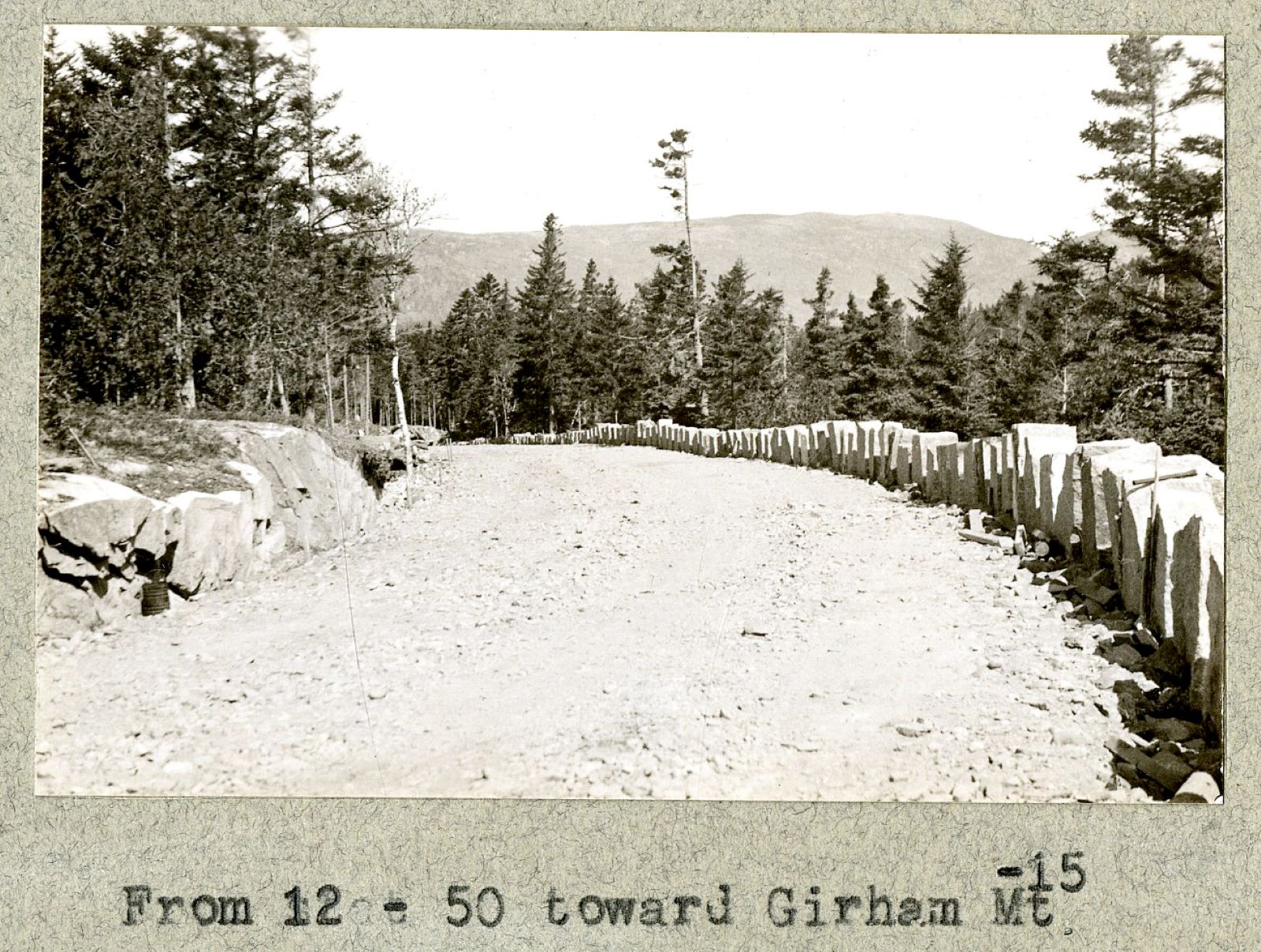
Acadia National Park: Carriage Roads, Cadillac Mountain & 2026 Guide
Discover carriage roads, Cadillac Mountain, and rugged Maine coast. Complete 2026 guide to Acadia National Park — trails, fees, lodging, permits, and what rangers recommend.
Hiking Guide
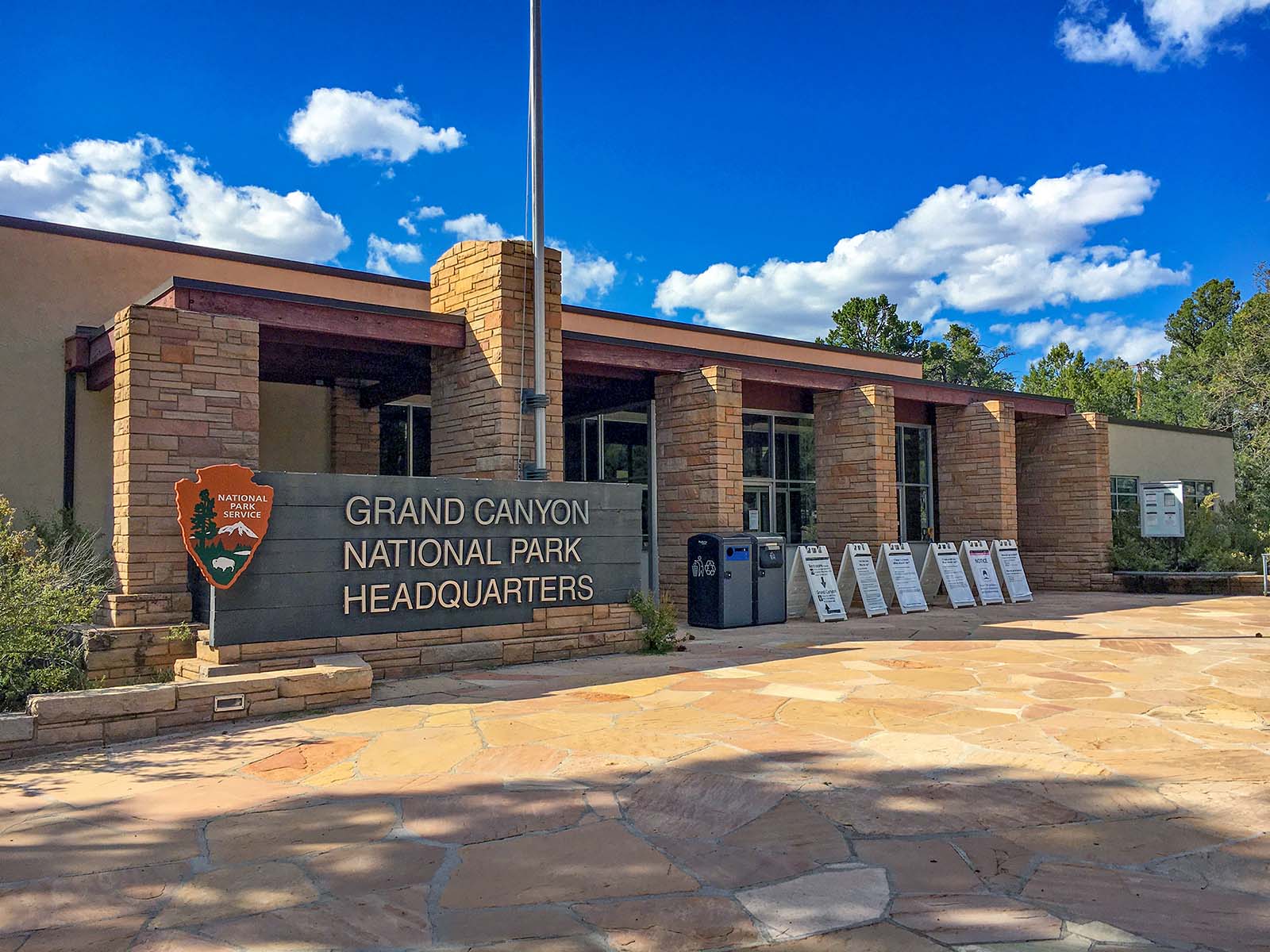
Grand Canyon Hiking Trails: Day Hikes, Water Sources & Rim to Rim
Compare Grand Canyon hiking trails: Bright Angel, South Kaibab, Hermit, Grandview, and rim to rim, with distances, elevation, water stops, and trailhead access for each.
Best Of
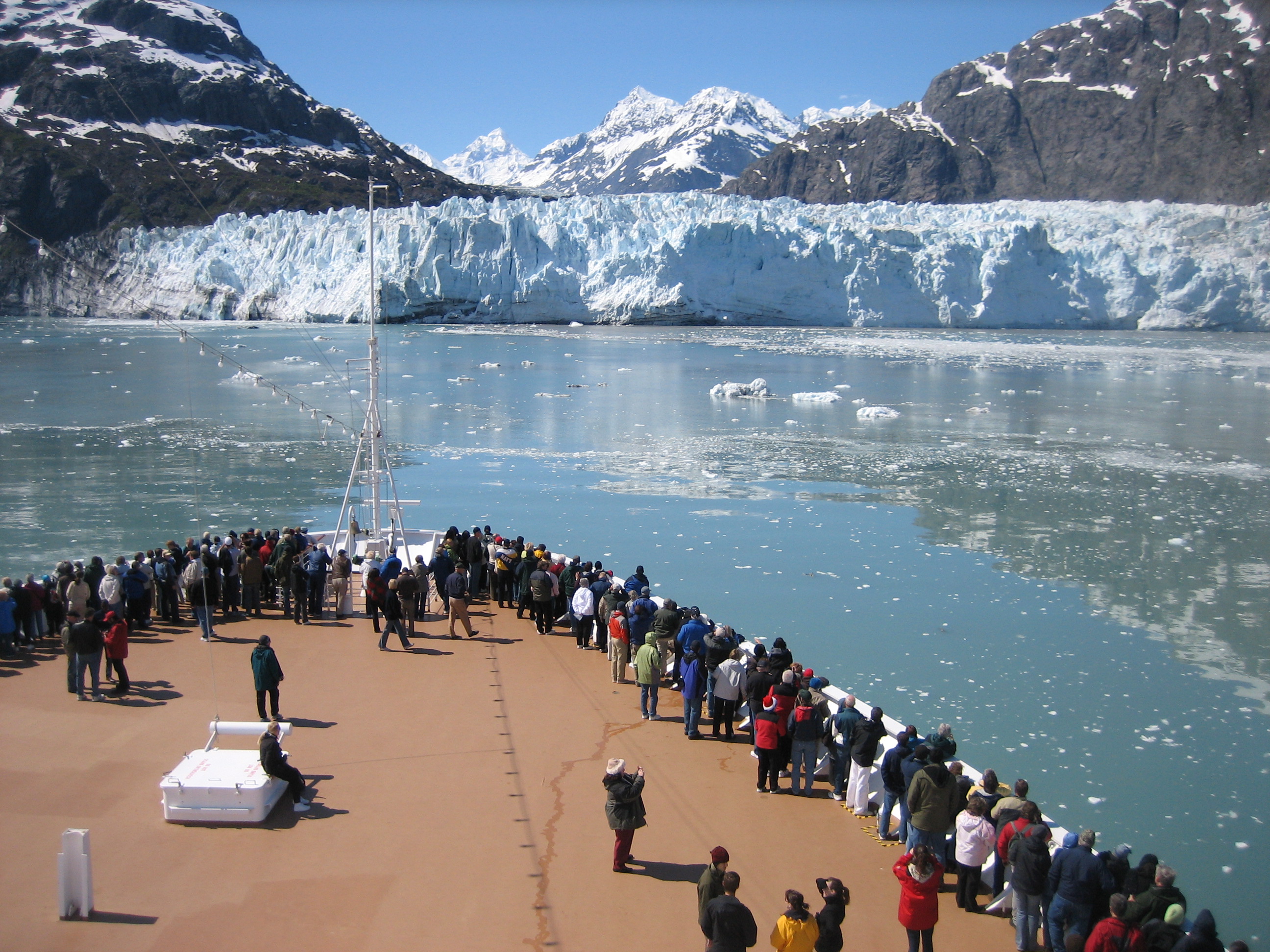
Best of Glacier Bay National Park
The best of Glacier Bay is reached by boat: ranger-led day tours up the bay to the tidewater glaciers. What's worth it, how to book, and when to go (2026).
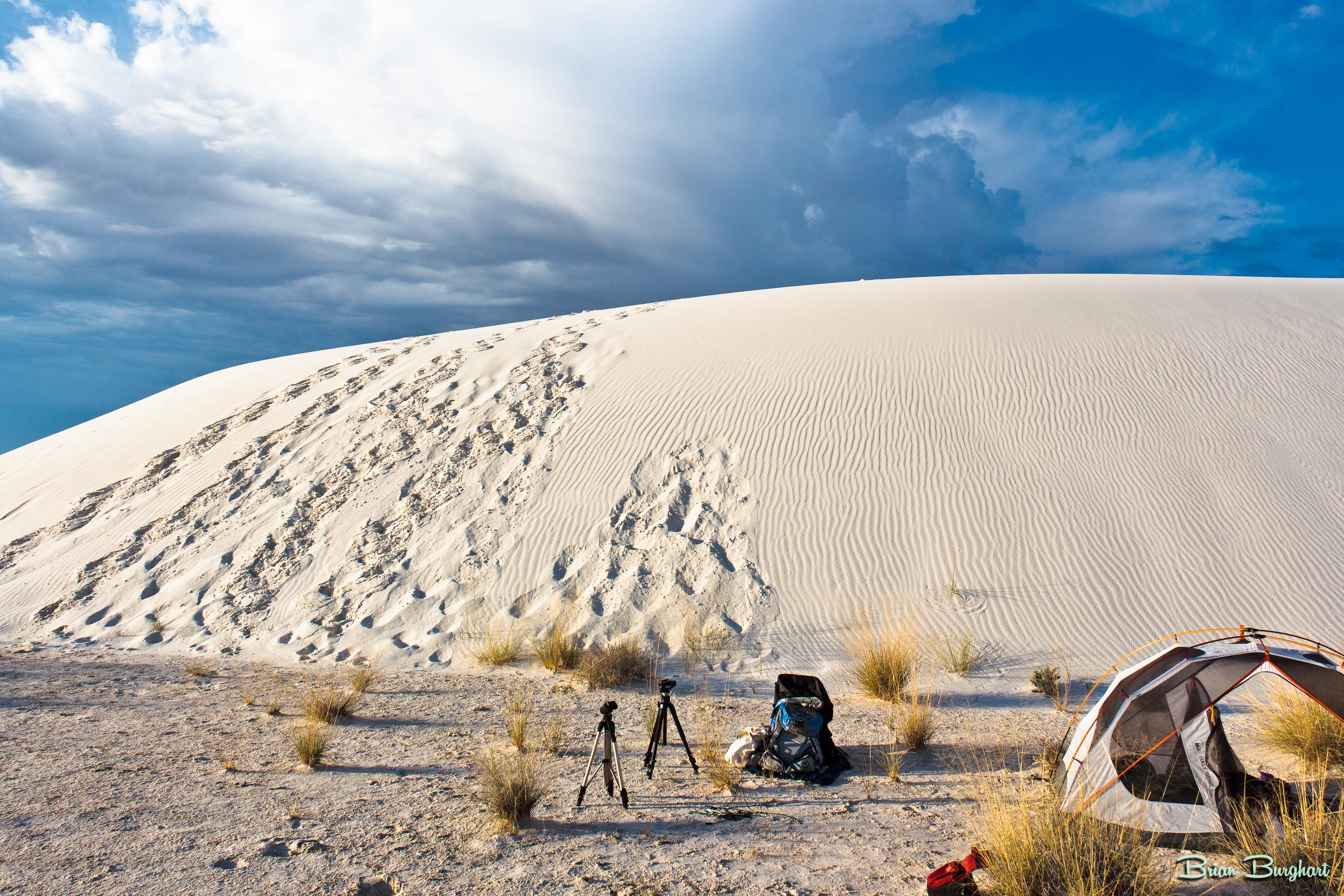
Campsite Guide
White Sands Backcountry Camping: Closed for 2026 — What to Know
As of 2026, backcountry camping at White Sands National Park is closed for site rehabilitation. What that means, and where to camp nearby instead.
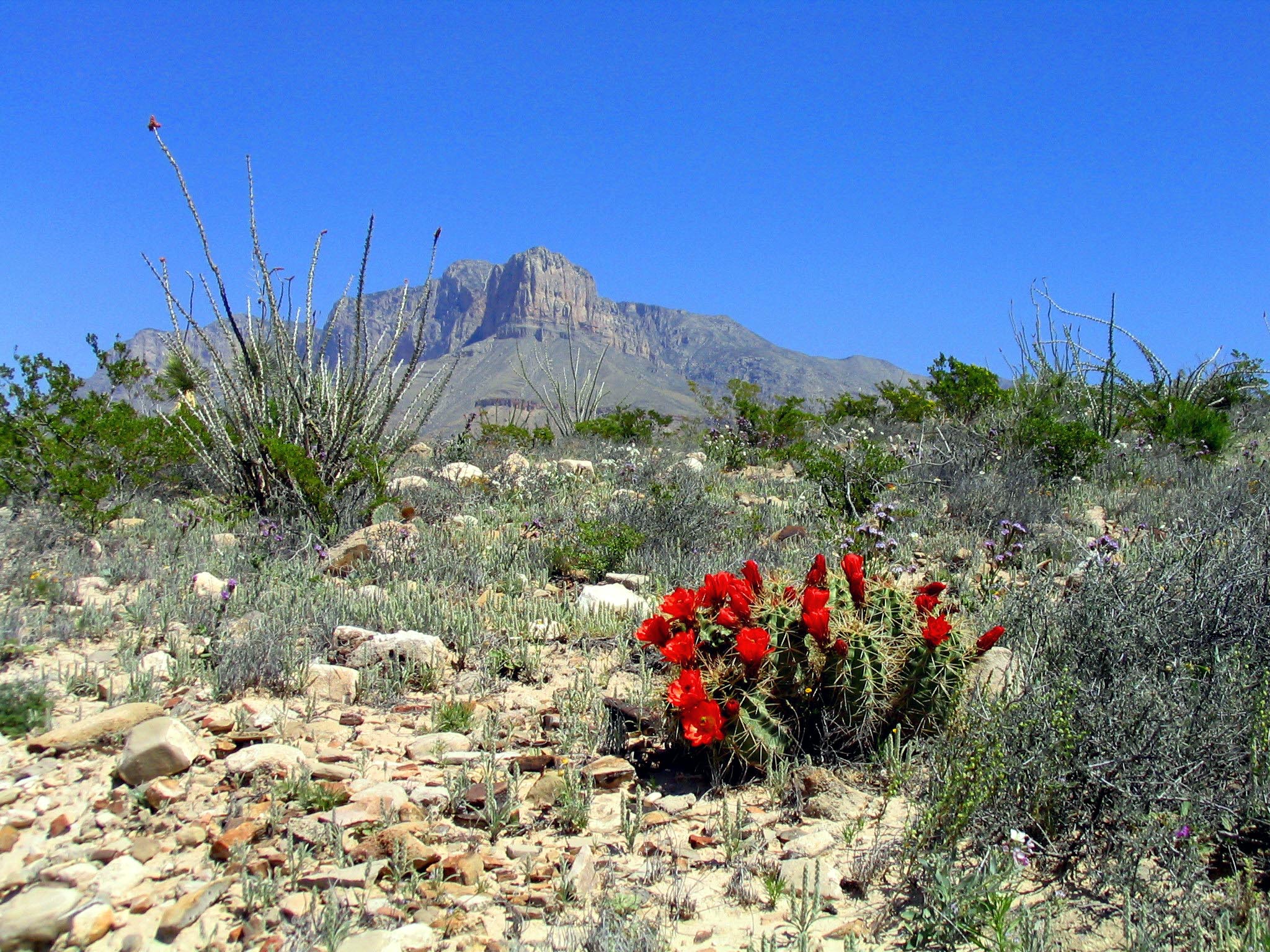
Weather Guide
Guadalupe Mountains National Park Weather: Weather
Guadalupe Mountains National Park: weather guide guide updated 2026. Practical visitor information, reservations, and seasonal tips worth bookmarking before
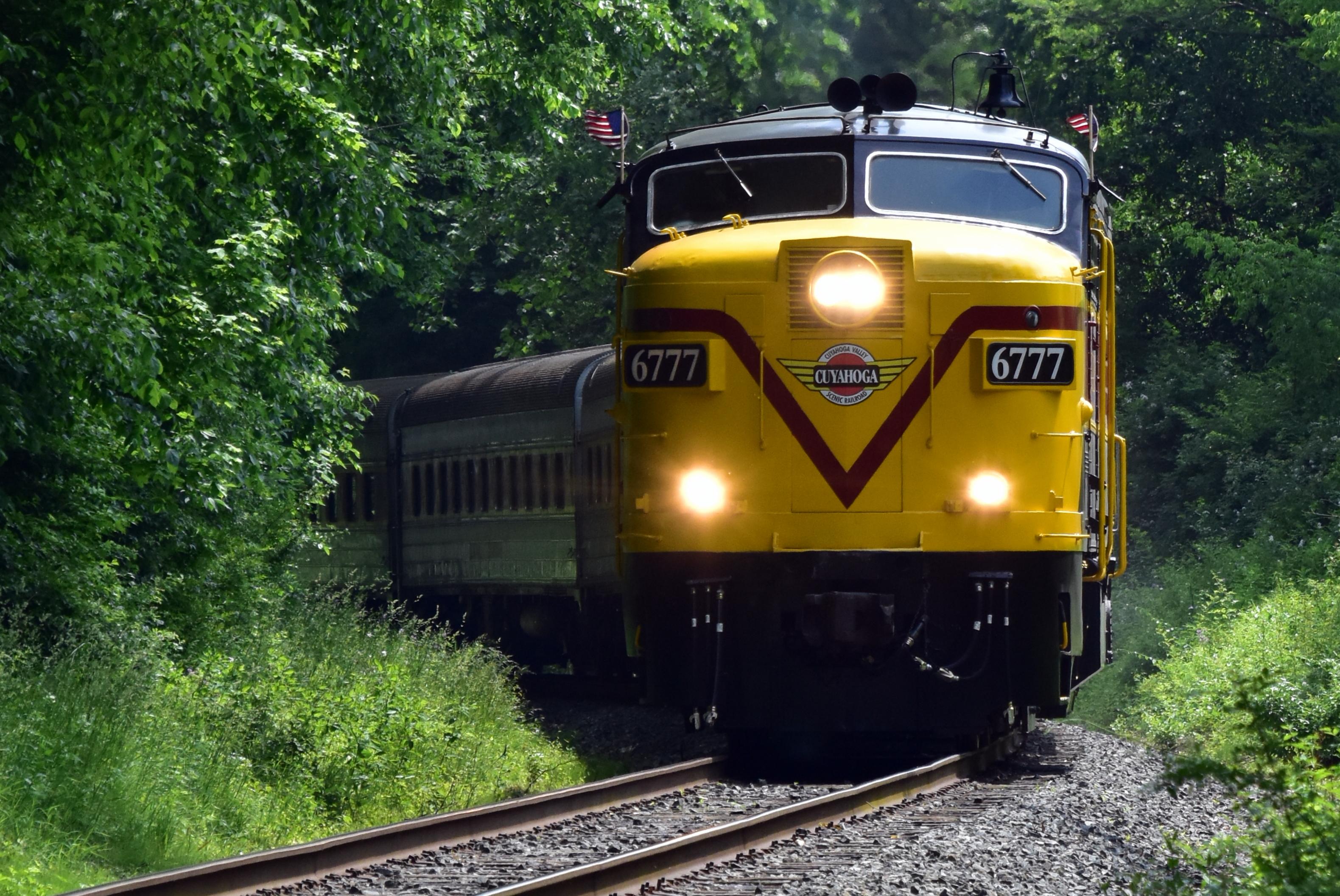
Best Of
Best of Cuyahoga Valley National Park: Best Things to Do
Seeing a Cleveland Orchestra concert with the woods as your backdrop is a uniquely Cuyahoga Valley experience.
Sign in to join the conversation.
Sources & Attribution
Location data courtesy of the National Park Service (U.S. Department of the Interior). NPS data is public domain.
Images: NPS; NPS.
Map data © OpenStreetMap contributors.
Park operations alerts: NPS.gov · Weather and weather hazards: National Weather Service · Live conditions.
Information may change. Always verify fees, hours, and conditions directly with the official source before visiting.
Did this guide help? Share it with a friend.