Rent gear in Three Rivers, not inside the park—no rental shops exist within Sequoia National Park. Summer nights at 8,000 feet can drop into the 40s, so a 30-degree sleeping bag is the minimum for most trips.
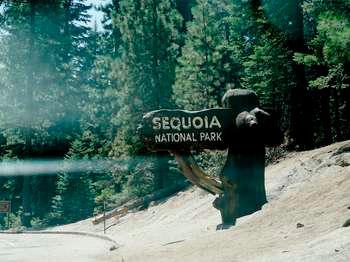
NPS via NPS.gov (Public Domain)
Sequoia Gear Guide: What to Pack for Giant Forest Hikes
6 min read
Gear Guide
Rent camping gear near Sequoia National Park's Ash Mountain Entrance: traction devices for snowy trails, layers for 40-degree nights, and reserve bear canisters weeks ahead.
The Gear Rental Landscape: Three Rivers and Beyond
You won't find a gear rental shop inside the park gates. The park service doesn't operate them. Your options are in the gateway communities, primarily along Highway 198 leading into the Ash Mountain Entrance.
Three Rivers, the town closest to the park's southern entrance, is your primary hub. A couple of outdoor-focused stores there offer rental packages. Rangers at the Foothills Visitor Center will tell you these shops see a rush between 7 and 9 AM, especially on summer weekends. If you're picking up gear for a first-come, first-served campsite, get there early.
The other option is in the larger towns of Visalia or Fresno, about an hour and ninety minutes from the gate respectively. Big-box outdoor retailers there have extensive rental fleets. This makes sense if you're flying into FAT or VIS and driving straight to the park. The trade-off is you're committing to gear before you get a feel for the conditions. Cell service drops out at the park boundary, so last-minute changes aren't possible.
What the park website doesn't mention is the rental inventory mix. It's heavy on car camping basics: family-sized tents, coolers, camp chairs, and two-burner propane stoves. Backpacking gear - lightweight tents, bear canisters, backpacking stoves, and quality sleeping bags rated below 30 degrees - is in shorter supply and often booked weeks ahead for summer. If you need a bear canister for a backcountry trip, reserve it when you book your permit, not when you arrive.
What to Rent (And What to Bring From Home)
Your gear list should be dictated by your elevation, not your calendar. A summer night at Lodgepole Campground (6,700 feet) feels different than a night at Potwisha (2,100 feet). Most rental packages assume you're camping at mid-elevations.
The single most important rental item is a sleeping bag with an appropriate temperature rating. The "30-degree" bag is the standard workhorse for summer. If you sleep cold or are camping in September, spring for the 20-degree or even the 15-degree bag. The extra fee is worth it. The bags are synthetic, not down, which is better for the damp conditions you can get in the sequoia groves.
Tent rentals are straightforward. Pay attention to the "person" rating. A 4-person tent fits two adults and their gear comfortably. It fits four adults only if everyone is very friendly and has no luggage. Consider sizing up. Also, check that the rainfly is included - it always should be, but it's a thing you verify.
Stove rentals are almost exclusively propane canister models. They're simple and reliable. The rental typically includes one full fuel canister; ask how many hours of burn time that provides. For a weekend trip, it's usually enough. If you're planning elaborate meals, budget for a backup canister from the camp store.
Now, what you should bring from home or buy locally: a headlamp. Every rental shop will sell them, but they're marked up. A good headlamp is non-negotiable for nighttime trips to the vault toilet. Also, pack your own broken-in hiking boots. Renting footwear is a gamble no experienced hiker would take.
Pairing Gear with Your Trip: Campgrounds and Trails
Your choice of gear - and how much you need to rent - depends entirely on where you're staying and what trails you're tackling. This is where planning gets specific.
For Car Campers at Potwisha or South Fork
These lower-elevation campgrounds are warmer. A basic tent, sleeping bag, and cooler setup will suffice. You're close enough to Three Rivers to make a supply run if you forget something. The hiking here is foothill terrain: the Marble Falls Trail, the Middle Fork Trail. They're hot, exposed, and dry by late morning. Your rental gear should prioritize shade (a tarp or canopy is a luxury worth considering) and water storage. A 5-gallon jug is better than a case of individual bottles.
For the Giant Forest and Lodgepole Area
This is the heart of the park and where most visitors camp. Nights are cold. Morning frost is common into June. Your sleeping bag choice matters. A camp stove is essential, as campfires are often restricted in these high-use areas. The trails here, like the Congress Trail or the hike to Moro Rock, are day hikes. You'll want a daypack, which is usually a cheap add-on to a rental package.
The real gear test here is if you venture out on a longer day hike like the Lakes Trail in the Wolverton area. That's an all-day affair with serious elevation gain. You'll need a reliable pack, layers, and more water than you think. Most gear rental shops can outfit you for this, but you have to ask for the "day hiking" kit specifically - it should include a hydration reservoir or large water bottles, a first-aid kit, and a lighter, packable layer.
For Backcountry Overnights
This is a different league. You need a backpacking-specific rental: an internal or external frame pack (50-70 liters), a lightweight tent, a backpacking stove (often a pocket-rocket style), a bear-proof food canister (required by law in most of the park's backcountry), and a sleeping pad with a decent R-value. Reservations for this full kit are mandatory. The most popular trailheads for overnighters - like the High Sierra Trail from Crescent Meadow - have limited parking that fills by sunrise. Your rented gear should be packed and ready the night before.
The Logistics: Reservations, Costs, and Pick-Up
As of 2026, expect to reserve your gear at least two weeks ahead for a summer weekend. Four weeks is safer. The process is usually online. You'll select a package (e.g., "4-Person Car Camping Kit") and choose your pick-up and drop-off dates.
Costs are typically structured as a daily rate, with discounts for multi-day rentals. A standard car camping setup for four people might run $40-$65 per day. A full backpacking kit for one person can be $70-$100 per day. These prices usually exclude a security deposit, which is refunded upon return of undamaged gear. Pay with a credit card.
Pick-up times are often in the afternoon before your first camping night. Drop-off is the morning after your last night. Late returns incur hefty fees - the next renter is waiting. Inspect the gear when you pick it up. Make sure tent poles are all present, the stove ignites, and the sleeping bag zips smoothly. Note any pre-existing damage on the rental form.
Practical Takeaways
- Reserve Early, Especially for Backpacking Gear: The online inventory for bear canisters and lightweight tents shrinks fast. Book your gear when you secure your campsite or wilderness permit.
- Sleep Warm, Not Regretful: Rent a sleeping bag rated for temperatures at least 10 degrees colder than the forecast low. A 30-degree bag is the summer minimum for elevations above 6,000 feet.
- Size Up Your Tent: If the description says "4-person," rent it for two or three people. The extra space for your packs and to avoid condensation is worth the small upcharge.
- Verify the Fuel Situation: Ask how much cook time the provided fuel canister offers. For a group of four cooking two meals a day, one canister often lasts just two days.
- Pack Your Personal Essentials: Never rent footwear. Always bring your own headlamp, broken-in hiking boots, moisture-wicking layers, and a reliable water bottle or hydration system. Rental shops sell these at a premium.
Final Thoughts
Camping gear rental near Sequoia National Park solves a practical problem, letting you experience the Sierra Nevada without a garage full of equipment. But the real value isn't just the tent or the stove. It's the confidence to camp at 7,000 feet, to wake up cold and know your bag is rated for it, to cook a meal as the sun drops behind the giants. The right gear shifts your focus from surviving the night to watching the Milky Way appear over General Sherman. Check the current rental rates and policies with shops in Three Rivers as you plan your 2026 trip, and then go sleep under those big trees.
For more information, see our complete Sequoia National Park Guide.
Sources
- Official source: NPS — Sequoia National Park nps.gov/sequ/index.htm
More to Explore
Park Guide
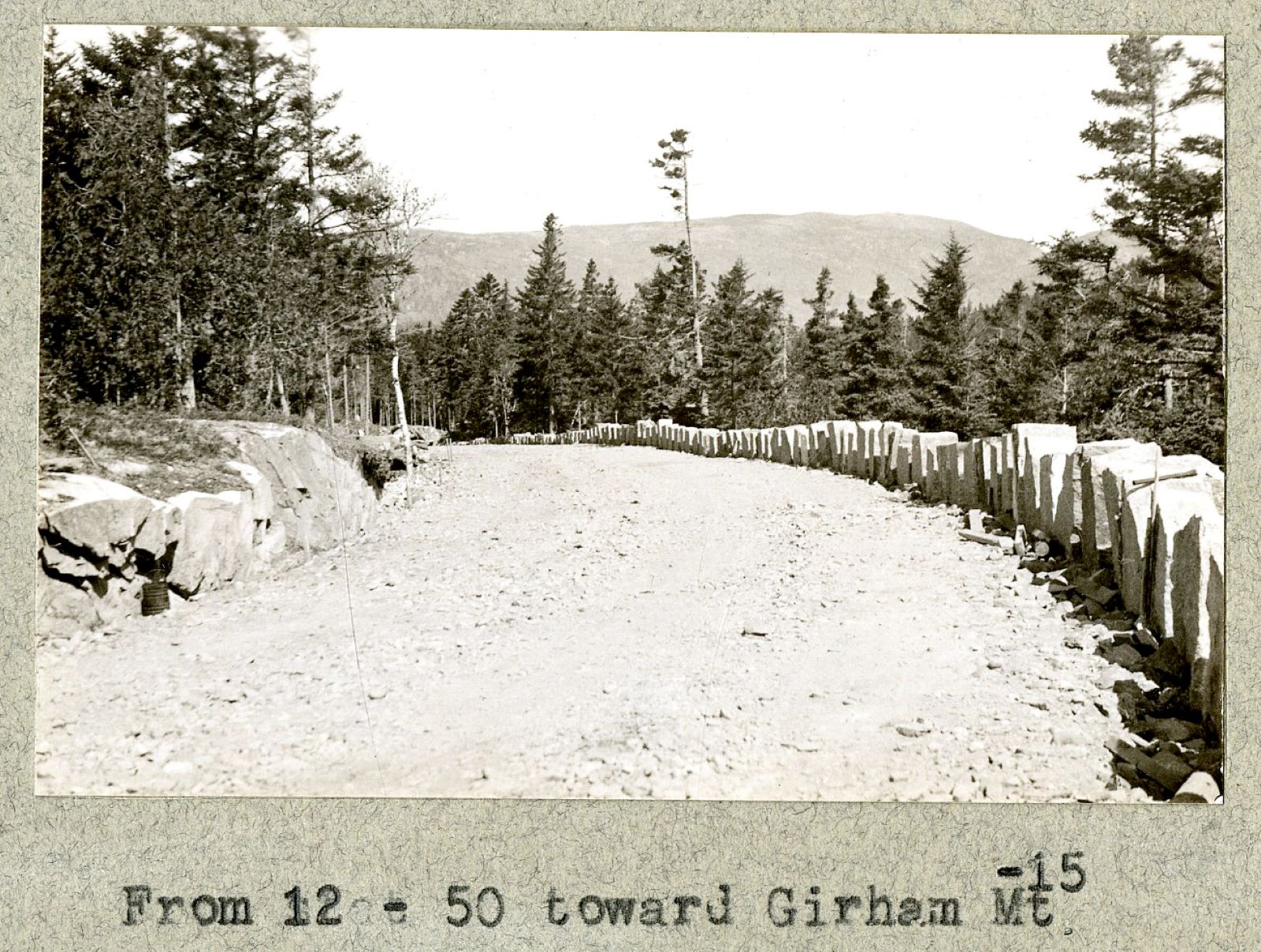
Acadia National Park: Carriage Roads, Cadillac Mountain & 2026 Guide
Discover carriage roads, Cadillac Mountain, and rugged Maine coast. Complete 2026 guide to Acadia National Park — trails, fees, lodging, permits, and what rangers recommend.
Hiking Guide
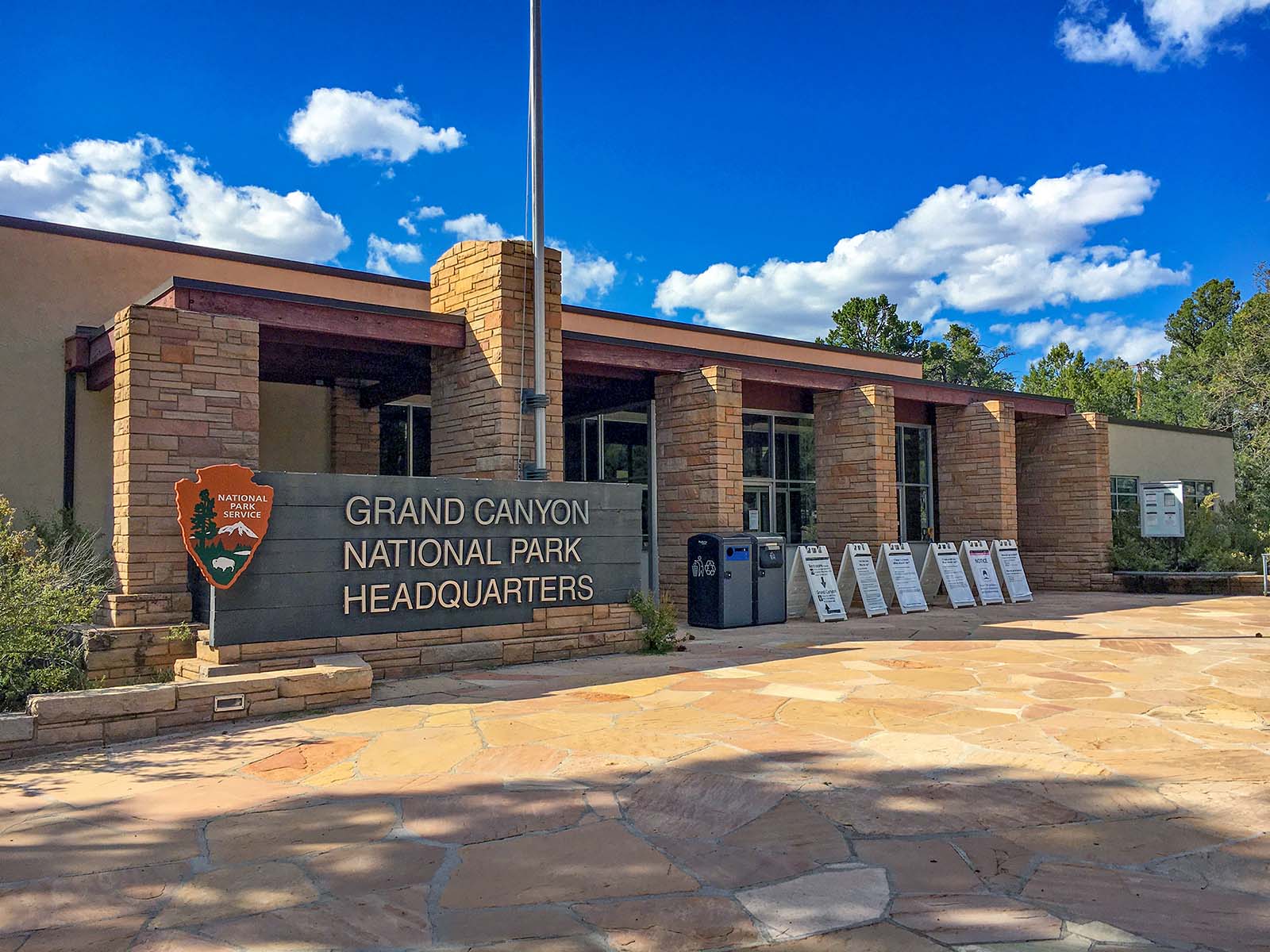
Grand Canyon Hiking Trails: Day Hikes, Water Sources & Rim to Rim
Compare Grand Canyon hiking trails: Bright Angel, South Kaibab, Hermit, Grandview, and rim to rim, with distances, elevation, water stops, and trailhead access for each.
Best Of
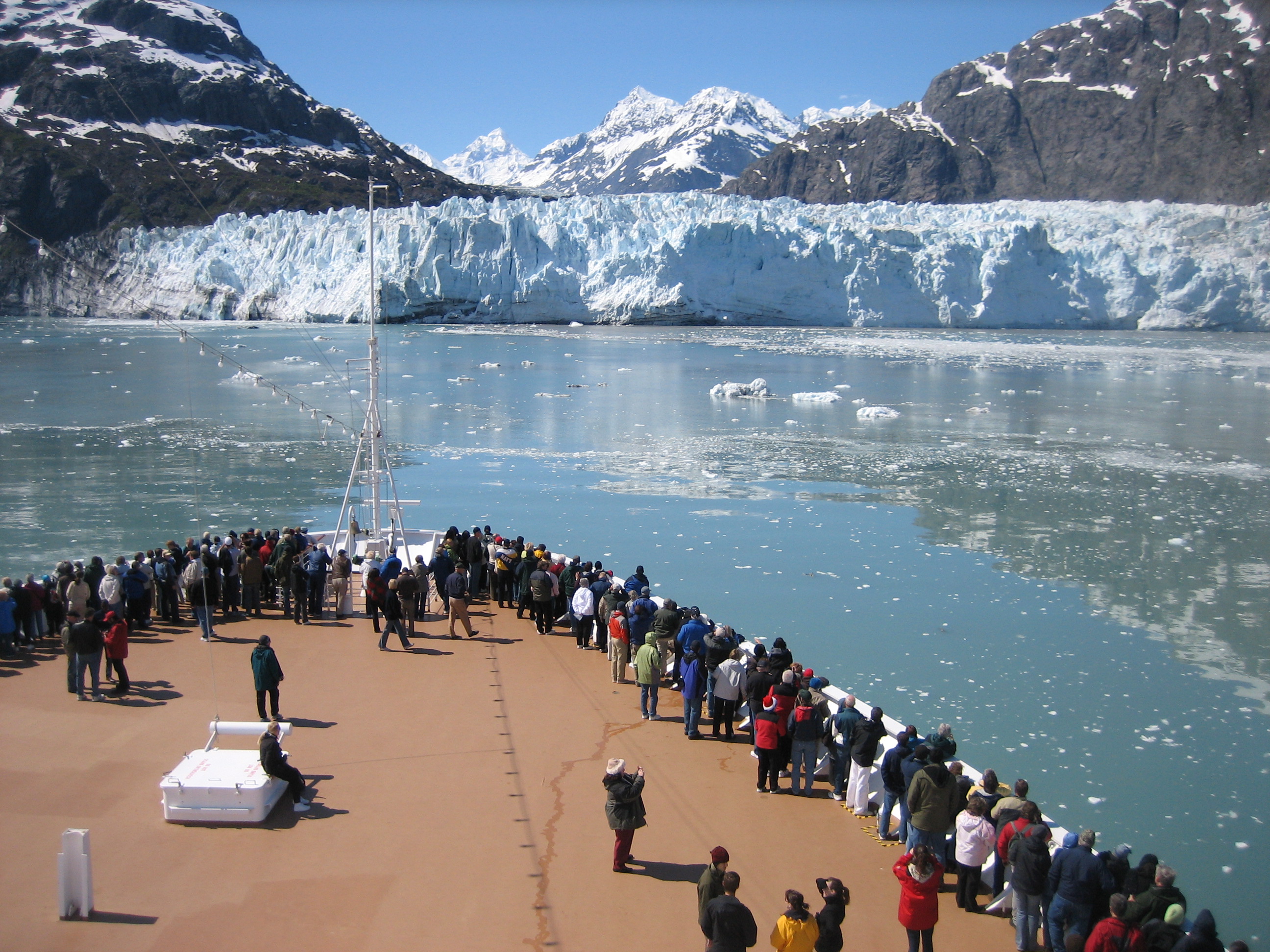
Best of Glacier Bay National Park
The best of Glacier Bay is reached by boat: ranger-led day tours up the bay to the tidewater glaciers. What's worth it, how to book, and when to go (2026).
Campsite Guide
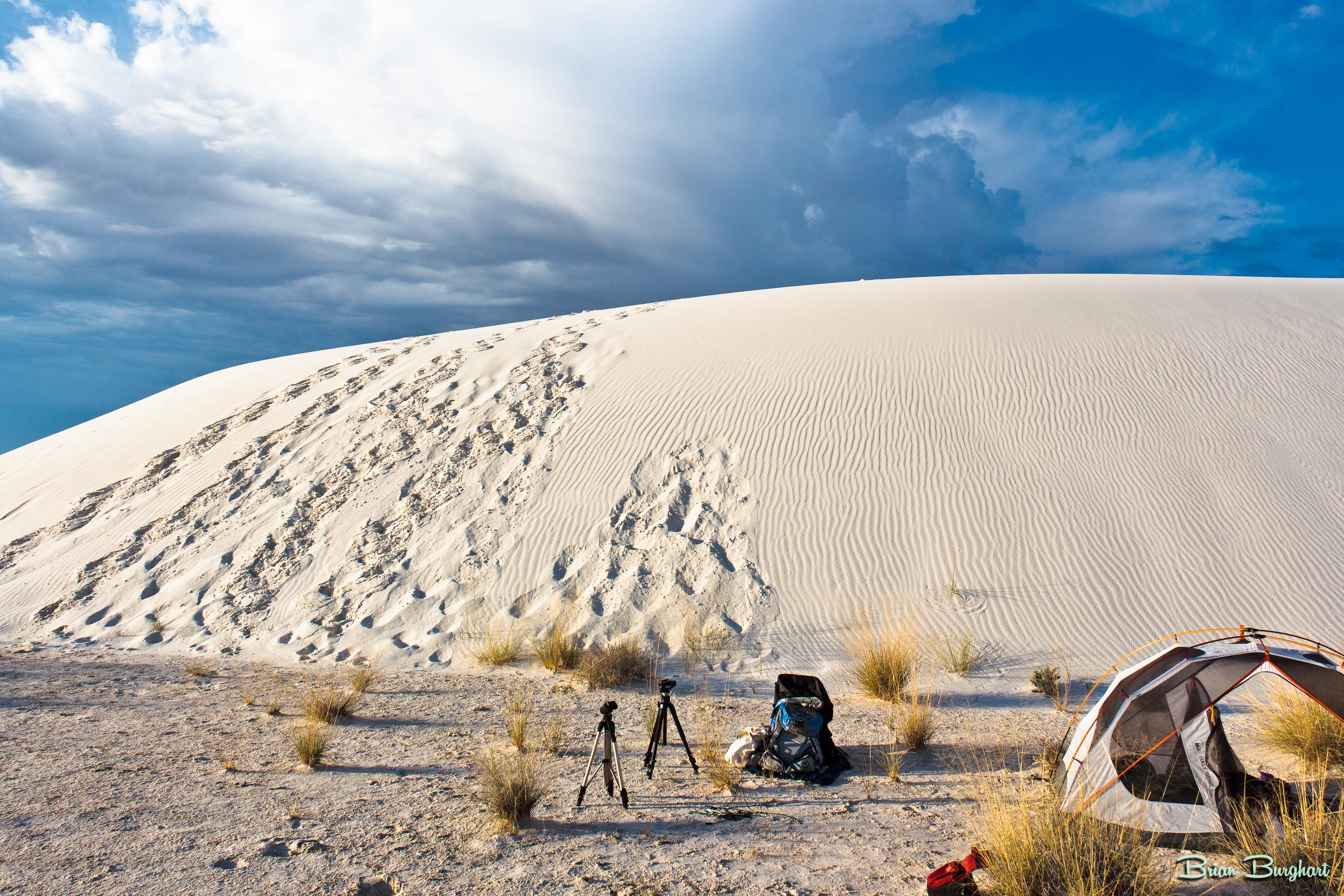
White Sands Backcountry Camping: Closed for 2026 — What to Know
As of 2026, backcountry camping at White Sands National Park is closed for site rehabilitation. What that means, and where to camp nearby instead.
Weather Guide
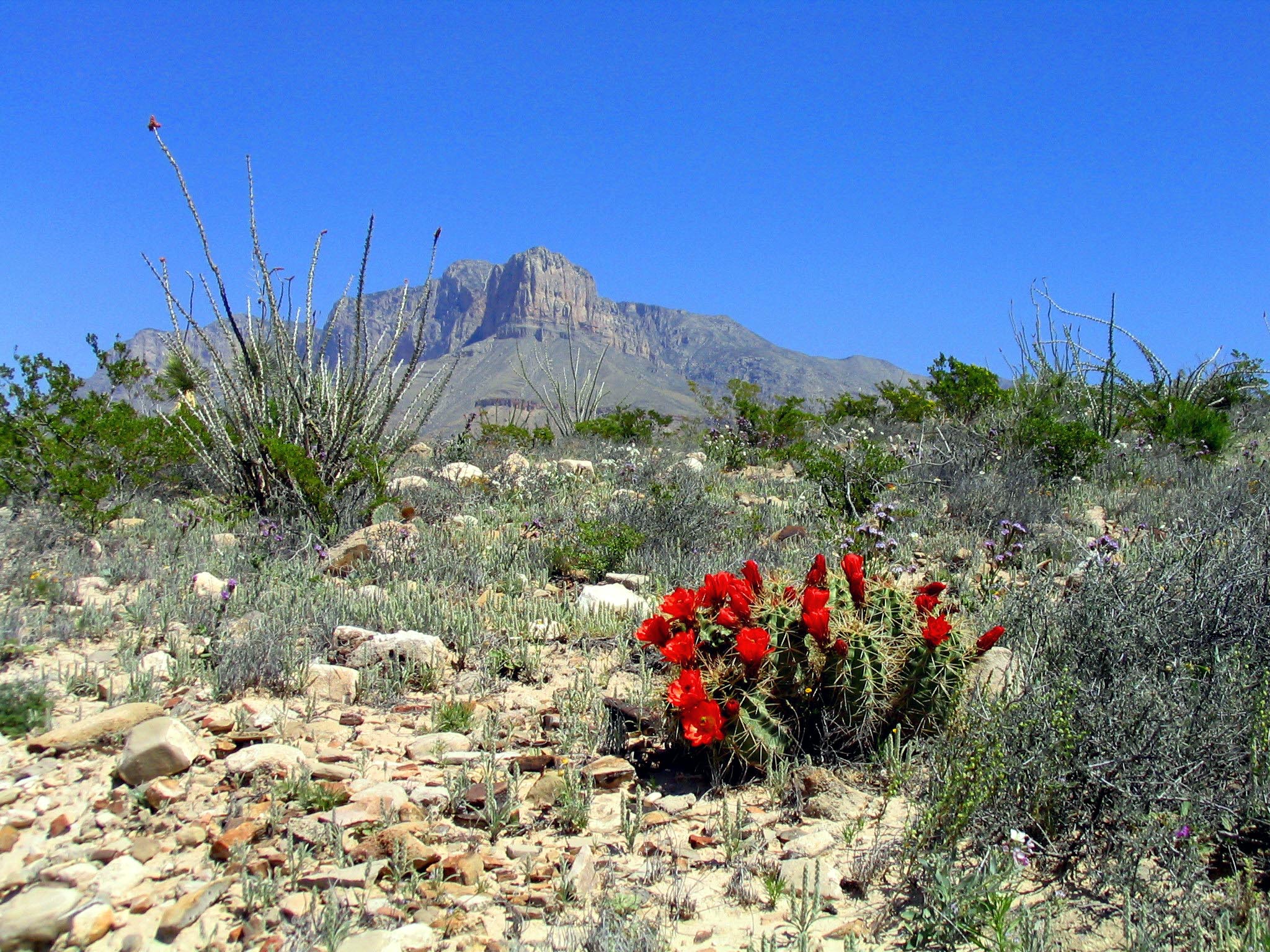
Guadalupe Mountains National Park Weather: Weather
Guadalupe Mountains National Park: weather guide guide updated 2026. Practical visitor information, reservations, and seasonal tips worth bookmarking before
Best Of
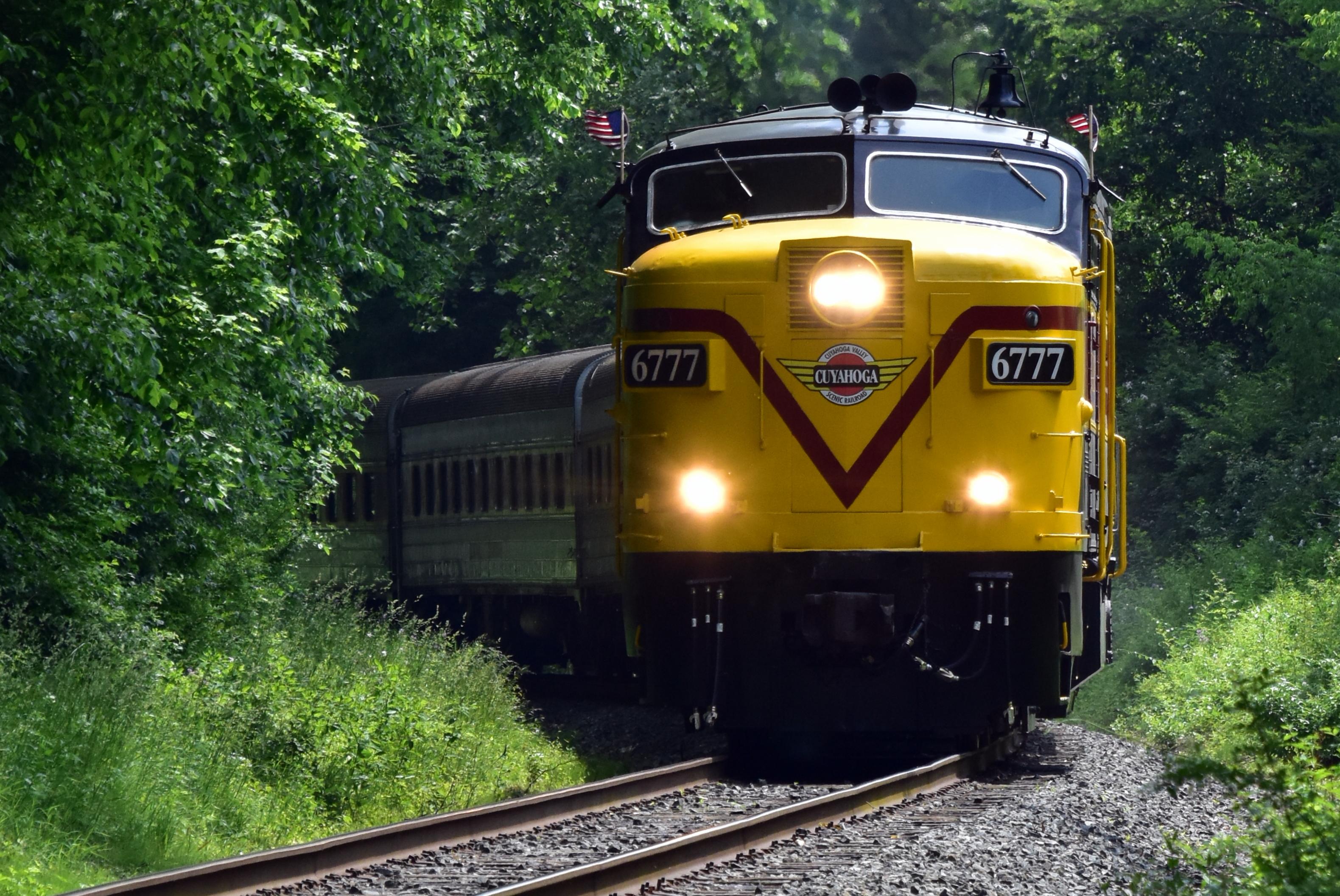
Best of Cuyahoga Valley National Park: Best Things to Do
Seeing a Cleveland Orchestra concert with the woods as your backdrop is a uniquely Cuyahoga Valley experience.
Sign in to join the conversation.
Sources & Attribution
Location data courtesy of the National Park Service (U.S. Department of the Interior). NPS data is public domain.
Images: NPS; NPS.
Map data © OpenStreetMap contributors.
Park operations alerts: NPS.gov · Weather and weather hazards: National Weather Service · Live conditions.
Information may change. Always verify fees, hours, and conditions directly with the official source before visiting.
Did this guide help? Share it with a friend.