Visitors ask me what makes Sequoia worth the drive. The answer is simple: scale. Nothing else on Earth grows this large. Giant sequoias are the most massive living organisms on the planet, and seeing them in person changes how you think about size. But the park also holds deep canyons, high alpine peaks, and trails that don't demand a full day. Here's how to prioritize your time.
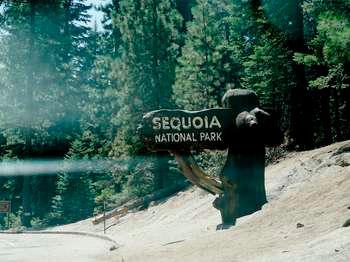
NPS via NPS.gov (Public Domain)
Best of Sequoia National Park: Best Places to Visit (2026)
10 min read
Best Of
See giant sequoias, the largest living things on Earth. 2026 guide to Sequoia National Park's best places, including early arrival tips and top short hikes.
This article contains affiliate links — we may earn a small commission at no extra cost to you.
For more, see hiking trails, camping options, and best time to visit.
If You Only Have One Day
Arrive at the Ash Mountain entrance by 7:00 AM. The parking lots at the major groves fill by 9:30 AM from June through September, and you don't want to waste an hour circling. Drive the Generals Highway (45 minutes from entrance to the Giant Forest) and head straight to the Congress Trail. It's a paved two-mile loop that takes you through the heart of the largest sequoia grove on Earth without the crowds that gather at the General Sherman Tree viewpoint.
By 10:00 AM, you'll have seen the big trees without fighting for space. Walk the short trail from the parking area to the General Sherman Tree - it's worth the quick detour, just know that everyone else does this first. Do it second instead.
From there, drive to Moro Rock (about 15 minutes south). The 400-step granite staircase to the summit takes 20-30 minutes. The view from the top stretches across the Great Western Divide and into the Kaweah River drainage. On a clear day, you can see the San Joaquin Valley floor, 7,000 feet below.
Lunch at the Lodgepole Market deli (sandwiches around $10-12 as of 2026) or pack your own. The picnic area at Crescent Meadow has tables and shade.
Afternoon option: Hike the Crescent Meadow Loop (1.8 miles, flat, 45 minutes). Rangers will tell you this is where the park's namesake trees meet open meadow - it's the classic Sierra Nevada landscape. Or if you have energy, the Tokopah Falls Trail (3.4 miles round trip, moderate) follows the Marble Fork of the Kaweah River to a 1,200-foot granite waterfall.
Leave by 4:00 PM in summer to avoid the worst of the Generals Highway traffic. The road is narrow and winding - expect 30-40 minutes from Giant Forest back to the entrance.
The mistake I see most often: trying to visit both Sequoia and Kings Canyon in one day. They connect, but the drive between main attractions takes over an hour. Pick one. Sequoia's groves are denser and more accessible.
The Top Experiences, Ranked
#1 - General Sherman Tree and Congress Trail: The Single Best Tree Walk on Earth
- Why it makes this list: General Sherman is the largest tree on the planet by volume - 52,500 cubic feet of wood. But more importantly, the Congress Trail loop takes you past dozens of other massive sequoias without the bottleneck crowds. You'll walk among trees that were saplings during the Roman Empire.
- What it requires: 30-60 minutes. Paved, flat, wheelchair-accessible to the Sherman overlook. The Congress Trail adds 2 miles of gentle grade.
- The single best tip: Go to the Congress Trail first, then circle back to General Sherman. By the time you finish the loop, the main Sherman viewpoint has thinned out.
- What most visitors do wrong: They stop at the first overlook, take a photo, and leave. The trail continues past much better specimens with fewer people. Keep walking.
#2 - Moro Rock: Best View-to-Effort Ratio in the Park
- Why it makes this list: 400 steps to a 360-degree view of the Great Western Divide, the Kaweah River canyon, and on clear days, the San Joaquin Valley. No other viewpoint in the park delivers this much for a 20-minute climb.
- What it requires: Moderate fitness. The staircase is steep and exposed. Not for anyone with vertigo. No shade.
- The single best tip: Go at sunset. The light turns the granite walls orange, and most day visitors have left. You'll have the rock nearly to yourself after 5:00 PM.
- What most visitors do wrong: They skip it because the parking lot looks full. People cycle through quickly - wait 5-10 minutes and a spot opens.
#3 - Crescent Meadow: The Most Photographed Meadow in the Sierra
- Why it makes this list: John Muir called it the "Gem of the Sierra." It's a half-mile loop through a meadow ringed by giant sequoias, with wildflowers in June and July that include lupine, Indian paintbrush, and mule's ears.
- What it requires: 30 minutes. Flat, easy, suitable for all ages.
- The single best tip: Go early morning for the light and the dew. By 9:00 AM, the meadow is fully lit and loses some of its magic.
- What most visitors do wrong: They walk the perimeter and leave. Take the trail that cuts through the meadow itself - you'll see the flowers up close.
#4 - Tokopah Falls Trail: The Best Short Hike to a Waterfall
- Why it makes this list: A 3.4-mile round trip that follows a river through granite boulders to a 1,200-foot cascade. It's one of the best hiking trails in Sequoia National Park for families, with enough payoff to satisfy experienced hikers.
- What it requires: 2 hours. 500 feet of elevation gain. Moderate. The trail is well-maintained and easy to follow.
- The single best tip: Go in late spring or early summer when snowmelt feeds the falls. By August, the flow drops significantly.
- What most visitors do wrong: They turn around at the first viewpoint. The trail continues another quarter mile to the base of the falls - keep going.
#5 - Crystal Cave: The Underground Alternative
- Why it makes this list: A marble karst cave with formations that took 10,000 years to develop. The 45-minute ranger-led tour takes you past flowstone, stalactites, and a cave stream. It's a complete change of scenery from the above-ground attractions.
- What it requires: Advance reservations (required as of 2026). $16 adults, $8 children. The cave stays at 50°F year-round - bring a jacket. A 0.5-mile paved trail leads to the cave entrance from the parking lot.
- The single best tip: Book the first tour of the day. The cave is quieter, and you avoid the afternoon heat on the walk down.
- What most visitors do wrong: They assume they can buy tickets at the cave. You can't. Reserve online at least a week in advance during summer.
#6 - Giant Forest Museum: The Best Introduction to Sequoias
- Why it makes this list: The museum explains the fire ecology, life cycle, and history of the giant sequoias in about 30 minutes. It's worth doing before you walk among the trees so you understand what you're looking at.
- What it requires: 30-45 minutes. Free with park entrance. Open daily 9:00 AM to 4:30 PM.
- The single best tip: Watch the 15-minute film first. It covers the basics quickly and makes the forest walk more meaningful.
- What most visitors do wrong: They skip it entirely. The museum answers the questions you'll have after seeing the trees.
#7 - Trail of 100 Giants: The Least Crowded Major Grove
- Why it makes this list: Located in the northern part of the park near the Kings Canyon border, this 1.3-mile loop passes over 100 giant sequoias with significantly fewer visitors than the Giant Forest. It's a quieter alternative for anyone who wants solitude with their big trees.
- What it requires: 45 minutes. Paved, flat, accessible.
- The single best tip: Combine it with a drive to Redwood Canyon for the most remote grove in the park.
- What most visitors do wrong: They don't realize it exists. Most visitors stay in the Giant Forest and never see this grove.
#8 - Alta Peak Trail: For Experienced Hikers Only
- Why it makes this list: A 14-mile round trip with 4,000 feet of elevation gain to a 11,204-foot summit. The views from the top cover the entire Sierra Nevada crest, from Mount Whitney to the Kings-Kern Divide. This is the best full-day hike for serious hikers who want a true alpine experience.
- What it requires: 8-10 hours. Strenuous. Requires proper boots, 3 liters of water minimum, and early start (before 6:00 AM). Not recommended for casual hikers.
- The single best tip: Start at the Crescent Meadow parking lot, not the Alta Trailhead. The route is longer but more scenic.
- What most visitors do wrong: They underestimate the elevation gain. The last 2 miles are steep switchbacks above treeline with no shade.
#9 - Hospital Rock: Quick Stop with Petroglyphs
- Why it makes this list: A roadside stop with a 500-year-old mortar bowl and pictographs left by the Mono people. It's a 15-minute stop that adds cultural context to your visit.
- What it requires: 15 minutes. Located at mile 6.5 of the Generals Highway. No hiking required.
- The single best tip: The ranger-led talks at 11:00 AM (June-August) cover the history better than the interpretive signs.
- What most visitors do wrong: They drive right past it. The pullout is small and easy to miss.
#10 - Mineral King Valley: The Remote Gem
- Why it makes this list: A 25-mile dead-end road leads to this high alpine valley with some of the best backpacking in the Sierra. It's a full-day commitment just to drive there, but the payoff is solitude and 13,000-foot peaks.
- What it requires: A full day. The road is narrow, unpaved in sections, and takes 1.5 hours one way. Not recommended for RVs or low-clearance vehicles.
- The single best tip: Go in September after the crowds thin. The aspens turn gold, and the weather is stable.
- What most visitors do wrong: They underestimate the drive time. It's 25 miles but takes 75-90 minutes each way.
What Most People Miss
Redwood Canyon. This is the largest sequoia grove by area in the park, yet it receives a fraction of the visitors that the Giant Forest gets. The Redwood Canyon Trail is a 6-mile loop through groves that feel entirely untouched. No pavement, no boardwalks, no crowds. If you want to experience what the park felt like before the tourists arrived, this is it.
The Beetle Rock Trail. Most visitors walk right past the trailhead near the Giant Forest Museum. It's a 1.5-mile loop that drops into a quieter section of the forest with excellent views of the Moro Rock formation. It's an easy add-on if you're already at the museum.
The High Sierra Trail's first 2 miles. You don't need to hike the full 72-mile trail to get the experience. The first 2 miles from Crescent Meadow climb through giant sequoias and open onto a granite ridge with views of the Great Western Divide. It's a 4-mile round trip that gives you a taste of the backcountry without the permit requirement.
Park Ridge Fire Lookout. A 4-mile round trip from the Crescent Meadow parking area leads to an active fire lookout with 360-degree views. The ranger on duty (June-September) will talk about fire ecology and let you use the binoculars. Most visitors don't know this trail exists.
What's Overrated (and Better Alternatives)
The General Sherman Tree Viewing Platform. The platform itself is crowded, fenced, and gives you a limited view of the tree's base. Better alternative: walk the Congress Trail, where you can stand next to comparable trees without the crowd. The platform serves its purpose, but it's not the best experience of the tree.
The Auto Log and Tunnel Log. These are fallen sequoias that you can drive over or through. They're fun for a photo, but the lines can be 20 minutes long in summer. Better alternative: park and walk the 0.3-mile loop around the Tunnel Log area. You'll see the same tree from multiple angles without waiting in a car line.
Cedar Grove in Kings Canyon (if you're short on time). Many guides suggest combining Sequoia and Kings Canyon in one day. Don't. The drive between the Giant Forest and Cedar Grove takes 1.5 hours one way. Better alternative: commit to Sequoia's giant sequoias and save Kings Canyon for a separate trip. You'll see more trees and spend less time in the car.
Practical Takeaways
- Arrive by 7:00 AM at the Ash Mountain entrance. The parking at Giant Forest fills by 9:30 AM in summer. Late arrivals add 30-45 minutes of circling for a spot.
- Prioritize the Congress Trail over the General Sherman platform. You'll see more trees with fewer people. The Sherman platform is worth a quick stop, but the trail is the real experience.
- Book Crystal Cave tickets in advance. Reservations are required as of 2026 and sell out weeks ahead in summer. The cave is worth the effort, but only if you plan for it.
- Pack layers. Elevations range from 1,500 feet at the entrance to 7,000 feet at the Giant Forest. Expect a 20-30°F temperature swing between the valley and the groves. Even in August, mornings at 7,000 feet can be in the 40s.
- The Generals Highway has no shortcuts. The 16-mile road from the entrance to Giant Forest takes 45 minutes minimum. Add time for wildlife stops and photo pullouts. Don't trust GPS to give you accurate drive times - it doesn't account for the curves.
- Cell service drops out at the park entrance and doesn't return until you leave. Download maps, directions, and any reservations before you arrive. The Giant Forest Museum has WiFi, but it's slow.
- Consider lodging near Sequoia National Park if you want to split your visit across two days. The Wuksachi Lodge inside the park books months ahead, but hotels near Sequoia National Park in Three Rivers (20 minutes from the entrance) are easier to reserve. For more details on where to stay in Sequoia National Park, check our complete visitor guide for lodging options. Camping sites near Sequoia National Park require reservations through Recreation.gov - Lodgepole and Dorst Creek are the most convenient. See our camping options guide for specifics.
For more information, see our complete Sequoia National Park Guide.
Recommended Gear
What experienced visitors bring to Best of Sequoia National Park: Best Places to Visit (2026)
Links may earn us a commission at no extra cost to you. We only recommend gear we believe in.
Hiking Essentials
Hydration Pack (3L)
Hands-free water for long trail days
Trekking Poles (Pair)
Save your knees on steep descents
Hiking Boots (Ankle Support)
Sturdy footwear for rocky, uneven trails
Sun & Heat Protection
Wide-Brim Sun Hat
Full coverage UPF 50+ protection at altitude
Insulated Water Bottle (32oz)
Keeps water cold in desert heat all day
Winter Gear
Microspikes / Traction Devices
Essential for icy rim trails in winter months
Packable Down Jacket
Lightweight warmth that stuffs into a pocket
Sources
- Official source: NPS — Sequoia National Park nps.gov/sequ/index.htm
More to Explore
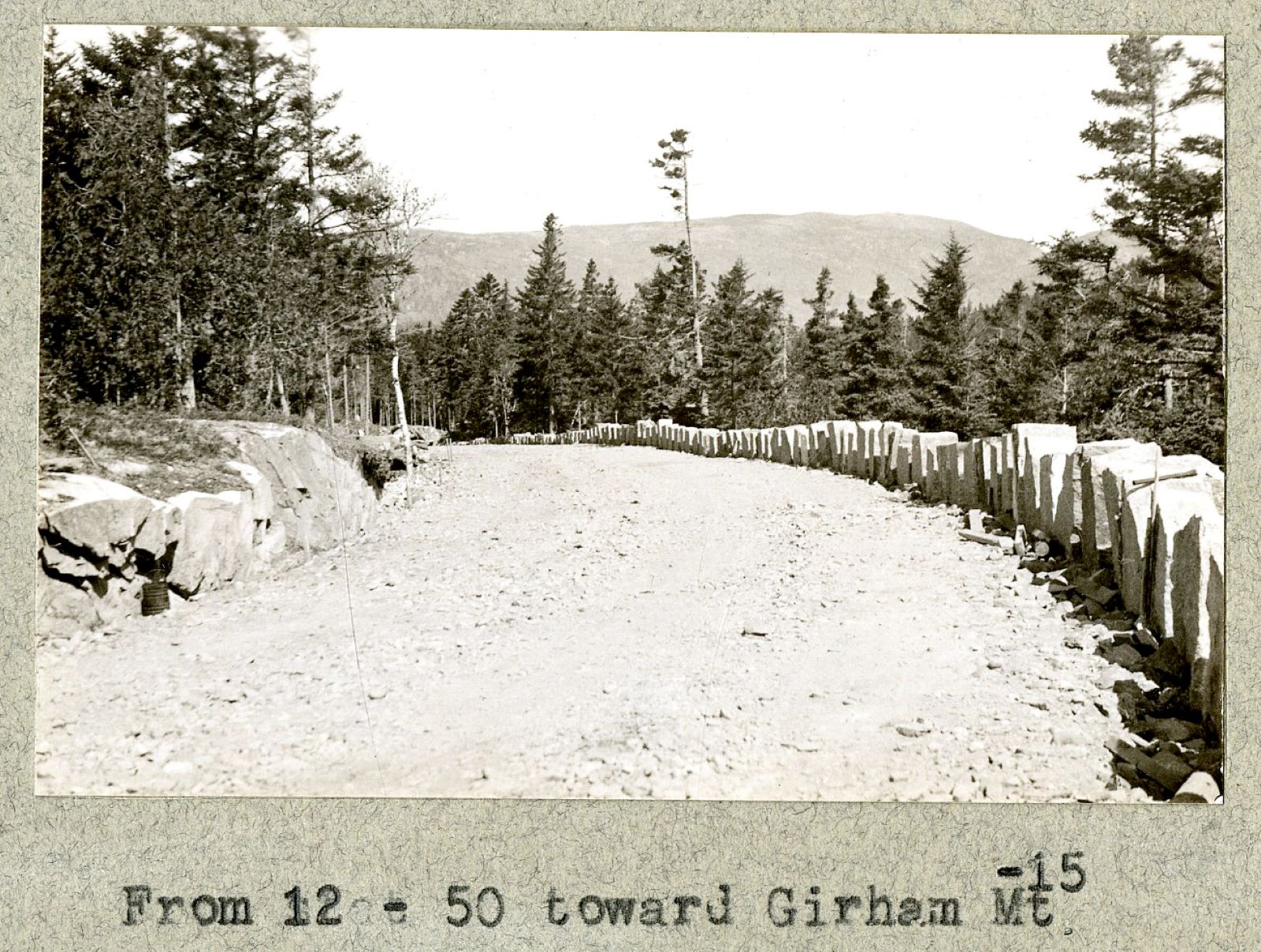
Park Guide
Acadia National Park: Carriage Roads, Cadillac Mountain & 2026 Guide
Discover carriage roads, Cadillac Mountain, and rugged Maine coast. Complete 2026 guide to Acadia National Park — trails, fees, lodging, permits, and what rangers recommend.
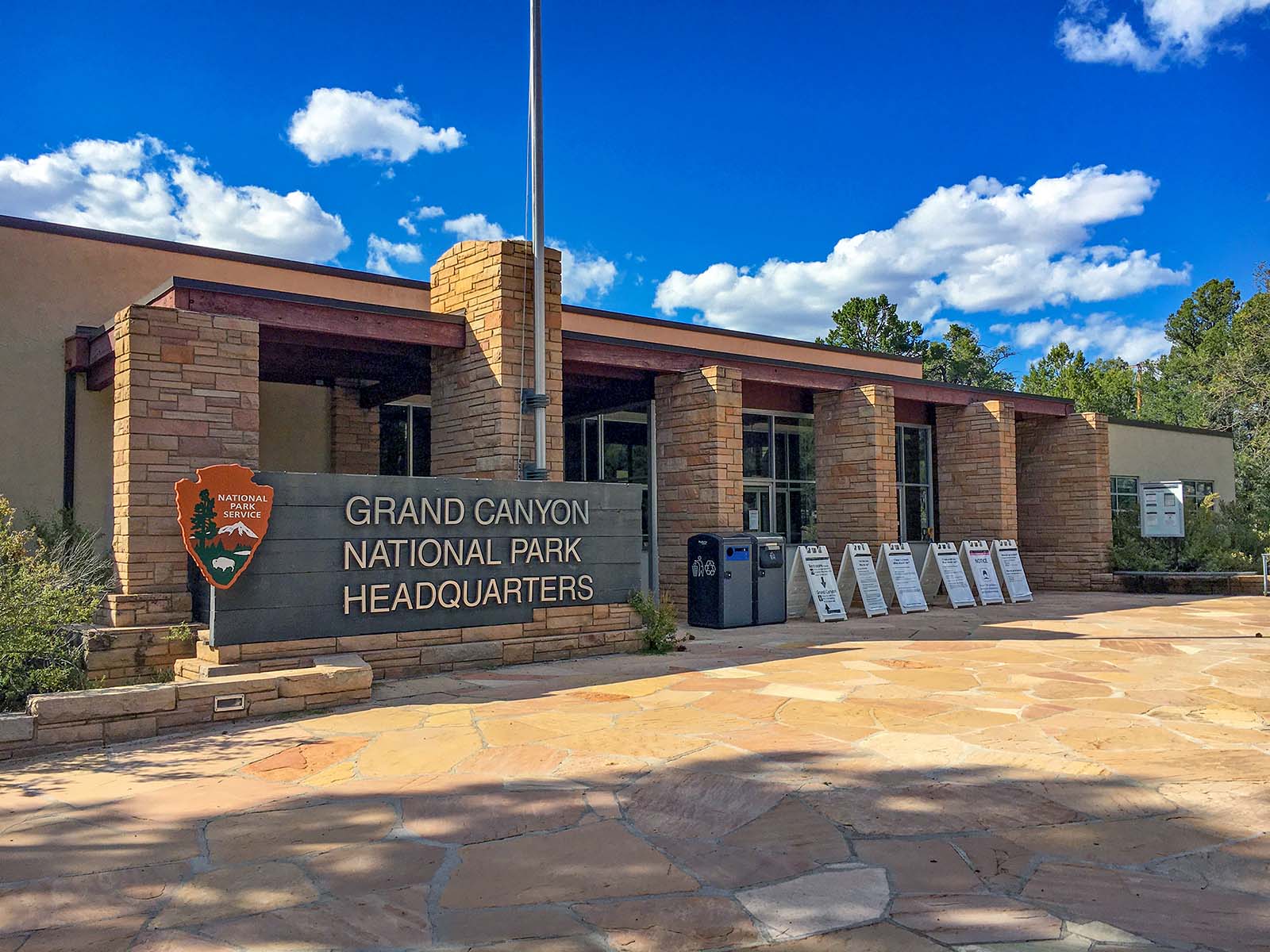
Hiking Guide
Grand Canyon Hiking Trails: Day Hikes, Water Sources & Rim to Rim
Compare Grand Canyon hiking trails: Bright Angel, South Kaibab, Hermit, Grandview, and rim to rim, with distances, elevation, water stops, and trailhead access for each.
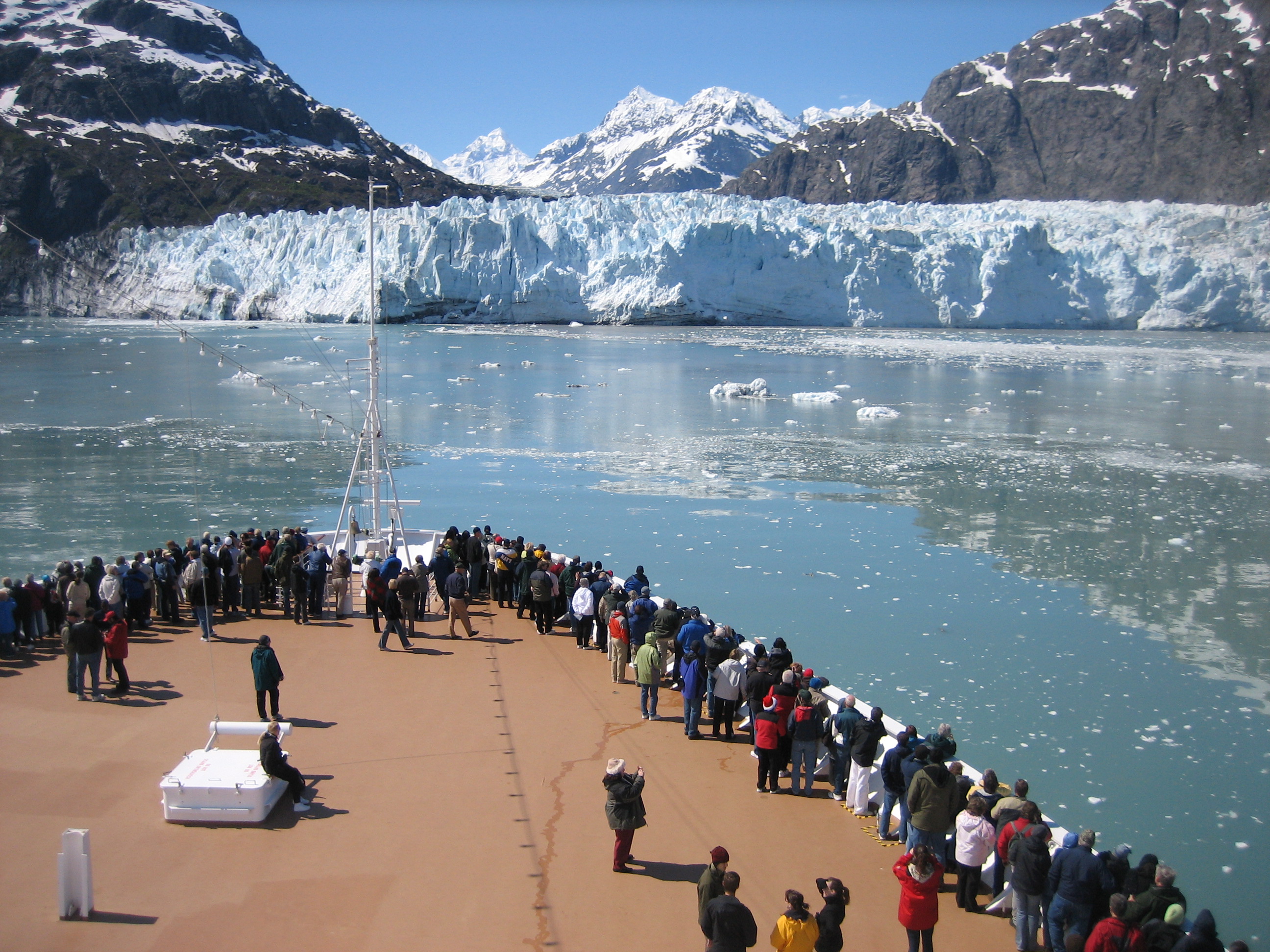
Best Of
Best of Glacier Bay National Park
The best of Glacier Bay is reached by boat: ranger-led day tours up the bay to the tidewater glaciers. What's worth it, how to book, and when to go (2026).
Campsite Guide
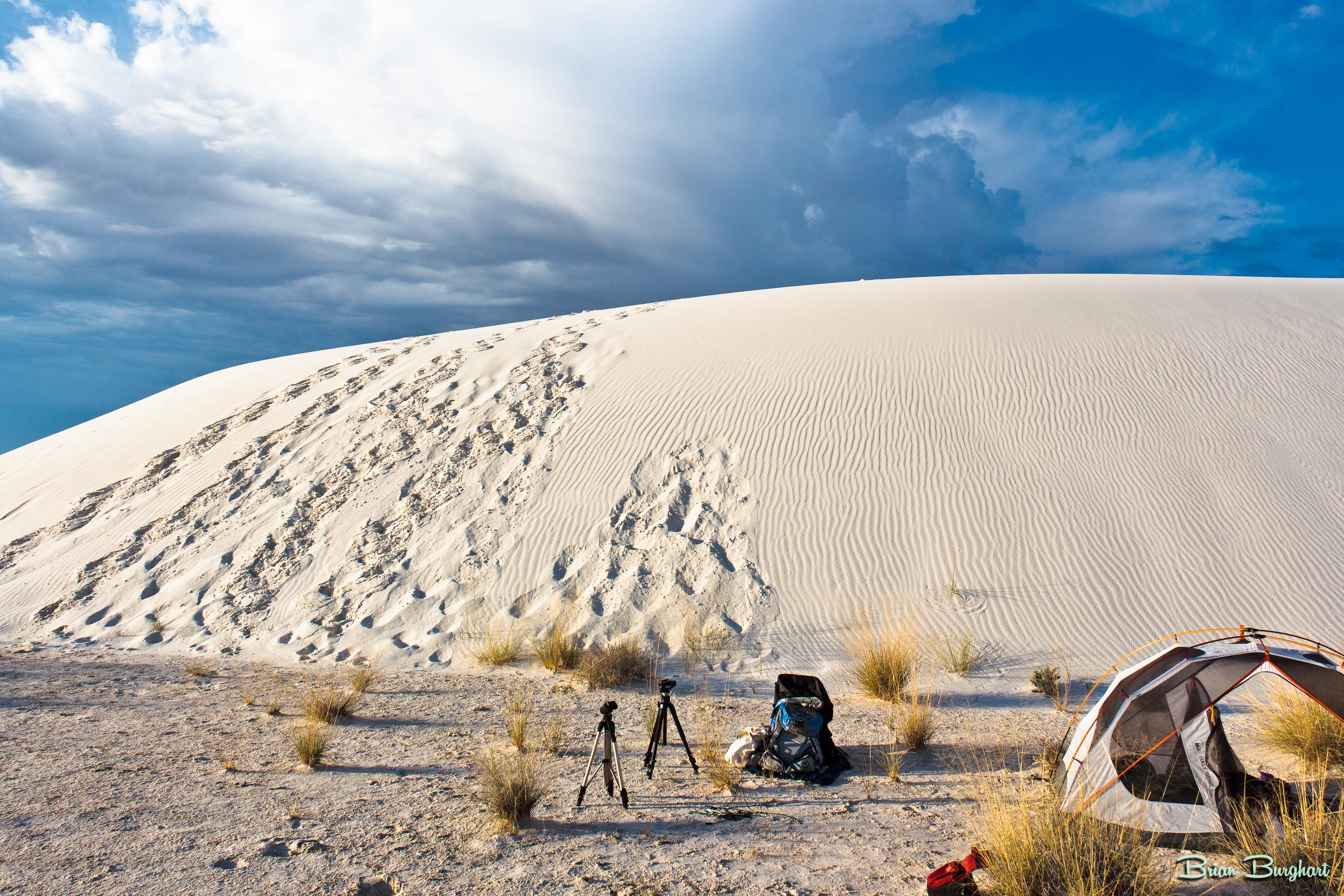
White Sands Backcountry Camping: Closed for 2026 — What to Know
As of 2026, backcountry camping at White Sands National Park is closed for site rehabilitation. What that means, and where to camp nearby instead.
Weather Guide
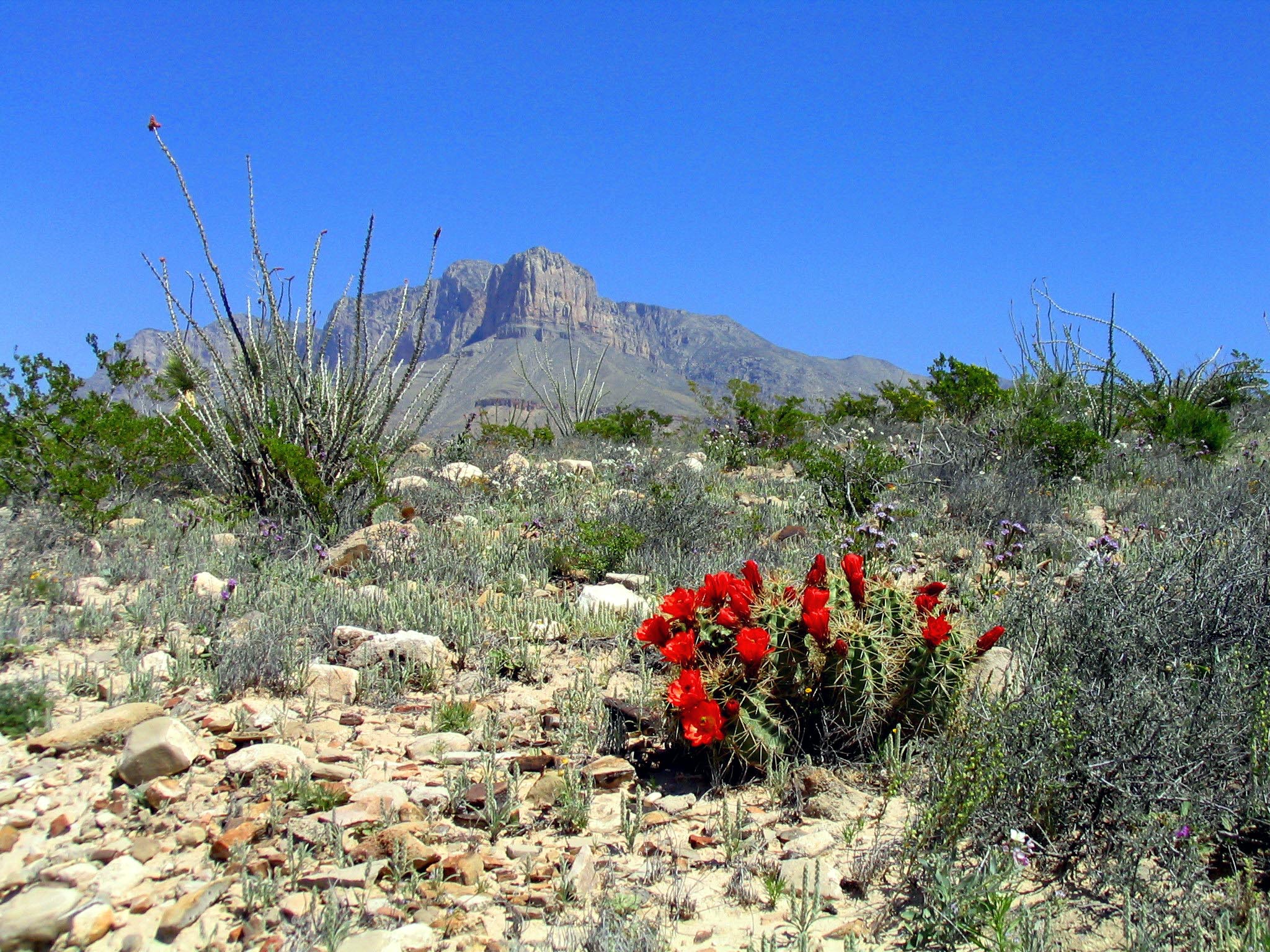
Guadalupe Mountains National Park Weather: Weather
Guadalupe Mountains National Park: weather guide guide updated 2026. Practical visitor information, reservations, and seasonal tips worth bookmarking before
Best Of
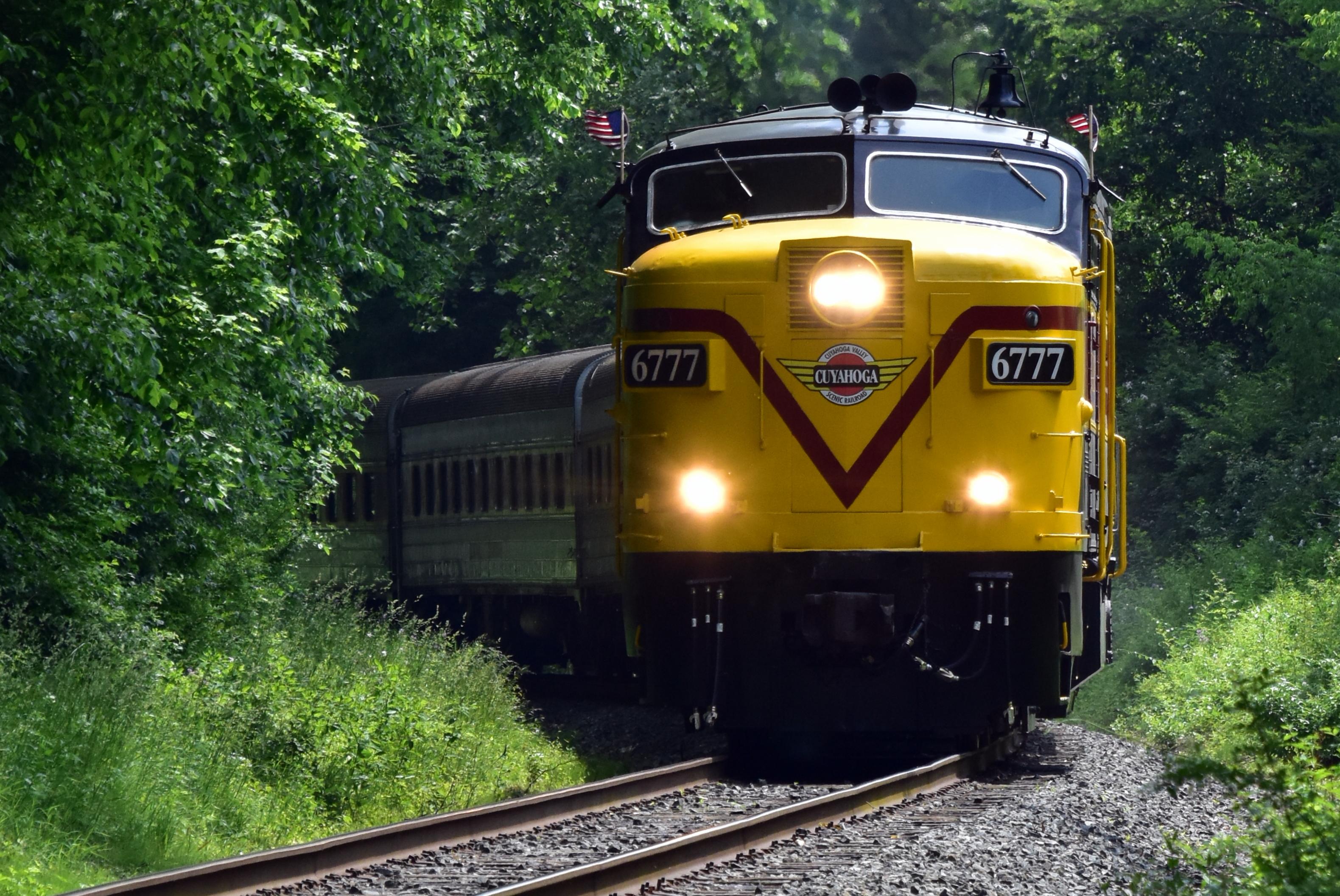
Best of Cuyahoga Valley National Park: Best Things to Do
Seeing a Cleveland Orchestra concert with the woods as your backdrop is a uniquely Cuyahoga Valley experience.
Sign in to join the conversation.
Sources & Attribution
Location data courtesy of the National Park Service (U.S. Department of the Interior). NPS data is public domain.
Images: NPS; NPS.
Map data © OpenStreetMap contributors.
Park operations alerts: NPS.gov · Weather and weather hazards: National Weather Service · Live conditions.
Information may change. Always verify fees, hours, and conditions directly with the official source before visiting.
Did this guide help? Share it with a friend.