The booking reality for Sequoia National Park campgrounds is straightforward but unforgiving. Reservations for summer months open on Recreation.gov exactly six months in advance, and the most popular campgrounds - Lodgepole, Dorst Creek, and Potwisha - sell out within minutes of the 7:00 AM Pacific release time. Lodgepole alone sees over 90% of its peak-season sites claimed on opening day. If you're not logged into Recreation.gov with your dates loaded by 6:55 AM, you're likely refreshing a sold-out calendar.
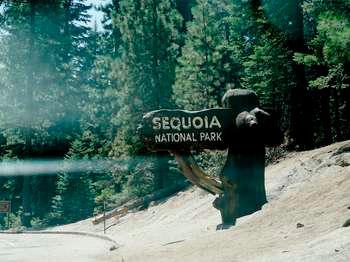
NPS via NPS.gov (Public Domain)
Sequoia National Park Camping: Beginner Guide Camping Reservations (2026 Guide)
13 min read
Camping Guide
Book your Sequoia National Park campsite before 7:00 AM PT or lose it. 2026 beginner guide to beating the Lodgepole, Dorst Creek, and Potwisha rush.
Your plans
This article contains affiliate links — we may earn a small commission at no extra cost to you.
Here's what you need to know to secure a site, match a campground to your style, and navigate the booking system's unspoken rules.
For a broader overview of the park including entrance stations, visitor centers, and seasonal road conditions, check the complete visitor guide.
The Booking Reality
Sequoia National Park operates seven campgrounds, but only four accept reservations. The rest are first-come, first-served - and they fill early.
Reservation window: Recreation.gov opens bookings exactly six months to the day from your arrival date, at 7:00 AM Pacific. For a July 15 arrival, you book on January 15. For August 1, you book on February 1.
Sell-out speed: Lodgepole Campground, the park's largest and most centrally located, sells out within 2-5 minutes on opening day for June through September dates. Dorst Creek, the second-largest, follows within 10-15 minutes. Potwisha and Azalea (the smaller reservable campgrounds) typically last 30-60 minutes before the good sites are gone.
Walk-up availability: The first-come, first-served campgrounds - South Fork, Atwell Mill, Cold Springs, and the Horse Corral group camp - have no reservation system. You arrive and claim an open site. In summer, these fill by 10:00 AM. In shoulder seasons, you can often find a spot by mid-afternoon.
Cancellation strategy: If you miss opening day, don't give up. Recreation.gov cancellations happen daily, peaking 2-3 weeks before arrival dates when cancellation penalties kick in. Setting up availability alerts on the site or using third-party monitoring services can catch cancellations within minutes. People cancel Lodgepole sites at 2:00 AM Pacific regularly.
Campgrounds at a Glance
| Campground | Total Sites | Reservable? | Season | Fee/Night | Elevation | Hookups |
|---|---|---|---|---|---|---|
| Lodgepole | 214 | Yes | Late May - late Oct | $22-28 | 6,700 ft | No |
| Dorst Creek | 204 | Yes | June - late Oct | $22-28 | 6,800 ft | No |
| Potwisha | 42 | Yes | Year-round | $22-28 | 2,100 ft | No |
| Azalea | 19 | Yes | Late May - Oct | $22-28 | 7,000 ft | No |
| South Fork | 10 | No (FCFS) | Year-round | $12-18 | 3,600 ft | No |
| Atwell Mill | 21 | No (FCFS) | June - Sept | $12-18 | 6,600 ft | No |
| Cold Springs | 40 | No (FCFS) | June - Sept | $12-18 | 7,500 ft | No |
All campgrounds lack electrical, water, or sewer hookups at individual sites. The park has no full-hookup RV campgrounds. Generator hours are limited to 8:00-10:00 AM and 5:00-7:00 PM at most campgrounds, and enforcement is active - rangers patrol and issue warnings.
When campgrounds fill, park lodges, cabins, and hotels outside the boundaries offer alternatives.
Lodgepole Campground: Complete Guide
Setting and Atmosphere
Lodgepole sits in a mixed conifer forest of lodgepole pine, red fir, and jeffrey pine at 6,700 feet elevation. The Marble Fork of the Kaweah River runs along the campground's eastern edge - you can hear it from most sites in the A, B, and C loops. The sound is constant, a low rumble that masks neighbor noise.
Cell service drops out at Lodgepole. There's no signal in the campground itself. The Lodgepole Village area, a quarter-mile walk, has pay phones and intermittent signal near the market building - but don't count on it.
Rangers will tell you this is the most popular campground because of location. It's the closest developed campground to the Giant Forest, Moro Rock, and the Congress Trail. The shuttle stop is a 3-minute walk from the registration kiosk.
Loop by Loop Breakdown
A Loop (sites 1-44): The quietest section. Sites here back up against forest rather than the road. A-loop sites 12, 18, and 27 have the best privacy - thick understory separates them from neighbors. Avoid sites 1-6 along the entrance road; you'll hear every vehicle coming and going.
B Loop (sites 45-92): Most popular with tent campers. B-loop has the largest tent pads in the campground - some measure 12x12 feet. Sites 58, 64, and 71 back up to the river and get constant white noise. Site 52 has a massive fallen log acting as a natural bench. B-loop fills first on opening day.
C Loop (sites 93-148): Mixed RV and tent. The pull-through sites (101-115) accommodate RVs up to 30 feet. C-loop has less shade than A or B - afternoon sun hits hard until 4:00 PM. Sites 120-135 are the sunniest and hottest. Site 98 is the campground's largest, with two separate tent pads.
D Loop (sites 149-214): The newest loop, added in the 1990s. Sites are more uniform, less privacy. D-loop is closest to the restrooms and dump station. Good for families with kids who need frequent bathroom trips. Site 189 has a small clearing perfect for a second tent.
Facilities Detail
- Restrooms: Flush toilets with sinks and running water. No showers. The restrooms are cleaned daily but get heavy use - expect the floor to be wet and gritty by afternoon.
- Potable water: Spigots throughout each loop. Water is turned off during freeze season (typically late October).
- Dump station: Located at the campground entrance. Open during operational season. $10 fee for non-registered campers, free for Lodgepole registered campers.
- Bear boxes: Every site has a metal bear-proof food storage locker. They're large enough for a cooler and two food bins. Rangers check compliance regularly.
What the Booking Site Doesn't Show
- The river is loudest in B-loop sites 58-75. If you need silence, avoid those.
- Generator enforcement is inconsistent. Some campers run generators outside permitted hours. If this matters, pick A-loop or D-loop - they're farthest from the RV concentration.
- Bear activity peaks in August and September. Rangers recommend storing ALL scented items - including toothpaste, sunscreen, and lip balm - in bear boxes. Tents get torn open for a tube of ChapStick.
- The campfire rings are small. Standard firewood bundles from the market fit, but logs over 6 inches diameter won't.
Dorst Creek Campground
Setting and Atmosphere
Dorst Creek sits at 6,800 feet, about 8 miles north of Lodgepole on the Generals Highway. The setting is open and sunny - less forested than Lodgepole, more meadow and young pine. Dorst Creek itself runs through the campground's western edge, but it's a seasonal stream - dry by August most years.
Most visitors underestimate the temperature difference between Lodgepole and Dorst. Dorst gets more wind exposure, and nights feel 5-10 degrees colder. Pack extra insulation.
Loop by Loop Breakdown
Loop 1 (sites 1-50): The original section. Sites here are larger and more spread out. Loop 1 sites 15-25 back up to open meadow - good for stargazing but zero privacy. Site 8 is the best in this loop, tucked into a small pine grove with natural screening.
Loop 2 (sites 51-104): More RV-friendly. The road surface is paved and level. Sites 72-88 are pull-throughs. Loop 2 has the best access to the amphitheater and ranger programs.
Loop 3 (sites 105-158): The newest and most open section. Minimal shade. Sites here bake in afternoon sun. Good for solar panels if you have them, bad for hot-weather camping. Site 120 has a small seasonal creek bed behind it.
Loop 4 (sites 159-204): Mixed terrain. Some sites (162, 175, 188) back into oak and pine forest with decent shade. Others are fully exposed. This loop is farthest from the restrooms - a 5-7 minute walk from the far end.
Facilities Detail
- Restrooms: Flush toilets, no showers. One restroom building per loop.
- Potable water: Spigots at each restroom building.
- Dump station: At the campground entrance. Same policy as Lodgepole.
- Bear boxes: Provided at every site.
What the Booking Site Doesn't Show
- Dorst Creek is quieter than Lodgepole. Fewer people, less traffic noise from Generals Highway. If you want to actually sleep, pick Dorst.
- The shuttle bus stops here, but runs less frequently than the Lodgepole stop - every 30 minutes instead of every 15.
- The amphitheater has ranger programs nightly in summer. Sites 51-60 can hear the programs clearly. If you want quiet after dark, avoid Loop 2.
Potwisha Campground
Setting and Atmosphere
Potwisha sits at 2,100 feet in the foothills - the lowest campground in the park. It's open year-round, which makes it the go-to for winter camping and spring wildflower season. The terrain is oak woodland and chaparral, not giant sequoia forest. You're 30-40 minutes from the Giant Forest.
The campground runs along the Middle Fork of the Kaweah River. In spring (March-May), the river roars. By August, it's a series of pools and trickles.
Potwisha is the warmest campground in summer - expect 90-100°F daytime temperatures. Nighttime lows drop to 60s, which is comfortable for sleeping.
Site Selection
Only 42 sites, all reservable. No loop breakdown - the campground is a single loop with a few spurs.
Best sites: Sites 3, 7, and 12 along the river. Site 3 is the most private, backed into oak trees with the river 20 feet away. Site 12 has the best river access for wading.
Sites to avoid: Sites 33-42 are closest to the Generals Highway. Road noise is constant from 7:00 AM to 9:00 PM. Site 38 is essentially a parking lot with a fire ring.
Facilities Detail
- Restrooms: Flush toilets, no showers.
- Potable water: One spigot at the restroom building.
- Dump station: None. Nearest dump station is at Lodgepole, 25 minutes north.
- Bear boxes: Yes, at every site. Use them - bears are active in the foothills year-round.
What the Booking Site Doesn't Show
- Potwisha is the only reservable campground open in winter. If you're camping December-February, this is your option.
- The river is swimmable in summer. There's a deep pool below the campground that locals use.
- Poison oak is abundant along the riverbanks and trail edges. Know what it looks like before you arrive.
- Ticks are active from March through June. Check yourself thoroughly after hiking.
Azalea Campground
Setting and Atmosphere
Azalea is the smallest reservable campground - just 19 sites - and the highest at 7,000 feet. It sits just inside the park's Ash Mountain entrance, about 10 miles from the Giant Forest. The setting is dense mixed conifer forest with a thick understory of (you guessed it) azaleas, which bloom in June.
This is the quietest reservable campground. Fewer sites mean fewer people, and the forest absorbs sound well. If you want solitude but need a reservation, this is your best bet.
Site Selection
Single loop, 19 sites. No RV-friendly sites - the loop is narrow and tight. Maximum RV length is 21 feet, and even that requires careful maneuvering.
Best sites: Sites 5, 8, and 14. Site 5 has the most space between neighbors. Site 8 sits in a small clearing surrounded by dogwood and azalea. Site 14 is the most private, tucked at the loop's far end.
Sites to avoid: Site 1 is right at the entrance and gets road dust. Site 19 is the smallest and most cramped.
Facilities Detail
- Restrooms: Vault toilets only. No flush toilets, no sinks.
- Potable water: One spigot near the entrance. Turned off when freezing.
- Dump station: None.
- Bear boxes: Yes.
What the Booking Site Doesn't Show
- Azalea has no dump station and no flush toilets. If you need those amenities, pick Lodgepole or Dorst.
- The road to Azalea is narrow and winding. Large RVs will struggle. Most people camp here with tents or small vans.
- Azalea is the closest reservable campground to the Giant Forest museum and the Congress Trail. You can walk to the trailhead in 10 minutes.
First-Come, First-Served Campgrounds
These campgrounds don't take reservations. You arrive, check the availability board at the entrance, and claim an empty site. In summer, arrive by 8:00 AM to secure a spot.
South Fork (10 sites, year-round, 3,600 ft): Located in the foothills near the south entrance. Open year-round. Vault toilets, no water. The road in is unpaved and rough - high-clearance vehicles recommended. Quiet and remote.
Atwell Mill (21 sites, June-September, 6,600 ft): Located on the Mineral King Road, 25 miles of winding mountain road from the main park. The drive takes 1.5 hours from the entrance. Sites are shaded by giant sequoias. Vault toilets, stream water (treat before drinking).
Cold Springs (40 sites, June-September, 7,500 ft): Also in Mineral King. The highest campground in the park. Opens later (late June most years) due to snow. Vault toilets, stream water. Spectacular views of the Mineral King Valley. Sites fill by 9:00 AM in July.
Reservation Strategy
Opening Day Tactics
- Create your Recreation.gov account today. Not the day before. Account verification takes 24 hours.
- Know your dates exactly. Have your arrival and departure dates loaded in the search before 7:00 AM.
- Be logged in by 6:50 AM Pacific. The site will log you out after 30 minutes of inactivity.
- Have backup dates ready. If July 15 sells out in 2 minutes, you need July 14 or July 16 queued up.
- Use the calendar view, not the list view. The calendar shows availability faster.
Cancellation Monitoring
- Recreation.gov sends email alerts for cancellations - but they're slow. By the time the email arrives, the site is gone.
- Third-party services like Campnab or Campflare monitor cancellations in real-time. They cost $10-20 for a season. Worth it if you're flexible on dates.
- Peak cancellation times: 2-3 weeks before arrival (when full cancellation penalties kick in) and 48 hours before arrival (when people's plans solidify).
- Canceled sites appear on Recreation.gov immediately. Refresh the search page every 30 seconds during peak times.
Group Sites
Lodgepole has group sites for 15-25 people. These book through Recreation.gov and require a separate search - they're not listed with individual sites. Group sites sell out even faster than individual sites. Book exactly six months in advance.
The Horse Corral group camp (first-come, first-served) is near Potwisha and accommodates up to 40 people. No reservations. Arrive early on a Thursday or Friday to claim it for a weekend.
What to Know Before You Arrive
Bear Storage
Sequoia has active bear management. Every site has a bear box. Rangers will cite you for leaving food, coolers, or scented items in your vehicle overnight. The fine starts at $200.
Everything with a scent goes in the bear box at night and when you're away from camp: food, coolers, pet food, trash, toiletries, sunscreen, lip balm, toothpaste, gum. Yes, even gum.
Fire Restrictions
Campfires are allowed in designated fire rings only. During dry conditions (typically July-September), the park may issue fire restrictions that prohibit campfires entirely. Check the park's fire conditions page before you leave. Propane camp stoves are always allowed.
Bring your own firewood from outside the park. The park's market sells firewood, but it's $8-10 per bundle and burns fast. Gathering firewood in the park is prohibited.
Quiet Hours
Enforced 10:00 PM to 6:00 AM. Rangers patrol and issue warnings. After two warnings, you can be asked to leave. The enforcement culture varies by campground - Lodgepole rangers are strict, Dorst Creek more relaxed.
Cell Service
None at any campground. You'll get intermittent signal at Lodgepole Village, the visitor centers, and a few high points along Generals Highway. Download maps, directions, and any communication needs before you arrive.
Water
Potable water is available at Lodgepole, Dorst, and Potwisha during operational season. At Azalea, Atwell Mill, Cold Springs, and South Fork, you need to bring your own or treat stream water. Giardia is present in all park streams - filter or boil.
Generator Hours
8:00-10:00 AM and 5:00-7:00 PM. Some campgrounds (Azalea, South Fork) prohibit generators entirely. Check the specific campground rules before booking.
Checkout Time
11:00 AM at all campgrounds. Late checkout requires approval from the campground host and costs an additional night's fee.
Practical Takeaways
- Book Lodgepole or Dorst Creek for first-time camping. They have flush toilets, potable water, and the best access to the Giant Forest. Lodgepole for convenience, Dorst for quiet.
- Set an alarm for 6:50 AM Pacific on your booking date. Not 7:00. By 7:01, the best sites are gone.
- Monitor cancellations starting 3 weeks before your desired dates. This is when most people cancel. Set up a monitoring service for $10-15.
- If you don't book a site, arrive at a first-come, first-served campground by 8:00 AM in summer. South Fork is the easiest walk-up option because it's less popular.
- Pack for 30°F temperature swings. Daytime highs in July at Lodgepole hit 80°F. Nighttime lows drop to 45-50°F. Dorst Creek is 5-10°F colder at night.
- Bring a bear-proof container for your car. Even if you use the site's bear box, having a secondary storage option for the drive to trailheads is smart. Bears break into cars at popular trailhead parking lots.
- Download offline maps before you arrive. Cell service drops out at the park entrance. Google Maps offline, AllTrails offline, a physical map - have all three.
- The park's market at Lodgepole Village has basic camping supplies but charges premium prices. A can of propane costs $12. A bag of ice costs $5. Bring what you can from home.
- No showers at any campground. The nearest pay showers are at the Lodgepole Village laundromat ($2 for 4 minutes) or at Wuksachi Lodge (for registered guests only). Bring wet wipes.
- If you're camping in Mineral King (Atwell Mill or Cold Springs), budget 1.5 hours for the drive from the park entrance. The road is narrow, winding, and slow. Gas up before you go - there's no fuel in Mineral King.
For those interested in hiking trails accessible from these campgrounds, the best day hikes from Lodgepole include the Congress Trail (3-mile loop), Moro Rock (0.5-mile strenuous climb), and the General Sherman Tree (0.5-mile paved loop). From Dorst Creek, the Muir Grove trail offers a less-crowded sequoia grove experience.
This beginner guide sequoia national park camping reservations covers the essentials for booking your site, but conditions change yearly. Verify current fees, seasonal opening dates, and fire restrictions on the official NPS website before you depart. A little planning goes a long way toward a successful trip.
For more information, see our complete Sequoia National Park Guide.
Recommended Gear
What experienced visitors bring to Sequoia National Park Camping: Beginner Guide Camping Reservations (2026 Guide)
Links may earn us a commission at no extra cost to you. We only recommend gear we believe in.
Hiking Essentials
Hydration Pack (3L)
Hands-free water for long trail days
Trekking Poles (Pair)
Save your knees on steep descents
Hiking Boots (Ankle Support)
Sturdy footwear for rocky, uneven trails
Sun & Heat Protection
Wide-Brim Sun Hat
Full coverage UPF 50+ protection at altitude
Insulated Water Bottle (32oz)
Keeps water cold in desert heat all day
Winter Gear
Microspikes / Traction Devices
Essential for icy rim trails in winter months
Packable Down Jacket
Lightweight warmth that stuffs into a pocket
Sources
- Official source: NPS — Sequoia National Park nps.gov/sequ/index.htm
More to Explore
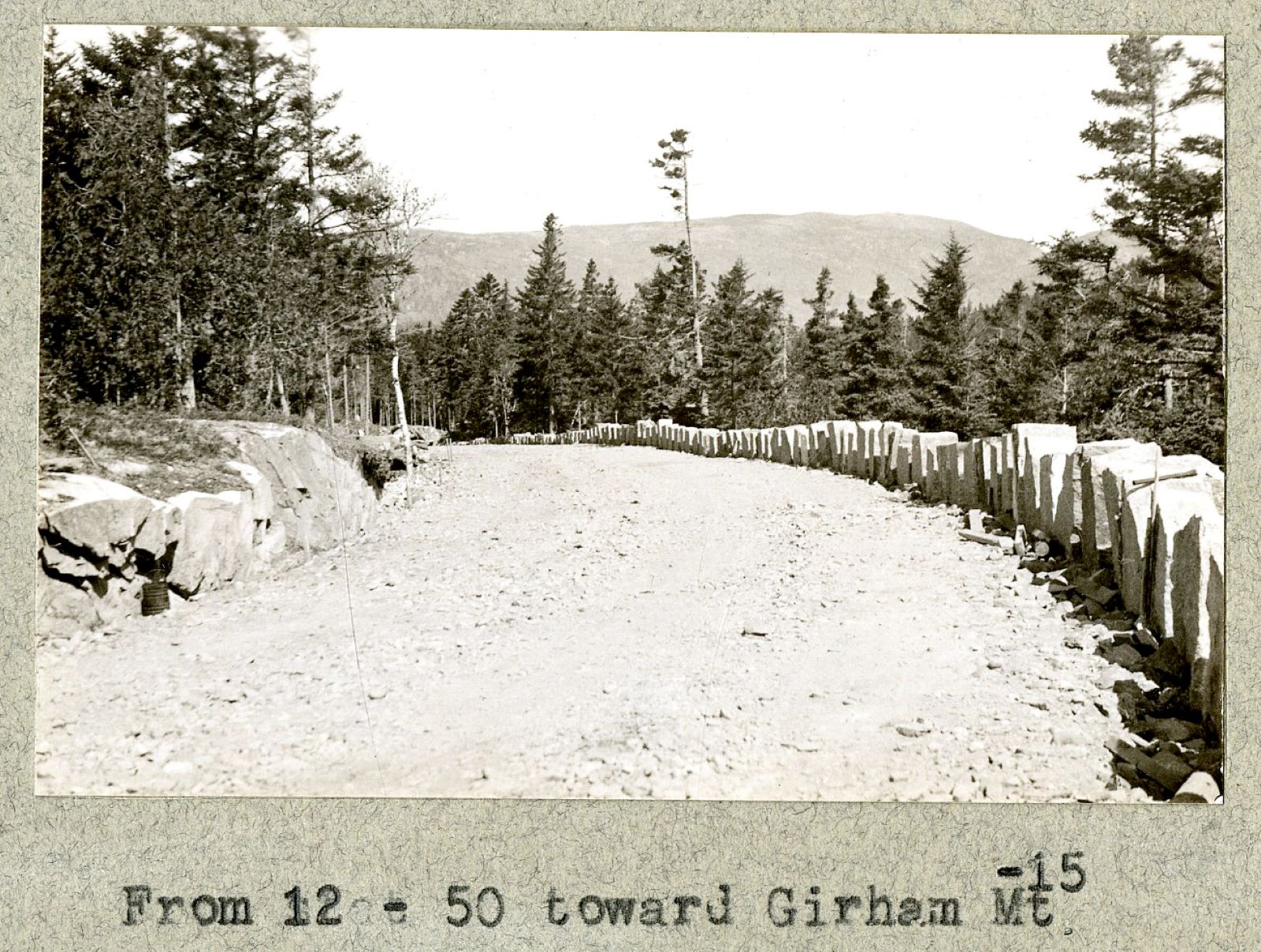
Park Guide
Acadia National Park: Carriage Roads, Cadillac Mountain & 2026 Guide
Discover carriage roads, Cadillac Mountain, and rugged Maine coast. Complete 2026 guide to Acadia National Park — trails, fees, lodging, permits, and what rangers recommend.
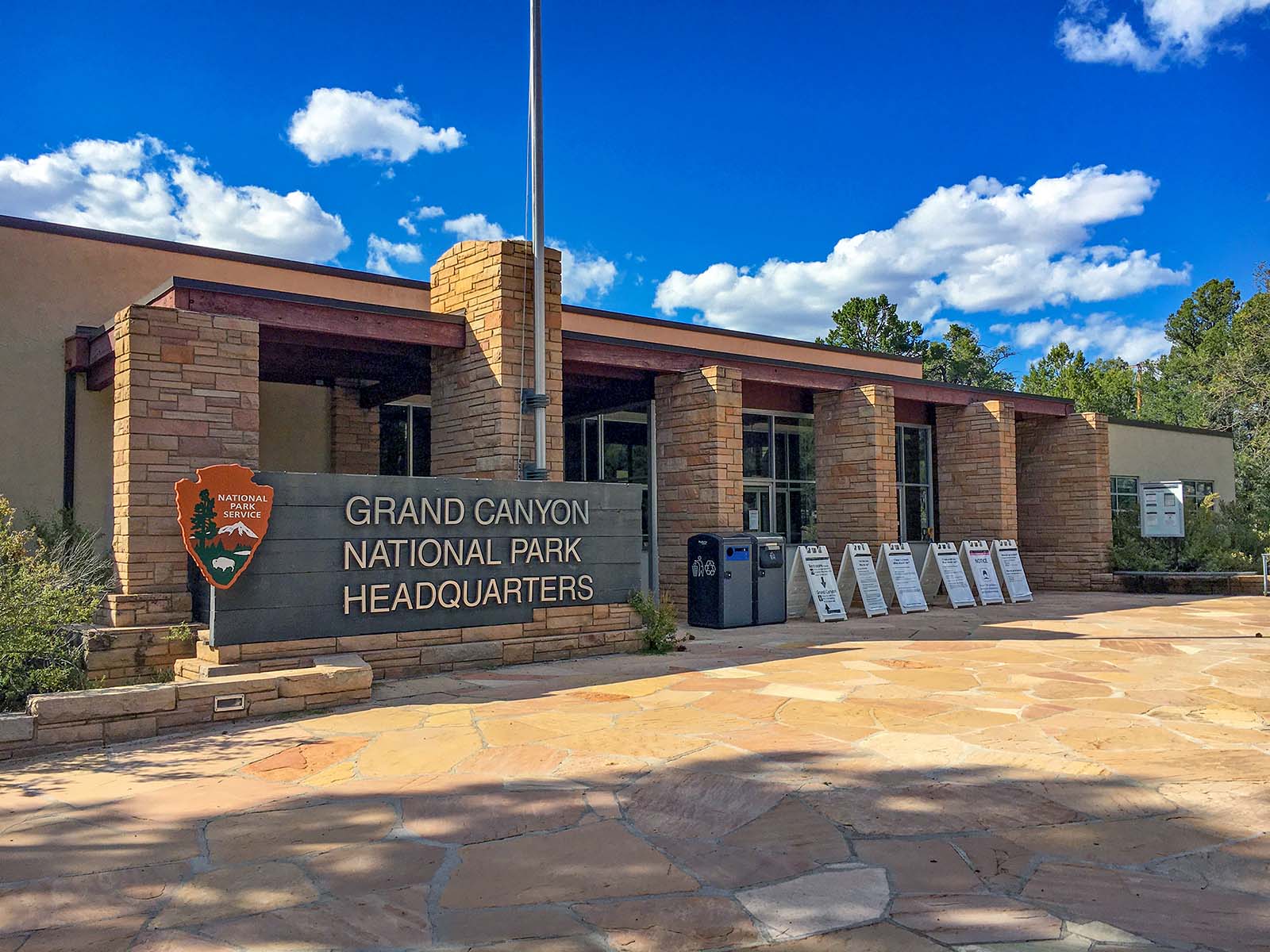
Hiking Guide
Grand Canyon Hiking Trails: Day Hikes, Water Sources & Rim to Rim
Compare Grand Canyon hiking trails: Bright Angel, South Kaibab, Hermit, Grandview, and rim to rim, with distances, elevation, water stops, and trailhead access for each.
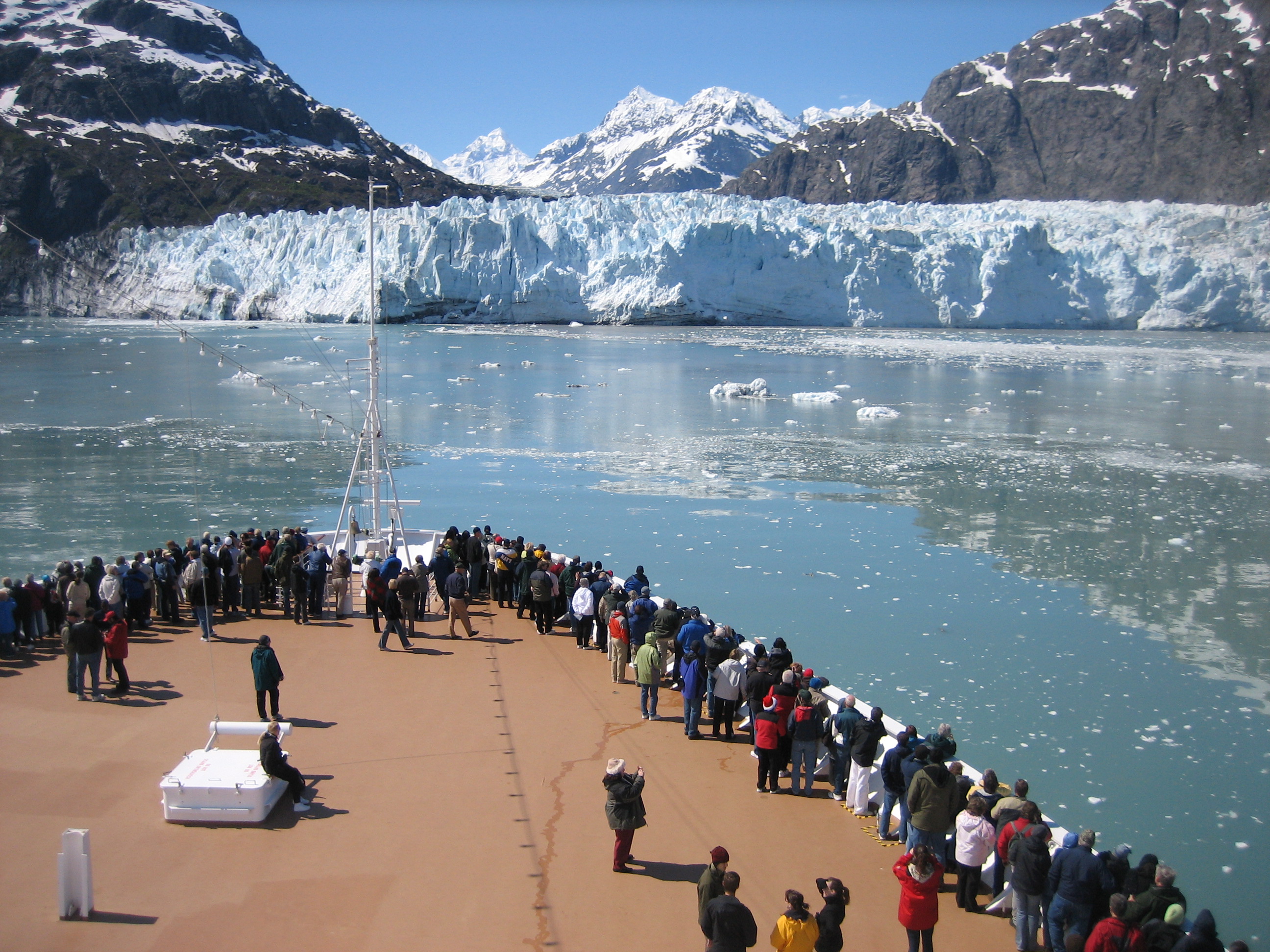
Best Of
Best of Glacier Bay National Park
The best of Glacier Bay is reached by boat: ranger-led day tours up the bay to the tidewater glaciers. What's worth it, how to book, and when to go (2026).
Campsite Guide
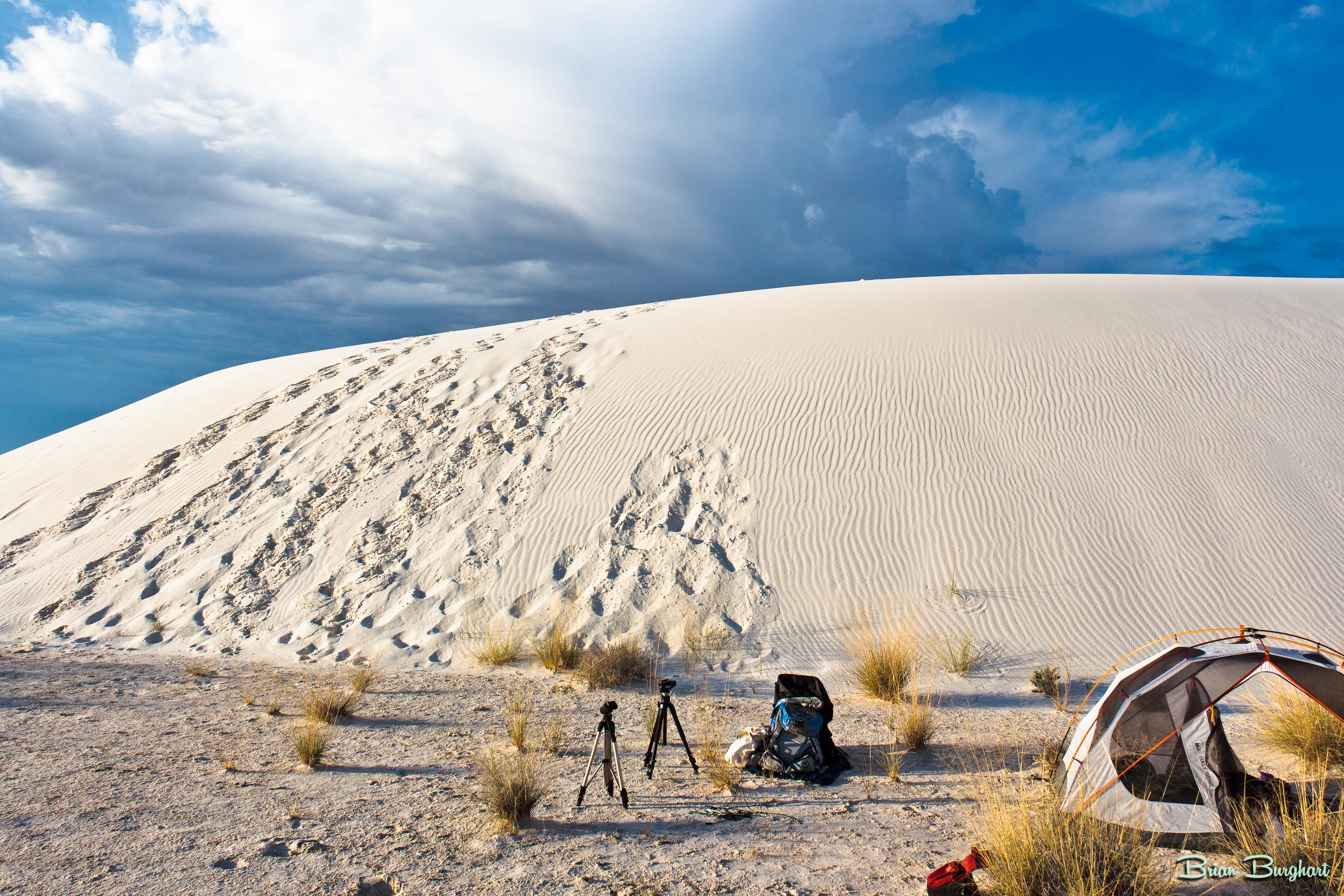
White Sands Backcountry Camping: Closed for 2026 — What to Know
As of 2026, backcountry camping at White Sands National Park is closed for site rehabilitation. What that means, and where to camp nearby instead.
Weather Guide
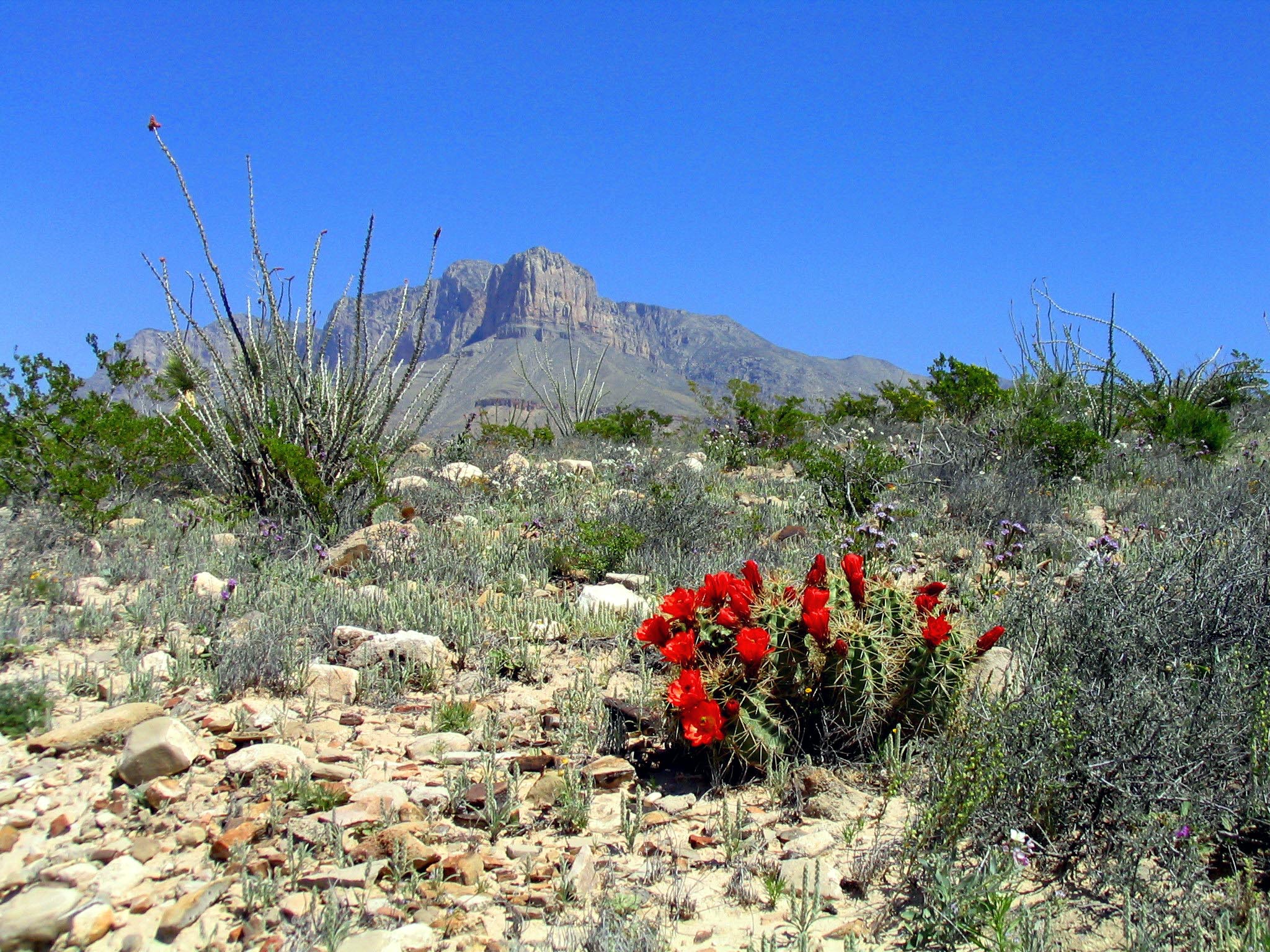
Guadalupe Mountains National Park Weather: Weather
Guadalupe Mountains National Park: weather guide guide updated 2026. Practical visitor information, reservations, and seasonal tips worth bookmarking before
Best Of
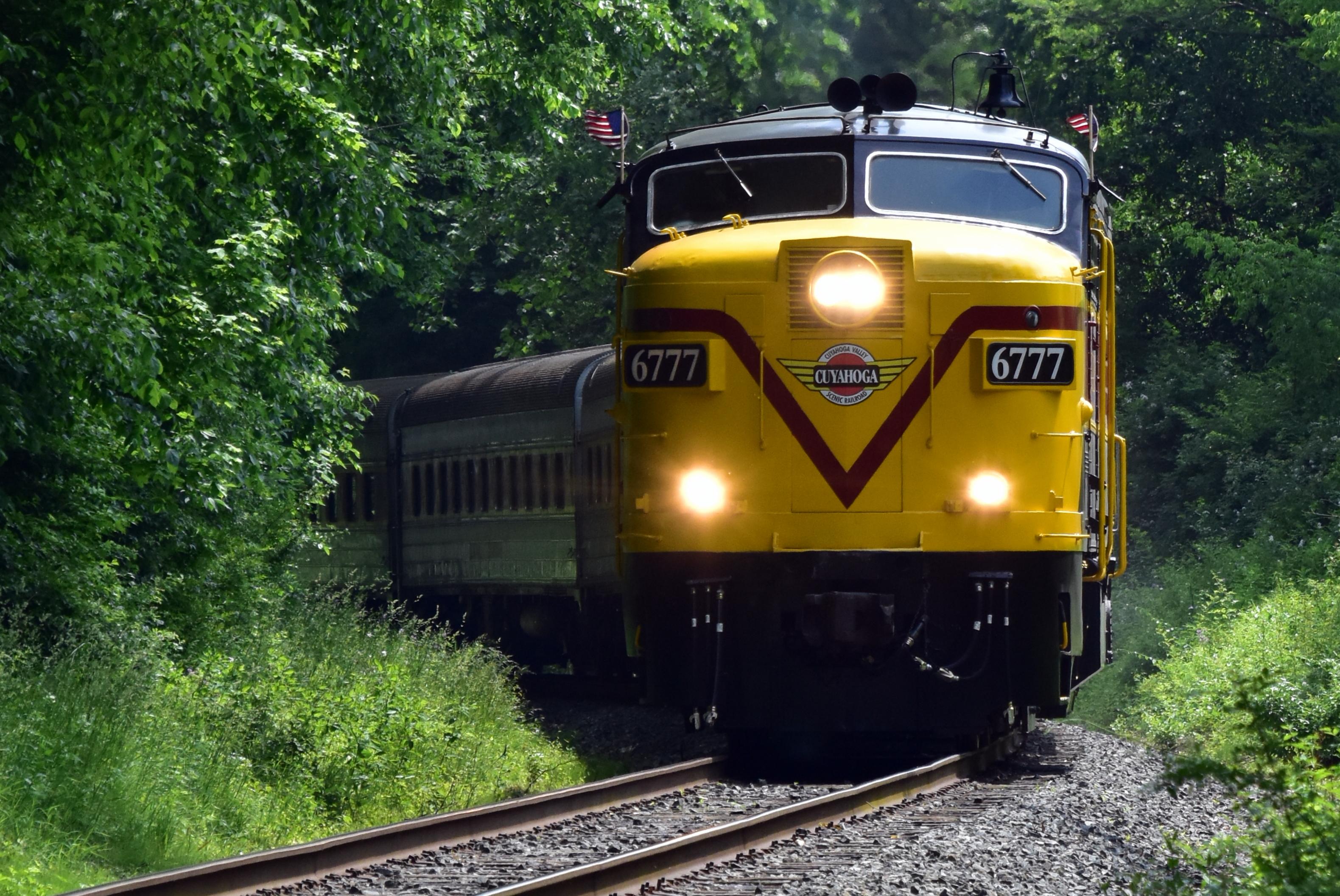
Best of Cuyahoga Valley National Park: Best Things to Do
Seeing a Cleveland Orchestra concert with the woods as your backdrop is a uniquely Cuyahoga Valley experience.
Sign in to join the conversation.
Sources & Attribution
Location data courtesy of the National Park Service (U.S. Department of the Interior). NPS data is public domain.
Images: NPS; NPS.
Map data © OpenStreetMap contributors.
Park operations alerts: NPS.gov · Weather and weather hazards: National Weather Service · Live conditions.
Information may change. Always verify fees, hours, and conditions directly with the official source before visiting.
Did this guide help? Share it with a friend.