The single guided experience worth building your trip around at Sequoia National Park is the Crystal Cave tour. This is not a hyperbole - the cave sits in a restricted area of the park inaccessible without a tour ticket, and the marble passages hold formations you will not see anywhere else in the Sierra Nevada. Tickets go on sale each spring and sell out within hours for the entire season. If you plan a trip to the park and do not secure cave tickets in advance, you miss the one guided experience that genuinely justifies the tour format.
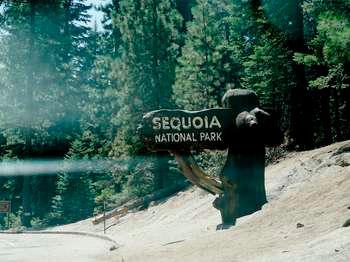
NPS via NPS.gov (Public Domain)
Sequoia National Park Tours: How to Tour
11 min read
Tours Guide
Crystal Cave is the only Sequoia National Park tour you can't replicate on your own—tickets sell out within hours each spring. Plan ahead for this 45-minute guided walk.
This article contains affiliate links — we may earn a small commission at no extra cost to you.
Everything else - the ranger walks, the evening programs, the van tours - supplements a self-guided trip. The cave tour is the only experience at Sequoia that you cannot replicate on your own.
The Best Guided Experience Here
Crystal Cave Tours
Crystal Cave is a marble karst cave located about halfway up the Generals Highway, roughly 20 miles from the Ash Mountain entrance. The park service limits access to guided tours only - no self-guided exploration is permitted. This is a conservation measure, not bureaucracy. The cave ecosystem is fragile, and the marble formations (stalactites, stalagmites, flowstone, rimstone dams) would not survive unrestricted foot traffic.
What the tour covers: A 45-minute guided walk through roughly a half-mile of developed passages. The trail drops about 100 feet of elevation via stairs at the entrance. Temperature inside the cave hovers around 50°F year-round. Your guide will point out specific formations, explain the hydrology of the cave system, and turn off the lights at one point to demonstrate the absolute darkness of a cave environment.
Cost: $16 for adults, $8 for children (ages 5-12), free for children under 5. As of 2026, these prices have held steady for several years but check the park website for any changes.
Duration: The tour itself runs 45 minutes. Plan for at least 2.5 hours total including the walk down to the cave entrance (0.5 miles, paved but steep), the tour, and the walk back up.
When tours run: Late May through late September, weather permitting. The cave closes for the winter and reopens each spring once snow melts off the access road. First tours typically start around late May. Last tours end by late September.
Booking process: Reservations open in early spring - typically March or April - through recreation.gov. Search for "Crystal Cave Sequoia." Tickets sell out for the entire season within days. If you miss the reservation window, check back 24-48 hours before your desired date for cancellations, but treat this as a backup plan rather than a strategy.
Getting there: The cave entrance requires a 0.5-mile walk down a paved but steep road from the parking lot. No vehicles are permitted beyond the lot. The walk back up gains that elevation, and visitors regularly underestimate the climb. Allow extra time. The parking lot itself holds maybe 40 cars and fills by 10 AM on summer weekends.
What the official website does not mention: The cave tour is loud. Groups average 25-30 people, and sound echoes off marble walls. If you are hoping for a quiet contemplative experience, the evening ranger programs will serve you better. The cave tour is educational and efficient, not meditative. Also - bring a jacket. 50°F inside the cave feels cold after hiking down in summer heat. The gift shop sells water inside the cave but it is $4 a bottle. Bring your own.
Who should book this: Anyone visiting the park between June and September who can secure a ticket. It is the only guided tour in Sequoia that grants access to a place you literally cannot enter otherwise. Skip it only if you have mobility issues with stairs or steep paved walks.
Free Ranger Programs
The park service runs a slate of ranger-led programs from late spring through early fall. Quality varies by ranger - some give exceptional talks, others read from a script - but the programs are free with park entry, and several are genuinely worth your time.
Evening Programs at Lodgepole and Wuksachi
Both Lodgepole Campground's amphitheater and the Wuksachi Lodge host evening programs during summer months. Topics rotate: wildlife ecology, fire history, geology, night sky interpretation. Programs run 45-60 minutes and start around 8 PM (timing shifts with sunset).
What actually happens: A ranger sets up at an outdoor amphitheater with a portable screen or simply talks from a podium. Topics are generally well-researched. The fire ecology talk is the strongest of the regular offerings - Sequoia's relationship with fire is complex and counterintuitive, and rangers who cover this topic tend to be the most knowledgeable.
Scheduling: Schedules post weekly at visitor centers and on the park's calendar page. No reservations required. Show up 10 minutes early for a decent seat. The Lodgepole amphitheater fills on Friday and Saturday nights. Bring layers - evening temperatures in the Giant Forest area drop 20-30 degrees from daytime highs even in July.
Who should attend: Families with children ages 8 and up will get the most out of these. Younger children lose interest about 20 minutes in. Adults without kids should pick topics that genuinely interest you - the geology talk is good, the general "welcome to the park" talk can be skipped.
Giant Forest Museum Talks
The museum at the Giant Forest area hosts shorter ranger talks (20-30 minutes) on the hour during peak season. These cover sequoia ecology, the history of the Giant Forest's preservation, and the ongoing restoration work. The talks happen inside the museum, which means they run rain or shine.
Value assessment: Worth catching if you are already at the Giant Forest. Not worth driving there specifically. The museum exhibits themselves are well-done and cover the same material in more depth. The talk adds a personal touch and a chance to ask questions, but if you are pressed for time, skip the talk and spend that time on the Congress Trail instead.
Junior Ranger Program
The free Junior Ranger program is not technically a guided experience, but the park service runs scheduled ranger-led activities for children ages 4-12 at the museum and visitor centers. These are 30-45 minute sessions with hands-on activities. Pick up a free activity booklet at any visitor center and return it completed for a badge.
Best for: Families with children in the target age range. The ranger-led sessions happen once or twice daily during summer and weekends in spring and fall.
Concessionaire Tours
Sequoia Sightseeing Tours
Delaware North, the park's concessionaire, operates narrated bus tours through the Giant Forest. These run from mid-May through October, weather dependent.
What they offer: A 3-hour bus tour from the Wuksachi Lodge area through the Giant Forest, with stops at the General Sherman Tree, the Auto Log (a fallen sequoia you used to be able to drive on - now you can walk it), and several overlooks. The guide provides narration on park history, ecology, and trivia.
Cost: Approximately $55-65 per adult, $35-40 per child. Prices fluctuate annually, so check current rates on the Delaware North site.
Honest value assessment: These tours are fine for visitors who cannot hike or who want a structured overview without navigating the park's road system. For anyone comfortable driving themselves and walking moderate distances, the bus tour does not unlock anything you cannot access for the price of park entry. The narration is professional but not revelatory. The main advantage is not having to drive the narrow, winding Generals Highway yourself.
Best suited for: Seniors or visitors with mobility limitations who want to see the Giant Forest area. Also a reasonable choice if you are connecting through the park on a tight schedule and want a curated half-day.
Sequoia National Park Horseback Riding
Mineral King Pack Station offers guided horseback rides through the Mineral King area of the park. This is a different experience from the Giant Forest - Mineral King is a high alpine valley with subalpine meadows, not sequoia groves.
What they offer: Half-day and full-day guided trail rides through Mineral King. The half-day rides (3-4 hours) run about $150 per person. Full-day rides with lunch run about $250 per person. Rides operate July through September, weather permitting.
Honest value assessment: Mineral King is one of the least-visited areas of the park, and seeing it on horseback gives you access to trails and terrain you would not cover on foot in a day. The horses are well-cared for, the guides know the landscape, and the price is competitive with comparable guided rides in other national parks.
Best suited for: Experienced riders and adventurous beginners willing to listen to instructions. Not for anyone afraid of horses or steep mountain trails.
Booking: Reservations through the Mineral King Pack Station website. Book 2-3 months ahead for summer dates. Same-day availability is rare.
Buckaroo Horseback Riding
For families with younger children, Buckaroo offers shorter rides (1-1.5 hours) on gentler terrain, also in the Mineral King area. These cost around $60-75 per person.
Best for: Families with children ages 6-12 who want a taste of horseback riding without committing to a half-day.
Specialized Experiences
Night Sky Programs
Sequoia is a designated International Dark Sky Park. The park service runs night sky programs from the Giant Forest Museum parking lot and the Lodgepole Campground amphitheater during summer months.
What they offer: Rangers set up telescopes and laser pointers for constellation tours. The program runs 45-60 minutes after full dark. On clear nights, the Milky Way is visible overhead with the naked eye - little to no light pollution here.
Schedule: Check the visitor center for weekly listings. June through September, typically on Friday and Saturday nights near the new moon phase.
Cost: Free with park entry.
What the park website doesn't mention: These programs get crowded. The Giant Forest Museum lot holds maybe 50 cars, and it fills. Arrive 30 minutes early. Bring a red-light flashlight (white light ruins night vision) and a camp chair - you will be standing or sitting on pavement otherwise.
Who should attend: Absolutely worth it for anyone in the park on a clear summer night. The night sky at 6,400 feet with minimal light pollution is one of the park's underrated experiences. Combine this with the evening ranger program on the same night if timing lines up.
Photography Workshops
The park does not run regular guided photography workshops in-house. Outside operators occasionally offer workshops in the park, but these are not affiliated with the NPS. Check the park's special use permit page for a list of permitted commercial photography guides if this interests you.
Snowshoe Walks (Winter Only)
From December through March, weather permitting, rangers lead guided snowshoe walks in the Giant Forest area. These are free, and the park provides snowshoes (limited supply - first come, first served). Walks run about 2 hours and cover 1-2 miles of snow-covered trail.
What they cover: Identifying winter animal tracks, understanding how sequoias survive snow loads, and general winter ecology. The pace is slow. The experience is quiet in a way summer visits never are.
Booking: No reservations. Show up at the Giant Forest Museum at the posted time (typically 1 PM on weekends). Snowshoes go quickly - arrive 20 minutes early for a pair.
Best for: Visitors who have never snowshoed and want a low-commitment introduction. Also for returning visitors who have only seen the park in summer and want to experience the silence of a sequoia grove under snow.
Booking and Logistics
How Far in Advance to Book
| Experience | Lead Time | Where to Book |
|---|---|---|
| Crystal Cave | As soon as tickets release (March/April) | recreation.gov |
| Sequoia Sightseeing Bus Tour | 2-3 weeks in summer | Delaware North Sequoia site |
| Mineral King Horseback | 2-3 months for summer | Mineral King Pack Station website |
| Buckaroo Rides | 1-2 weeks | Mineral King Pack Station website |
| Ranger programs (free) | No reservation needed | Just show up |
| Snowshoe walks | No reservation needed | Arrive early for equipment |
What Is Included
Crystal Cave tour tickets include the guided walk only. You still need park entry ($35 per vehicle as of 2026, valid for 7 days). The cave parking lot is outside the main entrance fee zone on the Generals Highway. If you have an America the Beautiful pass, that covers your park entry - show it at the entrance station.
Bus tour tickets include the tour and narration. Park entry is separate. Gratuity for the driver is customary (typical: 10-15% of tour cost).
Horseback ride fees include the horse, guide, and equipment. Park entry is separate.
Cancellation Policies
Crystal Cave: Full refund if cancelled 14+ days before. 50% refund if cancelled 7-13 days out. No refund within 7 days. Tickets are non-transferable.
Bus tours: 24-hour cancellation policy for full refund. Ticketing fees may apply.
Horseback rides: 48-hour cancellation policy for full refund. No-shows are charged full price.
Fees and Costs
As of 2026, park entry is $35 per private vehicle, $30 per motorcycle, $20 per individual on foot or bicycle. Valid for 7 days. The America the Beautiful Annual Pass ($80) covers entry at this park and all other federal recreation sites.
Cell Service and Navigation
Cell service drops out at the Ash Mountain entrance station and does not return until you exit the park. There is sporadic service at Wuksachi Lodge and scattered spots along the Generals Highway, but do not rely on it. Download recreation.gov confirmations, tour tickets, and driving directions before you arrive.
What to Bring
For any guided experience at Sequoia: water (minimum 1 liter per person for a half-day outing), layers (temperature swings of 30°F are normal), sun protection, sturdy footwear. For Crystal Cave specifically: a light jacket or fleece, and closed-toe shoes with grip - the stairs inside the cave stay damp year-round.
For the bus tour: a camera, water, and the willingness to get on and off the bus at each stop. The stops are short (10-15 minutes each). You will not have time for long hikes at any of them.
Practical Takeaways
- Crystal Cave tickets are the only guided experience at Sequoia that grants access to something you cannot do on your own. Book them through recreation.gov the day they go on sale in early spring. This is your highest-priority booking.
- The evening ranger programs at Lodgepole and Wuksachi are free, informative, and require no reservation. The fire ecology talk is the strongest regular offering. Show up 10 minutes early for a seat.
- The Sequoia Sightseeing bus tour is a reasonable choice if you cannot drive the Generals Highway yourself, but it does not unlock any exclusive access. Self-driving and hiking the Congress Trail gives you a deeper experience for less money.
- Night sky programs are genuinely worth attending on clear summer nights near the new moon. Arrive 30 minutes early. Bring a red-light flashlight and a camp chair.
- Winter snowshoe walks offer a completely different park experience - quiet, uncrowded, and free with equipment provided. December through March on weekends. Arrive early for snowshoes.
- Horseback rides in Mineral King require advance booking (2-3 months for summer dates). The half-day ride is the sweet spot for value and experience. Not recommended for beginners afraid of heights - the trails traverse steep slopes.
- Buy your entry pass before arriving if possible. The entrance station has credit card readers but cell service is unreliable for downloading passes. Print or screenshot your America the Beautiful pass or park entry receipt before you cross the park boundary.
For a complete rundown of everything the park offers, see the complete visitor guide. For help choosing where to stay overnight, the lodging and accommodations guide breaks down the options inside and outside the park.
Recommended Gear
What experienced visitors bring to Sequoia National Park Tours: How to Tour
Links may earn us a commission at no extra cost to you. We only recommend gear we believe in.
Hiking Essentials
Hydration Pack (3L)
Hands-free water for long trail days
Trekking Poles (Pair)
Save your knees on steep descents
Hiking Boots (Ankle Support)
Sturdy footwear for rocky, uneven trails
Sun & Heat Protection
Wide-Brim Sun Hat
Full coverage UPF 50+ protection at altitude
Insulated Water Bottle (32oz)
Keeps water cold in desert heat all day
Winter Gear
Microspikes / Traction Devices
Essential for icy rim trails in winter months
Packable Down Jacket
Lightweight warmth that stuffs into a pocket
Sources
- Official source: NPS — Sequoia National Park nps.gov/sequ/index.htm
More to Explore
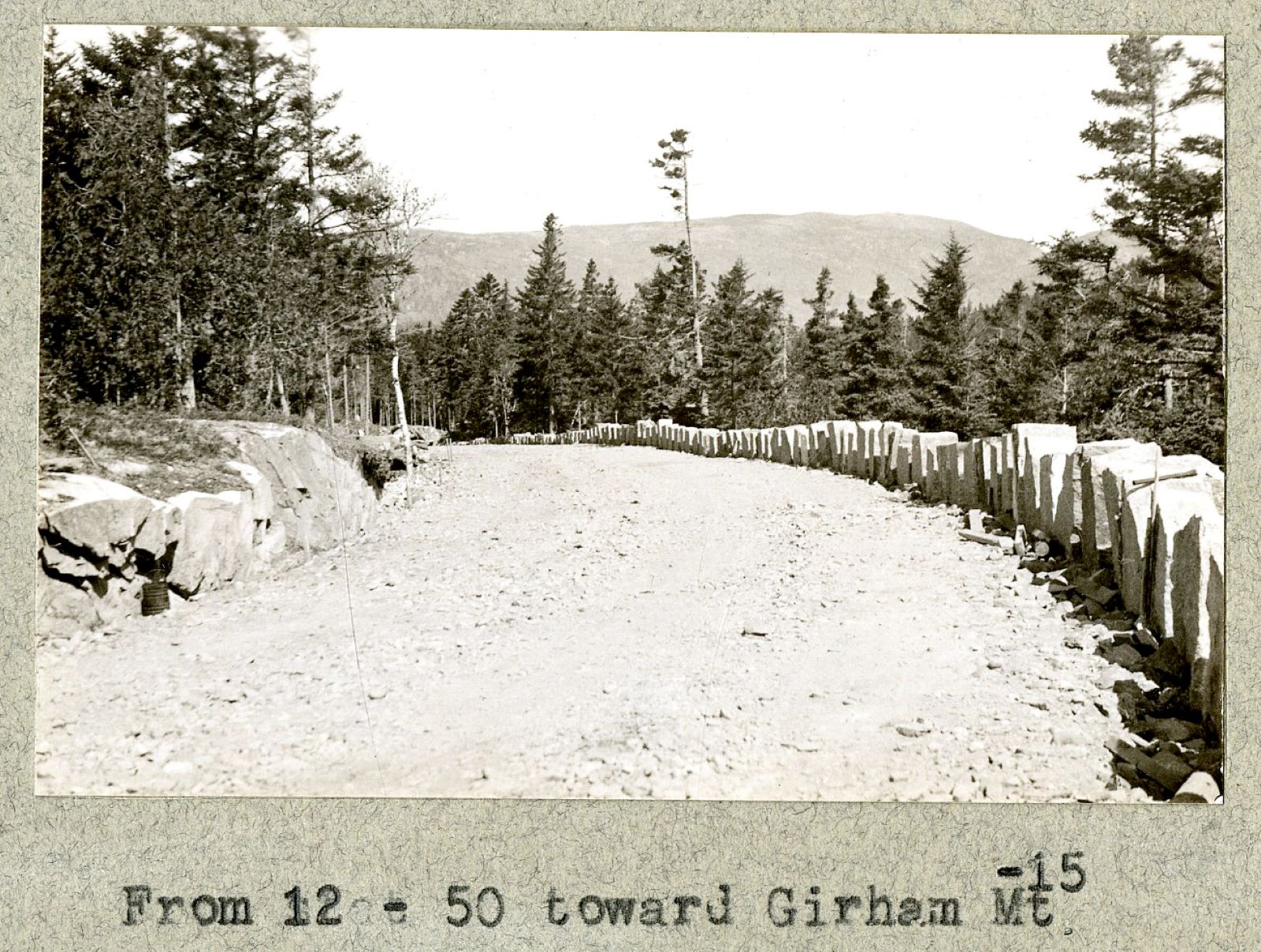
Park Guide
Acadia National Park: Carriage Roads, Cadillac Mountain & 2026 Guide
Discover carriage roads, Cadillac Mountain, and rugged Maine coast. Complete 2026 guide to Acadia National Park — trails, fees, lodging, permits, and what rangers recommend.
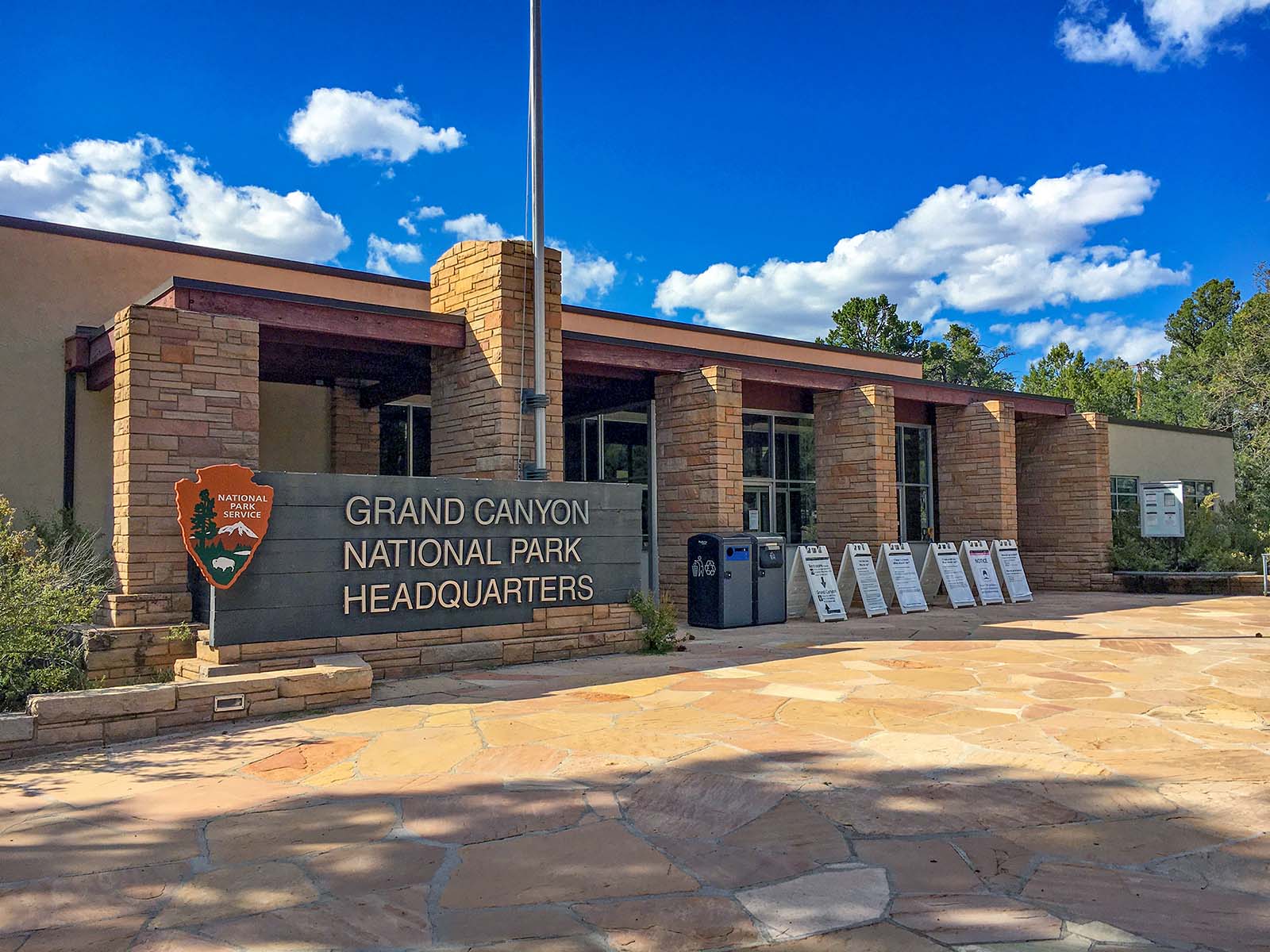
Hiking Guide
Grand Canyon Hiking Trails: Day Hikes, Water Sources & Rim to Rim
Compare Grand Canyon hiking trails: Bright Angel, South Kaibab, Hermit, Grandview, and rim to rim, with distances, elevation, water stops, and trailhead access for each.
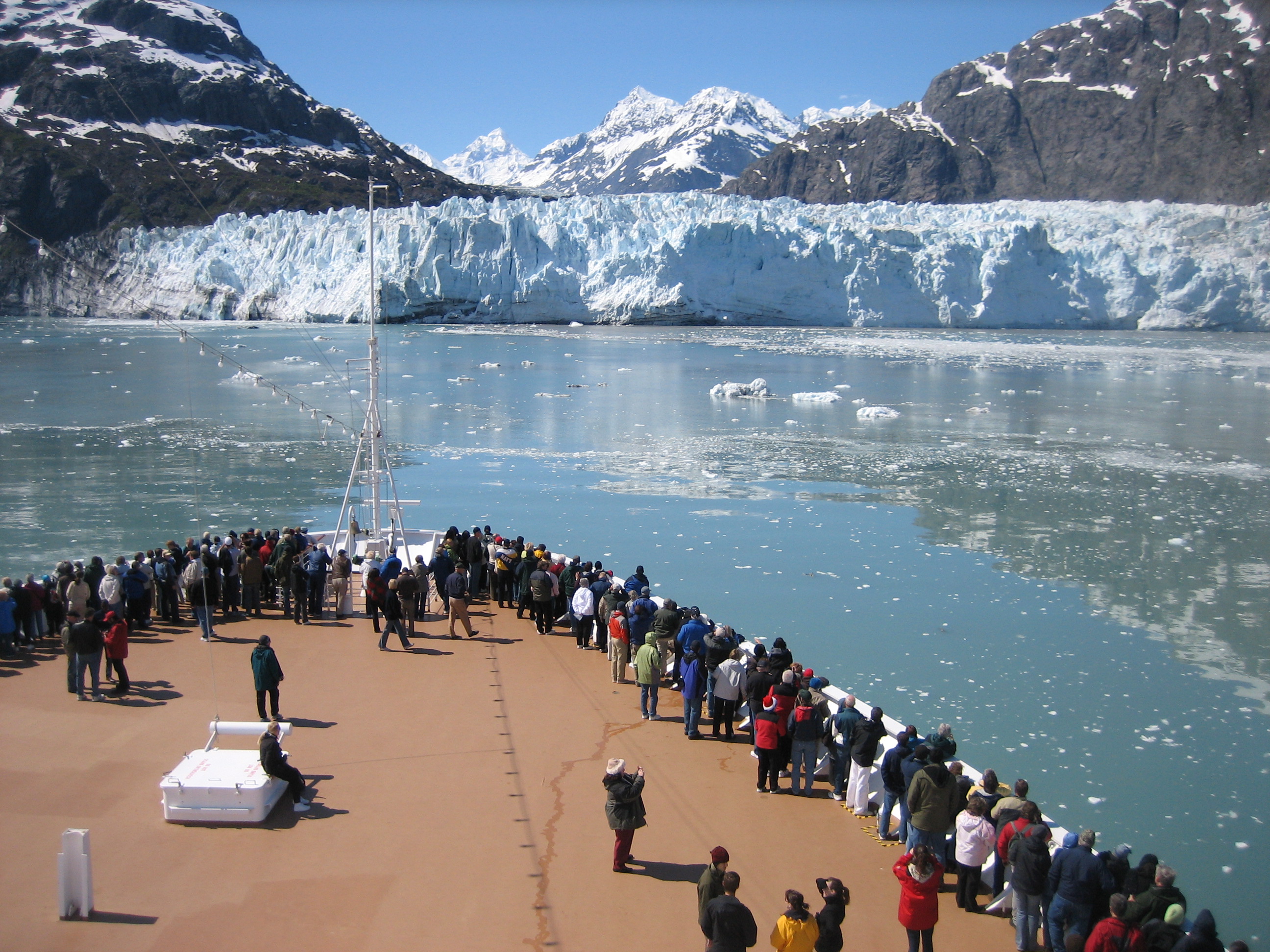
Best Of
Best of Glacier Bay National Park
The best of Glacier Bay is reached by boat: ranger-led day tours up the bay to the tidewater glaciers. What's worth it, how to book, and when to go (2026).
Campsite Guide
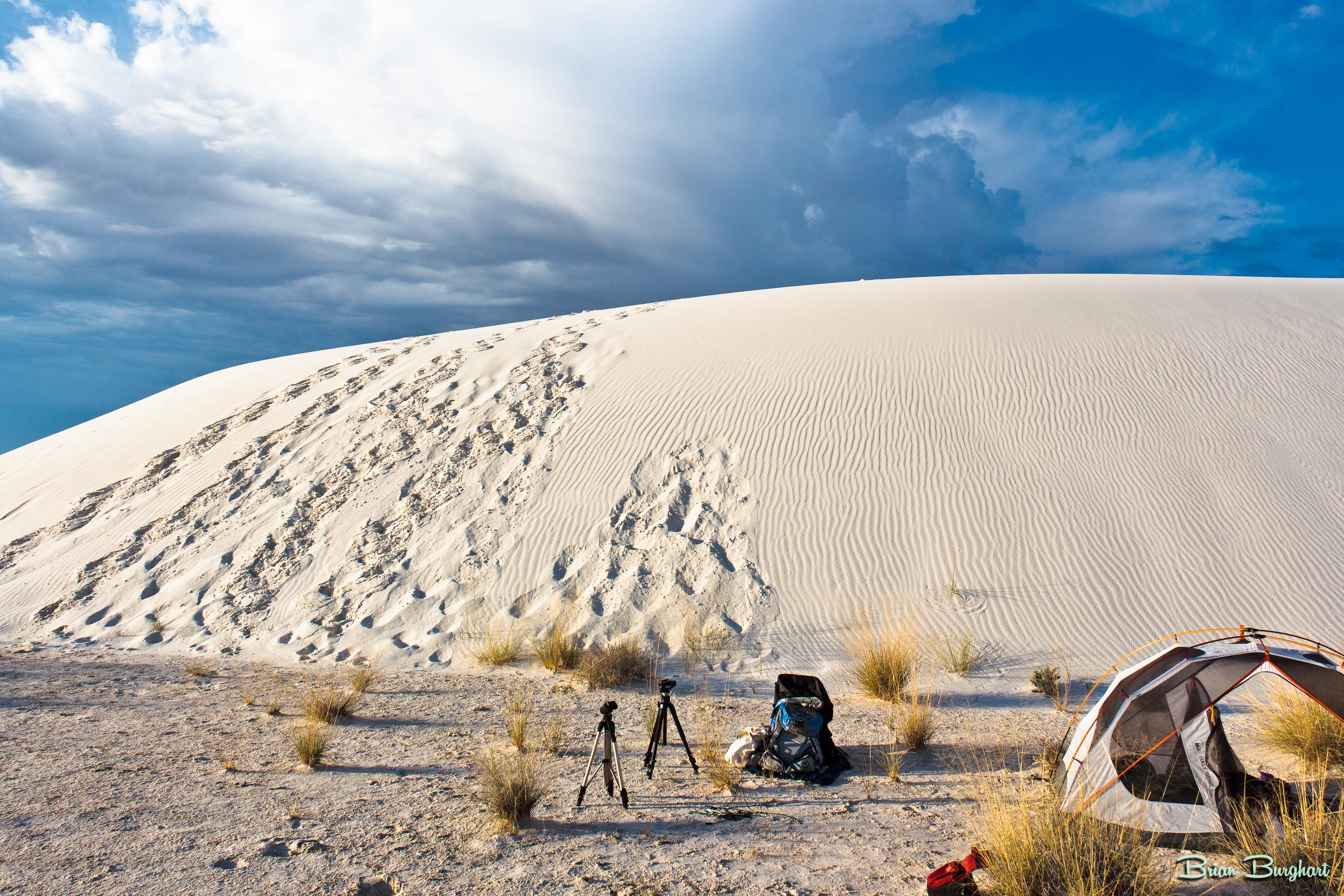
White Sands Backcountry Camping: Closed for 2026 — What to Know
As of 2026, backcountry camping at White Sands National Park is closed for site rehabilitation. What that means, and where to camp nearby instead.
Weather Guide
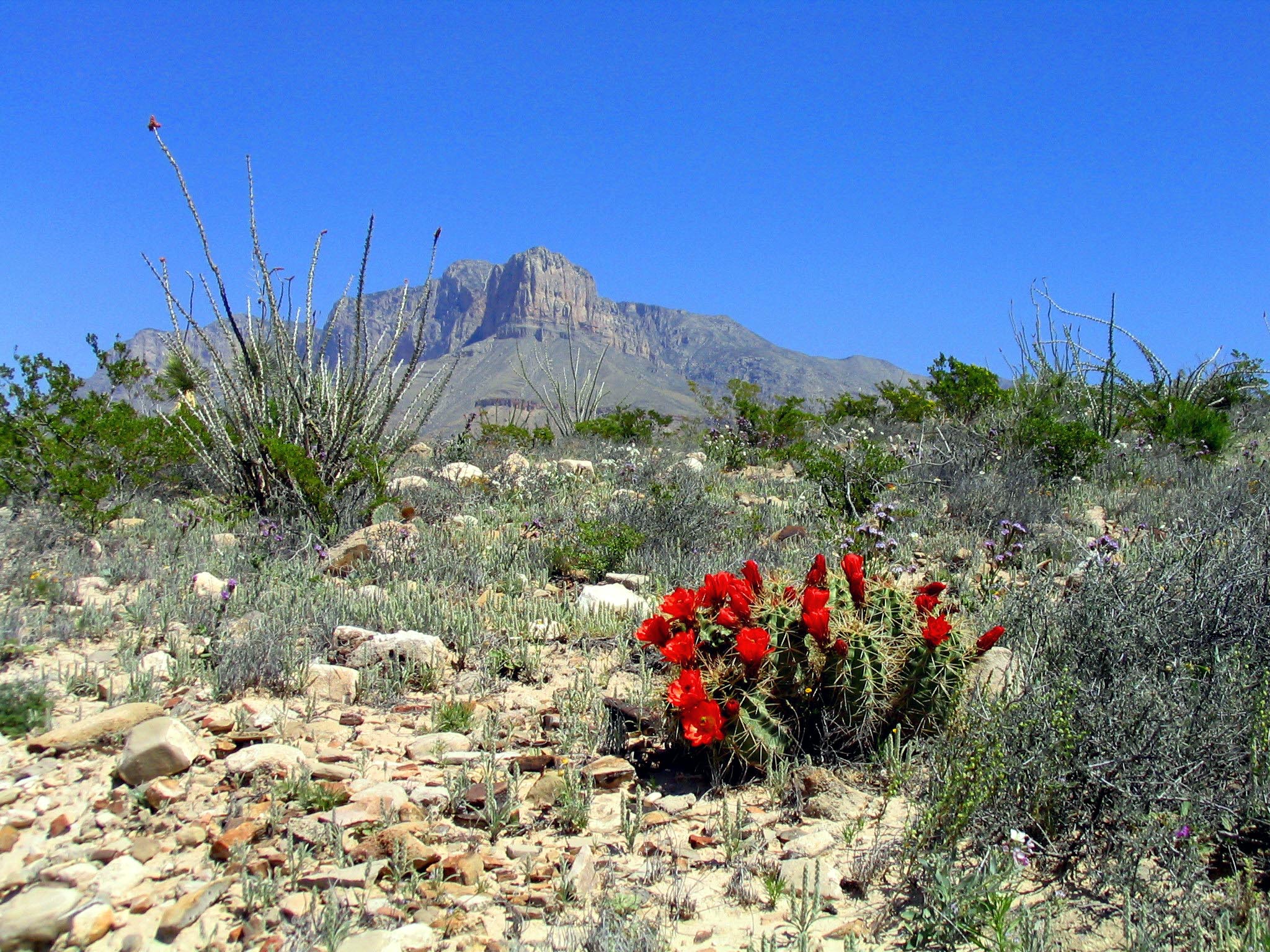
Guadalupe Mountains National Park Weather: Weather
Guadalupe Mountains National Park: weather guide guide updated 2026. Practical visitor information, reservations, and seasonal tips worth bookmarking before
Best Of
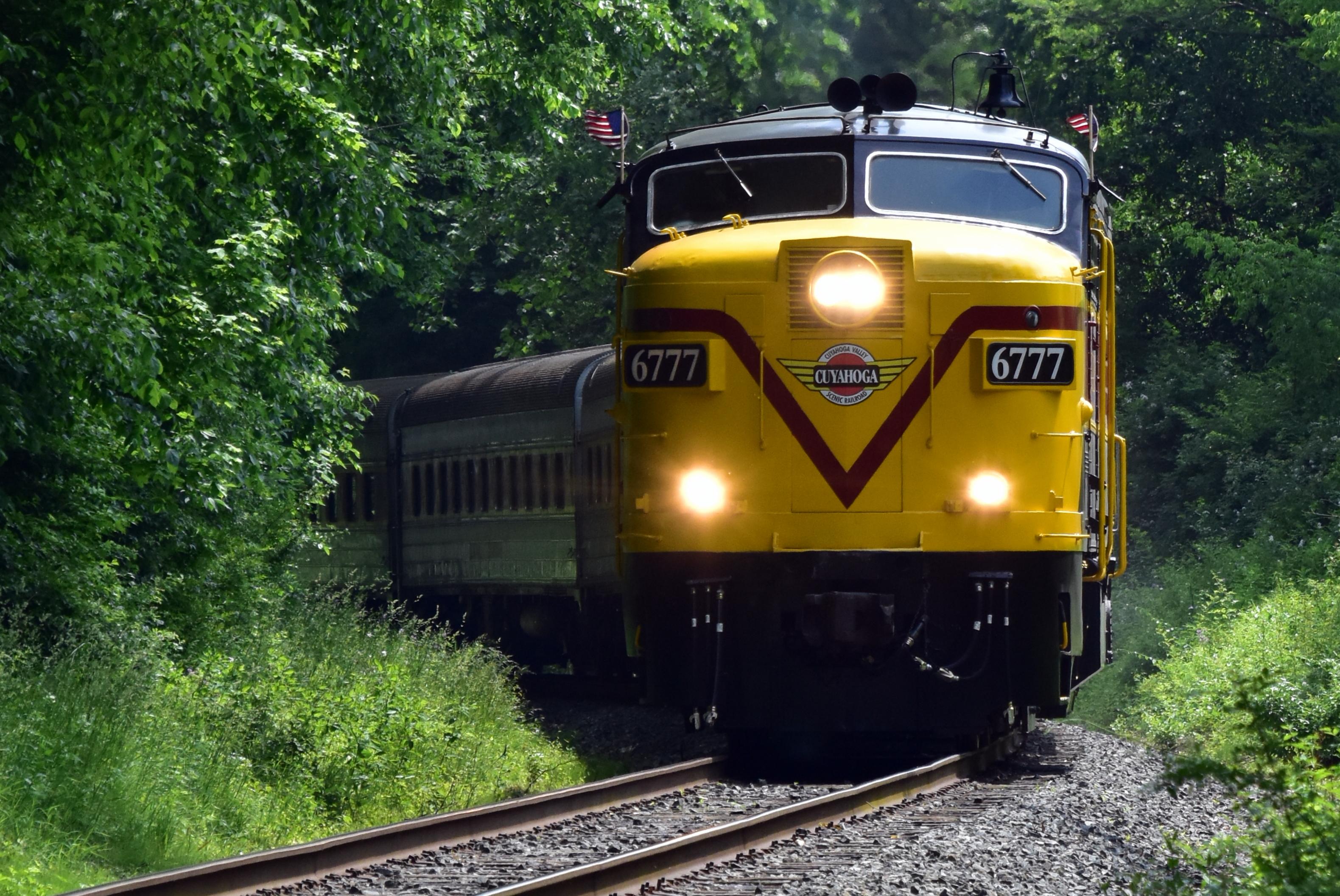
Best of Cuyahoga Valley National Park: Best Things to Do
Seeing a Cleveland Orchestra concert with the woods as your backdrop is a uniquely Cuyahoga Valley experience.
Sign in to join the conversation.
Sources & Attribution
Location data courtesy of the National Park Service (U.S. Department of the Interior). NPS data is public domain.
Images: NPS; NPS.
Map data © OpenStreetMap contributors.
Park operations alerts: NPS.gov · Weather and weather hazards: National Weather Service · Live conditions.
Information may change. Always verify fees, hours, and conditions directly with the official source before visiting.
Did this guide help? Share it with a friend.