The single most important thing to know about camping in Death Valley National Park: only one of its twelve campgrounds takes reservations. The other eleven are strictly first-come, first-served. That changes how you plan, especially during peak season from November through March, when the remaining 700-plus walk-in campsites fill by early afternoon. Anyone seeking the best camping Death Valley National Park offers needs to understand this system before they load the car.
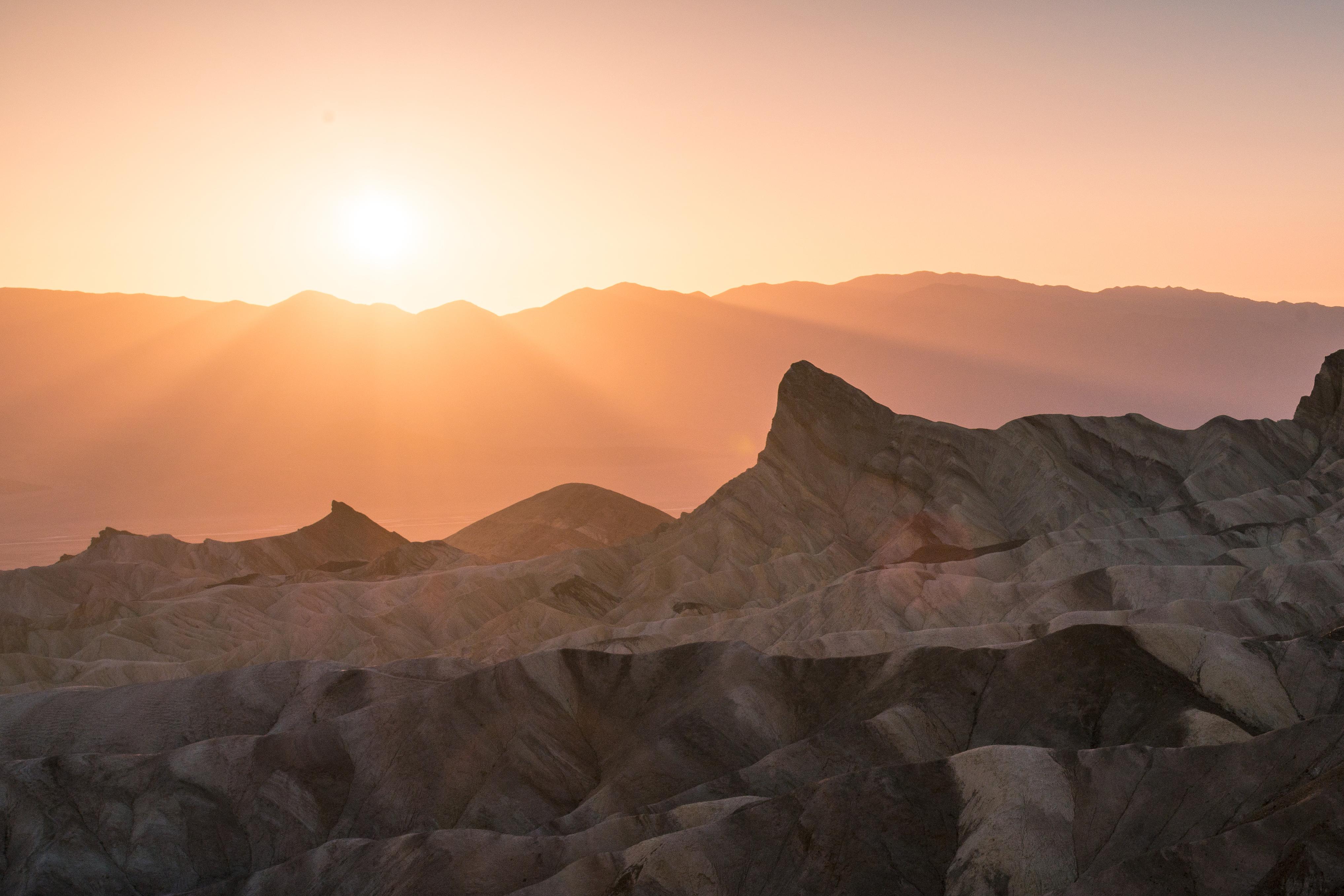
NPS via NPS.gov (Public Domain)
Death Valley National Park Camping: Furnace Creek, Stovepipe
11 min read
Camping Guide
Only one of Death Valley National Park's 12 campgrounds takes reservations; the other 11 are first-come, first-served.
Your plans
This article contains affiliate links — we may earn a small commission at no extra cost to you.
The Booking Reality
Furnace Creek Campground is the only NPS campground in the park that accepts reservations. It operates on Recreation.gov with a standard rolling window - sites become available six months ahead on a daily basis. During spring (February through mid-April), weekend slots at Furnace Creek book out within hours of opening. Weeknights go slower but still fill. The rest of the park is a gamble. Texas Springs, Sunset, and Stovepipe Wells all operate first-come, first-served and typically open late fall through mid-April. Show up on a Friday afternoon in March and you will circle lots. Show up on a Tuesday in December and you will have your pick.
Summer is the opposite. From May through September, you can practically have entire campgrounds to yourself - if you can handle the heat. Daytime temperatures routinely exceed 115°F in July and August. The few campers who come during summer stick to the higher-elevation primitive sites like Mahogany Flat (8,200 feet) where temperatures run 20 to 30 degrees cooler.

Campground at a Glance
| Campground | Sites | Reservation System | Season | Fee/Night | Elevation |
|---|---|---|---|---|---|
| Furnace Creek | 136 | Reservation required | Year-round | $30.00 | -190 ft |
| Stovepipe Wells | 190 | First-come, first-served | Late fall to mid-April | $18.00 | Sea level |
| Texas Springs | 106 | First-come, first-served | Late fall to April 15 | $20.00 | Hills above Furnace Creek |
| Sunset | 230 | First-come, first-served | Late fall to mid-April | $18.00 | Near Furnace Creek |
| Mesquite Spring | 40 | First-come, first-served | Year-round | $10.00 | 1,800 ft |
| Emigrant | 10 | Closed (flood damage) | Closed | $0.00 | 2,100 ft |
| Eureka Dunes (Primitive) | 7 | First-come, first-served | Year-round | $0.00 | Base of dunes |
| Mahogany Flat (Primitive) | 9 | First-come, first-served | Year-round | $0.00 | 8,200 ft |
| Thorndike (Primitive) | Not listed | First-come, first-served | Year-round | $0.00 | 7,400 ft |
| Saline Valley (Primitive) | 15 | First-come, first-served | Year-round | $0.00 | Remote hot spring |
| Homestake (Primitive) | 10 | First-come, first-served | Year-round | $0.00 | 3,785 ft |
| Wildrose | Not listed | First-come, first-served | Year-round | $0.00 | Mountain area |

Campground Details
Furnace Creek Campground
This is the marquee campground and the only one you can book ahead. Located at 190 feet below sea level near the Visitor Center, Furnace Creek offers 136 sites spread across two loops. The reservation system means you can plan with certainty, which is useful if you are driving from far away or coordinating with other travelers.
Setting and atmosphere: The campground sits in a developed area with landscaping and trees - unusual for Death Valley. The ground is hard-packed gravel and sand. Sites are reasonably spaced but not private. You will hear road noise from nearby CA-190 during the day, though it quiets down at night. Views look across the salt flats toward the Panamint Range. The sunsets are good from here because the western sky lights up behind the mountains.
Loop breakdown: The loops are not dramatically different, but the outer edges of the south loop have slightly more space between neighbors. Sites closer to the restroom building get more foot traffic. The north loop has better mountain views. RVs up to 45 feet fit in the pull-through sites. Tent campers will want sites with the sandier pads rather than the gravel ones - easier on the tent floor and stakes hold better.
Specific site recommendations: Sites 1 through 20 in the south loop tend to be quieter because they sit farthest from the entrance road. Sites in the high 80s and 90s in the north loop have better sightlines across the valley. Avoid sites directly adjacent to the restroom - the lights stay on all night and the door slams.
Facilities detail: Flush toilets, potable water, and a dump station are available. No showers. Each site has a picnic table, fire ring, and tent pad. The dump station is near the entrance.
What the booking site does not show: The campground fills with generator noise during the day, especially from larger RVs. If you want real quiet, time your visit for a weekday. Cell service is weak to nonexistent at the campsites themselves, though you can sometimes get a signal by walking toward the Visitor Center. The closest gas is at the Furnace Creek gas station, open 24 hours.
Stovepipe Wells Campground
Stovepipe Wells offers 190 sites at sea level, located about 25 miles northwest of Furnace Creek. It is first-come, first-served and open seasonally, typically from late fall through April 15.
Setting and atmosphere: This campground has less vegetation than Furnace Creek. The terrain is open desert with scattered creosote bush. Sites are marked but not separated by much - you will hear your neighbors. The surrounding dunes are visible from many sites, and early morning light on the sand is worth waking up for. The campground lies near the Stovepipe Wells Village, which has a general store, restaurant, and gas station.
Loop breakdown: The campground does not have labeled loops. The layout is a simple grid of sites along paved roads. Sites along the eastern edge have better views of the dunes. Interior sites are more sheltered from wind but more exposed to neighbor noise.
Facilities detail: Flush toilets and potable water are available. No hookups, no showers, no dump station. Fee is paid at the pay station - bring cash or a card.
What the booking site does not show: The wind here picks up in the afternoon, especially in March and April. Stake your tent well. Sand gets into everything. The general store closes early some days, so stock up before you arrive. Gas is available 24 hours at Stovepipe Wells.
Texas Springs Campground
Texas Springs sits in the hills above Furnace Creek, offering 106 sites at a slightly higher elevation than the valley floor. It operates first-come, first-served and typically opens late fall through April 15.
Setting and atmosphere: This is the most scenic of the developed campgrounds. The hillside location gives you views down across the valley, and the terrain is rockier than the valley floor campgrounds. It feels less like a parking lot and more like actual desert camping. The tradeoff is that it gets colder at night here - expect temperatures 5 to 10 degrees cooler than at Furnace Creek.
Loop breakdown: The upper loop has the best views but the windiest conditions. The lower loop is more sheltered but has less dramatic scenery. If you have a choice, take the upper loop and brace for wind.
Facilities detail: Flush toilets and potable water. No hookups, no showers. Fee is $20.00 per night.
What the booking site does not show: The road into Texas Springs is narrow in spots. Large RVs (over 30 feet) will struggle with the turns. The parking situation here is tighter than at Furnace Creek or Stovepipe Wells. Rangers will tell you this campground fills up first during spring because of the views.
Sunset Campground
At 230 sites, Sunset is the largest campground in the park. It operates first-come, first-served, typically from late fall through mid-April. The fee is $18.00 per night.
Setting and atmosphere: Sunset sits on flat ground near Furnace Creek with little to no vegetation. Privacy is minimal. The campground rarely fills completely due to its size, so it is a reliable backup if Texas Springs or Stovepipe Wells are full. The name is accurate - the sunsets here are broad and unobstructed.
Facilities detail: Flush toilets and potable water. No hookups, no showers.
What the booking site does not show: This campground has the least shade of any developed campground in the park. In spring, that is manageable. In summer, it is brutal. The ground is hard-packed and reflective - tents get hot fast in the morning sun.
Mesquite Spring Campground
Mesquite Spring offers 40 sites at 1,800 feet elevation, located about 2 miles off Scotty's Castle Road below Grapevine Canyon. It is first-come, first-served and open year-round. Fee is $10.00 per night - the cheapest of the developed campgrounds.
Setting and atmosphere: This is a small, quiet campground near the northern end of the park. It feels different from the Furnace Creek area - more like high desert with juniper and mesquite. The elevation makes summer nights bearable when the valley floor is unbearable. Winter nights get cold here.
Facilities detail: Flush toilets and potable water. No hookups, no showers.
What the booking site does not show: The drive to Furnace Creek takes about an hour. Stock up on supplies before you head north. Cell service drops out completely on Scotty's Castle Road.
Primitive Campgrounds
Death Valley has six primitive campgrounds for those willing to trade amenities for solitude.
Eureka Dunes Campground (Primitive) - 7 sites at the base of the tallest sand dunes in California. The fee is $0.00. The drive in requires a high-clearance vehicle. The best camping Death Valley National Park offers for pure silence and night sky viewing is here. No water, no toilets beyond a vault. Pack everything out.
Mahogany Flat Campground (Primitive) - 9 sites at 8,200 feet in a pinyon pine and juniper forest. First-come, first-served, no fee. Accessible by a steep, winding gravel road - trailers and large RVs are not recommended. Summer temperatures here run 20 to 30 degrees cooler than the valley floor. The views down into the valley are exceptional.
Thorndike Campground (Primitive) - Also at high elevation (7,400 feet) in a forested setting. First-come, first-served, no fee. Accessible via the same road as Mahogany Flat. Tent camping only - no RVs.
Saline Valley Campground (Primitive) - 15 sites at a clothing-optional hot spring area about 35 miles from the nearest paved road. High-clearance vehicle and all-terrain tires are required. The fee is $0.00. This is not an easy trip, but the hot springs draw a dedicated crowd.
Homestake Campground (Primitive) - 10 sites at 3,785 feet, accessible only by high-clearance vehicles with all-terrain tires. Access from Saline Valley Road. Extremely remote. Do not attempt without proper preparation.
Wildrose Campground - First-come, first-served. No water available in the Wildrose area. The closest available water is roughly 31 miles north at Stovepipe Wells.
Emigrant Campground
Emigrant Campground is closed. The campground, water system, and restrooms have been closed since late August 2025 due to flood damage. The damage to the 5-mile-long water line was extensive. Do not plan on using this campground in 2026. Check the park website for updates on repair timelines.

Reservation Strategy
For Furnace Creek: Book exactly six months ahead of your arrival date. Sites for spring weekends go live at 10 AM Eastern on Recreation.gov and often sell out within two hours. If you miss the initial window, set an alert for cancellations - they happen regularly 2 to 4 weeks before the date. Weeknights are easier to snag.
For first-come, first-served campgrounds: Arrive before noon during spring. By 2 PM, Texas Springs and Stovepipe Wells are typically full on weekends. Tuesday through Thursday arrivals have no trouble finding a site. Rangers will tell you that Sunday afternoon is the best time to grab a site that opened up from weekenders leaving early.
For primitive campgrounds: They fill rarely, but when they do it is during spring and fall holidays. Mahogany Flat and Thorndike can fill on holiday weekends because of the cooler temperatures.

What to Know Before You Arrive
Fire restrictions: Fire rings are available in most campgrounds, but burn bans are common during summer and drought conditions. Check the park's fire restriction page before you leave. Propane stoves are always permitted.
Quiet hours: Enforced from 10 PM to 6 AM in all developed campgrounds. Enforcement is moderate during peak season, lax during slow periods. Generators are permitted during daytime hours only - typically 8 AM to 8 PM, though hours vary by campground.
Cell service: Drops out at most campgrounds. Furnace Creek area has sporadic service near the Visitor Center. Stovepipe Wells has better service than Furnace Creek. Everywhere else - assume you have no signal. The park website recommends downloading maps and information before you arrive.
Water situation: Potable water is available at Furnace Creek, Stovepipe Wells, Texas Springs, Sunset, and Mesquite Spring. Primitive campgrounds have no water. Wildrose has no water - the closest source is 31 miles north at Stovepipe Wells. Pack extra water for any primitive camping.
Checkout time: 11 AM for all NPS campgrounds. Late checkout is not available.
Gas: Gas is available 24 hours at Furnace Creek and Stovepipe Wells. Panamint Springs Resort sells gas from 7 AM to 9:30 PM daily - the pumps are closed at night.
Practical Takeaways
- Book Furnace Creek six months out or expect to roll the dice. It is the only campground with reservations, and it sells out fast during peak season.
- Arrive before noon at first-come, first-served campgrounds during spring. The 700-plus walk-in sites fill by early afternoon on weekends.
- Texas Springs has the best views. If you want scenery from your campsite, aim for the upper loop here. It is worth the wind.
- Summer camping is possible but punishing. Stick to Mahogany Flat or Thorndike above 7,000 feet if you visit June through September. The valley floor is dangerously hot.
- Emigrant is still closed as of 2026. The flood damage from August 2024 has not been fully repaired. Check the park website for updated reopening dates.
- Primitive campgrounds require serious preparation. High-clearance vehicles with all-terrain tires are mandatory for Homestake and Saline Valley. Carry extra water, food, and a spare tire.
- Gas availability matters. Furnace Creek and Stovepipe Wells have 24-hour gas. Panamint Springs closes pumps at 9:30 PM. Fill your tank before entering the park from any direction.
- The park is open daily all year. There is no off-season closure, though some campgrounds close seasonally. Always verify current operating dates on the NPS website.
- Bring cash for pay stations. Some first-come, first-served campgrounds have card readers, but they occasionally fail. Cash is reliable.
- Cell service drops out at most campgrounds. Pre-download maps, directions, and this guide before you arrive. The nearest reliable signal is in Furnace Creek near the Visitor Center.
For a broader overview of the park including directions, entrance fees, and seasonal information, see our complete visitor guide. If you are looking for hiking options to pair with your campsite, the hiking trails page covers the best routes in each area. And if camping is not your preference, the park also has lodging and accommodations at Furnace Creek, Stovepipe Wells, and Panamint Springs.
For more information, see our complete National Park Guide.
Related: death valley national park hiking guide
Related: death valley hiking guide
Recommended Gear
What experienced visitors bring to Death Valley National Park Camping: Furnace Creek, Stovepipe
Links may earn us a commission at no extra cost to you. We only recommend gear we believe in.
Hiking Essentials
Hydration Pack (3L)
Hands-free water for long trail days
Trekking Poles (Pair)
Save your knees on steep descents
Hiking Boots (Ankle Support)
Sturdy footwear for rocky, uneven trails
Sun & Heat Protection
Wide-Brim Sun Hat
Full coverage UPF 50+ protection at altitude
Insulated Water Bottle (32oz)
Keeps water cold in desert heat all day
Winter Gear
Microspikes / Traction Devices
Essential for icy rim trails in winter months
Packable Down Jacket
Lightweight warmth that stuffs into a pocket
Sources
- Official source: National Park Service nps.gov/deva/planyourvisit/visitor-guide.htm
- Official source: National Park Service nps.gov/deva/planyourvisit/hiking.htm
- Official source: National Park Service nps.gov/deva/planyourvisit/lodging.htm
- Official source: NPS — Death Valley National Park nps.gov/deva/index.htm
Photo Gallery
More to Explore
Park Guide
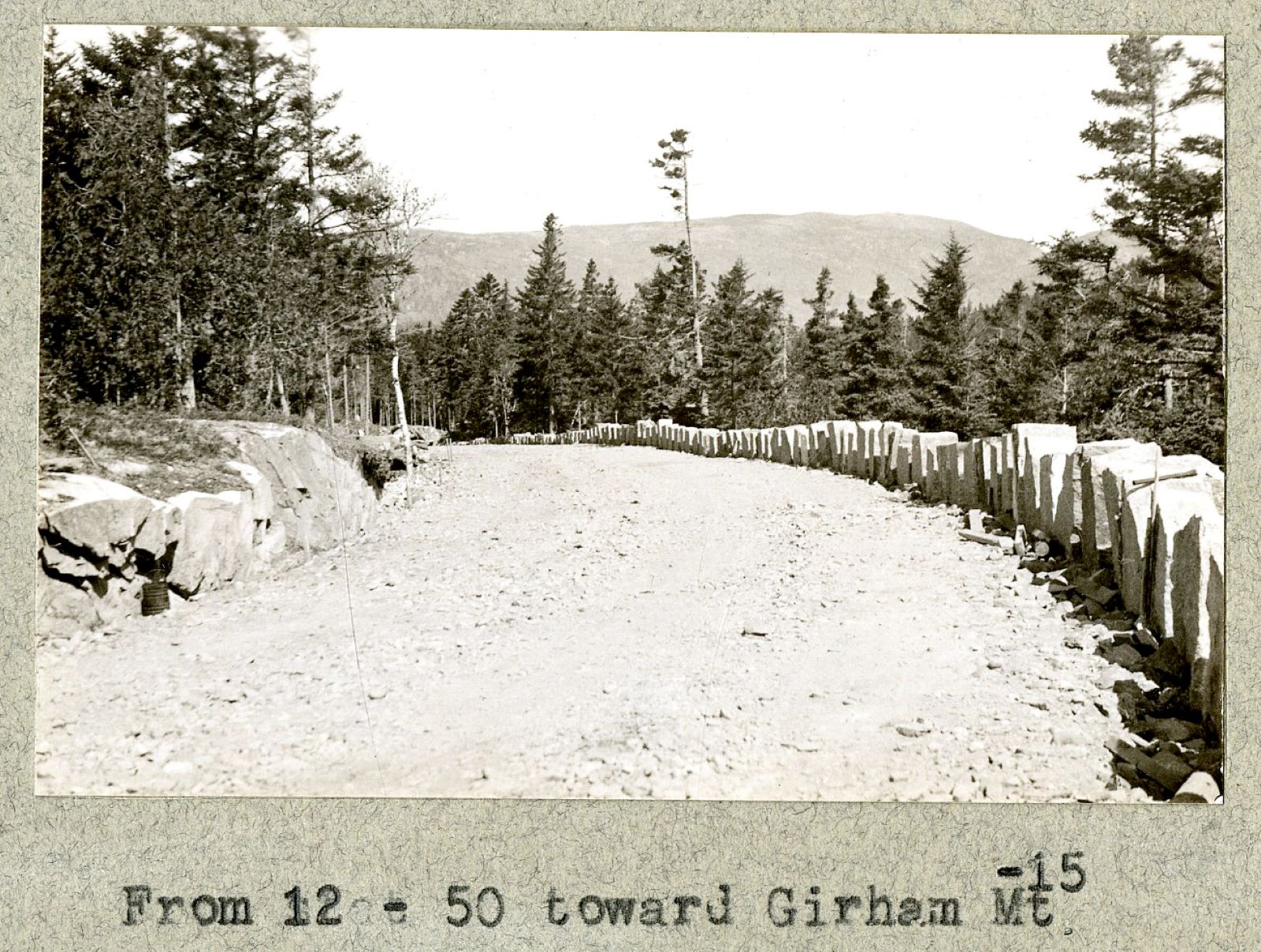
Acadia National Park: Carriage Roads, Cadillac Mountain & 2026 Guide
Discover carriage roads, Cadillac Mountain, and rugged Maine coast. Complete 2026 guide to Acadia National Park — trails, fees, lodging, permits, and what rangers recommend.
Hiking Guide
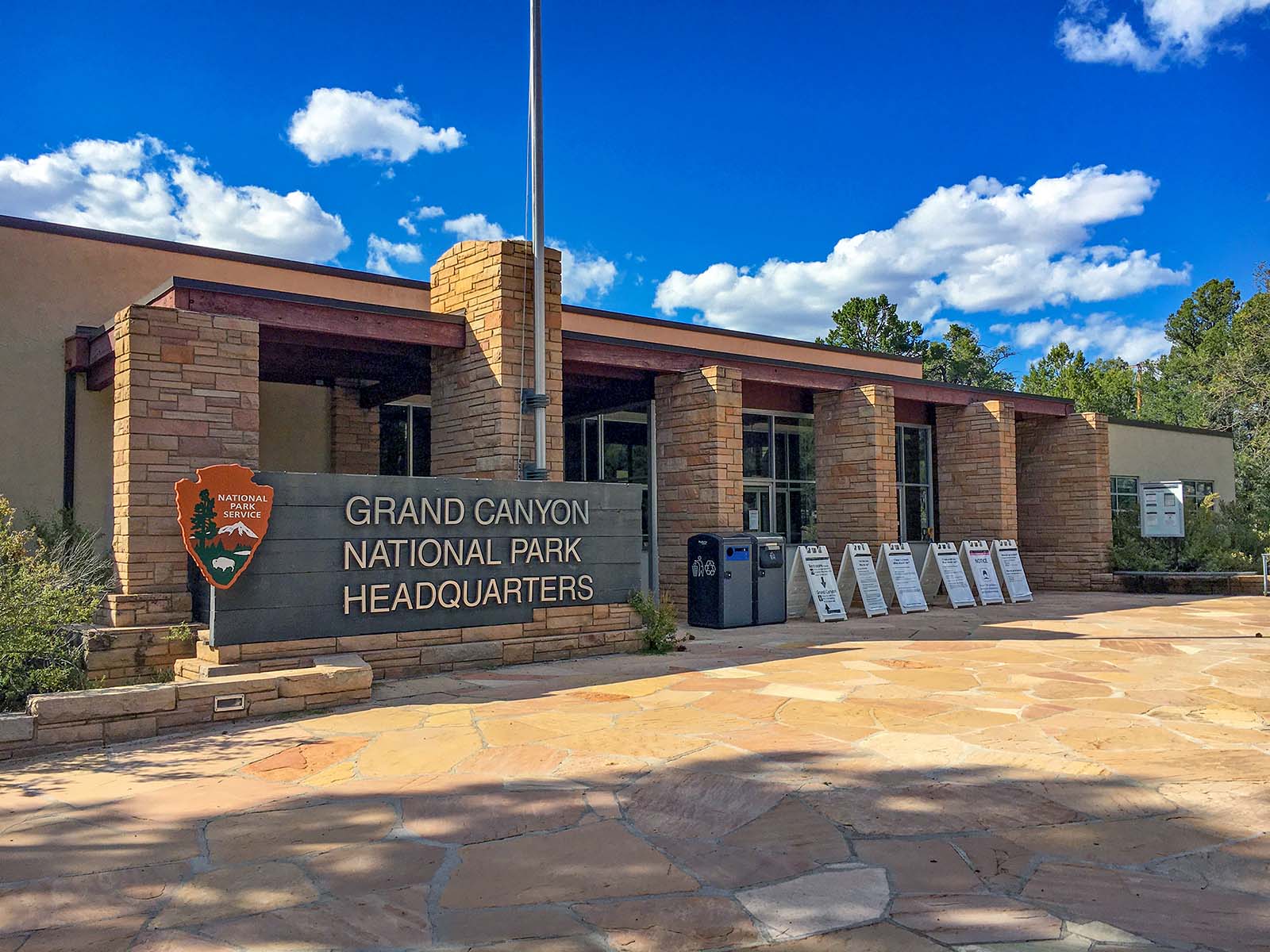
Grand Canyon Hiking Trails: Day Hikes, Water Sources & Rim to Rim
Compare Grand Canyon hiking trails: Bright Angel, South Kaibab, Hermit, Grandview, and rim to rim, with distances, elevation, water stops, and trailhead access for each.
Best Of
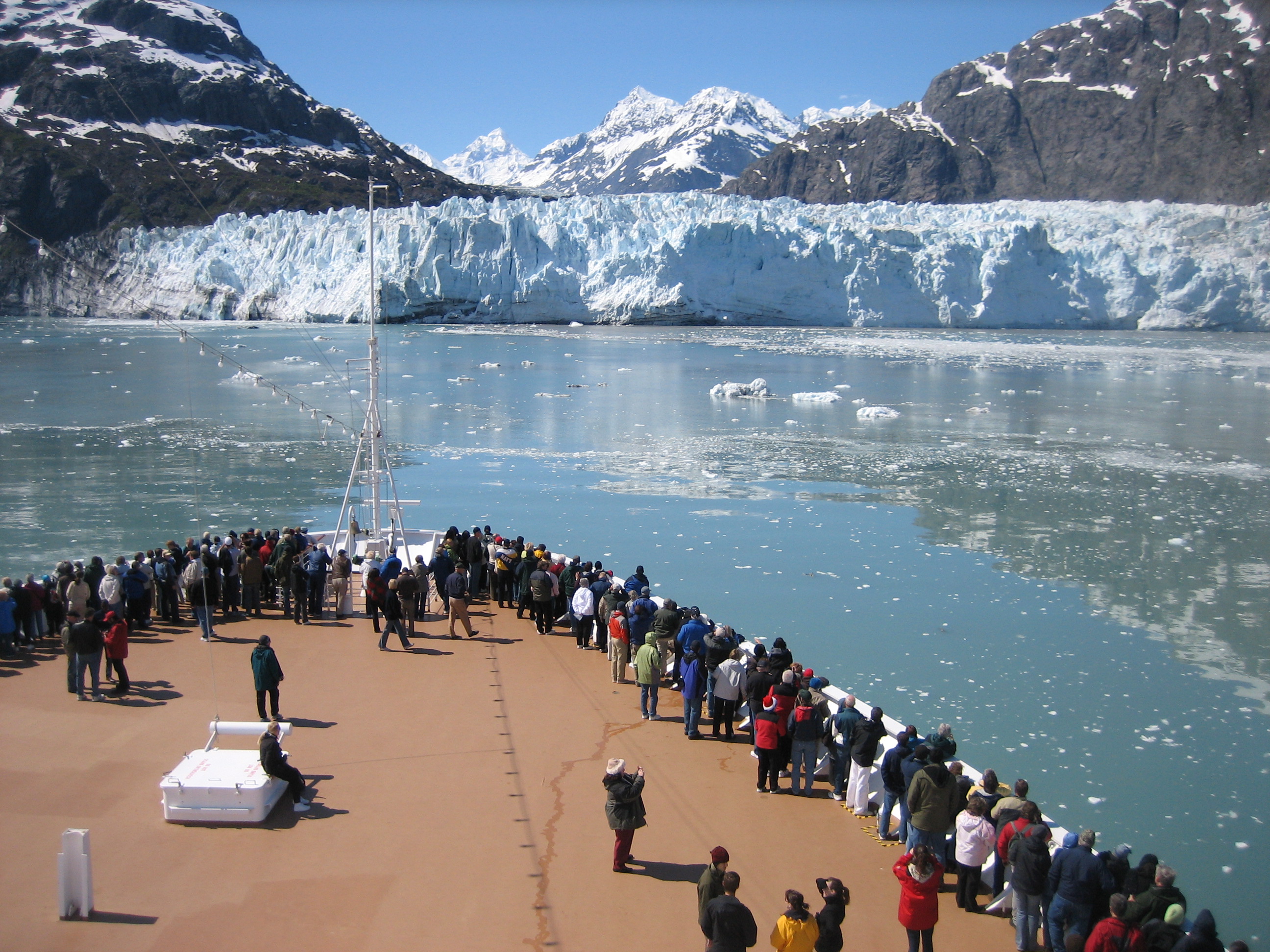
Best of Glacier Bay National Park
The best of Glacier Bay is reached by boat: ranger-led day tours up the bay to the tidewater glaciers. What's worth it, how to book, and when to go (2026).
Campsite Guide
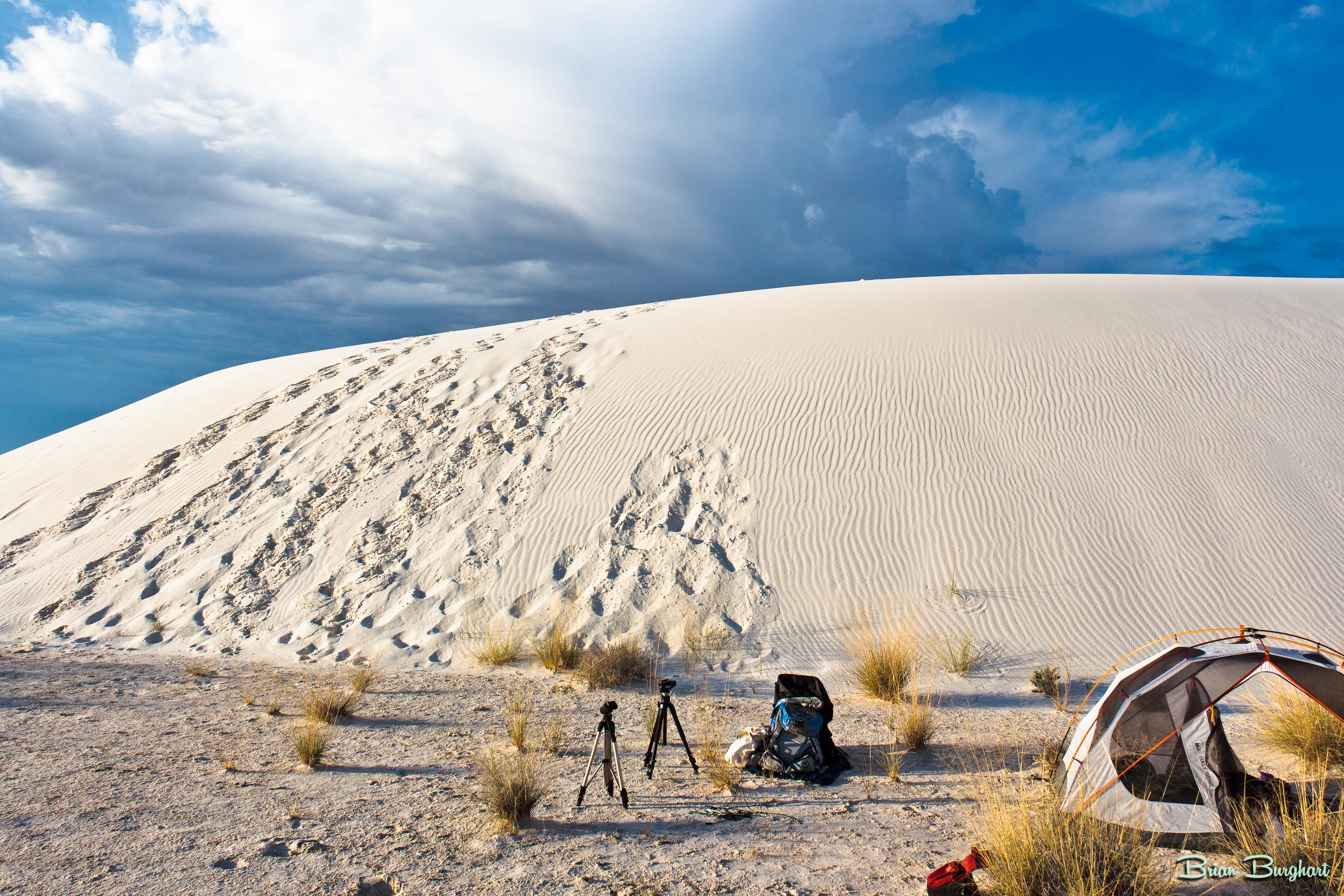
White Sands Backcountry Camping: Closed for 2026 — What to Know
As of 2026, backcountry camping at White Sands National Park is closed for site rehabilitation. What that means, and where to camp nearby instead.
Weather Guide
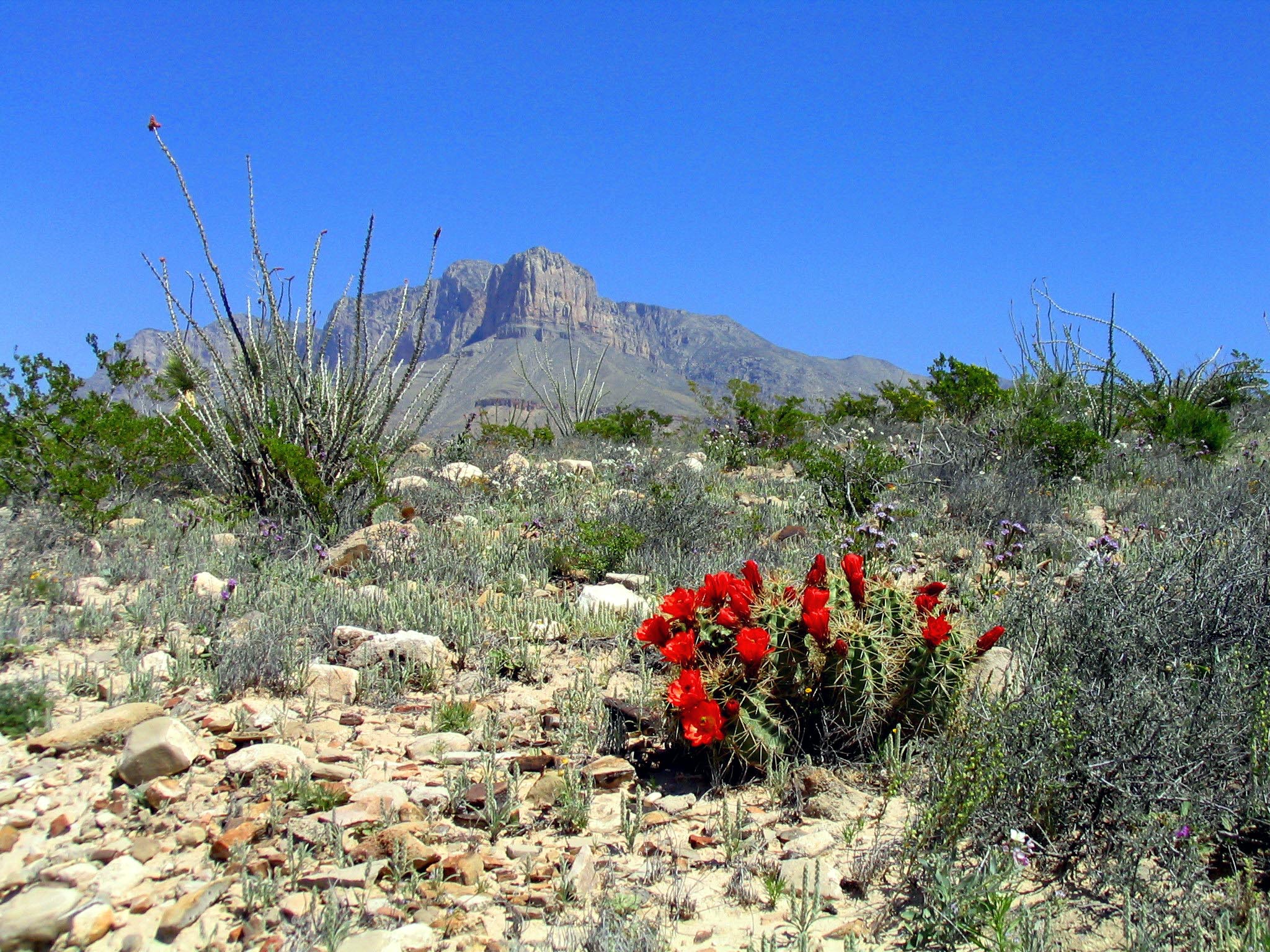
Guadalupe Mountains National Park Weather: Weather
Guadalupe Mountains National Park: weather guide guide updated 2026. Practical visitor information, reservations, and seasonal tips worth bookmarking before
Best Of
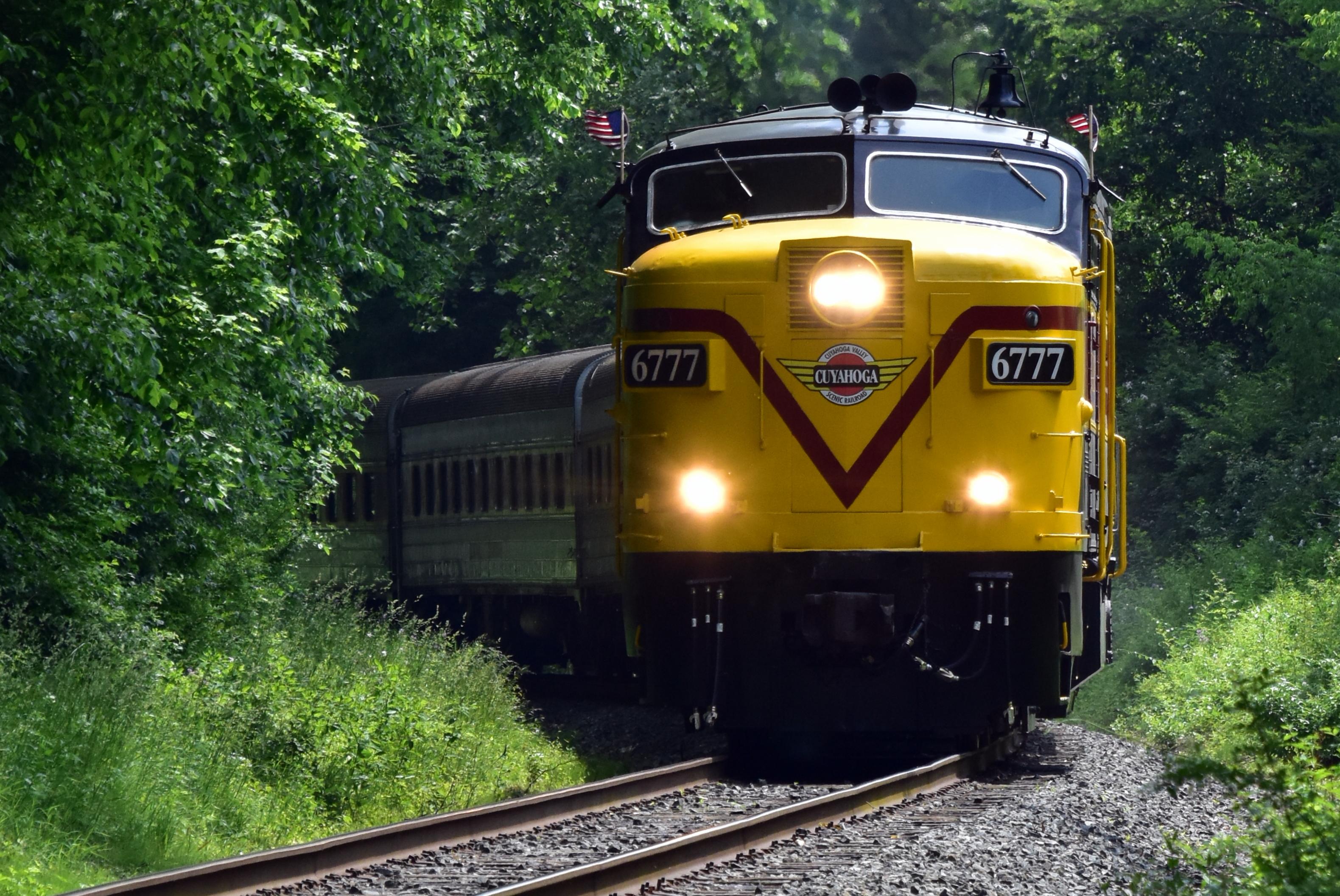
Best of Cuyahoga Valley National Park: Best Things to Do
Seeing a Cleveland Orchestra concert with the woods as your backdrop is a uniquely Cuyahoga Valley experience.
Sign in to join the conversation.
Sources & Attribution
Location data courtesy of the National Park Service (U.S. Department of the Interior). NPS data is public domain. Official NPS page.
Images: NPS; NPS; NPS; NPS; NPS.
Map data © OpenStreetMap contributors.
Park operations alerts: NPS.gov · Weather and weather hazards: National Weather Service · Live conditions.
Information may change. Always verify fees, hours, and conditions directly with the official source before visiting.
Did this guide help? Share it with a friend.