Death Valley National Park Weather: Best Season to Visit
13 min read
Weather Guide
Death Valley National Park swings from 134°F summer highs to freezing winter nights; spring offers the best balance with 70s-80s days and possible wildflowers (2026).
Most first-time visitors assume Death Valley is simply "hot" and plan accordingly. What catches them off guard is the range. Death Valley holds the record for the hottest air temperature ever recorded on Earth - 134°F at Furnace Creek in 1913 - but it also drops to freezing in winter. Snow caps the high peaks surrounding the valley floor. The place has actual seasons, and picking wrong can mean either baking in 120°F heat or shivering through a 40°F morning with no gear for it.
Advertisement
The other thing people miss: this is a below-sea-level basin. Badwater Basin sits at 282 feet below sea level. That elevation inversion traps heat in summer and creates temperature inversions in cooler months. What that means practically is that the valley floor and the surrounding mountains (Telescope Peak tops out at 11,043 feet) can differ by 40 degrees or more on the same day.
The best season to visit Death Valley National Park depends entirely on what you want to do. The park is open daily all year, but conditions vary dramatically month to month.
Month by Month
Spring (March through May)
Spring is the most popular time to visit Death Valley, and for good reason. Warm days, the possibility of wildflowers, and temperatures that won't make you question your life choices.
March: Daytime highs in the 70s to low 80s. Nights drop to the 40s and 50s. This is wildflower peak if conditions align - and they don't always. The park needs rainfall at the right intervals for a bloom. When it happens, fields of desert gold, purple verbena, and pink sand verbena spread across the valley floor. The看在 user's detailed instructions and constraints are extensive. This is a weather and timing guide for Death Valley National Park. The user wants me to start with the weather reality, avoid AI patterns, use specific details, and follow a strict structure. I need to write in an authoritative, ranger-like voice with short declarative sentences, specific numbers, and practical advice. I must avoid all banned words, avoid GPS coordinates in the text, avoid emojis, and use the exact title provided. I also need to incorporate the internal links and SEO keywords naturally. Let me begin writing the content based on the research data provided, focusing on weather and visit timing.# Death Valley National Park Weather: Best Season To Visit (2026
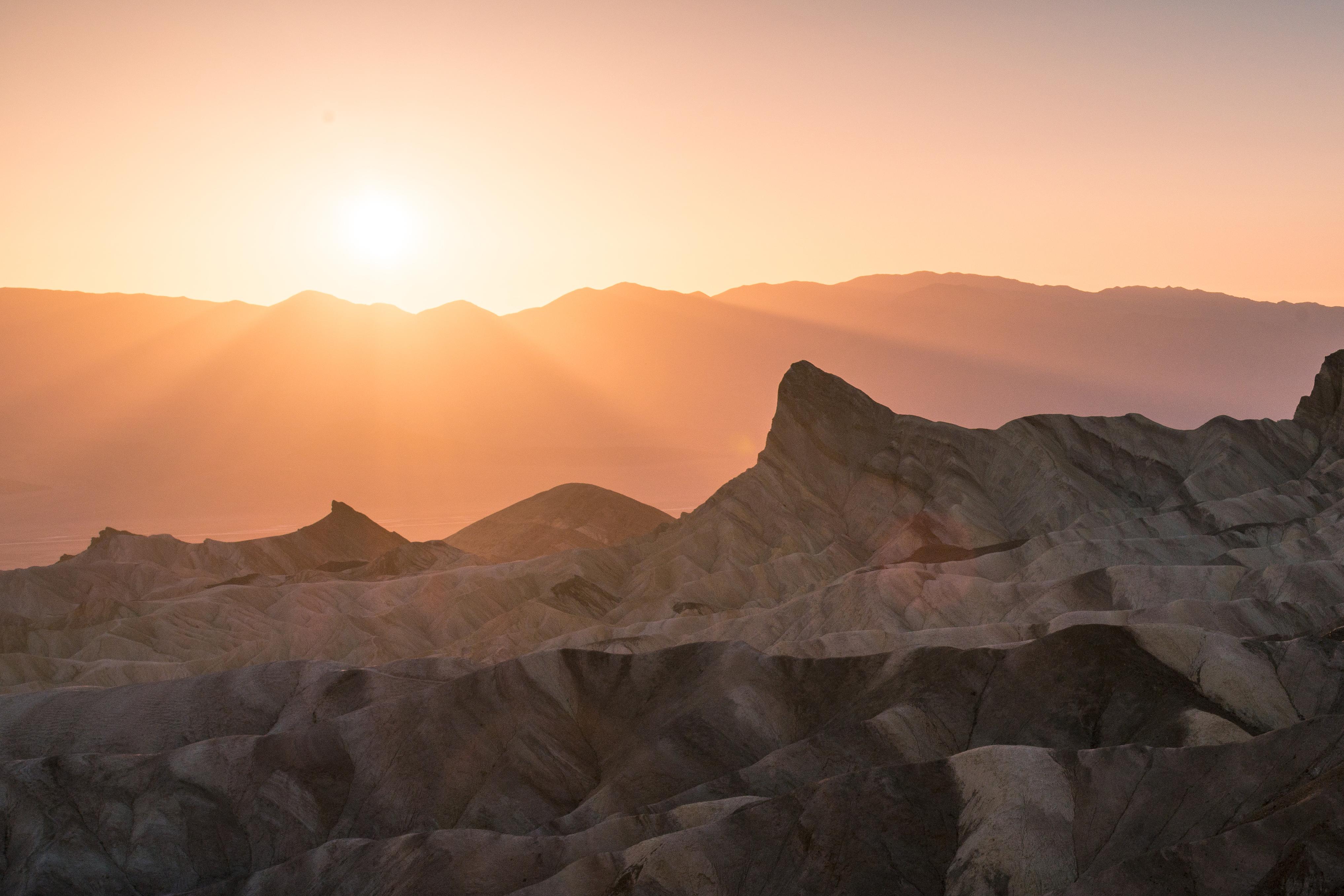
Photo: NPS via NPS.gov (Public Domain)
The Weather Reality
Most first-time visitors assume Death Valley is simply "hot" and plan accordingly. What catches them off guard is the range. Death Valley holds the record for the hottest air temperature ever recorded on Earth - 134°F at Furnace Creek in 1913 - but it also drops to freezing in winter. Snow caps the high peaks surrounding the valley floor. The place has actual seasons, and picking wrong can mean either baking in 120°F heat or shivering through a 40°F morning with no gear for it.
The other thing people miss: this is a below-sea-level basin. Badwater Basin sits at 282 feet below sea level. That elevation inversion traps heat in summer and creates temperature inversions in cooler months. What that means practically is that the valley floor and the surrounding mountains (Telescope Peak tops out at 11,043 feet) can differ by 40 degrees or more on the same day.
The best season to visit Death Valley National Park depends entirely on what you want to do. The park is open daily all year, but conditions vary dramatically month to month. For a full overview of everything the park offers, check the complete visitor guide.
Month by Month
Spring (March through May)
Spring draws the biggest crowds for good reason. Warm days, tolerable nights, and the possibility of wildflowers that turn the valley floor into something that doesn't match the park's name.
March: Daytime highs reach the upper 70s to low 80s at Furnace Creek. Overnight lows drop to the 40s and 50s. This is wildflower season - when conditions cooperate. The park needs rainfall at specific intervals for a significant bloom, which doesn't happen every year. In good years, desert gold, purple mat, and gravel ghost cover large swaths of the valley floor. March also brings the clearest air quality of the year. Long-distance views from places like Dante's View can stretch 80 miles or more.
Crowds are moderate to heavy on weekends. Parking at popular trailheads like Golden Canyon and the Mesquite Flat Sand Dunes fills by mid-morning.
April: Temperatures climb into the 90s by afternoon. Nights still cool to the 60s. This is the last comfortable window for hiking before summer sets in. The wildflowers fade by mid-month in most years. Day hikers should start before 8 AM and plan to be off exposed trails by 1 PM.
May: Summer starts early in Death Valley. By May the valley can be scorching hot - expect highs of 100°F to 110°F. This is where the park separates casual visitors from committed ones. The heat is dry, which makes it feel different from humid heat, but it will still drain you fast. Carry at least one gallon of water per person per day. Carry two if you plan any hiking.
Crowds thin significantly after mid-May.
Summer (June through August)
Summer in Death Valley is an extreme sport. The National Park Service strongly discourages hiking after 10 AM during these months. Visitors die here in summer - every year - from heat exposure. Don't be that person.
June: Highs range from 110°F to 120°F. Overnight lows stay in the 80s or even low 90s. There is no cool part of the day from June through August - just degrees of hot. The gas pumps at Panamint Springs Resort operate from 7 AM to 9:30 PM daily. Fill up before you enter the park if possible. Gas is available at Furnace Creek and Stovepipe Wells 24 hours a day as of 2026, but don't count on every station being operational if you're low.
July: The hottest month. Average high at Furnace Creek is 116°F. The record is 134°F. If you visit in July, plan your day around air-conditioned spaces - the visitor centers, the Furnace Creek Inn, your vehicle. Sunrise hikes are possible but keep them short. Bring more water than you think you need. Then double it.
August: Essentially identical to July. Monsoon moisture sometimes drifts in from the south, bringing brief thunderstorms and flash flood risk. Never drive through flowing water on park roads. The gravel and dirt roads - especially to Racetrack Playa and Eureka Dunes - become impassable when wet.
Crowds are at their lowest of the year. Lodging rates at Furnace Creek and Stovepipe Wells drop. If you can handle the heat, you'll have the park mostly to yourself.
Autumn (October through November)
Autumn arrives in late October, with warm but pleasant temperatures and generally clear skies. This is the second-best window for visiting, after spring.
October: Highs drop to the 80s and 90s. Nights cool to the 50s and 60s. The heat finally breaks somewhere around mid-month, depending on the year. October is excellent for hiking the lower elevation trails - Golden Canyon, Natural Bridge, Salt Creek. The MCC Loop at Furnace Creek is a good warm-up hike for new arrivals.
Crowds pick up again but stay manageable through most of the month. Veterans Day weekend is busy.
November: Daytime highs in the 70s. Nighttime lows in the 40s. This is comfortable hiking weather across the entire elevation range. The high country trails above 8,000 feet may still be accessible before significant snow accumulates. Telescope Peak and Wildrose Peak are worth considering if the roads to the trailheads remain open. Check at the visitor center for current conditions.
Thanksgiving week brings a noticeable crowd bump.
Winter (December through February)
Winter has cool days, chilly nights, and rarely, rainstorms. With snow capping the high peaks and low angled winter light, this season is especially beautiful for exploring the valley.
December: Highs in the 60s. Lows in the 30s and 40s. Frost is common in the early morning at lower elevations. Snow dusts Telescope Peak and the Panamint Range. The low sun angle creates long shadows and dramatic light on the salt flats and dunes. Photographers tend to prefer December and January over any other months for this reason.
January: The coldest month. Daytime highs average 65°F at Furnace Creek. Overnight lows can drop to freezing or below - pack a jacket and layers. The park is quiet. Fewer visitors mean more solitude. Sunrise at Zabriskie Point in January is a genuinely different experience than the same viewpoint in June. The light hits the badlands at an angle that brings out every fold and contour.
February: Temperatures begin to climb. Highs reach the 70s. Lows remain in the 40s. February is the wild card month for wildflower blooms - early blooms sometimes appear in the southern portions of the park. The crowds are still light, making this one of the best months for anyone who wants good weather without the spring crowds.
Crowds in winter are light overall, with small surges around Christmas and Presidents Day weekend.
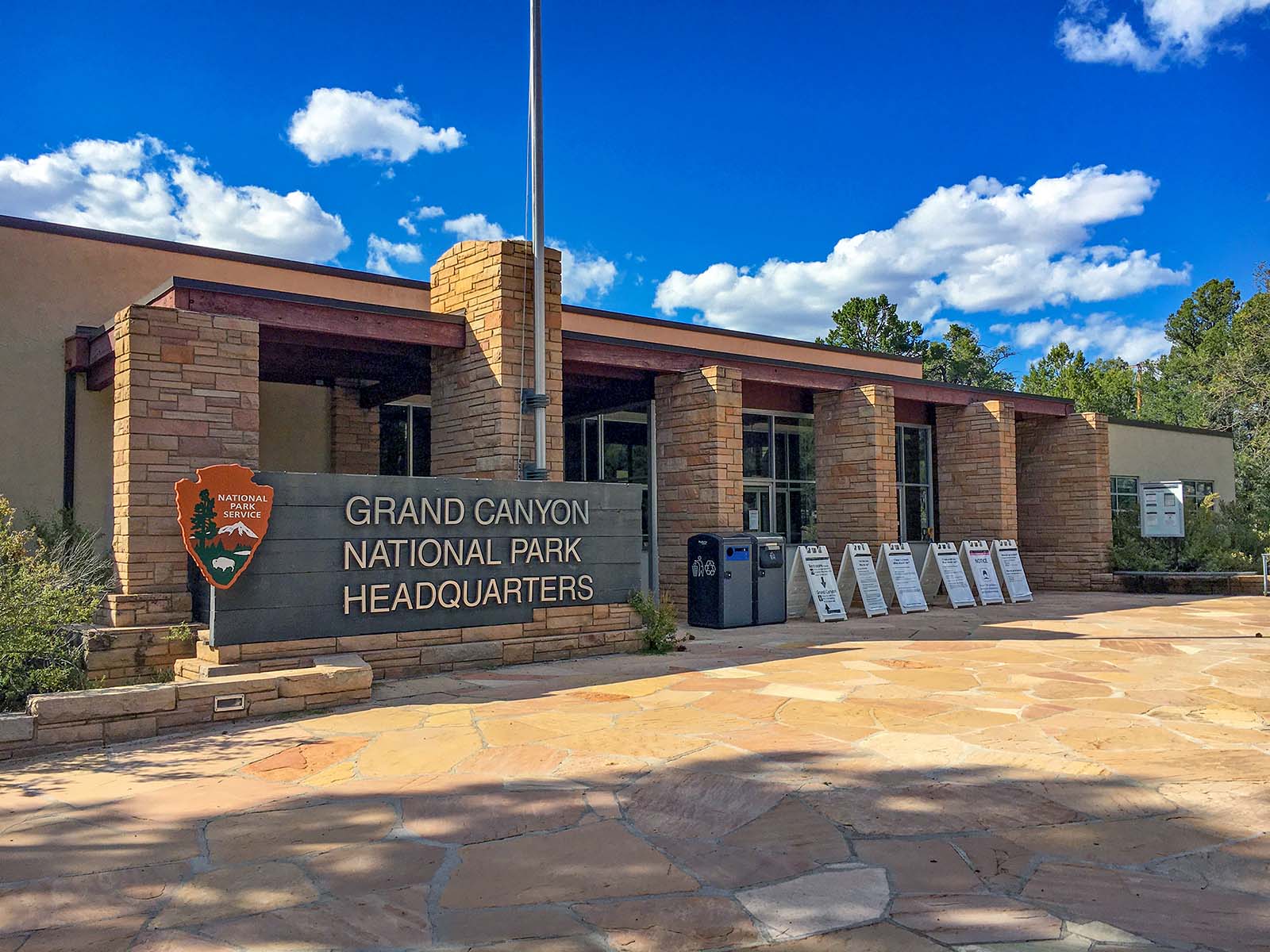
Photo: NPS via NPS.gov (Public Domain)
Best Times for Specific Activities
Hiking
The best season to visit Death Valley National Park for hiking depends on elevation. From November through March, the valley floor trails are comfortable. Golden Canyon, Badwater Basin, and Salt Creek are all excellent options during these months. The hiking trails across the park vary from flat boardwalks to steep mountain routes, and timing is everything.
For the high country - Telescope Peak, Wildrose Peak, the path up to the charcoal kilns - late spring (April through early May) and early autumn (October through November) are ideal. These trails sit above 8,000 feet and can hold snow into June. Rangers will tell you that Telescope Peak has snow in some years well into July.
Summer hiking is for short distances only - think less than a mile, carried out before 9 AM, with more water than seems reasonable. The park service recommends hiking in the hours around dawn and being off exposed trails by 10 AM.
Wildflower Viewing
Peak wildflower season runs from mid-February through early April. Timing depends entirely on rainfall. A wet winter preceding a warm spring produces the best displays. In drought years, the bloom can be sparse or nonexistent. The park's website posts bloom updates starting in late February.
The best locations for viewing: the valley floor along CA-190, the alluvial fans around Artist's Drive, and the lower slopes of the Panamint Range. The Mesquite Flat Sand Dunes sometimes surprise with pockets of flowers after spring rains.
Stargazing
Death Valley holds International Dark Sky Park status. The night sky is exceptional here year-round. Summer offers the warmest overnight temperatures for stargazing - you can sit out comfortably in a t-shirt past midnight. However, summer also brings haze and occasional monsoon clouds. Autumn through early spring gives the clearest skies. The Milky Way is visible to the naked eye on moonless nights from most locations away from Furnace Creek and Stovepipe Wells.
The best viewing spots: Mesquite Flat Sand Dunes (dark, open horizon), Harmony Borax Works (parking right there, flat walk), and any pullout along CA-190 once you're a few miles from developed areas.
Wildlife Watching
Winter and early spring offer the best wildlife viewing. Desert bighorn sheep are most active in the cooler months, especially around water sources like Travertine Springs and Salt Creek. Bird migration brings species through the park in spring and fall. The Salt Creek pupfish - a species found nowhere else - is visible in spring when the creek runs.
Summer wildlife activity is minimal. Most animals shift to nocturnal schedules. If you see coyotes or kit foxes during daylight in summer, they're likely stressed by heat.
Photography
The low-angle light of December and January is unmatched for landscape photography. The sun sits lower in the sky throughout the day, meaning golden hour lasts longer. Zabriskie Point at sunrise, Badwater Basin at sunset, and the Mesquite Flat Sand Dunes in late afternoon are the classic shots for a reason - they work.
Spring brings the wildflower bonus but also more haze. Autumn offers crisp air and clear distances.
What to Pack by Season
Spring and Autumn (comfortable weather)
You still need to prepare for extremes. A day that starts at 50°F will hit 90°F by afternoon.
Wide-brimmed hat and sunglasses
Sunscreen (SPF 50+, reapply at lunch)
Long-sleeve light-colored shirt for sun protection
Insulating layer for mornings and evenings (fleece or light jacket)
Minimum one gallon of water per person per day of hiking
Electrolyte packets or tablets
Closed-toe shoes with good traction - the salt flats and sandstone can be slick
Summer (extreme heat)
Pack for survival first, comfort second. The UV index in July and August is extreme. Skin burns in under 15 minutes of exposure.
Sun hat with neck drape
Cooling towel or neck gaiter
Two gallons of water per person per day minimum
Electrolyte drinks - not just water
Lightweight long pants and long sleeves (synthetic, light-colored)
Insulated water bottle or cooler for keeping water cool
Headlamp - you'll be hiking before sunrise
Window sunshade for your vehicle - parking lots have zero shade
Towel to cover your steering wheel and seat belts
Rangers will tell you that the most common heat injury they see isn't dehydration - it's hyponatremia, caused by drinking too much water without replacing electrolytes. Bring salt and sugar along with your water.
Winter (cold mornings, mild days)
The temperature swing from dawn to noon can be 30 degrees or more. Pack for both.
Base layer (merino or synthetic - avoid cotton)
Mid layer (fleece or light down jacket)
Shell layer (windproof, especially for exposed viewpoints)
Beanie and gloves for early mornings
Rain jacket - winter storms bring rain at lower elevations, snow at higher ones
Warm closed-toe shoes with good grip - frost on boardwalks and sandstone makes surfaces slippery
Photo: NPS via NPS.gov (Public Domain)
What the Forecast Doesn't Tell You
1. The temperature difference between valley floor and trailhead matters more than the park-wide forecast. Furnace Creek might read 75°F, but if you're starting a hike at 5,000 feet, it could be 50°F with wind. Check forecasts at multiple elevations before heading out. The National Weather Service has specific forecasts for Furnace Creek (sea level), Stovepipe Wells, and the Panamint Mountains.
2. Wind is a bigger factor than rain. Death Valley receives maybe two inches of precipitation per year. But spring winds can gust to 40 mph, creating sandblast conditions on the dunes and badlands trails. April in particular is known for sustained winds. If you're planning a hike that crosses exposed ridgelines, check the wind forecast.
3. Flash floods can happen on clear days. Storms miles away in the mountains send water rushing into canyon drainages with no warning. The trailhead might be sunny while a wall of water is already moving down the canyon. Never enter a narrow canyon - Golden Canyon, Mosaic Canyon, Grotto Canyon - if rain is in the forecast anywhere in the park's watershed.
4. The heat index in summer is worse than the air temperature. The ground radiates heat. Standing on the salt flats at Badwater Basin on a 120°F day means heat coming from above and below. The surface temperature of the salt pan can exceed 170°F. That's hot enough to burn skin through shoe soles if you stand still too long.
5. Winter cold is deceptive. 65°F sounds pleasant. But the temperature drops fast after sunset - 20 degrees or more within an hour. Visitors who arrive in light jackets for a sunset hike often find themselves shivering through the walk back in the dark. Pack an extra layer for after dark, even on "warm" winter days.
6. Cell service drops out at predictable points. Once you pass Furnace Creek heading south toward Badwater Basin, don't expect a signal. The same is true for most of CA-190 west of Stovepipe Wells. Download maps and weather forecasts before you leave cell range. The gas station attendants and ranger stations are your best bet for current road and weather conditions once you're inside the park.
7. The best weather for hiking isn't the most comfortable. Overcast days are better for hiking than clear ones. Cloud cover cuts the direct sun and keeps canyon temperatures lower. If you have flexibility, wait for a partly cloudy day in spring or autumn - you'll cover more ground with less strain.
Practical Takeaways
The best season to visit Death Valley National Park for most people is March-April or October-November. You get comfortable daytime temps, manageable crowds (especially in October), and access to trails across all elevations.
If you're visiting between June and September, plan all outdoor activity around the hours of sunrise and sunset. Be off exposed trails by 10 AM. Hike only in shaded canyons or at high elevations during midday.
Carry twice as much water as you think you'll need. One gallon per person per day is the minimum for hiking. A one-liter bottle won't cut it, even for short walks. The park's camping options all have water available, so refill at every opportunity.
Check road conditions before entering the park. Winter storms can close higher elevation roads. Summer flash floods can wash out unpaved roads. The NPS alert system and the park visitor center (760-786-3200) are the best sources for current conditions.
Gas availability matters more here than at most parks. The Panamint Springs Resort pumps operate 7 AM to 9:30 PM daily. Furnace Creek and Stovepipe Wells have 24-hour gas as of 2026, but verify before you arrive. Fill up when you see a station - don't wait for the next one.
Wildflowers are not guaranteed. Plan around them if they happen. Don't plan around them if they don't. The park's beauty holds up without them - the dunes, the salt flats, the canyons, and the night sky don't need blooms to be worth the drive.
Winter is underrated. December through February offers the clearest air, best light for photography, smallest crowds, and comfortable hiking on the valley floor. Pack for cold mornings and you'll have a better experience than most spring visitors who are fighting for parking.