Start before sunrise. The single best thing to do at Death Valley is watch the first light hit the Panamint Range from Zabriskie Point, and if you're not there by 5:30 AM in spring, you'll be sharing the overlook with 200 other people. That advice applies to almost everything here - timing is the difference between a transcendent experience and a crowded one.
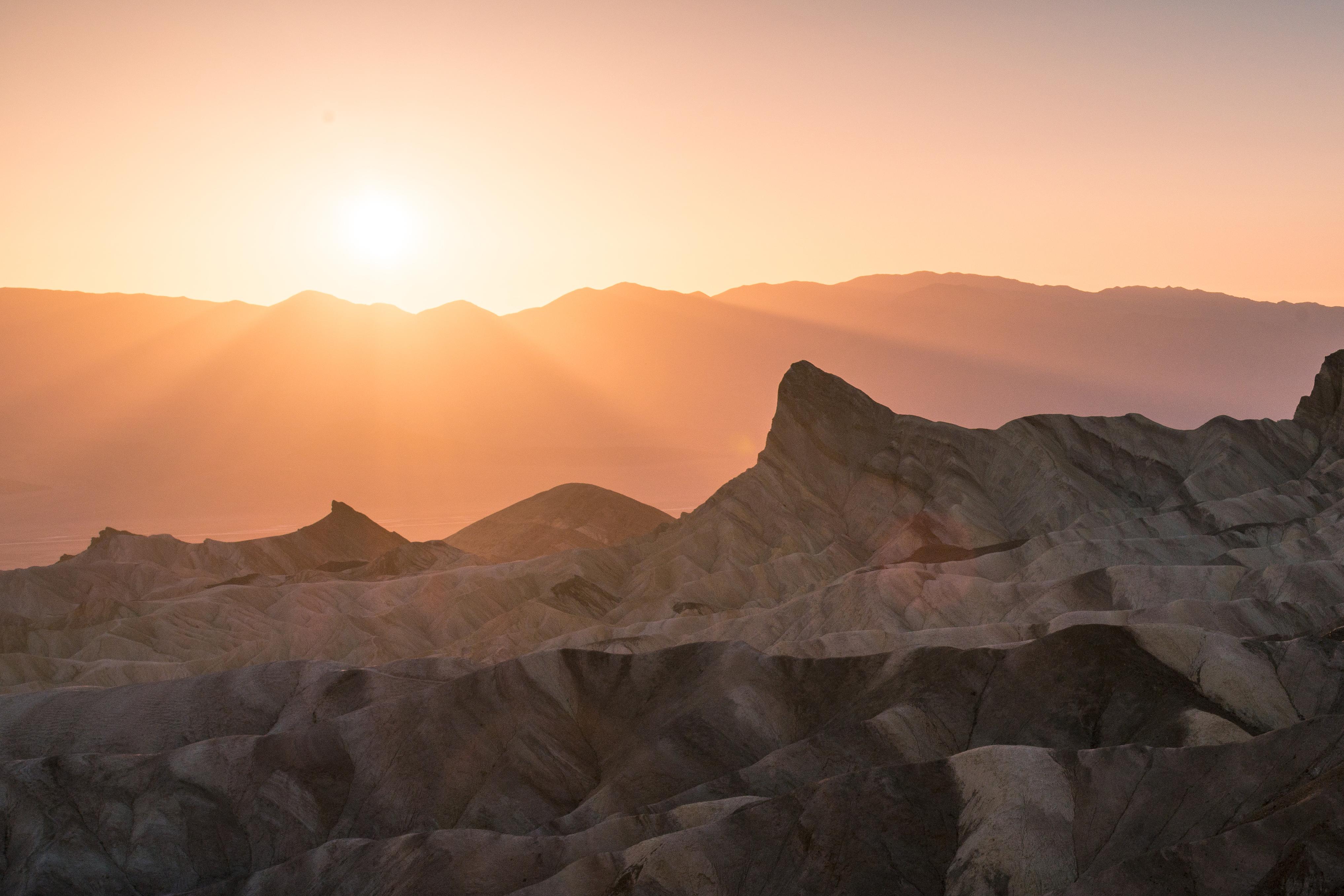
NPS via NPS.gov (Public Domain)
Best of Death Valley National Park: Best Month to Visit
11 min read
Best Of
March and November deliver Death Valley's best weather, smallest crowds, and Zabriskie Point sunrises without the 5:30 AM rush. Plan your 2026 trip here.
This article contains affiliate links — we may earn a small commission at no extra cost to you.
For more, see best time to visit.
Timing matters more here than at most parks. March and November give first-timers the best shot at tolerable temperatures, open trails, and crowds that haven't peaked. For a full breakdown, see the complete visitor guide.
If You Only Have One Day
Arrive at the Furnace Creek entrance gate by 6 AM. Head straight for Zabriskie Point - you want to be on the overlook 20 minutes before sunrise. The badlands catch the morning light in layers of gold, rust, and purple. Most visitors underestimate how quickly the light flattens here. You get about 15 minutes of magic, then it's gone.
By 7:30, drive to the Furnace Creek Visitor Center. Pick up a park newspaper and check current conditions. The rangers at the desk will tell you which roads are open and where the heat will hit hardest that afternoon. Grab ice and fill water containers here - the general store charges $4 for a bottle.
From 8:30 to 11 AM, drive the 14-mile round trip to Badwater Basin. Walk out onto the salt flats. The white hexagonal patterns stretch farther than you'd expect - most people stop at the boardwalk, but the real scale doesn't register until you're a half-mile out. The elevation sign marking 282 feet below sea level is worth the photo.
Grab lunch at Furnace Creek Ranch. The food is passable, but the air conditioning is a genuine relief.
Afternoon is for the drive. Take Artist's Drive (a 9-mile one-way loop) before 2 PM, when the light still hits the mineral-stained hills. Then head to the Mesquite Flat Sand Dunes for late afternoon. The dunes photograph best around 4 PM when the shadows get long. Skip the first dune everyone climbs - walk 20 minutes into the field and you'll have the place to yourself.
Sunset from Dante's View. It's a 25-mile drive up from Furnace Creek, but the 5,475-foot elevation puts the entire valley floor below you. The temperature drops 20 degrees. Worth every switchback.

The Top Experiences, Ranked
#1 - Badwater Basin Salt Flats: The Defining Death Valley Experience
- Why it makes this list: Standing on the lowest point in North America - 282 feet below sea level - surrounded by salt polygons that look like a cracked ceramic glaze. No other national park has this.
- What it requires: 30 minutes to an hour. Zero fitness required. You walk on flat ground.
- The single best tip: Walk 200 yards past where most people stop. The salt crust gets whiter and the crowds thin to nothing. Bring sunglasses - the glare off the salt is intense.
- What most visitors do wrong: They turn around at the boardwalk. The salt polygons get larger and more defined the farther out you go. Also, don't walk on the wet-looking areas - that's a thin crust over mud, and you'll sink.
- For more on this and other walks, see our hiking trails page.
#2 - Zabriskie Point at Sunrise: The Photographer's Stop
- Why it makes this list: The badlands formations catch sunrise light in a way that looks manufactured. The golden hour here is genuinely different from anywhere else in the park.
- What it requires: 15-minute walk from the parking lot on a paved path. Get there 30 minutes before sunrise.
- The single best tip: After the sun clears the ridge, wait 10 more minutes. The shadows shift and a second wave of color hits the lower formations. Most people leave too early.
- What most visitors do wrong: Coming at midday. The formations go flat and gray under direct overhead light. Sunset is fine. Sunrise is essential.
#3 - Mesquite Flat Sand Dunes: The Accessible Desert
- Why it makes this list: The classic curved-ridge dunes you picture when you think "desert." Easy access from the road. No hiking required to see them, but a short walk gets you into the heart of them.
- What it requires: 20 minutes to several hours. No trail - you navigate by sight. Bring water even for a short walk.
- The single best tip: Go at sunset. The low angle light carves the dune ridges into sharp lines. Go at sunrise for tracks - the wind resets the surface overnight, and you'll see fresh animal tracks in the sand.
- What most visitors do wrong: Climbing the first big dune right off the parking lot. Walk 15 minutes north and east. The dunes get taller and the footprints disappear.
#4 - Artist's Drive: The Scenic Loop
- Why it makes this list: Nine miles of one-way road through a canyon where the rocks shift through green, red, orange, and purple. The mineral stains are visible from the car, but the pullouts are worth stopping at.
- What it requires: 45 minutes driving, longer if you stop. Paved road suitable for any vehicle.
- The single best tip: Go between 11 AM and 2 PM. The overhead light is actually better here - it illuminates the mineral colors directly rather than casting shadows that obscure them.
- What most visitors do wrong: Driving it in the late afternoon. The canyon walls cast deep shadows that hide the color variation.
#5 - Dante's View: The Overhead Perspective
- Why it makes this list: A 5,475-foot viewpoint that puts the entire valley floor beneath you. On clear days you can see Mount Whitney, the highest point in the lower 48, from the lowest point.
- What it requires: 25-minute drive up a winding paved road. The last mile is steep but well-maintained. Any vehicle can make it.
- The single best tip: Go for sunset. The valley floor goes dark while the mountains to the east catch the last light. Bring a jacket - the temperature drops fast at elevation.
- What most visitors do wrong: Going at midday. The heat haze blurs the distant views and the direct overhead light flattens everything.
#6 - Golden Canyon to Red Cathedral: The Short Hike That Delivers
- Why it makes this list: A 3-mile round trip that packs more geological variety than most day hikes in the park. The canyon walls close in, the colors shift from gold to red, and the Red Cathedral formation at the end is a legitimate payoff.
- What it requires: 1.5 to 2 hours. Moderate fitness - there's some loose gravel on the return. Start before 8 AM in summer.
- The single best tip: Take the side canyon on the right about halfway in. It's an unofficial route, but the narrows are spectacular and most people miss it.
- What most visitors do wrong: Doing this hike in the afternoon. The canyon is a heat sink. By 2 PM in spring, it's noticeably hotter inside than on the valley floor.
#7 - Ubehebe Crater: The Violent Geology Stop
- Why it makes this list: A half-mile-wide volcanic crater that formed in a single explosive event. The colors - deep reds, blacks, and browns - are visible from the rim. You can hike down into it if you're fit enough to hike back up.
- What it requires: 30 minutes at the rim. 1-2 hours if you hike down and back. The hike out is steep - 600 feet of elevation gain in sand and loose rock.
- The single best tip: Walk the rim trail to the smaller craters to the south. They're less dramatic but you'll have them to yourself.
- What most visitors do wrong: Underestimating the hike out. Rangers will tell you it's harder than it looks. It is. Bring water even for the rim walk.
#8 - The Racetrack: The Moving Rocks
- Why it makes this list: A remote dry lake bed where rocks leave visible trails behind them as they move across the surface. The phenomenon is still not fully explained.
- What it requires: A high-clearance vehicle and 2-3 hours of rough dirt road each way. This is a full-day commitment.
- The single best tip: Check road conditions at the visitor center before attempting. The 27-mile road from Ubehebe Crater is washboarded and rocky. Air down your tires. Bring a spare.
- What most visitors do wrong: Attempting it in a rental sedan. The road will shake your fillings loose and you risk a flat in a place with no cell service.
#9 - Mosaic Canyon: The Slot Canyon
- Why it makes this list: A narrow slot canyon with polished marble walls that look like mosaic tile work. The hike is short (2 miles round trip) but the geology is concentrated.
- What it requires: 1-2 hours. Some scrambling over boulders in the narrow sections. Good shoes help.
- The single best tip: Go early. The canyon is narrow enough that the sun only reaches the bottom for a few hours midday. Early morning or late afternoon light bounces off the walls beautifully.
- What most visitors do wrong: Turning back at the first dryfall. You can scramble around it. The canyon opens up again beyond.
#10 - Harmony Borax Works: The History Stop
- Why it makes this list: The remains of the 1880s borax operation that made Death Valley famous. The 20-mule team wagons are still there. The interpretive signs are actually good.
- What it requires: 30 minutes. Flat, easy walk. Right off the main road.
- The single best tip: Read the interpretive signs in order. The story of how borax was mined and transported here is more interesting than the ruins themselves.
- What most visitors do wrong: Skipping it because it looks small. It's a quick stop and adds context for everything else in the valley.

What Most People Miss
The Natural Bridge. A short, unmarked trail off Badwater Road leads to a natural stone bridge spanning a narrow canyon. The hike is less than a mile round trip. Most people drive right past the pullout. The bridge itself is impressive - about 30 feet wide and 20 feet high. Go early for the best light through the arch.
Titus Canyon Road. A one-way, 27-mile dirt road that drops through a narrow canyon with petroglyphs, ghost town ruins, and some of the most dramatic canyon driving in the park. Requires high clearance. The road is rough but manageable if you take it slow. The canyon narrows at the end are spectacular. Check with rangers before attempting - flash floods can damage the road.
The Charcoal Kilns at Wildrose. Ten stone beehive-shaped kilns built in the 1870s to produce charcoal for the Modock Mine. They're at 6,800 feet elevation, which means they're 20-30 degrees cooler than the valley floor. The drive up is worth it just for the temperature change. The kilns themselves are well-preserved and the scale is surprising - each one is about 25 feet tall.
Darwin Falls. A genuine waterfall in Death Valley. The hike is 2 miles round trip through a narrow canyon. The falls drop about 20 feet into a pool. It's not Yosemite, but in a place where the average annual rainfall is 2 inches, it feels like a miracle. The trail is rough in spots but doable for most hikers.

What's Overrated (and Better Alternatives)
Furnace Creek Visitor Center at midday. The parking lot is full, the line for the bathroom is long, and the heat radiating off the asphalt makes you want to get back in the car. Better alternative: Go to the visitor center when it opens at 8 AM. Or skip it entirely and get your information from the park newspaper at the entrance station.
Scotty's Castle (currently closed). This has been closed since a 2015 flood damaged the structure. As of 2026, there's no reopening date. Some travel websites still list it as an attraction. Better alternative: The Harmony Borax Works gives you a similar historical experience without the uncertainty.
The drive to Racetrack Playa if you have a sedan. The road is rough and long. If you don't have high clearance, the payoff doesn't match the effort. Better alternative: Ubehebe Crater is on the same road and requires only a short drive on the same dirt section. You get dramatic geology without the 5-hour round trip on washboard.
Golden Canyon at midday. The heat builds up in that canyon fast. By 11 AM in spring, it's noticeably warmer inside than on the valley floor. Better alternative: Do Golden Canyon at sunrise (the light hits the walls directly) or skip to Mosaic Canyon, which stays cooler because it's narrower and higher elevation.

Practical Takeaways
- The best month to visit Death Valley National Park for hiking and sightseeing is March or November. March has wildflowers (if conditions are right) and comfortable daytime temperatures (70-80°F). November has cooler nights but clear skies and no crowds. June through August is for people who want the "hottest place on Earth" bragging rights - temperatures regularly exceed 120°F.
- Book lodging six months ahead. Furnace Creek Ranch and the Inn sell out months in advance during peak season. The camping options at Furnace Creek and Texas Spring also fill by noon March through April. If you can't get a reservation, Stovepipe Wells is a backup with fewer amenities but more availability.
- Fill your gas tank before entering. Gas is available at Furnace Creek and Stovepipe Wells 24 hours a day, but it's expensive. The Panamint Springs pumps are only open 7 AM to 9:30 PM daily as of 2026. The drive between gas stations can be 60+ miles.
- Cell service drops out at the park boundaries and doesn't return until you're back on CA-190. Download maps and information before you arrive. The park's wifi at Furnace Creek is slow and unreliable.
- Bring twice the water you think you need. The park service recommends one gallon per person per day in summer. In spring and fall, half that. But you'll drink more than you expect because the air is dry and you're sweating without noticing.
- The best time to visit for stargazing is during the new moon. Death Valley is a Gold Tier Dark Sky Park. The Milky Way is visible to the naked eye on clear nights. Winter nights are coldest but offer the clearest skies. Summer nights are warm but hazy.
- Check road conditions before driving anywhere. Flash floods can close roads with no notice. The park's website and visitor center have current conditions. The 2026 season has been relatively dry, but storms can appear without warning in the mountains.
Recommended Gear
What experienced visitors bring to Best of Death Valley National Park: Best Month to Visit
Links may earn us a commission at no extra cost to you. We only recommend gear we believe in.
Hiking Essentials
Hydration Pack (3L)
Hands-free water for long trail days
Trekking Poles (Pair)
Save your knees on steep descents
Hiking Boots (Ankle Support)
Sturdy footwear for rocky, uneven trails
Sun & Heat Protection
Wide-Brim Sun Hat
Full coverage UPF 50+ protection at altitude
Insulated Water Bottle (32oz)
Keeps water cold in desert heat all day
Electrolyte Mix Packets
Replace what water alone cannot during intense heat
Winter Gear
Microspikes / Traction Devices
Essential for icy rim trails in winter months
Packable Down Jacket
Lightweight warmth that stuffs into a pocket
Sources
- Official source: NPS — Death Valley National Park nps.gov/deva/index.htm
Photo Gallery
More to Explore
Park Guide
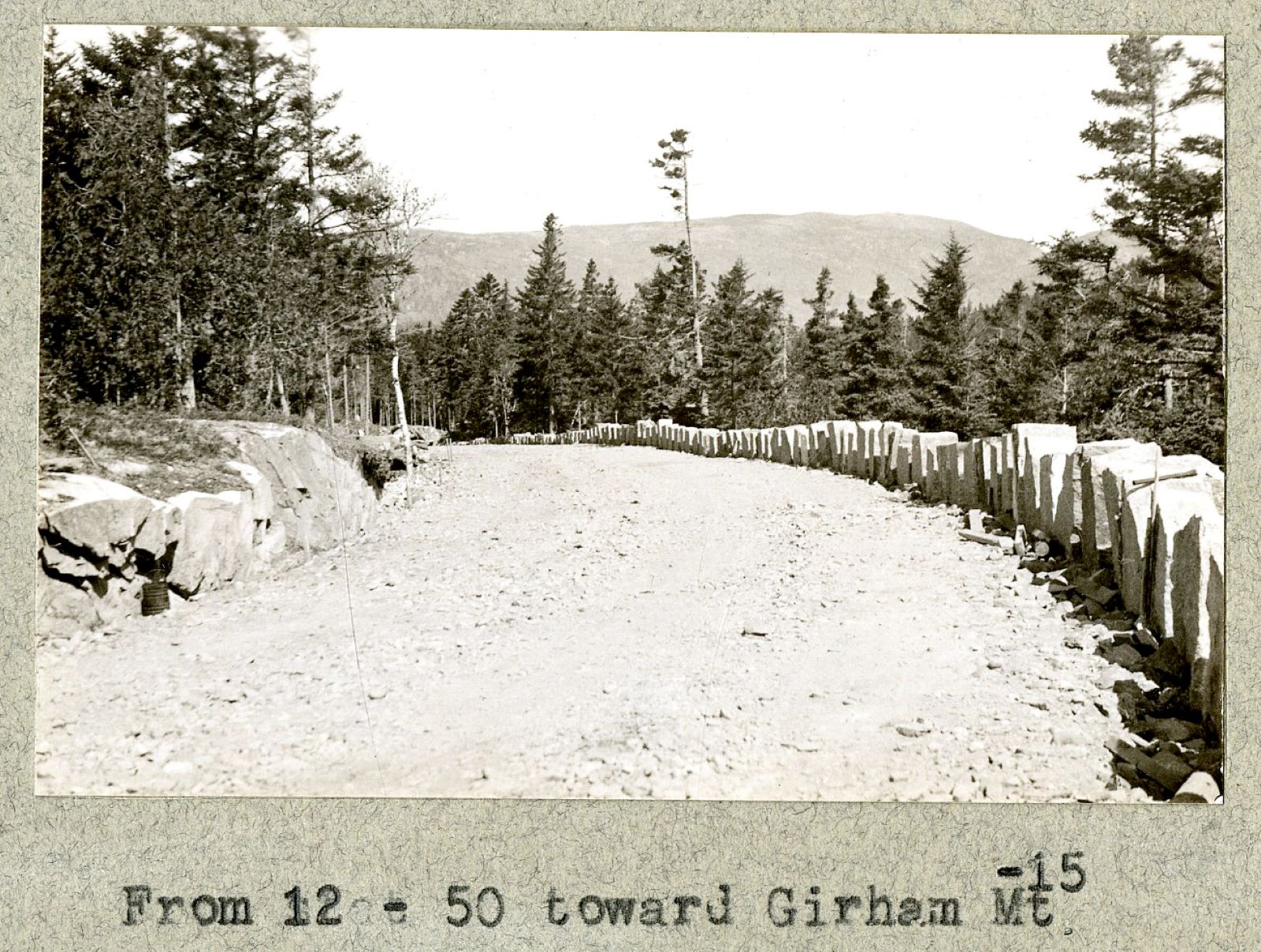
Acadia National Park: Carriage Roads, Cadillac Mountain & 2026 Guide
Discover carriage roads, Cadillac Mountain, and rugged Maine coast. Complete 2026 guide to Acadia National Park — trails, fees, lodging, permits, and what rangers recommend.
Hiking Guide
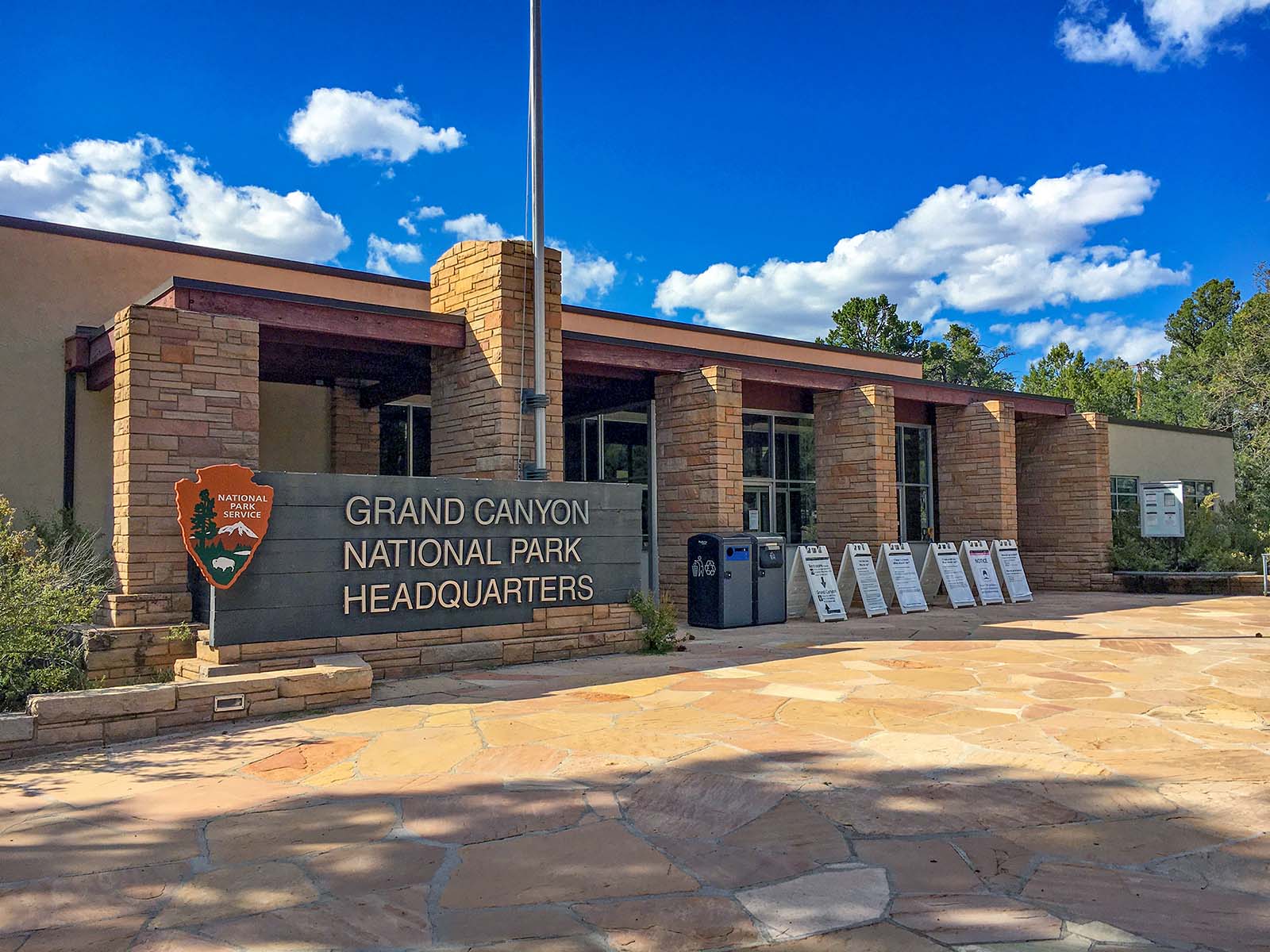
Grand Canyon Hiking Trails: Day Hikes, Water Sources & Rim to Rim
Compare Grand Canyon hiking trails: Bright Angel, South Kaibab, Hermit, Grandview, and rim to rim, with distances, elevation, water stops, and trailhead access for each.
Best Of
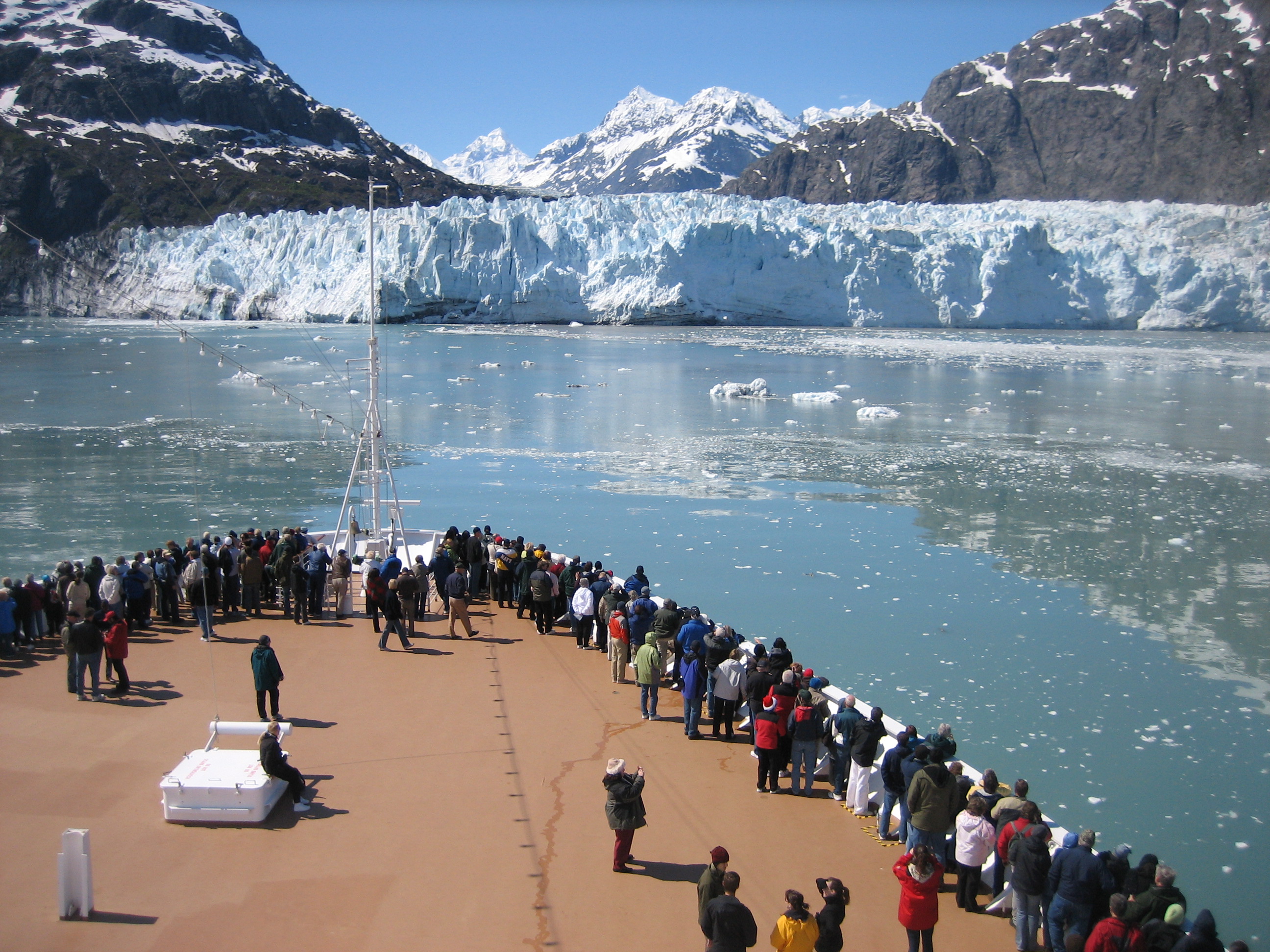
Best of Glacier Bay National Park
The best of Glacier Bay is reached by boat: ranger-led day tours up the bay to the tidewater glaciers. What's worth it, how to book, and when to go (2026).
Campsite Guide
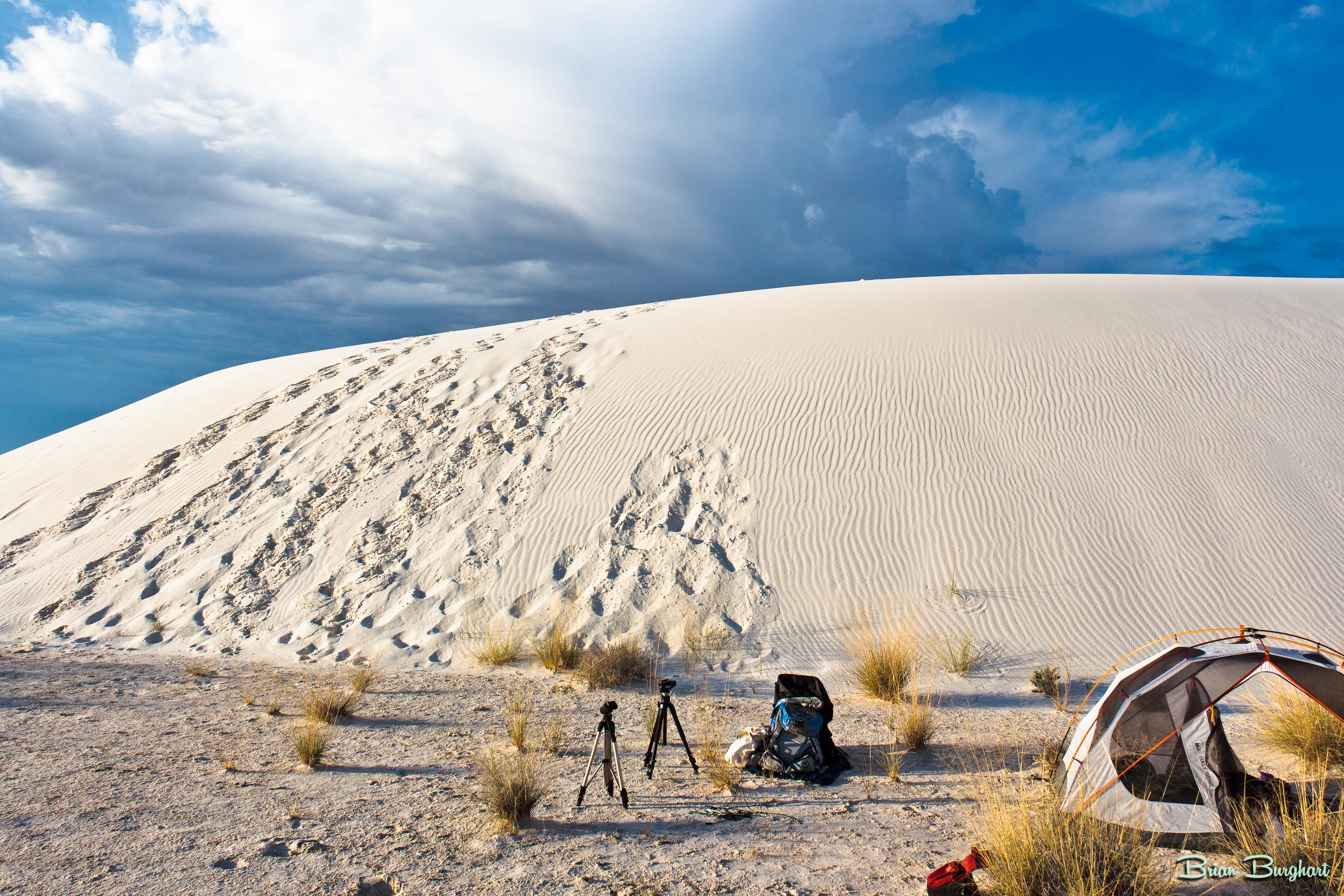
White Sands Backcountry Camping: Closed for 2026 — What to Know
As of 2026, backcountry camping at White Sands National Park is closed for site rehabilitation. What that means, and where to camp nearby instead.
Weather Guide
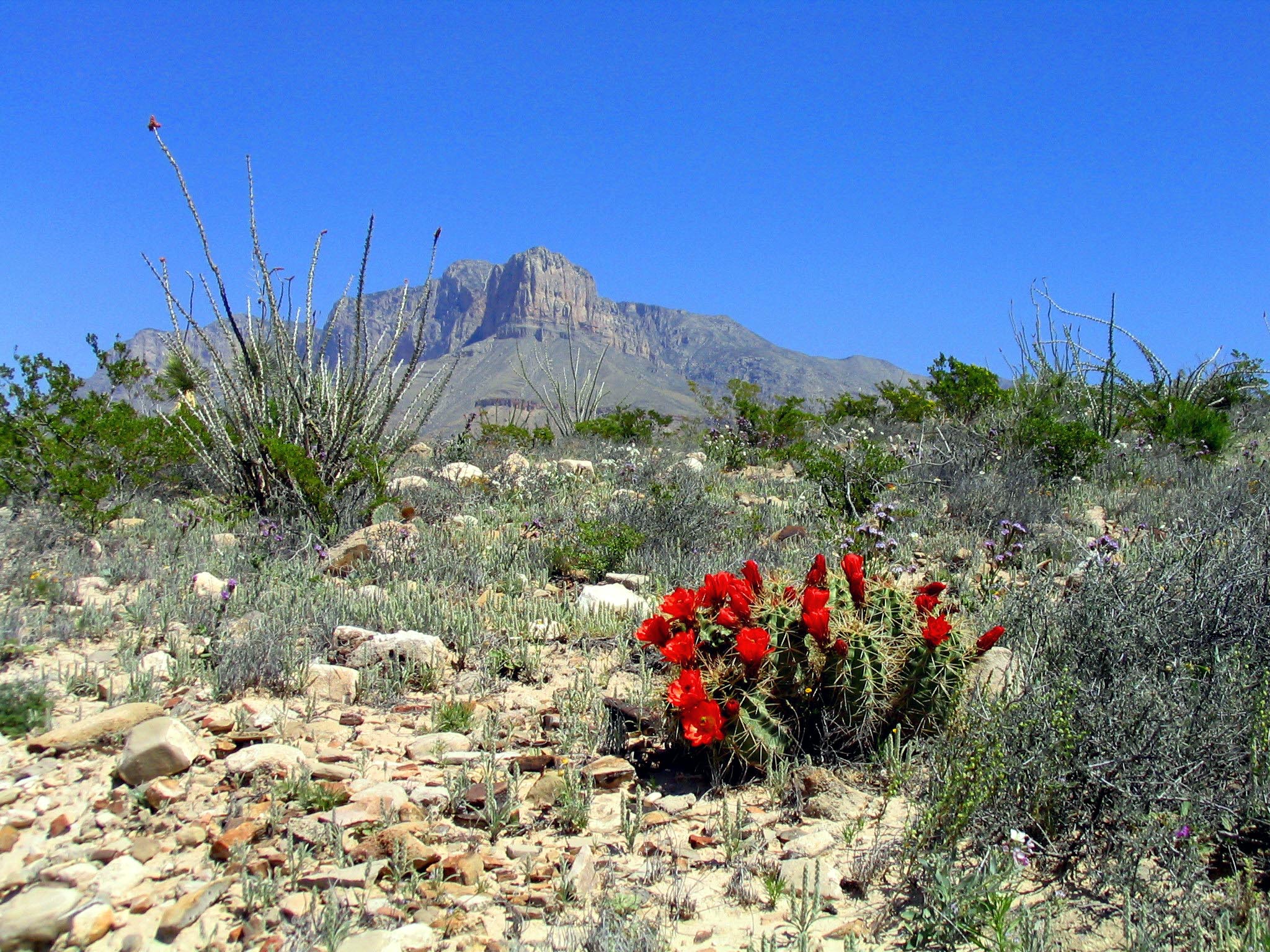
Guadalupe Mountains National Park Weather: Weather
Guadalupe Mountains National Park: weather guide guide updated 2026. Practical visitor information, reservations, and seasonal tips worth bookmarking before
Best Of
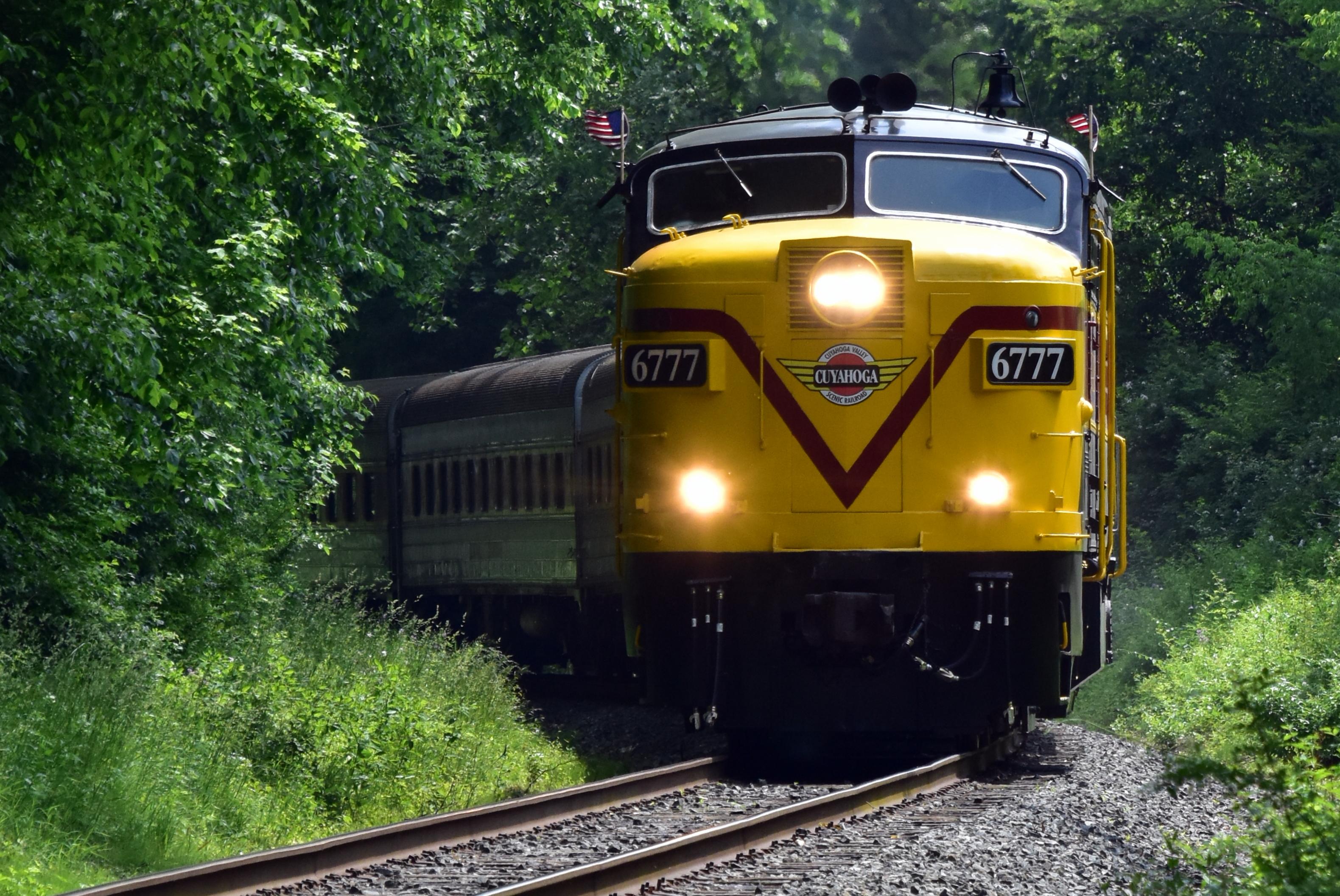
Best of Cuyahoga Valley National Park: Best Things to Do
Seeing a Cleveland Orchestra concert with the woods as your backdrop is a uniquely Cuyahoga Valley experience.
Sign in to join the conversation.
Sources & Attribution
Location data courtesy of the National Park Service (U.S. Department of the Interior). NPS data is public domain. Official NPS page.
Images: NPS; NPS; NPS; NPS; NPS.
Map data © OpenStreetMap contributors.
Park operations alerts: NPS.gov · Weather and weather hazards: National Weather Service · Live conditions.
Information may change. Always verify fees, hours, and conditions directly with the official source before visiting.
Did this guide help? Share it with a friend.