Death Valley National Park Tours: Guided Tours of Death Valley
7 min read
Tours Guide
See the Milky Way from an International Dark Sky Park. 2026 guide to Death Valley's Furnace Creek Astronomy Program and the best guided tours of Death Valley.
This article contains affiliate links — we may earn a small commission at no extra cost to you.
Advertisement
The Best Guided Experience Here
The Death Valley National Park hiking map shows over 800 miles of trails, but the single guided experience that consistently delivers more than you could get on your own is the Furnace Creek Astronomy Program. Rangers run night sky programs from November through April, and they're worth planning your entire trip around. Under some of the darkest skies in the continental United States - the park is an International Dark Sky Park - a ranger points out constellations while explaining why the dry air and low light pollution make this one of the best stargazing locations in North America.
The program runs at the Furnace Creek Amphitheater, and there's no charge beyond the park entrance fee. It runs about 45 minutes. What the park website doesn't mention is that the program schedule varies by season and moon phase - darker nights get the better programming. Check the visitor center bulletin board or ask at the front desk when you arrive.
For visitors who want more than a ranger talk, the Death Valley Conservancy runs guided hikes into restricted areas of the park, including sections of the Amargosa River that the general public cannot access independently. These tours run $45-75 per person depending on length and require reservations at least two weeks in advance.
Photo: NPS via NPS.gov (Public Domain)
Free Ranger Programs
Rangers will tell you that the Furnace Creek Amphitheater runs the most consistent schedule of free programs. From November through April, expect talks most evenings at 7 PM or 8 PM depending on sunset timing. Topics rotate - geology, wildlife, the history of mining in the area, the Timbisha Shoshone presence. The geology talk is the one to prioritize. It covers why the valley sits 282 feet below sea level while Telescope Peak rises 11,049 feet directly above. That elevation difference is one of the most extreme in the lower 48.
The Badwater Basin Walk happens most mornings between December and March. A ranger leads a group about a mile out onto the salt flats, explaining how the salt polygons form and why the basin stays dry despite being the lowest point in North America. The walk takes about 90 minutes. Early morning is your best bet for this - by 10 AM the sun reflecting off the white salt crust gets intense, even in winter.
Scotty's Castle used to run the most popular ranger program in the park. The facility remains closed as of 2026 due to flood damage from 2015 that took out the underground utility systems. Rangers at the visitor center emphasize that this closure is indefinite. Do not plan a trip expecting to tour the castle.
The Harmony Borax Works self-guided area has a ranger stationed there most weekends from December through March. They answer questions about the twenty-mule team operations that made Death Valley's borax mining famous. This is more of an informal Q&A than a structured program, but the rangers who work this post tend to be the ones with deep knowledge of the park's industrial history.
Which programs fill up. The astronomy programs in February and March, when temperatures are most comfortable, routinely reach capacity. The amphitheater seats about 100 people. Arrive 20 minutes early or you'll stand. The Badwater Walk rarely fills because it requires walking on uneven salt crust - groups self-select smaller.
Photo: NPS via NPS.gov (Public Domain)
Concessionaire Tours
Furnace Creek Resort Tours
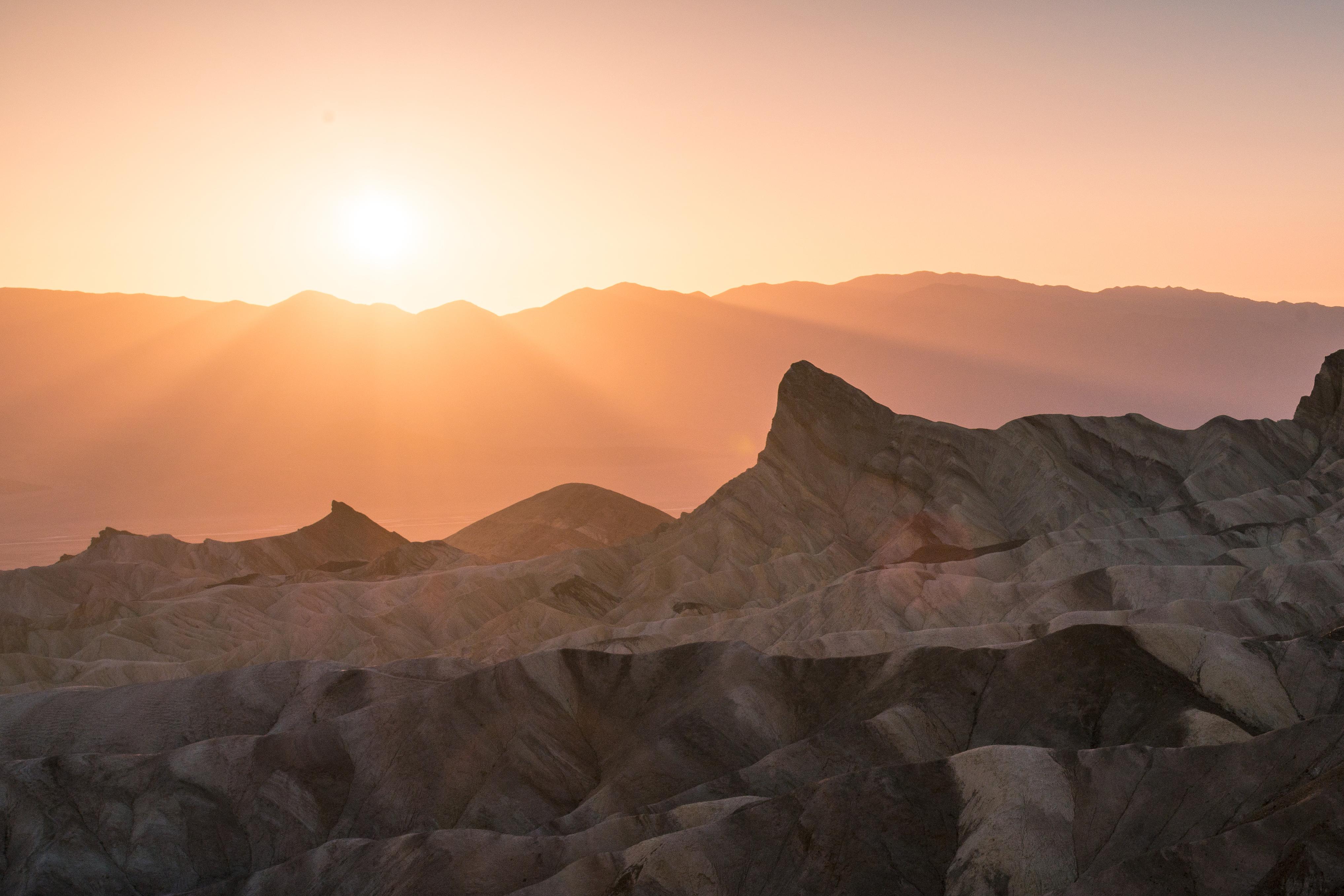
The park's main concessionaire operates several guided experiences out of Furnace Creek. The Sunrise Tour runs from November through April, departing at 5:30 AM. Cost is $85 per person (as of 2026). Duration is approximately 4 hours. The tour hits Zabriskie Point at sunrise, then drives through Twenty Mule Team Canyon to Dante's View. The guide provides historical context that the pull-out signs don't cover. Worth it for photographers who want the best light without navigating the winding roads in darkness. Not worth it for anyone comfortable driving themselves - you can replicate the exact route for the price of gas.
The Death Valley Highlights Tour runs year-round but operates on a reduced schedule June through August due to heat. Cost is $110 per person. Duration is 8 hours. It covers Furnace Creek, Badwater Basin, Artist's Drive, and Mesquite Flat Sand Dunes. This is the tour for visitors who have one day and want to see the checklist locations. The guide handles all navigation, which matters more than most visitors underestimate - cell service drops out at the park boundaries and doesn't return until you're back near Furnace Creek.
Stovepipe Wells Village Tours
Stovepipe Wells runs a smaller operation focused on the northern end of the park. Their Mesquite Flat Sand Dune Walk costs $35 per person and runs 2 hours. A guide explains the dune formation and points out animal tracks - kit fox, kangaroo rat, sidewinder rattlesnake - that most visitors walk right past. This tour is best suited for families with children who need structured activity. The dunes themselves are free and self-guided, but the track identification genuinely adds value.
Oasis at Death Valley Tours
The Oasis (formerly the Inn at Furnace Creek) offers private guided hikes starting at $200 per person with a two-person minimum. These are custom routes based on fitness level and interest. The guide carries extra water, knows the shaded routes, and can access sections of Golden Canyon that the general hiking crowd skips. The elevation gain is worth it on the longer options - you get views over the entire valley floor from the ridges above the canyon. This is the tour for serious hikers who want off-trail access without navigating the park's confusing network of unmarked routes.
Photo: NPS via NPS.gov (Public Domain)
Specialized Experiences
Photography Workshops
The Death Valley Photography Workshop runs three times per year - February, March, and November. Cost is $450 for a weekend program. Professional photographers lead groups to Zabriskie Point at sunrise, Mesquite Flat at sunset, and Badwater for astrophotography sessions. The workshop includes classroom time at the Furnace Creek Visitor Center covering exposure settings for the extreme contrast of the salt flats and the dark night sky. Participants need their own camera equipment and a tripod for the night photography portion. Space is limited to 15 people per workshop.
Backcountry Guided Trips
Licensed guides through Desert Trail Guides offer multi-day backpacking trips into the Cottonwood Mountains and the Panamint Range. These run November through March only. Cost runs $350-600 per person per day depending on group size and route difficulty. The guide carries satellite communication, which matters in the backcountry where cell service drops out entirely and rescue distances are measured in hours, not minutes. This is not a beginner activity. The park service recommends at least 20 prior backpacking nights for anyone considering this.
Horseback Tours
Furnace Creek Stables operates guided horseback rides from November through April. The standard ride is 2 hours, costs $90 per person, and follows a route through the foothills east of Furnace Creek. The trail narrows here in places where the horses walk single-file along wash bottoms. Riders must weigh under 225 pounds. Children must be at least 8 years old. The horses are well-trained for beginners, but the terrain is uneven - expect a bumpier ride than a flat trail.
Photo: NPS via NPS.gov (Public Domain)
Booking and Logistics
How far in advance to book. The Furnace Creek Astronomy Program requires no reservation - just show up. The concessionaire tours at Furnace Creek Resort fill up 2-3 weeks in advance during spring and fall. The private guided hikes at the Oasis can book out 6 weeks ahead. The photography workshop sells out 3-4 months in advance for the February and March dates. The horseback rides rarely fill more than a few days ahead except during peak spring wildflower season.
Where reservations are made. Concessionaire tours book through the Furnace Creek Resort website or by calling 760-786-2345. The Oasis private hikes book through their concierge desk. The photography workshop books through the Death Valley Conservancy website. Desert Trail Guides books through their own site and requires a 50% deposit.
Cancellation policies. Furnace Creek Resort tours require 48 hours notice for a full refund. The Oasis requires 72 hours. The photography workshop has a strict 14-day cancellation policy. Desert Trail Guides requires 30 days notice for backcountry trips due to the logistics of permits and route planning.
What's included versus extra cost. All concessionaire tours include transportation within the park and a guide. They do not include park entrance fees, meals, or water beyond what the guide carries for emergencies. Pack extra water for this stretch - the standard recommendation is one gallon per person per day for any guided activity between May and October.
Practical Takeaways
The free ranger astronomy program at Furnace Creek Amphitheater is the single best guided experience in the park. Schedule your trip around a new moon for optimal viewing.
The Death Valley Highlights Tour is worth booking only if you have one day and want someone else to handle the driving. Otherwise, the same route costs you $30 in park entrance fees and gas.
For any guided experience between June and August, verify that the operator provides adequate water and shade breaks. The park service has documented heat-related incidents every summer. Rangers will tell you that July ground temperatures at Badwater exceed 150°F.
Photography workshops sell out months in advance. If you want one, book for November - same quality of light as spring with fewer crowds.
The backcountry guided trips require significant lead time. Permit processing through the park service adds 2-4 weeks on top of the guide's booking timeline. Start planning at least 3 months out.
Check the current NPS alerts before booking anything. The gas station at Panamint Springs Resort operates limited hours (7 AM to 9:30 PM daily as of 2026), and running out of fuel between destinations can add hours to your day.
For the most comprehensive planning, reference the complete visitor guide for additional logistics and the lodging and accommodations page if you need overnight arrangements. For those interested in the park's fauna, the upcoming wildlife viewing guide will cover what species to watch for on guided tours.