Sleeping inside Death Valley National Park requires planning, patience, and a willingness to pay a premium. The in-park lodges - Furnace Creek, Stovepipe Wells, and Panamint Springs - book out 6 to 12 months in advance for peak season (October through April). Walk-ins are rare. If you're researching where to stay near Death Valley National Park without a reservation already in hand, you have options, but the trade-offs between convenience and cost are sharper here than at most national parks.
NPS via NPS.gov (Public Domain)
Death Valley National Park Lodging: Where to Stay Near (2026 Guide)
10 min read
Lodging Guide
In-park lodges at Death Valley book out 6 to 12 months ahead for peak season (October–April). Learn where to stay and booking strategies to avoid sleeping in your car.
This article contains affiliate links — we may earn a small commission at no extra cost to you.
The park covers 3.4 million acres. Driving from one end to the other takes two hours on a good day. Your lodging choice determines how much of your trip is spent behind the windshield versus on the trail. This guide breaks down the inside-park properties, the gateway towns that serve them, and the booking strategies that keep you from sleeping in your car.
Inside the Park: Worth It?
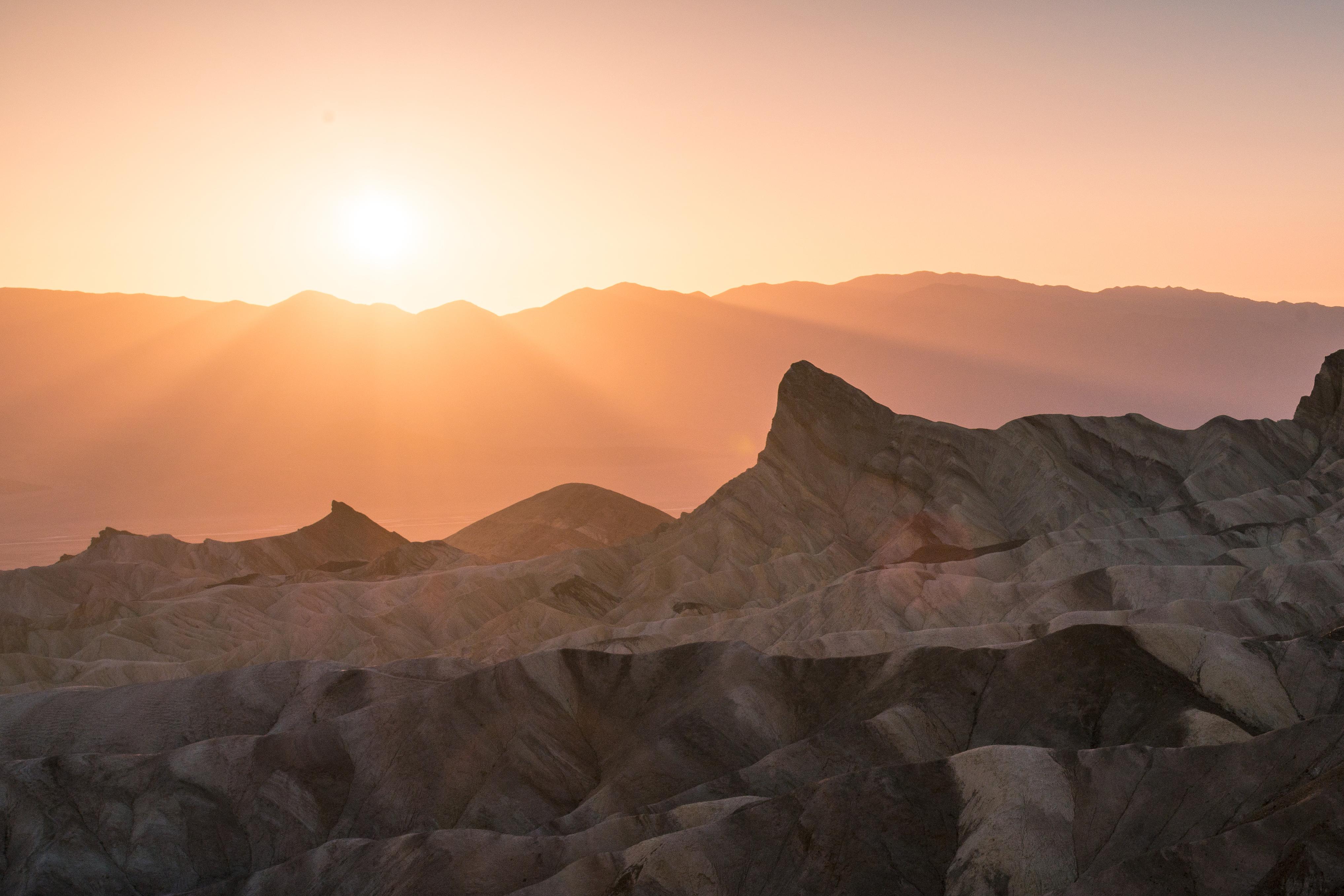
The argument for staying inside Death Valley is simple: you wake up in the park. You catch sunrise at Zabriskie Point without leaving your hotel at 4 AM. You skip the 45-minute drive from the park boundary to the trailhead. After a long day in the heat, you're ten minutes from a shower and a cold drink instead of an hour-plus drive back to town.
The downsides are real. Room quality at the mid-tier properties lags behind what you'd get for the same price outside the park. The dining options are limited - Furnace Creek has several restaurants, Stovepipe Wells has one, Panamint Springs has one. Cell service drops out at all of them. And the prices reflect the captive audience.
As of 2026, the booking window for inside-park lodging runs roughly October through April for the November-to-March sweet spot. Summer rates drop significantly - some rooms go for half the winter price - but you'll be baking in 115°F heat. Worth it only if you understand exactly what you're signing up for.
Most visitors underestimate how fast these rooms sell out. The Thanksgiving and Christmas holidays book a year ahead. Spring break weeks go almost as fast. If you're flexible on dates, midweek stays in October or late April offer the best chance of snagging a cancellation.
For a broader look at what the park offers beyond lodging, check the complete visitor guide on the NPS website.
The Inn at Death Valley: Complete Guide
The Inn at Death Valley (formerly Furnace Creek Inn) sits on a hillside above the Furnace Creek oasis. It's the premium property in the park - built in 1927, Mission revival architecture, spring-fed swimming pool, and a restaurant that makes an earnest attempt at fine dining in the desert.
Room types and honest description: The standard rooms are small but well-appointed - think historic hotel, not modern luxury. The renovated "Casita" rooms are larger and worth the upgrade if your budget allows. The premium rooms have patios with views across the valley. What disappoints: some of the older rooms show their age, with thin walls and dated bathrooms. The temperature control can be finicky.
Rates (as of 2026): Peak season (November-April) starts around $550/night for a standard room and climbs past $800 for the casitas. Summer rates drop to around $250-350/night. These are rough estimates - check the official website for current rates, which fluctuate with demand.
Booking window: 12 months out for peak season. Cancellation policy is 72 hours for a full refund, 7 days for holidays.
What's included: Access to the spring-fed pool, towels and basic toiletries, parking. Breakfast is not included in the standard rate.
Which room types are worth the premium: The casita rooms. The extra space and the outdoor seating area make a difference when you're spending daylight hours in the park and evenings on the patio. The standard rooms feel cramped for two people with gear.
Dining on property: The Inn Dining Room serves dinner nightly (reservations required), and the Oasis Bar offers lighter fare and drinks. Breakfast is served in the dining room. The food is good but expensive - expect $40+ per person for dinner with a drink.
The Ranch at Death Valley: Complete Guide
The Ranch is the more casual sibling, located a mile down the road from the Inn. It's the practical choice for most visitors - more rooms, lower rates, and a livelier atmosphere.
Room types and honest description: The Ranch has standard motel-style rooms, family rooms with two queen beds, and a handful of suites. The rooms are basic - clean, functional, and unremarkable. The recent renovations improved the bathrooms and bedding, but the furnishings still feel budget. What makes this property special: the central courtyard with the spring-fed pool, the general store, and the saloon. It has more of a community feel than the Inn.
Rates (as of 2026): Peak season runs $280-400/night for a standard room. Summer rates drop to $150-200. Family rooms add about $50/night.
Booking window: 9-12 months out for peak dates. Cancellation is 48 hours.
What's included: Pool access, parking, wifi (spotty). The general store stocks groceries, ice, and camping supplies at a markup.
Which room types are worth the premium: The family rooms if you're more than two people. Otherwise, the standard queen is fine. The suites are not worth the upgrade - you're paying for square footage you won't use.
Dining on property: The Last Kind Words Saloon serves burgers, sandwiches, and steaks. The Wrangler Steakhouse (seasonal) does breakfast and dinner buffets. The 49er Cafe serves breakfast and lunch. The food is decent but unremarkable - the best thing on the menu is the date shake from the general store.
Stovepipe Wells Village: Complete Guide
Stovepipe Wells sits about halfway between Furnace Creek and the park's western entrance. It's the most affordable in-park lodging option and the most remote.
Room types and honest description: Standard motel rooms, some with two double beds, some with a single queen. The rooms are dated - think 1980s motel with updates that didn't quite land. The bathrooms are small, the AC units are loud, and the walls are thin. What it has going for it: the location. You're right near the Mesquite Flat Sand Dunes, Mosaic Canyon, and the road to Titus Canyon. The sunsets from the parking lot are hard to beat.
Rates (as of 2026): Peak season $180-250/night. Summer rates can drop below $100.
Booking window: 6-9 months out. Cancellation is 24 hours.
What's included: Parking, basic toiletries. No pool. The general store is smaller than Furnace Creek's.
Which room types are worth the premium: None, really. Get the cheapest room - you won't spend much time in it. If you need two beds, the double-double rooms are adequate.
Dining on property: The Stovepipe Wells Saloon and Grill serves dinner. The menu is short - burgers, steak, a salad or two. The breakfast buffet at the same location is basic but fills the hole. Gas is available 24 hours at Stovepipe Wells.
Panamint Springs Resort: Complete Guide
Panamint Springs sits on the western edge of the park, about 30 miles from Stovepipe Wells and 50 miles from Furnace Creek. It's a genuine desert outpost - motel rooms, a campground, and a restaurant that draws locals from the small towns on the other side of the pass.
Room types and honest description: The motel rooms are clean and simple - no frills, no attitude. The cabins are basic but have a certain charm. The tent cabins (canvas walls, shared bath) are the budget option. The vibe is more "road trip motel" than "national park lodge," which works in its favor.
Rates (as of 2026): Motel rooms $150-200/night peak season, cabins $130-170, tent cabins $60-80. Summer rates are lower.
Booking window: 3-6 months out - less competitive than the other properties. Cancellation is 24 hours.
What's included: Parking, basic toiletries. The tent cabins share a bathhouse. Note: gas pumps are closed from 9:30 PM to 7 AM daily, so plan your fuel stops accordingly.
Dining on property: The restaurant serves three meals a day - good American diner food. The portions are generous. The beer selection is better than you'd expect. It's the most reasonably priced dining option in the park.

Gateway Town Options
If the inside-park lodges are booked (or priced outside your budget), the gateway towns offer alternatives at every price point. Each has trade-offs in drive time and amenities.
Beatty, Nevada (45 minutes to Furnace Creek)
Beatty is the closest gateway town to the park's east side. It's small - population around 1,000 - but it has a surprising number of motels.
Budget options ($70-120/night): The Atomic Inn is the most characterful option - retro decor, clean rooms, friendly staff. The Stagecoach Hotel and Casino is a step down but functional. The Exchange Club Motel is bare-bones but cheap.
Mid-range ($120-180/night): The Death Valley Inn and the Best Western Beatty Inn are both reliable chain options. The Best Western has a pool and breakfast included.
Pros: Closest to Furnace Creek. Cheaper than anything in the park. Gas is cheaper than in the park. Cons: Limited dining options, mostly casino food and fast food. The town has a rough-around-the-edges feel.
Lone Pine, California (1 hour 15 minutes to Stovepipe Wells)
Lone Pine sits on the west side of the park, at the base of Mount Whitney. It's a legitimate small town with better amenities than Beatty.
Budget options ($80-130/night): The Dow Villa Motel has historic charm and clean rooms. The Lone Pine Motel is basic but well-maintained.
Mid-range ($130-200/night): The Best Western Frontier Motel is the most reliable option - pool, breakfast, comfortable beds. The Portal Motel is closer to the trailhead for Whitney but farther from the park entrance.
Premium ($200+/night): The Alabama Hills Inn is a newer boutique property with well-appointed rooms and a great location near the Alabama Hills hiking area. Worth the splurge if you're coming from the west.
Pros: Better dining than Beatty. The Alabama Hills are a bonus attraction. Cons: Longer drive to Furnace Creek and the east side attractions. The road over Towne Pass is steep and slow.
Pahrump, Nevada (1 hour 20 minutes to Furnace Creek)
Pahrump is the biggest gateway town - population 40,000 - with the most accommodation options. It's also the best bet if you're arriving from Las Vegas.
Budget options ($60-100/night): The Holiday Inn Express is solid. The Comfort Inn works. Several local motels are cheaper but vary wildly in quality.
Mid-range ($100-160/night): The Best Western Pahrump Oasis has a pool and acceptable rooms. The Goldtown RV Park has cabins that start around $90.
Premium ($250+/night): The Holiday Inn Express is the top end here. There's no true premium property in Pahrump.
Pros: Most dining options of any gateway town. Casinos (if that's your thing). Cons: Generic suburban sprawl. The drive from Pahrump to the park is mostly desert highway with no services.
Las Vegas (2 hours to Furnace Creek)
For some visitors, the math works out: drive from Las Vegas in the morning, spend the day in the park, drive back at night. It's a long day but doable.
All price points available. The advantage: you can use points or find deals in a competitive hotel market. The disadvantage: you're adding four-plus hours of driving to your day.
Best for: Short visits, budget travelers who can't find rooms elsewhere, and anyone who wants a full-service city to return to at night.

Booking Strategy
The single most important piece of advice: book inside-park lodging as early as possible. If you know you're visiting Death Valley between October and April, make your reservation 9 to 12 months out. The Inn books first, followed by the Ranch, then Stovepipe Wells. Panamint Springs is the last to fill.
If you're booking late: Check for cancellations. In-park lodges have 24-to-72-hour cancellation policies, so rooms often open up a week or two before the date. Call the reservation line directly rather than relying on the website. Midweek stays have better availability than weekends.
Shoulder season strategy (October and April): These months offer decent weather and lower demand. October can still be hot (90-100°F), and April has a chance of wind storms. Rooms are easier to find and rates are about 20% lower than peak.
Summer strategy (May-September): Rooms inside the park are cheap and widely available. If you can handle the heat - and you absolutely must understand what 115°F+ feels like - this is the time to visit with minimal planning. The gateway towns are also slow.
Cancellation policy comparison:
- The Inn: 72 hours (7 days for holidays)
- The Ranch: 48 hours
- Stovepipe Wells: 24 hours
- Panamint Springs: 24 hours
For gateway towns, the chains (Best Western, Holiday Inn Express) have standard 24-hour cancellation policies. Smaller motels vary - ask before booking.

Practical Takeaways
- Book inside-park lodging 9-12 months out for peak season (October-April). If you're reading this and your trip is within 6 months, check for cancellations or move to gateway towns.
- The Inn at Death Valley is worth the money if you want a genuine historic hotel experience and don't mind spending $600+ a night. The Ranch is the practical choice for most visitors.
- Stovepipe Wells offers the best location-to-price ratio - you're near the dunes, Mosaic Canyon, and Titus Canyon. The rooms are basic, but you didn't come to Death Valley to sit in your hotel room.
- Panamint Springs is the last in-park property to fill and the most affordable. It's also the most remote - make sure you have gas before you head west from Furnace Creek.
- Beatty, NV is the closest gateway town and the best backup option if the park lodges are full. Lone Pine is better if you're coming from the west or planning to visit the Alabama Hills.
- If you're on a tight budget, Pahrump offers the cheapest reliable rooms within a reasonable drive. You'll spend more time in the car, but you'll save $100-200 per night.
- For those using a tent or RV, the park has camping options at Furnace Creek, Sunset, Texas Springs, and Stovepipe Wells. These fill even faster than the lodges during peak season.
- Gas inside the park is available 24 hours at Furnace Creek and Stovepipe Wells, but Panamint Springs pumps are only open 7 AM-9:30 PM daily. Don't push it on the western side.
- Consider a hybrid approach: two nights in a gateway town and one night inside the park. This gives you the convenience of in-park lodging for sunrise/sunset photography while keeping overall costs manageable.
- For tours and guided experiences, book ahead during peak season. The park's official tour operators sell out, especially the stargazing programs and the Furnace Creek Golf Course tours (yes, Death Valley has a golf course - it's the lowest in the world).
For more information, see our complete National Park Guide.
Related: death valley national park hiking guide
Related: death valley hiking guide
Recommended Gear
What experienced visitors bring to Death Valley National Park Lodging: Where to Stay Near (2026 Guide)
Links may earn us a commission at no extra cost to you. We only recommend gear we believe in.
Hiking Essentials
Hydration Pack (3L)
Hands-free water for long trail days
Trekking Poles (Pair)
Save your knees on steep descents
Hiking Boots (Ankle Support)
Sturdy footwear for rocky, uneven trails
Sun & Heat Protection
Wide-Brim Sun Hat
Full coverage UPF 50+ protection at altitude
Winter Gear
Microspikes / Traction Devices
Essential for icy rim trails in winter months
Packable Down Jacket
Lightweight warmth that stuffs into a pocket
Sources
- Official source: National Park Service nps.gov/deva/index.htm
Photo Gallery
More to Explore
Park Guide
Acadia National Park: Carriage Roads, Cadillac Mountain & 2026 Guide
Discover carriage roads, Cadillac Mountain, and rugged Maine coast. Complete 2026 guide to Acadia National Park — trails, fees, lodging, permits, and what rangers recommend.
Hiking Guide
Grand Canyon Hiking Trails: Day Hikes, Water Sources & Rim to Rim
Compare Grand Canyon hiking trails: Bright Angel, South Kaibab, Hermit, Grandview, and rim to rim, with distances, elevation, water stops, and trailhead access for each.
Best Of
Best of Glacier Bay National Park
The best of Glacier Bay is reached by boat: ranger-led day tours up the bay to the tidewater glaciers. What's worth it, how to book, and when to go (2026).
Campsite Guide
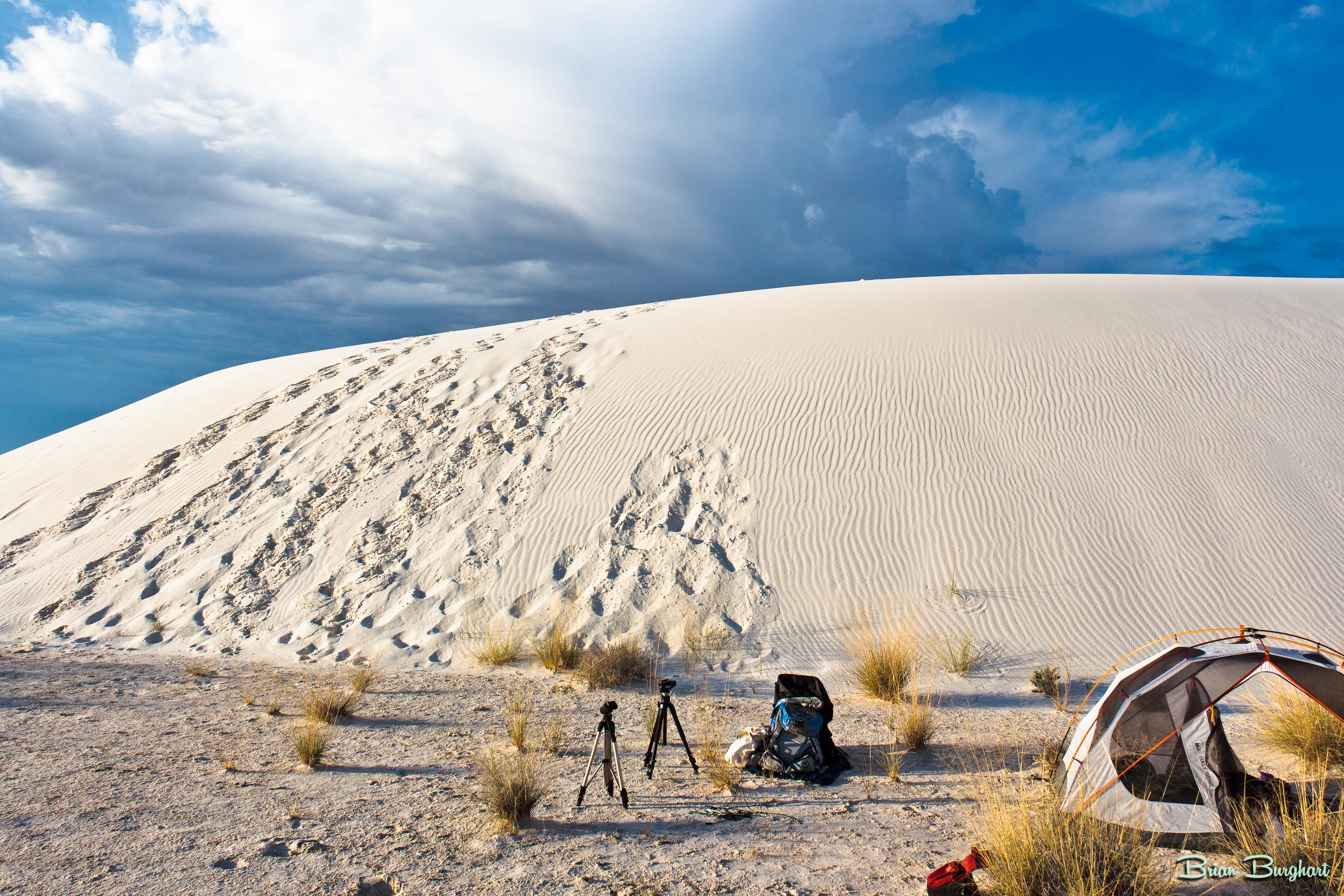
White Sands Backcountry Camping: Closed for 2026 — What to Know
As of 2026, backcountry camping at White Sands National Park is closed for site rehabilitation. What that means, and where to camp nearby instead.
Weather Guide
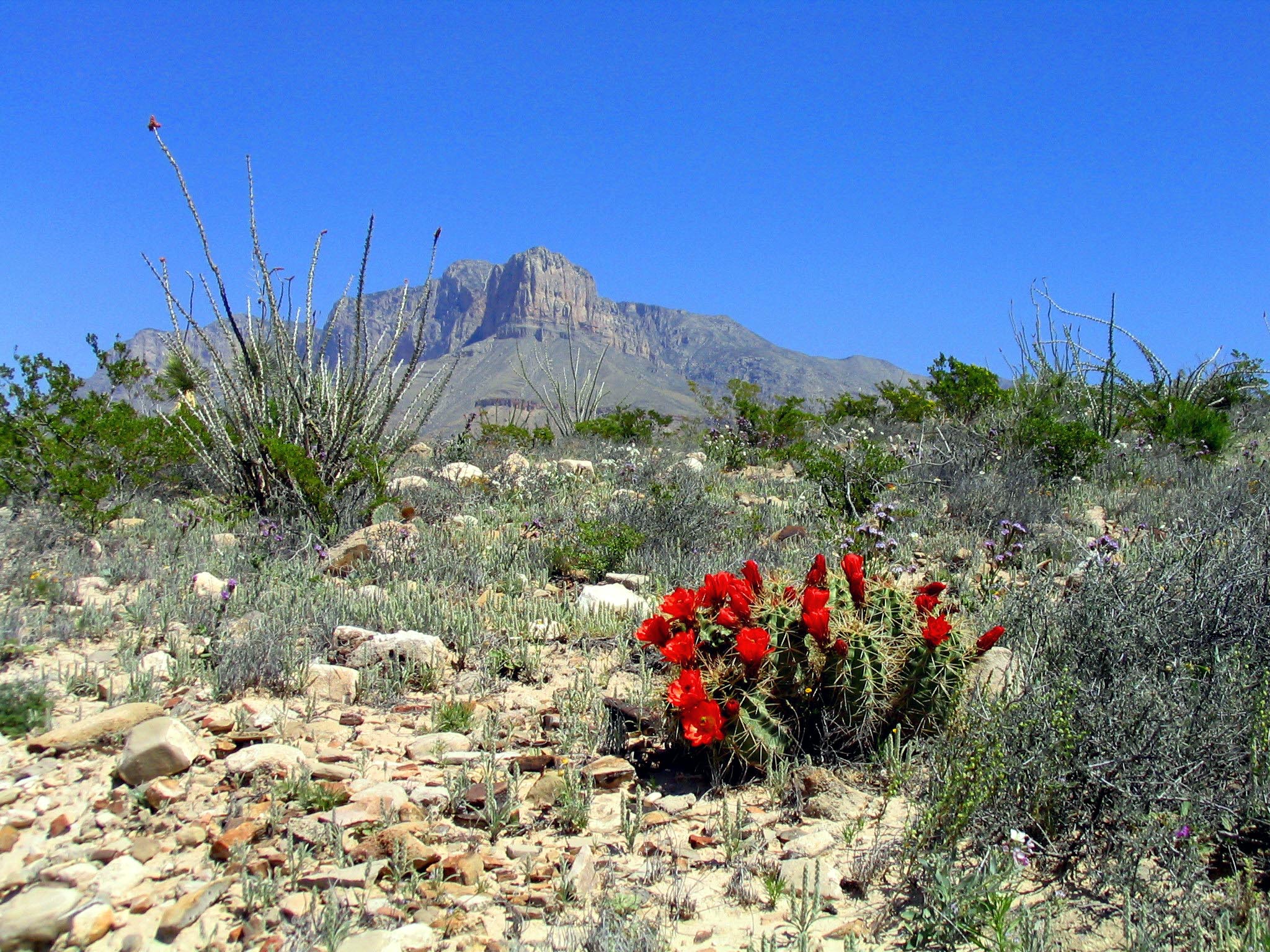
Guadalupe Mountains National Park Weather: Weather
Guadalupe Mountains National Park: weather guide guide updated 2026. Practical visitor information, reservations, and seasonal tips worth bookmarking before
Best Of
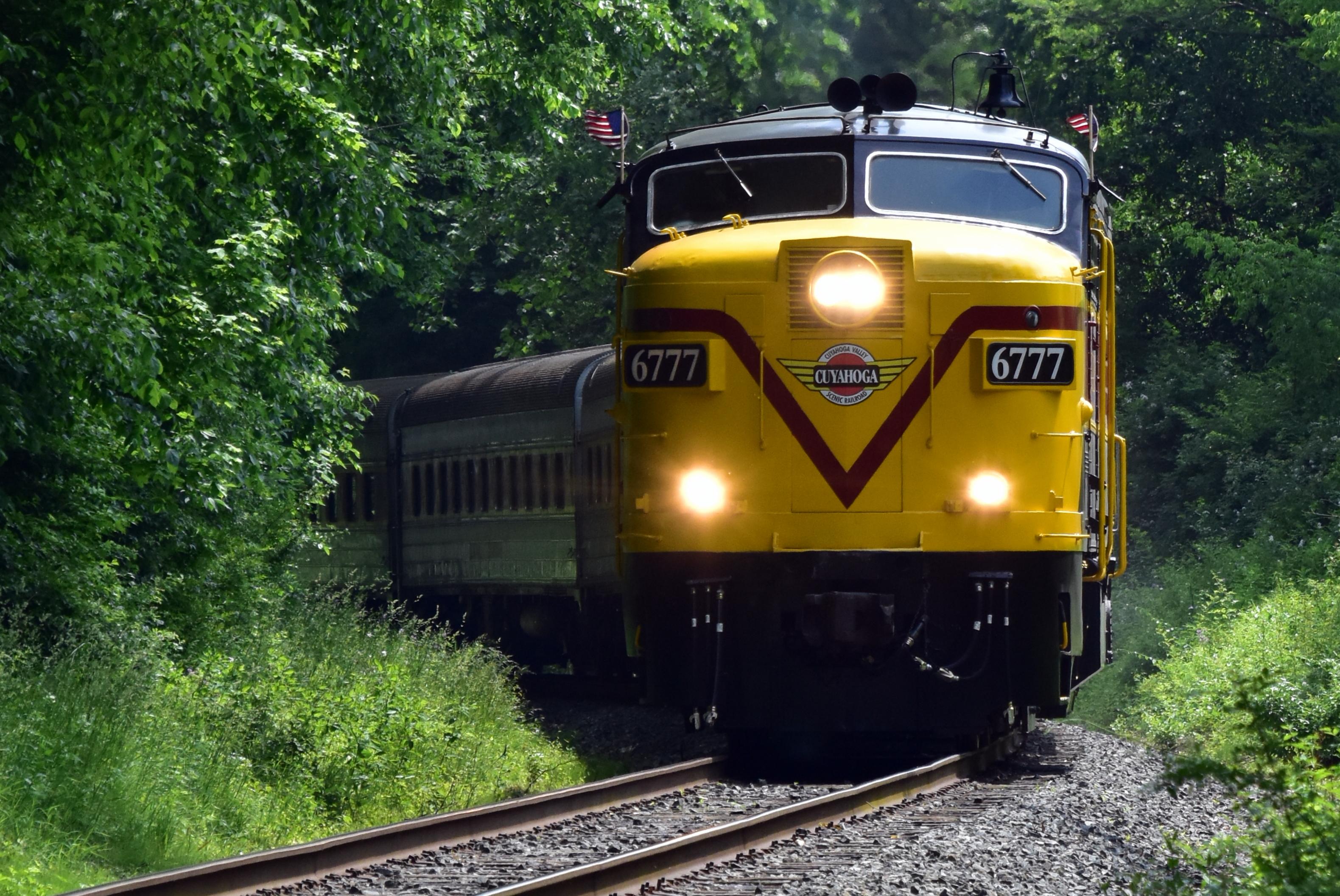
Best of Cuyahoga Valley National Park: Best Things to Do
Seeing a Cleveland Orchestra concert with the woods as your backdrop is a uniquely Cuyahoga Valley experience.
Sign in to join the conversation.
Sources & Attribution
Location data courtesy of the National Park Service (U.S. Department of the Interior). NPS data is public domain. Official NPS page.
Images: NPS; NPS; NPS; NPS; NPS.
Map data © OpenStreetMap contributors.
Park operations alerts: NPS.gov · Weather and weather hazards: National Weather Service · Live conditions.
Information may change. Always verify fees, hours, and conditions directly with the official source before visiting.
Did this guide help? Share it with a friend.