Most visitors fixate on the heat when planning a Death Valley hike. They're missing the critical factor: their feet. On a sunny afternoon at Badwater Basin, ground temperatures can exceed 180°F. The terrain transitions from jagged salt crystals to loose gravel to polished canyon rock within a single mile. Footwear here isn't about comfort; it's essential safety gear. This guide details the best hiking boots for Death Valley, based on two decades of observing what works and fails across the park's extremes, from the valley floor to Telescope Peak.
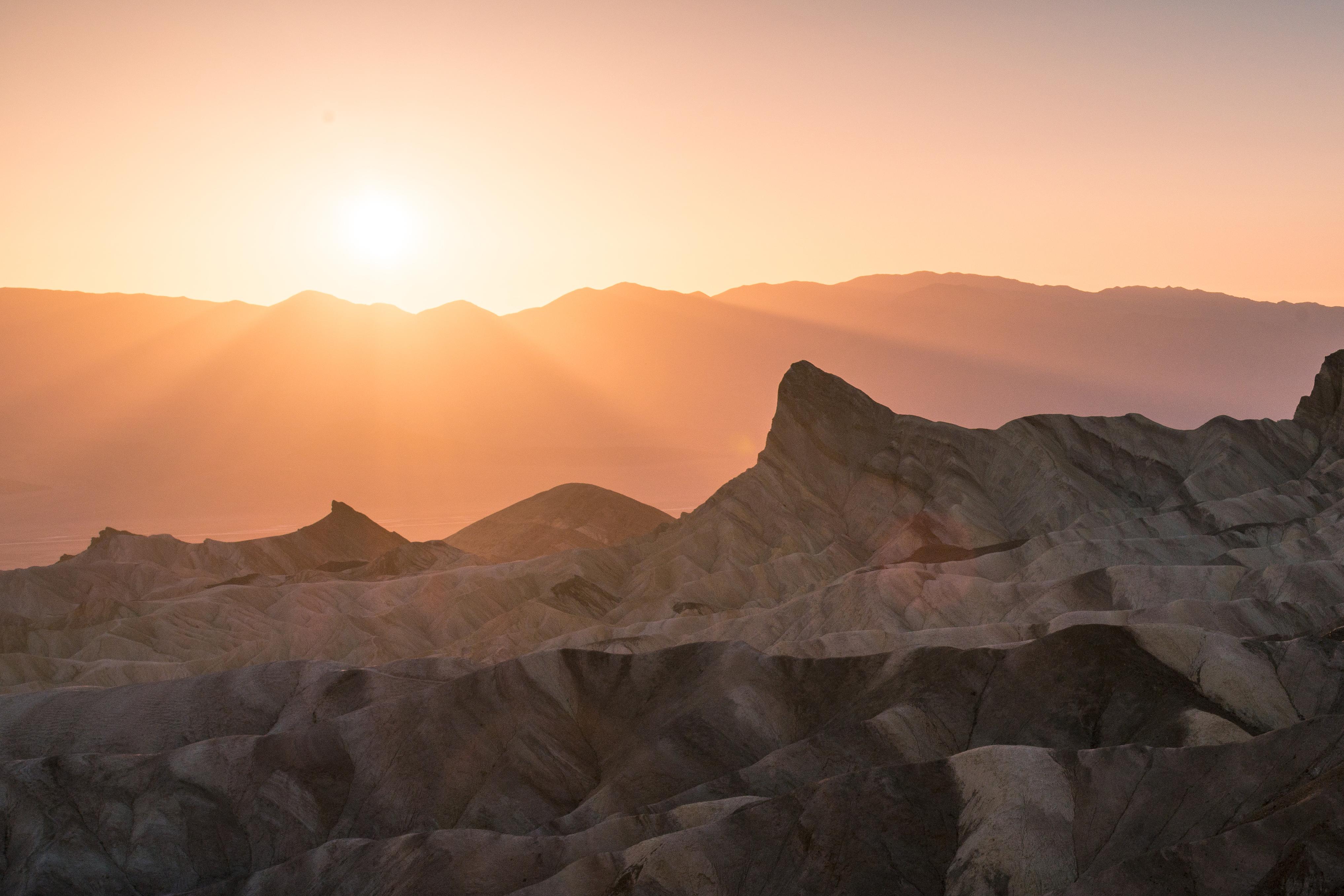
NPS via NPS.gov (Public Domain)
Death Valley Gear Guide: What to Pack When It's 120°F
7 min read
Gear Guide
What to pack for Death Valley — heat-rated footwear, electrolytes, and the gear that keeps you safe when temperatures exceed 120°F on salt flat and canyon hikes.
The Ground Truth: Death Valley's Terrain and Your Feet
The park's name suggests a single, hostile environment. The reality is a series of distinct surfaces, each demanding something specific from your footwear. Choosing the best hiking boots for Death Valley means matching your sole to the ground you intend to walk on.
Salt Flats and Scree: The Valley Floor
Badwater Basin and the Devils Golf Course present a unique challenge. The salt pan is a hard, uneven crust of polygonal tiles. Step off the boardwalk, and you're walking on a surface that can be sharp enough to slice a tire sidewall. The "golf course" is worse - a jagged, chaotic landscape of eroded salt spires. A stiff, protective sole is non-negotiable here. Thin-soled shoes or worn-out trail runners will leave you feeling every dagger-like edge. Rangers at the Furnace Creek Visitor Center have stories of visitors in sandals turning back after fifty yards, their feet cut and burning from the reflected heat and salt.
Canyon Narrows and Alluvial Fans
Golden Canyon, Desolation Canyon, and Mosaic Canyon are the park's hiking highlights. The terrain here is decomposed rock, gravel, and sand. It's loose underfoot, especially on the steeper sections of alluvial fans. You need a boot with aggressive lugs for grip on the sandy, sloping surfaces. In the narrows, you'll be walking on smooth, water-polished rock. A rubber compound with good traction on dry rock is essential - look for brands that advertise a "sticky rubber" formula for scrambling. The common mistake is wearing boots that are too rigid for the occasional bit of easy scrambling these canyons require; a bit of flex in the forefoot helps.
The High Country: Telescope and Wildrose
Above 8,000 feet at Mahogany Flat or the Wildrose Peak trailhead, you're in a different world. Winter brings snow, and the trails can be muddy or covered in pine duff. The best hiking boots for Death Valley's high peaks are, ironically, the same boots you'd wear in a forested mountain park: waterproof, supportive, with serious ankle protection for the rocky, uneven trails. The temperature up here can be 40°F cooler than the valley floor, so insulation isn't the priority, but weatherproofing is.

Boot Anatomy for the Desert
Forget fashion. In Death Valley, every component of your boot serves a survival function. Here are the critical features to examine.
The Sole: Vibram and Beyond
The outsole is your foundation. A deep, multi-directional lug pattern (6mm or deeper) is critical for shedding sand and gravel and gripping loose slopes. Vibram makes several compounds; their "Megagrip" is excellent for the dry rock you'll encounter. Check the heel brake - a pronounced, horizontal lug at the heel to prevent skidding on descents. A stiff shank (a thin plate between the insole and outsole) protects your foot from the punishing sharpness of salt flats and rocky trails. For pure valley floor hiking, you want maximum stiffness. For mixed canyon trips, a moderate shank offers a better balance.
The Upper: Keeping the World Out
Leather or synthetic? For Death Valley, a full-grain leather or tough synthetic/nylon blend offers the best abrasion resistance against sharp rock and brush. Mesh panels are popular for breathability, but in Death Valley, they have a downside: they let in fine, abrasive dust. A boot with a gusseted tongue (attached to the sides) is far superior at keeping out the pervasive silt. Waterproof membranes like Gore-Tex are a double-edged sword. They're essential for the high country or if you encounter an unexpected rain, but in the valley heat, they can reduce breathability. Your call should be based on your primary hiking zone and season.
Fit and Feel: The Hot Weather Calculus
Your feet will swell in the heat. When trying on the best hiking boots for Death Valley, do so in the afternoon when your feet are naturally larger. Wear the hiking socks you plan to use. You should have a thumb's width of space in front of your longest toe when standing. Your heel must be locked in place with zero lift. Pay special attention to the toe box - you need room for your toes to splay naturally on long, downhill sections to avoid bruising. Break them in thoroughly on varied terrain before your trip. A blister at 110°F is more than an inconvenience; it's a liability.

Season-Specific Footwear Strategy
Your boot choice should change with the calendar. The park's seasonal shifts aren't just about temperature; they change the ground conditions and your objectives.
Winter and Spring (November - April)
This is the primary hiking season. Days in the valley are cool to warm, and the high country is cold, possibly snowy. This is the time for a versatile, mid-weight hiking boot. You might start your day in the chilly dawn at Zabriskie Point, hike a sun-exposed canyon by noon, and then drive up to 8,000 feet where patches of snow linger. A boot with good support, a waterproof membrane, and a robust sole handles this range. It's the one-boot solution for most visitors and is the most recommended style for general Death Valley hiking.
Summer (May - October)
Hiking in the valley below 3,000 feet is not recommended by the Park Service. But if you're an experienced desert hiker attempting a short, dawn outing, the game changes entirely. Breathability and lightweight construction become paramount. A well-ventilated, low-cut hiking shoe or a rugged trail runner might be a better choice than a traditional boot, provided it has a stiff, protective plate in the sole for the hot ground. This is a niche, expert-level choice. For 99% of summer visitors, the best hiking boots for Death Valley are the ones you leave in the car while you experience the park from scenic drives and viewpoints.
The Shoulder Months (October & Late April)
These months are unpredictable. You could have a summer-like day or an early winter storm. Check the forecast at the Furnace Creek Visitor Center. Your footwear should err on the side of the versatile mid-weight boot. It's better to have slightly more boot than you need than to be caught in a cold rain at Dante's View in shoes meant for July.

Beyond the Boot: The Essential Support System
The best hiking boots for Death Valley can be undone by poor socks and inadequate care. This is the stuff returning visitors get right.
Socks: The Moisture Management Layer
Cotton is a recipe for disaster. It retains moisture and leads to blisters. You want synthetic blends (like polyester or nylon) or merino wool, even in the heat. Merino wicks sweat, regulates temperature, and resists odor. A medium cushion is ideal for most trails. Consider a two-sock system for long, rough hikes: a thin liner sock under a hiking sock to minimize friction.
Gaiters and Aftercare
Low-profile gaiters are a secret weapon. They strap around your boot and lower calf, sealing out the fine gravel and dust that finds its way into every crevice. Your boots will take a beating from salt and alkaline dust. After your hike, brush off the dry dirt with a soft brush. Avoid soaking them; use a damp cloth to wipe down the uppers. Let them dry slowly, away from direct heat. The salt is corrosive and will degrade stitching and materials if left caked on.

Practical Takeaways
- Match the boot to the zone. A stiff-soled, protective boot for the salt flats and rocky lowlands; a sturdy, waterproof boot for the high country; a versatile mid-weight boot for general winter/spring hiking.
- Fit for swell. Buy and break in boots in the afternoon, with your hiking socks on, allowing a full thumb's width of space ahead of your toes.
- Prioritize the sole. Look for deep lugs (6mm+) and a stiff shank. Vibram's "Megagrip" compound is excellent for Death Valley's dry rock.
- Seal out the silt. Choose boots with a gusseted tongue to keep out abrasive desert dust. Low gaiters add an extra layer of defense.
- Ditch the cotton. Wear synthetic or merino wool socks with medium cushioning. They are critical for blister prevention in the heat.
- Season dictates strategy. Versatile, waterproof boots are best for the main season (Nov-Apr). Summer valley hiking is not advised, but if attempted, requires expert-level focus on breathability and lightweight protection.
- Clean your gear. Brush off salt and dust after every hike to extend the life of your boots. Let them air dry naturally.
Final Thoughts
The right boot won't make the temperature drop or the trail shorter. What it does is remove your feet as a point of failure. It lets you focus on the cracked-mud patterns in Golden Canyon, the way the light shifts on Artists Palette, or the profound silence of the desert, instead of a hot spot on your heel. In a place where self-reliance is part of the experience, your footwear is the first piece of that equation. Visit the Furnace Creek Visitor Center when you arrive - rangers can give you the latest trail condition reports that might influence your final choice. Then lace up, and let the ground feel solid under you.
For more information, see our complete National Park Guide.
Related: death valley national park hiking guide
Related: death valley hiking guide
Sources
- Official source: NPS — Death Valley National Park nps.gov/deva/index.htm
Photo Gallery
More to Explore
Park Guide
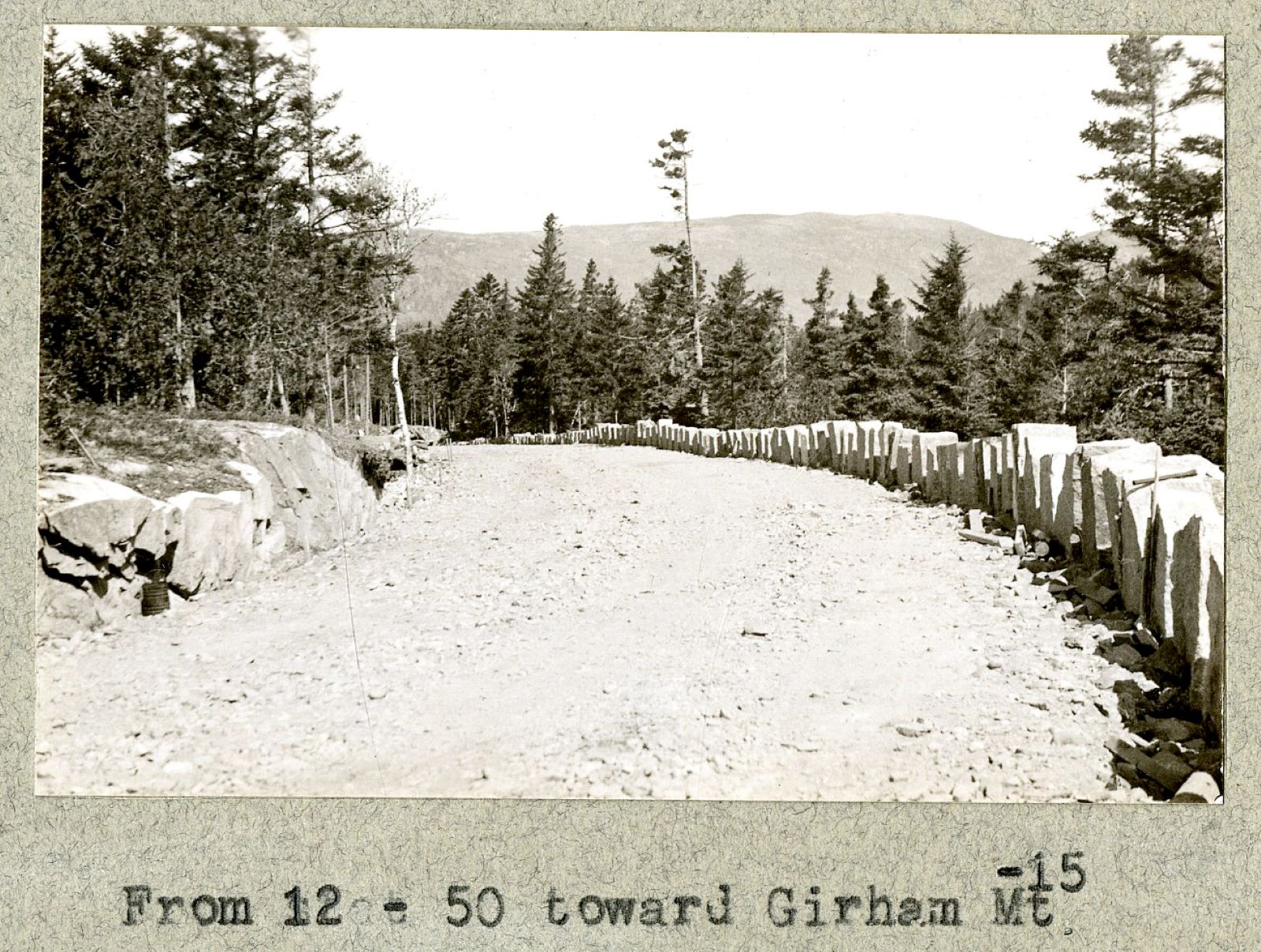
Acadia National Park: Carriage Roads, Cadillac Mountain & 2026 Guide
Discover carriage roads, Cadillac Mountain, and rugged Maine coast. Complete 2026 guide to Acadia National Park — trails, fees, lodging, permits, and what rangers recommend.
Hiking Guide
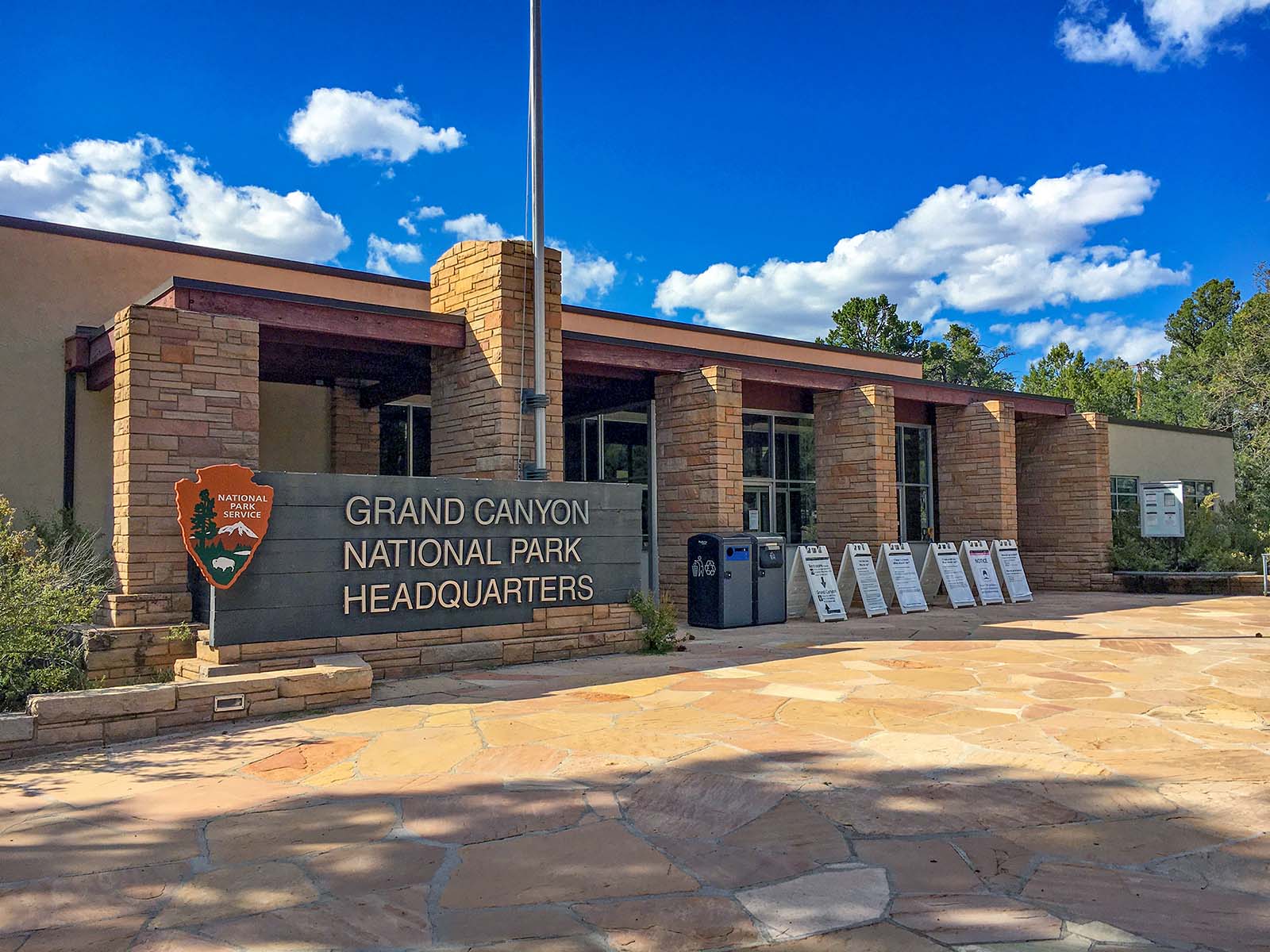
Grand Canyon Hiking Trails: Day Hikes, Water Sources & Rim to Rim
Compare Grand Canyon hiking trails: Bright Angel, South Kaibab, Hermit, Grandview, and rim to rim, with distances, elevation, water stops, and trailhead access for each.
Best Of
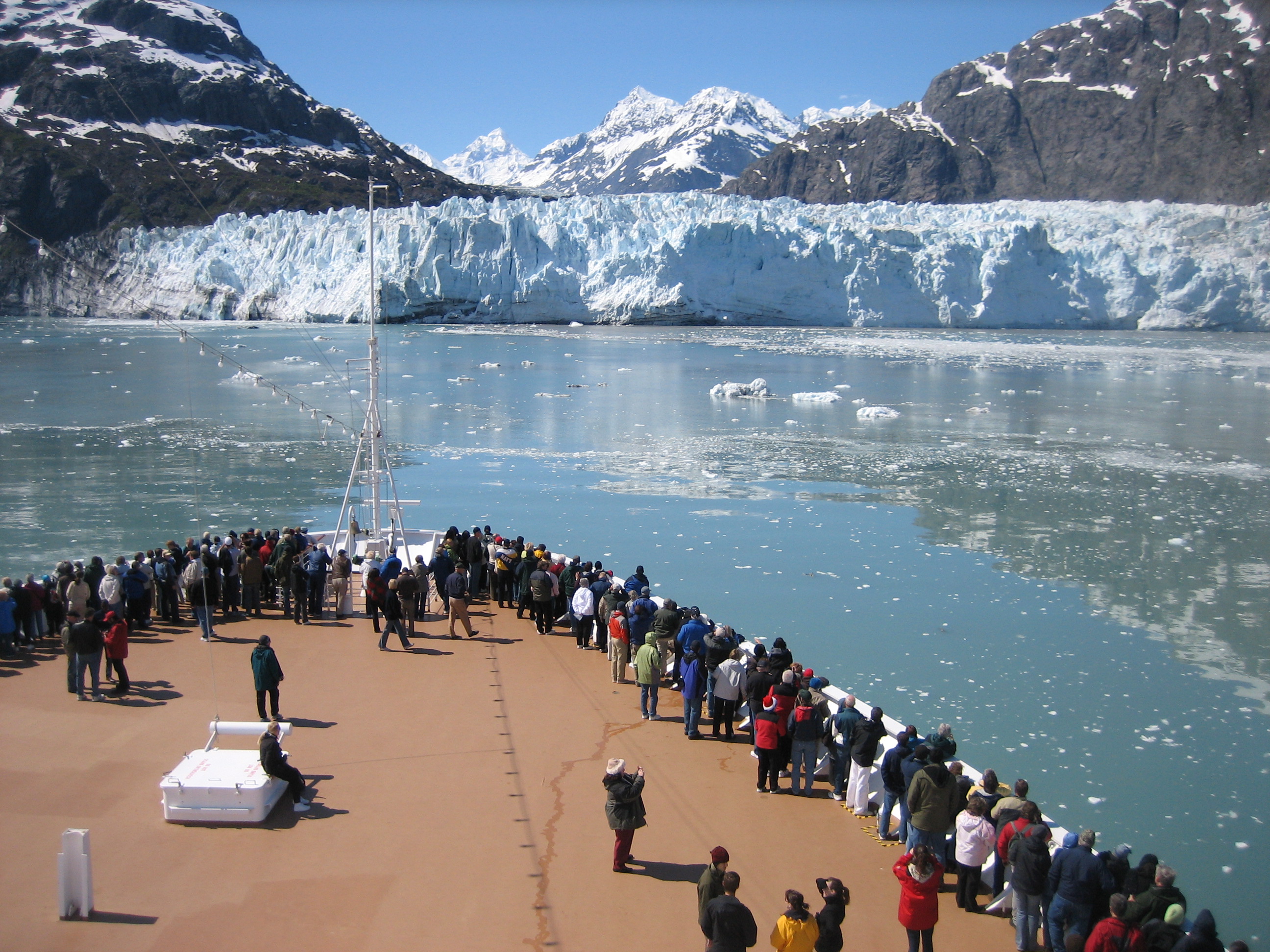
Best of Glacier Bay National Park
The best of Glacier Bay is reached by boat: ranger-led day tours up the bay to the tidewater glaciers. What's worth it, how to book, and when to go (2026).
Campsite Guide
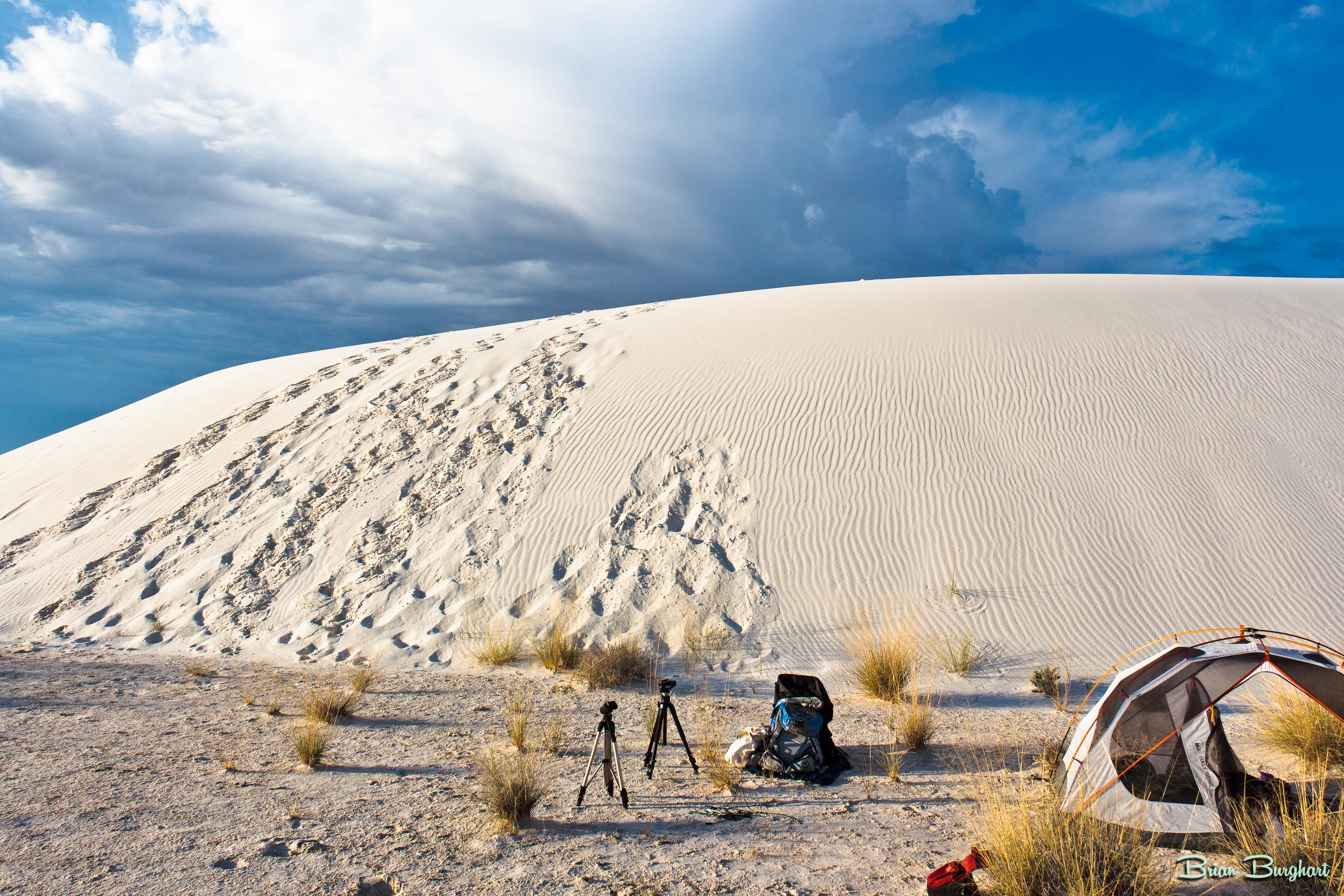
White Sands Backcountry Camping: Closed for 2026 — What to Know
As of 2026, backcountry camping at White Sands National Park is closed for site rehabilitation. What that means, and where to camp nearby instead.
Weather Guide
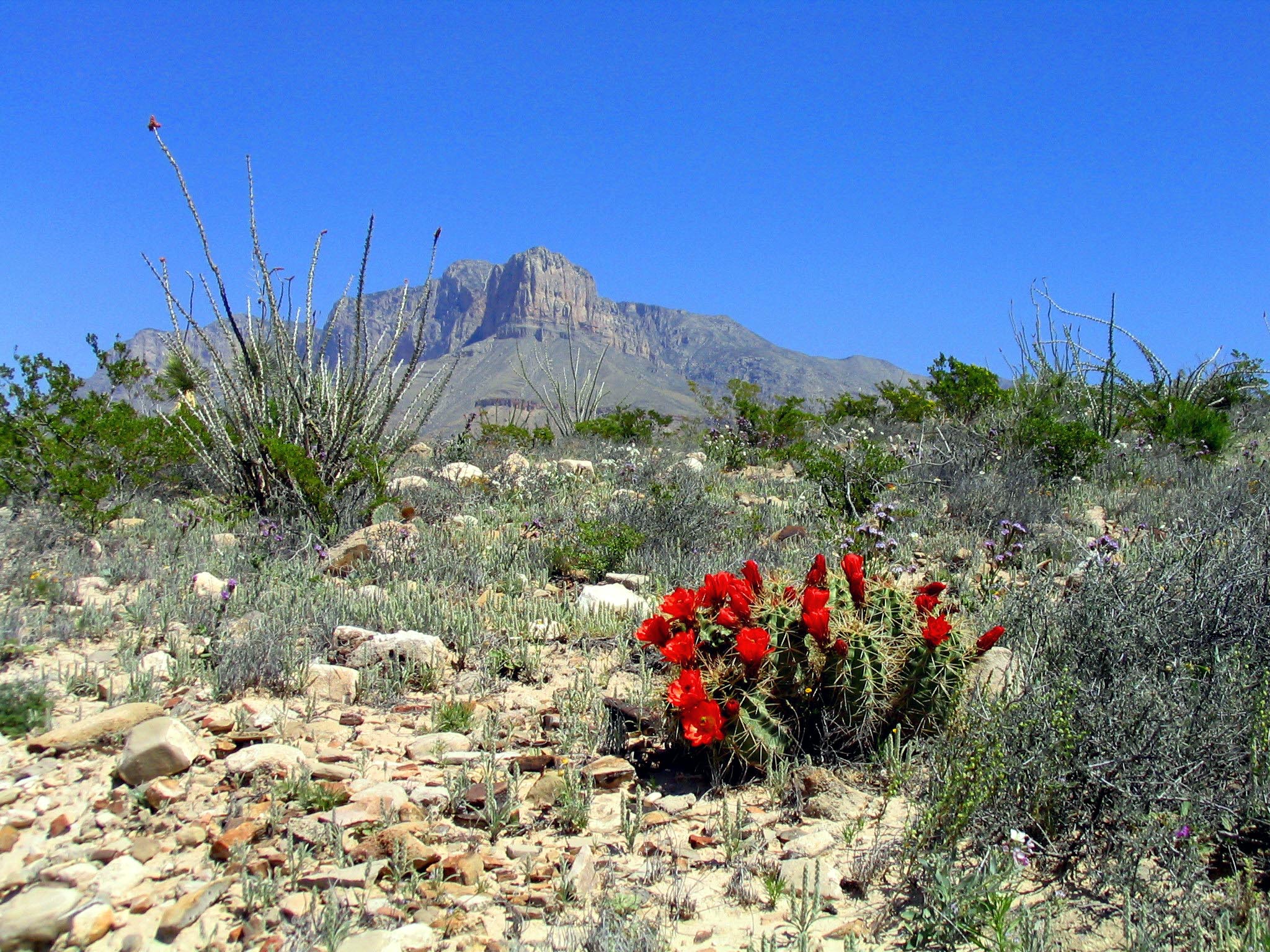
Guadalupe Mountains National Park Weather: Weather
Guadalupe Mountains National Park: weather guide guide updated 2026. Practical visitor information, reservations, and seasonal tips worth bookmarking before

Best Of
Best of Cuyahoga Valley National Park: Best Things to Do
Seeing a Cleveland Orchestra concert with the woods as your backdrop is a uniquely Cuyahoga Valley experience.
Sign in to join the conversation.
Sources & Attribution
Location data courtesy of the National Park Service (U.S. Department of the Interior). NPS data is public domain. Official NPS page.
Images: NPS; NPS; NPS; NPS; NPS.
Map data © OpenStreetMap contributors.
Park operations alerts: NPS.gov · Weather and weather hazards: National Weather Service · Live conditions.
Information may change. Always verify fees, hours, and conditions directly with the official source before visiting.
Did this guide help? Share it with a friend.