Aspenglen Campground is closed for the 2025/2026 winter season, with camping resuming in summer 2026. Reservations open six months in advance on Recreation.gov, and the 52-site campground fills quickly for July and August.
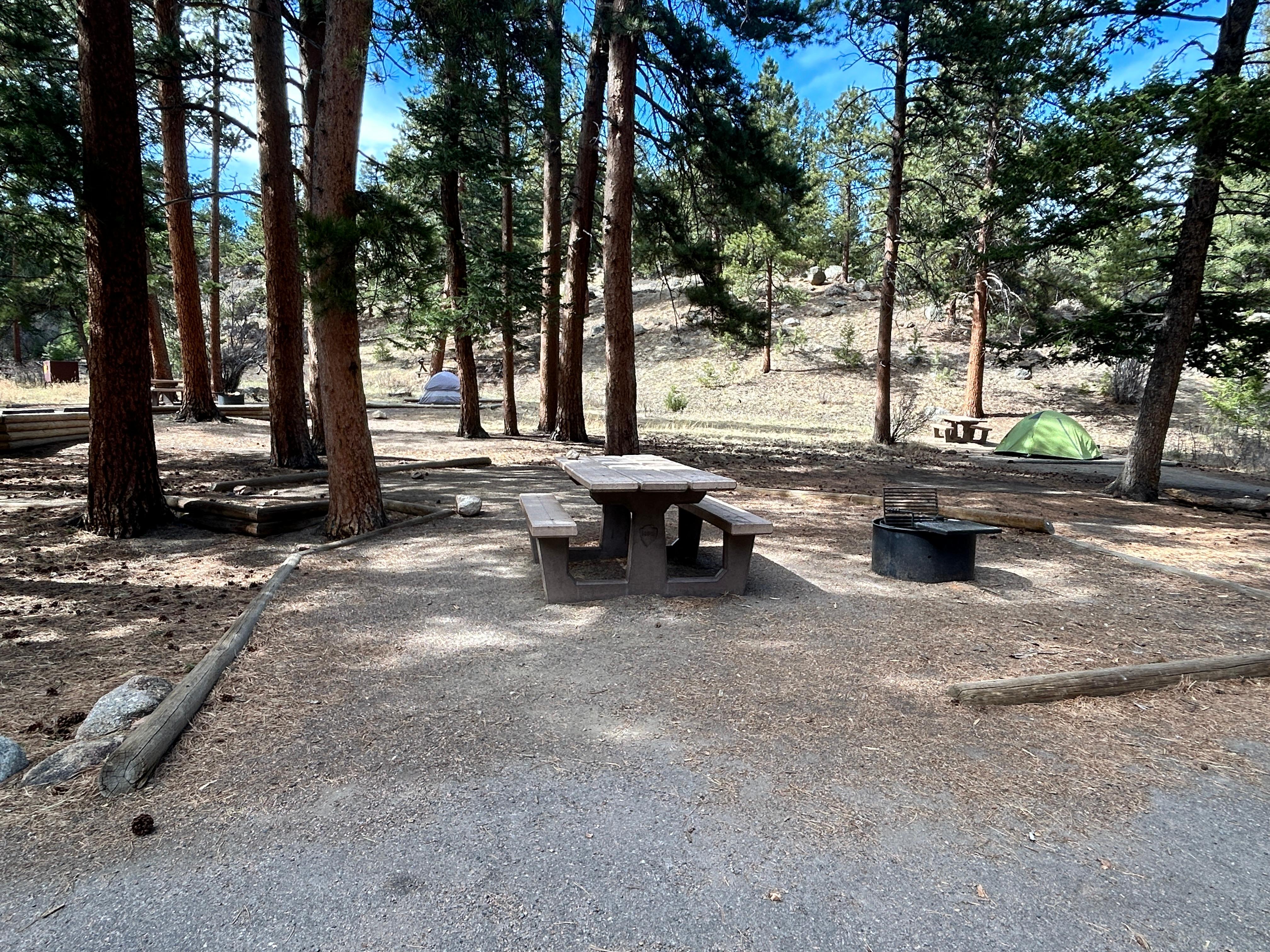
NPS via NPS.gov (Public Domain)
Aspenglen Campground: Winter Closure & 2026 Booking (2026 Guide)
6 min read
Campsite Guide
Aspenglen Campground in Rocky Mountain National Park is closed for winter 2025/2026; summer 2026 reservations open later this year.
Your plans
For more, see Glacier Basin Campground at Rocky Mountain National Park (2026 Guide).
Campsite Layout and Location
Aspenglen sits immediately west of the Fall River Entrance Station, about three miles from the town of Estes Park. You'll turn south off US 34 and follow the signs into a narrow valley lined with ponderosa pine and Douglas fir. The campground has 52 total sites, with 13 designated tent-only. The rest can accommodate RVs up to 30 feet, though the loops are tight - expect to maneuver carefully if you're towing.
The campground is divided into two loops. Loop A is closer to the entrance and tends to fill first; Loop B sits deeper in the trees and offers more privacy. Most sites have a tent pad, a fire ring, and a picnic table. None have hookups, and there is no dump station on site. The nearest dump station is at Moraine Park Campground, about a 20-minute drive.
Rangers will tell you that Aspenglen's main advantage is its proximity to the park's east side trailheads. The Lawn Lake Trailhead, leading to the Continental Divide, is less than a mile away. The Alluvial Fan and the historic Fall River Road are also a short drive. If you want quick access to the park's most popular hiking without spending an extra hour driving from Estes Park each morning, this is a solid choice.
For a broader look at all camping options inside the park, check out the complete visitor guide which covers Aspenglen alongside the other four front-country campgrounds.

Reservations and Fees
Aspenglen operates entirely on a reservation system. You cannot just show up and hope for a walk-in - not a single site is held for first-come, first-served. Reservations open on a rolling basis six months in advance at 8:00 AM Mountain Time on Recreation.gov. For a summer 2026 trip, you'll want to be logged in and ready at that exact moment. Sites in July and August often sell out within minutes, especially Friday and Saturday arrivals.
The camping fee is listed as $30 per site per night. That rate appears for the winter season in the park's fee schedule, but since the campground is closed during winter, expect the same price for summer. Confirm on Recreation.gov when you book. You also pay the park entrance fee separately - either a $30 per vehicle pass (good for seven days) or an America the Beautiful Annual Pass.
The reservation system allows you to book up to 14 consecutive nights. Check-in time is 2:00 PM, checkout by 11:00 AM. Quiet hours run from 10:00 PM to 6:00 AM. Generators are permitted only from 8:00 AM to 8:00 PM, and only in loops where RV sites are allowed.
If you're comparing campgrounds across the park, the page on all campgrounds gives a side-by-side look at Aspenglen, Moraine Park, Glacier Basin, Timber Creek, and Longs Peak.

What to Expect When You Arrive
Most visitors underestimate how quickly Aspenglen fills up. With only 52 sites and its convenient location, it's one of the first campgrounds to reach capacity each summer. If you don't book within the first few days of the reservation window opening, you may be stuck with a midweek site or nothing at all.
Cell service drops out at the campground itself. You'll get a weak signal near the entrance station on US 34, but once you're in the campsite loops, don't plan on making calls or using data. Download maps and directions before you arrive. The nearest pay phone is at the Fall River Entrance Station, but it's rarely staffed after hours.
The parking situation here is tight. Each site accommodates one vehicle. Overflow parking is limited - about a dozen spaces near the entrance. If you're bringing a second car, you'll pay an extra fee and may have to park a short walk from your site.
Water spigots are scattered through the loops, but they are shut off during freeze-up - usually starting mid-October. In summer they run fine. Vault toilets are the only restroom option; there are no flush toilets or showers at Aspenglen. The nearest showers are at the Estes Park YMCA or the private campgrounds in town.

Seasonal Timing and Weather
Aspenglen typically opens in late May and closes in late September or early October, depending on weather. The 2025/2026 winter closure is consistent with past years - it simply does not offer winter camping. Snow can fall any month, even in August, though heavy accumulation is unusual until October.
July and August average highs around 78°F, with afternoon thunderstorms a near-daily certainty. Pack extra water for this stretch - the combo of sun and dry air will dehydrate you faster than you expect. Also bring rain gear regardless of the forecast. By late September, night temperatures drop into the 30s, so a warm sleeping bag is non-negotiable.
Early morning is your best bet for wildlife viewing from the campground. Elk move through the meadow near the entrance in the hour after sunrise. Keep an eye out for mule deer and the occasional black bear - all food must be stored in hard-sided containers or bear-proof lockers (provided at each site). The park is strict about this.

Why Choose Aspenglen Over Other Campgrounds?
The common mistake - and almost everyone makes it - is assuming all Rocky Mountain National Park campgrounds are roughly the same. They are not. Moraine Park is larger (244 sites) and has flush toilets and a dump station, but it's noisier and more exposed. Glacier Basin is right on Bear Lake Road, convenient for the most popular trails, but its sites are packed tight. Timber Creek is on the quieter west side, 45 miles from Estes Park.
Aspenglen hits a sweet spot: small enough to feel like camping in the woods, yet close enough to the east side trailheads that you can be on the trail by 6:30 AM. The trail narrows here - literally, in places - but the intimacy is part of its charm. The sound of the nearby Fall River is audible from many sites, and the canopy of mature pines provides good shade by late afternoon.
One limitation: Aspenglen has no hiking trails that start directly from the campground. You'll need to drive to the Lawn Lake Trailhead (1 mile) or the Alluvial Fan (2 miles) to hit the trail. That's not a big deal, but if you want a campground where you can step out of your tent and onto a trail, Longs Peak Campground (at 9,500 feet) offers that.
Practical Takeaways
- Book exactly six months ahead on Recreation.gov. Mark your calendar. Weekends in July and August vanish within hours.
- Site selection: Loop B sites (16-30) are in the trees and more private. Loop A sites (1-15) are closer to the restrooms but also closer to the road. The tent-only sites (numbers 1-13) are all in Loop A.
- Bring cash for firewood: If you want a campfire, you must buy certified firewood at the park or from vendors in Estes Park. Transporting wood from outside the area spreads pests and is illegal.
- No dump station here: Plan to use the one at Moraine Park Campground (directions available at the entrance station) or wait until you leave the park.
- Altitude adjustment: Aspenglen sits at about 8,200 feet. Even if you're coming from Denver (5,280 feet), you'll feel the elevation. Drink more water than you think you need, avoid alcohol the first night, and go easy on the hiking the first day.
- Download offline maps of the park and Estes Park before you lose cell service.
Final Thoughts
Aspenglen Campground is a classic small campground inside Rocky Mountain National Park - not the biggest, not the fanciest, but well-located and comfortable for a base camp on the east side. The closure through winter 2025/2026 means summer 2026 will see its usual demand, so plan ahead. Rangers at the Fall River Entrance Station consistently point to Aspenglen as a top pick for first-time visitors who want quick park access without the crowds of Moraine Park. If you snag a reservation, you'll understand why.
Sources
- Official source: NPS — Rocky Mountain National Park nps.gov/romo/index.htm
- Official source: National Park Service nps.gov/romo/planyourvisit/agcg.htm
Photo Gallery
More to Explore
Park Guide
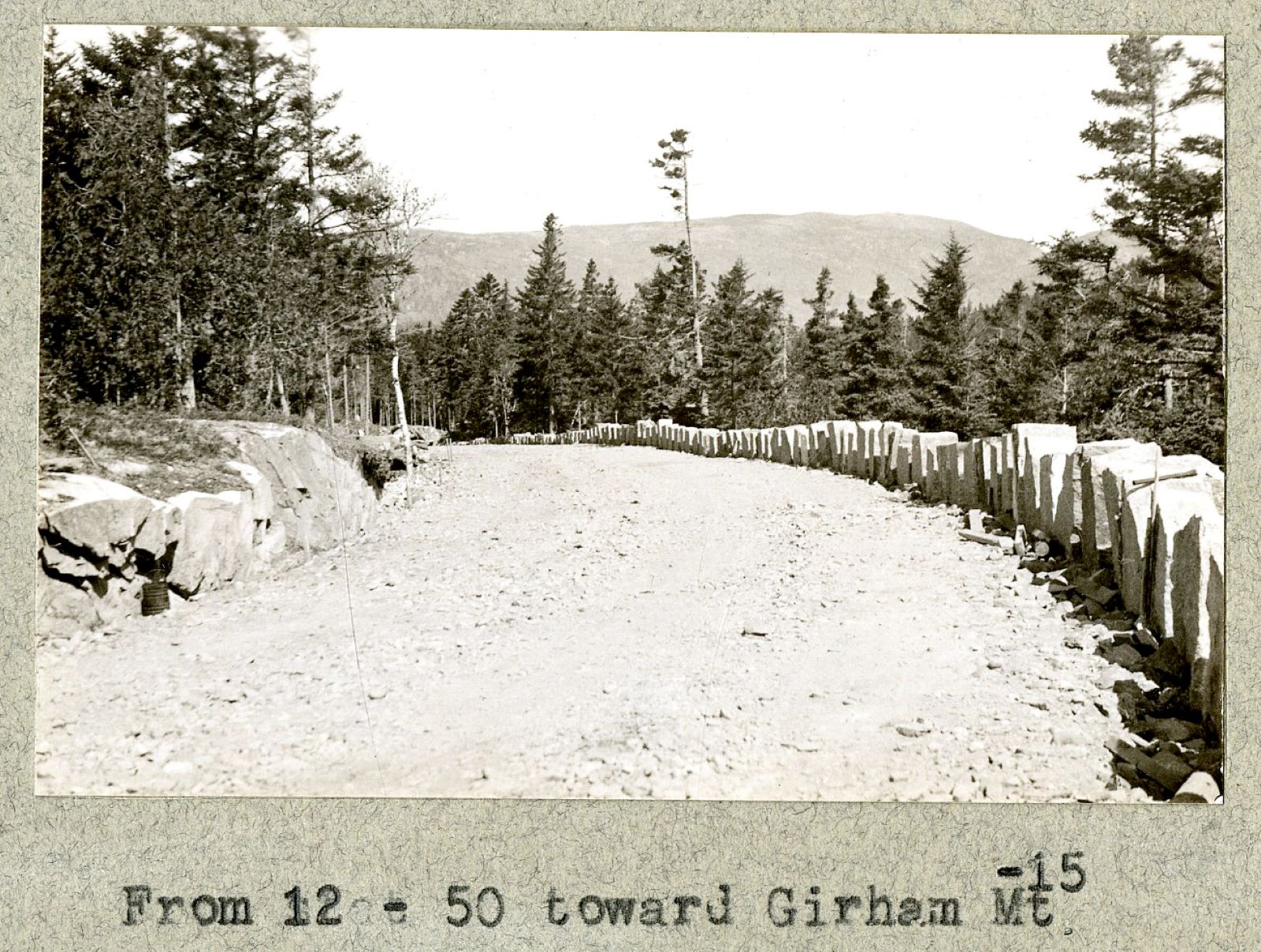
Acadia National Park: Carriage Roads, Cadillac Mountain & 2026 Guide
Discover carriage roads, Cadillac Mountain, and rugged Maine coast. Complete 2026 guide to Acadia National Park — trails, fees, lodging, permits, and what rangers recommend.
Hiking Guide
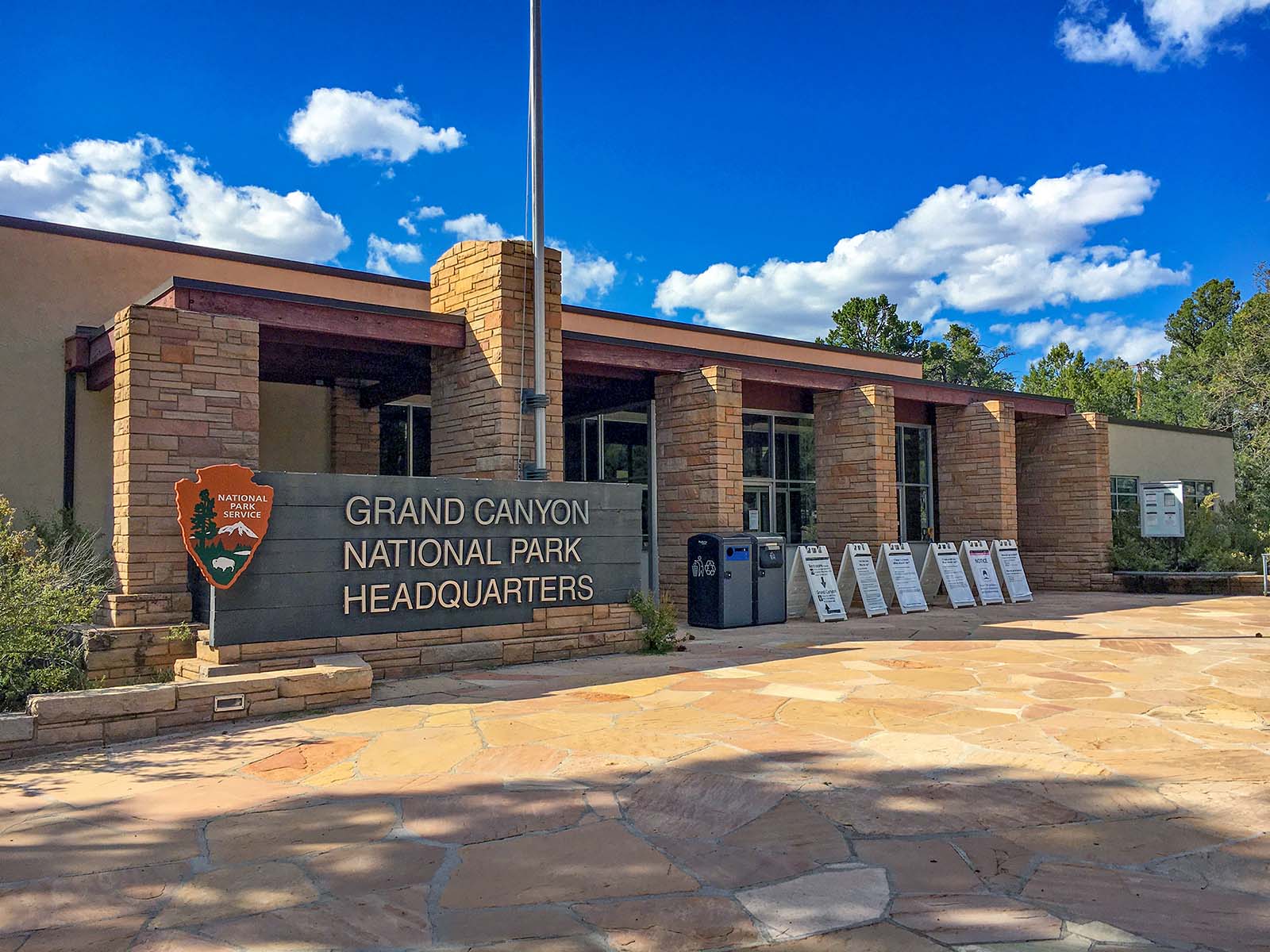
Grand Canyon Hiking Trails: Day Hikes, Water Sources & Rim to Rim
Compare Grand Canyon hiking trails: Bright Angel, South Kaibab, Hermit, Grandview, and rim to rim, with distances, elevation, water stops, and trailhead access for each.
Best Of
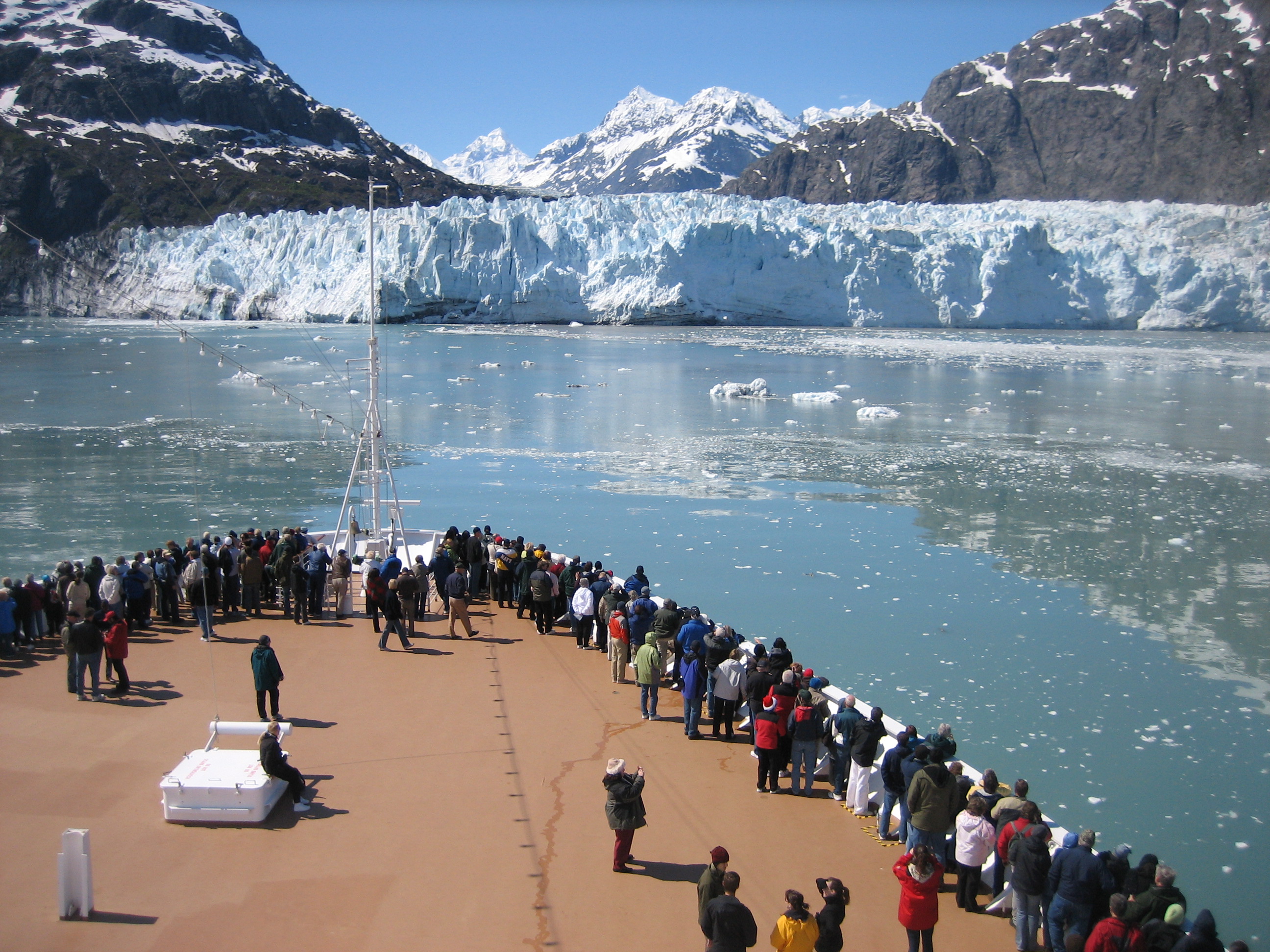
Best of Glacier Bay National Park
The best of Glacier Bay is reached by boat: ranger-led day tours up the bay to the tidewater glaciers. What's worth it, how to book, and when to go (2026).
Campsite Guide
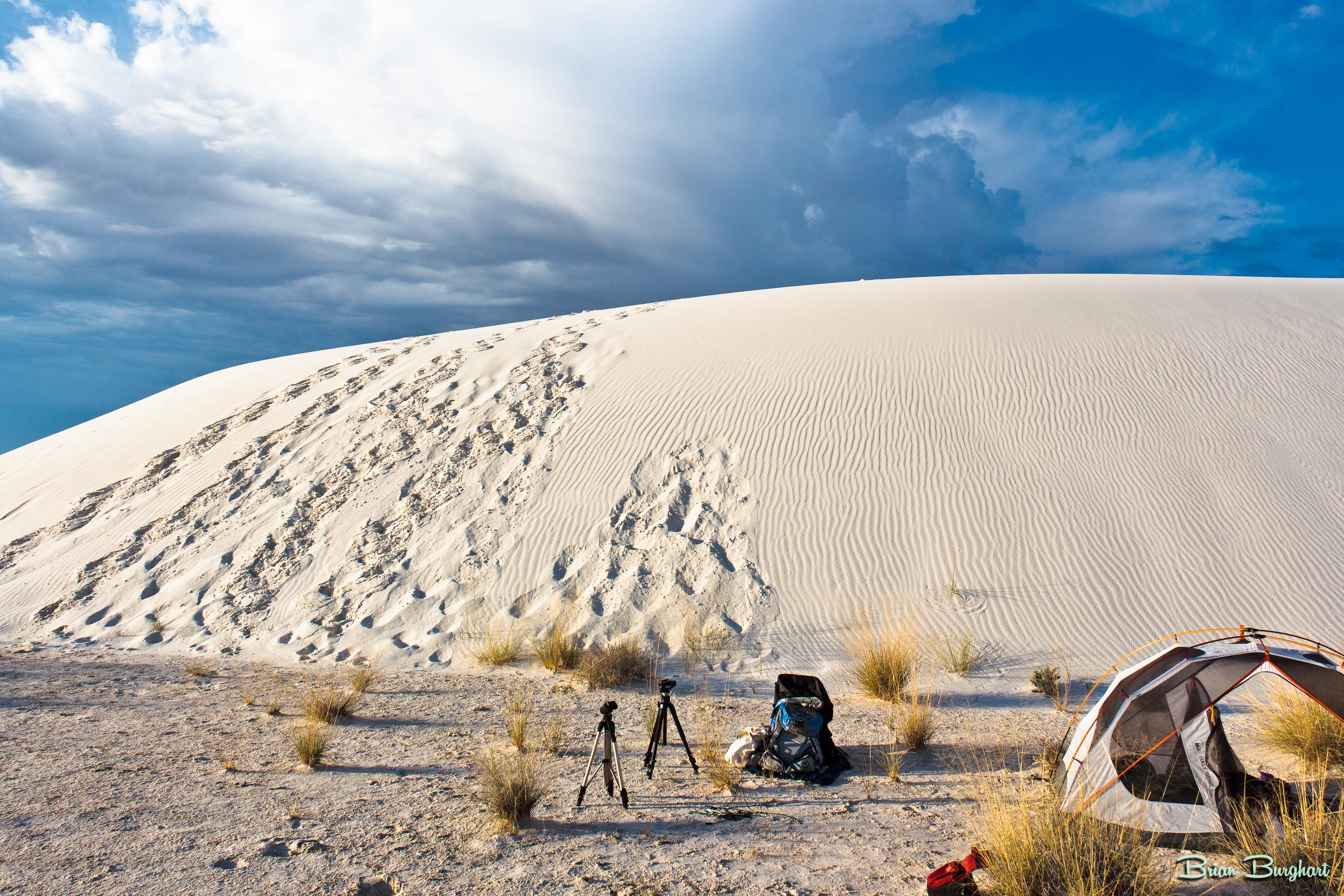
White Sands Backcountry Camping: Closed for 2026 — What to Know
As of 2026, backcountry camping at White Sands National Park is closed for site rehabilitation. What that means, and where to camp nearby instead.
Weather Guide
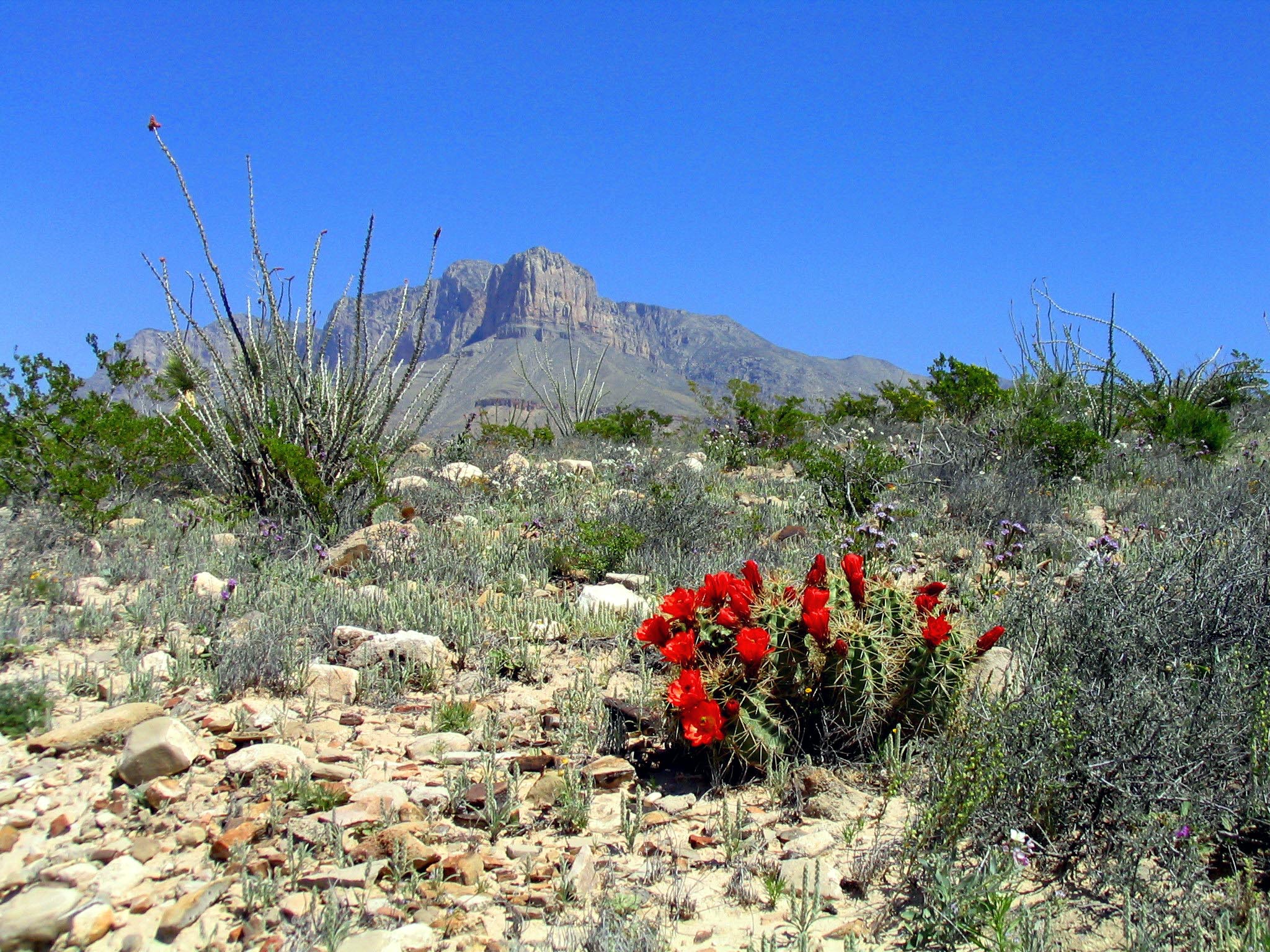
Guadalupe Mountains National Park Weather: Weather
Guadalupe Mountains National Park: weather guide guide updated 2026. Practical visitor information, reservations, and seasonal tips worth bookmarking before
Best Of
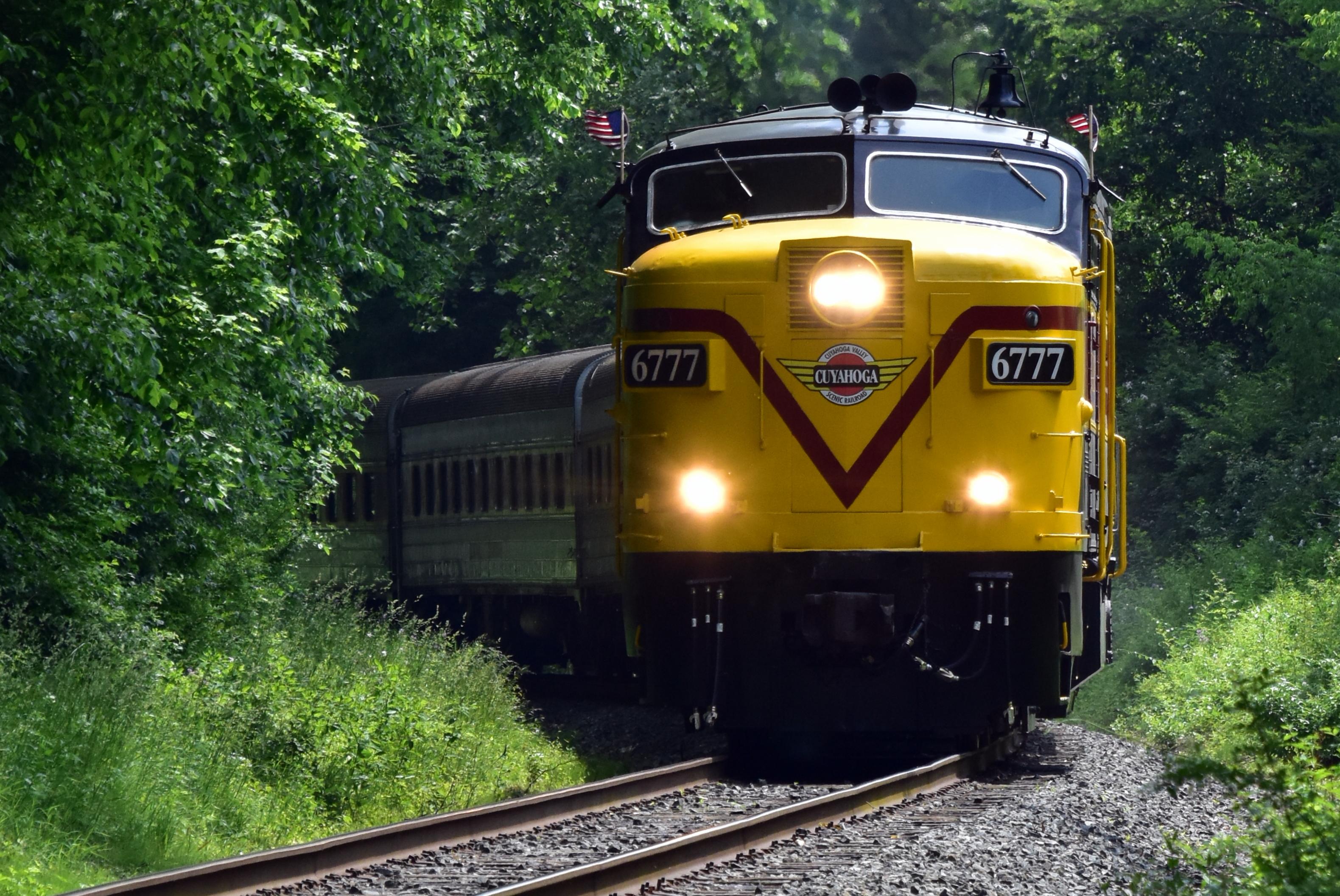
Best of Cuyahoga Valley National Park: Best Things to Do
Seeing a Cleveland Orchestra concert with the woods as your backdrop is a uniquely Cuyahoga Valley experience.
Sign in to join the conversation.
Sources & Attribution
Location data courtesy of the National Park Service (U.S. Department of the Interior). NPS data is public domain. Official NPS page.
Images: NPS; NPS; NPS; NPS; NPS.
Map data © OpenStreetMap contributors.
Park operations alerts: NPS.gov · Weather and weather hazards: National Weather Service · Live conditions.
Information may change. Always verify fees, hours, and conditions directly with the official source before visiting.
Did this guide help? Share it with a friend.