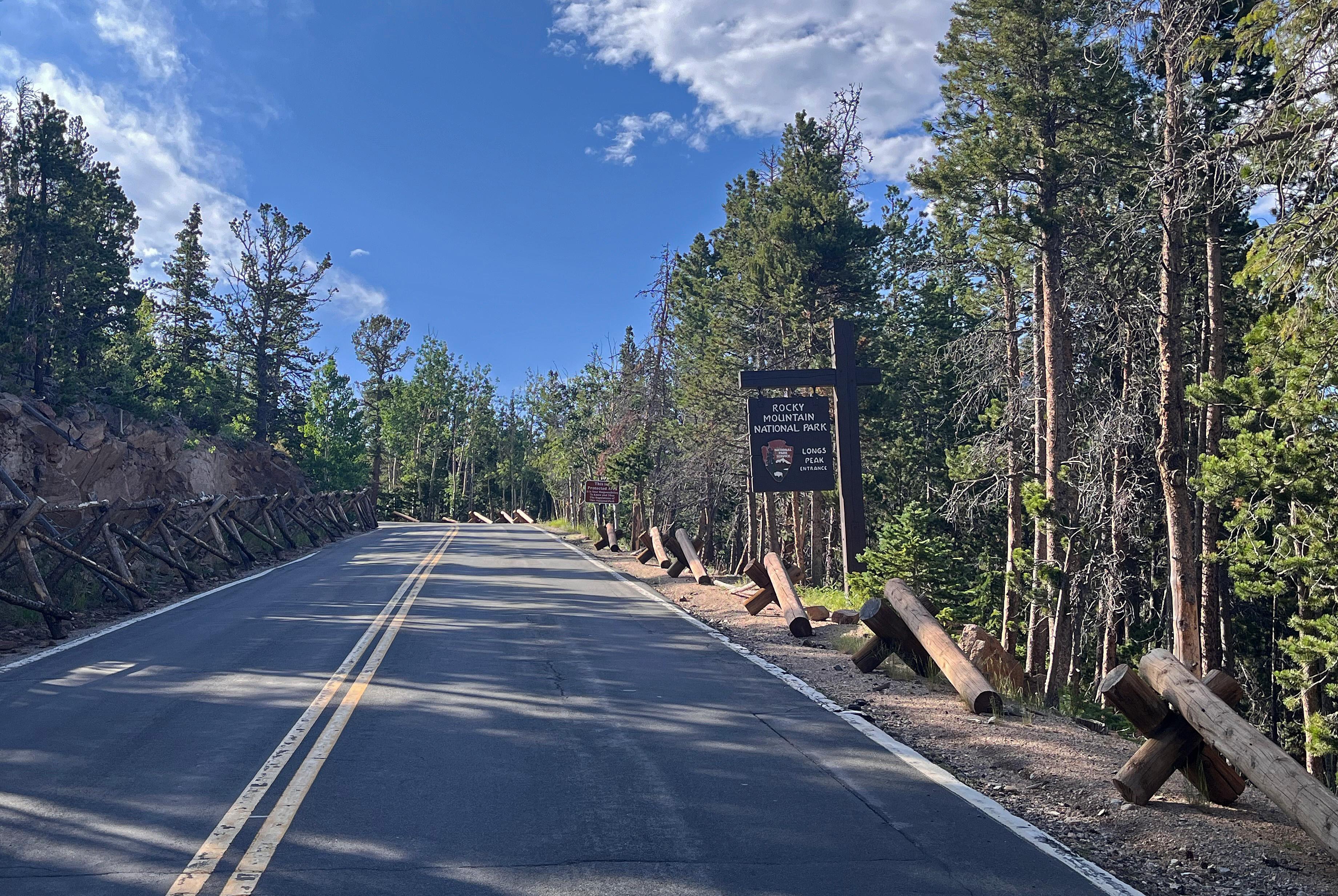
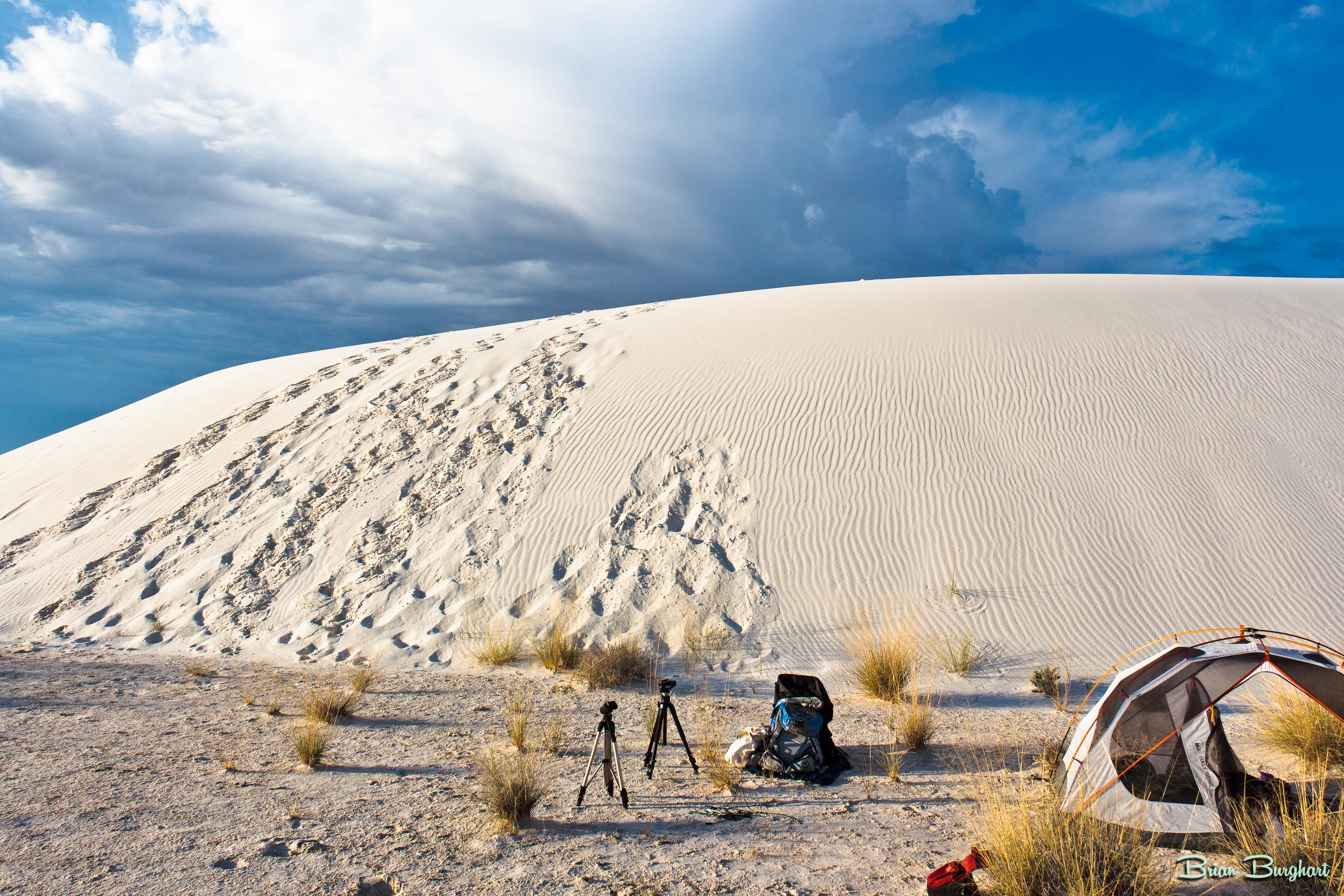
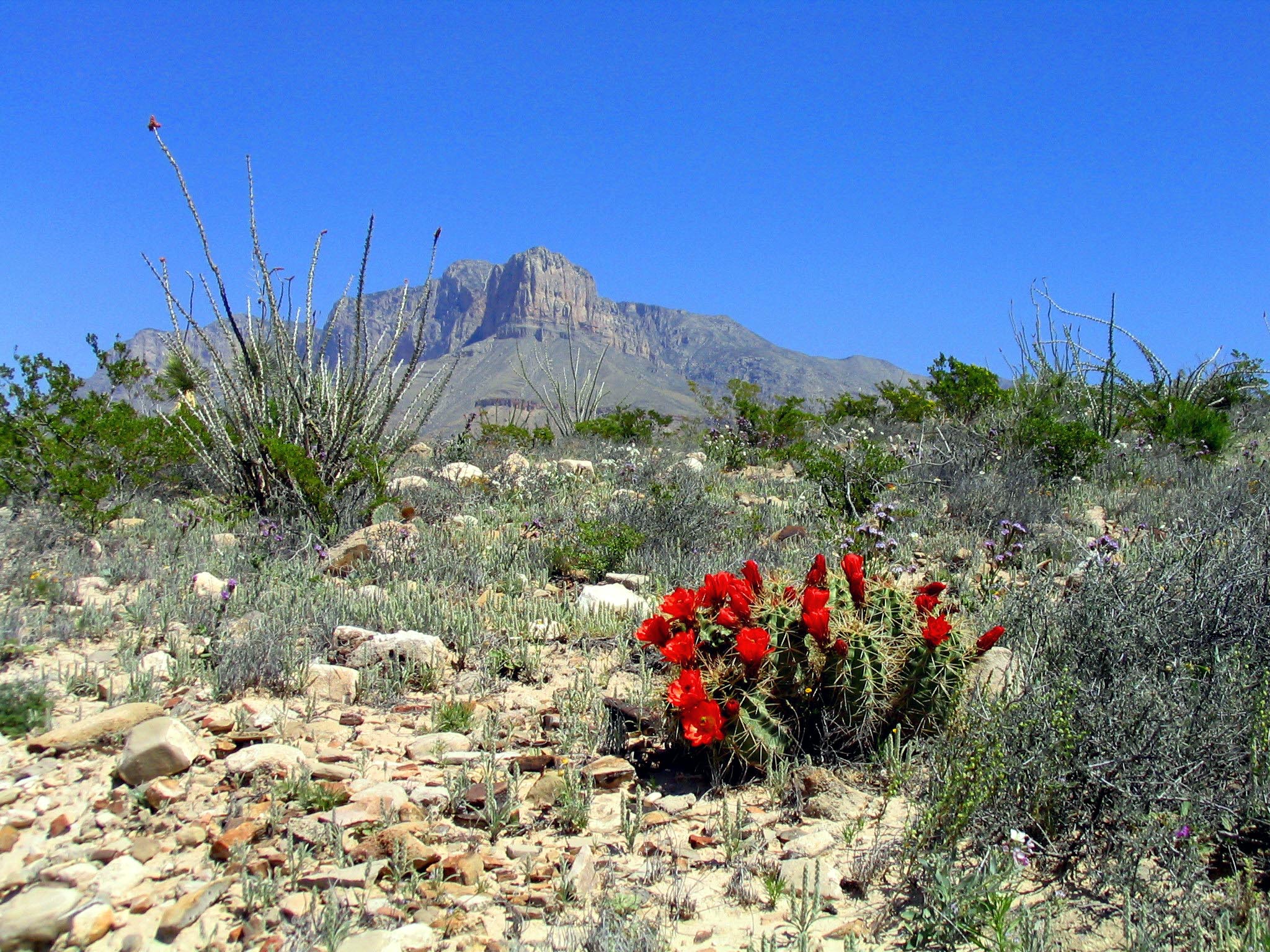
You'll find Longs Peak Campground located 20 miles south of Estes Park on CO Highway 7, well off the main park thoroughfare. As of 2026, the campground is closed for the 2025/2026 winter camping season - the first thing to know if you're planning a trip this season. When open, this is the only campground in Rocky Mountain National Park that operates entirely on a first-come, first-served basis, no reservations accepted. The setting is pure high-elevation frontcountry camping: 26 tent-only sites tucked into subalpine forest at roughly 9,500 feet, with Longs Peak itself dominating the southern skyline.
Advertisement
Most visitors to the park head straight for Moraine Park or Glacier Basin, both reservation-based. Longs Peak Campground attracts a different crowd - climbers and hikers who want early starts on the Keyhole Route, or anyone who prefers a quieter, more primitive experience without generators or RVs. The trade-off is real: no flush toilets, no potable water on site. You bring everything you need.
Photo: NPS via NPS.gov (Public Domain)
What You Need to Know Before You Go
Fees and Payment
The camping fee at longs peak campground rocky mountain national park is $30 per site, per night. That's straightforward. What isn't obvious is the payment method: there's no ranger station or fee collection booth. You'll need to download the Recreation.gov app and use the Scan & Pay feature. Instructions are posted in the campground. Cell service is spotty at best, so handle this before you lose signal on the drive in - the last reliable cell coverage is usually around the town of Meeker Park.
Site Layout and Availability
Twenty-six sites, all tent-only. No hookups, no pull-throughs, no dump station. Sites are spaced well apart compared to the park's larger campgrounds, with enough pine and fir between them to give a sense of solitude. Most sites can accommodate one to two tents comfortably, with a single parking spot. The complete visitor guide includes a detailed map of site layouts.
The campground fills quickly during summer months. On a typical Friday in July, sites are claimed by 10 AM. Midweek is better, but even then, arriving after noon means you might be circling. Rangers will tell you the best strategy is to arrive on a Tuesday or Wednesday, when turnover is highest from weekend departures.
What's Here and What Isn't
What you get: a tent pad, a fire ring, a picnic table, and a vault toilet. What you don't get: running water, trash service (pack it out), or electricity. The campground provides no drinking water - you must bring your own, plus enough for cooking and cleaning. Plan on a gallon per person per day minimum. There are no showers, no dump station, and no camp store.
What you do get access to: the Longs Peak Trailhead, which is a short walk from the campground. This is the primary starting point for the Keyhole Route (summiting Longs Peak) and the Chasm Lake trail. Several other trailheads are within a 15-minute drive.
Photo: NPS via NPS.gov (Public Domain)
Seasonal Timing and Closures
Winter Closure
As noted in the research data, Longs Peak Campground is now closed for the 2025/2026 winter camping season. This closure typically runs from early October through late May, depending on snow. The park service closes the campground because the road to the ranger station is unplowed and accessible only by foot or ski. If you're looking for winter camping in Rocky Mountain National Park, you'll need to check other options - all campgrounds at the park have different season dates.
The 2026 summer season usually opens around Memorial Day weekend. But that depends on snowpack and road conditions. Check the park's alerts page before heading out. The research data also notes that Trail Ridge Road is currently closed due to winter weather, open only to Rainbow Curve on the east side and Milner Pass on the west - this doesn't directly affect Longs Peak Campground access (you reach it via CO 7, not Trail Ridge Road), but it's worth knowing that the park's high-elevation through-route is unavailable.
Elevation and Weather
At 9,500 feet, the air is thin. Most visitors underestimate how quickly you feel the altitude. Your first night here might include restless sleep, headaches, or shortness of breath on a short walk to the vault toilet. The park service recommends spending a night at this elevation before attempting a Longs Peak summit - and they mean it. The Keyhole Route is a Class 3 scramble with exposed sections over 14,000 feet; altitude sickness on top of an already technical climb is dangerous.
Weather at this elevation is unpredictable year-round. Afternoon thunderstorms are routine from June through August, often rolling in by 1 PM. Temperatures can drop 30 degrees in an hour. Pack a warm layer and rain gear even if the morning is clear and hot.
Photo: NPS via NPS.gov (Public Domain)
Camping Experience and Practical Tips
Arrival and Setup
The campground entrance is off Longs Peak Road, just past the Longs Peak Ranger Station. You'll see the registration board - that's where the Scan & Pay instructions are posted. Pick an open site, set up, then pay. There's no host to check you in.
Sites vary in size and shade. The first few sites (near the entrance) are more exposed to road noise from early-morning climber traffic. Sites toward the back of the loop offer more privacy and better tree cover. The trail narrows here - the one-way loop road is tight for larger vehicles, but since it's tent-only, that's less of an issue.
Keep an eye out for the campground's resident wildlife. Porcupines are common, as are Abert's squirrels. The research data doesn't mention bear activity, but standard food storage rules apply - all food, cookware, and scented items must be stored in a bear-resistant canister or your vehicle. The park recommends hard-sided canisters. Coolers in tents attract more than bears; marmots and rodents will chew through soft-sided bags.
Water and Sanitation
Bring a full water supply. The vault toilets are serviced regularly in summer but can get rough by Sunday morning. Carry hand sanitizer. There is no sink or tap anywhere in the campground.
For cooking, most campers use camp stoves. Fire rings are provided, but fire bans are common during dry summer months. Check current restrictions at the ranger station when you drive in.
Nearby Trailheads
The big draw is Longs Peak Trailhead, less than 0.2 miles from the campground. Chasm Lake is a solid day hike (8.4 miles round trip, 2,400 feet elevation gain) that ends at a alpine lake directly beneath the Diamond face of Longs Peak. From this overlook you can see the entire east face - it's a view that photographers chase all summer.
The Keyhole Route requires an alpine start - most climbers leave the campground by 3 AM. The parking lot at the trailhead fills before dawn. If you're camping here, you're already there. That's the main advantage of this campground over others in the park.
Photo: NPS via NPS.gov (Public Domain)
What the Park Website Doesn't Tell You
Rangers will tell you that the hardest part of camping here isn't the altitude or the lack of water - it's the quiet. No generators, no radios, no car doors slamming at midnight because the campground has no RVs. You'll hear wind through the pines and, if you're lucky, the call of a northern pygmy owl. But the silence can feel heavy if you're used to more populated campgrounds.
Also not obvious: the mosquitoes. After snowmelt in June, they're aggressive. Bring repellent with DEET or permethrin-treated clothing.
The parking situation here is straightforward for campers - each site has one designated spot. But day hikers who drive in after 7 AM will struggle to find parking at the trailhead lot. If you're camping, you can walk to the trailhead and skip the parking headache entirely.
Cell service drops out at roughly the turnoff from CO 7 onto Longs Peak Road. Don't count on reception for the Scan & Pay app - some campers have reported trouble and had to drive back toward town to complete payment. Download the app and register your payment method before you lose signal.
Practical Takeaways
Reserve nothing - it's all first-come, first-served. Arrive by 10 AM Friday in summer, earlier on holiday weekends.
Bring all your own water. Minimum one gallon per person per night.
Download the Recreation.gov app and set up payment before you lose cell service.
Pack extra water for this stretch - there is no spigot, stream, or pump.
The elevation gain is worth it if you're climbing Longs Peak; if you're not, consider whether the altitude affects you before booking several nights.
Fire bans can happen with little notice. Bring a camp stove as backup.
The trail narrows here - both the road into the campground and the footpaths. Pay attention to signage, especially at night.
Check the park alerts page before you leave home. Trail Ridge Road closures and transponder issues are current as of 2026 and may affect your route or timing.
Final Thoughts
Longs Peak Campground is not the easiest place to camp in Rocky Mountain National Park. It lacks the conveniences that most frontcountry campers expect. But that's the point. It trades flush toilets and running water for proximity to the park's defining peak and a quiet that reservation-based campgrounds can't offer. If you know what you're getting into - pack your water, pay ahead, arrive early - it's one of the best bases for exploring the east side of the park.
The 2025/2026 winter closure means you'll need to wait until late May 2026 for the next season. By then, the snow on Longs Peak will be melting, the trailhead parking lot will fill before dawn, and the first porcupine of the year will be chewing on a picnic table leg. Worth the wait.