For more, see complete visitor guide, all campgrounds, hiking trails, and lodging and accommodations.
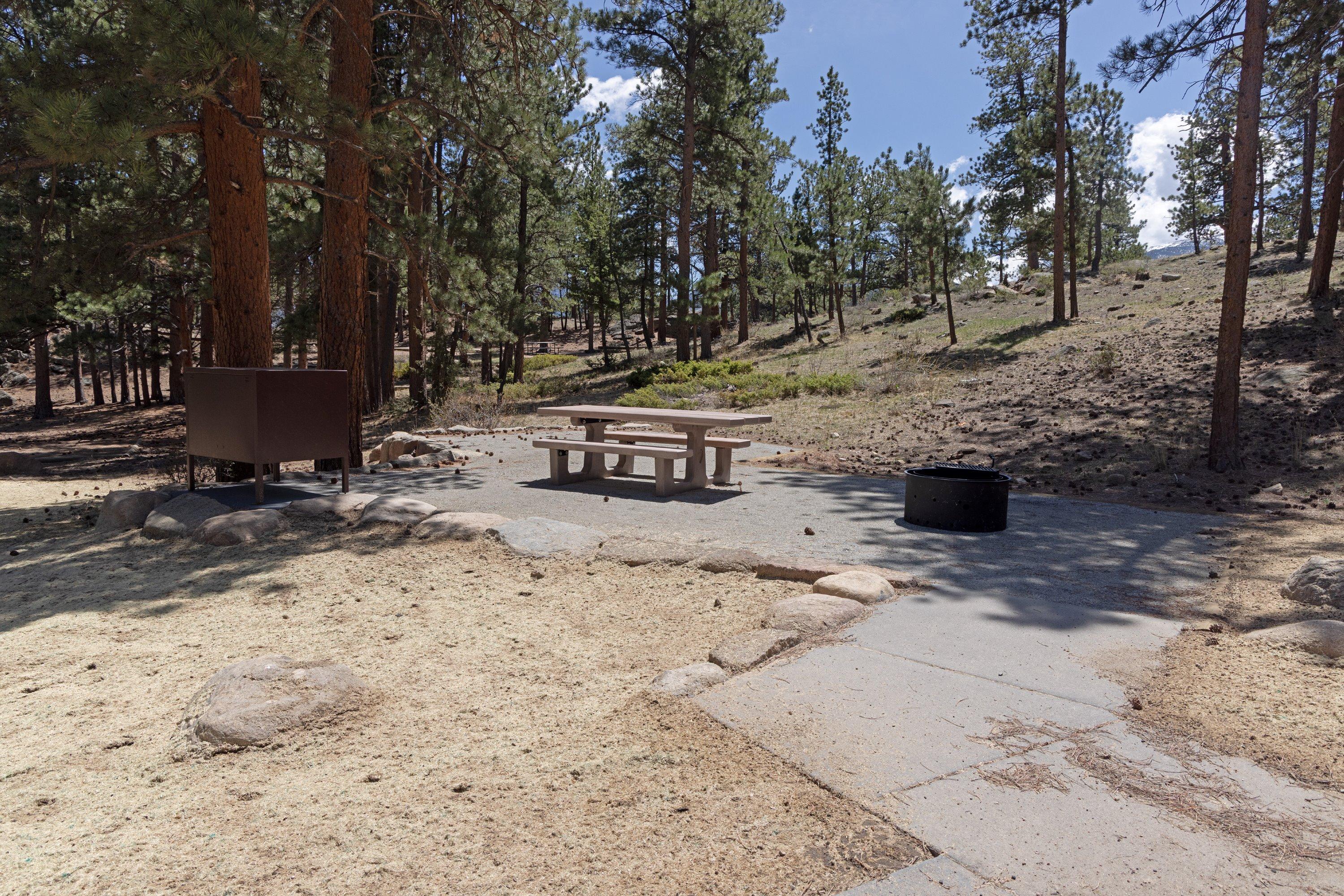
NPS via NPS.gov (Public Domain)
Moraine Park Campground: A Complete Guide to Winter and Summer
7 min read
Campsite Guide
Old Fall River Road opens in summer and runs 9.4 miles from Endovalley to the Alpine Visitor Center. It is unpaved, narrow, and climbs 3,000 feet.
Your plans
Introduction
Moraine Park Campground stays open through the winter months when every other campground in Rocky Mountain National Park is closed. Through May 18, 2026, you can pull into Loop A, B, C, or E on a first come, first-served basis and claim a site for the night. That is rare access for a park that otherwise shuts down its camping options once snow settles in. This guide covers what you need to know about the moraine park campground rocky mountain national park experience during both winter and summer seasons, including fees, loop layouts, and what to expect when you arrive.

Winter Camping: The Only Game in Town
What Stays Open and What Closes
From late fall through mid-spring, Moraine Park Campground is the only operating campground in Rocky Mountain National Park. Aspenglen, Glacier Basin, Longs Peak, and Timber Creek are all closed for the 2025/2026 winter season. That means if you want to camp inside the park between November and mid-May, this is your single option.
The available loops during winter are Loop A (sites 1 through 62), Loop B, Loop C, and Loop E. No reservations are accepted during this period. You drive in, check which sites are vacant, and pay on arrival. Rangers recommend arriving by early afternoon on weekends and holidays - the limited number of open sites can fill quickly, especially when conditions are favorable for snowshoeing or cross-country skiing.
What Winter Camping Actually Looks Like Here
Temperatures at night routinely drop into the teens and single digits from December through February. Snow accumulates on the ground, and the campground road may be packed ice. You will want a four-season tent rated for below-freezing conditions and a sleeping bag rated for at least 10 degrees colder than the forecast low.
The campground provides vault toilets during winter. No electric hookups are available in the non-electric sites, though there are 49 sites with electric hookups in the campground overall - confirm which are open for winter when you check in. Water spigots are turned off for the season to prevent freeze damage, so bring enough drinking water for your entire stay. Figure at least one gallon per person per day.
Winter Activities Within Walking Distance
From the campground, you can access several trails without driving. The Cub Lake Trail starts nearby and offers a 2.3-mile one-way hike through open meadows where elk often gather. Snowshoes or traction devices are required from late October through early June - hard-packed snow and ice make the trail slick even when the weather is clear.
Fishing remains open year-round in the park. The Big Thompson River runs through Moraine Park, and winter anglers who bundle up properly can find decent conditions for catch-and-release fishing. Check current regulations at the Beaver Meadows Visitor Center before heading out.

Summer Camping: Reservations and Layout
How to Book a Site
Starting May 19, 2026, Moraine Park Campground switches to a reservation-only system. All summer bookings go through www.recreation.gov. Search for Moraine Park Campground and pick your dates. Sites book out rapidly - summer weekends fill within minutes of the six-month-ahead release window. Have your dates locked in before the booking window opens.
The campground contains 244 total sites. Of those, 155 are designated tent-only, 88 can accommodate RVs, and 49 include electric hookups (20, 30, and 50 amp). Fees as of 2026 are $35 per night for standard non-electric sites and $55 per night for standard electric sites. Those rates cover up to eight people and two vehicles per site.
What Each Loop Offers
Loop A runs sites 1 through 62 and sits closest to the meadow. It is tent-only and tends to be quieter since no generators run here. The sites are well spaced with decent vegetation between them, giving more privacy than the inner loops.
Loop B and Loop C mix tent and RV sites. Loop B has some electric hookups. Loop C is the largest loop and handles the bulk of the RV traffic. If you are in a camper van or trailer over 25 feet, Loop C is your best bet for finding a pull-through that does not require backing in on a tight turn.
Loop E is smaller and primarily tent camping. It backs up against the moraine itself, which provides a wind break on breezy evenings.
What the Official Website Does Not Mention
The parking situation here is tight. Each site allows two vehicles, but the parking pads are shorter than you might expect. If you are towing a trailer, you will need to park the tow vehicle in the overflow lot near the entrance. Rangers enforce the two-vehicle limit strictly.
Cell service drops out at the outer edges of the campground. Near Loop A and the entrance station, you might catch a weak signal. Deeper into Loop C or Loop E, plan on having no reception. Download your maps and any entertainment before you arrive.
The road into Moraine Park Campground is a single lane in places. You will encounter oncoming traffic during peak check-in hours between 2 PM and 5 PM. Pullouts are limited. If you are towing, take it slow and use your mirrors.

Nearby Trails and Things to Do
Hikes from the Bear Lake Trailhead
Bear Lake Road is about one mile from the campground entrance. From the Bear Lake Trailhead, you can reach several of the park's most popular destinations:
Bear Lake Loop - 0.7 miles around the lake with 20 feet of elevation gain. Wheelchair and stroller accessible. Good for an evening stroll after setting up camp.
Alberta Falls - 1.6 miles round trip with 160 feet of elevation gain. Accessible from either the Glacier Gorge or Bear Lake trailheads. The waterfall runs strong through early summer from snowmelt.
Emerald Lake - 3.6 miles round trip from Bear Lake with 771 feet of elevation gain. Passes Nymph Lake and Dream Lake along the way. The trail is snow-covered into June most years - traction devices recommended even in late spring.
Bierstadt Lake - 2 miles one-way with 290 feet of elevation gain from the Bear Lake Trailhead. The lake sits atop a forested moraine, and the views of the Continental Divide from the shore are worth the climb.
Wildlife Viewing in Moraine Park
Moraine Park itself is one of the best spots in the park for watching elk. During September and October, bull elk gather in the meadow for the rut. Bugling carries across the valley in the early morning and late evening. Keep at least 75 feet between you and any elk - bulls during rut are aggressive and unpredictable.
Mule deer are common throughout the summer. You will see them grazing along the road in the early morning hours. Coyotes hunt the meadow edges at dawn. Black bears are present but reclusive - store all food and scented items in the bear-proof lockers provided at each campsite.
Scenic Drives
Old Fall River Road opens in summer and runs 9.4 miles from Endovalley to the Alpine Visitor Center. It is unpaved, narrow, and climbs 3,000 feet. Allow 45 minutes to an hour one-way. The road is one-way uphill, so you come back down via Trail Ridge Road.
Trail Ridge Road is the main east-west route through the park. It reaches 12,183 feet at its highest point. The drive from Moraine Park to the Alpine Visitor Center takes about an hour without stops. Plan for at least two hours if you pull over at Forest Canyon Overlook, Many Parks Curve, and the Lava Cliffs viewpoints.

Practical Takeaways
- Winter camping runs through May 18, 2026. First come, first served. Loops A, B, C, and E are open. Bring your own water - spigots are winterized.
- Summer reservations open six months ahead at recreation.gov. Mark your calendar. Sites in July and August sell out within hours of release.
- $35 per night for standard non-electric, $55 for electric. Rate as of 2026. Check the official website for any price changes.
- Arrive by early afternoon during winter and by check-in time in summer. The best sites go fast in both seasons.
- Pack traction devices. From October through early June, you will need them for most trails. Hiking with traction devices is the park's recommended approach for late-season snow and ice.
- Download offline maps. Cell reception is unreliable in the campground and on most trails.
> For a more detailed overview of everything this park offers, check out the complete visitor guide (coming soon). To compare all camping options in the park, see the all campgrounds page (coming soon).
Final Thoughts
Moraine Park Campground occupies a unique position in Rocky Mountain National Park. It is the only campground open through winter, giving you a chance to experience the park in its quietest season with snow on the ground and few other visitors. In summer, it offers a central location that puts Bear Lake, Trail Ridge Road, and the Moraine Park meadow all within walking distance or a short drive.
The common mistake - and almost everyone makes it - is assuming you can show up in July without a reservation and find a site. You cannot. Plan ahead, book early, and pack for the conditions. Do that, and this campground becomes one of the most reliable home bases for exploring everything the park has to offer.
For more information, see our complete Rocky Mountain National Park Guide.
Sources
- Official source: NPS — Rocky Mountain National Park nps.gov/romo/index.htm
- Official source: National Park Service nps.gov/romo/planyourvisit/mpcg.htm
Photo Gallery
More to Explore
Park Guide
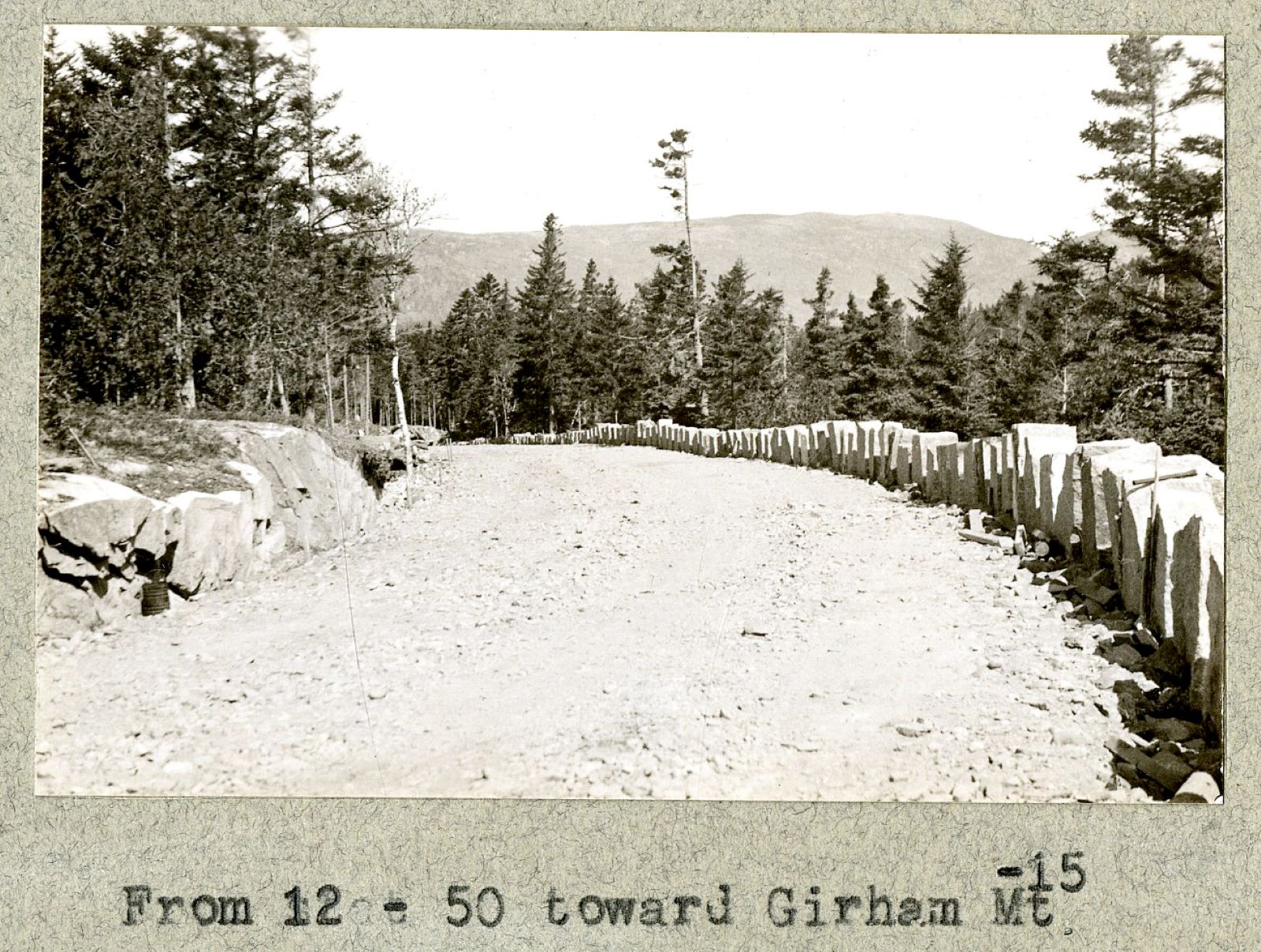
Acadia National Park: Carriage Roads, Cadillac Mountain & 2026 Guide
Discover carriage roads, Cadillac Mountain, and rugged Maine coast. Complete 2026 guide to Acadia National Park — trails, fees, lodging, permits, and what rangers recommend.
Hiking Guide
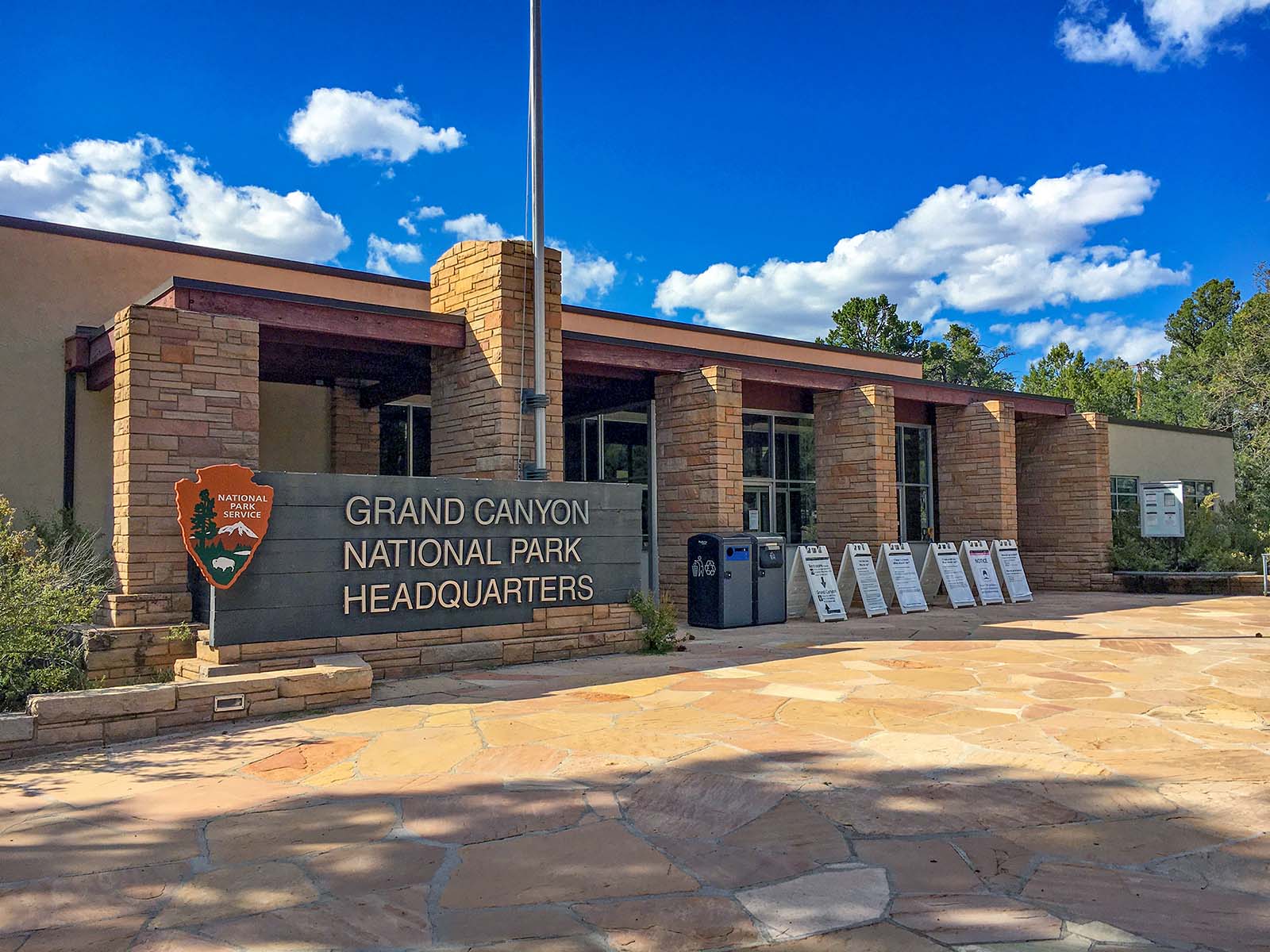
Grand Canyon Hiking Trails: Day Hikes, Water Sources & Rim to Rim
Compare Grand Canyon hiking trails: Bright Angel, South Kaibab, Hermit, Grandview, and rim to rim, with distances, elevation, water stops, and trailhead access for each.
Best Of
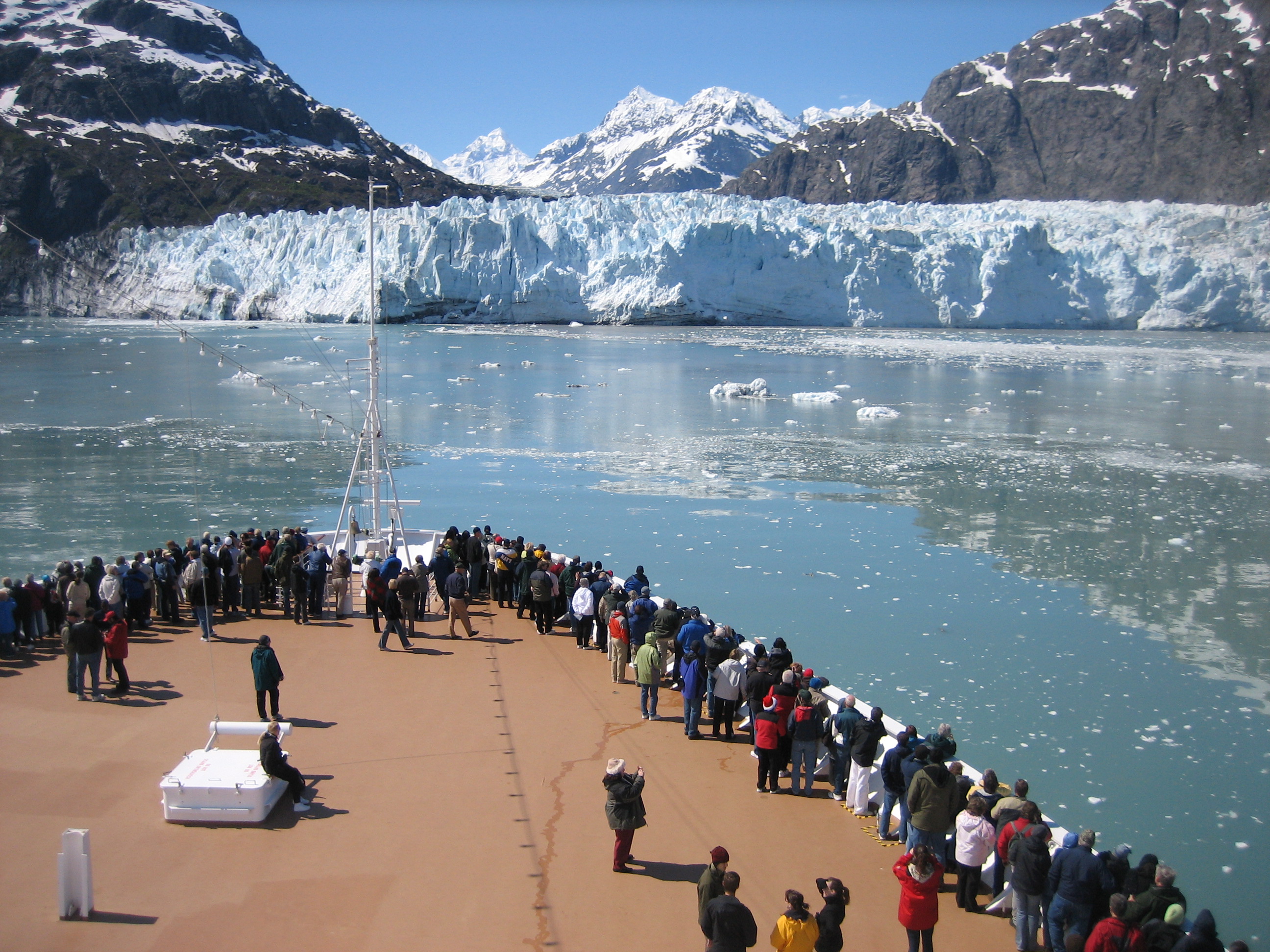
Best of Glacier Bay National Park
The best of Glacier Bay is reached by boat: ranger-led day tours up the bay to the tidewater glaciers. What's worth it, how to book, and when to go (2026).
Campsite Guide
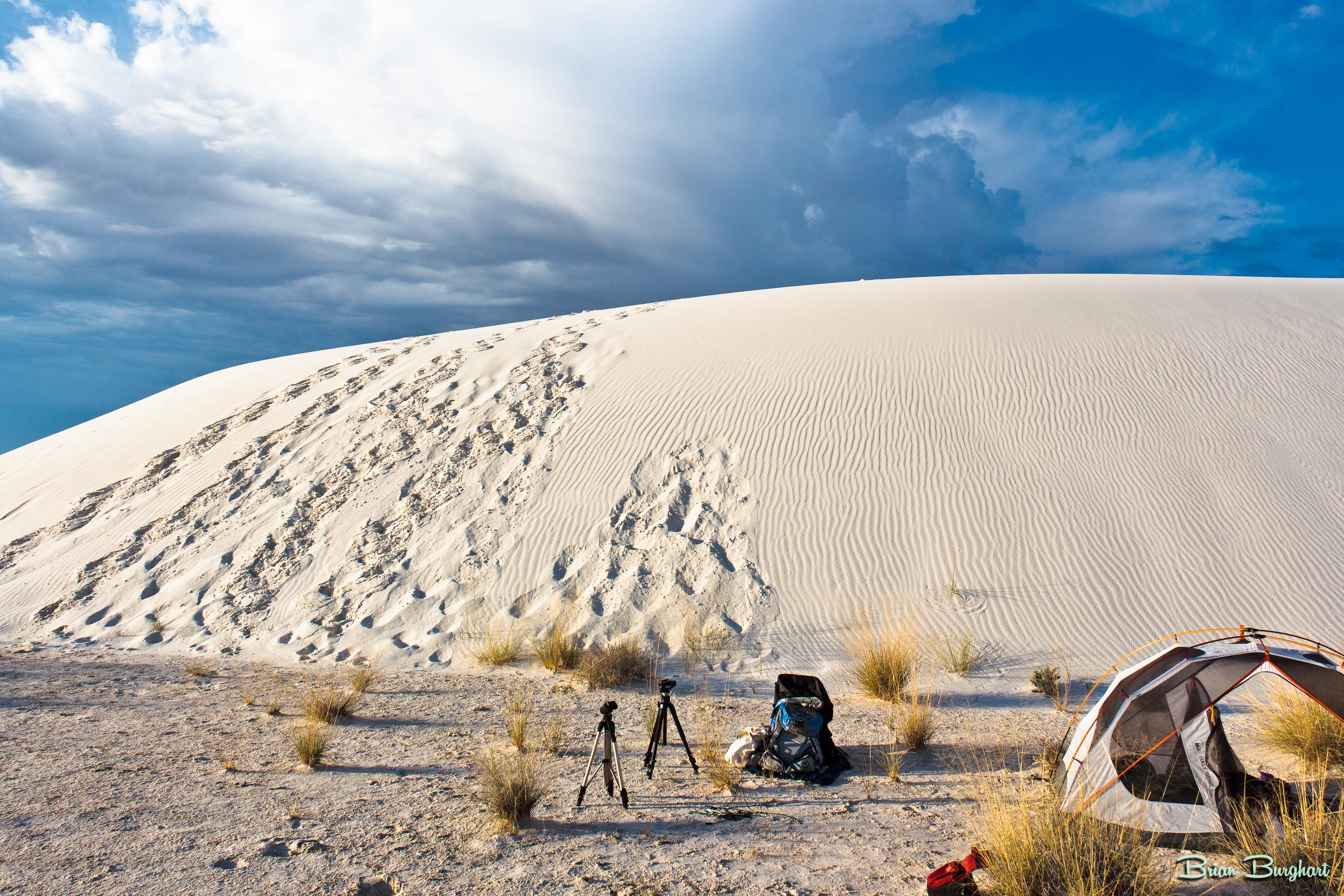
White Sands Backcountry Camping: Closed for 2026 — What to Know
As of 2026, backcountry camping at White Sands National Park is closed for site rehabilitation. What that means, and where to camp nearby instead.
Weather Guide
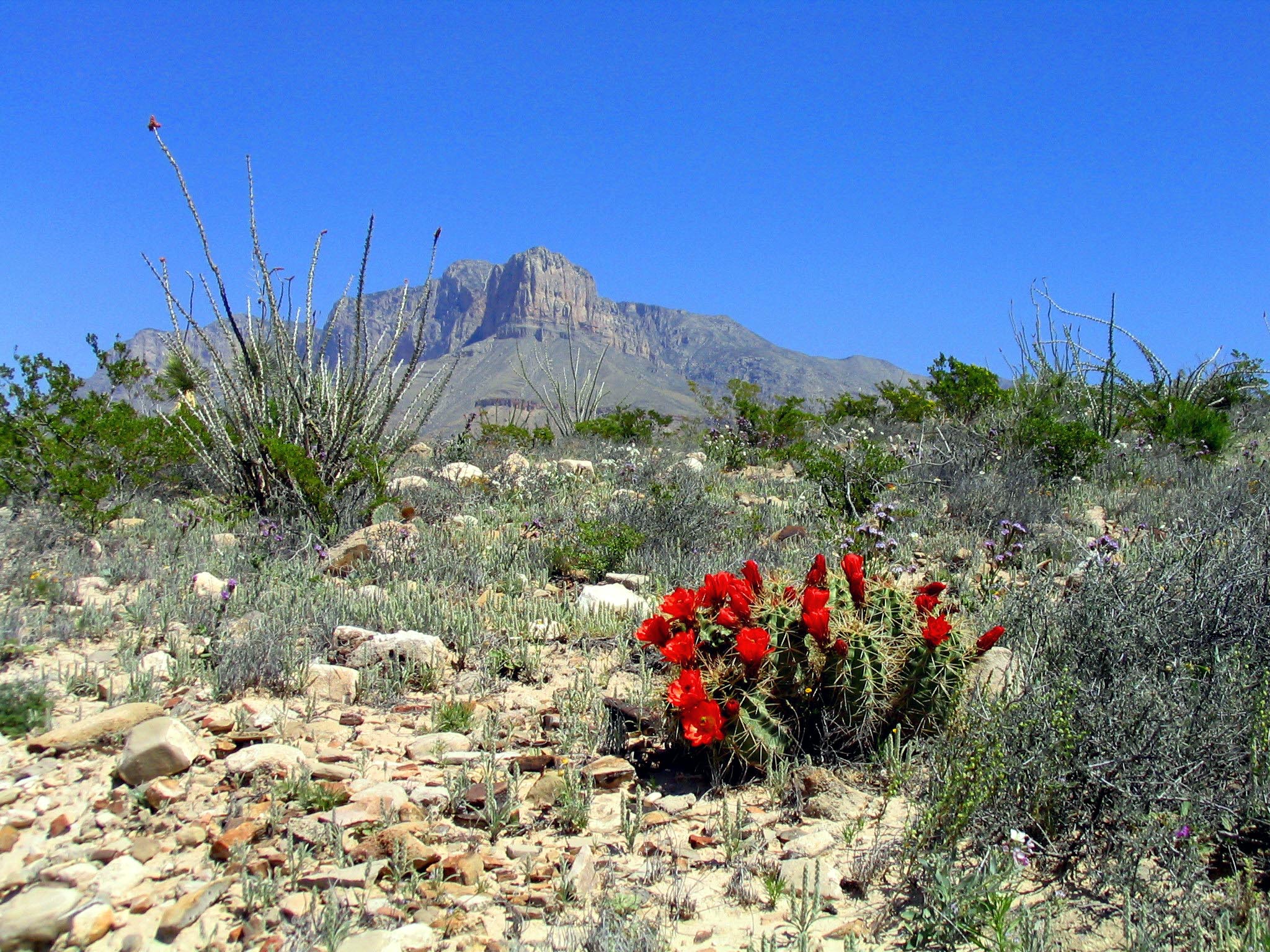
Guadalupe Mountains National Park Weather: Weather
Guadalupe Mountains National Park: weather guide guide updated 2026. Practical visitor information, reservations, and seasonal tips worth bookmarking before
Best Of
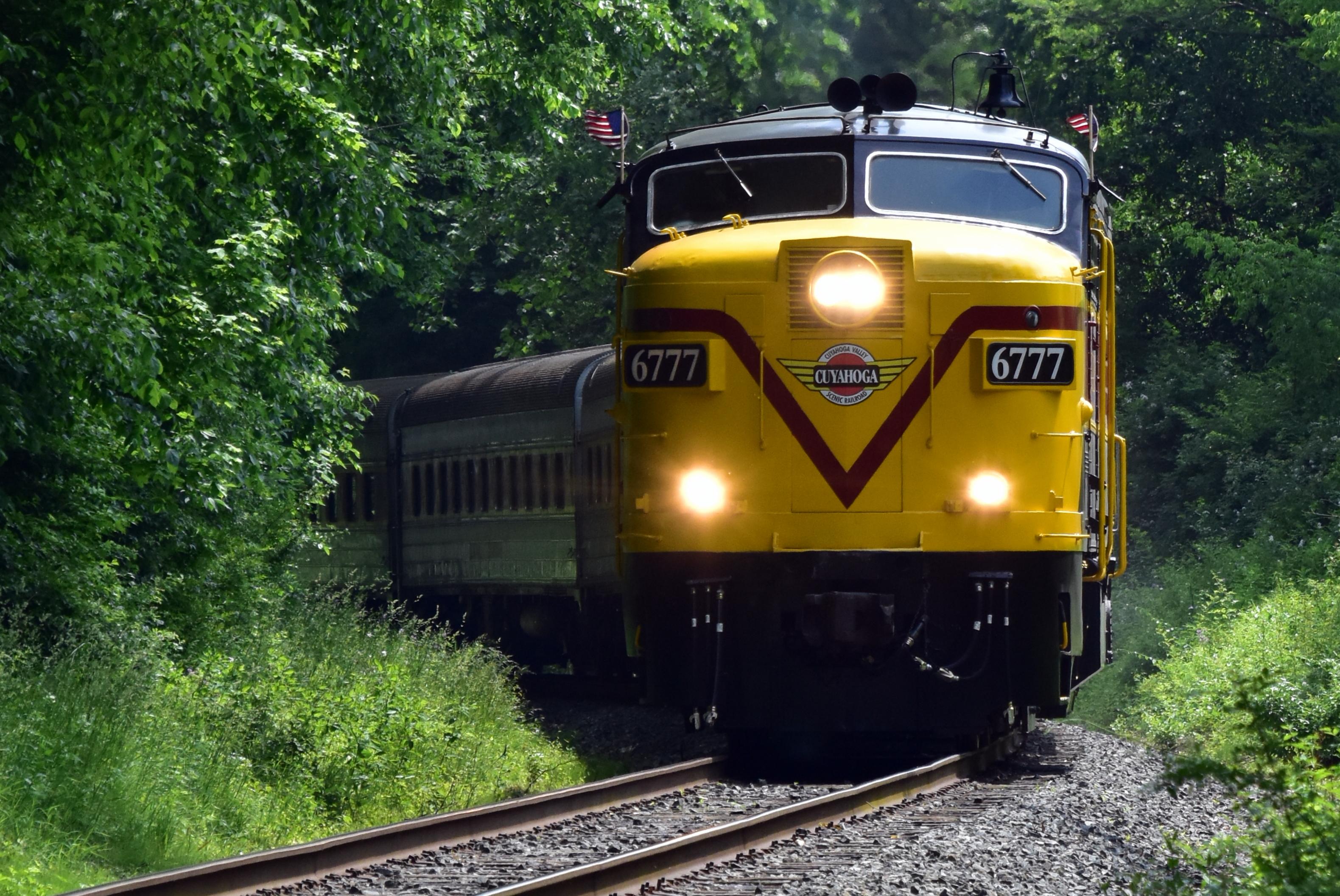
Best of Cuyahoga Valley National Park: Best Things to Do
Seeing a Cleveland Orchestra concert with the woods as your backdrop is a uniquely Cuyahoga Valley experience.
Sign in to join the conversation.
Sources & Attribution
Location data courtesy of the National Park Service (U.S. Department of the Interior). NPS data is public domain. Official NPS page.
Images: NPS; NPS; NPS; NPS; NPS.
Map data © OpenStreetMap contributors.
Park operations alerts: NPS.gov · Weather and weather hazards: National Weather Service · Live conditions.
Information may change. Always verify fees, hours, and conditions directly with the official source before visiting.
Did this guide help? Share it with a friend.